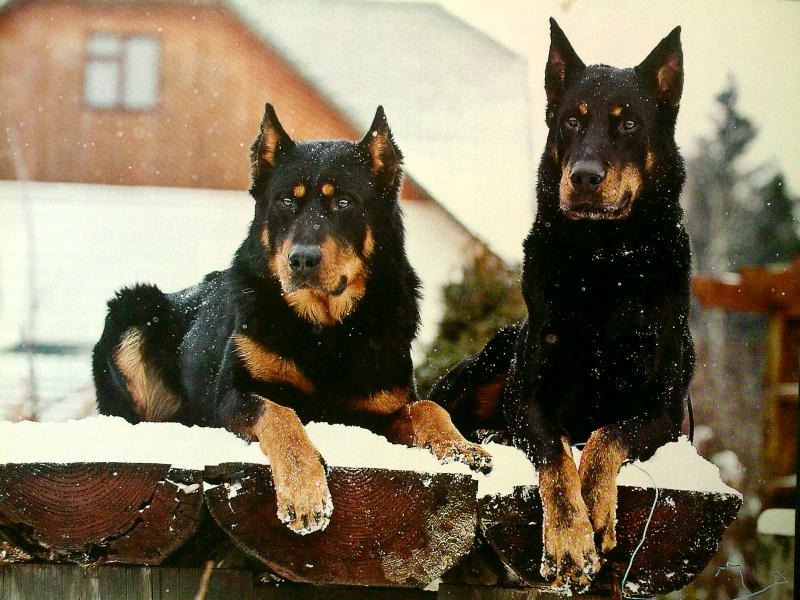
Stress-related mood disorders affect not only humans but also our four-legged friends. If you suspect your pet has become less active or isn't responding to their favorite treats, they may simply be depressed. To help your beloved family member return to normal, it's important to learn to recognize the symptoms of sadness in dogs.
What points should you pay attention to?
Your dog has become more withdrawn.
Dogs are among the most sociable animals. They love to listen to what is said to them or what questions are asked, and some make various sounds in response. They are normally always willing to interact with their own kind and household members.
Signs of withdrawal in a pet:
- began to lie alone more often;
- Doesn't greet family members as they used to, wags their tail sluggishly, and doesn't lick themselves. There are cases where the pet simply stares at one spot and doesn't react to events happening around them;
- does not want to communicate;
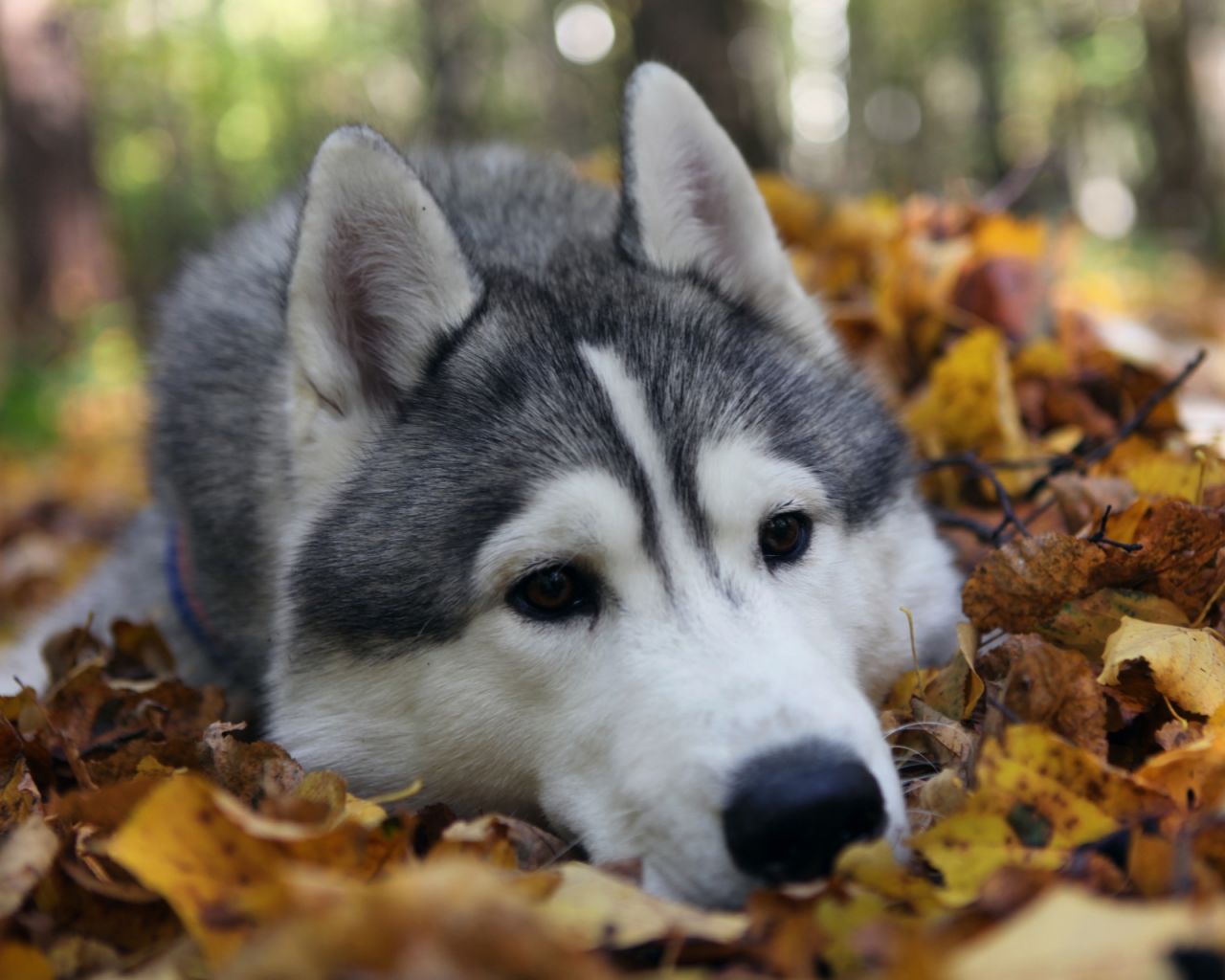
- looks downcast (tail tucked, sad eyes, ears drooping);
- makes the same movements for a long time (licks paws, tail).
Lifestyle has become less active
A healthy dog will never refuse to play with its owner or other dogs outside. A depressed dog will lose interest in the things that once brought it joy.
- gives up his favorite games;
- shows no interest in the surrounding events on the street;
- walks lazily rather than runs;
- slowly and randomly wanders around the apartment:
- sluggishly follows the owner's commands.
The dog refuses to eat
Every dog loves to eat and will rarely ignore dinner, especially a favorite treat. The exceptions are:
- Hot weather. Breeds with "warm coats" have a decreased appetite in the summer and drink more water. Also, breeds with short noses have a hard time in the heat;
- If a dog has constant access to food and treats, it may not show interest in food due to being spoiled.
A depressed pet may sniff the food bowl without much interest and then walk away. Complete refusal to eat may indicate an underlying medical condition. If no other cause is apparent, depression may be a possible diagnosis.
The dog sleeps more often
When depressed, your pet will prefer sleep to walks and play. Adult dogs typically get 14-16 hours of sleep. Before making a diagnosis, consider the following factors:
- Age. Puppies require 18-20 hours of sleep. Older dogs, seven years and older, will sleep longer;
- Size. Small dog breeds like Pomeranians and Chihuahuas need more time to get a good night's sleep. Very large dogs also appreciate a longer nap;
- Environment. If nothing interesting is happening around the dog, it often has to spend the day alone. It will likely sleep for longer periods. Guard dogs, those living within the confines of a private home, or those specifically trained to guard the household, may sleep intermittently, as their primary role is to guard.
The main thing that will help you suspect depression in a dog.
- A previous traumatic event. Even the most loving owners sometimes overlook critical changes in their dog's behavior. Remember what happened the day before your pet started acting up? Perhaps they experienced severe stress. A change of environment, the birth of a child, separation from their owner, the dog's own birth, and even intense excitement from positive emotions can give way to a depressed mood.
- Chronic stress (occurs daily, fear, anxiety, loneliness, worry for some reason).
The ability to read your pet's body signals can help quickly return them to an active life. If you're unsure how to help your pet, consult a zoopsychologist or dog trainer; they can provide a proper diagnosis and treatment recommendations. The absence of any triggering events for depression may indicate an underlying medical condition. In this case, it's best to consult a veterinarian.