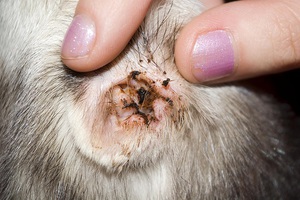
Otitis in cats is one of the most common inflammatory diseases, and its development is caused by a variety of factors. Ear infections can occur when foreign objects enter the ear canal or when the ear is infested with microscopic mites, which cause intense itching.
In the early stages of the disease, symptoms in cats are relatively subtle. Therefore, ear inflammation in pets can be difficult to recognize. The first signs of the disease—changes in behavior and discharge—are detected when the inflammation reaches the inner ear. Failure to treat it at this stage often leads to damage to the inner ear tissue and other complications, which can lead to complete deafness.
Causes of otitis in cats
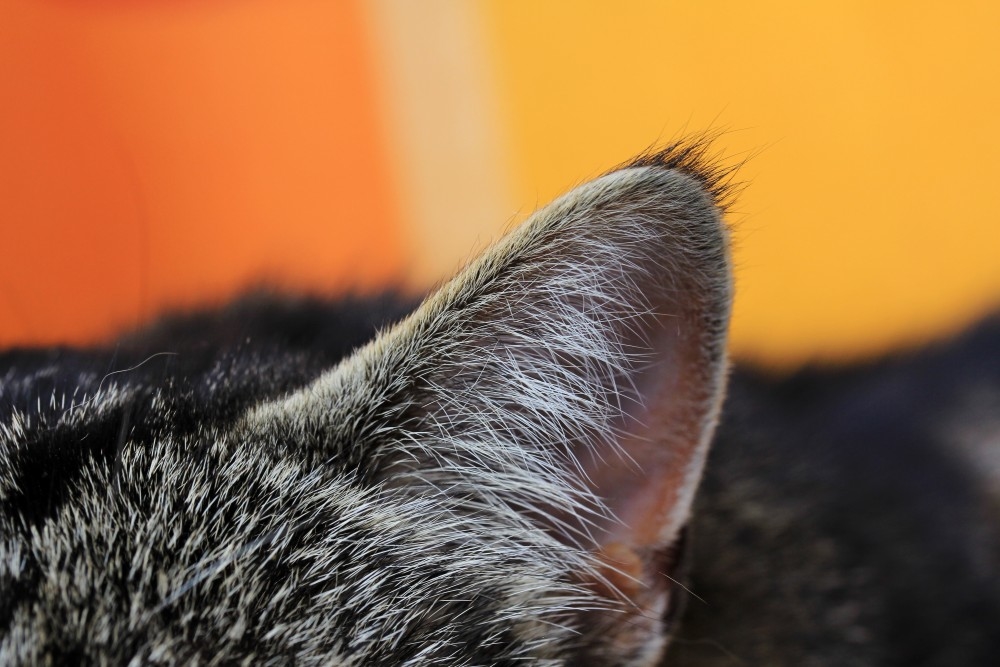
The development of otitis in cats can be caused by various factors.
The idea that ear inflammation develops only when the body is overcooled or due to colds is erroneous. There are many more reasons for this disease.
The main ones are:
- Allergy to certain irritants. When an allergen enters an animal's body, it affects its condition, completely altering the environment of individual areas. The ears are no exception.
- Parasites and insects. The most common cause of otitis in cats is ear mites, which easily adapt to the animal's body and reproduce very quickly in a moist environment. This contributes to inflammation and the spread of infection.
- Mechanical damage. Any ear injury, even minor, including scratches, quickly becomes inflamed, creating favorable conditions for the proliferation of pathogenic microorganisms in the affected area. Wounds with pus heal poorly and pose a serious threat to the ears.
- Lack of hygiene. Some cat breeds suffer from excessive wax production. Owners must carefully groom their cats and ensure that the wax doesn't clog their ears. It can be removed with cotton swabs soaked in clean water.
Hormonal imbalances can also cause inflammatory diseases of the hearing organs. If the balance isn't restored promptly, the process will progress, and cats will develop more serious problems with their ears, eyes, and skin.
Symptoms of otitis in cats
High-quality treatment and the right attitude towards your pet will do the trick.
The symptoms of ear inflammation in cats are quite pronounced. Therefore, it is very difficult to confuse this disease with any other. One of the first signs is a loss of appetite. In advanced stages, the inflammatory process begins to affect the brain, ultimately leading to the death of the animal. Signs of otitis in cats include:
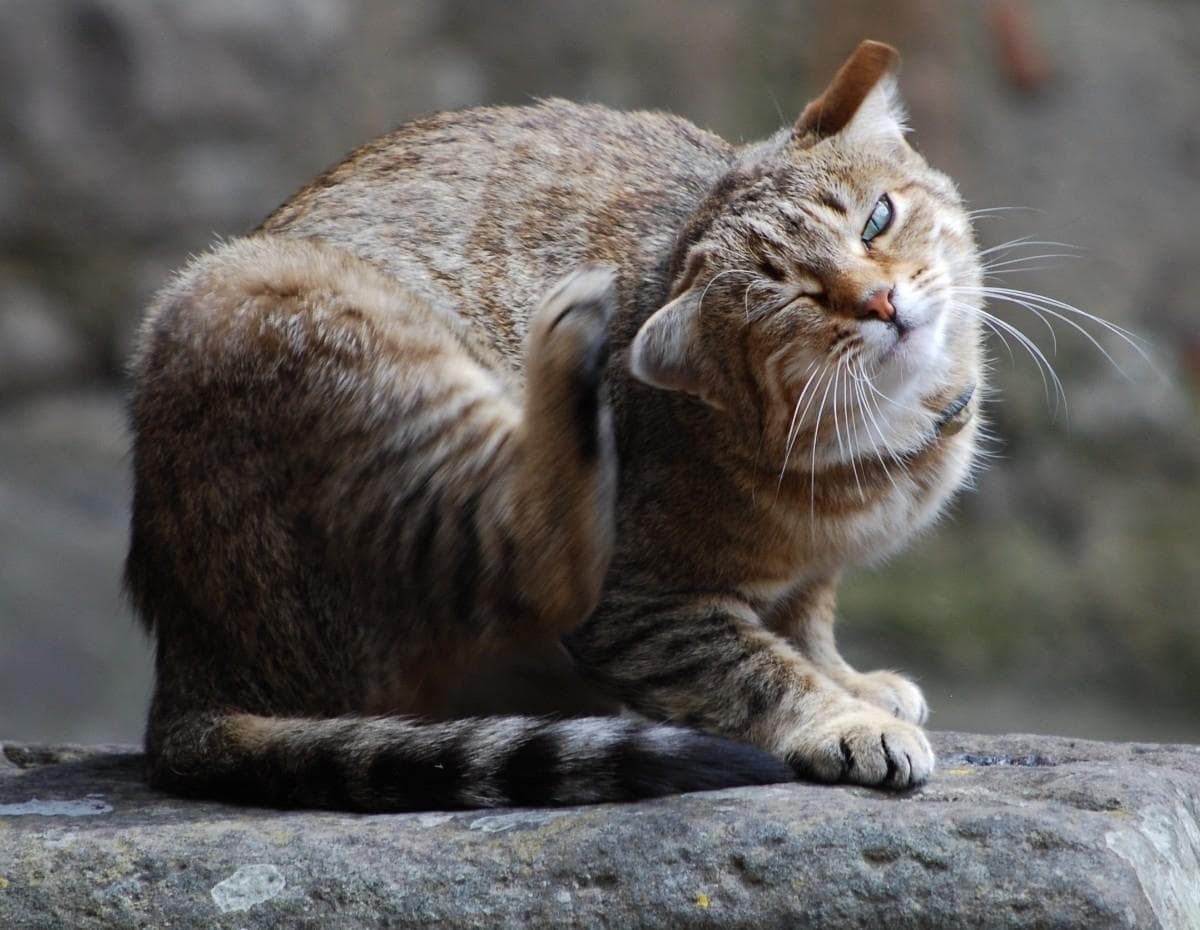
- the desire to scratch the ear, after which scratches become visible on it over time;
- It's a dull pain;
- restless behavior of the pet, which begins to avoid contact with the owner;
- increase in temperature;
- the appearance of ulcers and swellings;
- discharge of pus from the ears, accompanied by the appearance of an unpleasant odor.
In the later stages of this disease, the affected ear begins to droop. Sometimes, asymmetry of the animal's lips can be noticed. These symptoms occur if facial nerve paralysis develops. A common complication is hearing loss in cats.
Otitis causes significant discomfort for animals. Inflammation of the ear tissue, irritation, fever, increased pressure on the eardrum, itching, pain, and burning sensations all have a profoundly negative impact on a cat's well-being. Therefore, during illness, it's crucial to pay extra attention and provide loving care.
Diagnostics
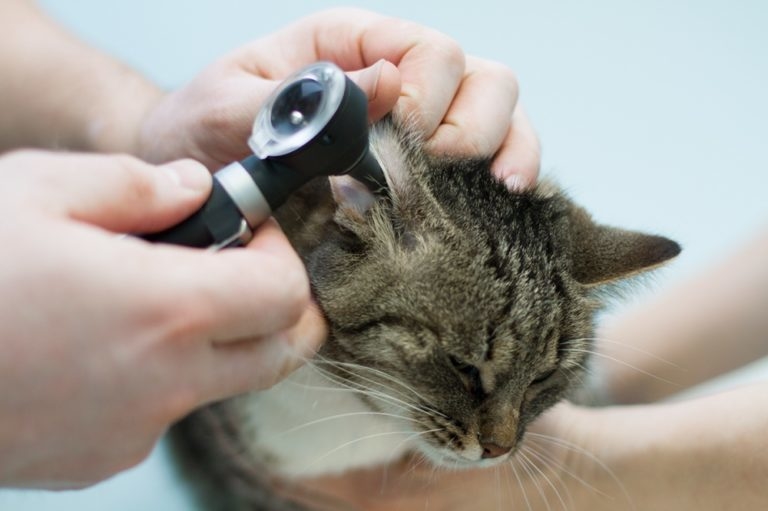
If the inner ear is involved, a CT scan is prescribed.
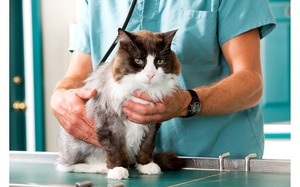
A veterinarian handles the treatment and diagnosis of this disease. Diagnosis is based on a visual examination of the ears, laboratory and clinical results, and a study of the disease's progression. Consideration of any underlying conditions that may cause inflammation in the ear canal is essential.
The nature of the inflammatory process is being determined. The most common type of ear inflammation in cats is bacterial otitis, caused by infection of the organ. Allergic otitis and ear mite-induced otitis have similar results.
To expedite diagnosis, owners are advised to record changes in their pet's behavior, provide information about medications used, and what foods were introduced into the animal's diet. Examination of the inner and outer ear is carried out through otoscopic examination using a special device.
If any tumors or polyps are detected, the animal is prescribed a biopsy. This test allows us to rule out or confirm the presence of cancer cells.
Treatment
After examining the injured pet, the veterinarian develops a personalized treatment plan. The goal of therapy is to relieve active inflammation and eliminate pathogenic bacteria that rapidly multiply, complicating the recovery process.
Treatment of otitis in cats, regardless of the form and stage of the disease, should begin with removing hair and purulent discharge from the inner ear. Cotton pads soaked in a furacilin solution can be used for this procedure. The remaining moisture is blotted with gauze pads until the ear is completely dry.
For mild cases of otitis in cats, treatment is limited to cleaning and treating the ears. Anti-inflammatory drops that kill fungi and bacteria are prescribed.
In many cases, this is a temporary solution until test results are available. Effective eye drops for cats include Aurikan, Otibiovet, and Otonazol. If severe scratching occurs, the skin on the affected area is treated with a wound-healing ointment with antimicrobial and regenerative properties.
Otitis media is treated with antibiotics, anti-inflammatory medications, and painkillers. These medications can be taken in tablet or injection form.
Severe forms of the disease require comprehensive treatment aimed at saving the animal's life. In such cases, cats often lose their hearing, as the ear canal and eardrum are damaged during the disease. In severe cases, several courses of antibiotics may be prescribed, along with mandatory ear canal antiseptics.
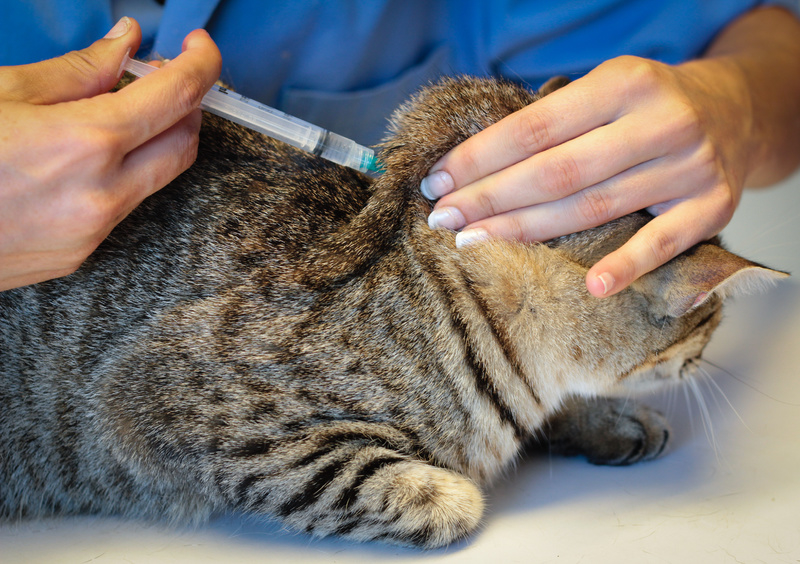
The course is supposed to be at least a week, even if there is a clear improvement after several injections.
Antibacterial medications will be aimed at relieving inflammation and eliminating infection, while decongestant ear drops will reduce swelling in the ear canal, speed up the drainage of pus, and reduce pressure on the eardrum. This will reduce the risk of perforation and reduce the pain.
The most effective antibiotics for otitis in cats are cephalosporins, penicillins, and macrolides. If allergic reactions occur, animals are given intramuscular injections of antihistamines.
Above all, your pet needs to be provided with adequate rest and peace. Under no circumstances should you apply heat to the affected ear, as compresses can encourage bacterial growth, spread infection, develop sepsis, and perforate the eardrum.
Providing a well-balanced diet is crucial in treating inflammatory ear diseases in cats. It is recommended to add vitamins, minerals, and immune-boosting supplements to your cat's daily diet.
Medicines for otitis can be purchased at a special pharmacy with a veterinarian's prescription.
Otitis in cats is a dangerous inflammatory disease that requires prompt and effective treatment. Without effective intervention, the condition progresses, and the inflammation spreads to the middle and inner ear, resulting in hearing loss, meningitis, and death.