Olfaction is the most important sense for a dog. Canines perceive the world through their sense of smell. A dog's brain is wired to process odors; it's almost as if they see the world through their nose. Losing a dog's sense of smell is like losing a person's sight.
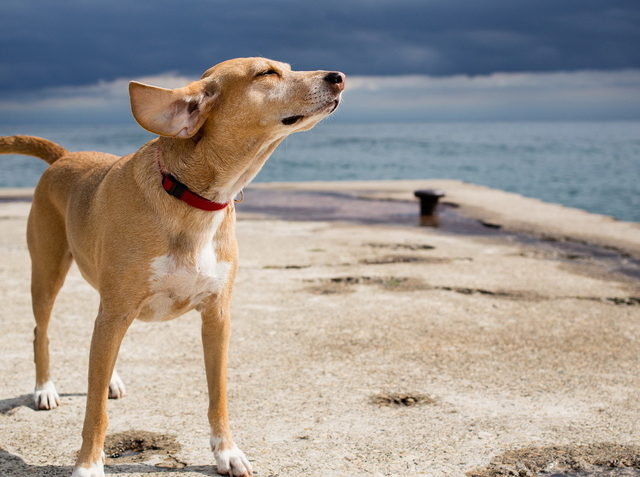
Dry nose in a pet
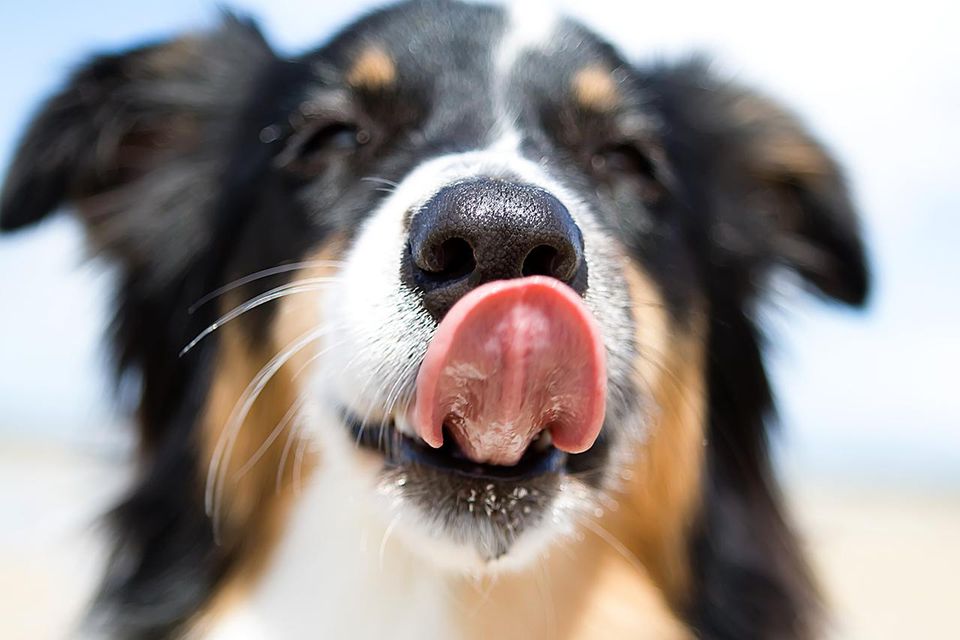
A dog's nose should be slightly moist and cool. A moist nose is a sign of good health, while a dry nose indicates a problem. In fact, a dry nose can also occur in a healthy animal: during sleep, after exposure to the sun, near a heat source, or due to dehydration. Prolonged dryness of the nose, reddened mucous membranes, the appearance of any growths on the nose, or an elevated nasal temperature—all these problems require a consultation with a veterinarian. A dry nose can impair the ability to distinguish smells.
Decreased interest in food
A clear indication of a smell problem is a dog's decreased interest in food. This is easy to notice: the dog simply "doesn't see" a tasty morsel right under its nose. A loss of smell can be temporary, especially when a dog has been exposed to very strong odors: citrus, tobacco, alcohol, or red hot pepper.
Certain strong-smelling foods also dull a dog's sense of smell: herring, garlic, and onions. Lamb or even a small chewed lamb bone can dull a dog's sense of smell for a long time. Regularly including these foods in a dog's diet gradually weakens its sense of smell. This loss of smell can be age-related, and when it does, it becomes irreversible.
How to test your dog's sense of smell yourself
When selecting dogs for service in canine units, their sense of smell is professionally tested. A pet dog will not participate in various searches for weapons, ammunition, and prohibited items, but its sense of smell can be tested using simplified professional methods.
The simplest way to test your dog's sense of smell is to place five pieces of meat in a 25-meter square. Whether your dog finds all the pieces of meat and how quickly they do so will help you assess their olfactory strength. A helper should place the pieces of meat; the owner and dog should not be able to see this process. The test area should be level and free of strong odors. Conduct the test in good weather; damp or rainy weather dulls the dog's sense of smell. Prolonged exposure to strong sunlight can also negatively impact a dog's sense of smell.
Another simple test is to check the dog's ability to find a small retrieving object and select it from a pile of small objects. The process is a two-step process. First, train your dog to retrieve the object during walks. Always use the same object: a small ball or a small soft toy. Note that the dog should use its sense of smell to retrieve the object; throw the toy into grass or bushes as often as possible. During the scent test, the previously used retrieving object is tossed into a pile of other small objects in plain sight. If the dog accurately selects the object, it has a good sense of smell. Professional scenters can distinguish an object with the owner's scent and select it from a pile of similar objects, both in color and shape, up to 50 in total. If your dog fails to achieve these results, don't worry, as "working" dogs undergo special training and receive extensive practice.
You can test your dog's scenting ability. Some dogs lack this ability, even though they're excellent at finding things by scent. To test this, ask a helper to lay a trail. Rub the soles of your shoes with meat or sausage beforehand. Release the dog's leash near the trail. Dogs with a well-developed sense of smell will immediately respond to the scent and follow the trail.
Smell is a dog's primary sense. If you notice your dog losing its sense of smell, seek veterinary attention immediately to correct this problem.