Parrots
Kakariki - Keeping New Zealand parrots at home 
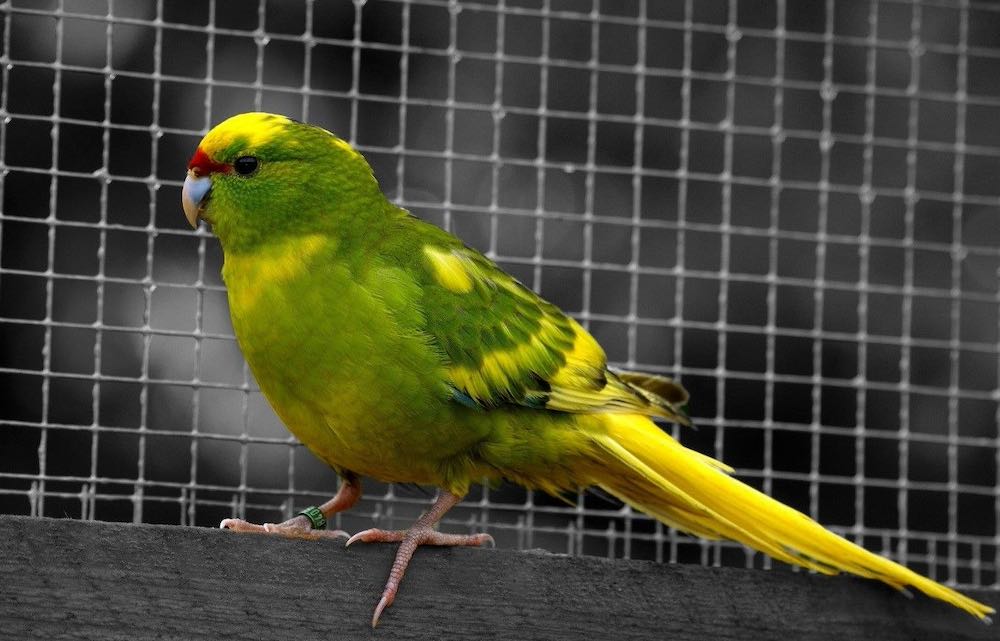
Kakarikis (also known as New Zealand parrots or jumping parrots) are small, brightly colored birds known for their lively personality. Their plumage is vibrant and colorful, featuring green, blue, yellow, orange, and red. They also often have a brightly colored cap on their head. These birds can be very sociable and enjoy the attention of their owners. Despite their small size, they are intelligent and easily trained. Kakarikis can make excellent pets for those willing to devote time, attention, and care to them. Let's look at how to care for them at home. Characteristics of the Kakariki breed Read more
The right cage for a budgie
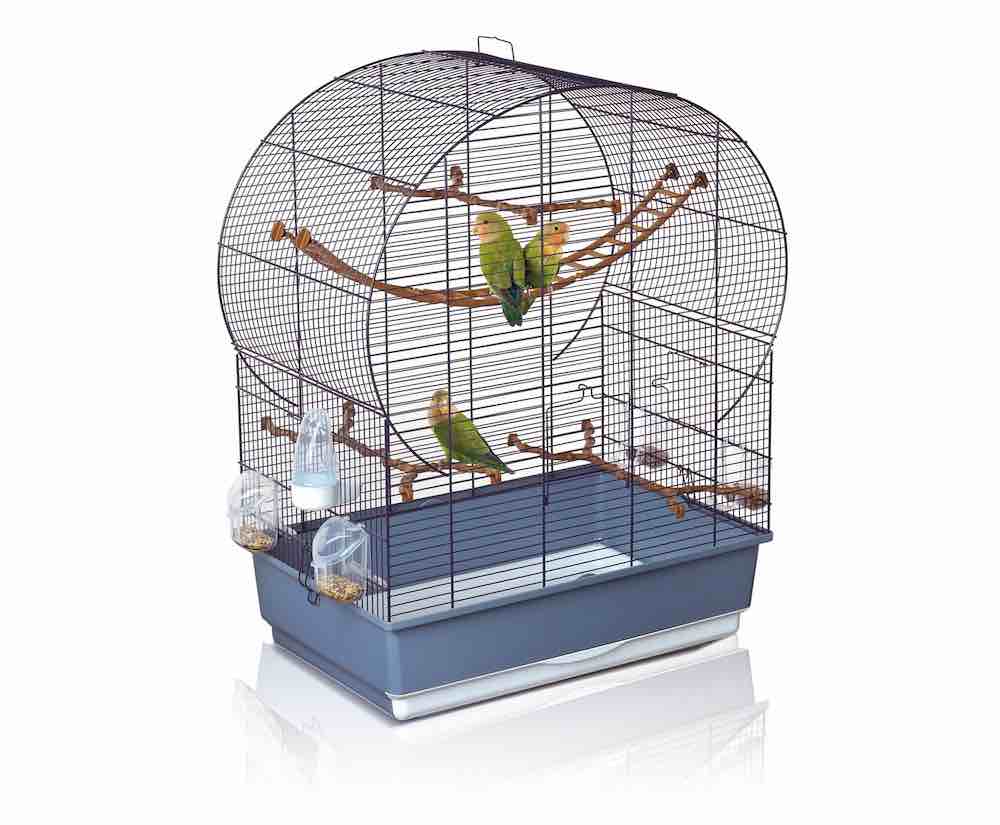
A budgerigar's cage is its permanent home, as few owners let their birds fly around the room, and if they do, it's rarely and only for a short time. Therefore, choosing the right cage (shape, size, material, and interior design) ensures comfort for the pet, maintaining activity and health, and, consequently, providing peace for its owner. Sometimes a budgerigar is kept alone, but, like most birds, it prefers to be in a pair, or better yet, in a flock. Naturally, when kept in a group, cage requirements change, primarily regarding its size. While half a century ago, you had to build your bird's home yourself, today a variety of cages are available in stores, and for the right choice and arrangement, you only need to consider a few obvious rules. Types of cages for budgerigars: A budgerigar's cage is located in the living room, so when choosing one, you need to consider not only the bird's comfort but also the aesthetics of the apartment. There are exclusive cages with unusual shapes, reminiscent of all sorts of geometric shapes and even monumental buildings (I've seen one in the style of Stalin's skyscrapers). However, ornate shapes are more likely a sign of bad taste, and regular round and rectangular dwellings with flat or convex roofs are easier to clean.Read more
Why do parrots lose feathers and what to do about it?
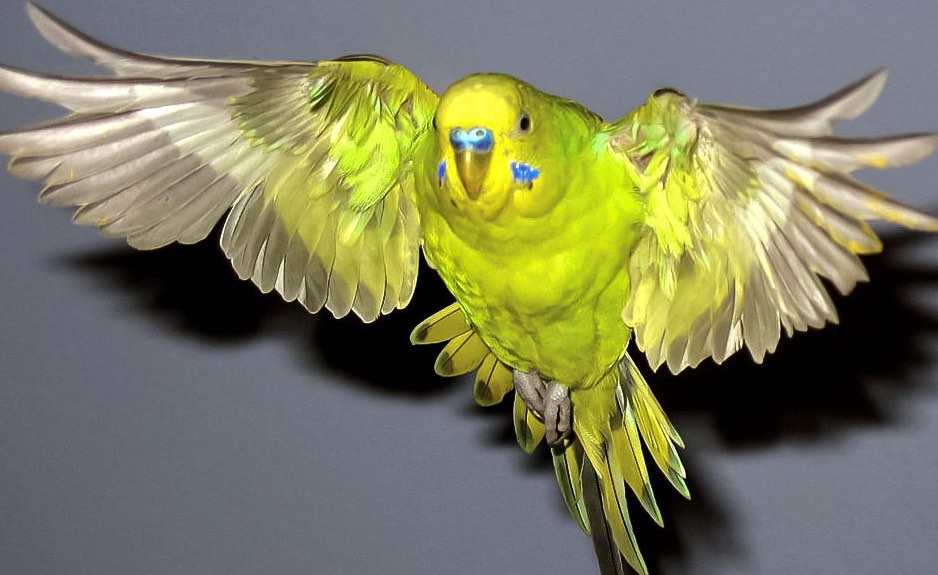
A parrot that has lost its feathers becomes less attractive, but that's not the worst thing. Daily feather loss can indicate illness; the owner likely needs to take action. Vitamin and mineral deficiencies, certain illnesses, and unfavorable psychological conditions (such as a change of residence or the loss of an owner) can all affect a bird's appearance. Let's explore how to help your beloved bird preserve its feathers, diagnose the condition, and properly treat and rehabilitate it. The main causes of feather loss from wings and elsewhere. A parrot can lose feathers from its wings, tail, or all over its body. Whether it's a shock molt, a hormonal imbalance, or psychological issues, no matter what's causing your feathered pet's deterioration, it's crucial to address the situation and help your bird as quickly as possible.Read more
How to stop a parrot from biting your fingers
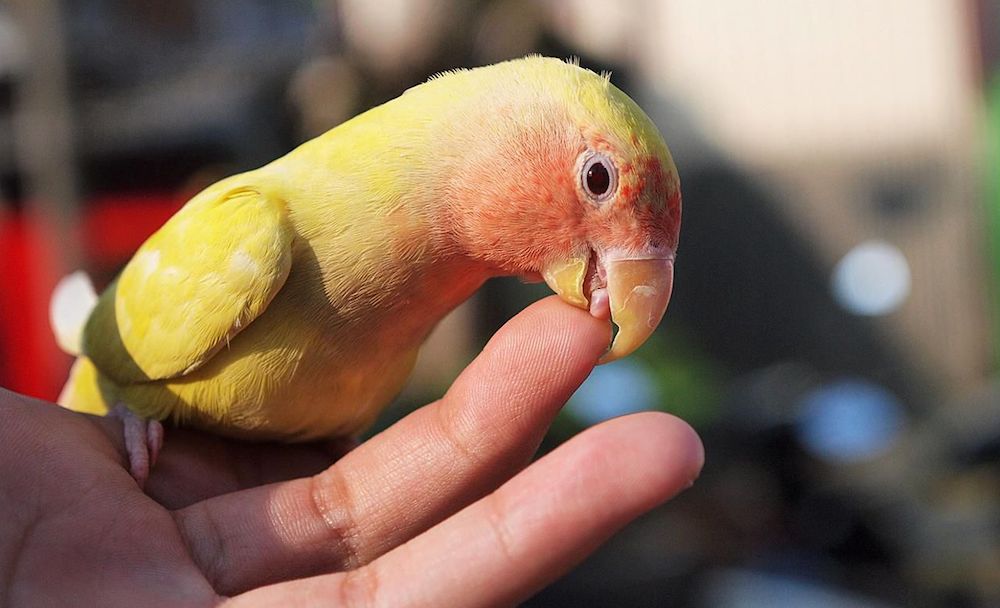
Regardless of a bird's behavioral characteristics, friendships with pet birds vary. Parrots can display both friendly and combative behavior—not only with humans but also with their fellow parrots. This behavior shouldn't be attributed to the bird's dislike or affection. This behavior is typical in certain situations. Let's find out how to stop a parrot from biting, build trust, and tame your pet once and for all. Earning a bird's trust: Budgerigars are quite docile by nature and easily adapt to new owners. Even an aggressive and sometimes timid parrot will eventually warm up and become friendly. After all, earning the trust of these beautiful birds isn't always that difficult. It's easiest to acquire a truly loyal friend if you adopt a parrot very young. However, there are situations when a bird behaves aggressively, unruly, or deliberately tries to peck. Whether this is a defensive reaction from a feathered friend or an ambitious method of intimidation, no one wants to lose trust and get bitten by their own winged pet.Read more
How to Give Medicine to a Parrot in the Beak: Step-by-Step Instructions
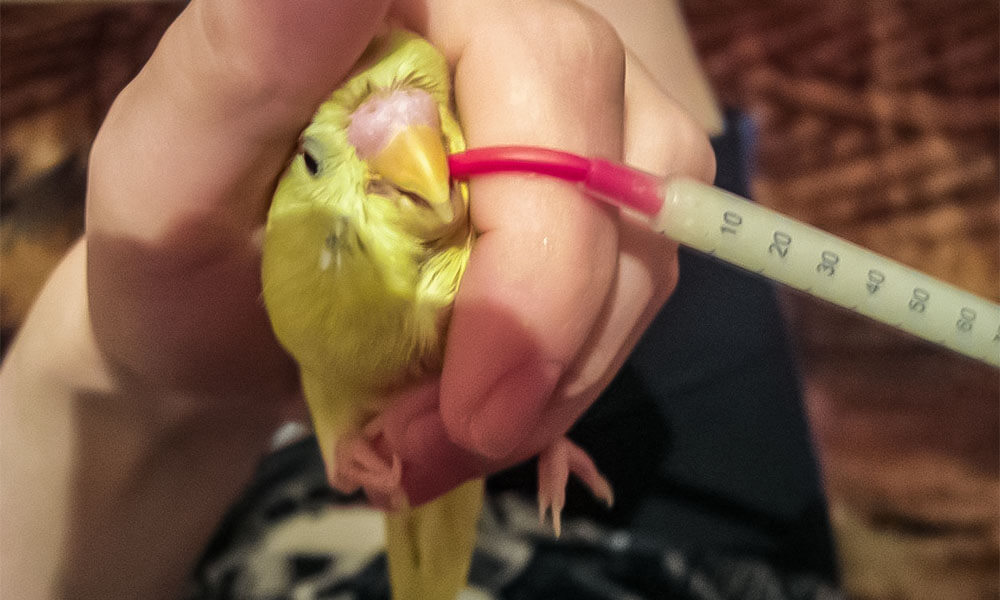
Treating a parrot can be a complex undertaking. First, you need to accurately measure the required dose, and second, you need to be able to administer it. Giving a parrot an injection is easier: in this case, you just need to catch the bird, hold it steady, and insert the needle correctly. However, if you're administering liquid medications (drops, mixtures, etc.), you'll need patience; you'll also need a syringe or dropper. Veterinarians recommend using a syringe. Read the article to learn how to properly and safely administer medication to your pet. How to Properly Give a Parrot Medication in Its Beak: Keep in mind that a parrot is unlikely to accept the medication voluntarily: it will actively resist, scream, and bite. If you administer the mixture incorrectly, it can enter the bronchi or trachea, and then the bird's lungs, causing aspiration. While it may appear as if the bird is choking, this is a very dangerous situation that can even result in the animal's death.Read more