Chickens
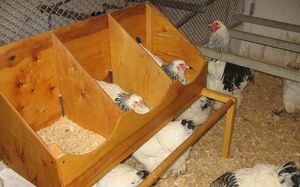
Raising chickens is generally a straightforward affair and doesn't present any problems or inconveniences. However, with very little time, you can provide your family with not only chicken meat but also a large number of eggs. To ensure a smooth transition, it's important to plan your laying hen's nesting area in advance and arrange it properly. This will protect the eggs from damage.
How to build nests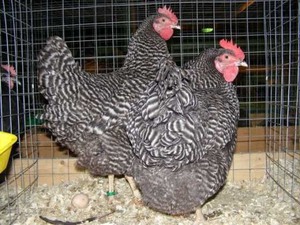
When choosing a chicken breed for their farm, every farmer wants to ensure their investment is worth it. That's why Amrox chickens, which grow quickly, reach large sizes, and boast excellent egg production, are so popular among poultry farmers. In addition to their excellent egg and meat production, these poultry also boast a distinctive appearance. They are easy to care for and maintain, making them a suitable choice even for beginning farmers.
All about the Amrox breed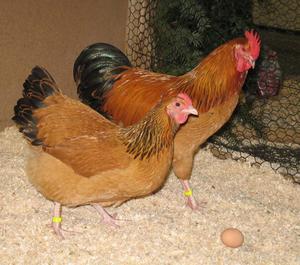
Each hen on a large poultry farm produces up to 70 offspring, yielding over 100 kg of high-quality meat per year. A single hen on a technologically advanced farm can produce up to 300 eggs during this period.
Even before the development of the Slavic peoples, the Baltic and Finno-Ugric peoples bred chickens in what is now Russia. Genetic studies have revealed that the old breeds preserved in Russia are primarily of Asian origin, although some breeds of Mediterranean origin also exist.
Choosing a meat and egg breed
This breed of chicken first appeared in England and immediately gained popularity among farmers and large poultry farm owners. The breed was specifically developed to meet specific requirements: the birds' skin should be white, not yellowish, as is the case with other meat-and-egg breeds.
All about the Orpington breed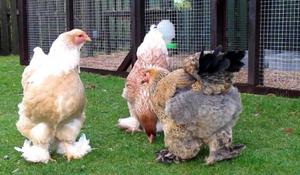
Among all meat breeds, Brahma chickens are distinguished by their truly gigantic size and their unique appearance. When developing the breed, the primary focus was on the bird's appearance, not productivity.
All about Brahma chickens