Other useful information
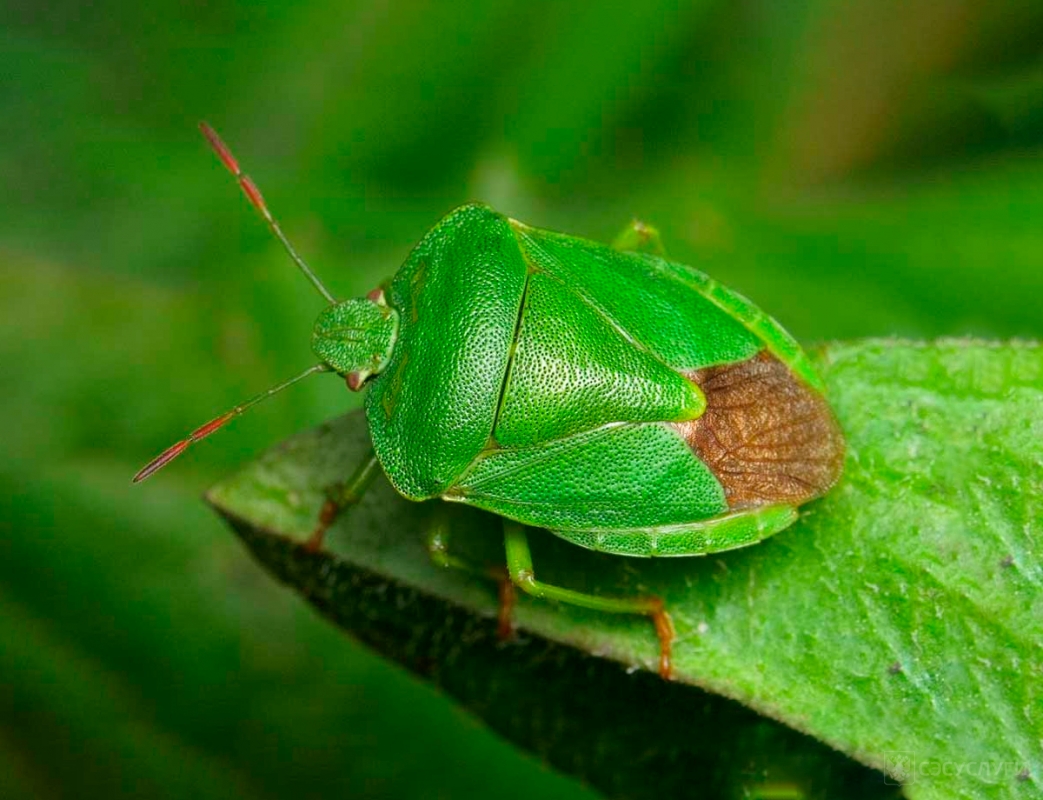
Over the past 20 years, an alarming increase in the bedbug population has been recorded. It's no surprise that interest in this unpleasant insect is growing almost as rapidly as its numbers on the planet. A disdainful attitude toward bedbugs has been ingrained for centuries and millennia, but how much do modern humans really know about them? In addition to the parasitic species that have earned a bad reputation, tens of thousands of other members of this suborder live on our planet. Are these species as unpleasant and dangerous as their parasitic cousins?
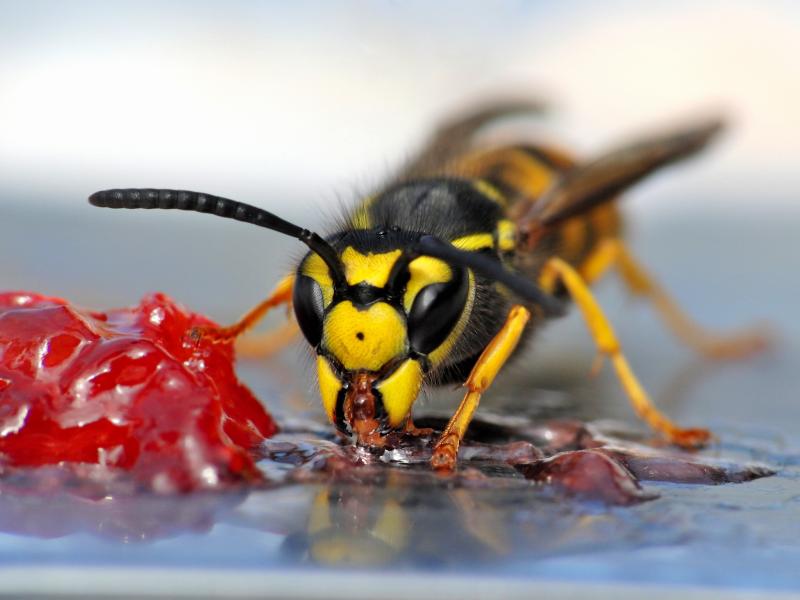
What should you do if wasps appear in or near your home? The venom of these insects can cause serious harm to the human body. Therefore, it's important to understand why the insects have appeared and how to protect yourself and your loved ones from them. There are many time-tested methods for this. The key is to know how to use them correctly.

Pets are often threatened by blood-sucking insects. In summer, in addition to fleas, lice, and ear mites, the Ixodid tick, a dangerous and bloodthirsty insect that causes discomfort to animals and carries serious diseases, also appears. A variety of insect repellents for cats and kittens are available today, including shampoos, sprays, drops, and tablets. According to consumer reviews, flea and tick collars are considered the most popular, cost-effective, and safest.
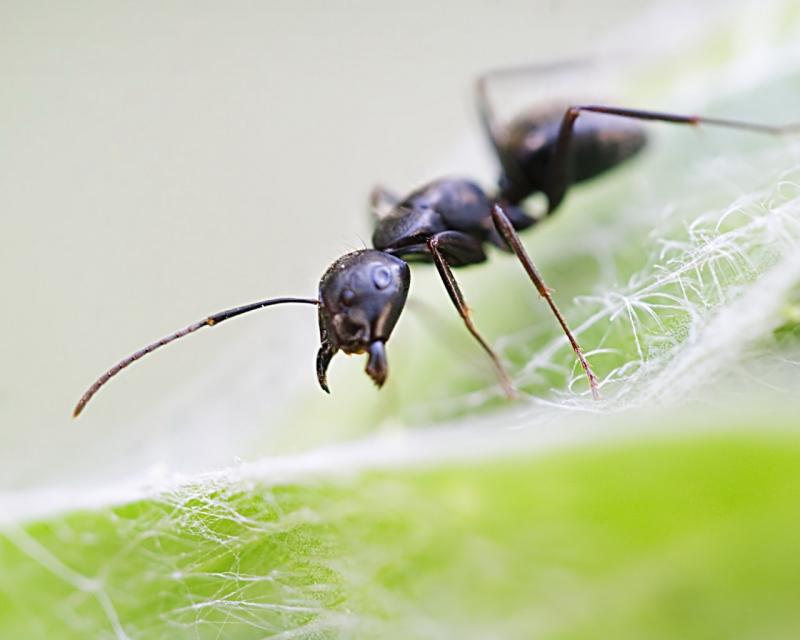
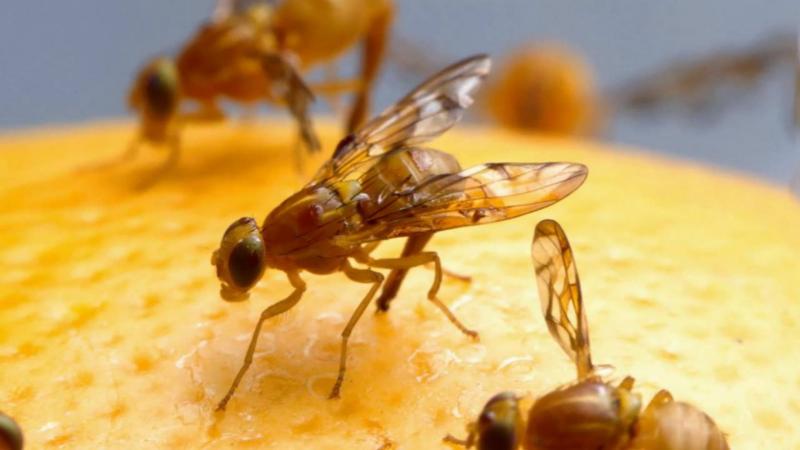
These annoying insects, irritating people and animals, causing not only tactile discomfort but also the potential to trigger allergic reactions, are tiny, numerous midges, found in large numbers throughout the globe, with the exception of the Sahara Desert and Antarctica. What causes these arthropods' invasions? Are there any ways to get rid of these pesky guests once and for all?