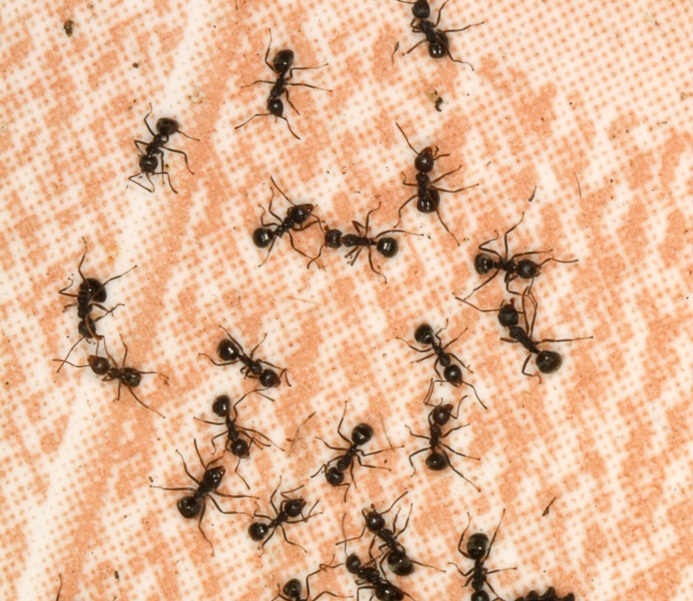
Black ants invade homes, infest gardens, and cause widespread damage. To get rid of them, it's important to understand where they come from, what kind of life they lead, and what conditions they require to thrive.
Content
General information about black ants
Black ants are a species of arthropod found everywhere on the planet except Antarctica, Greenland, and some ocean islands. These insects have adapted to deserts, forests, steppes, and even permafrost zones. Black ants are found in the United Kingdom, Portugal, central Russia, and the Russian Far East, extending as far as Ulaanbaatar.
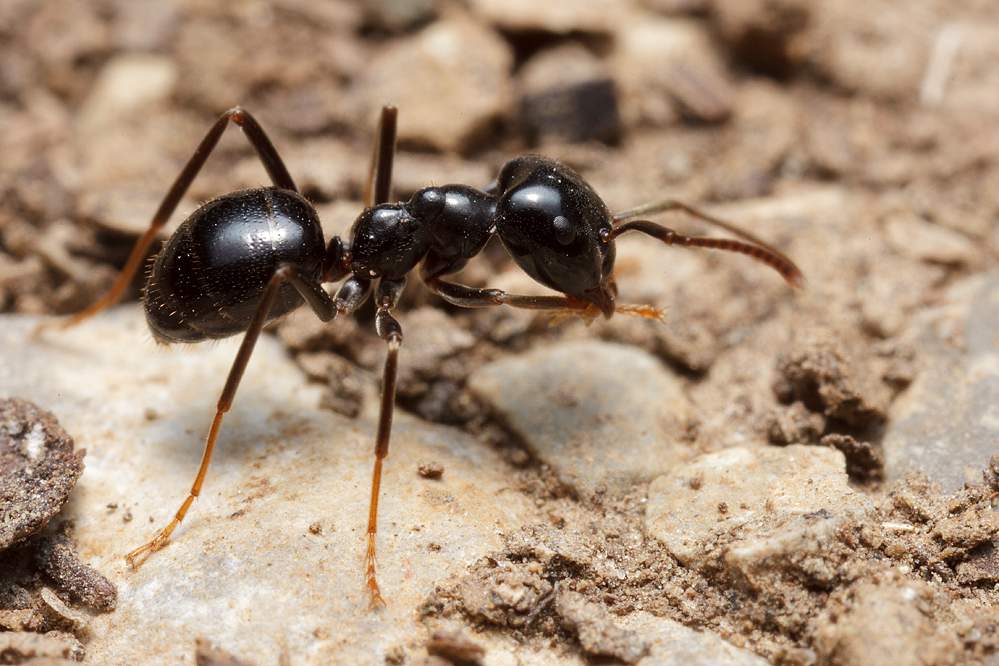
They are so named because of the color of their body, legs, and head—ranging from brown to black. They are characterized by a large head on a thin, short neck, a sternum tapering toward the rear, and an ovoid abdomen. The head has two mandibles and two pairs of short mouthparts. The ants' eyes are large, lens-like, and shaped like a honeycomb. They also have three pairs of legs with claws, two pairs of thin wings, and curved antennae on their heads. These insects range in size from 1 mm to 3 cm, with females being the largest among their relatives.
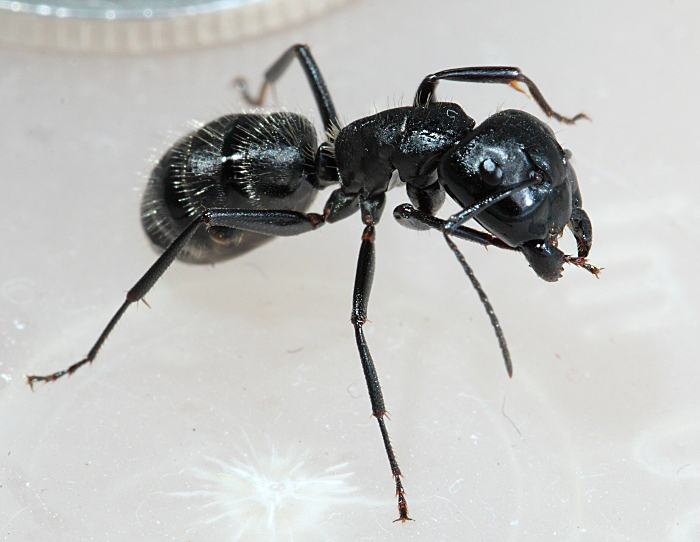
On the ant's head are large eyes, powerful jaws, two pairs of short mouth appendages and long antennae.
They mostly live in constructed nests, easily identified by their distinctive mound. An anthill is a tightly organized community. Each family member has a specific task. Some feed the young and the queen, others find food and repair the nest. The lifespan of black ants is determined genetically and is determined by their class of ants: workers, queens, and males. Caste is determined at birth and does not change during life. Entomologists have determined the life cycle length within a caste:
- Worker ants live from one to three years. Larger ants live longer than smaller ones, and the lifespan of individuals in cold climates is shorter than in warmer regions.
- The lifespan of a male insect lasts 2–3 weeks. They are born for mating, after which they are destroyed by their fellow queens. When there is more than one queen in the nest, the male is left alive.
- A queen ant lives up to 28 years, 10–15 times longer than a worker ant. During this period, she produces a litter of 500,000 offspring.
They eat any protein-rich food and plant-based products. Some prefer seeds, nuts, tree sap, plant roots, and sweets. Others cultivate colonies of fungi, which they consume along with insects and caterpillars. The queen and larvae feed on protein-rich foods: the remains of insects and other living creatures, and pest eggs. Black ant larvae living in human homes subsist on dairy products, gelatin, and egg scraps.
Types of insects
Black ants are numerous. The following species are most commonly found in gardens and homes:
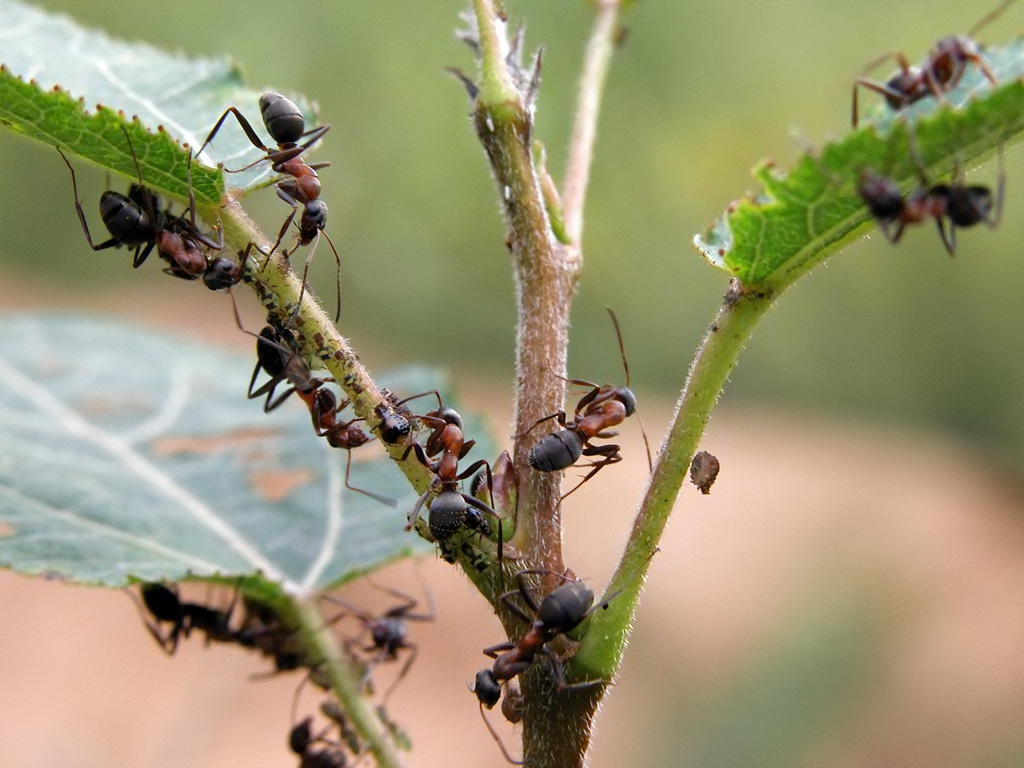
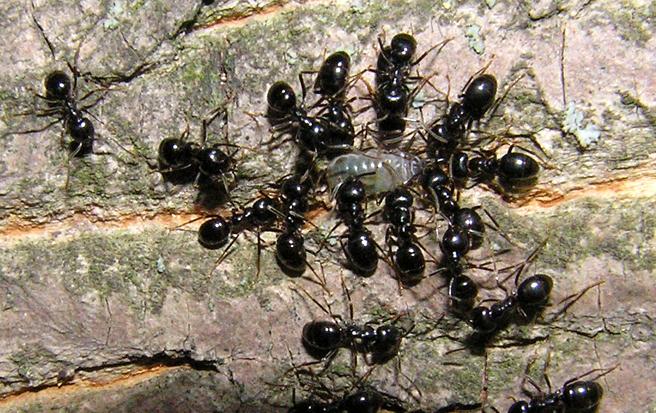
- The garden ant, or common ant (Lasius niger), measures 4 to 11 mm in length. The nests of this ant species are especially noticeable in the spring, when the grass is low—earthly mounds are everywhere. These insects have become established in the city, building nests underground and emerging from cracks in the asphalt for the sun. They are most dangerous for a garden or vegetable garden because they specifically raise aphids, care for them, and protect their droppings. Farmer ants milk pets and eat their milk, and aphids suck the juices from plants.

The body of the black garden ant is covered with numerous short hairs.
- The odorous wood ant (Lasius fuliginosus) is about the size of a common ant. Outdoors, they nest in rotten tree trunks or hollows, while indoors, they nest in the walls of houses, around pipes and heating ducts. They build their nests from a cardboard-like material—a mixture of chewed wood and saliva. The odorous ant gets its name from the distinctive odor it emits when it detects food, when it feels threatened, or when it needs help.
Black odorous ants build nests in old hollow trees.
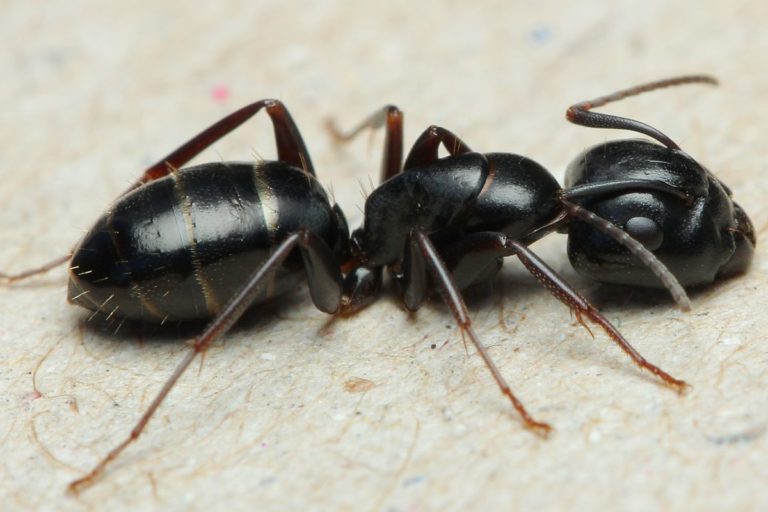
- Woodworm (Camponotus). The Camponotus lives throughout the world—in taiga, mixed forests, deserts, and semi-deserts. It gets its name from its ability to bore holes in wood (usually dead wood). Threatened with extinction, this ant species is listed as endangered. It reaches 15 mm in length. These insects help forests by clearing them and loosening the soil. However, for wooden houses they become a serious problem: they gnaw holes in the wood, the logs gradually deteriorate, crumble, and the house loses its strength.
The black carpenter ant is one of the largest ant species in Russia, reaching up to 15 mm in length.
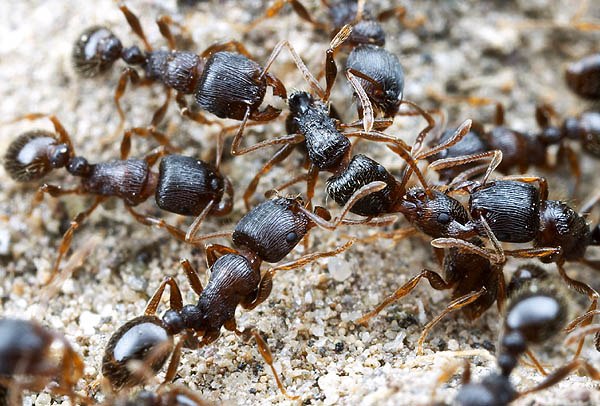
- Turf ants (Tetramorium caespitum). These insects inhabit turf-covered areas. They are absent only from the Far North. They can nest in underground cavities without external structures, in rotten wood, and in the bark of rotten stumps. When they enter homes, they crawl through cracks and crevices, migrating from one room to another. Localized control of turf ants is virtually impossible, as their nests are not clearly visible.
Sod ant colonies include up to 50 thousand workers and 1 queen.
- Black crazy ant (Paratrechina longicornis). Individuals of this species move in an incomprehensible, chaotic manner. They are located at the bottom of the food chain, yet they manage to irritate other species, including humans. The crazy ant's bite causes severe irritation, and these parasites also chew wires, which damages equipment and machinery.
The crazy ant has pest status
How black ants get into houses and plots
Pests enter an apartment, garden, or vegetable plot in different ways:
- Hoping to find warmth and food, insects crawl into basements, attics and garbage chutes, build nests near the food source they find, and as their numbers increase, the colonizers enter apartments through ventilation;
- If one of the neighbors poisons insects, then the arthropods look for a new home, crawling into neighboring rooms;
- in the warm season, winged insects enter a house or apartment through an open window;
- Sometimes black ants appear in the house because of the owners themselves, who leave crumbs on the floor, open bags of garbage, boxes of sweets;
- Pets bring insects on their fur;
- stove and central heating give them a chance to overwinter comfortably;
- Garden winged ants leave the main female in the nest immediately after fertilization, and fly away and create new colonies in plant stems, tree bark, and soil: this is how they populate land plots.
Damage caused
Every second person considers ants to be entirely harmless and beneficial, as they eat weak insects and dispose of the bodies of dead living creatures. But black ants bring more than just benefits to the garden:
- they grow aphids that suck the juices from plants;
- spoil the lawn;
- they damage the roots and leaves of plants, gnaw on edible root vegetables and sweet berries, and spread their acid onto them;
- They spread bacteria around the area that stick to their paws and infect plants and soil.
Domestic black ants are also dangerous:
- bring pathogenic bacteria from waste collection areas, toilets and utility rooms into the apartment;
- spoil food;
- They store food throughout the house, which spoils over time, creating conditions for the growth of mold;
- They collect unnecessary garbage, excrement and food scraps outside their home, but within the apartment.
If you suddenly see even one insect, immediately begin getting rid of these unwanted neighbors.
Methods of pest control
First, you need to find the ant nest. Destroying it will force the population to search for another home. Observing the insects will help you locate food sources. A drop of honey or a piece of candy near the dust will help you determine the insects' route. Folk remedies are effective if the population is small, but to combat a larger colony, more radical methods are needed—the use of insecticides in the form of gels, powders, aerosols, and crayons. The ultrasonic device creates an unbearable environment for insects, forcing them to leave the apartment.
How to get rid of black ants in your home
Insects can be eliminated using chemical and folk remedies. However, specialized insecticides are the most effective.
Aerosol products
They are effective when treating nests. If it's impossible to reach the anthill, the substance is sprayed on nearby surfaces. The most commonly used:
- Raid kills not only insects but also their eggs and larvae. The pests are completely destroyed within six months.
- Combat is low toxic to animals and humans. Insects disappear within six days.
- Dichlorvos is highly toxic and poisonous to insects, animals, and humans, but it acts quickly and immediately decomposes into harmless compounds.
- Raptor penetrates the chitinous shell and destroys the pest. The infected parasite transfers the reagent to its fellow parasites. Death occurs within three days.
Photo Gallery: Aerosol Cans
-
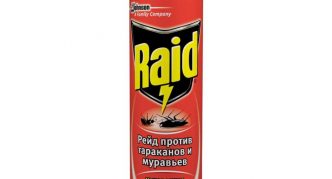
- Raid gets rid of cockroaches and ants
-
- Combat is a universal insect repellent.
-
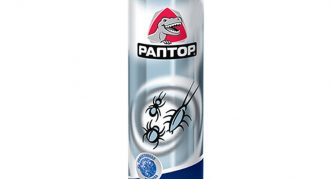
- Raptor aerosol penetrates the chitinous shells of the pest and destroys it
-
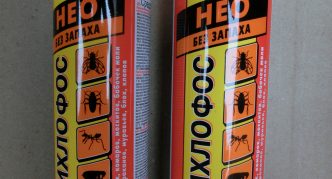
- Dichlorvos of various brands will help in the fight against pests
Concentrated products
They are more effective than aerosols, but more difficult to use. They are diluted in the required proportions and sprayed. These safe products are suitable for household use and are odorless. Treating attics, trash areas, and basements with these insecticides is effective. The most well-known are concentrates:
- Delta Zone - repels insect attacks and protects against them for two months.
- Lambda Zone is harmless to humans and animals, odorless, kills insects, and prevents unwanted guests for several months.
- GET is completely safe, lasts for six months, and is not susceptible to temperature changes.
- Xulat contains three powerful poisons at once, which completely eliminates the possibility of insects becoming accustomed to it.
Photo Gallery: Insect Control Concentrates
-
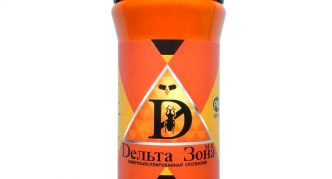
- Delta Zone repels insect attacks
-

- Lambda Zone protects against insects for several months
-
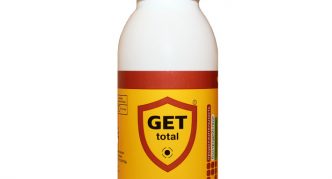
- GET is valid for six months
-
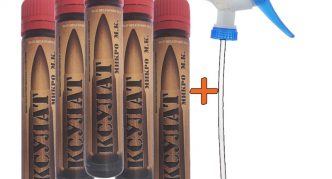
- Xulat contains three powerful poisons
Insecticidal powders, chalks
Powdered products are scattered in areas where ants frequently appear. They are several times slower in effectiveness than concentrates and aerosols. Chalk and pencils can get rid of ants, but over time, the insects develop immunity to them.
- Fenaxin. It's effective in powder form for controlling household pests, while granules are used for eliminating garden ants. Sprinkle it daily until the pests disappear completely.
- Pyrethrum. This completely natural insecticide is safe to use.
- Mashenka chalk. This product is poisonous to pets and people.
Photo Gallery: Insecticide Powders
-
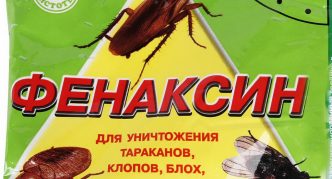
- Powdered Fenaxin helps kill insects in the house and garden
-

- Dalmatian chamomile powder is considered the safest insecticide.
-
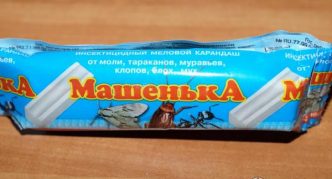
- Insecticidal chalk pencil is toxic and should be used with caution.
Gel remedies for black ants
They're easy to use: they're applied in strips along insect paths and near nests. The ants then carry the drops of poison inside, killing themselves and poisoning their fellow ants, larvae, and the queen. Here are some well-known gels:
- Clean Home. The product is non-toxic to humans and animals, has a natural scent, is easy to apply, and lasts from six months to one year.
- Global. The gel smells like chocolate. Massive insect deaths are observed within a week of application. It remains active for four months.
- Raptor. This product has a vanilla and apricot scent, poisons both adult insects and their eggs, and lasts for two to four weeks.
Photo Gallery: Insect Repellent Gels
-
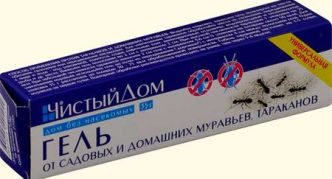
- Clean House gel is effective against garden and household insects.
-
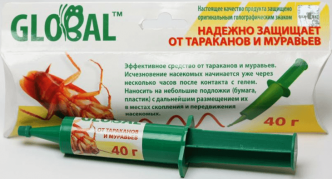
- Global Gel protects against parasites for 4 months
-
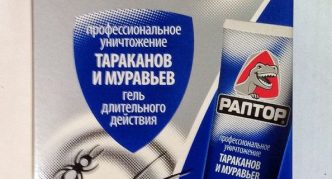
- Raptor is a long-acting gel for killing insects.
Video: Elena Malysheva on how to control ants
How to get rid of pests in your garden
Powders are also used on the land plot:
- Ant;
- Muracid;
- Ant-eater;
- Thunder-2:
- Expel;
- Delicia.
Many gardeners and vegetable growers consider the use of pesticides to be a last resort. They poison beneficial creatures in the area. Therefore, folk methods of insect control have emerged:
- pour boiling water over the nest;
- stir up the dwelling, sprinkle with lime, hot soot, cinnamon, mustard, red pepper, millet;
- throw in the remains of smoked herring, chopped garlic cloves, tomato leaves or parsley;
- Boil the tomato tops and water the nest;
- take large red ants from the forest and place them in the garden: their black counterparts will leave the area;
- pour vegetable oil over the hills and passages dug by ants;
- Mix boric acid with jam or honey and spread it along the ant trails: the arthropods will drag the bait into the anthill and the poison will destroy the colony within 2 hours.
Video: How to get rid of black ants in your garden
Preventing the appearance of black ants
To avoid wasting time and money fighting uninvited guests, be vigilant and prevent them from entering your home or property, even after successful elimination.
- It is important to clean the apartment regularly, wipe the floors in the rooms and areas with a damp cloth;
- keep work surfaces, stove, and kitchen floors clean: plates, cups, and pots that have been standing for a long time with food residue attract ants, as do towels that smell of food, greasy windowsills, or blinds;
- seal pipe joints and their entrances into walls, ceilings and floors in the kitchen and bathroom;
- putty the walls on the balconies;
- protect window and door openings with nets, and hang citrus-scented insect repellents near windows, doors, and ventilation ducts;
- remove branches of fruit trees or old bushes near windows, and remove fallen leaves and branches;
- Leave garbage away from the site in a specially designated place, and cover the household waste bin with a lid;
- periodically check the functionality of the sewer system;
- eliminate cracks in floors and baseboards in a timely manner.
How to protect your garden from black ants
Prevention is also possible in the garden:
- remove weeds and dry plants in a timely manner;
- monitor the formation of aphids and destroy them in a timely manner;
- do not allow food particles to come into contact with the area;
- Every year in the spring, spray the soil with special insect repellents, treat it with boiling water, dig it up, and loosen it;
- probable hiding places for insects - stumps, snags, old boards - should be destroyed;
- Whitewash the trunks of garden trees with lime and secure them with adhesive tape or foil: ants will not get to the sweet fruits.
Ant control reviews
To achieve the goal, all means are good, I try everything possible, cinnamon, mustard, pepper, all safe means, in the garden bed, in the greenhouse, and a special poison like thunder, near the beds, porch, I destroy anthills, it has become noticeably less, last year, the dill was not destroyed by aphids.
Mainly in the greenhouse with cucumbers, in the tomato beds. Boiling water doesn't help, neither does ash, tobacco, mustard, etc. They immediately dig somewhere else. They like loose soil, they just live in colonies. The smell of tomatoes doesn't bother them, there are tons of them in the tomato beds. The advice from the forestry ones interested me – I'll try it.
Don't use dust under any circumstances! Where did you even get it? It's been banned for a hundred years because it causes cancer and birth defects in children. I got rid of ants with a regular ant and cockroach pencil, called "Mashenka." I traced their paths and drew a line right along them to their burrow, and then carefully "sketched" the burrow. I don't know what kind of ants you have, but mine were such tiny, reddish-brown ones, you can barely see them. There's also a paste, German (I think), called "Globo." It's for ants, cockroaches, and moths. I haven't gotten rid of ants, but cockroaches disappear in an instant! And best of all, it's not smelly; the paste itself even smells pleasant, and when you shove a little bit into all the cracks, there's no smell at all. And pets don’t suffer – it’s easy to place in places that are inaccessible to them.
I have a lot of ants at my dacha too, and they drag aphids onto trees, bushes, and flowers—it's a real nuisance. I've tried several methods of dealing with them: the first was sprinkling millet on the ants, which helped; they'd drag it off somewhere, keep dragging it off, and then disappear. The second was sprinkling red hot pepper, but the ants didn't like it and ran away. I've heard another method: bring some big ants from the forest and introduce them to the garden ants; there will be a "war" and the little ones will run away, while the big ones will return to the forest. I don't know if this is true or not, I haven't tried it. There are also a lot of chemical treatments, but I don't use them.
Ants are hardworking, destroying harmful insects, but they also breed aphids and cause damage, including with pesticides. Preventative measures will help you forget about these unpleasant neighbors for a long time.