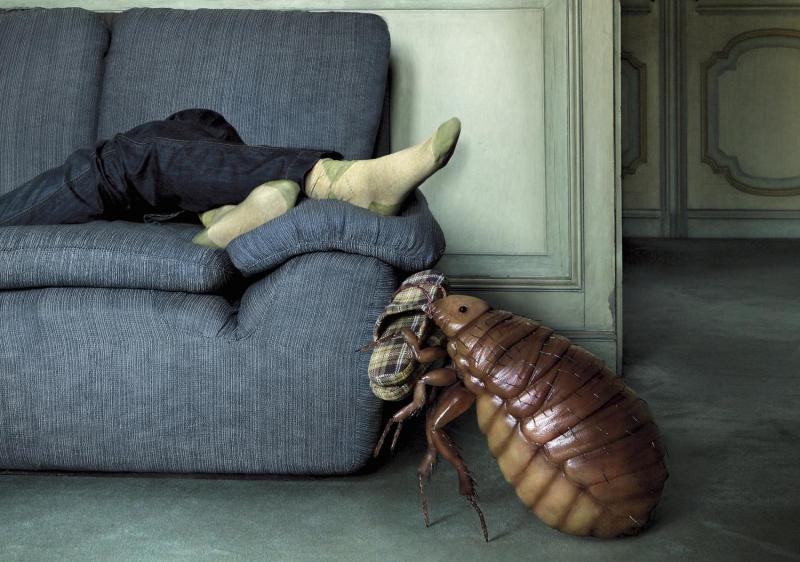
Over the past 20 years, an alarming increase in the bedbug population has been recorded. It's no surprise that interest in this unpleasant insect is growing almost as rapidly as its numbers on the planet. A disdainful attitude toward bedbugs has been ingrained for centuries and millennia, but how much do modern humans really know about them? In addition to the parasitic species that have earned a bad reputation, tens of thousands of other members of this suborder live on our planet. Are these species as unpleasant and dangerous as their parasitic cousins?
Content
Bedbugs: distribution area, appearance and characteristics
Bedbugs belong to the order Hemiptera, which belongs to the phylum Arthropoda. This is one of the most numerous species of insects (about 36 thousand). Bedbugs are characterized by a wide diversity of species and a vast range—the entire planet. Their sizes range from 1 mm to 14–15 cm. The largest species live in the tropics and subtropics, such as giant water bugs, which are harmless to humans.
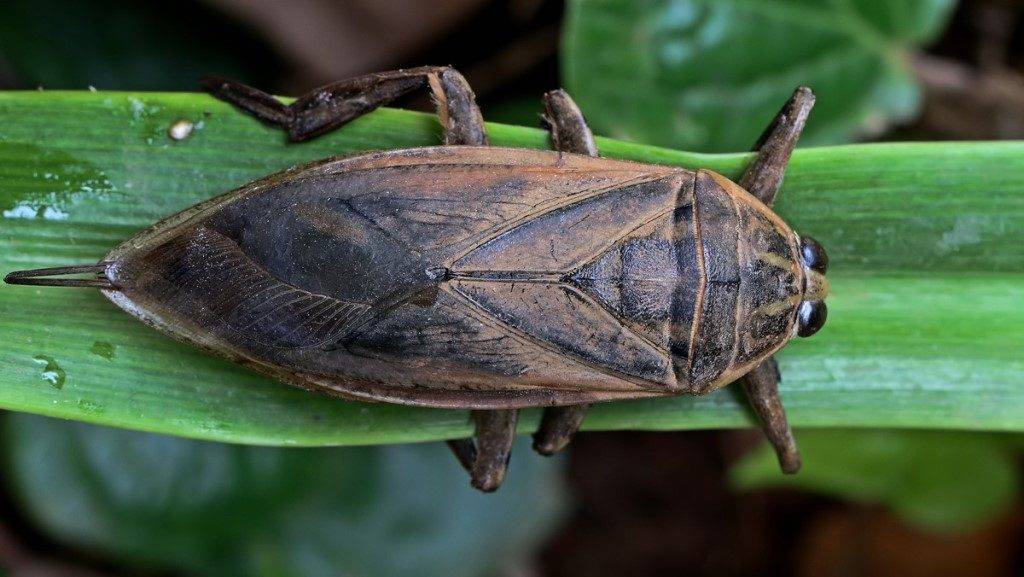
The giant water bug is considered the largest representative of the suborder of bugs, also known as the "alligator tick."
According to their shape, these insects are divided into:
- flat (parasitic species);
- spherical (live mainly in deserts);
- rod-shaped;
- turtle-like.
Bedbugs have two pairs of wings: the forewings, or elytra, are hard and covered with a chitinous layer, while the hindwings consist of a well-developed pair of wings, allowing the insect to fly effectively. However, in some species, wings may be underdeveloped or absent entirely. Bed bugs are known for their distinctive "aroma". It's all about scent glands, which help insects successfully defend themselves from enemies and reproduce. In predators and aquatic species, these glands are poorly developed or absent altogether. The coloration of bedbugs is functional; for example, in herbivores, it is based on contrast. Bedbugs forced to compensate for a lack of secretion, as well as those leading a parasitic lifestyle, have protective coloration. Interestingly, some representatives of this suborder have well-developed vision, but their sensory organs are primarily sensory antennae.
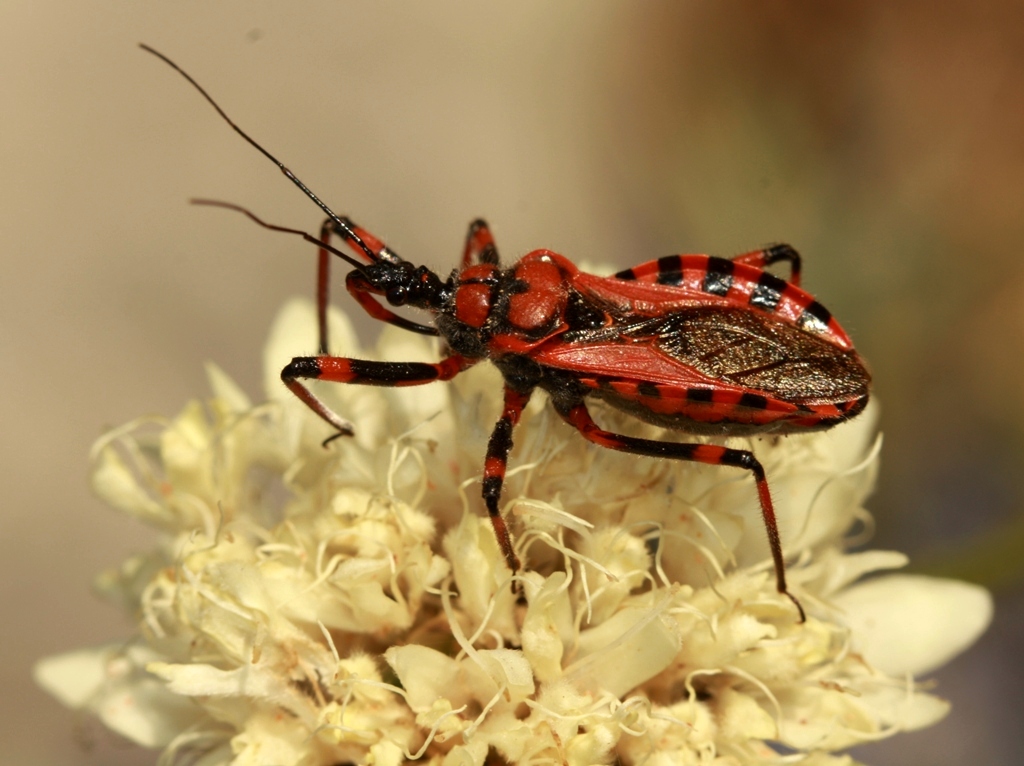
The predatory representative of the suborder uses sensory antennae to track down prey.
All bugs share a piercing-sucking mouthpart. Only minor differences between species are observed due to food preferences. For example, the proboscis of predatory individuals is more beak-like: it is thicker and stronger than that of herbivores.
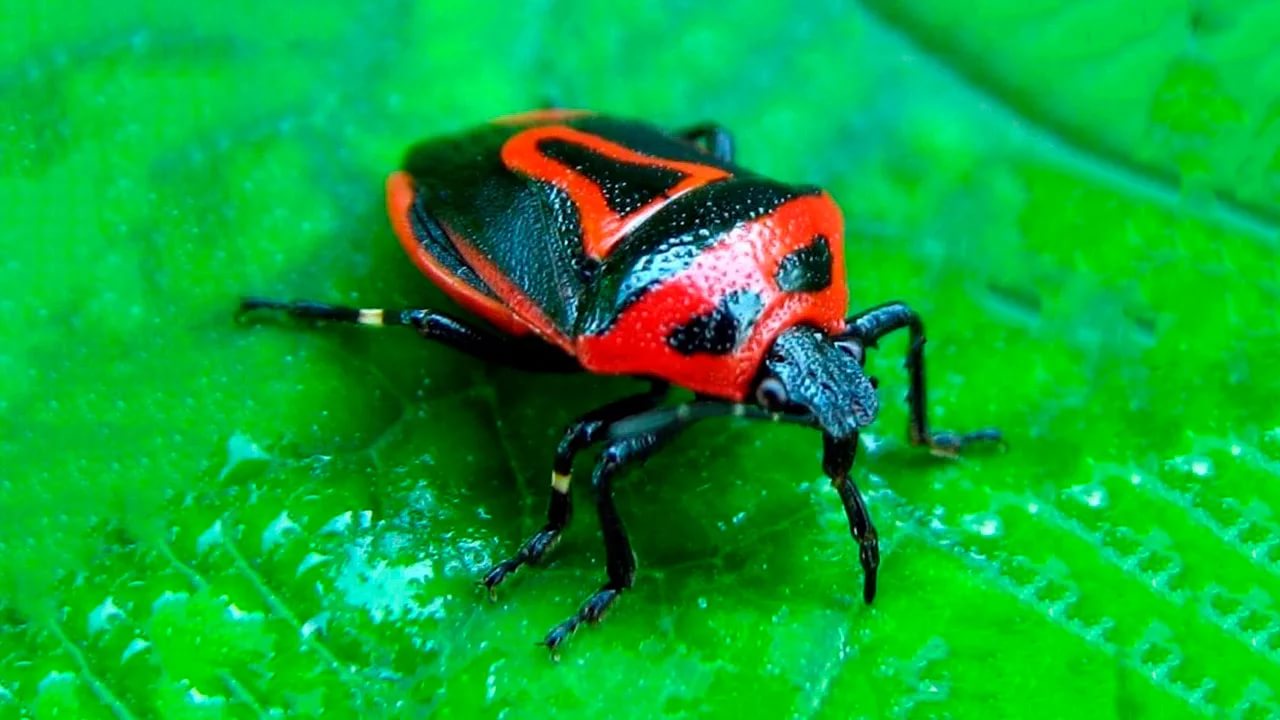
The powerful, elongated proboscis of the herbivorous red bug easily pierces the delicate membrane of plant cells.
Reproduction of bedbugs
Bed bugs reproduce very quickly. These insects don't need to wait until mating season to mate—a few factors are sufficient: a comfortable temperature and a food source. A single insemination of a female allows her to lay eggs throughout her life. Thus, even under unforeseen circumstances, such as starvation, she can continue her lineage. An individual can lay dozens or even hundreds of eggs at a time. This is alarming, as a single pregnant female can fill an entire apartment with her relatives in a year. Bedbug development is also quite rapid. A larva, similar to an adult, emerges from the egg, which, after five molts, develops into a mature individual ready to reproduce. The entire life cycle lasts about a year.
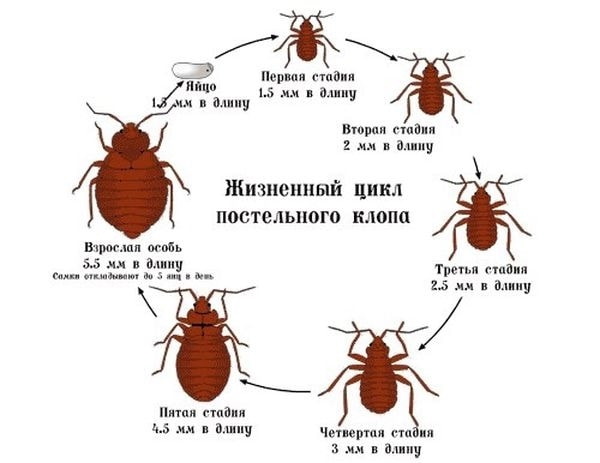
Using the example of the stages of development of the bed bug, one can trace the life cycle of almost all representatives of the suborder
Types of bedbugs and their habitats
Bedbugs are ubiquitous, with particularly large populations in the tropics. There are even "polar" species. Their nesting sites also vary widely: in the soil, under sand, on trees and their crowns, on plants, in animal burrows, tree hollows, and bird nests.
Water bugs
There are several aquatic species of bugs. For example, water striders are graceful, long-legged insects that can glide through water with astonishing speed. Feeding exclusively on the juices of other insects, they pose no harm to humans. A particularly interesting family of aquatic creatures is the water scorpions. They resemble fallen leaves in appearance and lead a sedentary lifestyle, as despite their aquatic habitat, they cannot swim. Crawling through shallow water, these bugs hunt small crustaceans, larvae, and tadpoles. The true champion is the common water scorpion. This bug has no equal among its relatives—it swims quickly and skillfully, and hunts successfully underwater. It feeds primarily on mollusks, small fish, and larvae.
Photo gallery: the most common types of water bugs
-
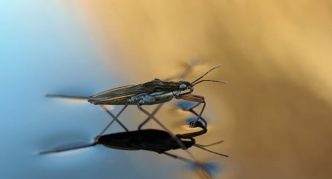
- The water strider stands on the water surface without difficulty
-
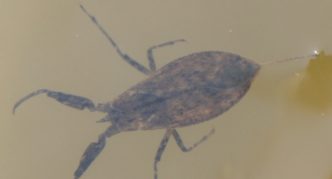
- The water scorpion's powerful front legs leave its prey no chance.
-
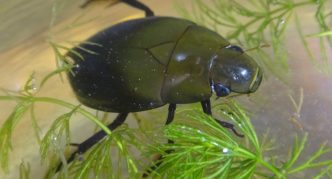
- The common platus swims quickly and successfully climbs plant stems.
Land bugs
However, most bedbugs live on hard surfaces. They often seek out places where they can touch both their abdomen and back simultaneously. This gives them a sense of security.
Pests
Herbivorous insects are well known to humans as pests (red bugs, shield bugs, and other insects). Feeding on cell sap, they destroy cereals, garden crops, and wild plants. A human bite from a herbivorous bug — an extremely rare phenomenon. The fact is that the proboscis of such insects is too weak and thin to pierce human skin.
One of the most dangerous is the tortoise, which truly resembles a miniature animal with a shell. The average gardener is unlikely to encounter this pest, as its favorite food is grains such as corn, barley, rye, and so on.
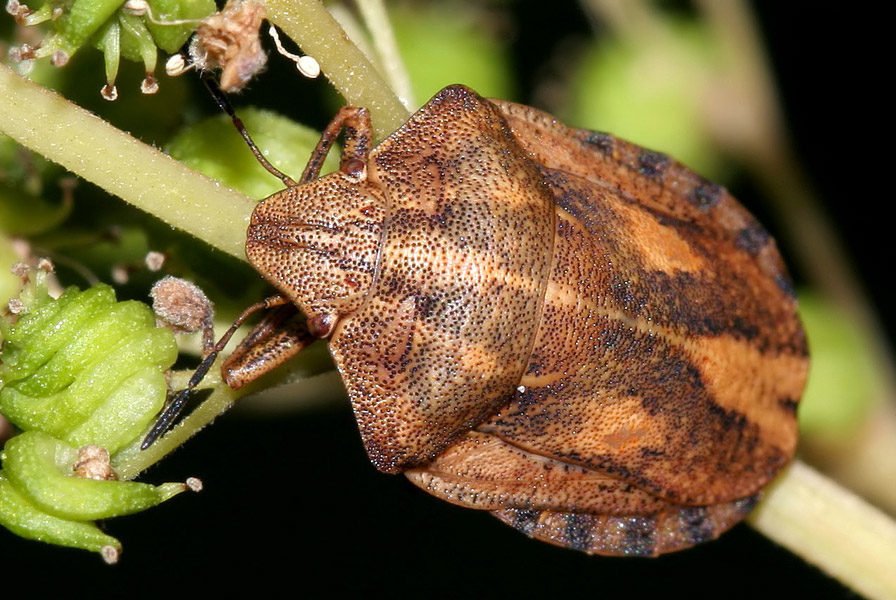
The protective coloring of the harmful turtle's elytra really does resemble a shell
Our history with "garden" bugs is quite eventful. These brightly colored, lively insects relentlessly attack crops. A particularly unpleasant species is the cabbage bug. The following subspecies are distinguished: the Siberian cabbage bug, the northern cabbage bug, the Central Asian cabbage bug, the mustard bug, and the rapeseed bug. After waiting out the cold weather in fallen leaves or under a layer of moss, these insects emerge to the surface in early spring. At first, the bugs attack weeds, and after the shoots of cultivated varieties appear, they move on to them. Representatives of this species specialize in cabbage, lettuce, horseradish, radish tops, turnips, and horseradish.
The pear stink bug is also a well-known shield insect pest. The insect overwinters until late April (in southern regions) or early May (in temperate latitudes), primarily in bark crevices and under last year's foliage. The pear bug settles on the blossoming leaves of fruit trees. Interestingly, this species is capable of flying significant distances, often moving from forest plantations to summer cottages.
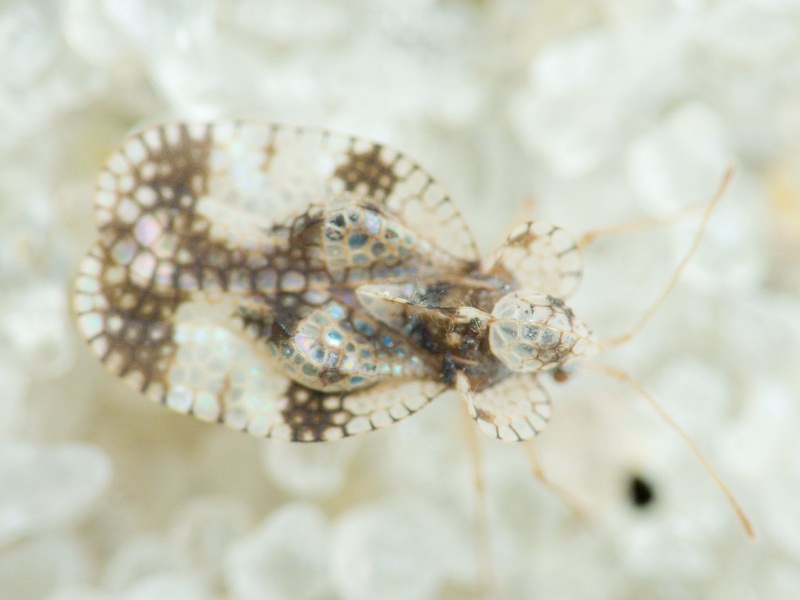
The pear bug is the owner of unusual, almost transparent pairs of wings.
Less well known is the cucumber bug. Its size (no more than 3 mm) and its location on the victim play a significant role in this. The cucumber bug attacks the undersides of tomato, cucumber, and eggplant leaves, often causing the plants to die.
Blind bugs are ruthless and indiscriminate. They harm not only agricultural crops but also ornamental plants. Feeding on cell juices and laying eggs in the thickness of the leaves, the fly flies affect all parts of the plant. They are extremely difficult to detect, thanks to their small size and unusual appearance for bedbugs (they are often confused with ants).
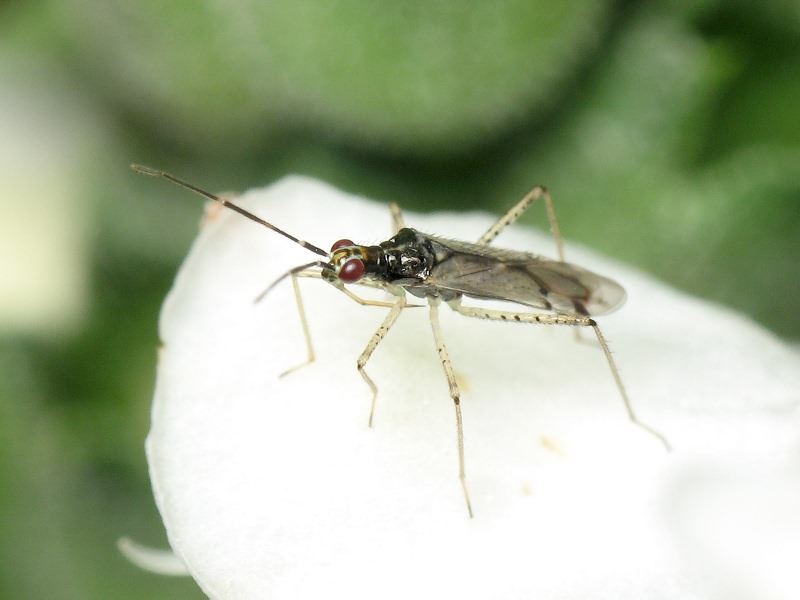
The blind bug bears little resemblance to other representatives of the suborder
Another species of herbivorous insect, the stink bug or green shield bug, is known in Russia and throughout temperate climates. This insect leads a rather inglorious existence, occasionally nesting in raspberry bushes and causing minor damage. In the case of this bug, no special chemical treatment of the bushes is required; if detected, mechanical measures are sufficient. However, it is interesting due to its mixed diet: it also includes animal food, specifically dead insects. For this species, any contact with humans is purely accidental, often resulting in fear on both sides.
Predators
Predatory species, including parasitic ones, suck the blood of humans and animals and feed on the juices of other insects. Interestingly, larger members of this suborder are capable of killing even small salamanders. Some predators provide significant benefits by destroying pests in crops.
The family of assassin bugs can be considered borderline between harmless and truly dangerous species of bugs. Their morphology varies depending on their habitat. In the tropics, contrasting, brightly colored individuals are more common, while in temperate climates, they tend to have dark, protective coloring. Almost all assassin bugs are large. They hunt primarily at night, reminiscent of spiders.
The most famous member of the family is the reduvius mummer (dirty predator). The name comes from the unusual appearance of its larvae, whose bodies are covered with small debris. Reduvius is a long-time neighbor of humans. Settling in warehouses and outbuildings, as well as in people's homes, it hunts all the insects it encounters. The predator's "black list" includes: carpet beetle larvae, moths, caterpillars, and even its fellow suborder, bed bugs.
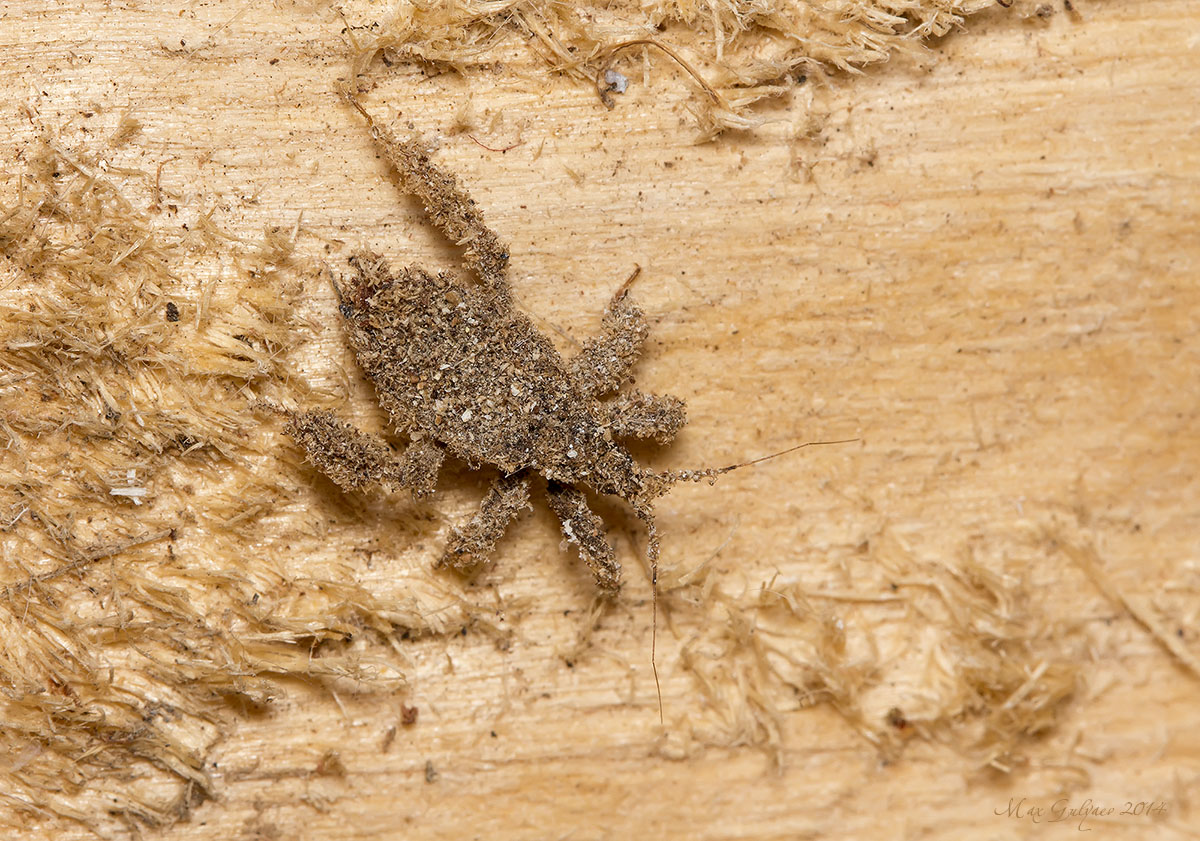
The larva of the reduvia mummer resembles a small spider in shape.
In the southern regions of Russia, you can encounter the ringed assassin bug. This small insectivore can cause an allergic reaction when bitten. Another member of the assassin bug family is the triatomine (kissing bug). This is not a harmless predator at all, as evidenced by its other name - "silent killer". It lives in tropical countries. The main danger comes not from the bite, but from the feces containing trypanosomes that enter the wound.
Scratching the affected area and subsequent inflammation can lead to the life-threatening Chagas disease, for which there is still no vaccine.
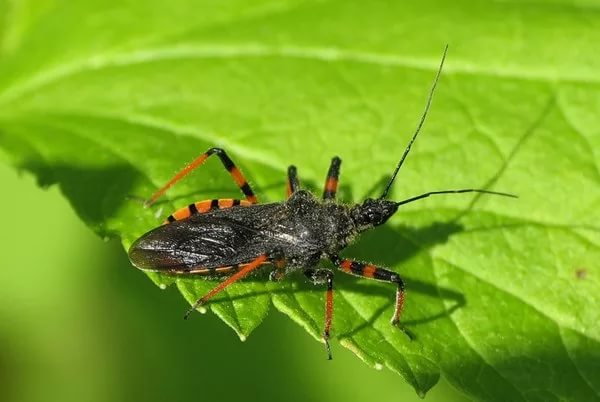
You shouldn't touch the ringed predator with bare hands, as this may provoke an attack.
The small family of hunter-gatherer bugs appears quite harmless compared to the predatory bugs. These dull, slow-moving bugs diligently destroy beetle and insect eggs, other bug larvae, and caterpillars. During warmer months, hunter-gatherers can enter a home through an open window or even the inside of a house. The most old-fashioned method of dealing with them is mechanical removal of the insect.
Flower bugs, or raptorial bugs, are also predatory species. They live and hunt in trees and under their bark. These nimble, numerous insects can settle in food storage areas, where they prey on local pests.
Among the shield bugs (mostly herbivorous), there are several predatory species. Interestingly, humans collaborate with some members of this family. For example, the spotted-bellied shield bug is kept in greenhouses to control caterpillars.
Photo gallery: Types of predatory bugs
-
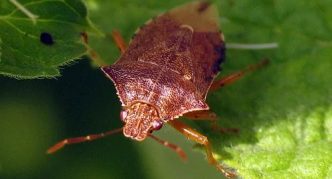
- The American stink bug, also known as the American stink bug, is remarkably similar to the American stink bug.
-
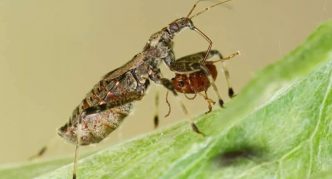
- The huntsman bug is most often found on grasses and shrubs.
-
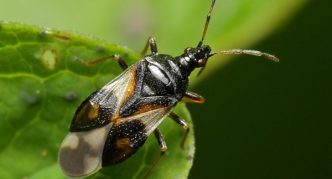
- The flower bug, or the tiny predator, is the most common species in our latitudes.
Human ectoparasites: increasing numbers, reasons for the population growth surge
People first and foremost need to be aware of the species that impose their unpleasant presence. This is especially true given the fact that the number of these "cohabiting" bugs has increased exponentially in recent years. This has become a global phenomenon. It was previously believed that ectoparasitic bugs, like all related insects, were a problem in developing countries with severe epidemiological situations. However, by the end of the 20th century, this stereotype had lost all validity. Shocking data was published on the exponential growth of bug populations in countries such as the United States, Brazil, Australia, Denmark, Sweden, and a dozen other countries. For example, in Zurich, Switzerland, by 2010, these insects had been found in more than half of all buildings in the city. In Russia, bugs have made no exception—new outbreaks are regularly reported.
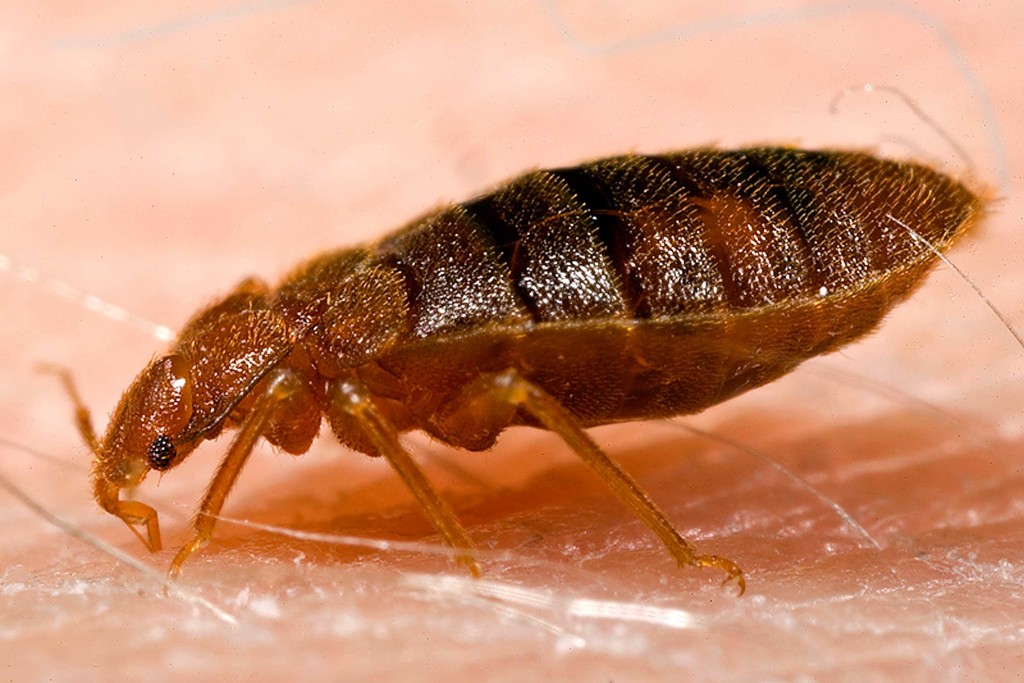
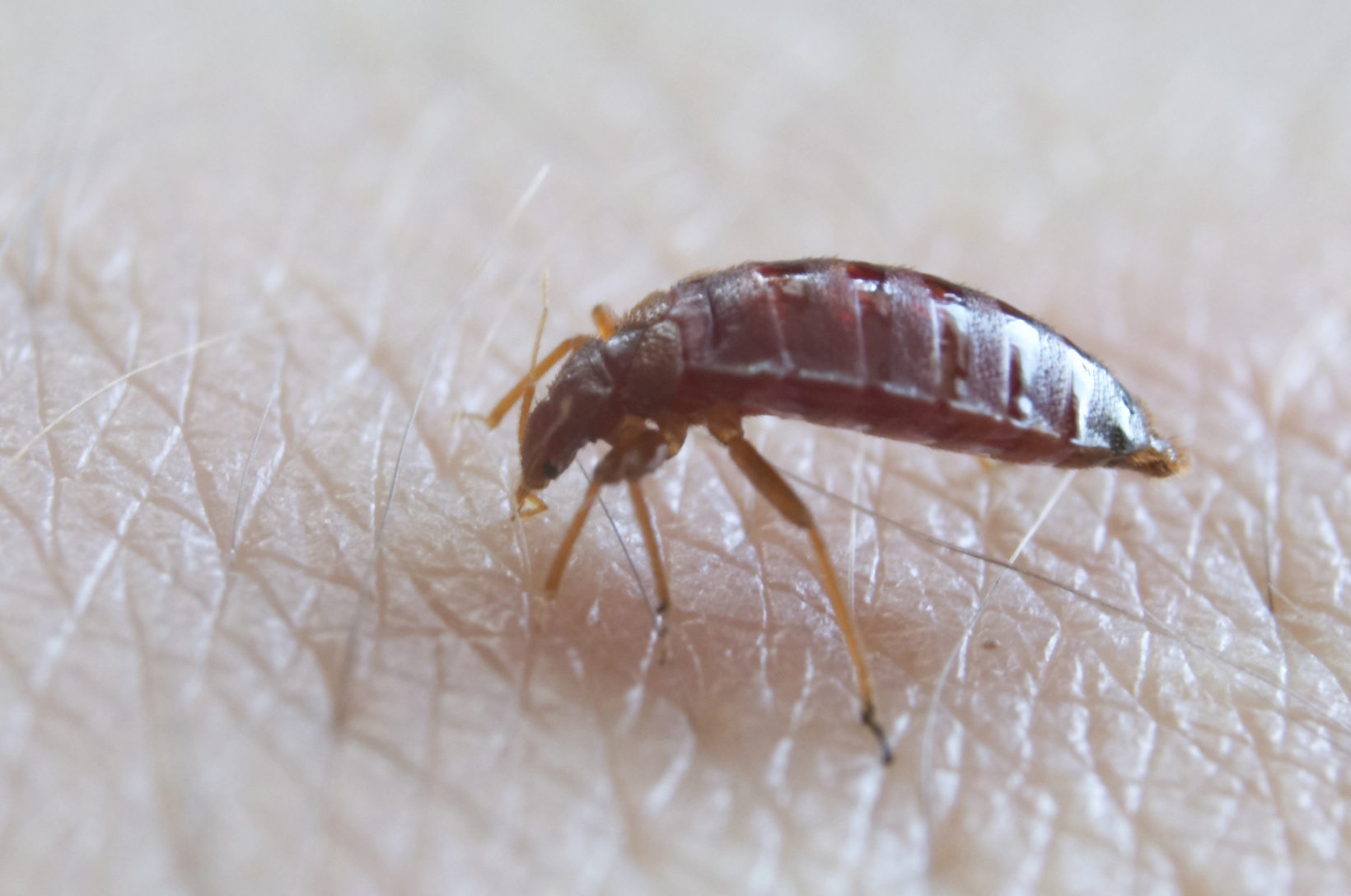
When a bedbug bites, it can easily pierce human skin.
The population explosion is linked to climate change (global warming, the growth of heated spaces) and social processes (second-hand sales, tourism, mass migration). Another factor is insecticides. Since the late 20th century, their range and methods of use have changed. Previously, controlling cockroaches killed a fair share of other insects in the room, including bedbugs. The global proliferation of insects has contributed to their development of stable immunity to insecticides. With the advent of more targeted traps and baits, these cunning parasites remain untouched. These insects often live alongside humans for long periods of time, remaining undetected.
Bed bug
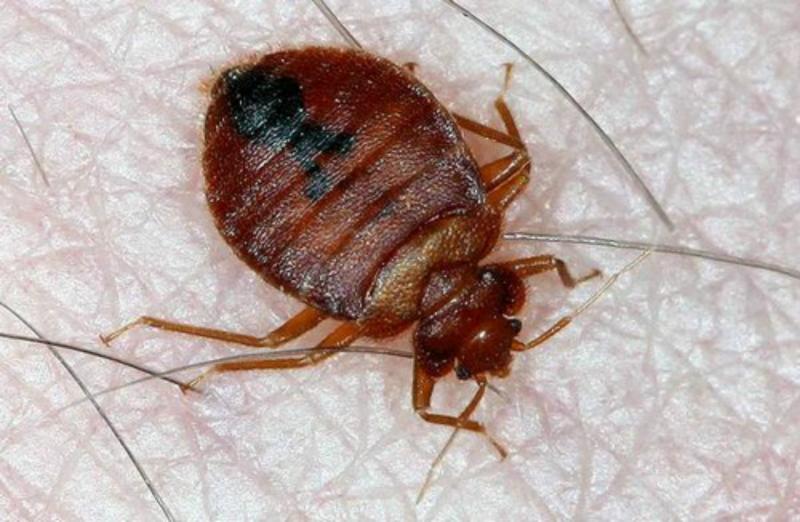
Our most famous "neighbor" is the bedbug. It is a silent, nocturnal ectoparasite that feeds exclusively on human blood. Adults range in color from light red to dark brown. The insect's eggs are typically white, and the larvae (imago), molting frequently, change color from light (almost transparent) to dark. Detecting bedbugs isn't always easy—usually, they become known only when characteristic bites appear on the body: long, successive rows of red dots with a hardened lesion.
Why are insect bites dangerous?
Until recently, there was debate about the harm these insects cause to human health. Research on this topic is still ongoing, but allergic reactions are already known to occur (80% of those bitten are at risk). Bedbugs cause iron deficiency anemia and deprive a person of normal rest. The puncture sites become inflamed, and pustules form. Furthermore, the insects' bodies are inhabited by various microbes, making them carriers of infectious diseases.
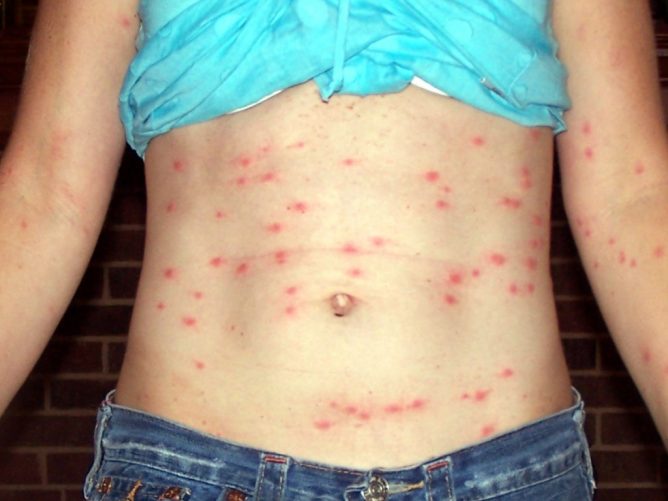
The bedbug bites and, having drunk a portion of blood, moves forward a few centimeters, repeating the action 4-5 times until it is completely satiated.
Parasites can be carriers of the following microorganisms:
- Bacteria (anthrax, tuberculosis, tularemia, brucellosis, plague, typhoid fever).
- Viruses (smallpox, yellow fever, hepatitis B).
- Protozoa (leishmaniasis).
The role of bedbugs in human infection with helminths and fungi is also being studied.
How to detect a parasite indoors?
How can you spot an uninvited guest? Unlike other insects, such as cockroaches, the cleanliness of a home doesn't determine the presence of bedbugs. Recently purchased clothing or used furniture, traveling, spending the night away from home, or even simply an infested apartment nearby—all of these can be the beginning of a problem. If you see visible bites on your body, first inspect all the places where you spend your time: beds, sofas, chairs, mattresses, pillows, etc. Particular attention should be paid to doorframes, baseboards, electrical outlets, cabinets, etc. The presence of bedbugs in the home will cause an unpleasant smell of bad cognac or fermented raspberries.
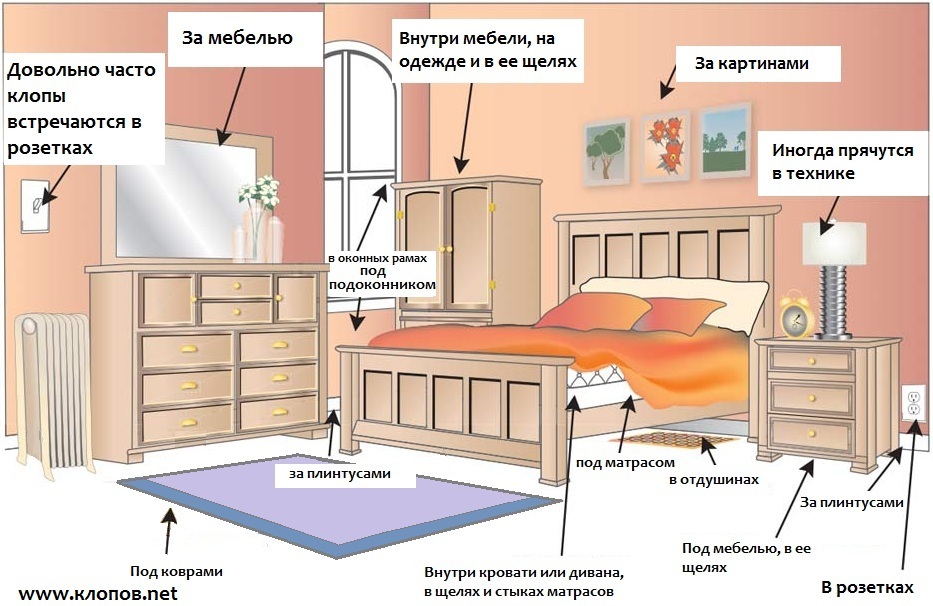
Where to look for traces of a parasite in a room
How to get rid of an insect?
Bed bugs don't nest in the traditional sense, but they do leave traces. Chitinous shells, blood stains on furniture (particularly bedding), and accumulations of black droppings all indicate the need for action, the main ones being:
- Modern insecticides (powders, aerosols, baits). Most are harmless to humans and pets and have a long-lasting effect. In the private sector, outbuildings should also be treated. Before spraying the insecticide, wear gloves, a respirator, or protective suit, and isolate children and animals. Pay particular attention to hot spots. After treatment, vacate the area immediately and allow it to air out for several hours. The most well-known and effective brands of insecticides include Combat, Mikrofos, Karbofos, and Palach.
- Temperature "survival." Turning off the heating will stop the parasites from multiplying. To do this, you need to achieve the lowest possible temperature and maintain this climate until the parasites completely disappear. Importantly, even at 20 OThe insects may feel uncomfortable, but this is unlikely to prevent them from leaving the living space. They'll likely decide to wait it out. This measure will be truly effective when applied locally—by heating and drying individual items. It's important to note that even at 50 OC insects die.
- Folk remedies. The effectiveness of such measures depends on the population size and is more of a preventative measure. Turpentine (either pure or diluted) and vinegar are most commonly used for surface treatment. Fresh tansy, birch, lavender, and wormwood leaves can also be scattered around the home.
- Call an exterminator. Bedbugs love to migrate from one cozy corner to another, so this is the most suitable option for an apartment building. Is there any point in trying to control the pests in your own home without knowing whether another apartment is infested? The best approach is to discuss the problem with all residents, even if it's just a precaution. Calling a specialist is the fastest way to successfully get rid of the bloodsuckers.
Video: Bedbug Remedies
In any case, no matter what method of extermination is used, the main thing is to be prompt, keeping in mind that bed bugs are real record holders in terms of lifespan.
The centuries-long history of bed bugs and humans has seen many instances where these insects have not only caused harm but also actual benefits. Unfortunately, the inconvenience and nuisance caused by parasitic bed bugs outweighs the help provided by the insects that destroy them. Therefore, it's important to remember to prevent bed bugs from appearing indoors, while also remembering the insects that help humans.