Useful articles about dogs
How to teach a dog the "NO" command 
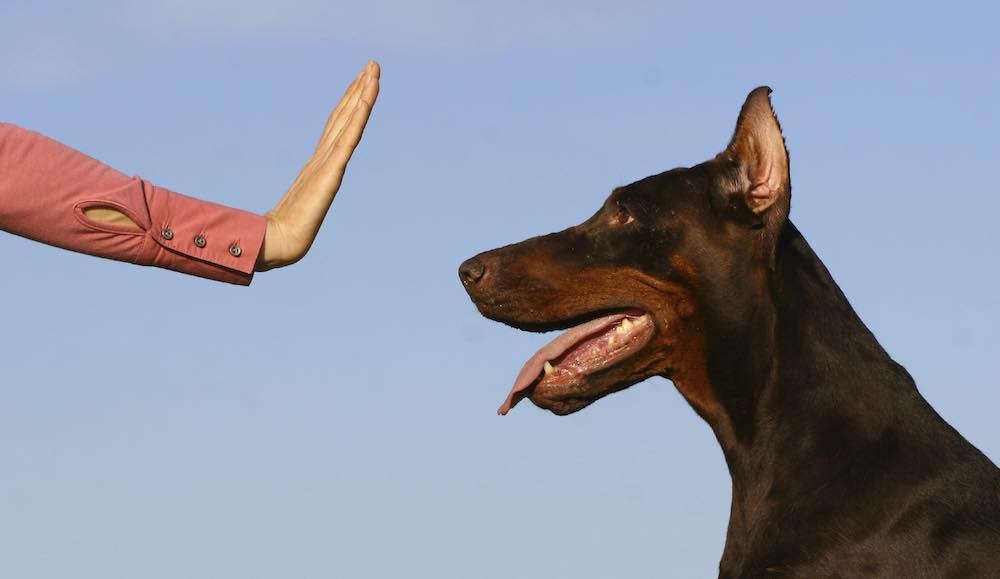
Training a dog to obey commands isn't easy. Therefore, it's best to start from puppyhood—specifically, at 5-6 months. At this age, puppies are still absorbing information like a sponge, but are also well-versed in intonation and the need to respond to their owner's requests. Teaching the "no" command is easier for a young dog than for an adult. Even the most cute, obedient, and intelligent pet should know this command. This will make life easier for both dog and owner. Let's look at how to train a pet. How to teach a dog the "no" command. The differences between "no" and "no." Contrary to popular belief, "no" and "no" are completely different commands. The former is an absolute, categorical prohibition, a distraction, focusing on the next command. It is given in a sharp, raised voice. The dog's response should be unambiguous. This is usually followed by a prohibitive or recommendatory command—a call to action, a taboo, or a command to act.Read more
How to stop a dog from marking in the apartment
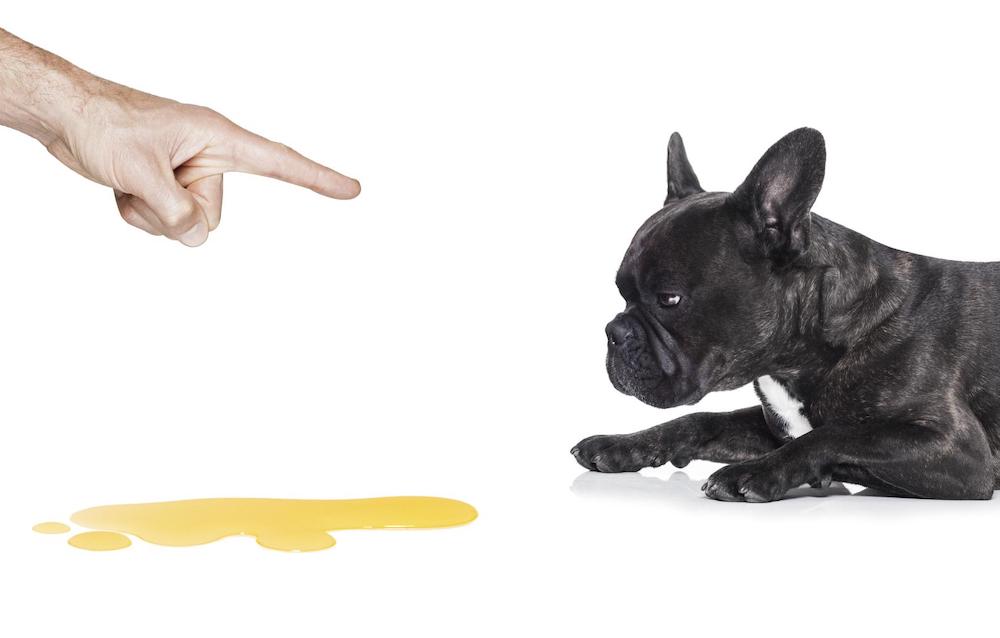
Typically, a dog is everyone's favorite pet, a family member, and simply an inimitable friend—loved, pampered, and cherished. And then suddenly, they discover they're doing "it." Bad odors, damaged property, and bad moods are the result of your dog marking their territory. What can you do about it? How can you make your four-legged friend understand that their habits are inappropriate in the apartment? Let's find common ground together. Why does a dog mark its territory? Contrary to popular belief, dog physiology doesn't mean it's a bad habit. Both "boys" and "girls" are capable of marking. But males are more likely to mark their territory. It's practically independent of age, much less the breed, weight, or size of the dog.Read more
How to teach a puppy or adult dog to lie down
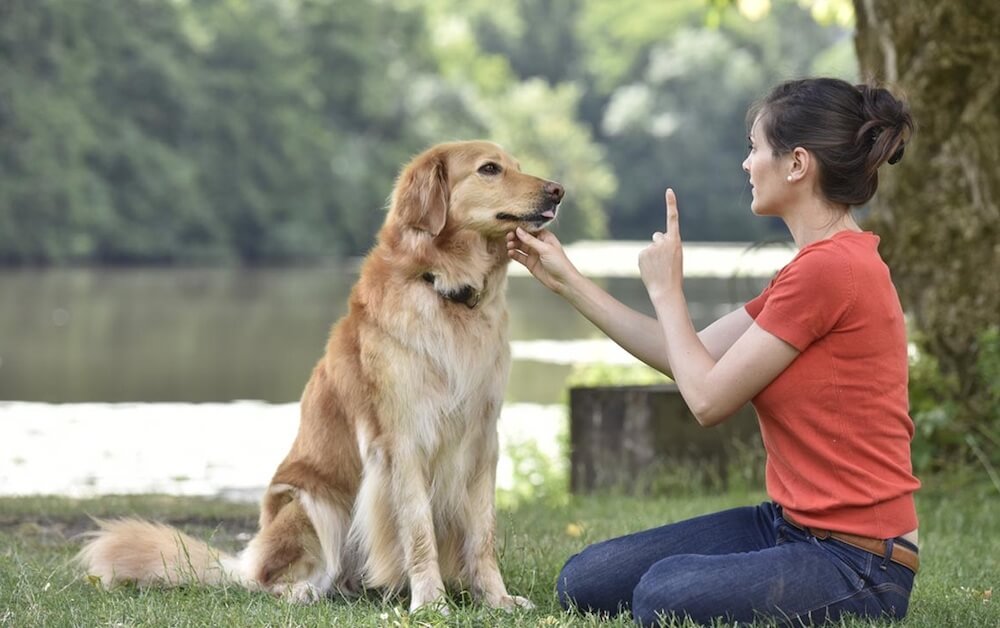
"Down" is one of the most basic commands dogs can learn, along with "sit," "stay," and "speak." These commands help establish a bond between the animal and its owner. It's best to start teaching a puppy this command no earlier than three months of age. Training methods can be varied, including rewards (treats, verbal praise) and coercion (pressure on the withers). Training can be done outdoors or indoors: the main thing is to keep the environment clean and free from distractions. Method one: training a puppy with a treat. Perform this exercise when the dog is sitting or standing. Take a treat in your hand and hold it to the dog's nose, but allow it to nibble on it. To do this, make sure your palm is facing down, otherwise the dog may snatch the food from your hand. Say "Down," and then gradually lower your hand with the treat in an arc, downwards and forwards. The easiest way to get to the treat is to lie down, i.e., follow your command. When this happens, give the dog the treat and reinforce your success with praise.Read more
Treating Your Four-Legged Friend: How to Give a Dog a Pill
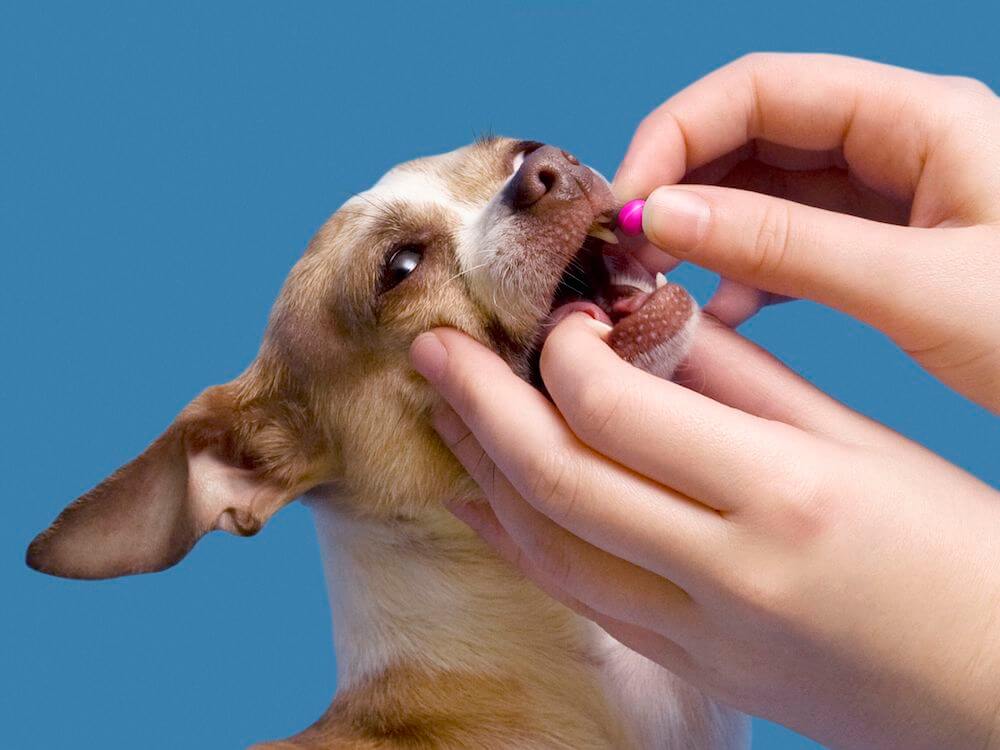
A minor ailment or a serious illness is a challenge for both pets and their owners. Pets, including dogs, rarely willingly accept medications and treatments. Therefore, administering a pill to a dog can be challenging, even if they have a docile and gentle nature. How to Properly Administer a Pill to a Dog: Giving a pill to a small-breed dog can be much more challenging than for larger dogs. Certain medication characteristics and the animal's personality influence the outcome, but equally important is who administers the medication—a veterinary clinic or the owner. If you must administer pills yourself, it's important to choose the most appropriate options to ensure proper administration.Read more
How to stop a dog from chewing furniture 
Most dog owners face the problem of their pets damaging furniture. This undesirable behavior can be corrected. Stopping your pet from chewing furniture takes time, patience, and some effort. We'll explain why dogs chew and how to break this habit.