Rodents
How to properly wash a hamster – bathing tips 
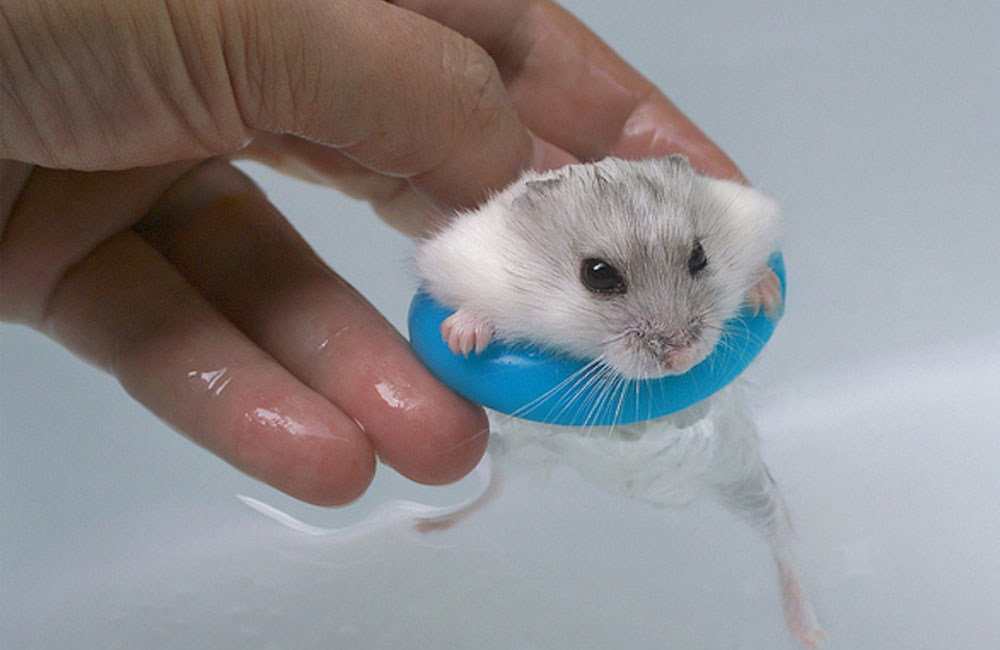
You don't need to wash a hamster very often. However, the very concept of washing for this pet is rather arbitrary. Hamsters are very clean animals and only get very dirty through carelessness or accident. They easily remove ordinary dirt from their bodies themselves, causing little trouble to their owners. They spend a considerable amount of time grooming and combing their fur, just as much as a domestic cat. Hamsters self-clean up to five times a day, while also cleaning their home. Both in the wild and at home, hamsters tend to use clean sand as a cleaning agent. Even if something happens and your pet gets very dirty, it's best to avoid bathing them; bathing is quite dangerous for these rodents. Wet wipes can be used to remove stubborn dirt, reserving bathing for the most extreme cases. Can I bathe a hamster? Bathing a hamster the same way you would a child or even a kitten is not recommended: frequent contact with water significantly shortens the life of this rodent. Hamsters are not adapted to being submerged in water, even up to their necks. Unlike other pets, their fur is not very thick, and its unique feature is that it does not repel water.Read more
What can you feed a hamster?
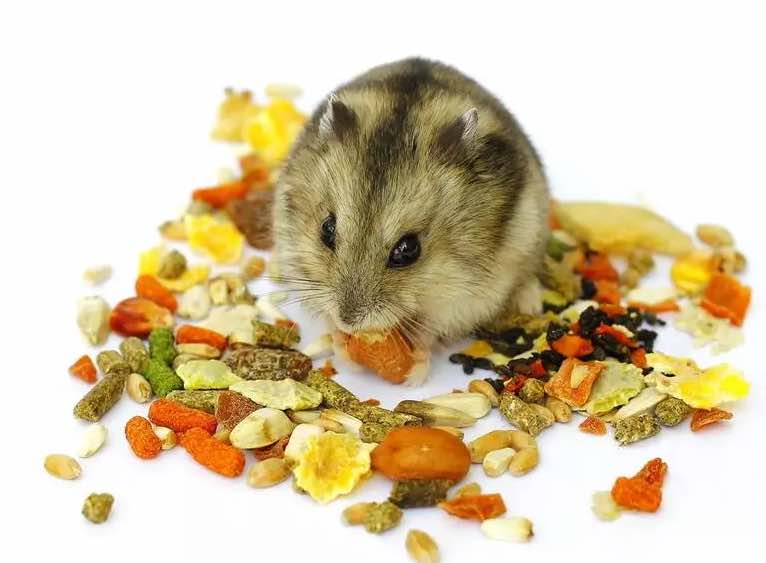
Hamsters are one of the most popular pets. Feeding is a key consideration for any pet owner. What do hamsters eat, what foods are essential, and which should never be fed—we'll explore in this article. What can hamsters eat at home? The best option for hamsters is dry food, which contains everything hamsters can eat in the right proportions: micro- and macronutrients, herbs, etc. This food is usually purchased at pet stores, but you can make it yourself if you prefer.Read more
Japanese mice: care and maintenance
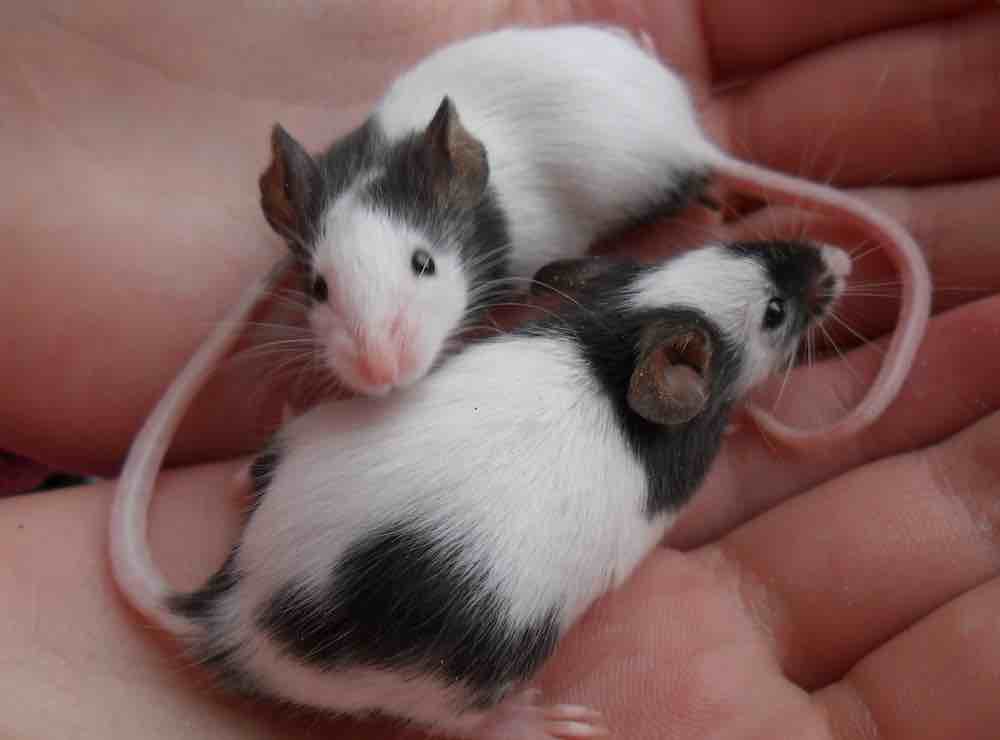
Japanese mice (also known as dwarf bamboo mice) are unusual miniature pets that easily adapt to new homes, quickly become tame, and bond with their owners. This article will explore the characteristics of this breed, including their living conditions, feeding, and care. Breed Characteristics: The Japanese mouse is a selectively bred, miniature rodent native to Southeast Asia; a type of house mouse. In the wild, these mice inhabit forest edges and tend to stay close to human habitation, especially in the fall.Read more
Flying squirrel at home
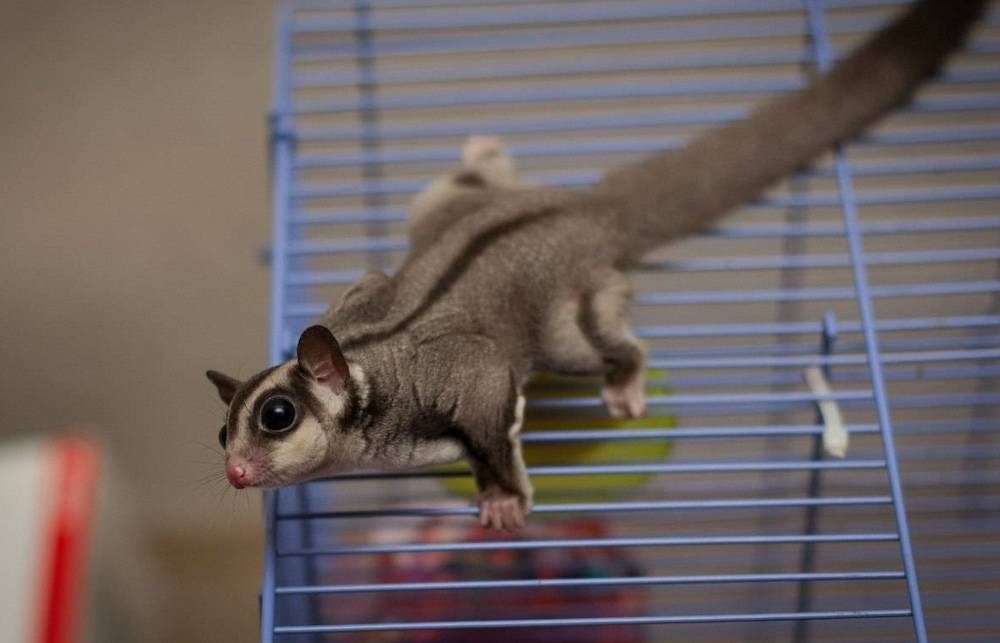
The flying squirrel is a small and very cute creature with huge round eyes and a long, fluffy tail. With an average body length of 13 cm (although some species can reach up to 40 cm), the tail is usually at least 10 cm long. In the wild, these funny little animals live in North America, as well as in Asia and European forests; they usually live in pairs. Although this squirrel is called a "flying squirrel," strictly speaking, it does not fly; rather, it simply leaps long distances – about 50 cm. During the jump, the animal spreads a fold of skin (a large, fur-covered membrane between the front and hind limbs) and dives, as if on a parachute. The tail is used as a rudder.Read more
How to determine the sex of a chinchilla
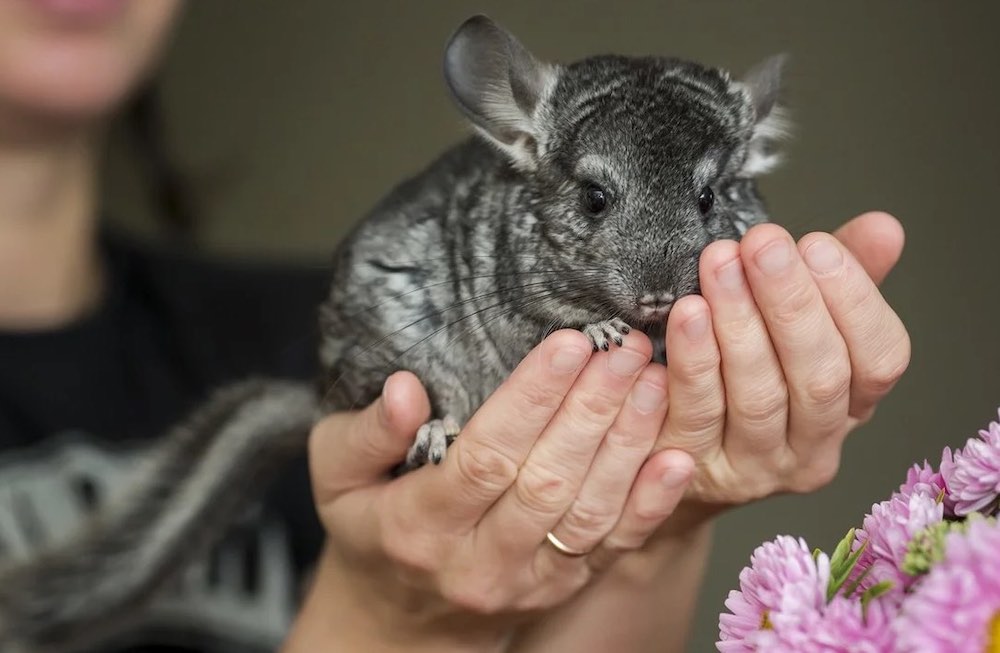
People who decide to breed chinchillas may not always be able to answer the question of whether they're buying a male or female chinchilla from a pet store or a specialized pet farm. A responsible breeder must pay attention to the distinctive sexual characteristics of chinchillas and be able to determine the animal's sex. Many sellers aim to sell their merchandise quickly and are generally unconcerned with the breeders' problems due to the specifics of their care or breeding practices. If you already have chinchillas that are producing offspring and intend to sell the babies, it's essential to be able to distinguish the chinchilla's sex and communicate this information to your customers. Many people who breed these animals for pets also place great importance on the sex of their furry creatures. Knowing the sex is also crucial for choosing the right name for your pet. In all cases involving raising and breeding chinchillas, it's essential to be able to determine the animal's sex. This article will discuss how to do this. Distinguishing Sexual Traits of Adult Chinchillas The easiest way to determine the sex of an adult animal is by comparing its body size. Male chinchillas are smaller than females. Females play a dominant role in a pair. However, this determination only works when the animals are of the same age or litter and are fed the same food.Read more