A pet frog is an unusual, even exotic pet, but completely safe compared to its exotic relatives. There are many species and varieties of pet frogs, differing in character and appearance.
Keeping these animals is a unique hobby that will appeal to those tired of standard pets. Amphibians aren't ideal for pets, but they are friendly, quite intelligent, and low-maintenance. Let's take a closer look at these unusual pets, explore their feeding and care requirements, and learn from amphibian experts. This information will help you avoid problems when keeping frogs.
Content
Aquarium frogs at home: maintenance features
Although aquarium frogs are relatively easy to care for, there are certain nuances that are essential to know. It's important for a beginning frog keeper to understand the characteristics of these animals and the specific requirements for keeping pet frogs.
Like all amphibians, aquarium frogs "drink and breathe" through their skin: all of their skin has a special mucous coating. This serves an important function: it protects the animal from bacteria, fungi, and other harmful microorganisms.
For this reason, it is strictly recommended not to touch frogs. This will harm not only the animal but also the owner, depending on how dangerous the mucous membrane of this amphibian is for human epithelium. Since the "lubricant" of the pet's skin serves primarily a protective function, it contains substances that are not entirely harmless. This exotic pet requires careful, but not excessive, attention: frogs require a certain temperature and essential high humidity in the terrarium.
The most important points in keeping frogs:
- Temperature conditionsFor many species, this ranges from 20 to 34 degrees Celsius. During critical fluctuations, it is recommended to artificially maintain the temperature. If water heating is necessary, use a standard water heater.
- HumidityThe most important aspect for cold-blooded animals is maintaining high humidity at all times, using plants, water inside the terrarium, and misting the substrate.
- Light conditions are no less important for amphibians.During the autumn and winter, it is recommended to use additional lighting, such as a fluorescent lamp.
- Filling the terrariumPebbles and small gravel are suitable for terrestrial aquarium frogs. For arboreal species, fill the pond with water, leaving cork "islands" and branches. You can also plant common houseplants (non-poisonous!) in the substrate, which don't require much lighting, and add driftwood without sharp edges, pebbles, coconut peel, bamboo, and potsherds—anything available in pet stores, but only if it's safe for amphibians.
Read also about the Surinamese frog.
The most common species kept at home
The poison dart frog is called "the most poisonous on earth," but in reality, it's only dangerous in the wild. In terrariums, they stop producing poison.
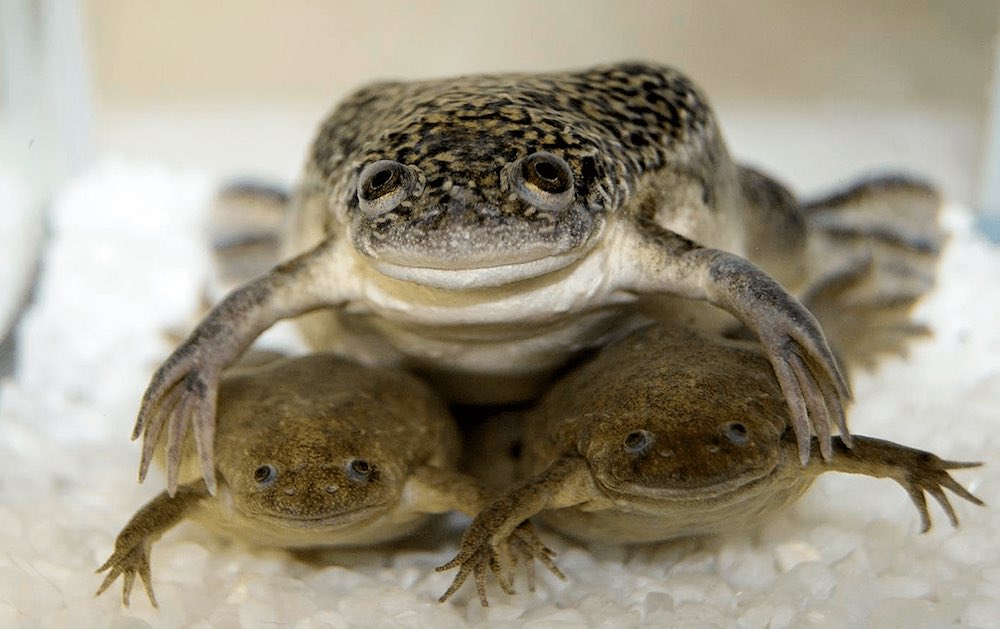
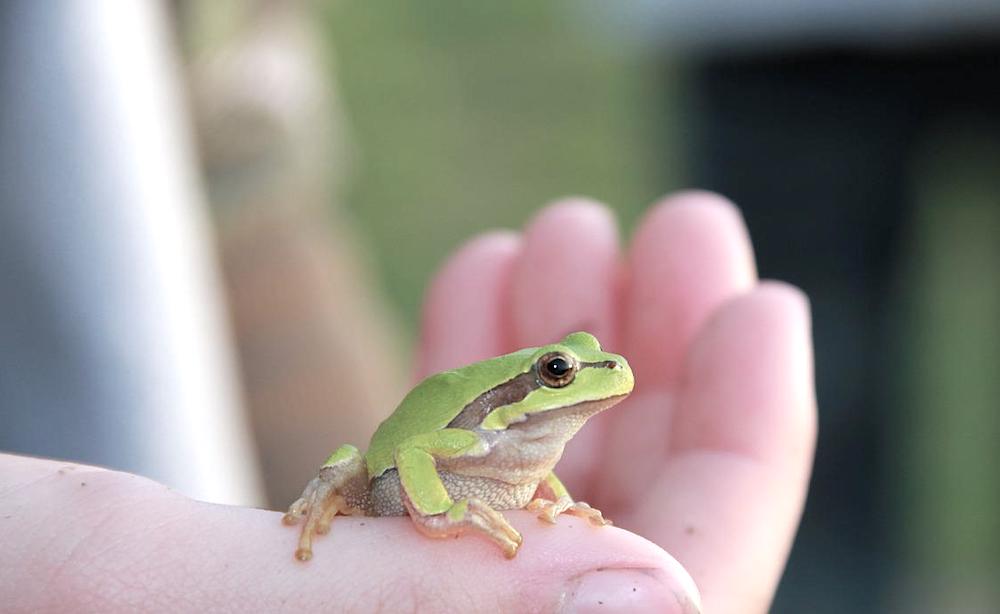
One of the most striking representatives of this species is the Australian tree frog, with a body size of 8-13 cm. These frogs come in a variety of skin colors, as well as unusual eye colors and spots on their abdomens. They live in a vertical aquarium (at least 50 liters), filled with twigs and water. The optimal temperature is 25 degrees Celsius, with a humidity of at least 80%. Their primary diet consists of bugs and crickets.
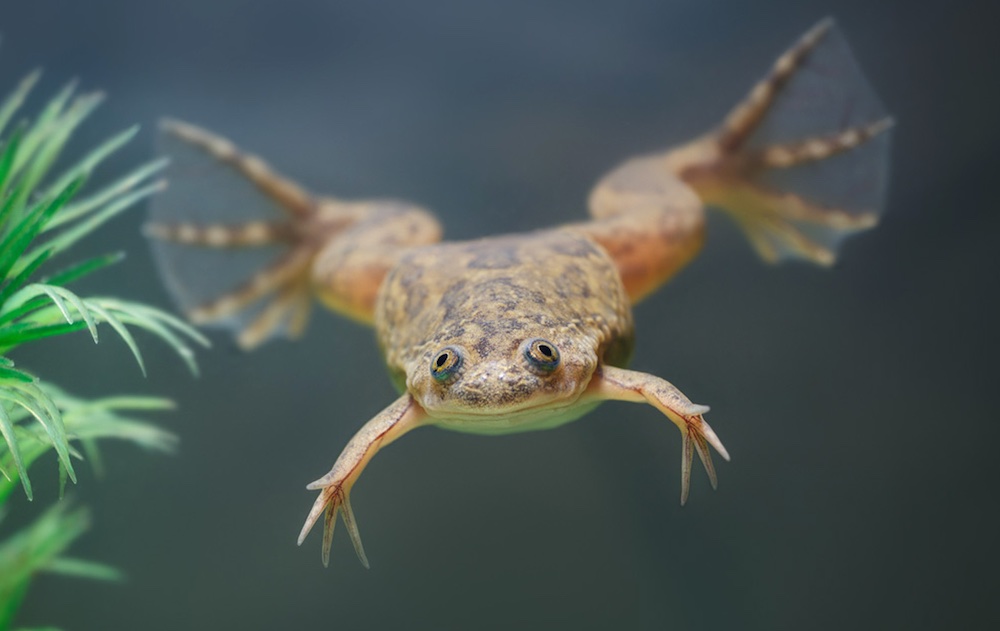
The clawed frog, about 15 cm in size, has a light olive skin color; some albino specimens are whitish-yellow. It thrives in an aquarium with water temperatures between 20-24 degrees Celsius and humidity between 70-80%. It easily coexists with other fish, but it's important to remember that it is a predator by nature.
Fire-bellied toad. The most commonly sold species is the Far Eastern fire-bellied toad. It is widespread, reaches 10-12 cm in size, and has warty skin. It can have a variety of colors, from brown to greenish and brown. It lives in a 10-liter aquaterrarium with both water and dry land, and is active at temperatures of 21-24 degrees Celsius and high humidity. It feeds on any amphibian food. Fire-bellied toad venom is only dangerous to animals.
The dwarf Hymenochirus is a tiny amphibian no larger than 6 cm. It also lives in water and does not require access to land, like the spur-winged Hymenochirus. It can be kept with larger, non-aggressive aquarium fish in a 10-15 liter tank at a suitable temperature of 20-24 degrees Celsius.
Feeding and care of a pet frog
Pet frogs are most often fed special food, similar to that recommended for aquarium fish. The exception is certain species of amphibians that feed on live food. These cold-blooded animals require a customized menu.
Some points regarding the arrangement of a home for a frog and its care are noted below:
- Aquarium cold-blooded fish live in glass terrariums or aquariums filled with water. They coexist with other fish, snails, and other fish.
- The pet house should not be placed in direct sunlight.
- Clean the aquarium with water once a week, and the dry terrarium every 2-3 days. More frequently if necessary, to prevent the accumulation of live food residue and prevent the water from becoming stale.
- To purify water, it is recommended to use a regular aquarium filter.
- Constant monitoring of humidity and temperature is required – be sure to use a thermometer inside the tank.
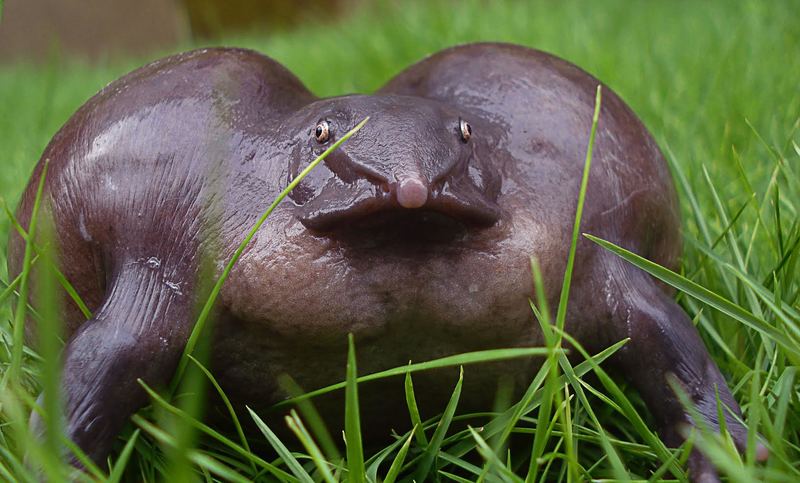
Read also about the purple frog.
Aquarium frog diseases
The most common diseases of aquarium frogs are bacterial, related to water pollution in their habitat (red foot). Fungal diseases, such as helminth infestations, dropsy, and the consequences of injuries, can also occur.
A sick pet must be isolated from other frogs. Pet frogs are treated in the early stages of illness. The main treatment methods are bathing in special solutions and administering antibiotics. Without proper care, these diseases are often fatal.
What to feed a frog
Specialized food, that is, pellets with a balanced composition, are usually used for water frogs and fire-bellied toads. Other species require more careful attention to their diet: fruit flies, bloodworms, daphnia, worms, fry, and insect larvae are added to their diet. Some also eat small rodents.
Basic nutrition tips:
- Any food can be purchased at pet stores.
- Domestic frogs are fed twice a day.
- Since such pets are prone to obesity, they are not overfed, but are given regular unloading sessions: they are fed a minimum amount and once a day.
- Frogs also happily eat live shrimp, frozen fish, and even dried fruits.
Amphibians living on land require clean water. Aquarium water is changed once a week.
How long do frogs live at home?
Amphibians live quite a long time: poison dart frogs live from 10 to 15 years, and fire-bellied toads live up to 8 to 12 years. Some record-breaking specimens can live up to 20 to 25 years. Adhering to all the requirements for keeping amphibians at home directly affects their lifespan. Treat your new pets with the utmost care: then your tame frog princess will live a long and happy life.
Tips and nuances
Properly selected housing, soil, temperature conditions and food are not everything.
It is worth considering the characteristics that often affect the general condition of amphibians and their lifespan:
- Different groups of amphibians require different living conditions (temperature, humidity, diet). If you plan to acquire more than one frog, it's important to choose a compatible species. Otherwise, problems will arise—if not for you as the breeder, then certainly for your pets. For example, you can create a multi-tiered aquarium—the room temperature will be uniform, but the higher shelf will be 2-3 degrees warmer. Cold-loving aquarium frogs are then kept on the floor.
- Vertical jars or terrariums are recommended for poison dart frogs. Since this pet requires branches, they spend most of their time in trees, with water placed at the bottom to maintain humidity.
- Different aquarium frog species require different tanks, ranging from 10 to 60 liters. They must be equipped with a lid to prevent not only moisture evaporation but also, for terrestrial species, escape.
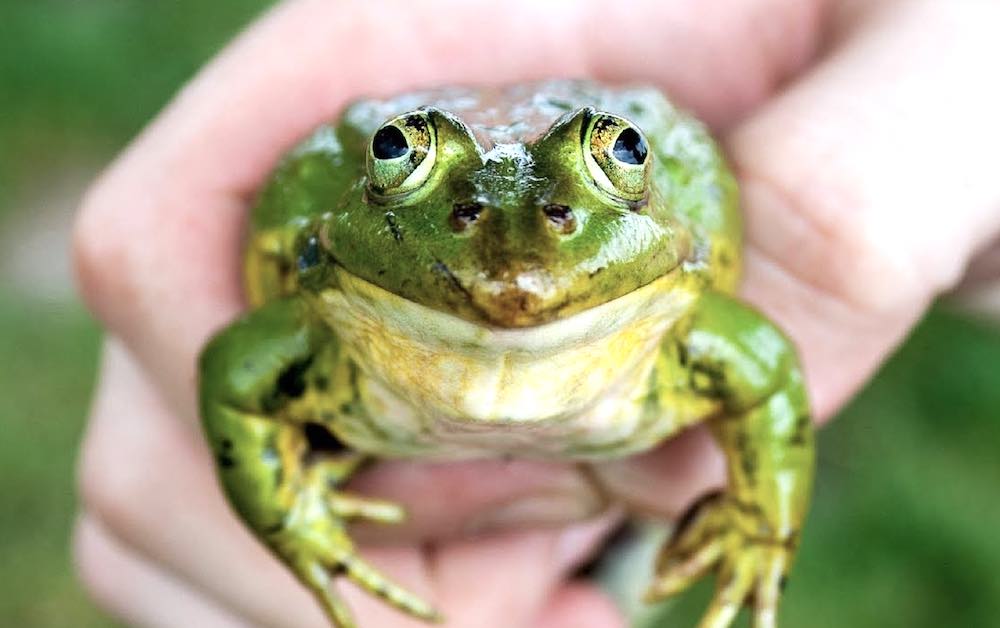
- Amphibians are animals for observation only. They dislike being handled and are completely unsuited to close contact, as it can cause minor injuries. Handling frogs with dry, hot hands is prohibited, as this can kill cold-blooded species. Only handle amphibians with wet hands.
- Some frogs happily eat mice. If you already have a pet mouse, beware of dangerous situations. Watching one pet devour another isn't exactly a pleasant sight.
- Certain species of amphibians feed exclusively on dry pellets, others on worms, and still others on live food exclusively. All these factors must be taken into account before acquiring this unusual pet. Otherwise, a poor and improper diet will lead to the sudden death of your aquarium frog.
- Predators, aggressive fish, and frogs should not be kept together – there is a high risk that one pet will eat the other.
- Thorough and regular cleaning of the terrarium is essential. Cold-blooded animals are quite demanding of certain conditions: frogs' skin is deeply permeable (hence why they are considered to drink through their skin). Clean water and habitat are essential for a pet's health. Even mucus on the skin won't help if the aquarium's bacteria levels are high.
- A nuance that's especially important if you're getting a pet for a child. Pay close attention to the frog's name—if it's not a common frog, but an exotic species. Some aquarium frogs grow to enormous sizes, which can be completely unexpected for a breeder. For example, bullfrogs can gain up to 2 kg (4.4 lbs) as they mature, becoming large, clumsy, and sometimes even biting.
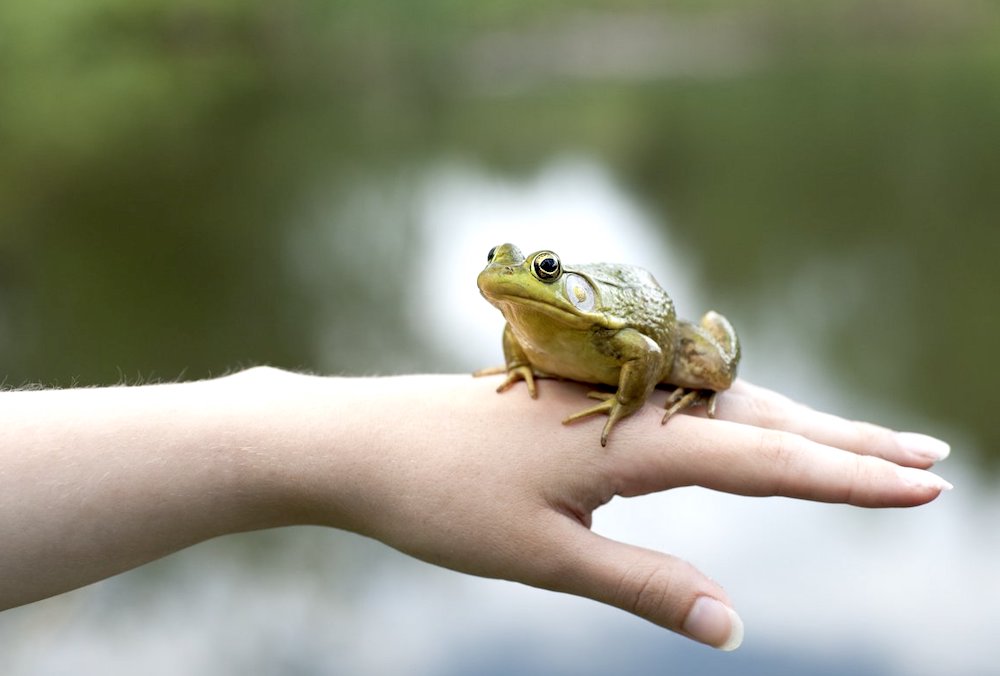
A frog's small size doesn't necessarily mean your efforts to create natural living conditions and care for it will be minimal. It's a good idea to decide on the location of the terrarium in advance and assign roles and responsibilities among household members, such as who will care for the frog while you're away. After all, owning an amphibian means taking on the responsibility for its life. A pet requires a varied and always fresh diet, humidity similar to its natural habitat, and a temperature of at least 20 degrees Celsius.
A pet frog is a unique "friend" that can create a little piece of the jungle in your home or apartment. Their main drawback as pets is the undesirability of physical contact with humans. Most varieties of these animals are undemanding in terms of diet and living conditions, and observing a tame amphibian is a joy.