The unusual purple frog is a true living fossil, with ancestors dating back 180 million years and outliving even the dinosaurs. The species was discovered quite recently, in 2003, and in 2008, Scienceray host Chan Li Peng included this amphibian in his list of the 20 weirdest and ugliest creatures on the planet.
The purple frog lives in an area of just 14 square kilometers in India, in the Western Ghats mountains.
It is virtually the only one of its genus, Asikabatrachus sahyadrensis, a member of a group of ancient amphibians. Related species are found only in the Seychelles.
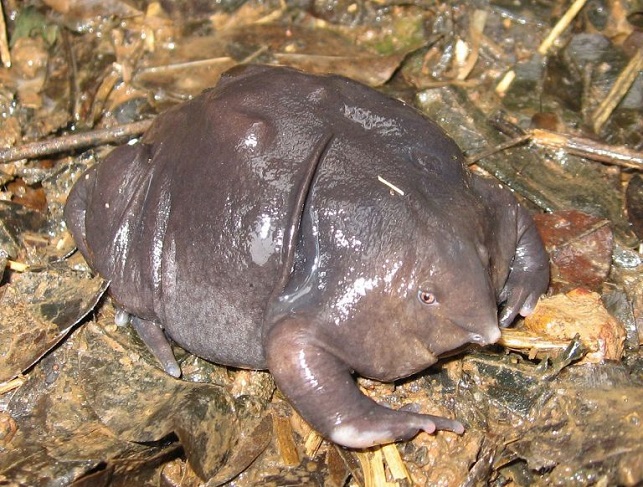
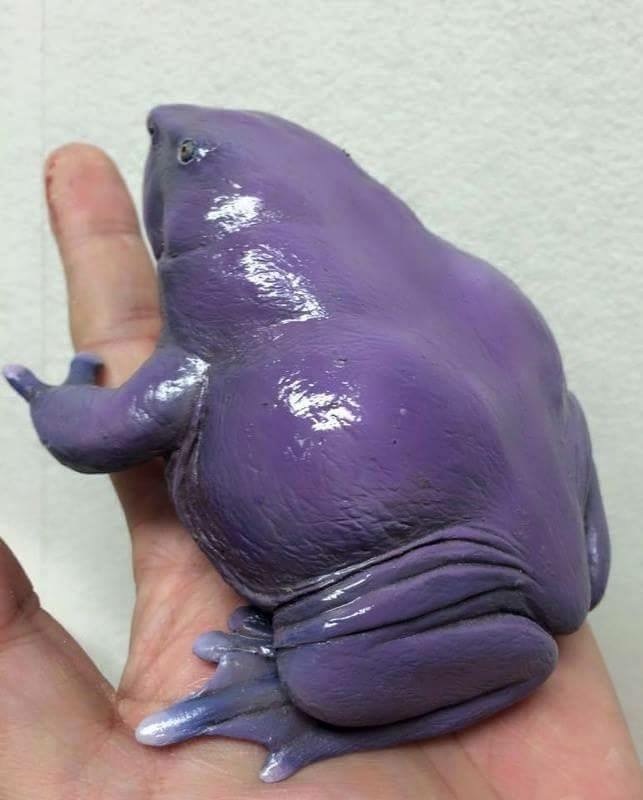
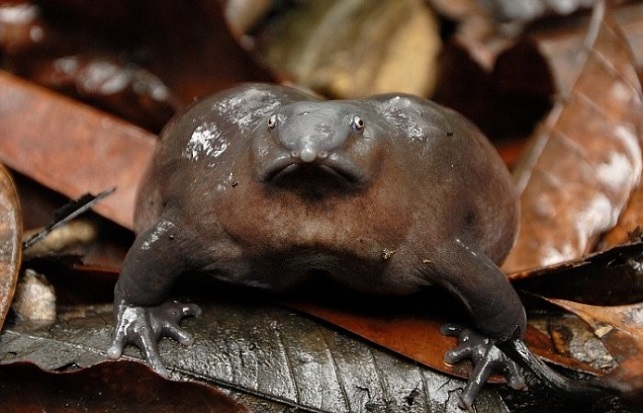
Not only the frog's purple (violet) color is unusual, but also its body itself - it has an interesting rounded shape.
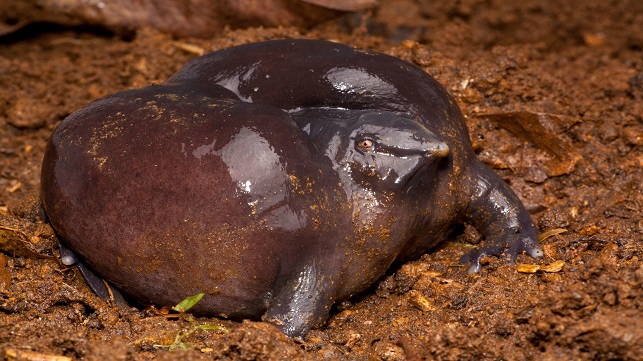
The head with a pointed muzzle and white nose looks very small in relation to the body.
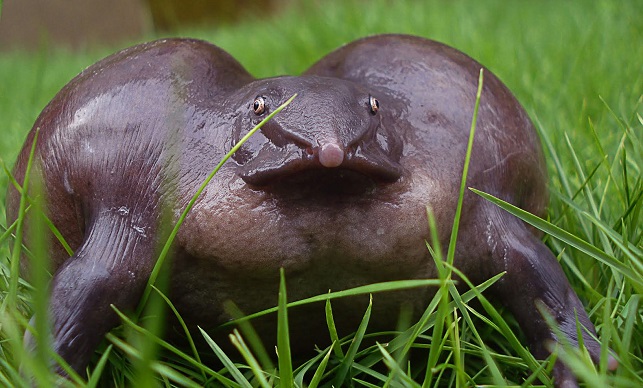
The eyes are small, with horizontal pupils.
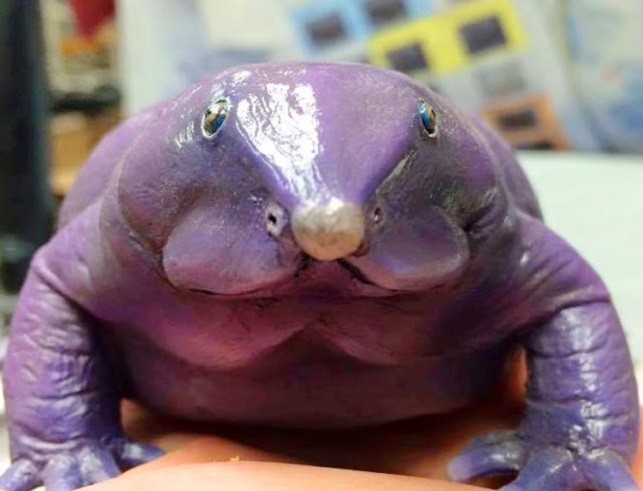
The frog grows up to 9 cm in length. Its feet are turned outward, like those of other amphibians.
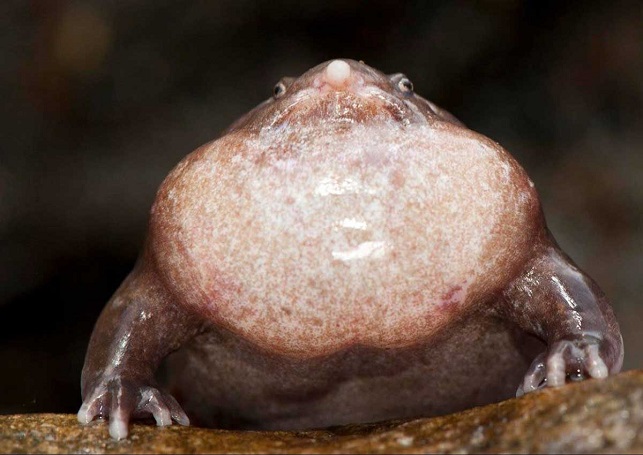
The hind legs are slightly longer than the front ones and are equipped with webbed feet.
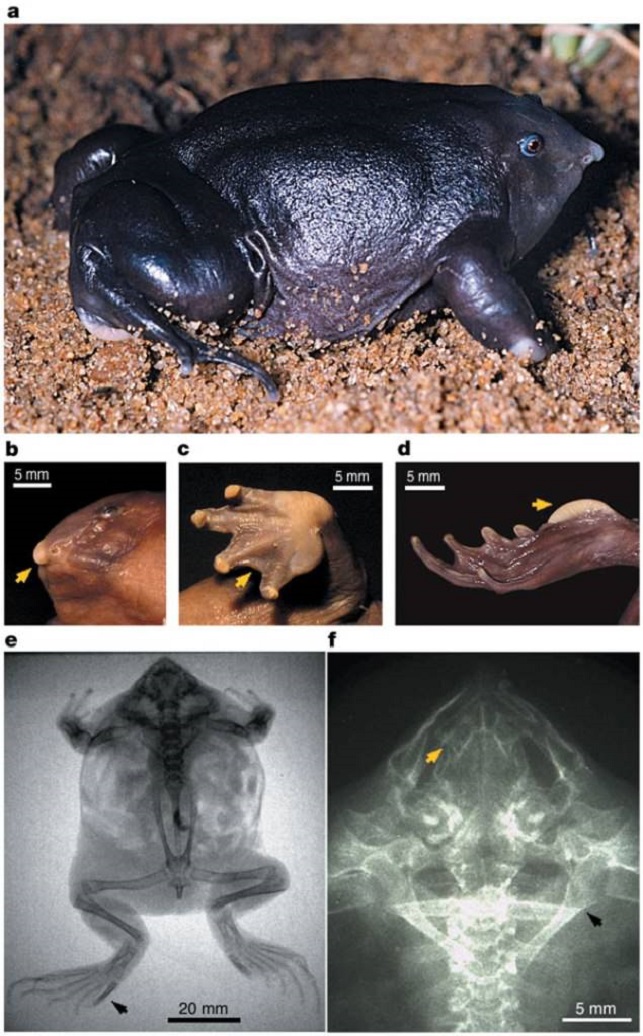
Female purple frogs are much larger than males.
These frogs lead an underground lifestyle, like moles, spending almost their entire lives digging burrows and feeding on insects, termites and worms.
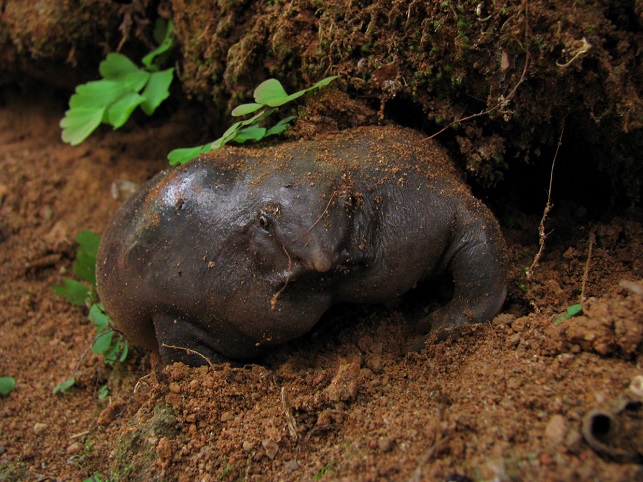
The purple frog has an excellent sense of smell and touch. But its eyes are almost completely blind.
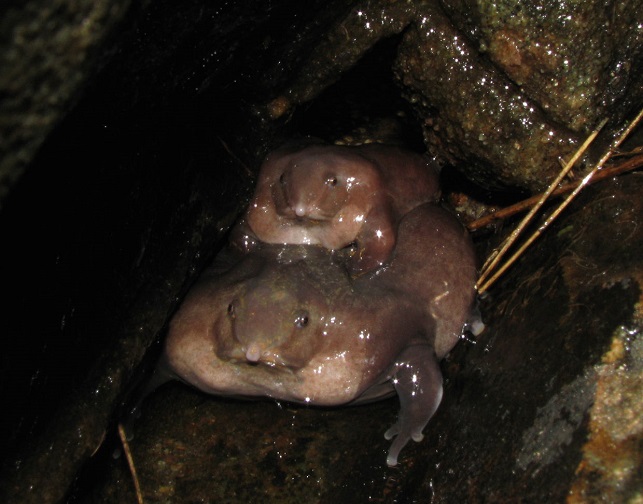
Although it appears thick and clumsy, it can actually dig a hole up to 3.7 meters deep in less than 5 minutes.

These amphibians come to the surface only once a year for 2 weeks during the rainy season.
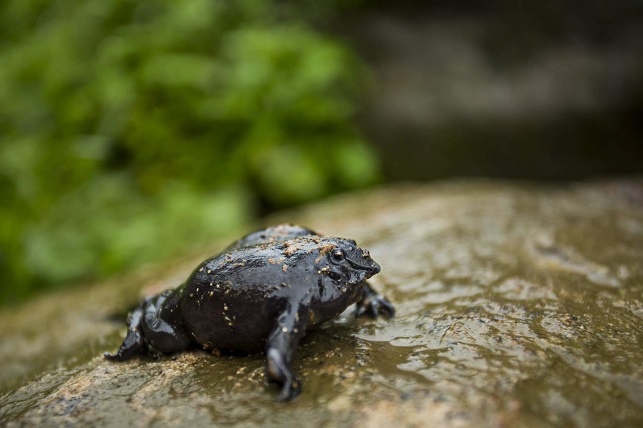
At this time, the mating season begins for frogs on the banks of reservoirs.
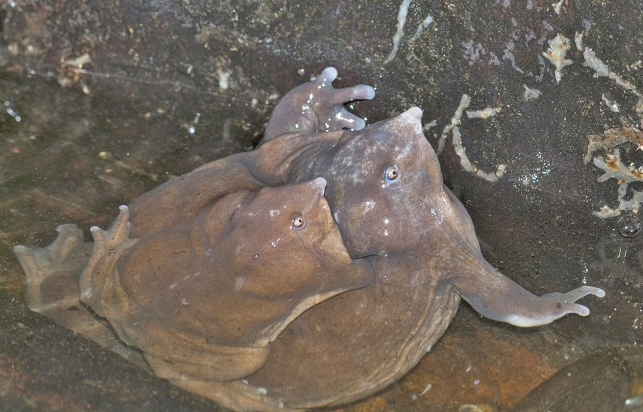
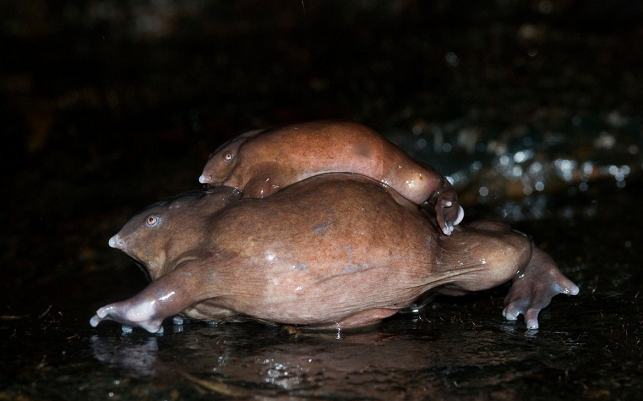
To mate, the male attaches himself to the female from behind using a sticky secretion.
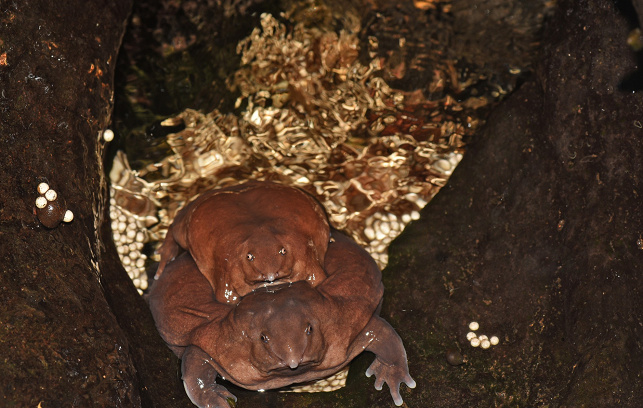
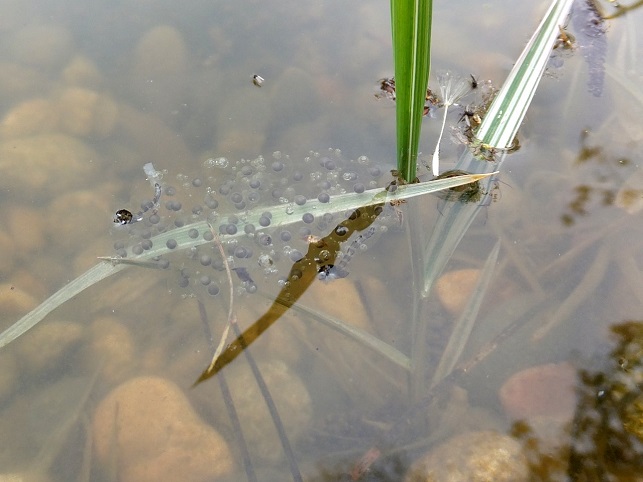
The eggs are laid in water. After a while, tadpoles hatch.
These unique amphibians are currently on the brink of extinction and are listed in the Red Book. Having survived the Ice Age and powerful cataclysms, they are no match for humans. Their already small habitat is shrinking every year.