A chipmunk is an affectionate and energetic little animal with beady eyes that will charm and tame anyone. A homemade "Chip 'n' Dale" right in your apartment is the best option for those who love lively pets. A chipmunk is a safe choice for those who adore small, active animals but are allergic to cat hair or aren't entirely friendly to rats and mice, and hamsters and guinea pigs do not entice with their simplicity.
In fact, this surprisingly smart and rather affectionate rodent is much more reminiscent of a hamster than a squirrel in appearance and behavior. However, it's easy to tell a chipmunk from a squirrel with the naked eye: the stripes on its back and rounded, smooth ears immediately give it away.
But their ancestral nature often brings out their true selves: their habitat, lifestyle, diet, and seasonal behavior are all identical to those of these red-haired creatures. If you're drawn to this striped rodent, let's get to know them better and learn about all the nuances of keeping chipmunks in an apartment. Is it worth owning this beautiful member of the squirrel family, and how difficult is it to train them to be handled? How can you train them to live in a home without causing mischief?
Content
Is it possible to have a chipmunk at home?
Keeping a chipmunk at home is not difficult, especially if the breeder has previously owned guinea pigs or mice. In any case, rodents have some behaviors that are unusual for cats or dogs. Keeping a small, furry animal is easier: it lives in a cage, doesn't require regular walks, and eats much less than a dog or cat. However, there are some things to know beforehand about domesticating chipmunks.
- Small rodents can create a nest in any corner of your apartment, damaging furniture, carpets, and other items. Chewing is their natural habit.
- It's common for these pets to escape from an apartment or room and never return, as the chipmunk doesn't respond to its name and isn't housetrained. This is a wild animal, often unwilling to live by your rules.
- Its distinctive traits are thriftiness and frugality. A chipmunk's larder can be found not only in the kitchen or hallway, but also in a dresser, a closet with clothes and linens, or inside a chair or sofa. And these aren't just modest stashes, but vast hoards that irritate rather than delight the owner.
If all these aspects of the chipmunk's lifestyle don't surprise you, and chewed wallpaper, curtains, and books don't provoke negative emotions, and you can afford to place a cage and devote a couple of hours of your free time to the rodent, then feel free to adopt a striped little one. Despite all their shortcomings, chipmunks are quite loyal and sweet creatures.
Chipmunks are related to squirrel familyIn the wild, they live in forests and build burrows. It's best to buy a rodent from a breeder or a pet store, although prices vary widely.
Experts recommend purchasing chipmunks at 1.5 to 2 months of age. The best time of year to buy a furry friend is spring, as this is when the animals are most active. In the fall and winter, squirrels become lethargic, clumsy, and may appear sickly.
Features of keeping a chipmunk at home
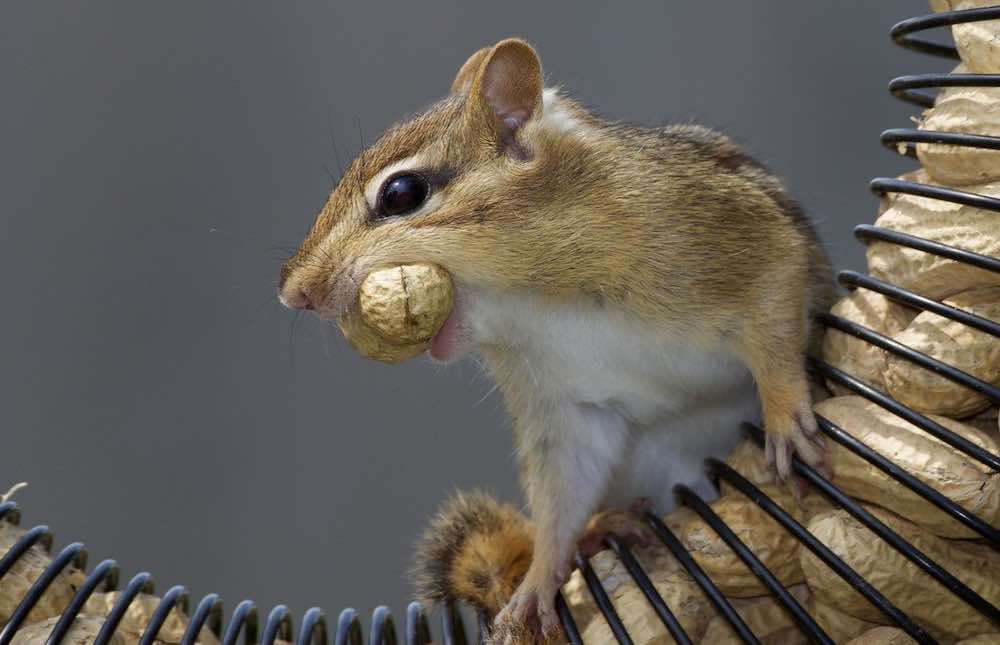
The chipmunk itself is no more than 18-20 cm long and weighs just over 100 grams. Its distinctive features include a bushy tail and longitudinal stripes on its back. Its color is reddish-brown with gray markings on its belly. A distinctive feature of this rodent is its massive cheeks, which it likes to hide food in. Chipmunks are found throughout European Russia, especially in the forests of Western Siberia and the Urals.
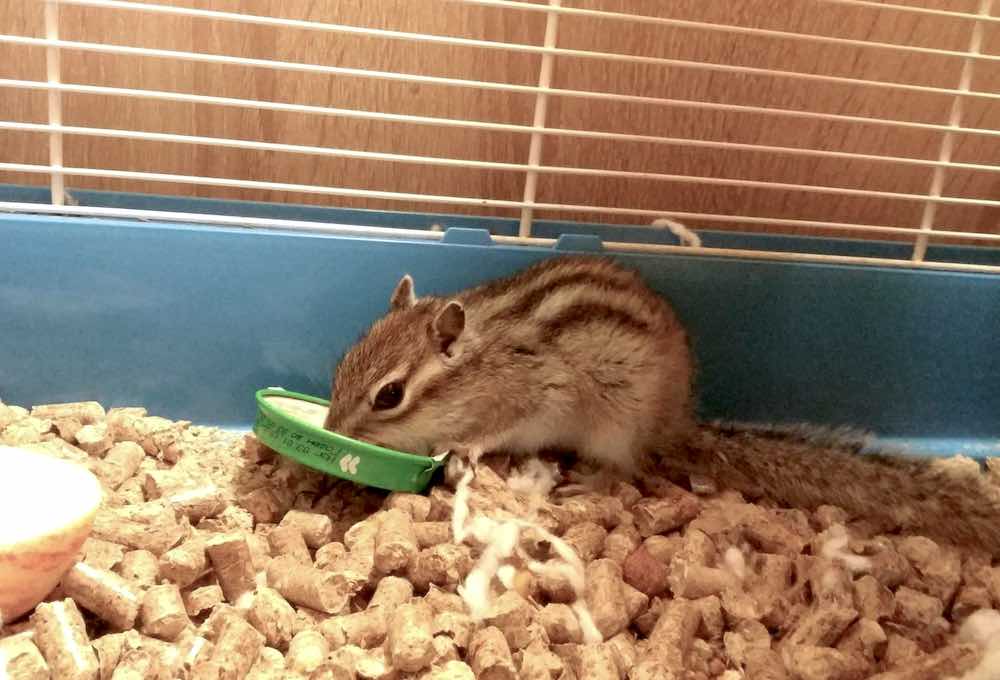
Chipmunks are quite active, absolutely fearless, and extremely curious. They are also quite clean and tend to be individualists, which is why these rodents are not kept in company. Members of the squirrel family rarely reproduce in captivity, so these animals do not require companionship: they thrive alone.
The animal's temperament and thrifty nature require a fairly spacious home. A run-in cage is ideal, but for a limited time, it can live in a cage with small bars. Keep in mind that this small and active rodent can escape at any time.
- The chipmunk's cage/enclosure should be free-flowing, with fine bars and a mesh bottom lined with hay and straw.
- The house is not left under direct sunlight; a hanging waterer (like for parrots) and a nest (this could be a birdhouse) must be attached to the house.
- For an active and energetic pet, ladders, rocks, large branches, and homemade shelves are installed inside the cage. A running wheel is a must-have for a chipmunk's home. And plenty of branches made of safe wood—beech, ash, and birch—help prevent teeth marks on furniture, as chipmunks love to chew on wood.
- If the enclosure is located outdoors, the mesh on the walls and roof should be finer to prevent other rodents, large insects, and birds from entering. The enclosure should also be well protected from direct sunlight, precipitation, and wind.
What to feed a chipmunk at home
The striped babies happily eat seeds, nuts, fruits and greens.
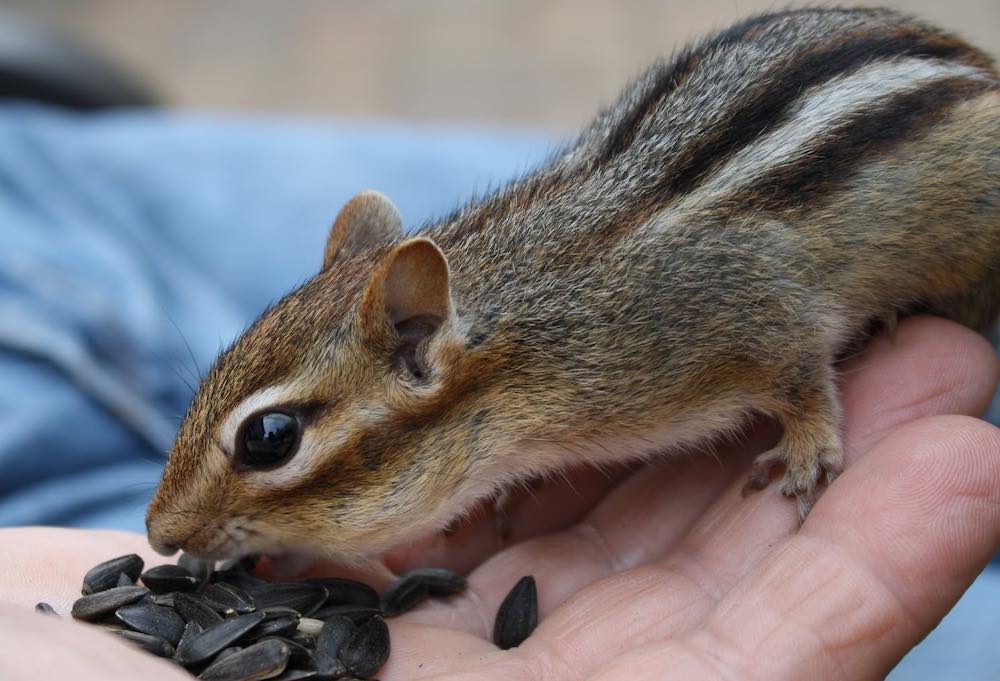
The specific diet is described below:
- The usual menu is oatmeal, corn, cereals.
- Be sure to add seeds, nuts, especially pine nuts (except almonds), and sprouted wheat seeds.
- Hard-boiled egg.
- Lettuce, cabbage, dandelion leaves.
- Apple and carrot, preferably peeled.
- Low-fat cottage cheese.
Never try to feed your rodent from your table—this can cause gastrointestinal upset and serious consequences. The exception to this rule is approved treats, such as crackers, sugar cubes, grasshoppers, crickets, and larvae.
Care and treatment of rodents
Like most rodents, chipmunks are completely unpretentious.
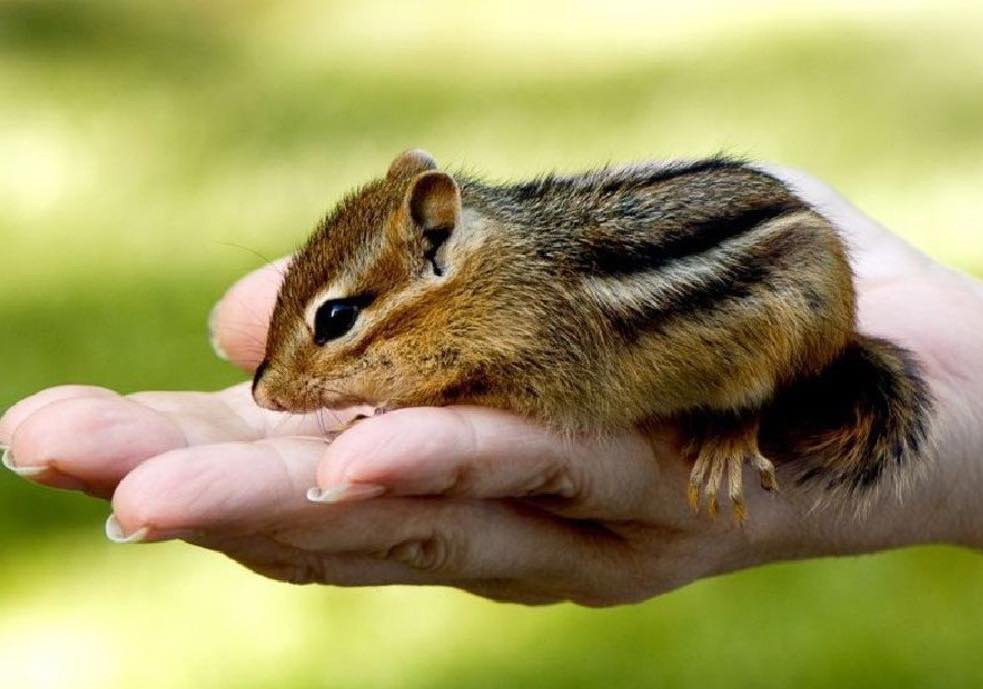
However, there are some nuances of maintenance and care:
- The animal's cage is cleaned every week.
- It is better to dispose of leftover food immediately, otherwise the rodent may hide it (under the bedding or in the house).
- The water in the drinking bowl is changed as needed (but not less than every 3 days).
- The bedding is changed as it gets dirty.
- You will also have to clean the area around the cage (enclosure) much more often - skins, husks, and other debris from the bedding will fly everywhere, especially due to the animal's activity.
- Periodically, the chipmunk is let out of the cage for a walk around the room. A couple of hours is enough for a change of scenery.
Chipmunks can carry toxoplasmosis, distemper, and rabies. For this reason, newly acquired pets are kept in isolation for the first 10-14 days if there is no way to reliably verify the animal's health.
Rodents can suffer from the following ailments:
- colds and viral diseases;
- Gastrointestinal disorders can be the result of poor nutrition, in which case bloating and loose stools are guaranteed;
- heart defects;
- liver disease (also associated with an unhealthy diet);
- injuries, cuts, dislocations, heat stroke.
Any illness in a rodent is noticeable by lethargy and unusual behavior, decreased appetite, and decreased activity. If you suspect any health issues with your chipmunk, it's recommended to immediately contact a veterinarian.
How long does a chipmunk live at home?
Like all small rodents, chipmunks live no more than 5 years. However, with a balanced diet, proper care, and well-organized living conditions, this nimble pet will delight its owner for up to 7-10 years.
Tips and nuances
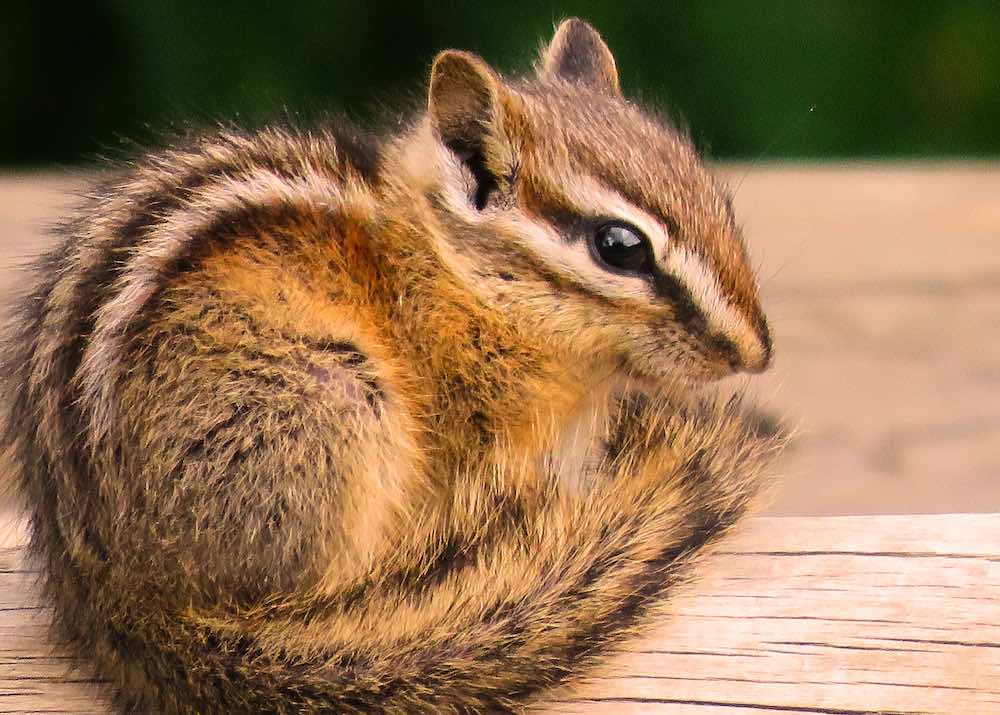
This unusual rodent often stores food, which grows exponentially. This hoarding behavior intensifies as autumn approaches. Male chipmunks are much more likely to organize their "storehouses" in specific locations and always have a landmark. As for females, their hoards can be found in the most unexpected places (that's just the way "girls" are).
Some specific features of chipmunk keeping are noted below:
- A pet's incredible activity level will inevitably require its owner to install ladders, running wheels, branches, and specialized exercise equipment. Therefore, a chipmunk is much better off in a large, human-sized cage with plenty of homemade items for its leisure time. Without such a "sports corner," the pet will actively use curtains, blinds, doors, any hangings, and shelving—and there's no guarantee it will use them carefully.
- The pet's activity requires the breeder to be extremely attentive – the rodent often risks being trapped between doors, locked in a box or closet.
- Chipmunks typically hibernate during the winter. However, they may awaken in midwinter to feed. They can also easily re-hibernate in early spring, especially during prolonged winters.
- Striped pets love seeds and nuts. But shells and shells will end up everywhere. Therefore, it's best to offer treats to your rodent either in a designated area or in a specific, designated place—the cage.
- Chipmunks produce a squeak-whistle - a thin sound characteristic of their relatives - gophers.
- These animals are also sensitive to weather changes. Before bad weather sets in, they immediately retreat to their burrows.
Chipmunks are very cute animals, with enviable energy and intelligence. Keeping one is unlikely to pose any problems; the main thing is to get used to the behavior of this small and agile animal. And the positive experiences of being friends with a tame chipmunk are plentiful.
Read also about the content of the weasel.