Dwarf, butterfly, fire, royal, fox, or lionhead—these are all names for decorative rabbits. Breeds bred specifically for domestication are distinguished by their exotic and unusual appearance, distinctive ear structure, coat type, and small size. The common misconception that keeping a decorative rabbit at home is easier than keeping a cat or dog needs to be debunked. As with any business, there are nuances and peculiarities.
Content
Breeds of decorative rabbits
Essentially, any rabbit kept as a pet is considered a decorative rabbit. In this case, size, fur length, and breed are irrelevant. However, the term "decorative" generally refers to dwarf rabbits with long ears.
The most popular are 8 breeds of decorative rabbits.
Angora Dwarf Rabbit
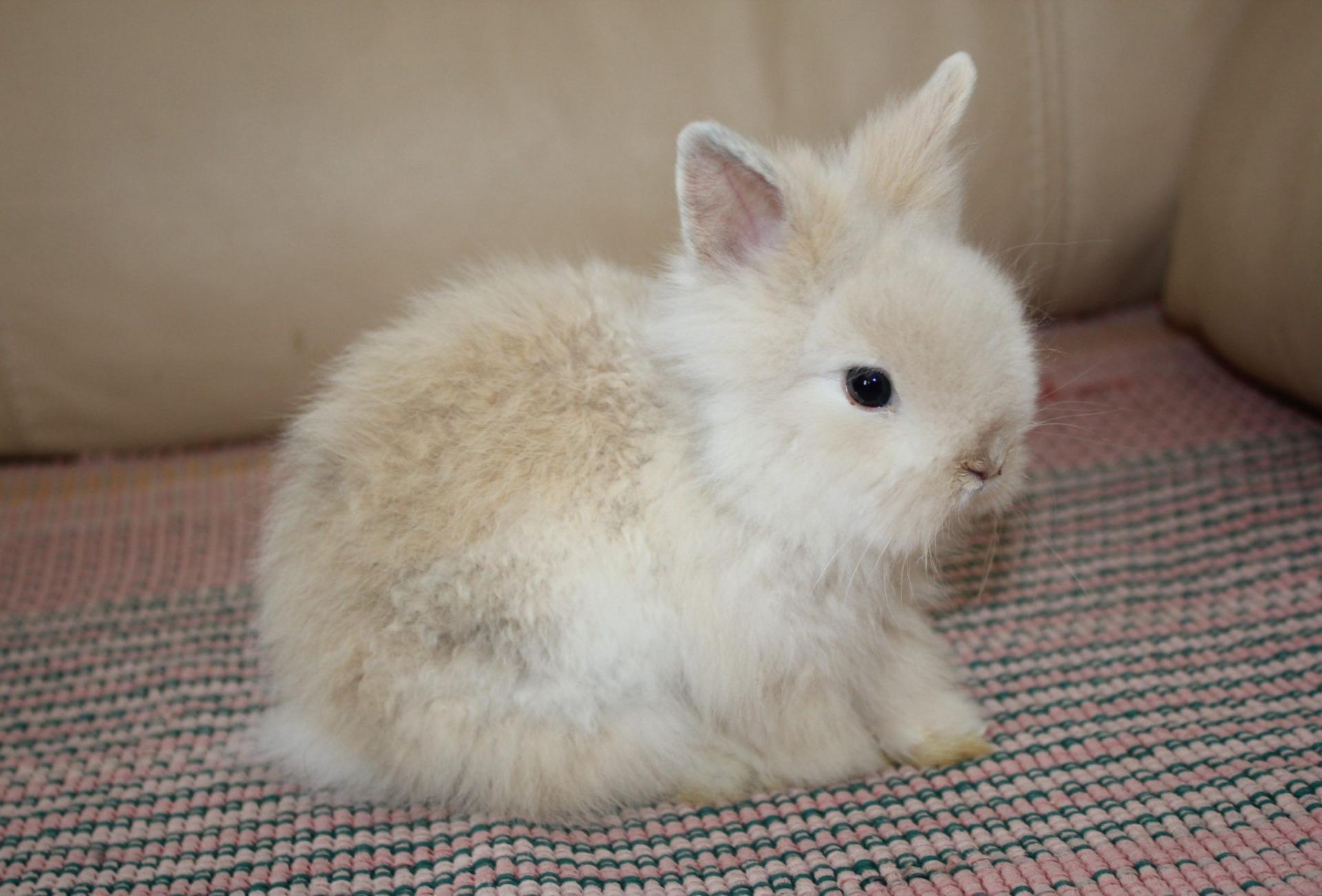
Such a charming baby will require careful care.
The breed is long-haired and requires careful grooming. The Angora rabbit needs regular brushing - 2 times a week, and during the shedding period - daily.Otherwise, instead of a charming fluffy ball, you could end up with a ball of matted fur in tangles that will be impossible to comb out and will have to be trimmed.
The Angora rabbit's fur is downy and reaches 20 mm in length. The animal's weight ranges around 1.5 kg. This breed is recommended for experienced breeders.
Lionhead rabbit
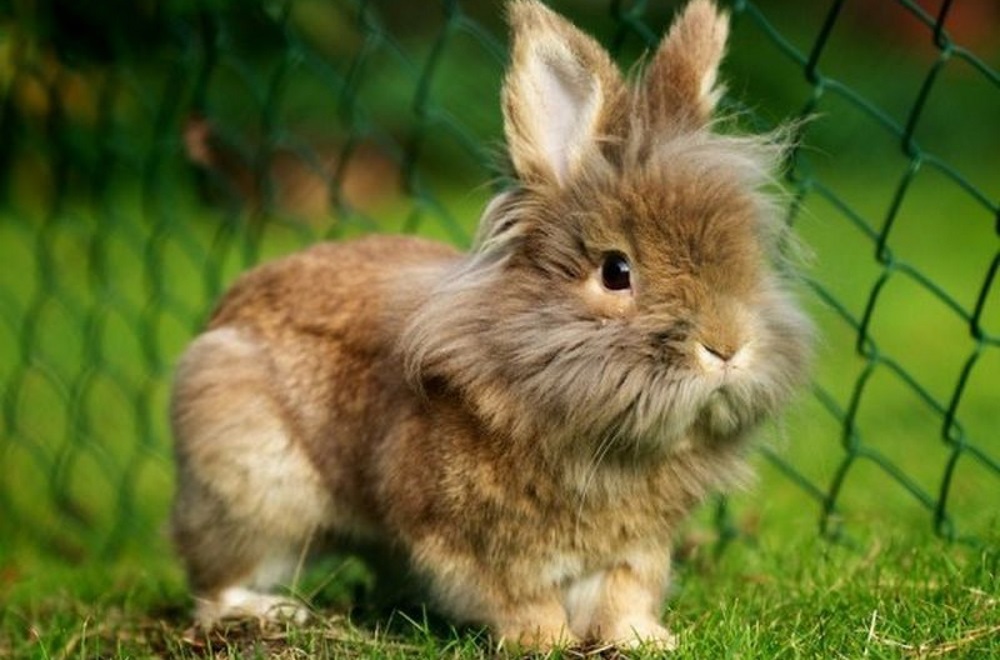
There are over 60 different colors of this breed.
Developed in Belgium, the breed gets its name from the distinctive mane on its neck, which is complemented by short fur on the rest of the animal's body. Experts recommend the Lionhead rabbit for those who enjoy long-haired, eared rabbits but don't want to spend time on meticulous fur care and constant brushing.
Lionhead rabbits are dwarf breeds and weigh no more than 1.5 kg. They come in a variety of colors, have a calm, peaceful disposition, and are suitable for families with children..
Fox dwarf rabbit
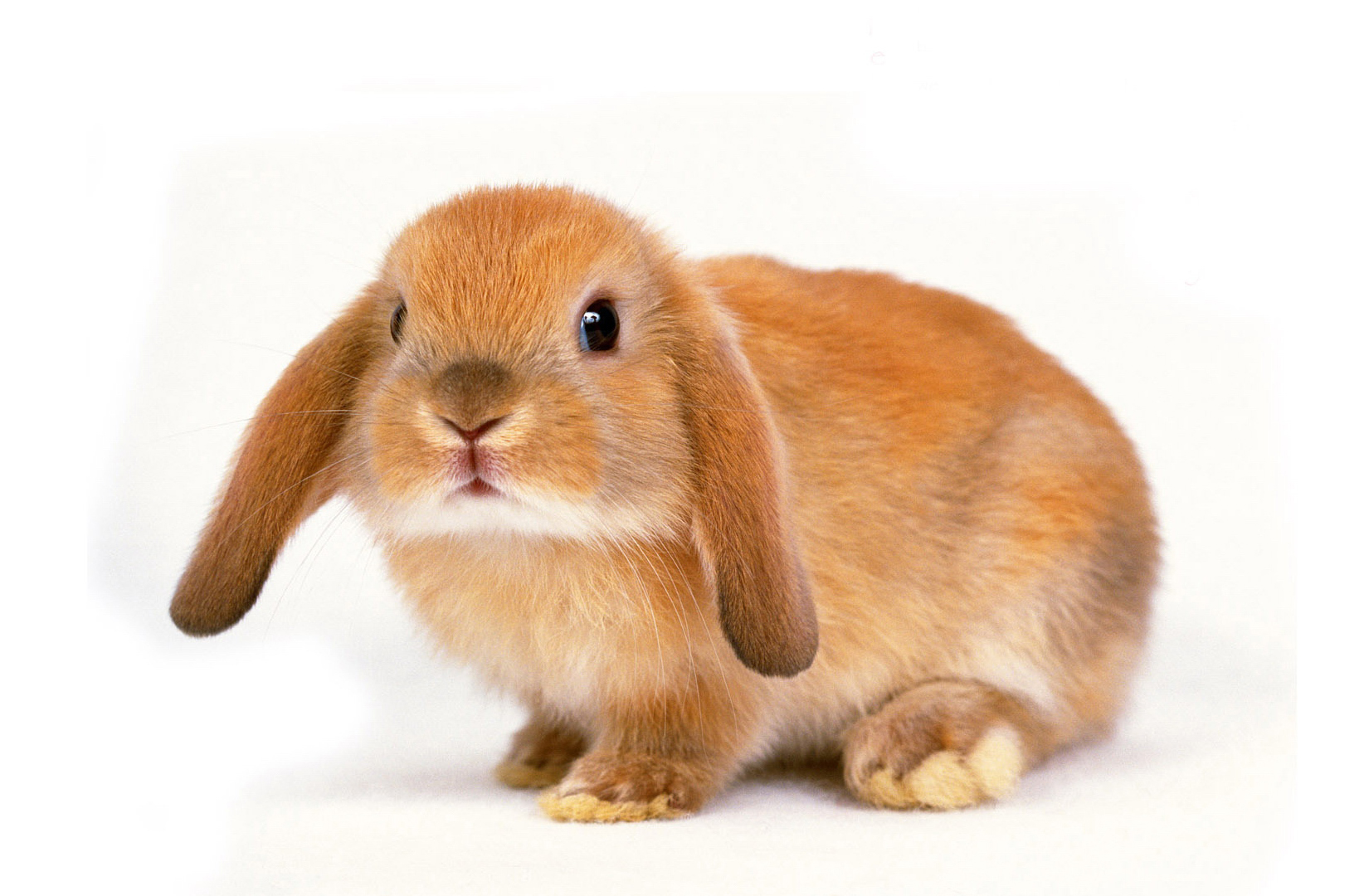
This rabbit got its name due to the similarity of its coloring to a fox.
Another long-haired breed of decorative rabbit, the fox rabbit is covered entirely in thick, long fur (up to 7 mm) of a red/brown color. Hence the name. Only the muzzle of this long-eared "fox" is smooth.
Fox rabbits are small, weighing an average of 1.2 kg. A distinctive feature of this breed is their disproportionately short front legs.
The breed is not recommended for families with children, as it requires careful care and has a phlegmatic, and sometimes aggressive, character.
Hermelin
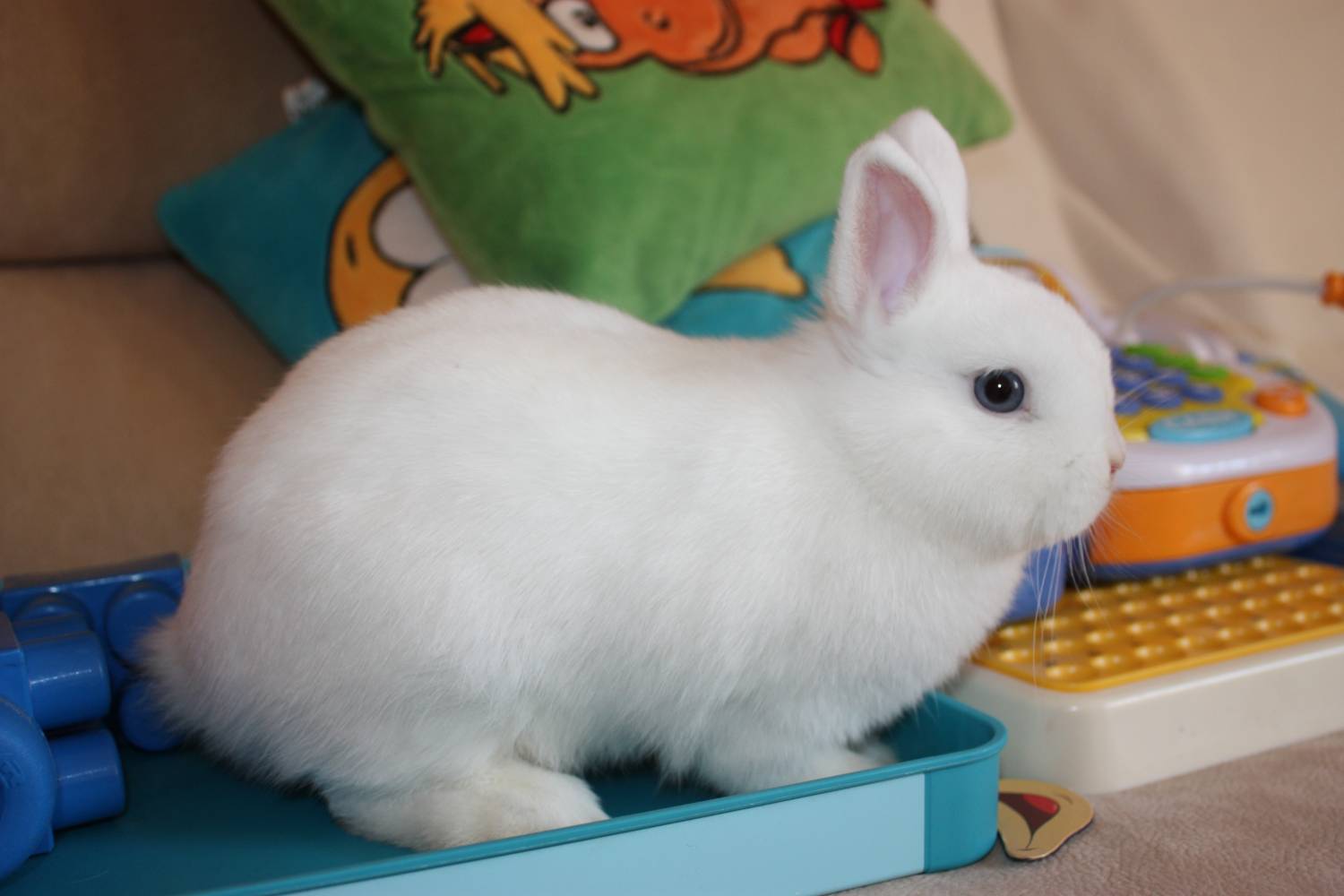
The spitting image of a plush toy
A distinctive feature of the Hermelin rabbit is its appearance. Small ears and a short neck, combined with its diminutive size (usually no more than 1 kg) and dense, thick fur, make this rabbit resemble a plush toy. However, their character is anything but toy-like. Due to their peculiar (Hermelin rabbits are very lazy) and unruly nature (especially in females), this breed is not recommended for novice rabbit breeders.
These animals are quite easy to care for, but it should be taken into account that they do not tolerate heat well due to their thick fur, so the location for placing a cage or enclosure for your pet must be chosen with particular care.
Rex rabbit or royal dwarf
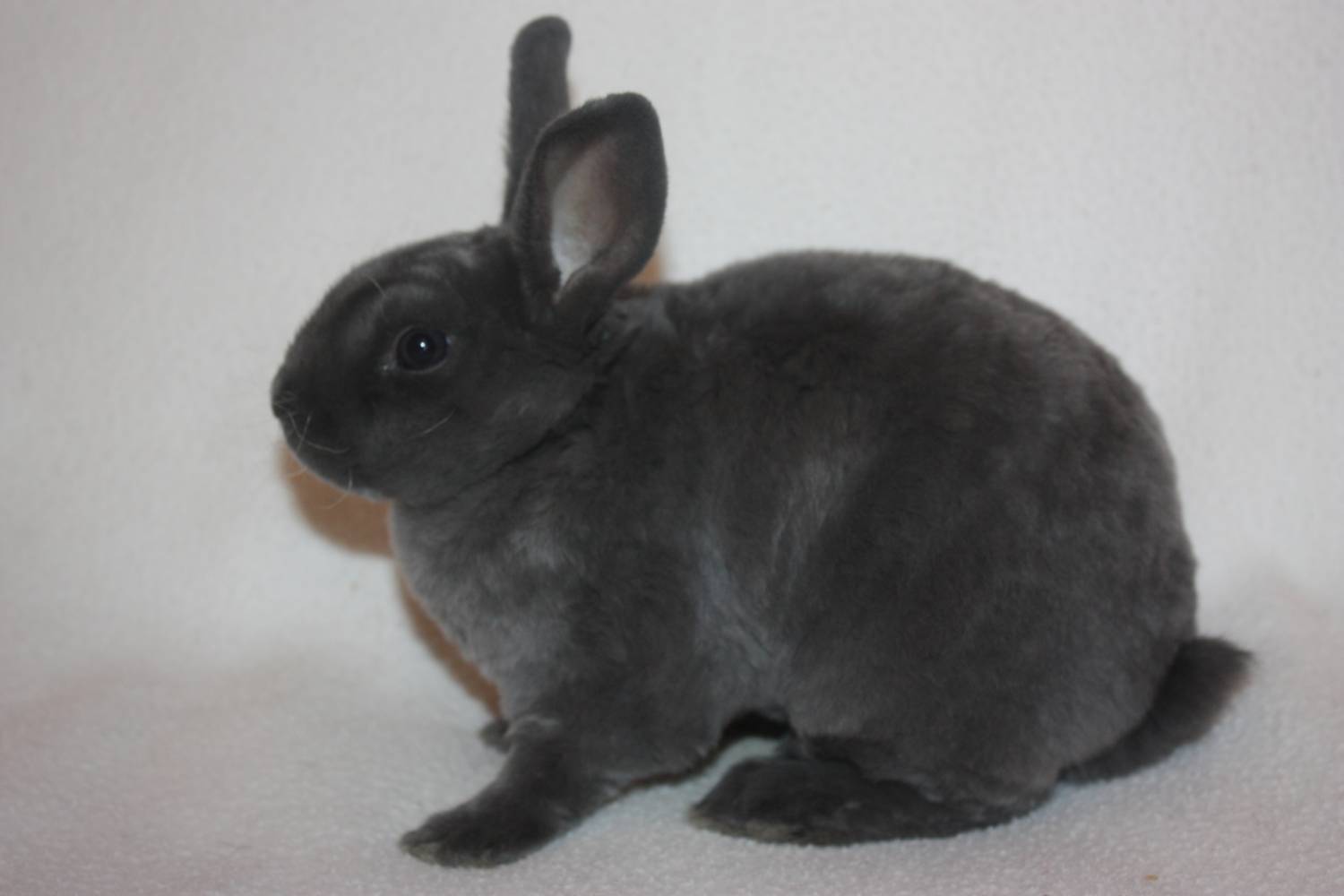
If you want a calm rabbit, the Rex breed is a great choice.
A plush type of fur, extremely soft and pleasant to the touch. Rex rabbits come in a striking variety of colors, from pure white to unusual spotted patterns. Like all dwarf breeds, Rexes weigh no more than three and a half pounds. These rex-eared cats are calm and slightly phlegmatic. Characteristic features include underdeveloped whiskers and a tendency to skin problems.
Dwarf lop-eared ram
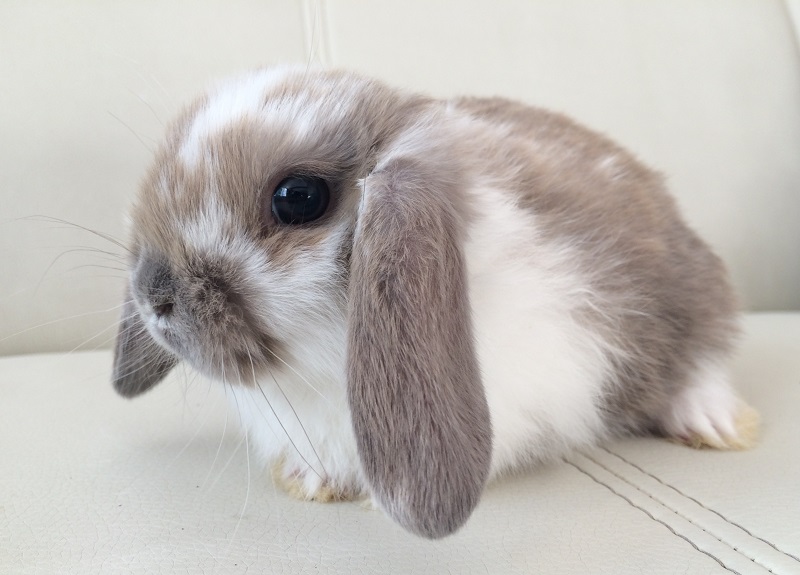
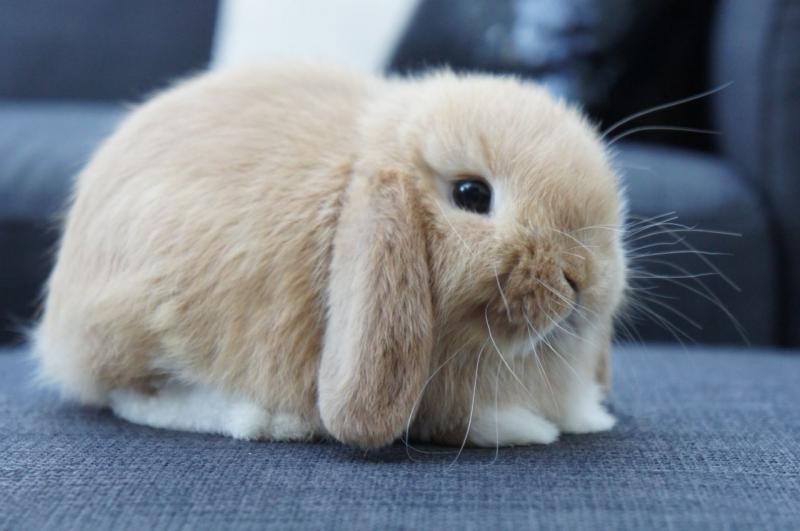
Dwarf rams are affectionate and kind with their owners.
This breed is unmistakable—their floppy ears give away the fact that they're a ram. These rabbits' ears are measured like a bird's wingspan—from the tip of one ear to the tip of the other when held horizontally—and average 25 cm.
Other decorative breeds include giant lop-eared rams, which weigh up to 3 kg.
A very popular breed among novice breeders and families with childrenThey are unpretentious, affectionate and docile.
Colored dwarf rabbit
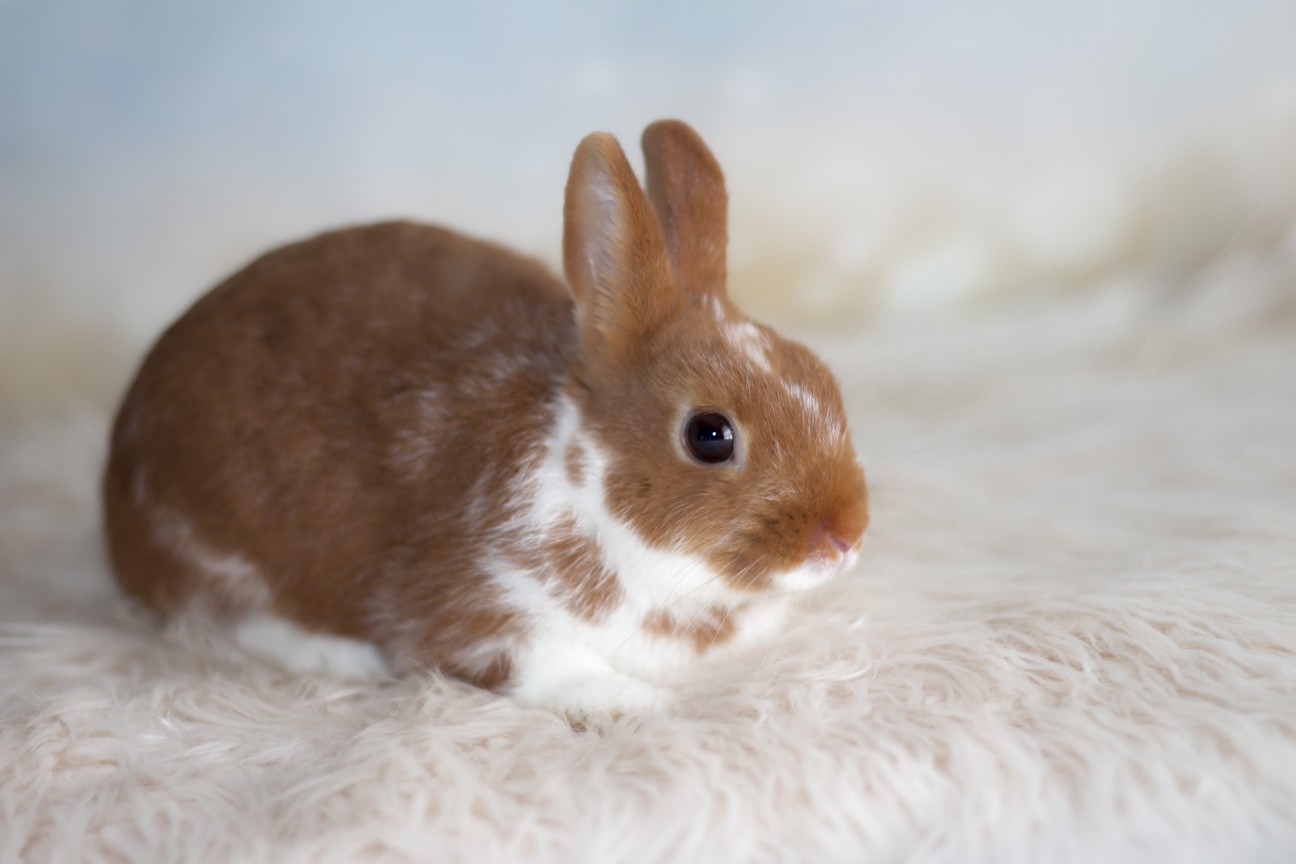
These colorful babies are especially popular in Russia.
Considered the most popular breed of decorative rabbit in Russia, these miniature rabbits weigh up to 1 kg, have medium-length fur, and come in a wide variety of colors—up to 60 variations. They are unusually playful, friendly, and affectionate. All of this makes them an ideal choice for families with children.
Dutch Dwarf Rabbit
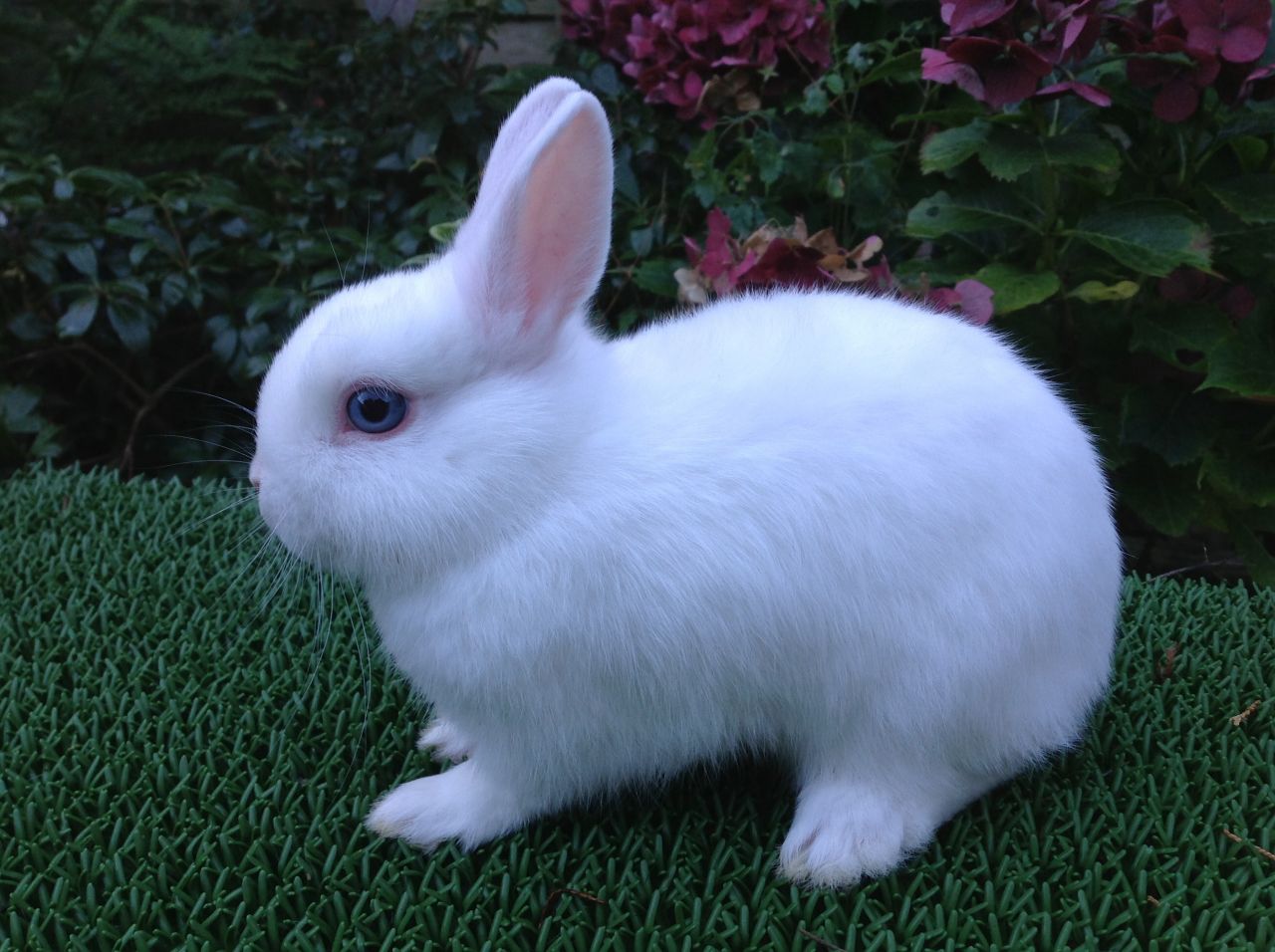
Dutch dwarf rabbits make excellent neighbors with other animals in the house.
A distinctive feature of this breed is its coat color. The head and hindquarters are always the same color as the irises. The rest of the body is white. Weighing over 2 kg, they are playful and affectionate, and get along well with other pets.
For those who love unusual fur colors, experts recommend taking a closer look at decorative breeds such as the hare, dwarf butterfly, and fire rabbit.
Pros and cons of content
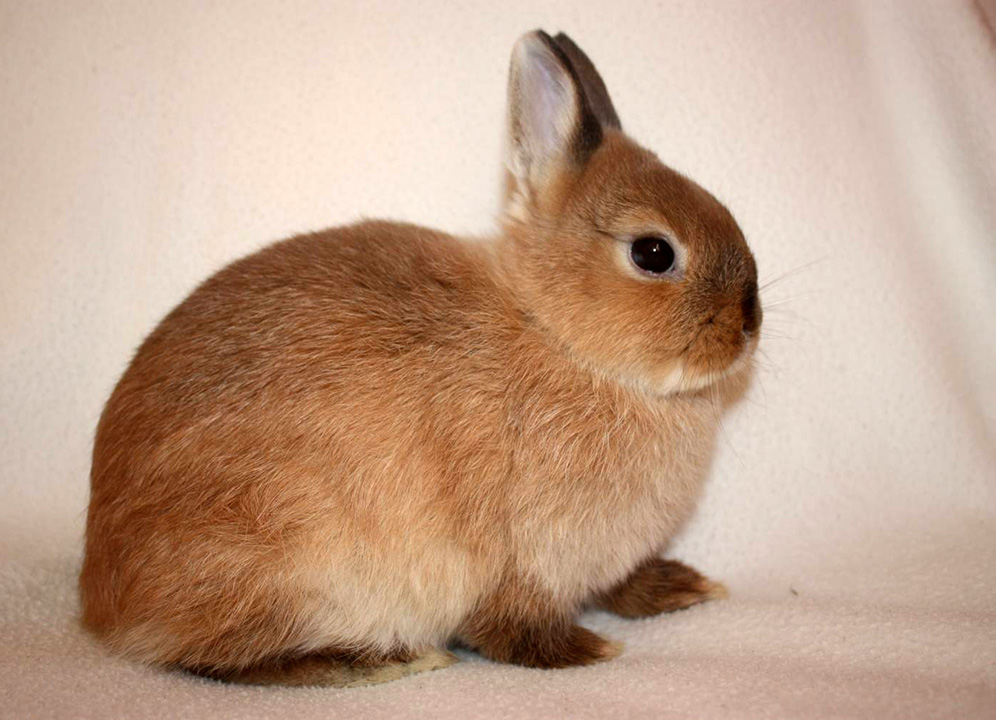
To make your rabbit look pleasing to the eye, you need to carefully care for its fur.
Keeping a rabbit at home is like a coin with two sides. There are both light and dark rabbits. On the one hand, they are quiet and calm animals, but on the other, they require constant care and attention. Let's look at the main pros and cons:
Pros
- Pleasant to the touch and cute to look at;
- Rabbits are clean and do not sweat;
- They don’t scratch corners or damage furniture;
- They behave quietly and do not make unnecessary noise;
- There is no need to walk every day;
- Inexpensive food and treats;
- They live a long time, for example, compared to hamsters and guinea pigs.
Cons
- The cage takes up a lot of space and cannot be placed everywhere;
- The rabbit is a phlegmatic and unaffectionate animal. It won't purr or ask to be picked up. On the contrary, it's prone to kicking and bucking;
- Don't let a rabbit out of its cage and leave it unattended. It might chew through wires or munch on poorly applied wallpaper.
- Longhaired breeds require careful grooming;
- The cage needs to be cleaned regularly and the bedding and litter changed to prevent unpleasant odors in the apartment;
- Mature individuals mark their territory by scattering feces throughout their cage and apartment. They may smell of excrement. This odor cannot be eliminated by bathing the pet; only by spaying.
Care and maintenance of a decorative rabbit at home
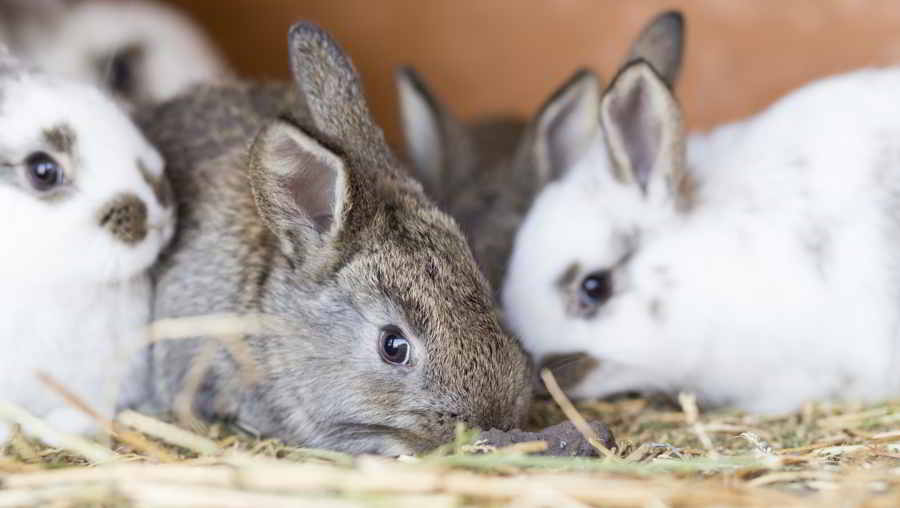
These are herd animals, so several individuals can easily coexist in one cage.
It's generally accepted that pet rabbits are easy to care for. However, there are some key points that must be followed if the owner is interested in keeping their pet for a long time and happily.
- First the cage and equipment, then the pet.
Before a new family member arrives in the house, you need to prepare everything necessary for him: a cage/aviary, a house (for sleeping and privacy), litter for the toilet, bedding (sawdust/straw), a feeder for grain, an automatic waterer.
- Correct placement of the cage.
The rabbit cage is placed in a quiet, secluded and uncrowded place, away from the radiator and air conditioner.The location should be warm but not hot, protected from direct sunlight but not dark, and ventilated but draft-free. The ideal temperature should be between 18–20°C and 50% humidity.
A rabbit can catch a cold in a draft, and die in the heat. Rapid cooling can be achieved by wiping its ears with a damp sponge or covering the cage with a wet towel.
- Daily walks around the apartment.
During indoor walks, windows and doors should be closed to prevent drafts. Pets should also not be left unattended. All dangerous objects that could injure them or get caught in their teeth should be removed from their reach.
Rabbits have fragile spines. Handle them carefully and hold them firmly to prevent accidental falls. Even a short fall can be fatal.
Rabbits are very timid creatures. They don't need direct contact with cats, dogs, and other pets. Frightened by their increased interest and significant stress, they can become ill and even die. For the same reason, keeping a pet rabbit is not recommended for families with small children.
What to feed
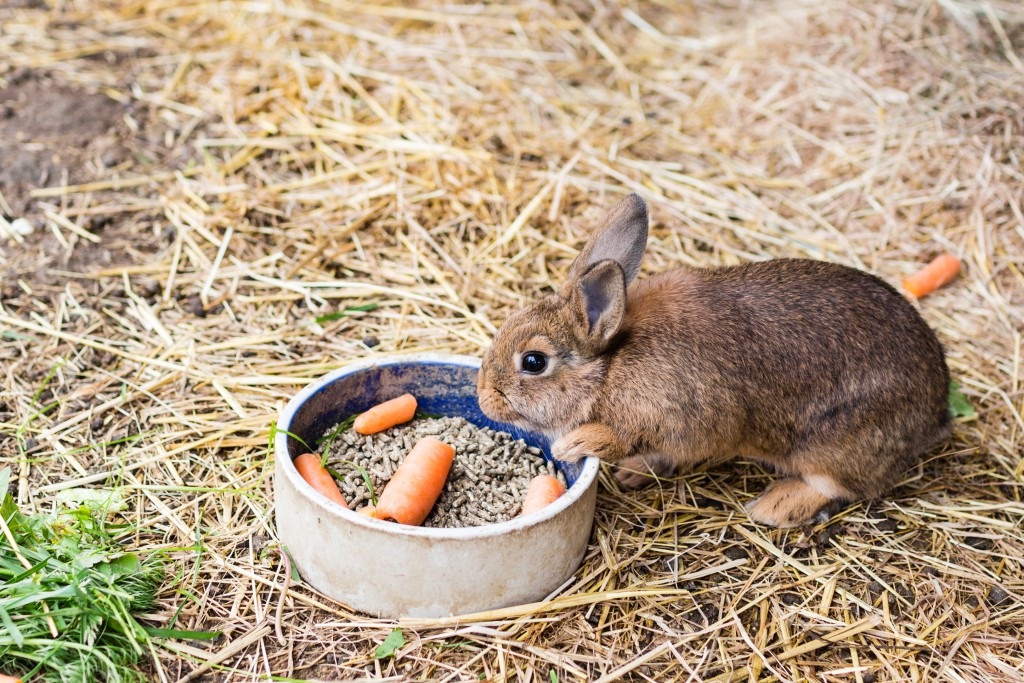
Vegetables are just as important and beneficial for the animal as hay.
Rabbits are voracious and unfussy eaters. They can eat grass and hay, as well as human food. But what's best and healthiest for them?
The basic diet of a decorative rabbit includes:
- Hay. There should always be plenty of it in the cage. Hay is essential for proper gastrointestinal function and for wearing down teeth. Even when a rabbit reaches 4 months of age and begins eating succulent plant foods, hay should not be completely removed.
- Clean water—cooled, boiled, always available. Change the water daily;
- Compound feed is a complete feed in pellet form. The daily requirement for an adult rabbit is one and a half tablespoons of compound feed twice a day. Kittens are given one tablespoon three times a day.
Additives:
- Branches are a hard food needed to wear down teeth. Suitable branches include aspen, birch, oak, willow, apple, and pear. Branches should be harvested in clean areas, away from busy, polluted roads. They are given to the rabbit after being washed and thoroughly dried. Pieces of hard bread are a good addition to the branches.
- mineral supplements - chalk, salt or vitamin stone, bone meal;
- Meadow herbs—chamomile, yarrow, and mouse peas. Succulent green food is introduced after 3 months of age and gradually, leaf by leaf. If signs of digestive upset appear, herbs are removed from the rabbit's diet.
- fruits and vegetables - begin to be given from the age of 4 months in small pieces;
- Cereals and legumes are given only after preliminary soaking or cooking, in small quantities and only as a supplement to the main diet.
Rabbits eat 30 times a day, so there should always be something edible in their feeder.
Prohibited products:
- dairy;
- meat;
- citrus;
- smoked, salted, spicy, sweet;
- cabbage and beets;
- parsley and dill.
Hygiene and bathing
Cleaning the cage
If the rabbit hutch is not cleaned, it will become a source of unpleasant odor in the house and will cause the long-eared pet to feel unwell.
Cleaning is done at least every other day, and preferably daily.During cleaning, the rabbit is allowed out for a walk or moved to another cage.
Cleaning consists of a series of simple procedures: removing excess hair and old food, partially changing the bedding and litter, and cleaning the water bottle and litter tray. The cage is washed with disinfectants every two weeks, more frequently in the summer. Experts advise caution when using chemicals and preferring vinegar for removing stubborn stains.
Avoid using paper/newspaper or fine sawdust as bedding. Wet bedding and small fragments are dangerous for pet rabbits. They can cause paw sores, stomach upset, allergic reactions, and conjunctivitis.
The best bedding for rabbit hutches is hay and coarse wood shavings. The layer should be at least 3 cm thick.
The toilet filler is completely replaced twice a week.
How to trim claws
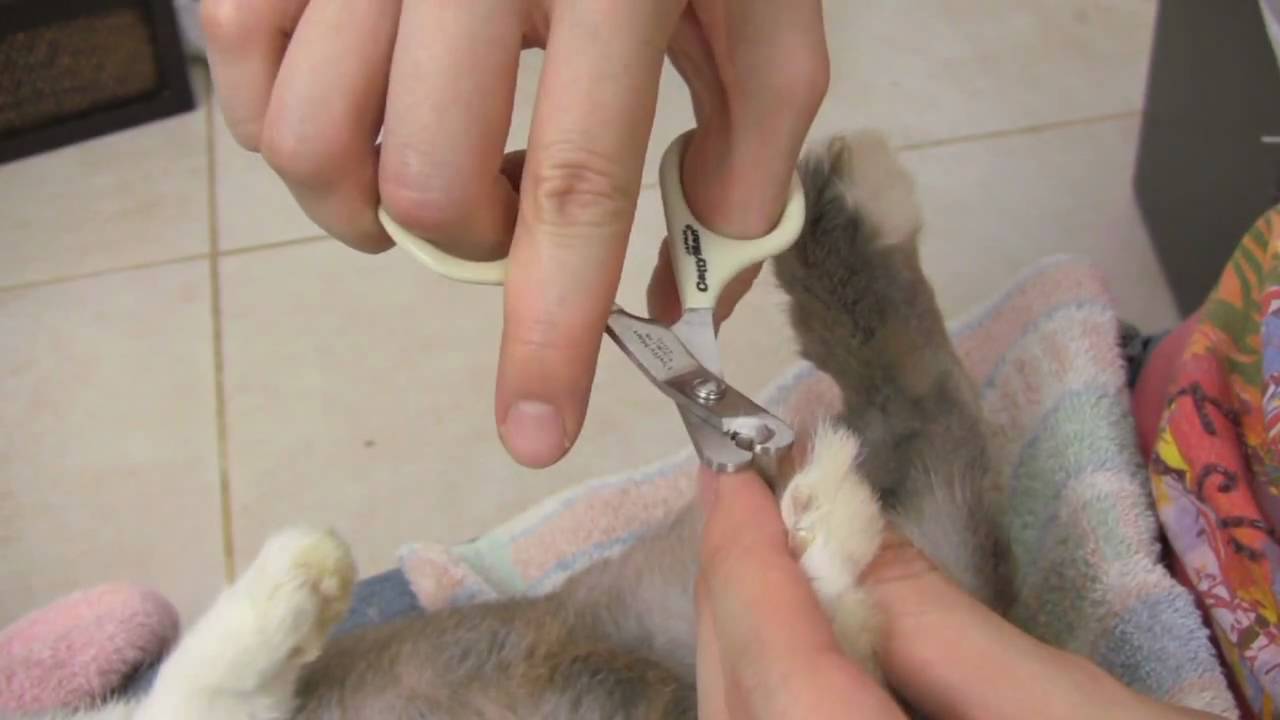
Rabbit's claws need to be trimmed every 3 weeks.
Trim your dog's nails every three weeks using a nail clipper or clippers, removing 1–2 mm from the tip. Any longer is unnecessary, as it can damage blood vessels.
If a blood vessel was damaged and bleeding began, the damaged claw is treated with hydrogen peroxide.
Bathing
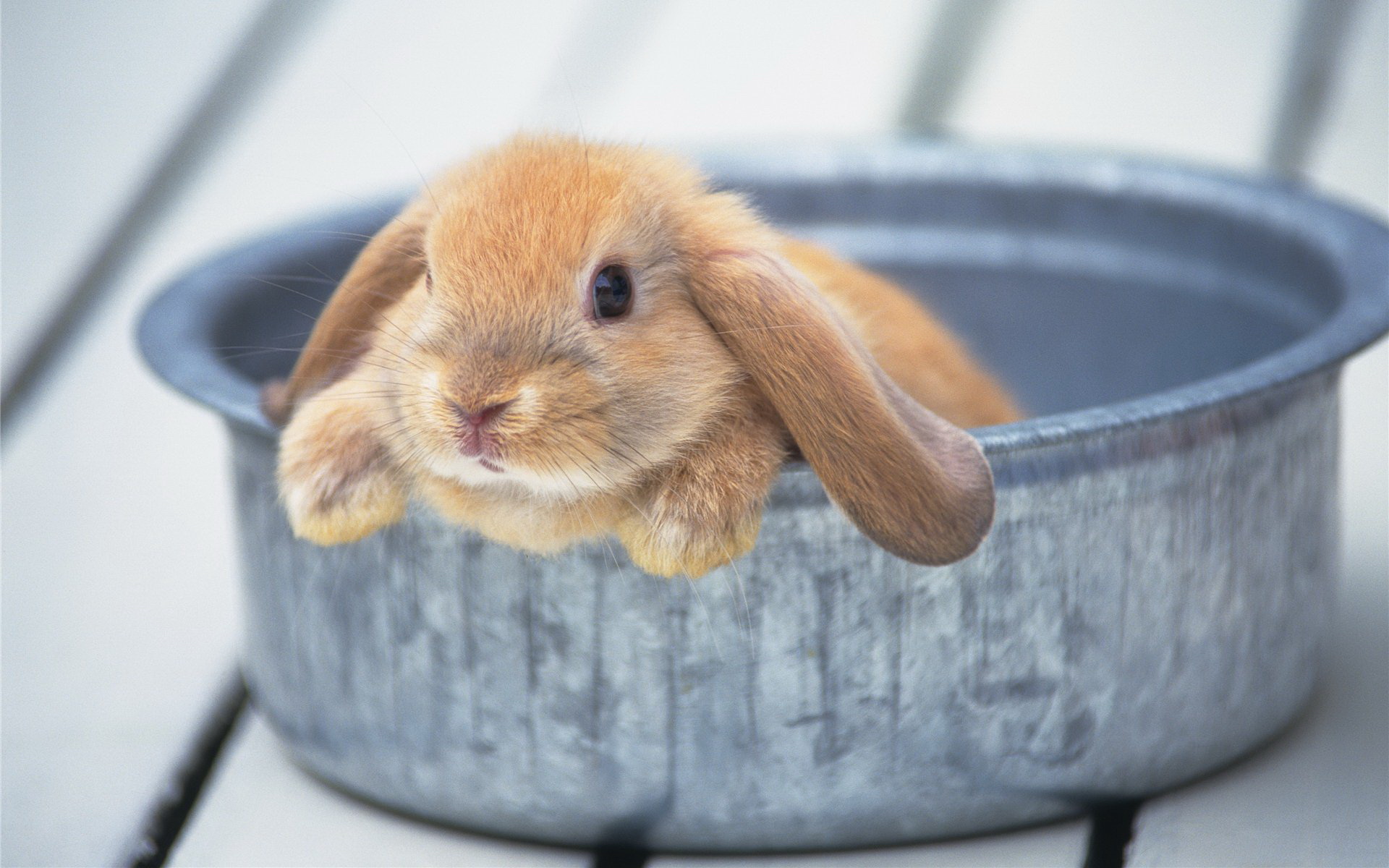
Bathing a rabbit is not an easy job for the owner.
To begin with, it should be noted that the advisability of water procedures for a rabbit is greatly exaggerated.Experts believe this animal is so fearful that it perceives being washed as something terrible and experiences enormous stress.
Nature has already taken care of this. Firstly, rabbits don't sweat. Secondly, they are very clean creatures. Thirdly, additional water treatments disrupt the skin's protective oils, which negatively impacts the quality of the rabbit's fur.
Therefore, the owner should think five times before bathing the long-eared pet.
Indications for bathing are:
- extreme pollution;
- overheat;
- diarrhea.
A dwarf rabbit can be washed in a sink or basin. The water should be slightly warmer than room temperature. Avoid soaking the entire rabbit. It's best to limit the bath to soiled areas. Be especially careful around the ears and nose—don't let water get on them.
Considering the rabbit won't be thrilled with the water treatment, resistance is expected. You'll need an assistant to hold the animal or pour water from a ladle while someone else holds it.
It's best not to use detergents. However, if you can't avoid them, rinse them off thoroughly to ensure nothing remains on the fur. Otherwise, your pet could become poisoned while licking itself.
Use a towel for drying. Don't use a hair dryer! Noise can be an added stress factor, and hot air can burn delicate skin. Simply wrap your wet baby in a soft towel and hold them on the couch or in your arms until they're dry.
Diseases and treatment
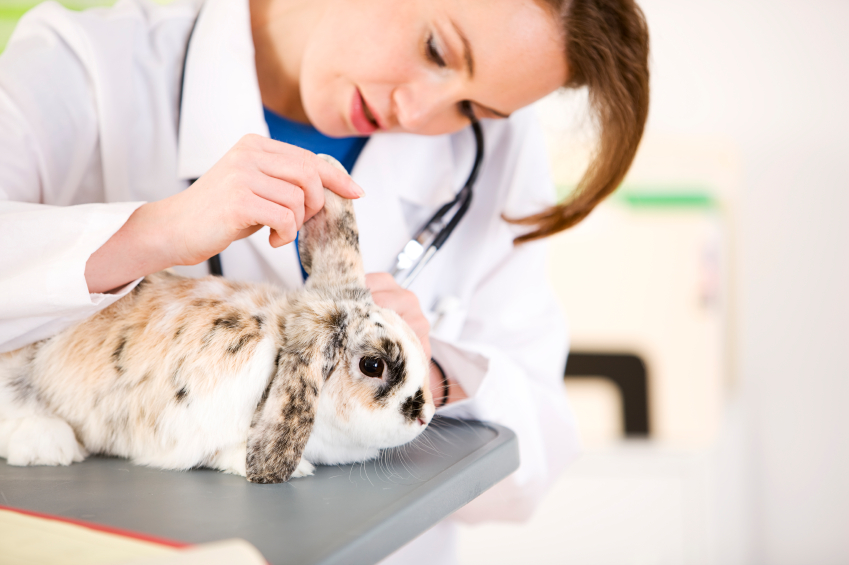
At the slightest sign of illness, it is necessary to take the animal to the doctor.
Most diseases can be prevented by maintaining good hygiene for your pet and its habitat (cage). Timely vaccinations will help protect against infectious diseases. To prevent worm infestations, your pet should be given deworming medication twice every six months, even if they are completely indoors and never go outside.
Decorative rabbits are prone to a number of diseases:
- infectious stomatitis;
- staphylococcosis;
- myxomatosis;
- infectious rhinitis;
- pasteurellosis;
- coccidiosis;
- gastrointestinal disorders - constipation;
- conjunctivitis;
- otitis;
- excessive growth of teeth;
- worms.
Vaccination
Once a year, an adult rabbit receives a comprehensive vaccination against myxomatosis and VGBK - a viral hemorrhagic disease.
The first vaccination against VGBK is given to rabbits at six weeks of age. This vaccination is repeated three months later and then administered regularly—every six months or once a year.
Myxomatosis vaccinations are given twice a year, from April to October (the peak period for disease vectors—fleas, mosquitoes, and other blood-sucking insects). Vaccinations against myxomatosis are pointless in winter. The first myxomatosis vaccination can be given starting at one month of age. Booster vaccinations are given one month later, and then five months later.
Precautionary measures
- At least 2 weeks must pass between different vaccinations - against VGBK and myxomatosis;
- Nursing and pregnant rabbits are not vaccinated;
- Do not vaccinate sick or weakened animals;
- After each vaccination, the animal is kept in quarantine for 2 weeks;
- Deworming is carried out at least 10 days before vaccination;
- It is necessary to adhere to the vaccination schedule.
Rules for choosing a cage, house and accessories
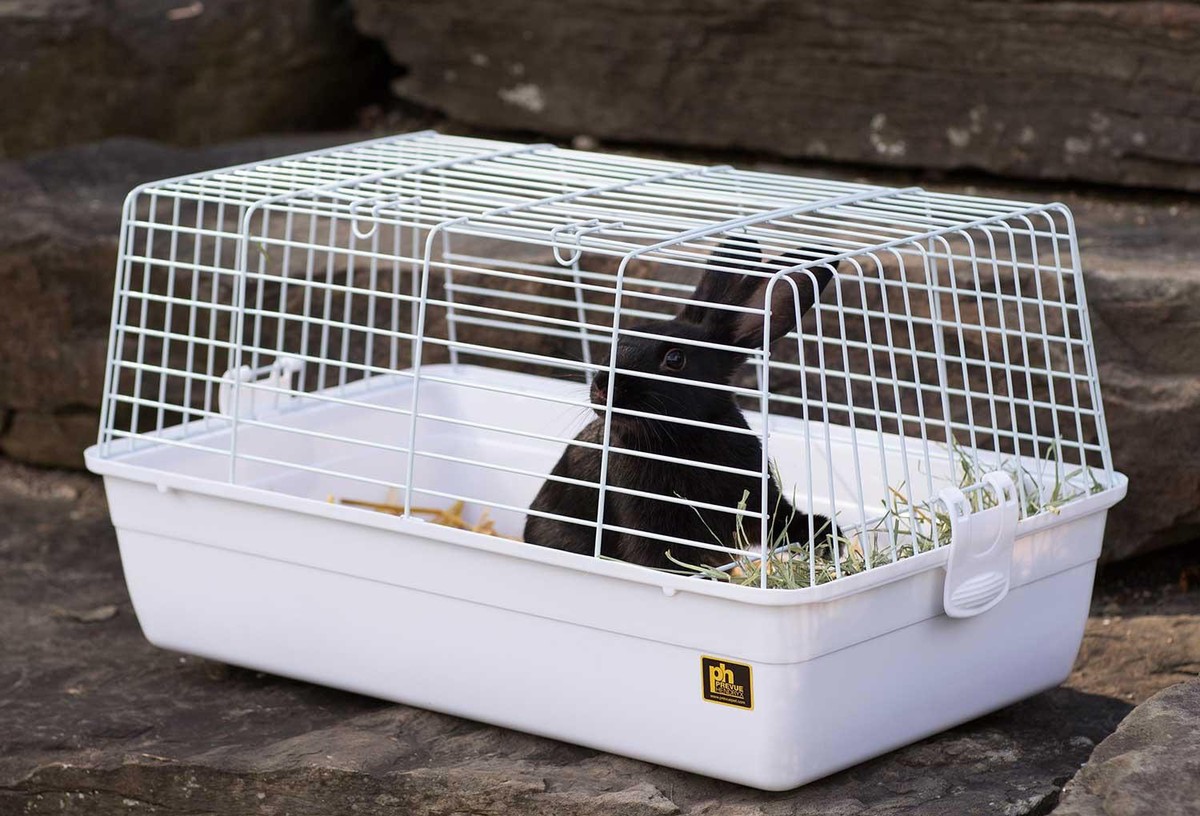
Choosing a cage for a rabbit is a responsible process.
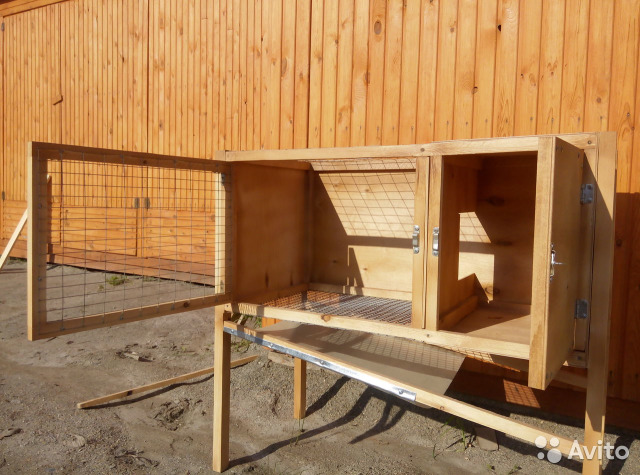
When choosing a cage, it is important to decide on its size and arrange everything correctly so that the animal is comfortable, because it will spend most of its life here.
- The correct size of a rabbit hutch is the height of a rabbit standing on its hind legs, the length is 3 rabbit jumps, and the width is 2 jumps.
The cage should easily accommodate a house, a litter tray, a drinking bowl, a feeder, a hay rack, and still have room for the animal to move freely.
- The right litter box is plastic and non-slip. Wire litter boxes can injure rabbits' paws and are uncomfortable for them. Plastic litter also makes cleaning much easier.
- The bottom of the cage needs bedding. Rabbits can't sit on hard surfaces for long periods of time. This can cause pododermatitis on their paws.
- The litter tray is placed in the corner of the cage and filled with straw, sawdust, and large wood chips.
- The grain bowl should be heavy enough to prevent the rabbit from tipping it over. Ceramic or metal bowls with a stable, flat bottom are ideal.
- The automatic waterer and hay rack are securely attached to the cage bars to prevent your pet from rattling them.
- A shelter is essential for the pet's privacy and protection from stress. It's their private area. This is where the pregnant doe will create a home for her litter.
- Toys are essential for this long-eared pet to distract it from wires, wire bars, and other objects that aren't meant for its teeth. Rabbits love to play with balls, cardboard boxes with holes, and wooden carrots.
Breeding
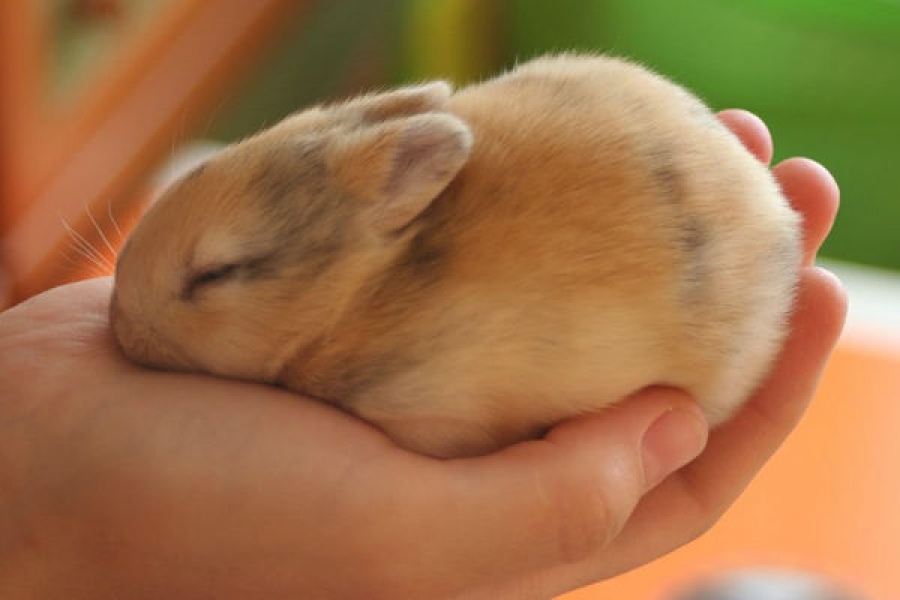
The issue of breeding rabbits is relevant only for exotic breeds
The issue of breeding decorative rabbits is, as a rule, relevant only for owners of rare, elite breeds and those who are engaged in their sale.
How to determine gender and when puberty begins
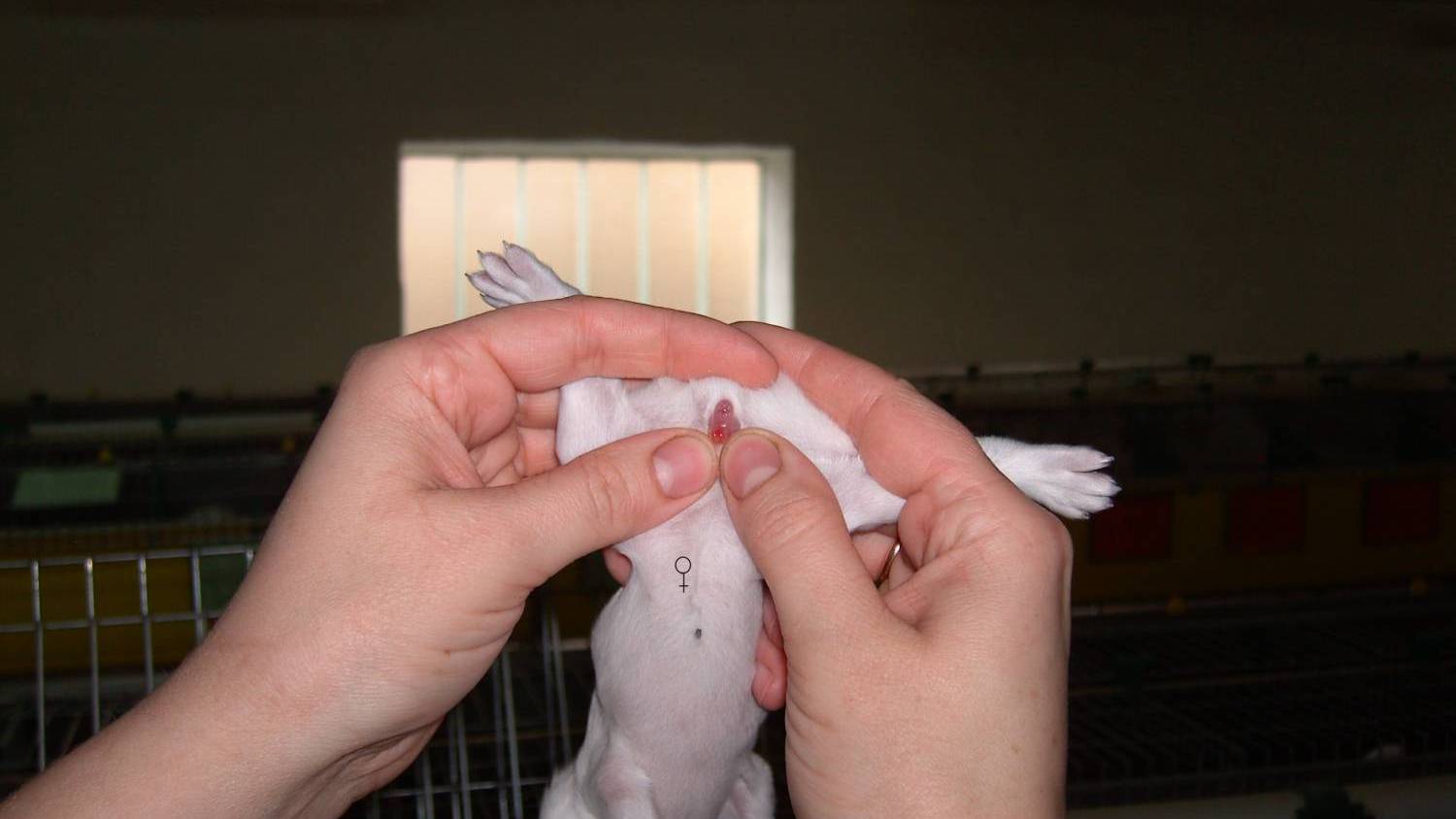
Sexual differences in rabbits become more apparent with age.
Determining the sex of a pet is the first thing an inexperienced breeder will have to deal with. Here are some simple tips.
- The smaller the baby rabbit, the more difficult it is to determine its sex. Sexual characteristics become more obvious by 2 months of age;
- Boys are usually smaller in size than girls of the same age;
- The head of the male decorative rabbit is short and square, while that of the female is elongated and narrow;
- Differences in genitals.
To examine the genitals, the animal is rolled over onto its back. Gently, moving away from you, the hind legs are spread apart. The tail is pulled behind the back. Using the pad of your finger, apply gentle pressure to the area near the base of the tail. In a female, the genital slit will be visible. In a male, it will be a round opening, further from the anus than in a female. In an older male, the testicles will also be visible—pink, elongated swellings. If you press on the abdomen near the genitals, a pink or white organ will become visible—definitive proof that the animal is a male.
Rabbits reach sexual maturity at 7-8 months of age, but sexual play begins much earlier—at 4 months. Experienced breeders recommend giving the animal a suitable-sized toy for "training" during this time.
The following changes in behavior indicate that they are ready to reproduce:
- "marks" of the territory;
- increased aggressiveness;
- excessive activity;
- digging;
- the desire to “make” a nest, raking up the bedding;
- scattering of food and feces.
Knitting
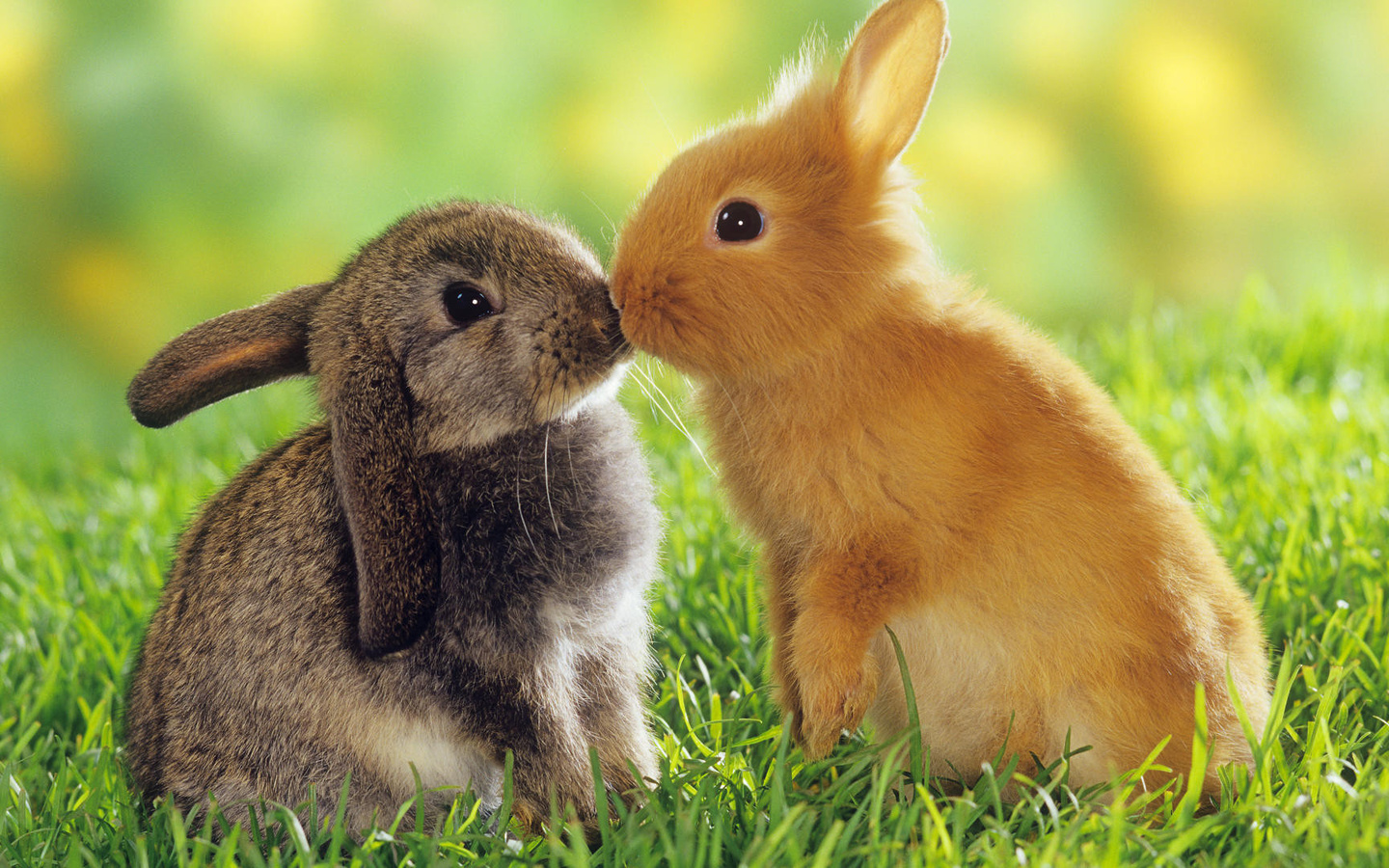
Rabbits get pregnant very easily.
For mating, the female is placed next to the male. If the opposite is true, the male, instead of attending to the female, will begin exploring the new cage and its surroundings, neglecting his regular duties.
After the first mating, the female isn't immediately removed from the "guests," but is given another hour or two for more matings. A day later, the female returns to her suitor.
If the female rabbit is not ready to mate, she will run away from the male and resist, angrily kicking her hind legs.
Pregnancy
There are 3 ways to determine whether a rabbit is pregnant or not.
Method #1 - Trying to Mate Again.
A female's pregnancy is determined by her indifference to the male. If she's already pregnant, she'll resist, chase the male, and growl at him if she's already pregnant.
But this sign doesn't always work. There are does that happily mate even though they're 100% pregnant.
Method No. 2 - Palpation of the abdomen
Feeling the belly of the potential mother - the rabbits feel like little balls.
This is done with extreme caution. And if you're inexperienced, to avoid harming the future offspring, it's best to entrust the palpation to a specialist.
Method #3 – Observing Behavior
A pregnant rabbit exhibits an increased appetite. This sign becomes especially noticeable in the last weeks of pregnancy.
But this sign also falters. Some does show no increase in appetite and even begin to throw food out of the feeder.
Pregnancy lasts about a month. During this period, it's important to provide the expectant mother with high-quality, balanced nutrition, rich in calcium. The pregnant doe also needs rest. Her cage should be located in a quiet area, away from the male's cage.
A week before the expected birth, the doe should not be allowed outside. The cage should be equipped with a house, if one does not already exist, and the cage itself should be disinfected.
The mother's behavior will signal the approaching birth. She will begin making a nest—filling her mouth with hay and plucking the down from her chest.
If everything goes well, the mother rabbit will give the world 2 to 5 decorative rabbits.
The health of newborn rabbits is determined by their nutritional status. The baby's tummy should be firm and free of folds.
How to care for newborn rabbits
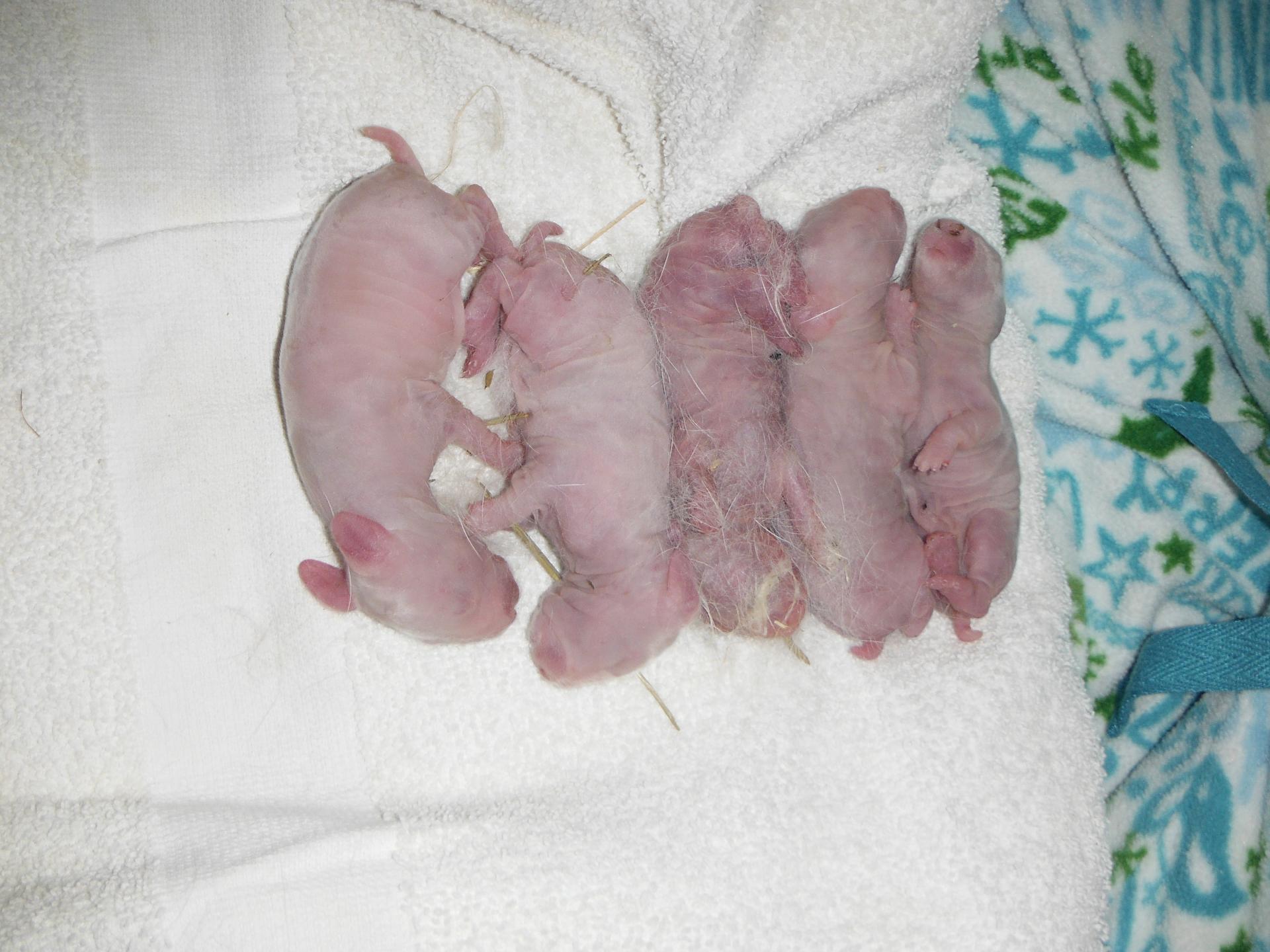
This is how helpless newborn rabbits look.
The ideal option is natural, as nature intended, when the mother feeds her offspring herself. However, unforeseen circumstances can arise, such as the death of the doe during childbirth or a failure of the mother's maternal instinct. In such cases, artificial milk for kittens or puppies can replace mother's milk. It is considered the closest in composition to rabbit milk.
Cow's milk, even skim milk, is completely unsuitable for feeding newborn rabbits. It is too poor in composition and nutritional value.
Milk is fed to babies using a pipette attached to a syringe without a needle.
If the mother's milk supply is fine, the offspring are not taken away from her until they are 1.5 months old.
Walking and playing with your pet
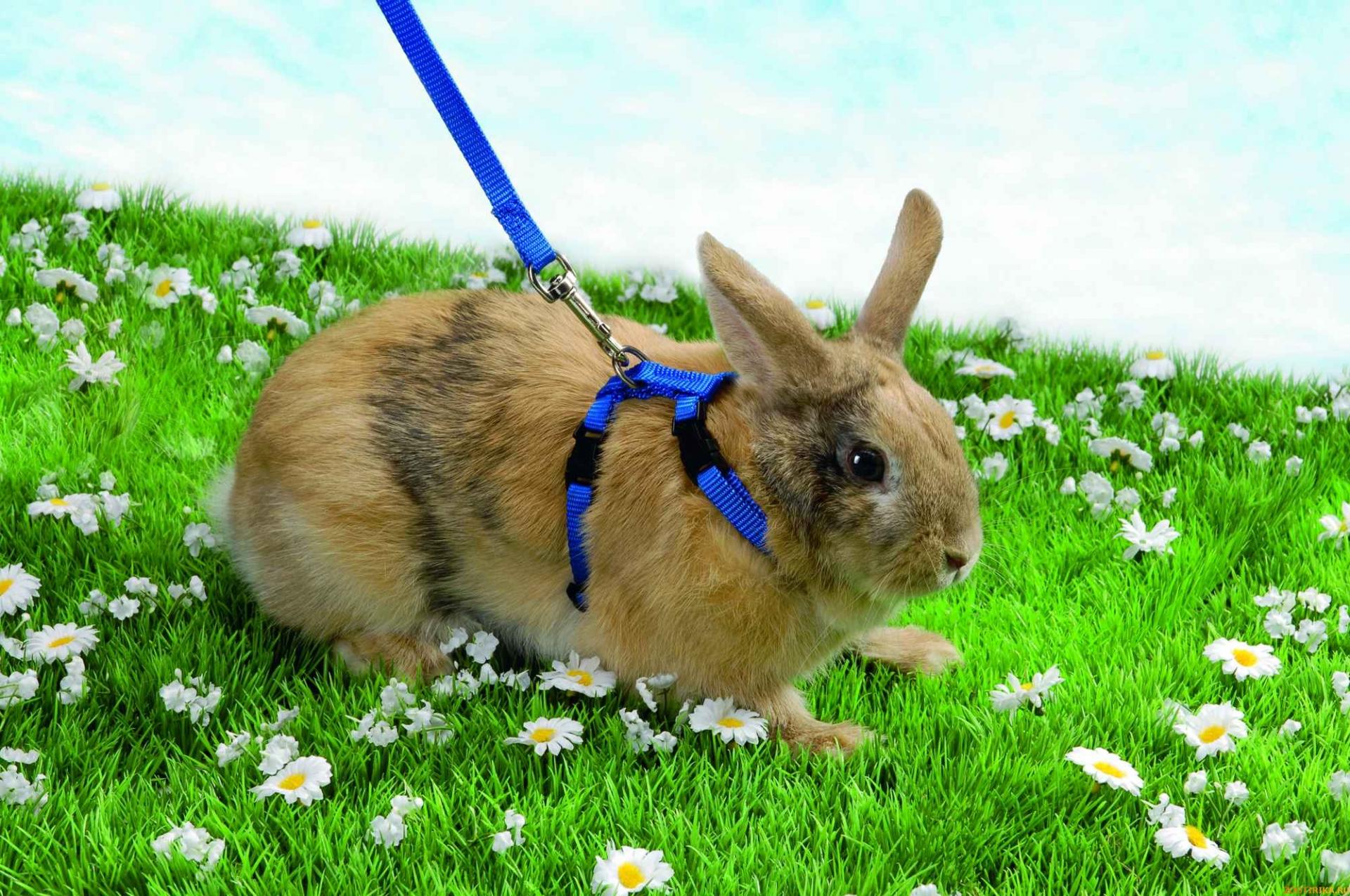
Keeping your rabbit outdoors is good for his health and fitness.
A pet can't be confined to a cage all the time. For normal development, it needs adequate exercise. Otherwise, the animal becomes depressed, suffers from nervous and immune disorders, and joint problems.
A decorative rabbit needs daily 20-minute walks around the apartment under the careful supervision of the owner..
Rabbits are playful creatures. This should be exploited by offering them toys. If none are available, the rabbit will find them on its own. And such resourcefulness is unlikely to please its owner.
The cage is left open during the walk so that the pet can return to it at any time.
It's generally accepted that rabbits that receive sufficient exercise through regular indoor walks don't need outdoor walks. However, if owners so desire, there's nothing stopping them from taking their pet for a walk outdoors from time to time.
Clean and safe areas are selected for these purposes—free from dust, debris, poisonous plants, and ticks. Outdoor walks are only allowed on a leash.
How long do decorative rabbits live at home?
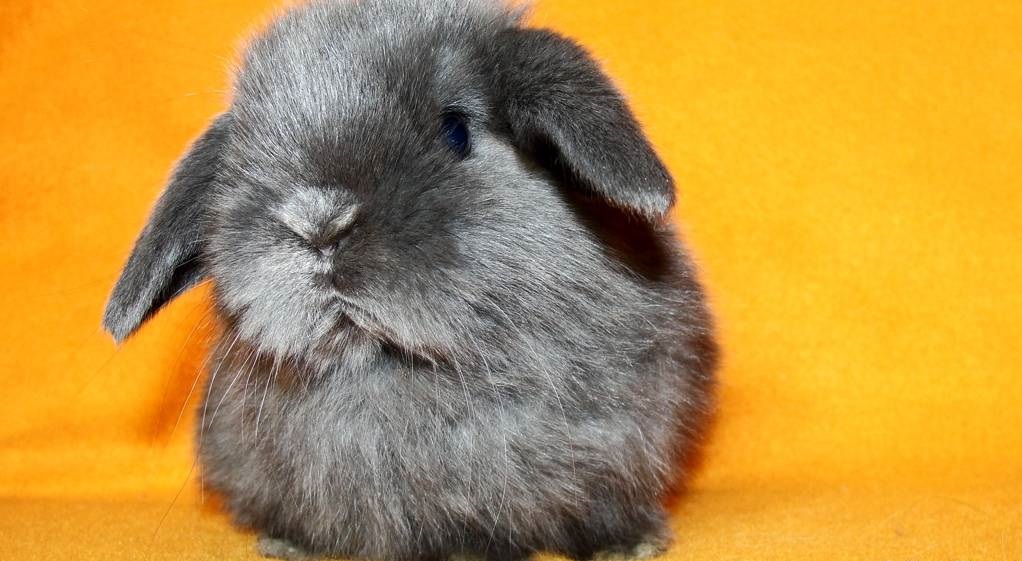
The lifespan of a decorative rabbit directly depends on the owner
The average lifespan of a rabbit is 7–10 years. However, some can live as long as 12–15 years. This depends on the animal's care, any illnesses or injuries it has suffered. Stress is one of the key factors affecting a rabbit's life, and owners should strive to protect their pet from it.
Breed also plays a significant role in a rabbit's longevity. Interestingly, lop-eared rabbits live 1–2 years longer than rabbits with regular ears.
Neutered rabbits live longer. This is due to the absence of tumors and inflammation of the genitourinary system.
How to name a pet
For pedigree ornamental rabbits, a name is a signature feature of their pedigree, and it is chosen strictly based on the first letter of the sire's name. Owners are free to choose names for other rabbits without a family tree, based on their taste and imagination.
Often, pets' names are based on their appearance or personality—Ushastik, Fluffy, Ryzhik, Bandit, Puffy. Owners typically prefer short, catchy nicknames that are easy to pronounce and easier for their pets to remember—Fima, Monya, Asya, Zheka, Zaya.
Owner reviews
My little one brings me a lot of joy, but my daughter isn't so happy. He really does kick his hind legs and doesn't let us hold him. Getting him out of his cage requires skill. Our Styopa is very skittish and constantly tries to escape. And when we let him out of his cage, he tries to eat cardboard, plastic bags, and linoleum. But overall, he's very easy to care for and has learned to use the litter box without any problems.
It's important to remember that rabbits are rodents, which means they need to be carefully fed and walked. Your pet will need twigs, roots, minerals, and salts, but none of this will prevent them from damaging furniture, chewing through wires, or eating wallpaper! Therefore, when your pet is out walking, you need to keep a close eye on them!
A rabbit is a good pet to keep as a pet. He lives in a cage, eats hay and carrots, and drinks water. He doesn't have any particular odor if you clean the cage regularly. He's also quiet. The only noise he makes is slamming the cage door; he chewed the plastic latch, and now the cage is open, the door just resting against it, and he nudges it with his nose—he probably likes the sound. He doesn't try to leave the cage on his own; it's quite spacious, with plenty of room to run around.
It's important to remember that a pet rabbit is a living creature that requires care and love. Natural and high-quality care will ensure a long and happy life for this animal.