The dwarf rabbit is a charming animal with silky fur, beady eyes, and a playful personality. While it takes time to maintain, this pet is instantly loved by both adults and children.
Content
What is the difference between a dwarf rabbit and a decorative rabbit?
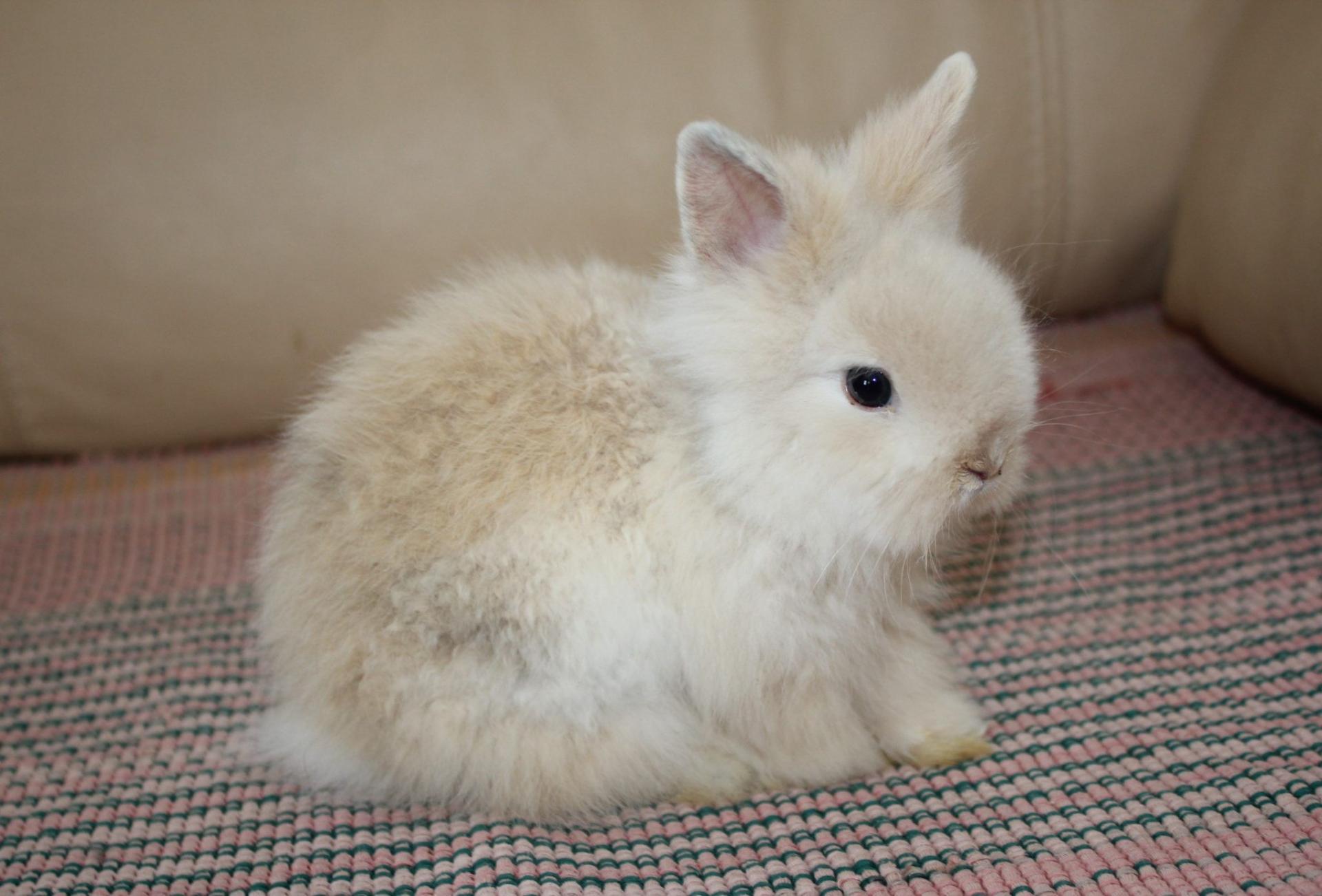
To ensure that your rabbit doesn't surprise you with its size when it grows up, you should ask the seller for a certificate.
People often wonder how dwarf rabbits differ from dwarf rabbits. First and foremost, it's their size. As dwarf rabbits grow older, they can become very large.
But all rabbits are small when they're young, and it's difficult to identify a dwarf rabbit on your own. To avoid making a mistake, ask the seller or breeder to show you a certificate or the parents of your future pet.
Breeds and general description
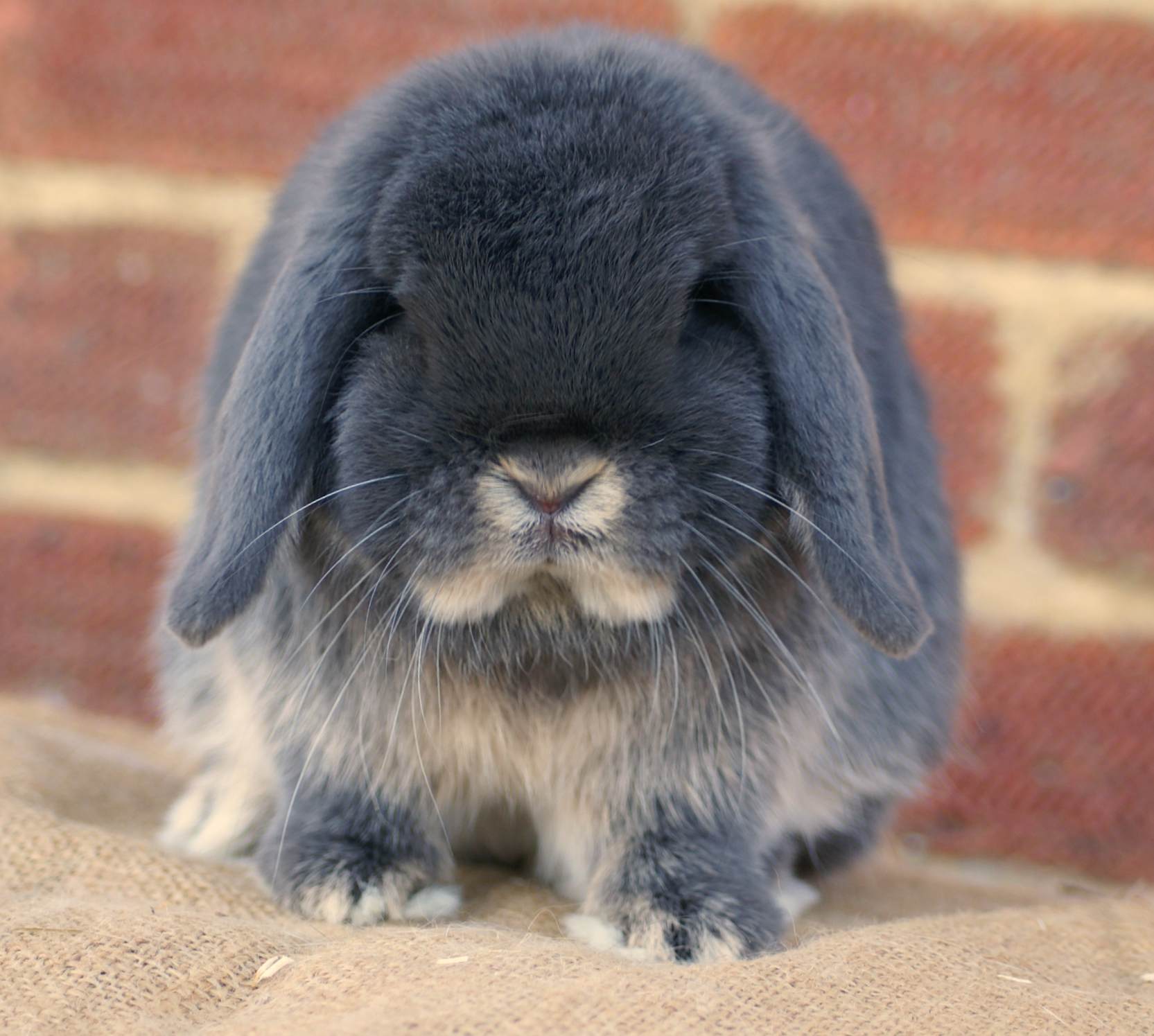
You'll be surprised, but this is exactly what a dwarf ram looks like.
Once you've decided to get a dwarf rabbit, you need to choose a breed. These animals come in both colored and white varieties, and weigh between 700 g and 3 kg.
The following breeds can be found in nurseries and pet stores:
- Dwarf ram;
- Dwarf Rex;
- Fox dwarf rabbit;
- Angora Dwarf Rabbit;
- Japanese Dwarf Rabbit;
- Dwarf hare;
- Dwarf rabbit Hermelin;
- Dutch Dwarf Rabbit.
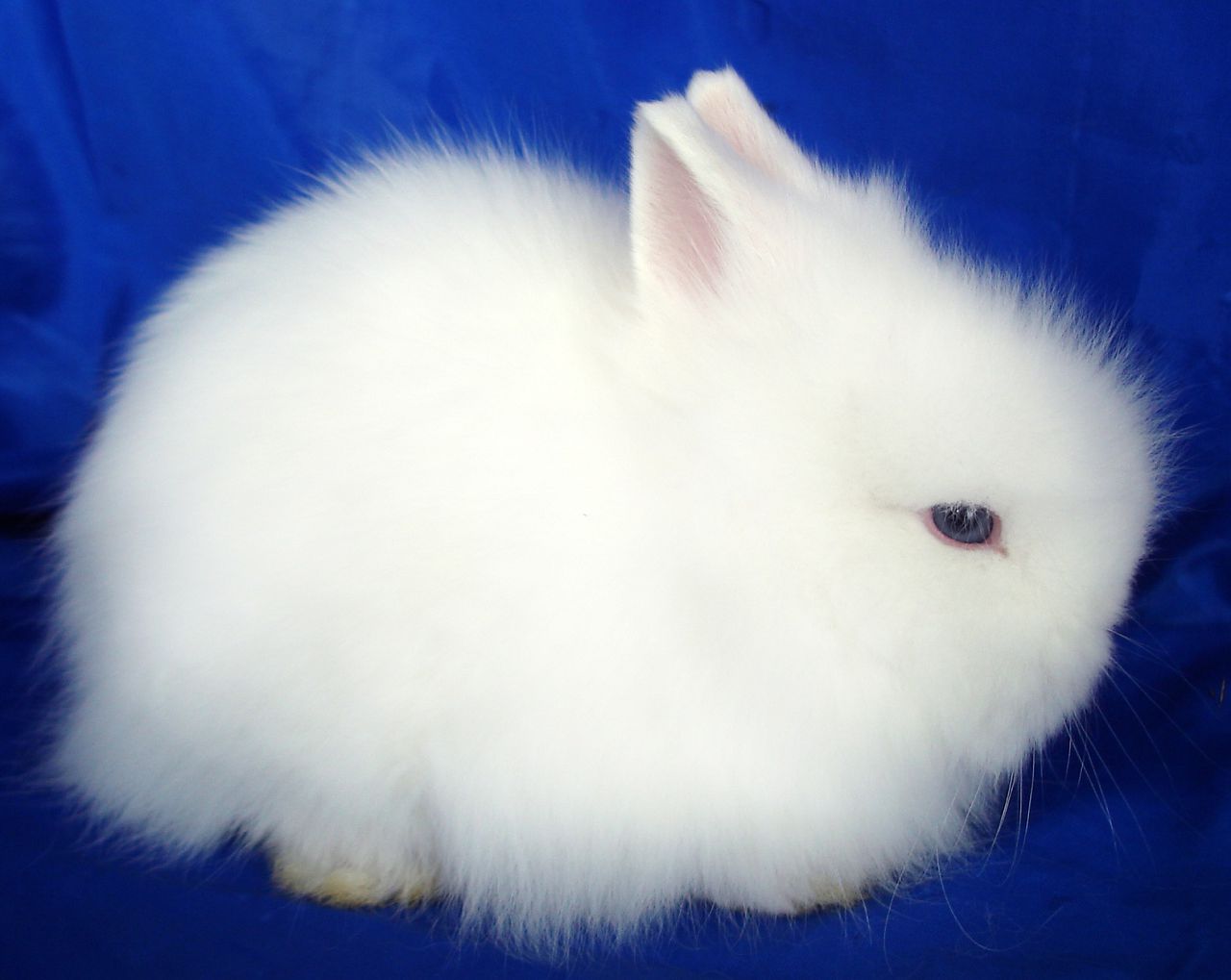
Angora rabbits are distinguished by their particularly fluffiness.
Both the appearance and character of these animals depend on the purity of the breed. Some long-eared animals resemble balls and are very peaceful, while others have relatively short fur and a more aggressive nature. So, first and foremost, the animal must be sympathetic.
How to choose
Choosing a healthy baby rabbit is crucial. It's best to buy a pet under two months old, as adult rabbits have a hard time being separated from their home. The animal should have bright eyes with no discharge, a coat that's flat and close to the body, and regular breathing without wheezing.
The ears should also be examined: the presence of scabs or other changes may indicate a mite infestation.
Pros and cons of content
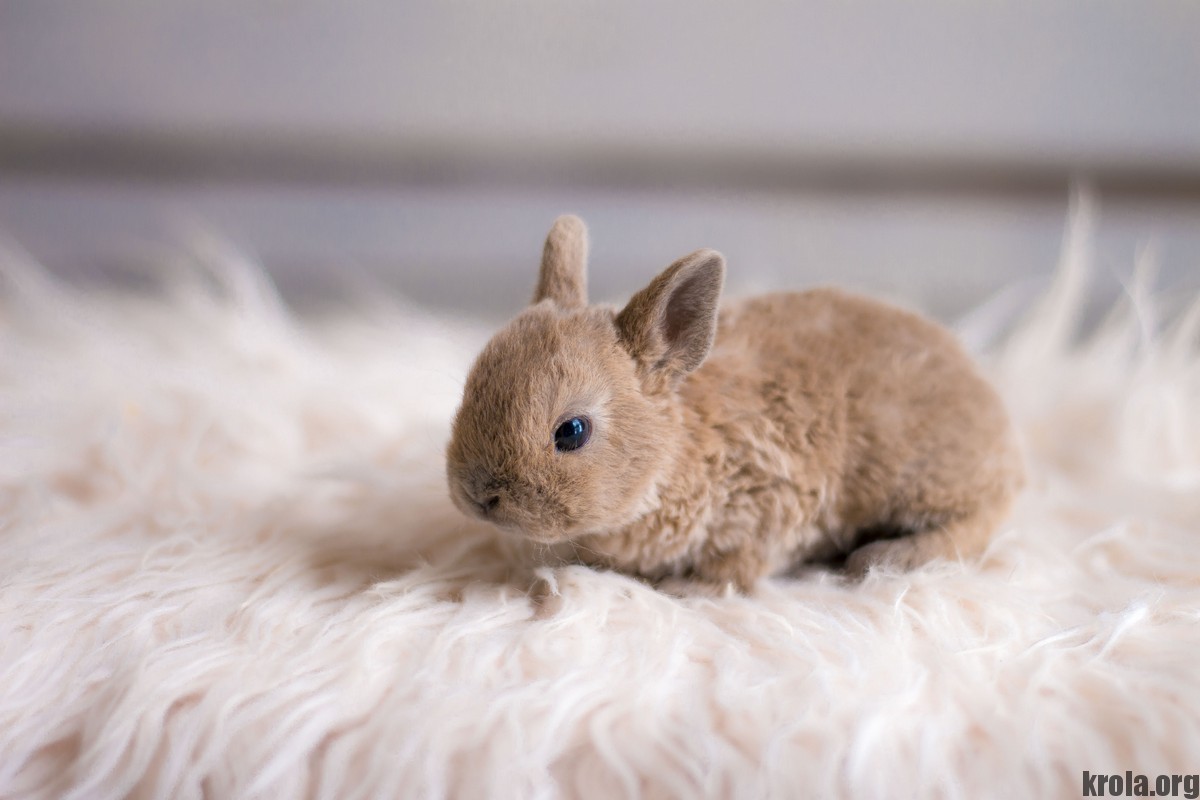
Dwarf rabbits are affectionate and clean, but are very susceptible to disease.
Keeping these small, cute animals has its advantages and disadvantages. Let's start with the pros:
- Cleanliness. Dwarf long-eared cats are quickly trained to use a litter box, and they produce very little litter in the apartment.
- These are affectionate, kind pets who immediately become attached to their owners. When they're happy, they chatter their teeth and make delightful sounds.
- Rabbits are unpretentious in terms of care and nutrition, and their maintenance is quite inexpensive.
The main drawback of pets is their illness. They can fall ill not only from infection but also from sadness. Frequent visits to the vet can be time-consuming and exhausting. Another drawback is their constant chewing. Buying them toys can solve this problem, ensuring the rest of the house remains unharmed.
It's also worth considering that each rabbit, despite their small stature, is an individual. They are very sensitive and remember poor treatment for a long time.
Care and maintenance at home
Keeping long-eared pets isn't particularly difficult. It's important to choose a healthy animal and prepare a suitable room for it. It should be well-ventilated, but draft-free. Rabbits also shouldn't be exposed to extreme heat, and they shouldn't be placed near a radiator.
It's best to buy a cage with galvanized metal bars. Two males won't coexist in one, but females or rabbits of different sexes can be housed together. Of course, such a house should be larger.
Many breeders are afraid of unpleasant odors. Proper care of your animals will prevent them from developing. Regularly add bedding made from newspaper, sawdust, or straw to the bottom of the cage. These materials absorb odors well and can be quickly removed.
Long-eared dogs with thick fur require regular brushing. Additionally, their nails should be trimmed approximately every three weeks.
What to feed a dwarf rabbit
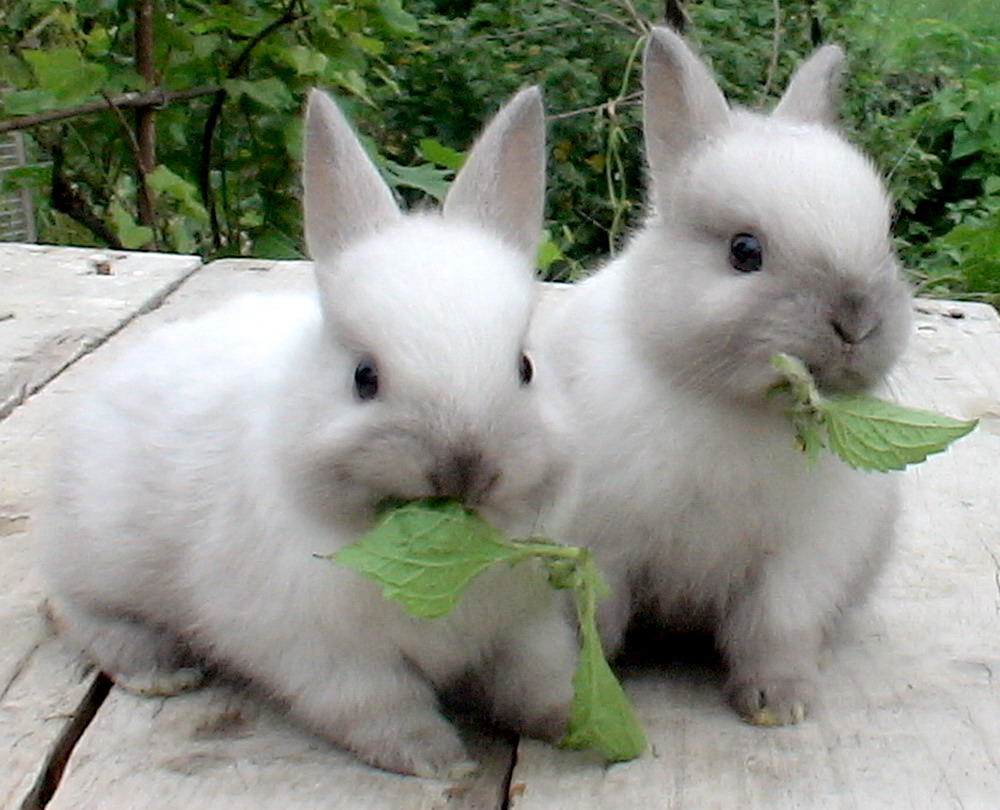
Dwarf rabbits can eat up to 30 times a day.
Dwarf rabbits are big food lovers: they eat up to 30 times a day. Owners must provide them with adequate nutrition and not restrict their food intake, otherwise it can harm the digestive system. The food that an animal eats is quickly digested and reaches the intestines only after the next meal.
Your pet's diet should be varied. Ideally, it should consist primarily of prepared, balanced foods from pet stores. Hay can also be given. If your little eared friend refuses to eat it, moisten the hay with a little water and salt.
The diet should be supplemented with grass, including meadow grass, as well as bone meal and chalk—the long-eared cat needs minerals. Oats or wheat soaked in water, fresh fruits, and vegetables are also beneficial.
Important: Rabbits can eat cabbage, which they love, but red cabbage is contraindicated.
Sometimes rabbits eat waste left in their cages. This is nothing to worry about: it's harmless to long-eared rabbits.
Hygiene and bathing
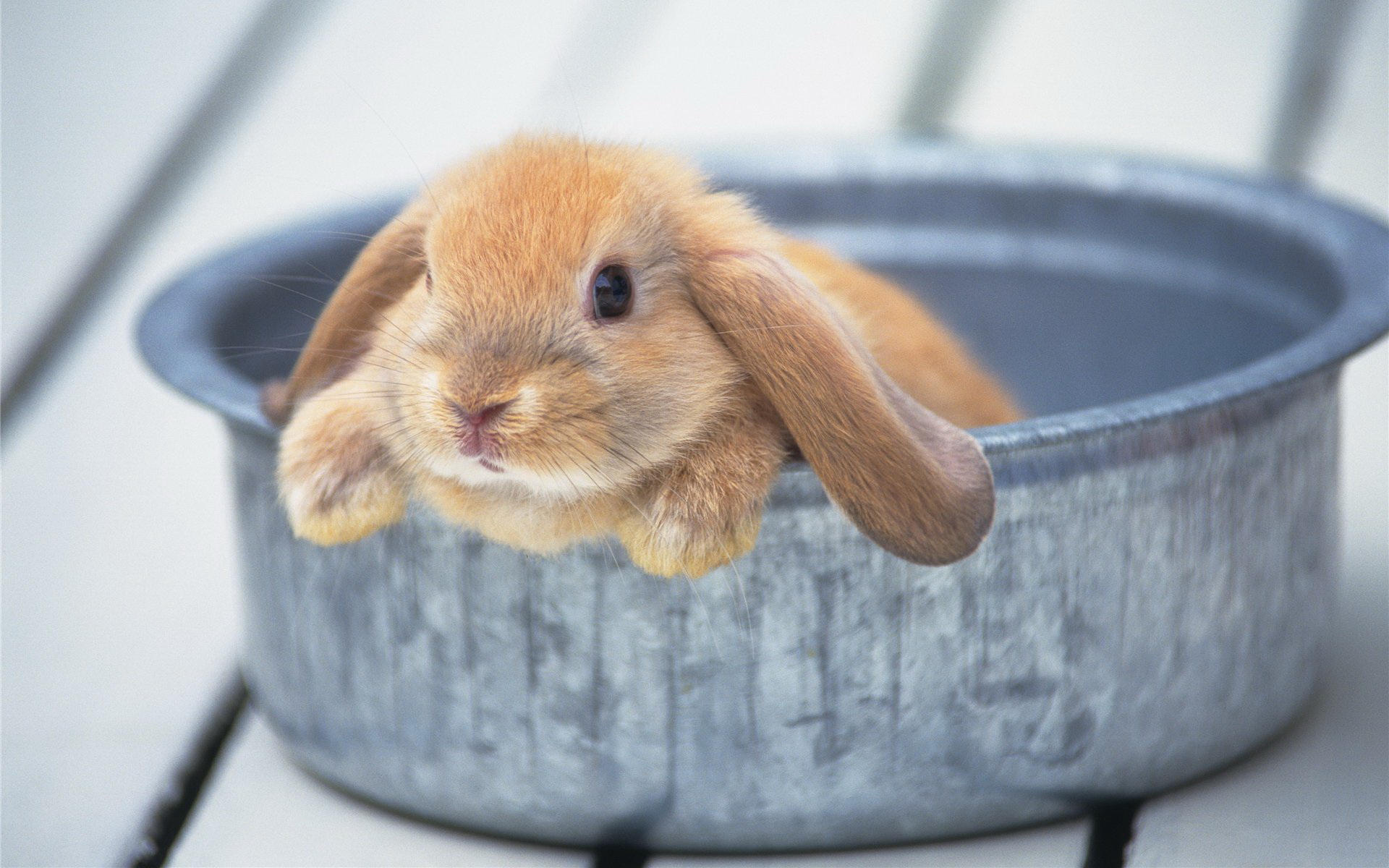
You should only bathe babies if they are very dirty.
Since dwarf rabbits are very clean, regular bathing isn't necessary. However, if your little one gets very dirty at home or while out for a walk, it's best to give them a bath instead of letting them groom you. Otherwise, avoid stressing your little one. They'll take care of their own coat, which they shed every six months.
Diseases and treatment
Vaccinations and vaccinations are essential for dwarf rabbits. These delicate creatures can contract illnesses like colds or conjunctivitis even in comfortable indoor conditions. Hypothermia and heatstroke are equally dangerous for them. Timely vaccinations will protect rabbits from infections and dangerous diseases like rabies.
Therefore, it's important to constantly monitor your pet's condition. The following symptoms may indicate illness:
- Vomiting, nausea, bloating.
- Loose stools or constipation.
- Belching, rumbling in the stomach, bad breath.
- Fatigue, lethargy, drowsiness.
Even if you have one or two symptoms, you should take your baby to the vet: delay could be fatal.
Vaccination
The youngest rabbits are protected from disease by their mother's immune system. When they begin feeding adult food, their bodies weaken. Vaccinations can begin as early as six weeks. Animals are vaccinated against rabies, salmonella, listeriosis, and several other diseases.
Before vaccination, it is necessary to carry out preparation: take care of the prevention of helminthic invasion, monitor the pet's health, and stop bathing it a week before.
Selecting a cage and accessories

Plan ahead for entertainment for your rabbit in the cage.
Dwarf rabbits are a delicate and fragile breed, so keep this in mind when choosing a cage. It's best for each rabbit to have its own cage. It should be four to five times larger than an adult rabbit, allowing for ample room for movement. It is desirable that its bars be made of unpainted iron: when the baby chews on them, his health will not be harmed.It is better to choose a plastic pallet.
It's also worth thinking about purchasing accessories in advance: a litter box, a feeder, a waterer, and toys. You'll also need to buy a manger to hold the hay. This is necessary because hay spoils quickly on the floor.
Breeding dwarf rabbits
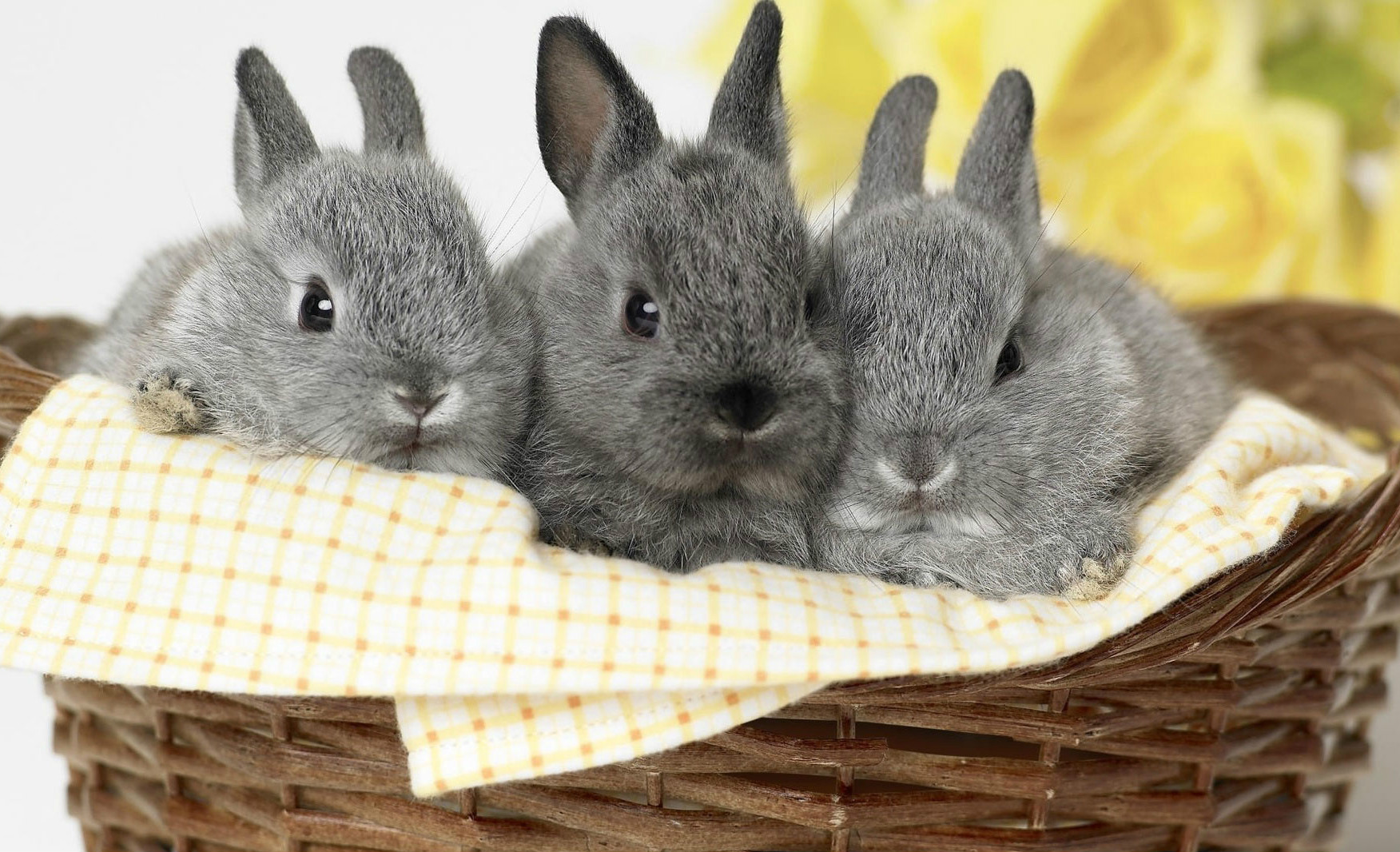
In rabbit breeding, moderation is key
A distinctive feature of decorative rabbits is their ability to mate early. They reach sexual maturity at 6–9 months. At this time, the animals are ready to reproduce. A female rabbit gives birth to an average of 5–7 babies at a time. It is not recommended to breed rabbits too often, as this may affect the quality of the offspring.
How to determine the sex of an animal
Baby rabbits aged one to two months are virtually indistinguishable from each other. The animals' sex can only be determined from their paperwork. Genitals can be used to determine sex. The animal should be placed belly-up on its hind legs. Then, lift its tail and gently squeeze the genitals. In males, the penis will be visible; in females, a pink triangle will be visible.
Mating and pregnancy
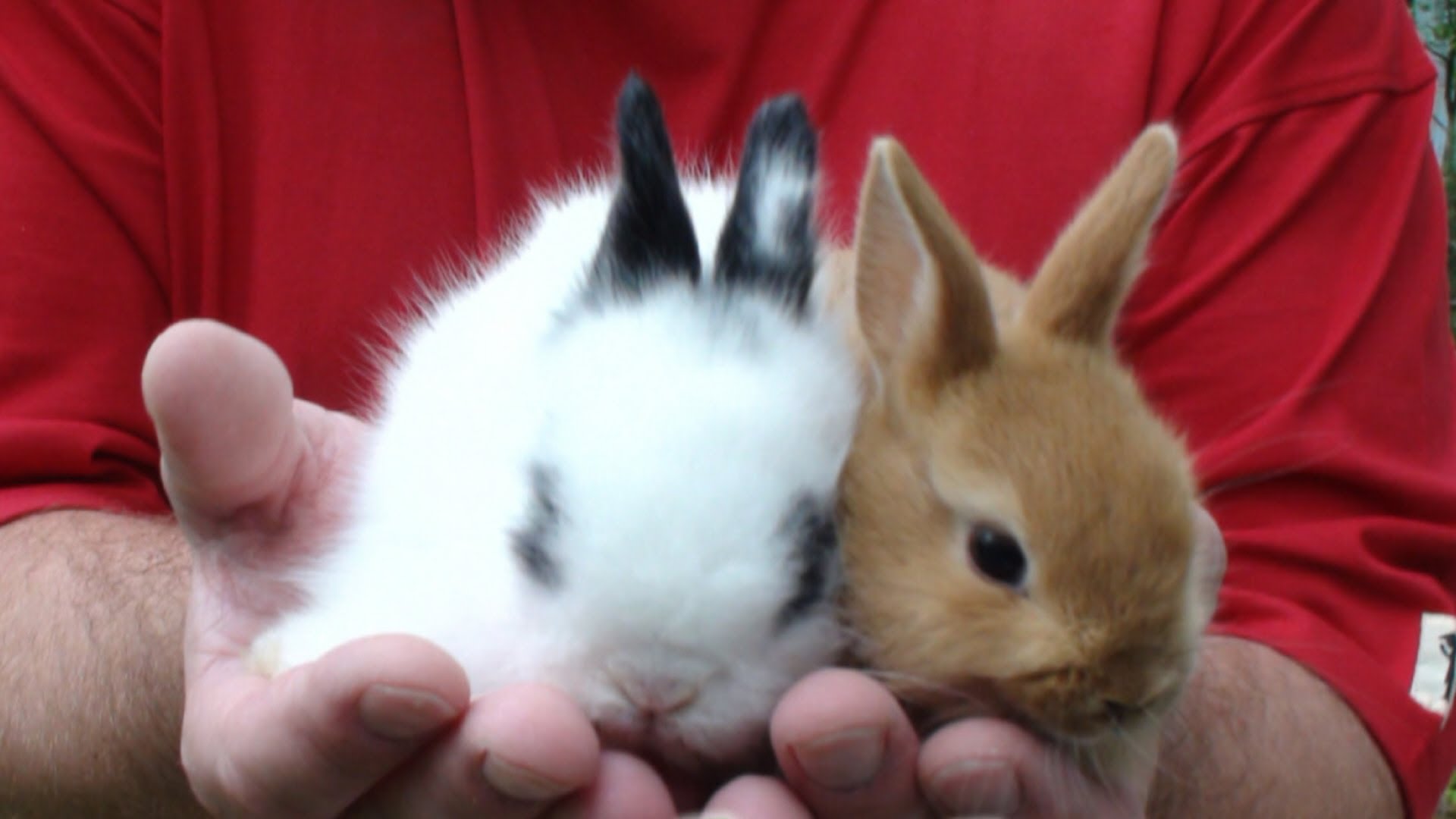
Be prepared for a doe ready for mating to change her behavior dramatically.
It is best to mate a dwarf rabbit when she is under one year old.When she's ready to mate, her personality changes dramatically. She becomes restless and irritable. At this point, it's time to place her in the male's cage, where she'll become more docile. Mating occurs almost immediately. The animals should then be left alone for a short time and then separated. A day later, a test mating takes place.
Pregnancy in females lasts an average of 31 days. If the litter is small and the offspring large, it can last longer. If there are many kits, the mother will give birth sooner.
During the first two weeks, the sow's diet can be left unchanged. Starting from the third week, the dosage should be increased slightly. The expectant mother's diet should include fruits and vegetables, especially cucumbers, as they are believed to increase lactation. However, overfeeding the doe is still a bad idea.
How to care for newborn dwarf rabbits
Baby rabbits are born deaf and blind and require special care. Their mother will care for them, and their owners must provide her with adequate living conditions and supplemental nutrition. It is necessary to prepare a warm place for the offspring in advance: if the rabbits are placed on the floor, they will die.
Don't disturb the mother rabbit unnecessarily; she might get scared and harm the newborns. However, you'll need to make sure she's always well-fed and doesn't eat the babies. Don't worry if the mother spends little time with the babies. Unlike dogs and cats, rabbits don't sit with their young constantly, but only come to feed them.
Training and playing with your pet
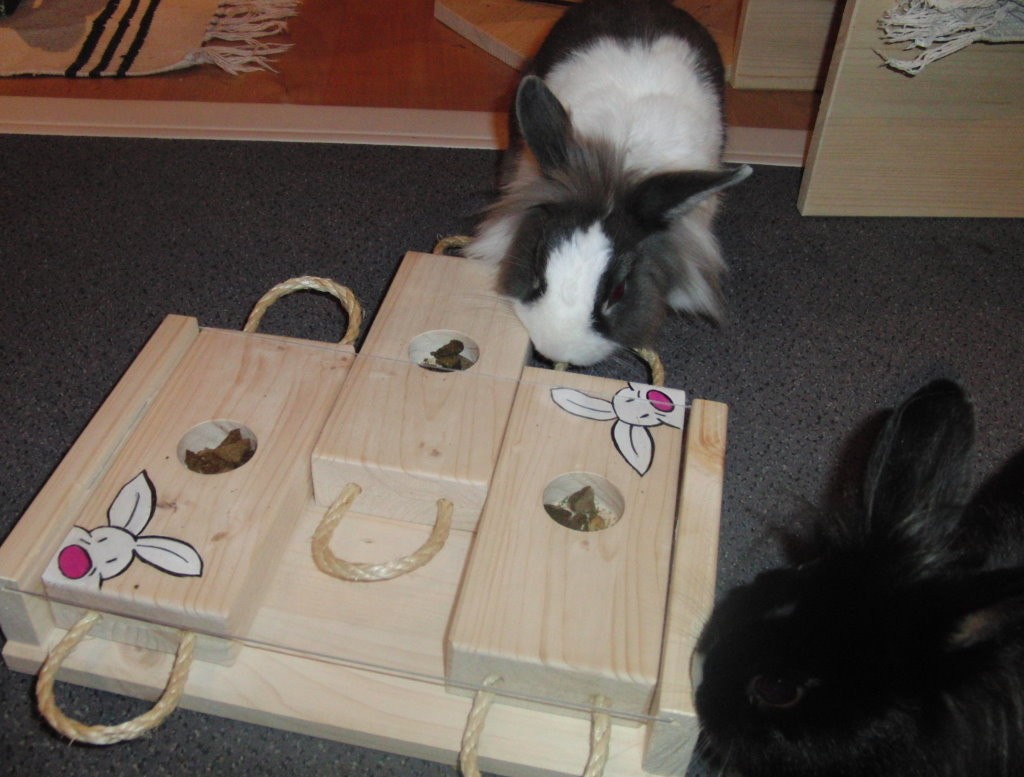
Decorative rabbits just love to play
Dwarf rabbit breeds love to play and are capable of learning several interesting tricks. They perceive training not as a chore, but as an opportunity to have fun. To achieve success, it's important to eliminate negativity and aggression from the training process. Praise and treats are the best training aids.
Don't start training your puppy immediately after purchasing it. Give it a couple of months to adjust before you begin training.
Lifespan of dwarf rabbits at home
This cute little animal lives for 6 to 8 years. Some long-lived pets, with proper care, can delight their owners for up to 10 to 11 years. A pet's lifespan is influenced by nutrition, the absence of injuries and serious illnesses, and genetic predisposition. Lifestyle also plays a role: active and active animals tend to live longer.
How to potty train an animal

Training a baby rabbit to use a litter box requires a lot of patience from the owner.
The baby rabbit will gradually get used to the litter box, but you'll need to be a little patient. It's a good idea to remember the corner where the litter box was at the breeder's and place it there again at home. It's a good idea to ask the breeder for some used litter and mix it with the old litter. Your pet will quickly find its familiar scent.
If your pet misses the litter box, don't scold them. As soon as you notice your pet needs to go, place them in the litter box immediately. Praise them for a successful attempt. Patiently training your pet day after day will ensure results.
What to name a dwarf rabbit
Choosing a name for these affectionate creatures is no easy task, as you want your pet to have the most beautiful name. Rabbits are called very differently in domestic settings than on farms.
A name has a definite influence on a pet's personality. A rabbit with a soft-sounding name has a more docile nature than one with a harsh name. When choosing a name, consider build, color, and other physical characteristics.
Boys might consider names like Ugolyok, Ryzhik, or Ponchik. Popular rabbit names include Yasha, Fomka, and Stepan. Female rabbits readily respond to nicknames like Zayka, Dymka, and Pushinka. Girls with a proud, unapproachable nature are given names like Eva, Gerda, and Magnolia.
To quickly accustom your baby to his name, you need to call him as often as possible.If the name is short and sonorous, there won't be any problems.
Video: What you need to keep a dwarf rabbit
A dwarf rabbit can become a beloved family member and bring much joy. However, they are living creatures that require constant care and attention. So, it's worth weighing the pros and cons before getting a pet.