Uncategorized
How to bathe a dog properly – frequency and nuances 
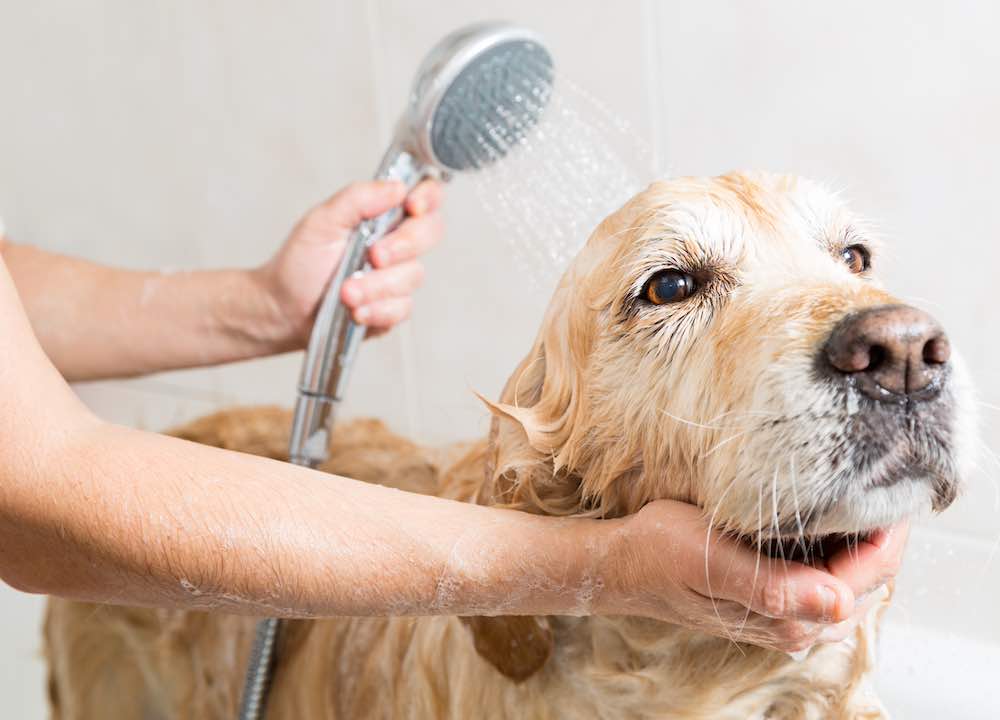
A dog living in a city apartment must be bathed. The only question is how often a dog should be bathed: this depends on the animal's health, coat length, and lifestyle. It's important to prevent unpleasant odors from polluting the air in the apartment, and to ensure skin disease prevention is carried out promptly. Bathing frequency also depends on the detergents used: even the cheapest shampoos should not be used indiscriminately, as they can alter the protective layer of the animal's skin. The time of year is also important: sebaceous glands work at different rates in hot and cold weather. How to properly bathe a dog: The need to bathe dogs in the days when they mostly lived in outdoor kennels may have puzzled many owners. Even today, not all dog owners living in private homes and keeping their dogs chained understand or accept the need to bathe their pets. However, it is well known that, unlike cats, for example, most dogs enjoy swimming and, if placed in a natural body of water, are good swimmers. And their natural cleanliness, even without such bathing, leads to the fact that they independently maintain their body hygiene: they lick themselves, removing dirt and dead hair fragments.Read more
Newt: keeping at home

Keeping a newt in a home aquarium isn't particularly difficult, but fans of these exotic animals aren't numerous. Newts, being amphibians, alternate between being in and out of water, so their home care requires some considerations compared to fish. Most species can live permanently in water and even cohabit with fish and snails, though they don't always share the same food. Observing a group of newts is quite fascinating, although people with an aversion to frogs and other amphibians should avoid keeping them. Features of Keeping a Newt at Home: The aquarium newt is a member of the salamander family. Although it spends most of its time in water, it breathes through lungs, so it periodically rises to the surface to take in air. Newts cannot survive in a tightly sealed aquarium. Each newt requires a considerable amount of water: an adult requires at least one and a half buckets. It's also highly desirable for it to be able to occasionally get out of the water and sit on a small island of dry land. The most challenging aspect is that during hot weather, a newt can become uncomfortable in an apartment, requiring the aquarium water to be cooled: unless you purchase a special device, you'll need to add bottles of ice to the tank from time to time.Read more
How to transport aquarium fish – rules and tips
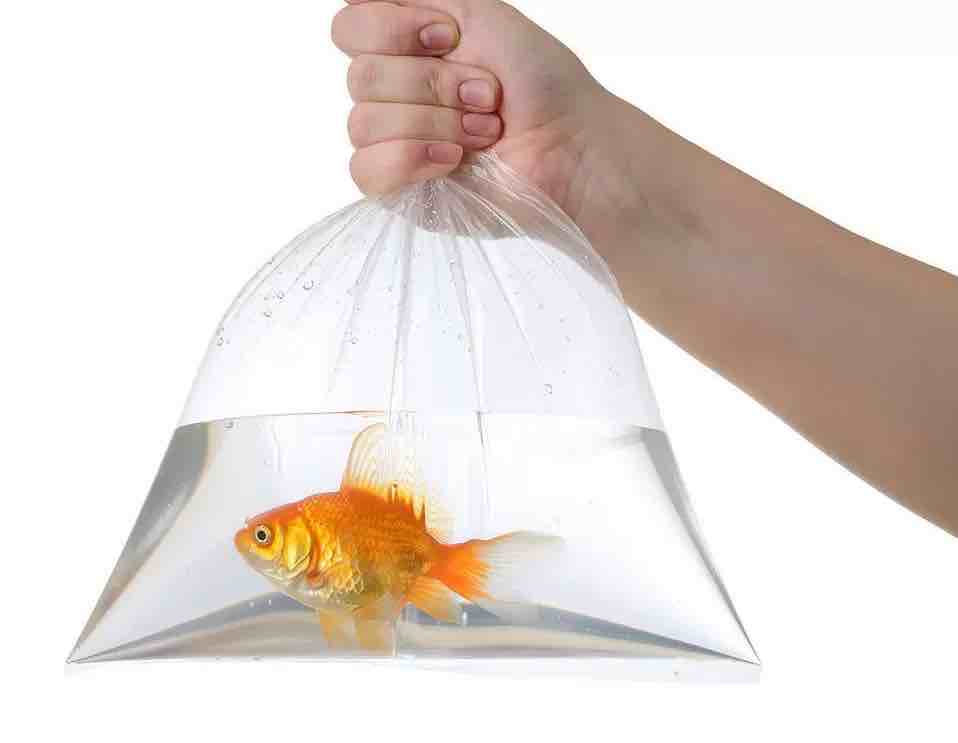
Transporting aquarium fish home from the store is easy: a few specimens placed in a small jar or plastic bag will easily survive a two-hour journey. However, there are some exotic species for which even placing them in a net for a few seconds is extremely stressful, sometimes resulting in death. Transporting a large aquarium with fish to a new apartment, let alone to a new city, is much more challenging. After all, the fish themselves will need more than just one jar, and transporting their home—a glass aquarium holding even 3-4 buckets—is no easy task. Serious aquarists often have several aquariums with a capacity of 200 liters or more… But there are no unsolvable problems; you just need to follow a few simple rules. How to transport an aquarium with fish: general rules. Transporting aquarium fish can be done by land, sea, or air. The same applies to an aquarium, but if its capacity exceeds 4-5 buckets, air transport is unlikely, and large aquariums with fish are rarely transported by rail. Therefore, the optimal vehicle for transporting a fish "house" is a suitable-sized car or truck. It's important not only to choose the shortest route but also to pay attention to the condition of the road surface: shaking creates the risk of both damaging the aquarium and causing significant stress to its inhabitants.Read more
How to insulate a dog house for winter
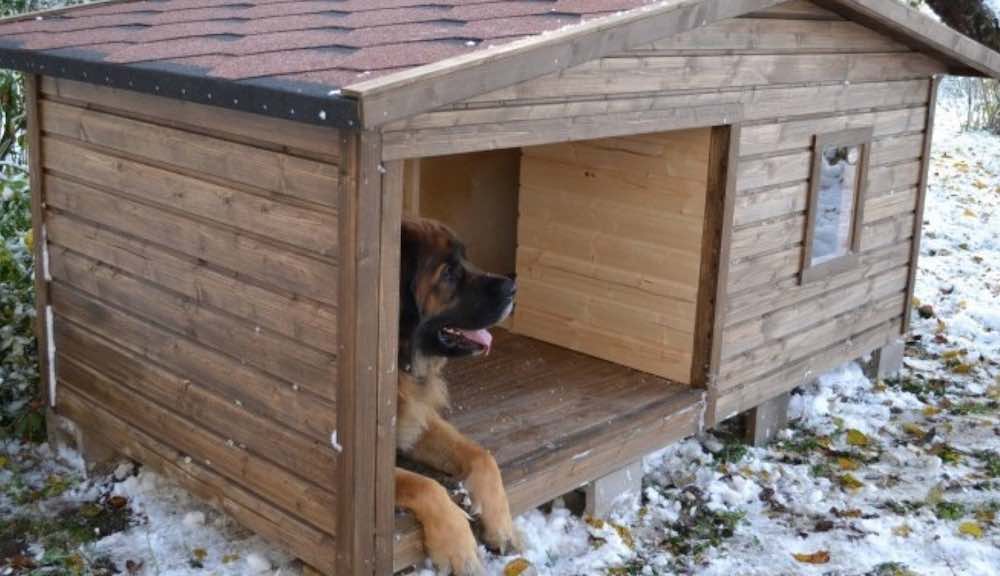
Insulating a dog house yourself is not a difficult task. Whether it is necessary depends, of course, on the regional climate and the pet's breed, but in most cases, insulation is highly desirable. After all, dogs, like any warm-blooded animal, can easily tolerate only mild cold snaps. To ensure a dog's comfort during harsh winters, keeping wind out and rain and snow out, owners must put in the work. Fortunately, insulating a dog house is inexpensive, and any owner can handle the job. What insulation is best for a dog house? An insulated dog house ensures that your pet will not only be healthy in the cold but also ready to perform its primary duties—guarding the yard and delighting its owner. Before insulating, it's worth checking whether the house needs repair or relocation. The cost of insulation may be wasted if the dog's home is already bursting at the seams or is located in a windy area.Read more