A dog living in a city apartment must be bathed. The only question is how often a dog should be bathed: this depends on the animal's health, coat length, and lifestyle. It's important to prevent unpleasant odors from polluting the air in the apartment, and to ensure the animal receives regular skin disease prevention. Bathing frequency also depends on the detergents used: even the cheapest shampoos should not be used indiscriminately, as they can alter the protective layer of the skin. The time of year is also important: the sebaceous glands work at different rates in hot and cold weather.
Content
How to bathe a dog properly
The need to wash dogs back when they mostly lived in outdoor kennels may have puzzled many owners. Even today, not all dog owners living in private homes and keeping their dogs chained understand or accept the need to wash their pets. At the same time, it's well known that, unlike cats, for example, most dogs enjoy swimming and, when placed in a natural body of water, are quite good swimmers. And their natural cleanliness, even without such bathing, leads them to maintain their own hygiene: they lick themselves, removing dirt and dead hair.
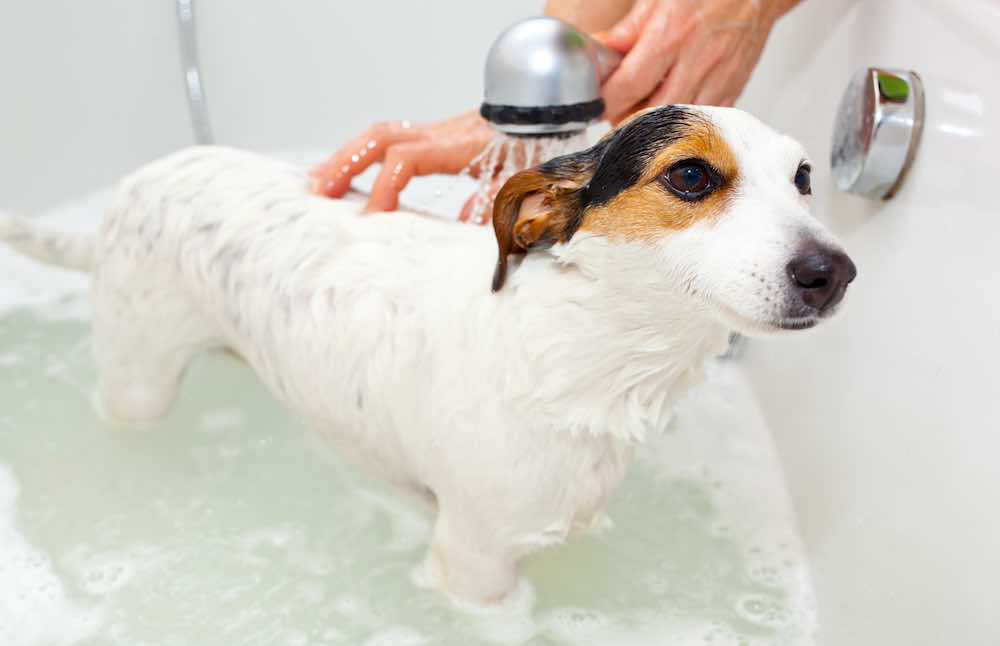
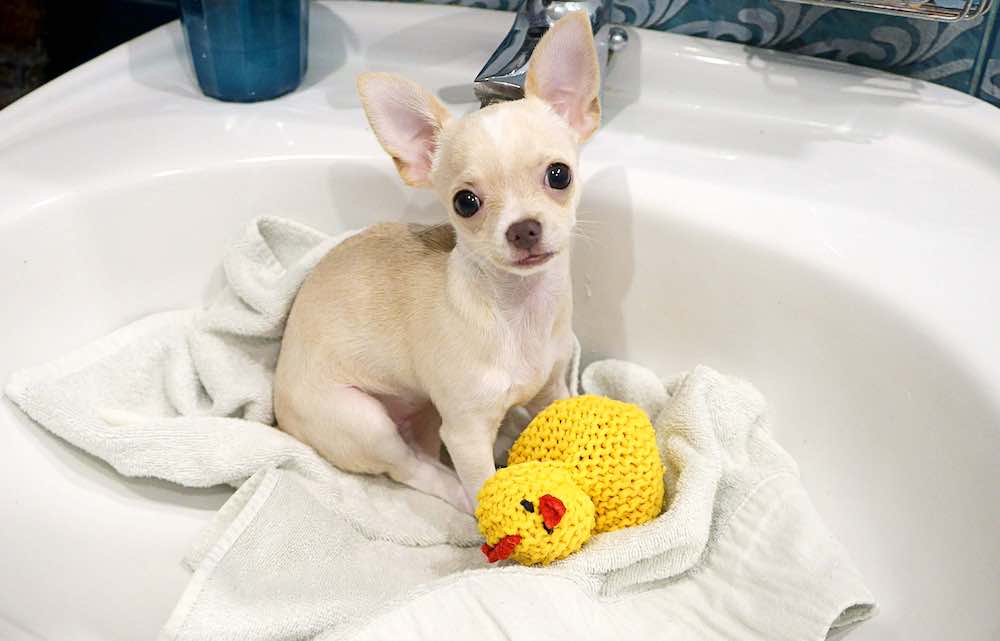
Bathing indoors involves using a bathtub. However, for the largest dogs, a shower stall is preferable, while miniature dogs are more easily washed in a basin of water. After thoroughly wetting the dog's body, use a suitable shampoo and lather the dog with a diluted solution. When rinsing off the soapy lather, be careful to keep water, especially soapy water, away from the dog's eyes and ears.
If we're not talking about a full bath, but simply washing the paws after a walk, this should become a general rule for the animal. Options include: in bad weather, washing the paws in a basin of water; in dry summer weather, simply wiping the pads with a damp cloth. It's best to use cool water, even in winter.
All dogs are different: by breed, coat length, age, temperament, etc.
However, there are some general rules that describe approaches to bathing:
- Dogs should be bathed soon after a walk, not before. Furthermore, if a quick return to the fresh air is expected, the bathing time should be calculated so that the dog has time to dry completely, especially in winter.
- If your dog hasn't calmed down yet after a walk, you'll have to wait a bit. Bathing an overexcited pet is a torment for both the dog and its owner.
- Only dogs with virtually no hair should have water at a temperature of 37–39°C. Large, long-haired dogs should be bathed at 34–36°C, while small dogs and puppies should be bathed at 35–37°C. If the animal notices that the water temperature is unacceptable, these values can be adjusted.
- Dogs with long and thick hair are combed both before and after bathing.
- Don't apply concentrated shampoo to the coat. It's diluted in water and used as a solution. After lathering, it's important to rinse off all the soap suds, checking every nook and cranny of the animal's body.
- The towel is used differently than with humans: the dog is not rubbed or ruffled. Instead, the moisture is blotted away by touching the coat with the towel.
- Sometimes, especially if the apartment is cold, it is acceptable to use a hair dryer, but its frequent use is not recommended.
Since not all dogs enjoy being washed, it's important to acclimate them to it from a young age. Treats should be used, but under no circumstances should you cause the puppy any unpleasant, let alone painful, sensations.
The approximate sequence of actions for the owner when bathing an already trained dog looks like this:
- About an hour before bathing, turn off the air conditioner, close the windows, and allow the air to warm up. Remove any unnecessary items from the bathroom (items that could be damaged during the dog's bath).
- Prepare cotton swabs, shampoo, a washcloth, or a sponge (a cloth can also be used). Large dogs may require a collar: it's easier to hold the animal by.
- Place an anti-slip coating on the bottom of the bathtub, and a cloth or rug on the floor next to it.
- Dissolve the required amount of shampoo in a jar of water and fill the bathtub with warm water, reaching about the dog's knees.
- They take the dog into the bathroom, close the door, and firmly insert cotton swabs into the dog's ears.
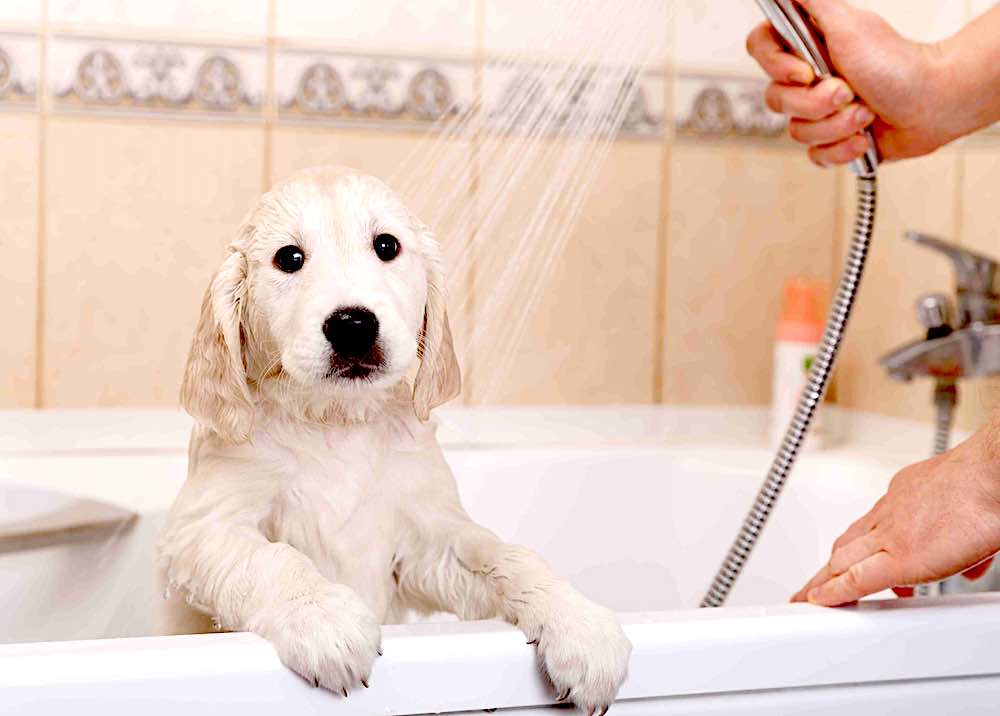
- After placing your pet in the bath, carefully pour water over it from the shower, thoroughly wetting all of its fur.
- Apply the shampoo solution to the dog, distributing it evenly over its entire body. Avoid lathering the dog's face; wipe it with a damp washcloth.
- Gently rub the dog's entire body except the head. Then, thoroughly rinse off the foam from the shower, paying particular attention to the scruff of the neck and armpits. At the end of the procedure, the water running off the dog should be completely clear.
- If possible, wring out the water from the coat and dry the dog with a bath towel.
- Place the dog on a dry mat to shake it off. Remove the swabs from its ears.
It's a good idea to give your pet a treat and praise it. Young puppies and dogs prone to colds should be wrapped in a towel and taken to a warm place until completely dry.
Read also, How to measure a dog
What tools can be used?
You shouldn't bathe your dog with soap or shampoo intended for humans. Humans and dogs have different skin types, requiring different detergents. When choosing a dog shampoo, it's best to choose colorless options, as coloring indicates the presence of additional substances to which your dog may be allergic. For the same reason, avoid choosing the cheapest pet shampoos available.
There's no single optimal shampoo for all dogs; individual selection is required, although some recommendations are printed on the packaging. For example, shampoos are made specifically for dogs with white or black fur, straight or curly hair, extremely sensitive skin, and so on.
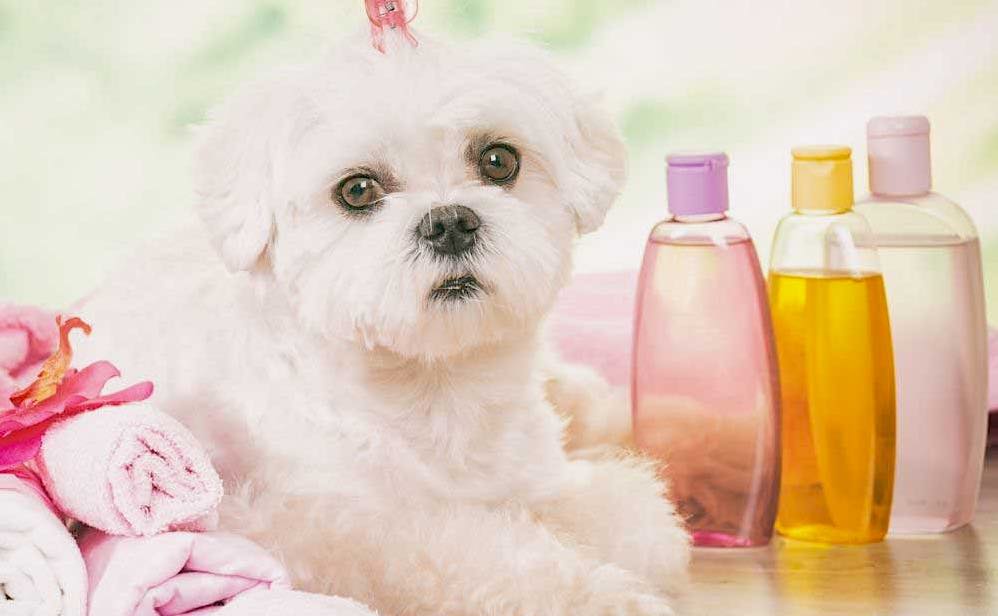
In addition to shampoos, dog soaps are also made. Some experienced dog owners prefer to use tar soap for washing their pets. It's quite effective against parasites, particularly fleas and ticks, and also repels mosquitoes and midges, although it doesn't kill them. However, after washing your dog this way, a distinctive odor lingers. Regular laundry soap can sometimes be used, but frequent washing with it is not recommended: it's quite harsh and can seriously damage your pet's skin.
How many times a month should you bathe a dog?
The question of how many times a dog should be bathed each month is controversial and has no definitive answer. Both dog owners and veterinarians have differing opinions on this matter, ranging from "several times a year" to "every week." Proponents of each viewpoint provide their own arguments, some quite compelling.
It's probably more accurate to consider the frequency of bathing a pet a strictly individual matter. It depends on the conditions in which the dog is kept. After all, some dog owners like to let their pets climb into their bed. In such cases, bathing is naturally necessary frequently. However, even if a large dog simply lives with its owners, it should be bathed at least once a month.
However, the animal's breed also plays a significant role in the frequency of bathing. Dogs with coarse coats tend to get slightly dirtier than those with softer hair. For example, Yorkshire Terriers, whose coats absorb odors well, require frequent baths—at least once a week. The health of the owner and everyone living in the apartment also plays a role in the frequency of bathing: if a person has allergies, dust, dirt, and dead skin and hair must be washed off the dog more frequently.
The dog's habits also influence the frequency of bathing. It's one thing if a dog is well-behaved on walks, but quite another if it likes to play in the sand or dig holes. Of course, daily bathing with soap or shampoo won't improve the health of a dog's skin and coat: chemicals dry them out to some extent, washing away the oils. However, basic hygiene procedures are essential for a dirty dog. Sometimes a veterinarian will prescribe therapeutic bathing. In this case, it's carried out on a schedule. On average, however, a dog should be washed with shampoo once or twice a month.
How long after vaccination can you bathe a dog?
An animal's immunity weakens for a while after vaccination, so it should not be bathed immediately afterward. The duration of this period depends on the dog's breed and its health, but it should not be less than three days. A week or even two is better. This is especially true for puppies, but even with age, changes are not too significant. If the dog gets very dirty during this period, try to remove the dirt with a damp sponge, preferably without soap.
Tips and tricks for bathing a dog
A good alternative to washing a dog is "dry bathing," which can be done even during periods when bathing is not possible. Dry shampoos are used for this purpose. They contain talc and substances with disinfectant and degreasing properties. Before using them, the dog is brushed, then the "shampoo" is applied to a section of the coat and combed through with a comb, distributing it over the entire body. After 20-30 minutes, the dog is brushed again to remove the bulk of the powder.
Dry shampoos can be easily replaced with a homemade solution. Dissolve a teaspoon of rubbing alcohol and half a spoon of boric acid in a glass of water. Ruffle the dog's fur and apply the resulting solution from a spray bottle. Then, comb the dog with a wide-toothed comb wrapped in cotton wool, changing the cotton wool periodically.
If the goal is only to eliminate the animal's odor, you can wet the fur with a solution prepared from a glass of water and a tablespoon of 70% vinegar.
When in doubt about the water temperature, it is better if it is slightly lower than necessary.
It's believed that puppies should be accustomed to bathing even when they're young. However, a full bath before 3-4 months is not recommended.
If the dog struggles or resists bathing, you should not force it; you will have to wait until the animal calms down.
Read also, How to insulate a dog house