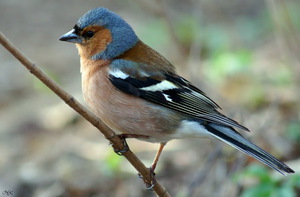
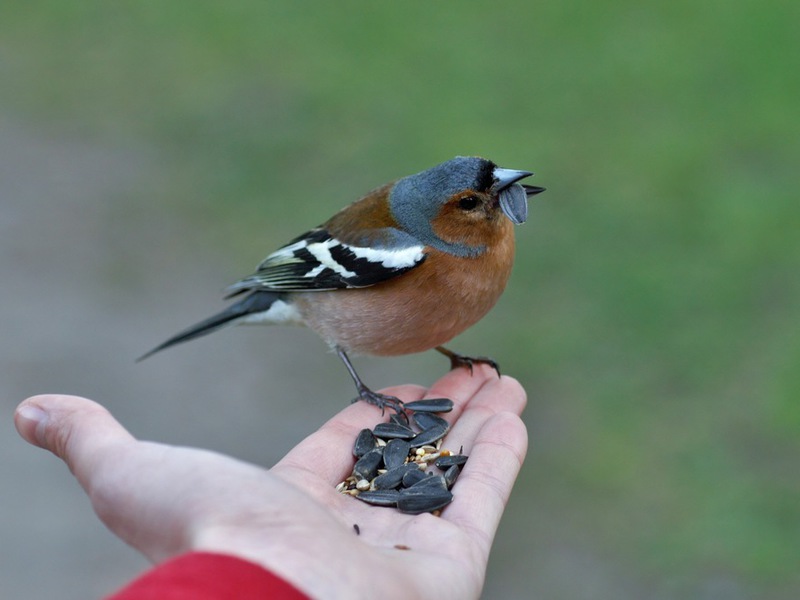
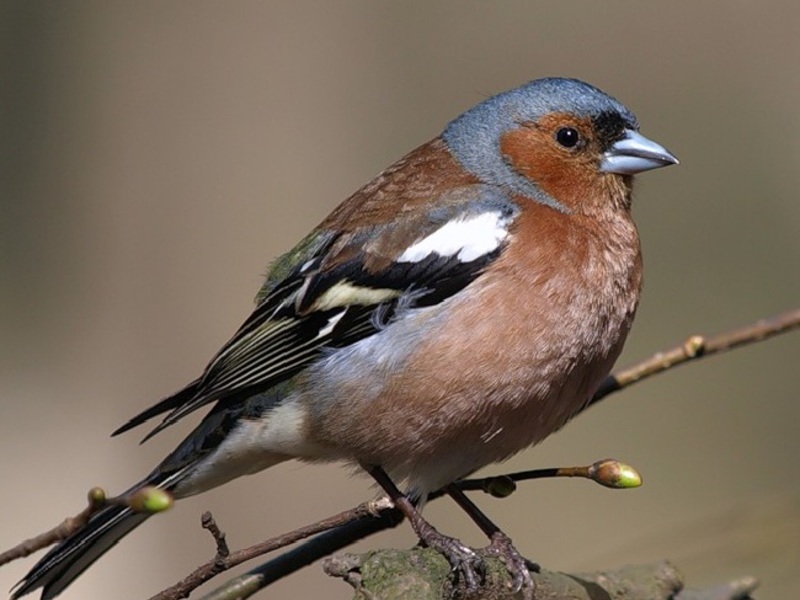
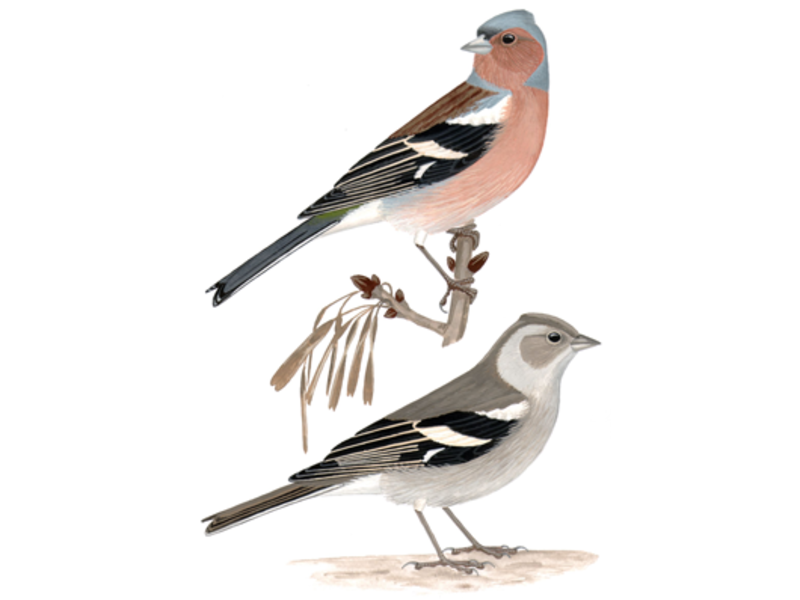
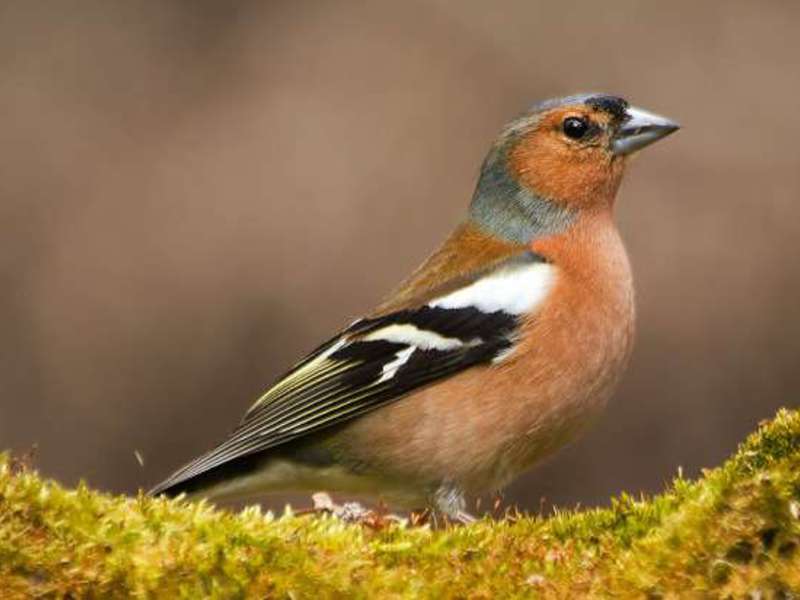
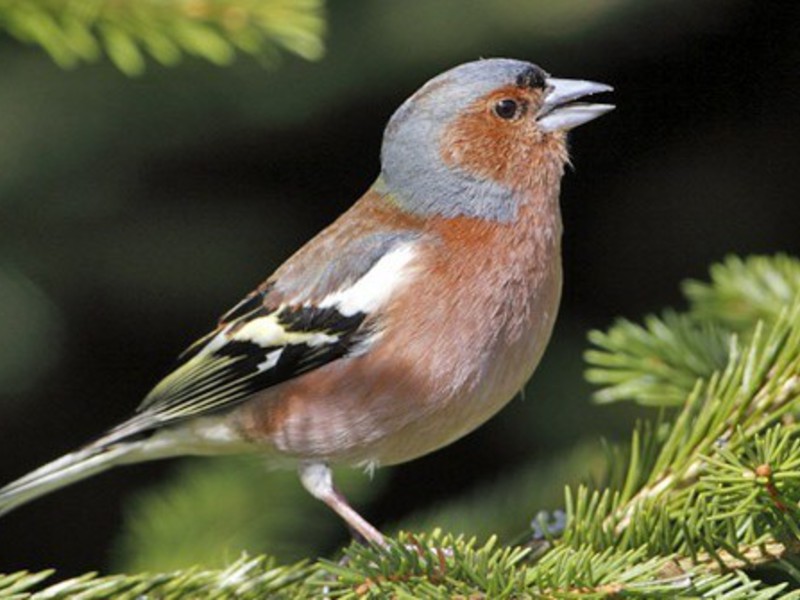
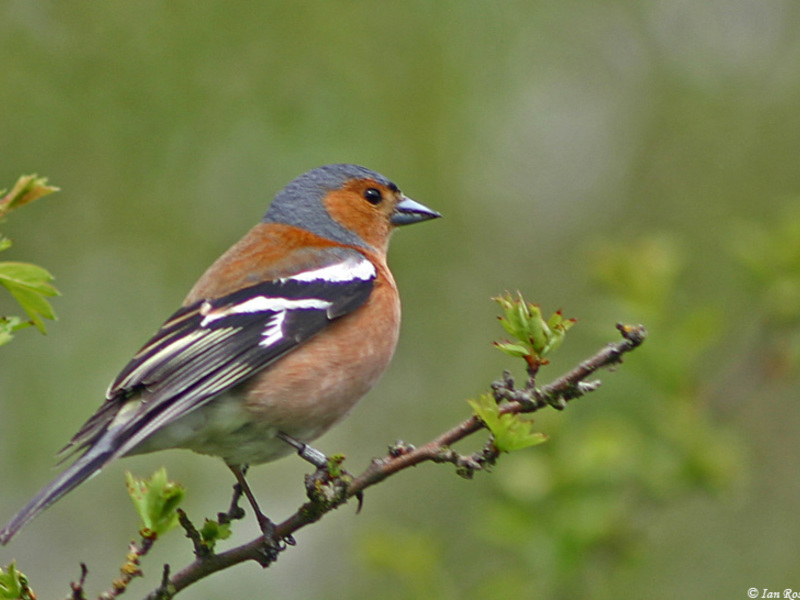
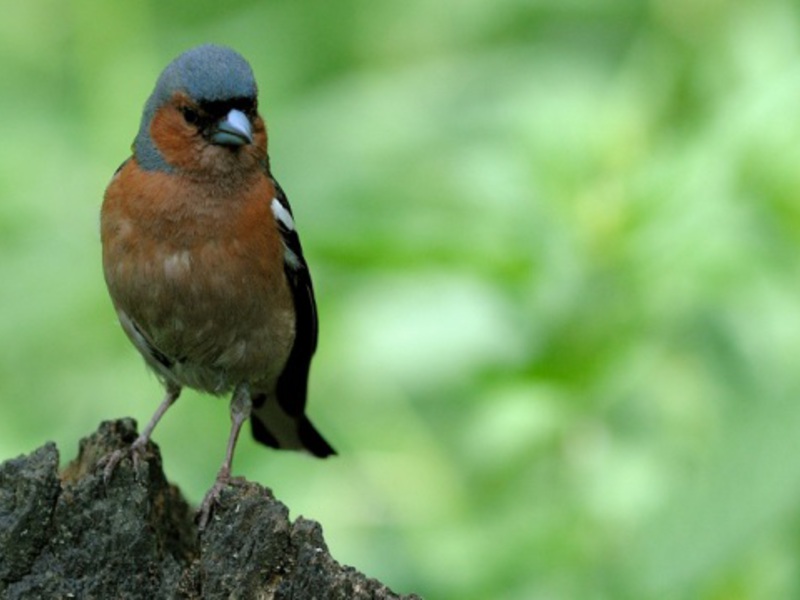
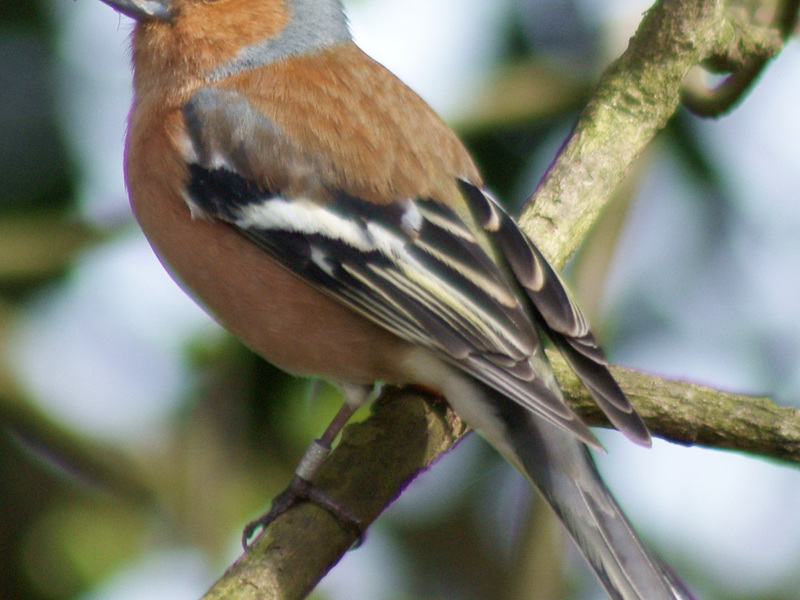
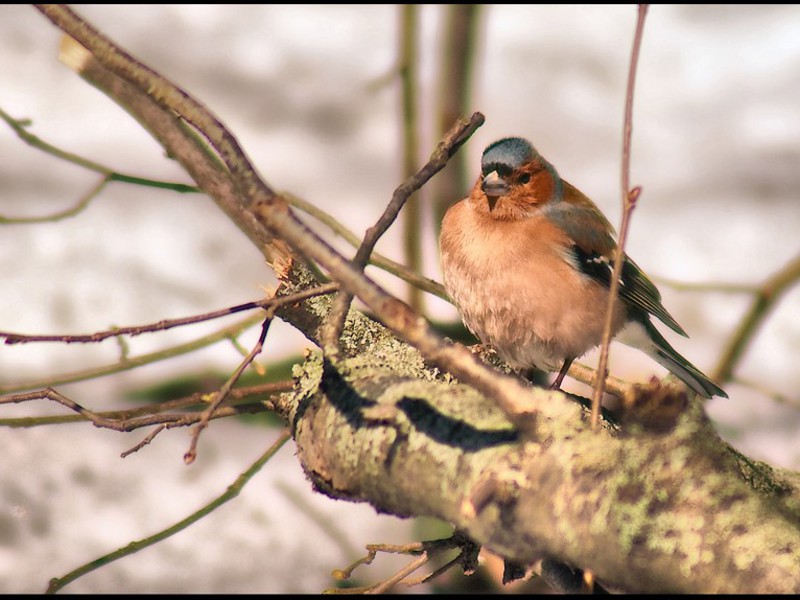
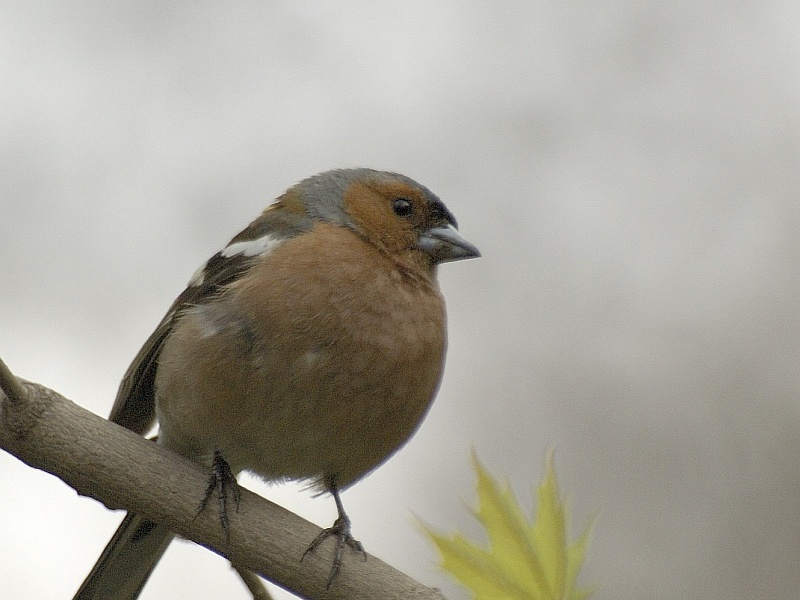
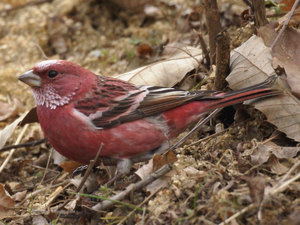
 Almost every Russian is familiar with the sparrow-sized chaffinch. Unlike its urban cousin, the chaffinch is easily spotted by its vibrant coloring. Males are particularly distinctive: they have a bright red chest, a greenish-brown back, and a blue head. Females are less distinctive, with a duller coloring. In the wild, their life cycle lasts no more than two years, but in captivity, chaffinches can live up to 12 years.
Bird's habitat
Chaffinch nests can be found throughout our country. They can also be found in North Africa, Asia, and Europe. They are truly unique creatures. Despite their small size, they easily fly long distancesBirds most often nest in forested areas, but they can also be found within urban areas. With global urbanization, some have begun to nest near people and benefit from this proximity. Therefore, these distinctive birds can be seen in ordinary parks and gardens.
A brief description of the finch's appearance
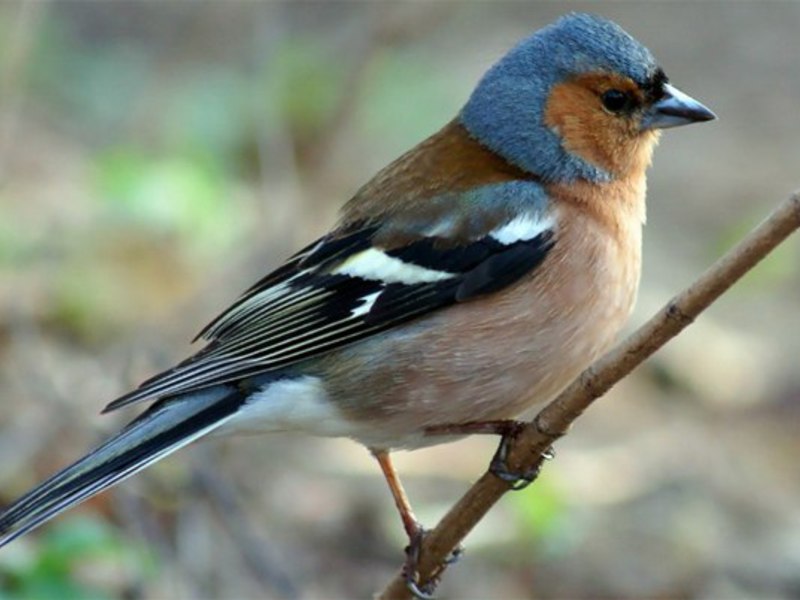
It's worth taking a close look at the birds' appearance. If you've seen a photo of a finch, you'll think it's little different from a sparrow. This is partly true. Males:
- small size;
- with a sharp grey beak;
- on the head there is a cap of bluish plumage with a grayish tint;
- There's a small rusty spot on the chest. The back is brick-red. Fun fact: the bill changes color with the seasons. In winter, it's brown, and in warmer weather, it's blue.
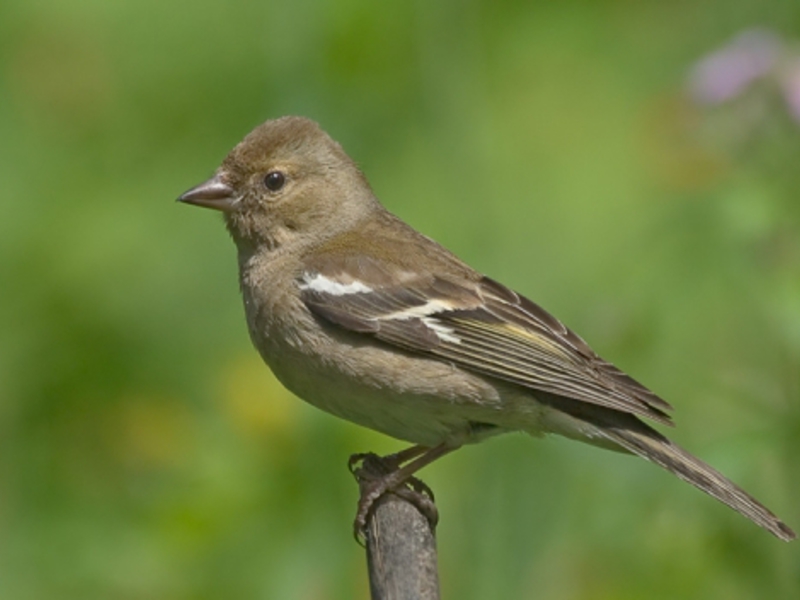
Female finches appear paler than males. A muted color scheme is necessary for brooding. In this case, the female blends in with the nest, making it difficult for predators to spot her. Therefore, their backs are dark brown, but their breasts are not much different.
Feeding the Chaffinch
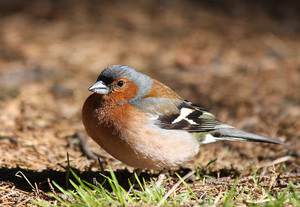 Since the chaffinch belongs to the finch family, its diet consists primarily of insects. This is especially noticeable during the mating season, which is from May to July. During this period finches eat only insects, as successful reproduction requires an abundance of protein. Incidentally, these small birds are of significant benefit to agriculture. They eat dangerous pests such as butterflies and beetles—in other words, those that actively damage human crops.
In rare cases, birds will switch to plant-based foods, such as seeds, fruits, and berries. Diet is the main challenge in keeping birds in captivity, as providing them with constant access to insects is extremely difficult.
Migratory season
In September birds they begin to fly away to warmer climesThis is especially true for flocks living in central Russia. Some birds living in the south have adapted to wintering locally and have adapted to them. Many flocks simply migrate to neighboring regions. But all of them return to their native lands.
Finch: Will or Captivity
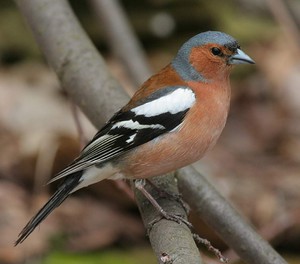 It used to be fashionable to keep a chaffinch at home. It became famous as a skilled singer, on par with the nightingale. It has been noted that birds in captivity live longer. A distinctive feature of the chaffinch is its slow adaptation to a new environment and the absence of song during this period. very impressionable, so they can get scared and die. Therefore, they are not very suitable for keeping in an apartment.
Artificial selection succeeded in producing a decorative finch. But even these birds sang only in the presence of a human, who remained completely still. As soon as a human moved, the bird would frantically thrash against the cage bars, injuring itself. Therefore, they were kept separately, each cage covered with a blanket. At night, when the bird woke up, it would also thrash against the cage. Due to its complex diet, the bird often became obese and developed eye problems.
Therefore, despite their beauty and singing abilities, such pets are not adapted to captivity.
In nature, finches breed during the warm season, making several clutches of eggsNests are built in May, and incubation takes two months. Therefore, birds often hatch two broods during a season. Males have been observed to be polygamous, fertilizing several females simultaneously. A clutch can contain up to eight eggs. The chicks leave the nest after approximately three weeks.
The birds' nests are also remarkable. They are small. Males cover them with lichen and moss to hide their families from predators. The color of their feathers allows females to blend perfectly with their surroundings, making them invisible.
Distinctive features of chicks:
- Fluff instead of feathers;
- A peculiar cap on the head;
- The first flight is attempted two weeks after hatching;
- Both parents feed the chicks: insects, most often bugs or caterpillars;
As you can see, there are many interesting specimens among small birds. Even at a small size, such a pet can capture your heart. But not all birds can be kept in captivity, no matter how much you'd like to keep a singer in your apartment. Therefore, It's better to choose parrots or canaries, since they are accustomed to being kept at home.
 midsummer Kupala
2 comments