Nature abounds with amazing birds with amusing names. But even familiar names can conceal many interesting facts. Let's take a look at how they earned their nicknames.
Wagtail
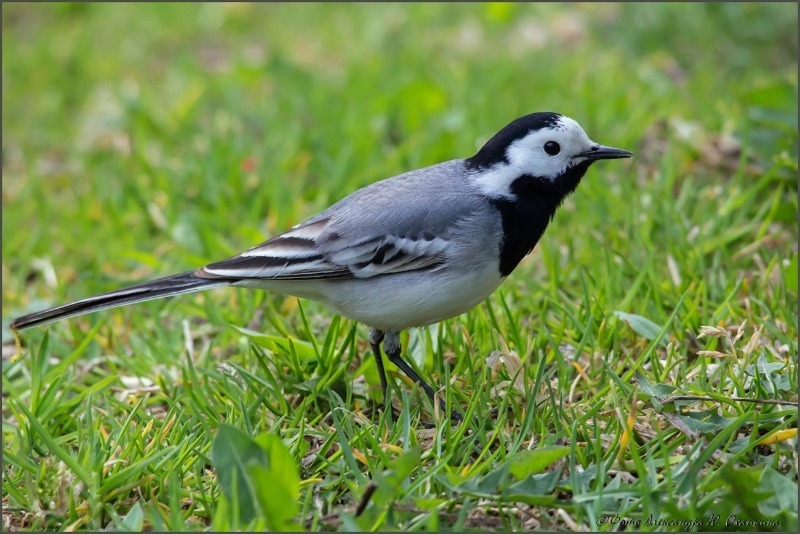
This small gray bird with a black bib and cap is often seen in both cities and rural areas. It's easily recognized by its long, thin tail, which it constantly wags. The hindquarters of its body were once called the "rump." This behavioral characteristic led to the bird's nickname, "wagtail."
But there is no exact answer as to why the bird makes shaking movements with its tail:
- Some ornithologists are inclined to think that this helps maintain balance.
- The feathers shake due to the bird's movements. These are involuntary movements.
- The wagtail feeds on flies, which it catches in the air. To flush them out of the grass and force them to take flight, the bird twitches its tail.
There's also a folktale explanation. Supposedly, a wagtail was assigned to the king to keep flies away from him. But its wings quickly grew tired. While the ruler slept, it began fanning him with its tail. The king noticed this and chased the wagtail away, even giving it a nickname.
In Rus', the wagtail was once also called the "icebreaker." The arrival of this bird coincided with the arrival of spring and the ice drift on the rivers. People said that the wagtail broke the ice with its tail.
Goldfinch
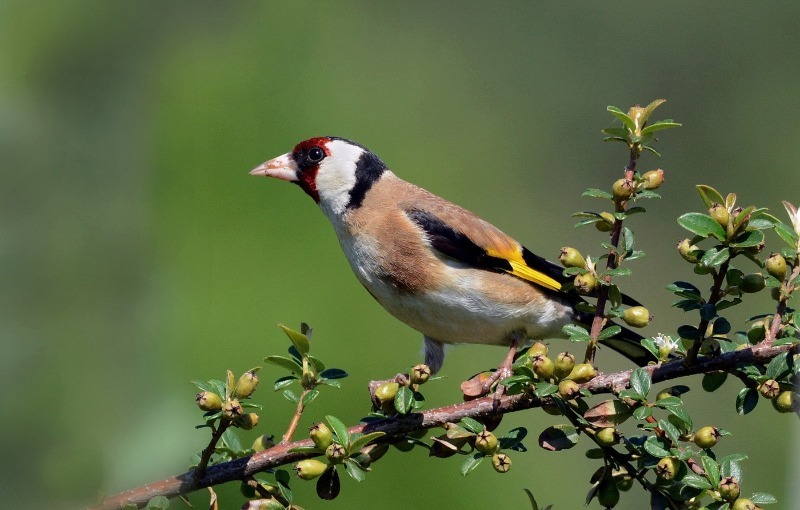
Bright yellow spots on black wings, a red edge around the beak, white cheeks, a black nape, and a brown back—this bird is a true "dandy" in the world of birds. A "dandy" is someone who loves to dress beautifully, fashionably, and brightly. The bird got its name from the variety of colors in its plumage.
The second hypothesis for the origin of the name stems from the bird's favorite delicacy. They are particularly fond of thistle seeds. In Latin, this plant is called carduus. It is from this word, in its Russian translation, that the name "goldfinch" may have originated.
Another version connects the word "goldfinch" with the nature of the sounds made by the feathered singer: "goldfinch-goldfinch".
Finch
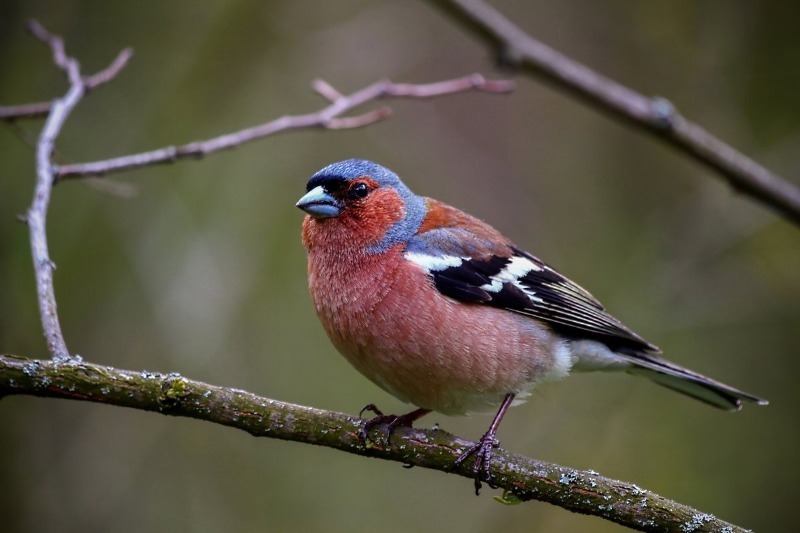
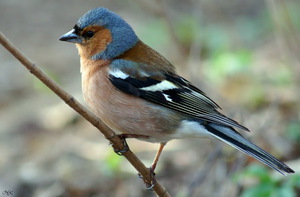
At first glance, the chaffinch resembles a sparrow. However, its head and part of its neck are grayish-blue, and its chest is tinged with light red.
The chaffinch wasn't named because it's always shivering. The bird isn't afraid of the cold. It returns from its wintering grounds early, when snow lies everywhere. And it's one of the last to fly away in the fall. So it wasn't named for its fear of the cold, but quite the opposite. It arrives when it's cold and chilly.
People believed in a sign: if a chaffinch sang, the cold weather would continue. In Latin, the chaffinch is called frigus, which is related to the word for "cold."
Bluethroat
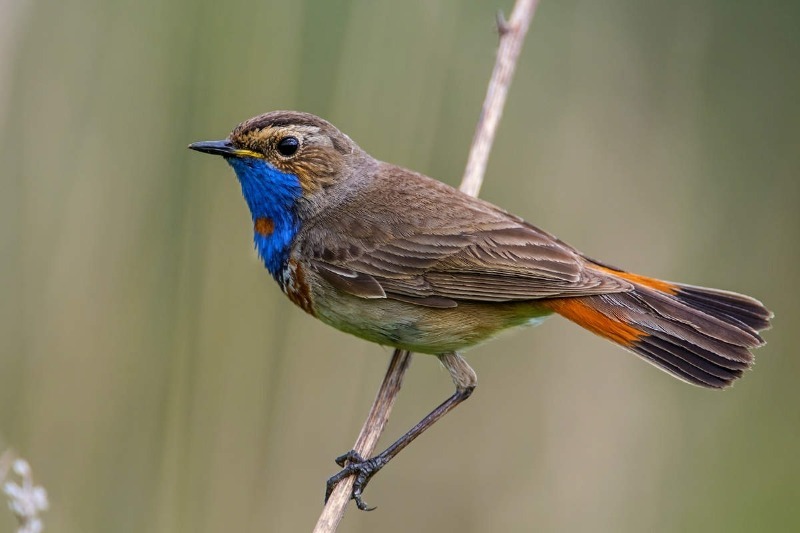
The bluethroat is captivating not only with its appearance but also with its song. The bird appears to have two brightly colored inverted fans, one on its chest. The bluethroat's plumage is multicolored—white, blue, and red. This tricolor is jokingly called the Russian standard-bearer. The second fan appears when the bluethroat fluffs out its tail, which has a dark stripe at the end.
The bluethroat's song is compared to that of the nightingale. Although not as varied as that of the famous bird, it is still striking in its beauty. Its song includes whistles, chirps, and clicks.
The bird's name has Old Slavic roots. The word "varakat" (to babble) meant "to chatter nonsense, to talk nonsense." This interpretation adds a touch of disdain to the trills of this beautiful feathered creature. This may be due to the rapid tempo of its song and the variety of nuances.
However, there is another verb—varakushiṭ—to mimic, to imitate, to imitate. This is closer to the truth, as experts recognize many borrowings in the bird's repertoire. It imitates those it hears in the surrounding area.
The third explanation is related to the repeated “varak-varak-varak” in the song, which some experts hear.
Dead end
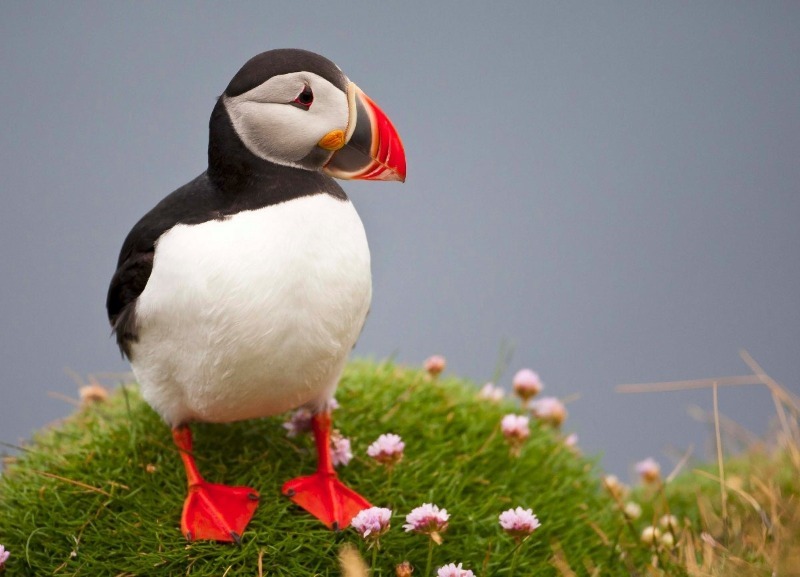
It's easy to understand where the puffin's name comes from. Just look at it. These birds have a massive beak with a blunt (rounded) tip.
The puffin has other names in different countries. In Latin, its name translates as "arctic monk." This refers to its habitat and the characteristic dark coloration on its back. The English call the bird "the fat one" because of its plumpness and clumsiness.
Nightjar
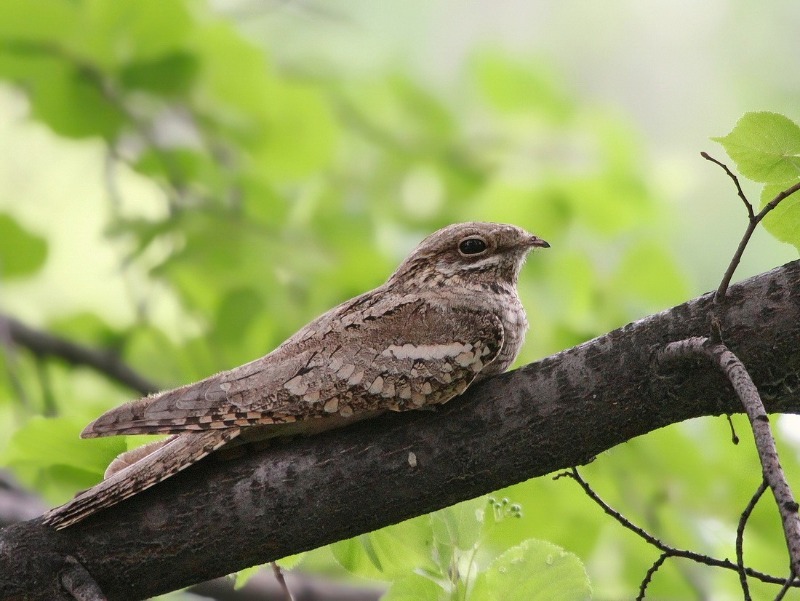
The Roman scholar Pliny the Elder nicknamed these birds "nightjars." He believed that the birds flying out from under goats and cows milked the animals.
In reality, it's much simpler. Many insects—horseflies, flies, and gadflies—fly around goats and cows, especially their udders. Nightjars are eager to feast on these. They quickly fly up, snatching the blood-sucking parasites in mid-air. Nightjars have thick hairs near their beaks. These serve as a net or scoop, catching the flies.
Cuckoo
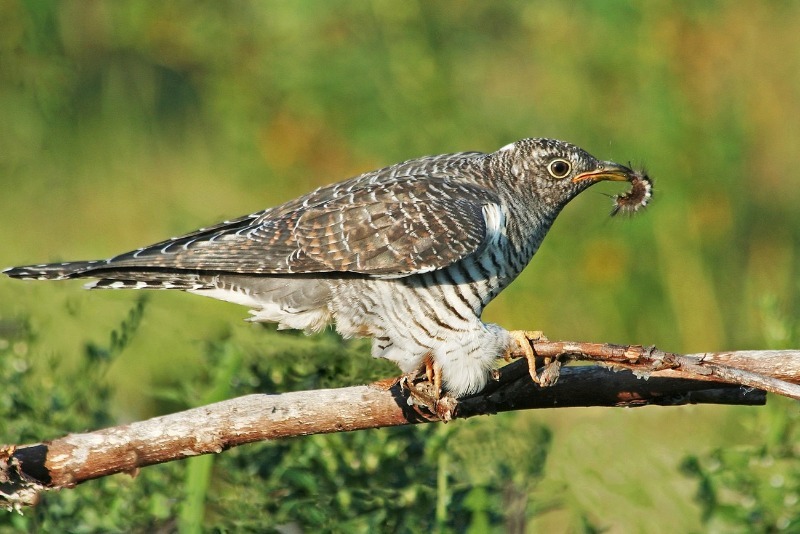
The cuckoo got its name from the peculiarity of its call. In groves and populated rural areas, its "cuckoo" can often be heard. But not everyone knows that only the male produces this sound. The female's "conversation" is more like a chuckle.
Tit
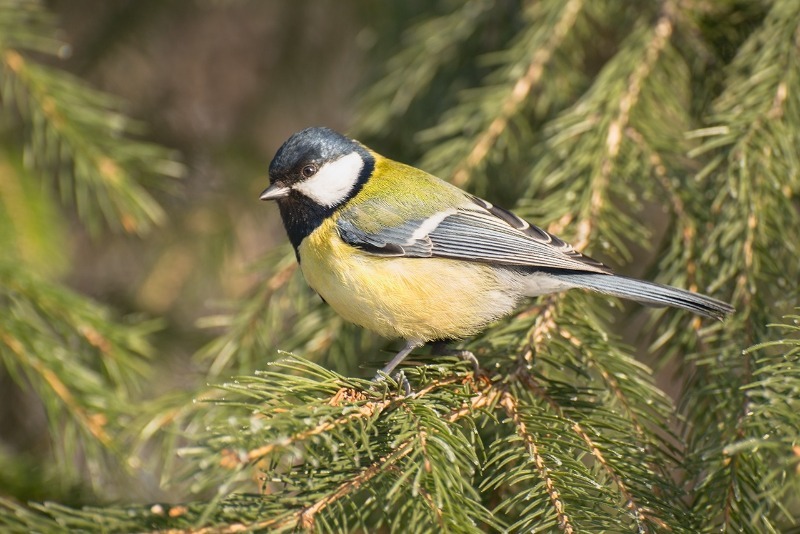
There are several versions about the origin of the tit's name:
- The name comes from the color of its plumage. At first glance, there's no blue in the bird's plumage. However, when exposed to sunlight, the black plumage on its head and tail takes on a bluish tint.
- The original name of the bird was "autumn tit", and then it was transformed into "titmouse".
- The bird was named for the sounds it makes. At first, people heard a "zin-zin" sound in its song, so they called it "zinitsa." Then the sound changed, and it became "sinitsa."
Woodpecker
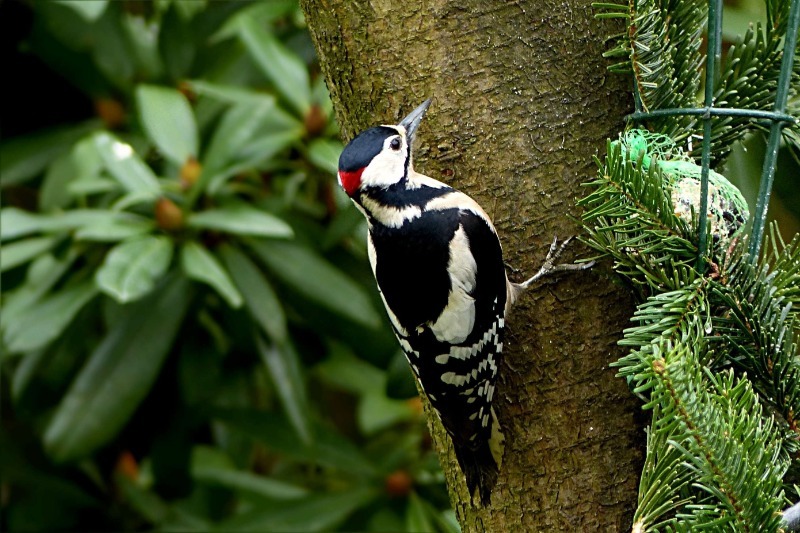
The woodpecker's habit of pecking at tree bark is the basis for its name. In Old Church Slavonic, it sounded slightly different—"delbtel"—but meant the same thing: a chisel. Over time, the word evolved to become "woodpecker." The word "doloto" (chisel) is proof of this. It is related to "woodpecker" and is also used for chiselling.
The woodpecker makes a drumming sound with its beak for a reason – it does this to search for beetles and larvae under the bark.
Toadstool
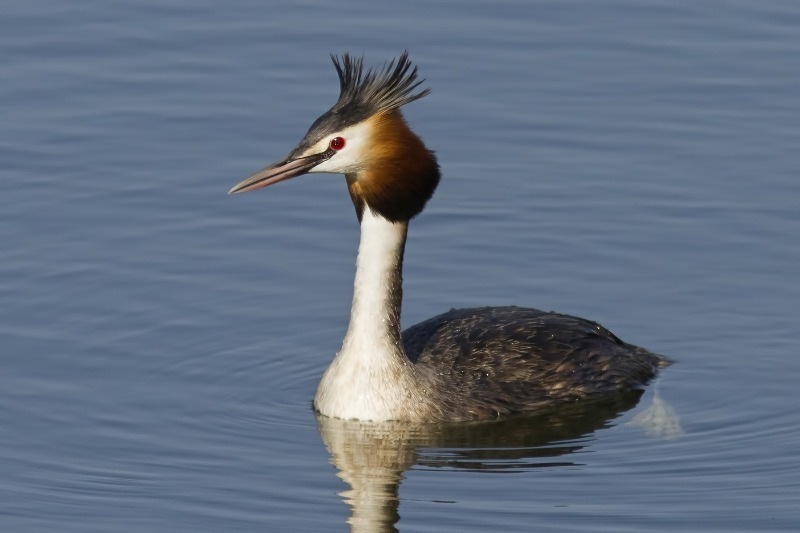
Grebe is a common name, but the literary name is grebe. They were named grebes because of their resemblance to a poisonous mushroom. These waterfowl have a round, dark head on a thin, gray neck—a resemblance very similar to a grebe.
According to another version, the meat of these birds is bitter, “filthy,” as they used to say.