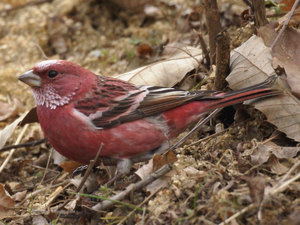
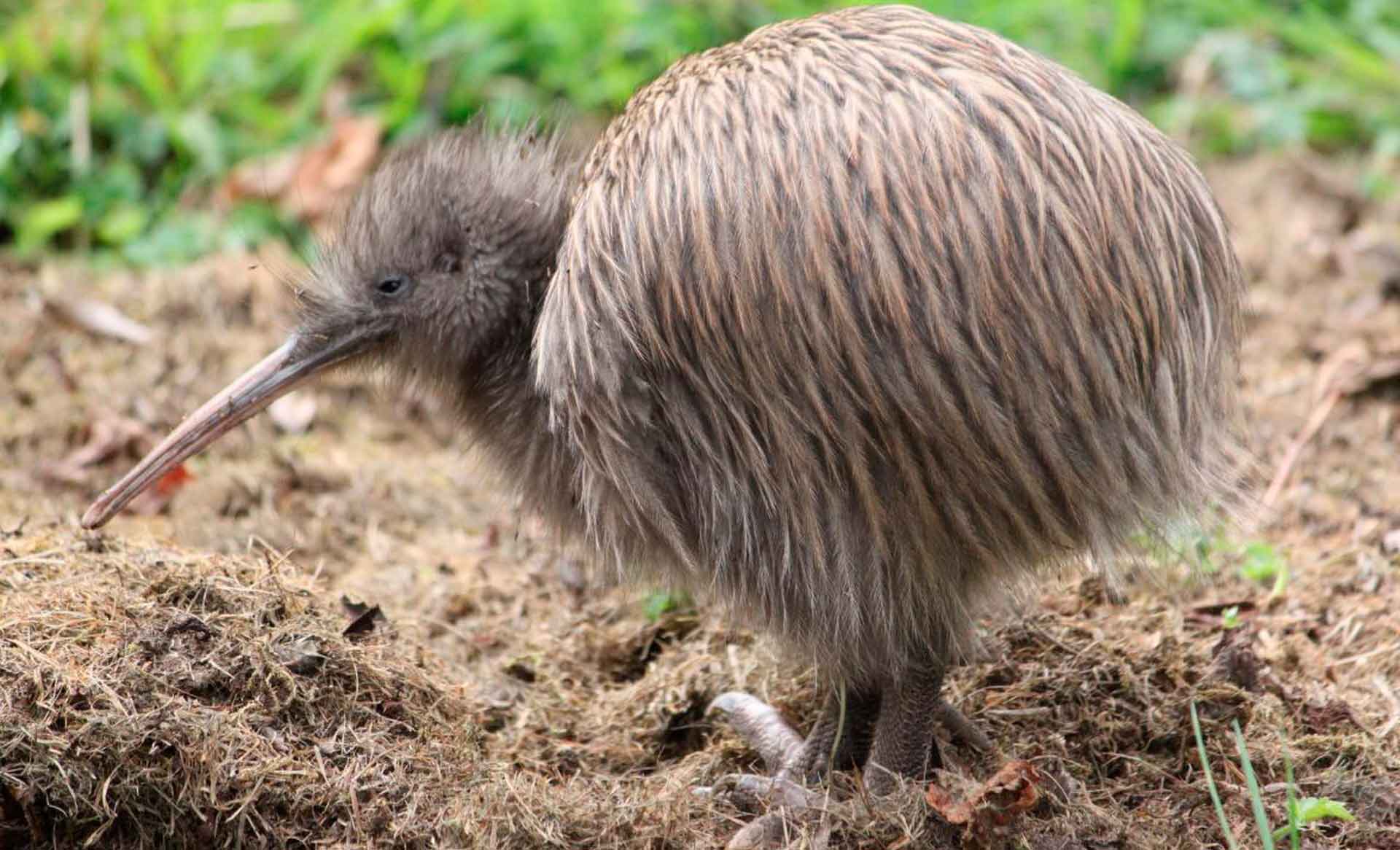
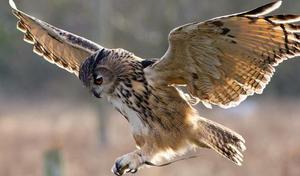
Birds are considered a symbol of lightness, kindness, and peace. However, some birds pose a danger not only to their own kind but also to humans. Therefore, it's best to avoid certain species.
Herring Gull
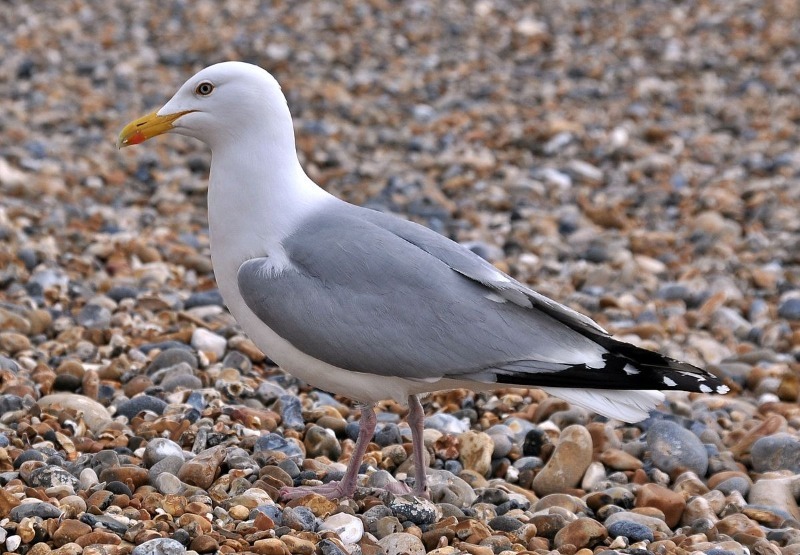
Seagulls are common at all seaside resorts, and many consider them harmless, despite being quite large birds. In fact, seagulls have become so accustomed to humans that they are completely unafraid of them. Moreover, they don't consider it shameful to attack tourists carrying food, especially in large flocks.
If a person accidentally stumbles upon a seagull's nest, the female can cause serious injury. Her beak is so powerful that it can leave a painful wound in soft tissue or even fracture a skull.
Crows
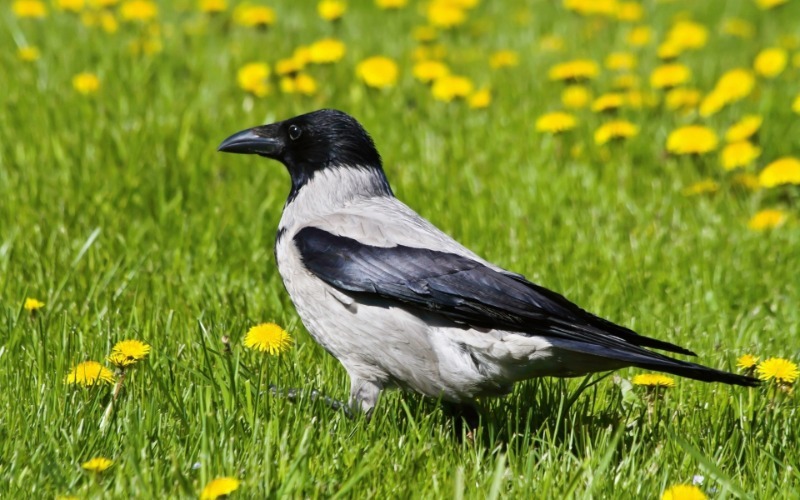
Crows are common inhabitants of cities, but they also pose a serious threat, primarily due to their highly developed intelligence. They are capable of attacking in large flocks, following a pre-planned pattern.
The media frequently reports crows attacking people. Their victims are usually children and the elderly, who are unable to defend themselves adequately. Crows have powerful beaks capable of inflicting serious injuries, so it's best to avoid flocks of these birds.
South American harpy
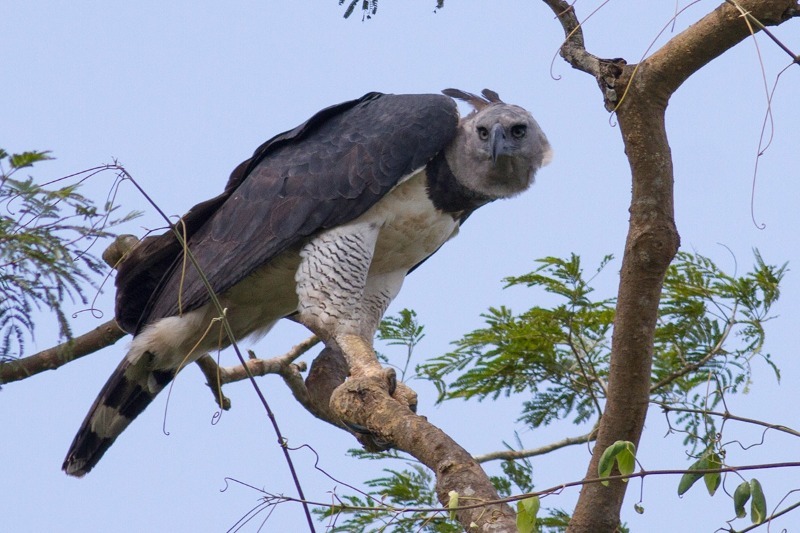
This bird's appearance alone makes it clear that its nature is far from peaceful. It is the strongest eagle in the world. Its body weight reaches 9 kg, and its talons are so sharp and powerful that they can pierce a skull with a single strike.
The South American harpy eagle is a feathered predator that typically hunts snakes and small animals. It does not attack humans first. However, if a human accidentally stumbles upon its nest, the female will defend its young with all her might.
Although the harpy eagle is considered an endangered species, attacks on humans are not uncommon, particularly on children, whom the birds perceive as easy prey.
Emu
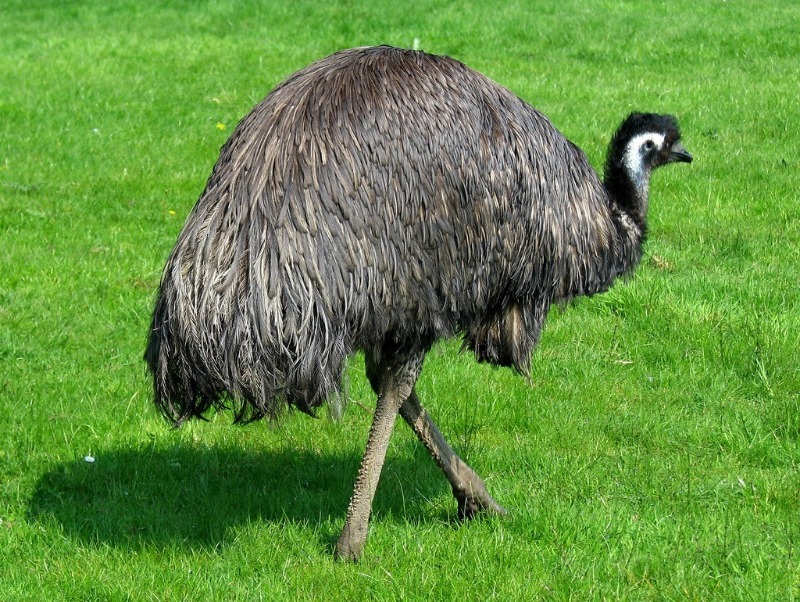
The emu is an Australian species of ostrich. It grows up to 190 cm tall and weighs up to 70 kg. Its main danger lies in its strong legs and sharp claws. These can easily break through a metal fence or inflict a crushing blow on a person.
In most cases, emus are harmless and don't attack people first. However, if the bird becomes hungry and thirsty, it may enter a house. If it encounters a person along the way, the emu can cause serious harm.
Cassowary
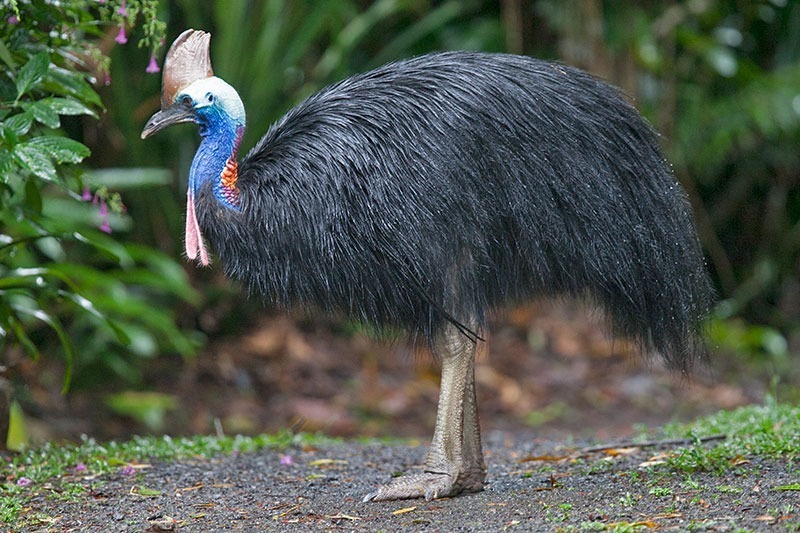
This bird is the second largest in the world after the African ostrich. They have long, strong legs, and one toe has a long claw. It can easily rip open a hand or rip open a stomach. But the main danger is that the cassowary has a very hot-tempered and unpredictable nature.
In the wild, this dangerous bird is found in Australia and New Guinea. A single blow can kill an adult. Cassowaries' victims are usually New Guinea natives and zookeepers who care for the birds.
African crowned eagle
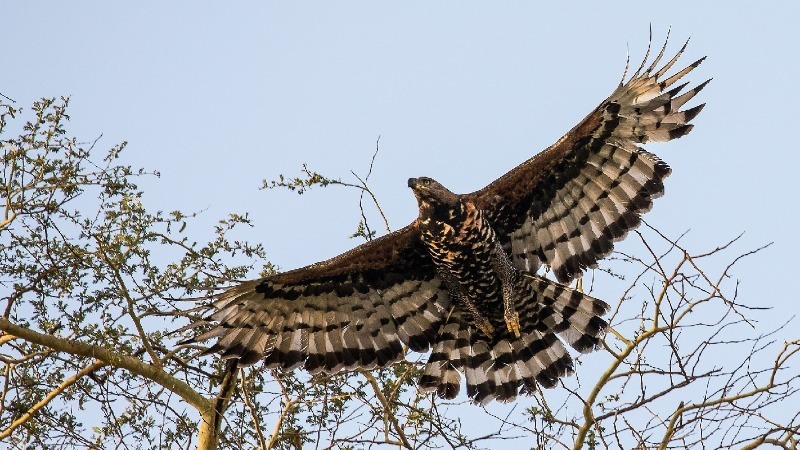
This is a distant relative of the South American harpy eagle. Despite its relatively small weight (around 5 kg), it has very long and sharp claws, which it uses to securely grasp prey and carry it over impressive distances.
Crowned eagles primarily feed on monkeys, but they often take small antelopes as well. But the most horrifying fact is that these birds often attack children. A child's skull was once found in the nest of such an eagle. There was also a recorded attack on a 7-year-old boy. The eagle inflicted severe injuries, and if not for the intervention of a bystander, the child would have died.
Blue-headed Ifrit
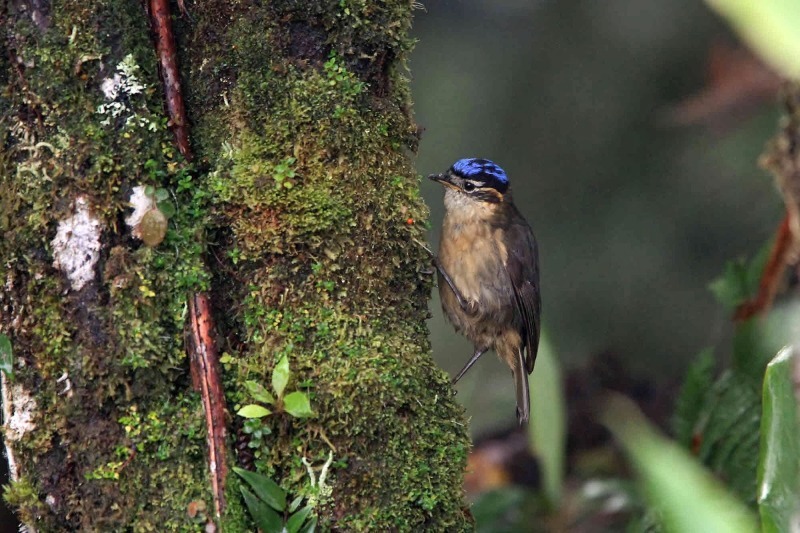
Not all birds pose a danger due to their strength or sharp claws. Some avian species are poisonous. One such species is the blue-headed argali. It feeds on certain insects, which infuse its body with toxins.
The poison isn't dangerous to the bird itself, but if handled, the toxins will be absorbed through the feathers. This causes numbness in the limbs, and if the bird isn't released, it can cause severe poisoning.