 No other bird in the world has been dedicated to so many poems as the nightingale. It impresses with its powerful voice and the diversity of its repertoire. This extraordinary singer's talent is surprisingly at odds with its plain appearance. The nightingale is not a beauty, but its voice is marvelous and always heralds the arrival of spring and the revival of nature, which brightens the soul.
Where does the bird live?
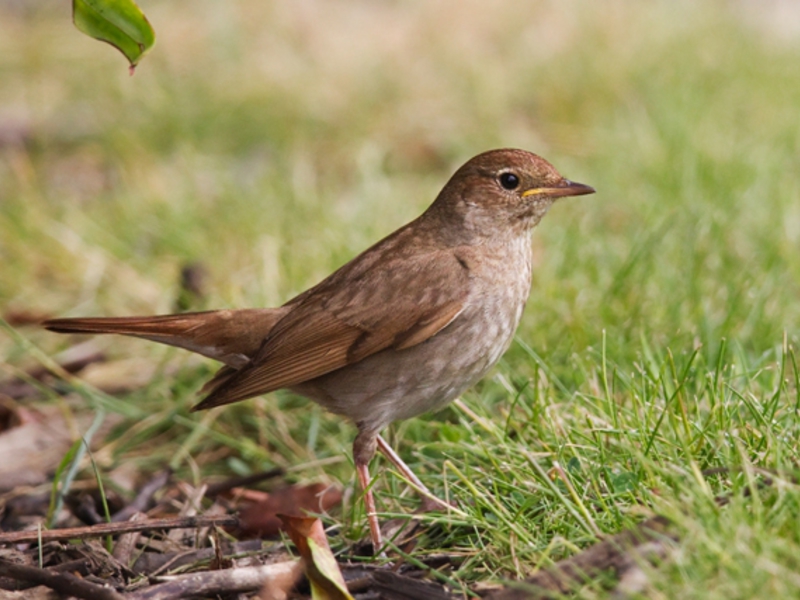
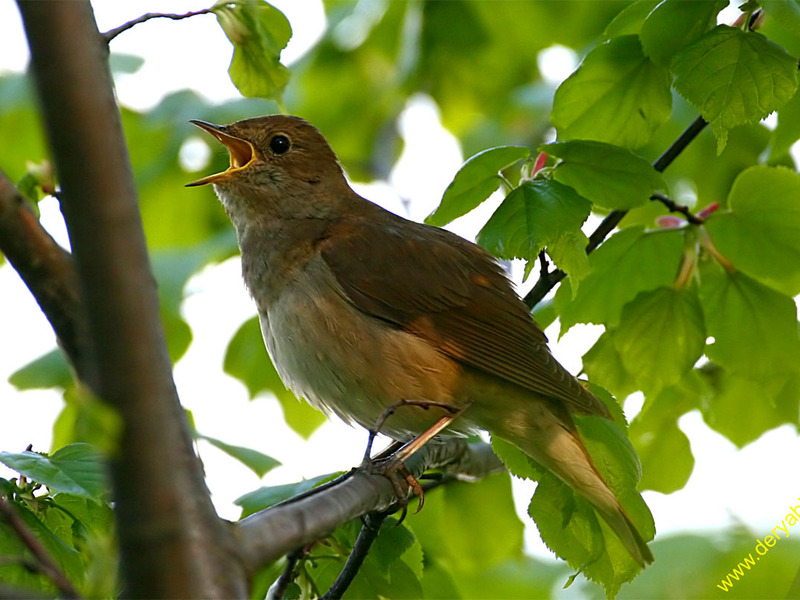
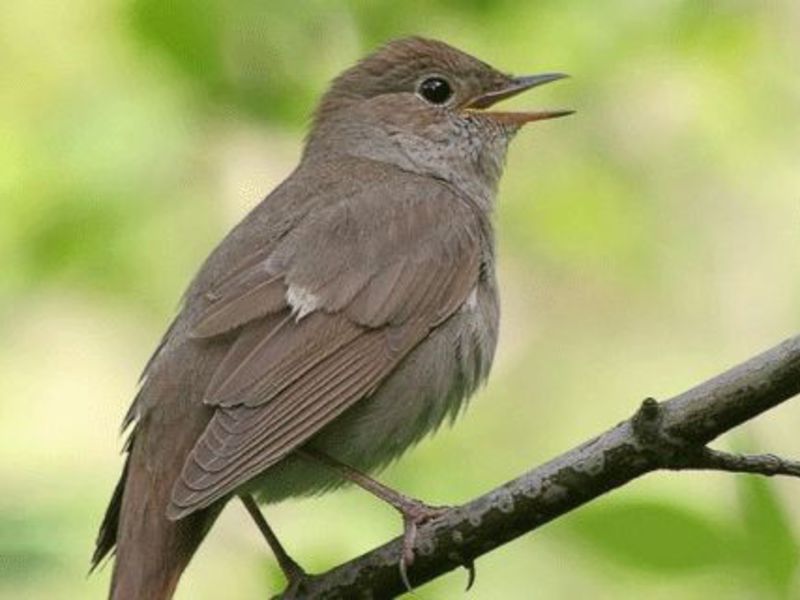
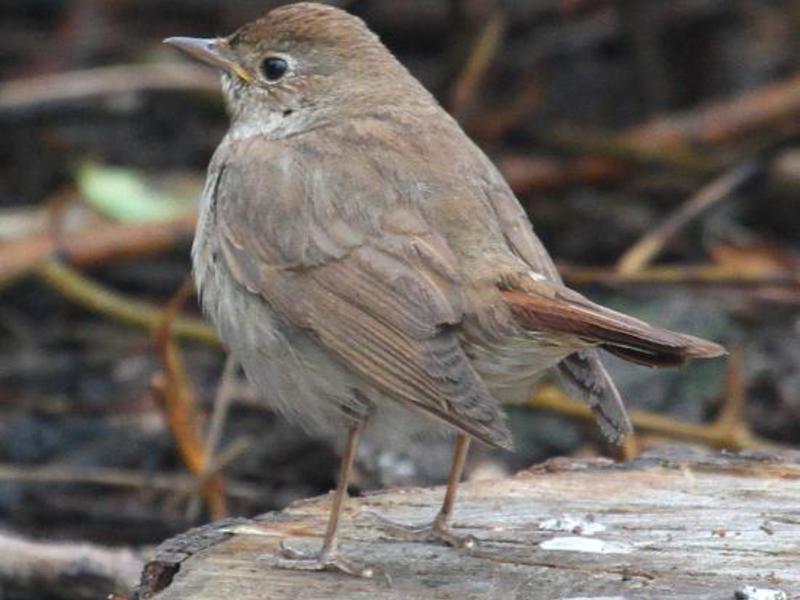
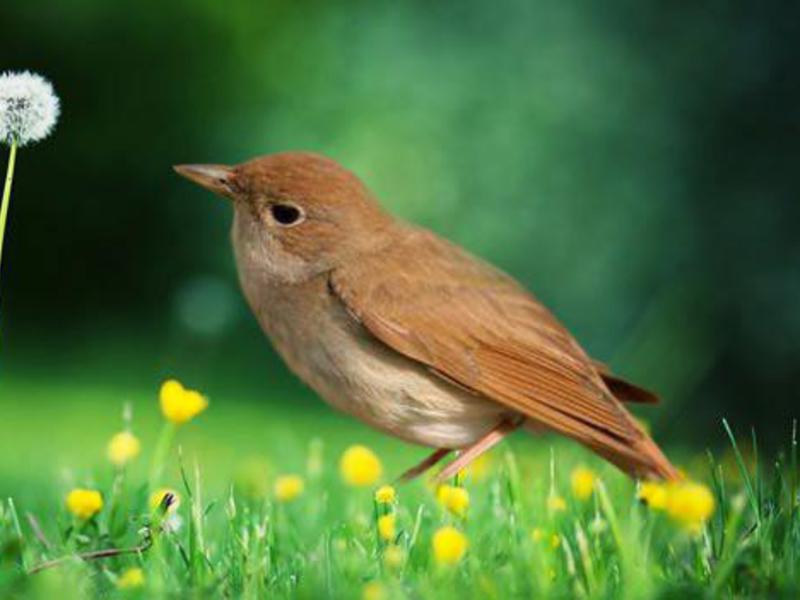
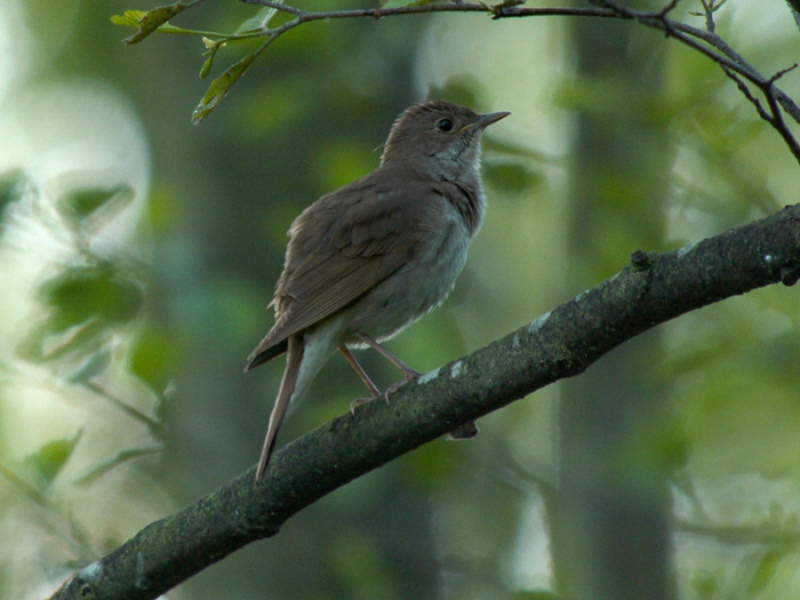
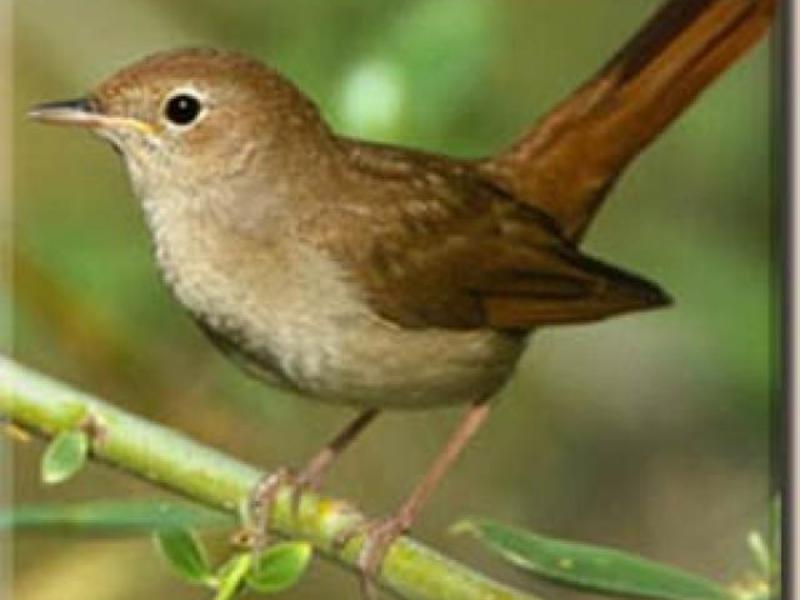
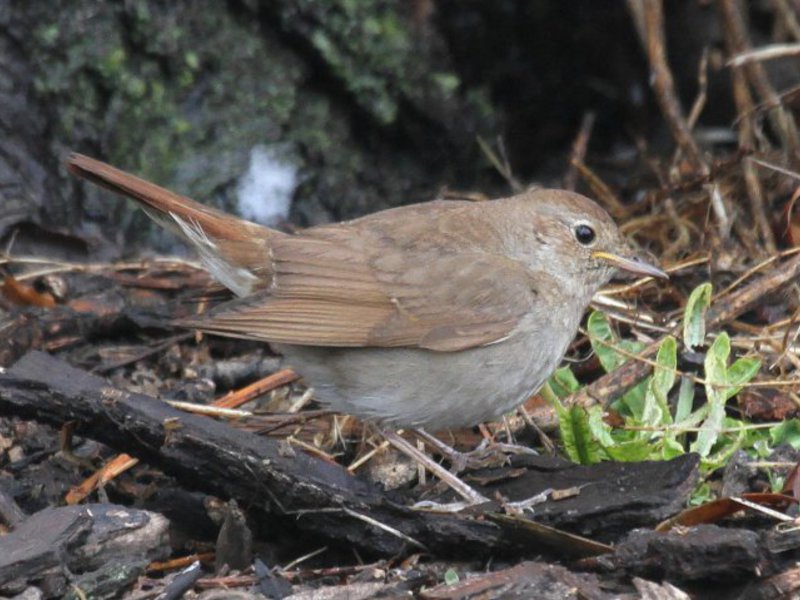
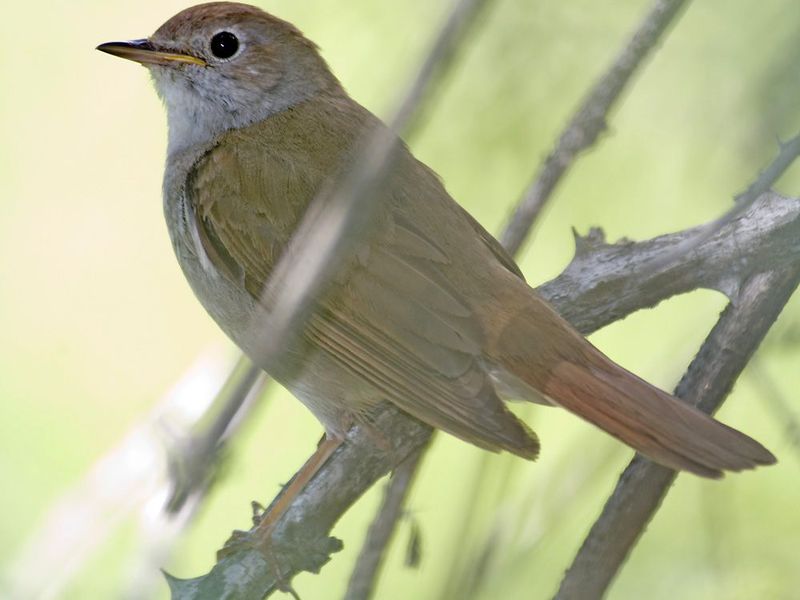
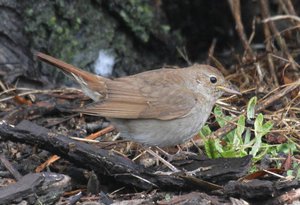
There are 13 species in the wild.Of these, the two most common are the southern nightingale, which is native to Africa, Asia, and Europe, and the common nightingale, or eastern nightingale, which is native to eastern Europe and western Siberia. The nightingale is migratory, wintering in southern Iran, Arabia, and northern Africa. It returns home in April, when the trees begin to leaf out and insects emerge. The photo shows what the bird looks like.
Interestingly, males return to their homeland before females to search for a suitable territory. After finding it, they announce it with a ringing song.
Characteristic
This bird has the following characteristics:
 The nightingale is slightly larger than the sparrow, as evidenced by its size - 18 cm and weight - 25 g.
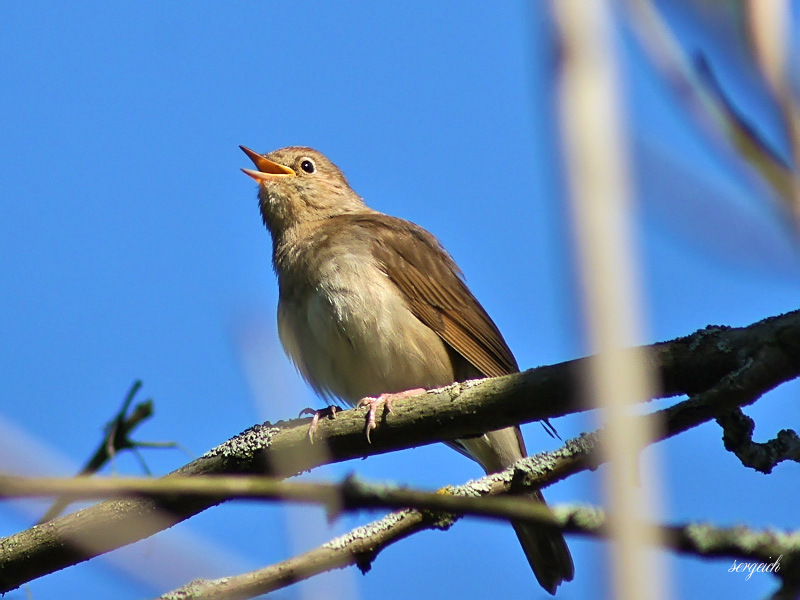
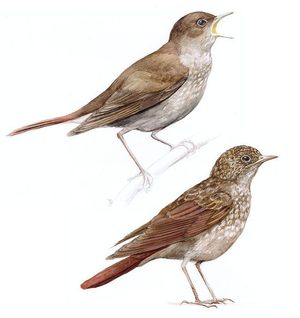
- He has a nondescript appearance, and looking at him, you'd never guess that you're looking at one of nature's finest singers. His plumage is usually chocolate-brown with gray flecks. Against this backdrop, his large black eyes pierce.
- This unattractive appearance doesn't bother the songbird at all, as it allows it to hide from enemies in dense undergrowth. This bird is cautious and secretive, living alone.
- The nightingale begins to perform its trills literally a week after returning home, and it sings every night through.
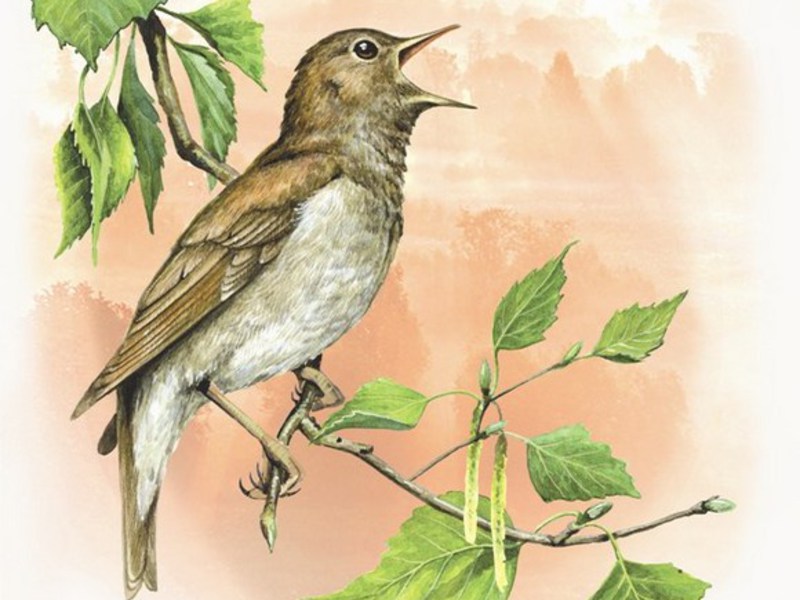
- His repertoire is extensive, with 12 song styles, which he alternates or repeats. His songs can be in either major or minor keys, depending on his mood. He can also use his special song to warn of danger, as if sounding an alarm.
- This artist's concerts last for hours. The nightingale assumes a comfortable position—perching on a low branch, hunching slightly, wings drooping slightly, tail raised—and begins to sing.
- Interestingly, young individuals learn singing skills from older, already experienced singers, imitating their creativity.
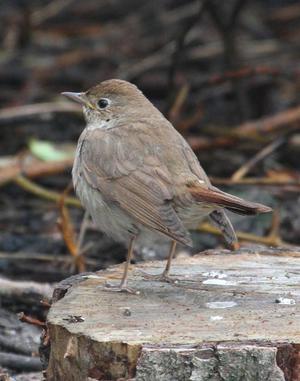 The nightingale is slightly larger than the sparrow, as evidenced by its size - 18 cm and weight - 25 g.
Nutrition
At night the nightingale sings trills, and searches for food during the dayIt rakes leaves on the ground, removing bugs, worms, caterpillars, and other small creatures. It can even catch prey in flight, possessing sufficient dexterity for this. In summer, the nightingale's diet includes various ripe berries and fruits, with a particular fondness for elderberries. As autumn approaches, it begins to store up fat, as it faces the long migration to its wintering grounds.
The nightingale is of great benefit to nature, saving plants from destruction. Its diet consists primarily of insect pests that destroy trees by eating bark and leaves.
Reproduction and nesting
 After the females arrive, it's time for mating. Males attract the females with the beauty of their songs, competing with each other in skill. Sometimes pairs stay with each other for two yearsHiding deep in the bushes, the male flapped his wings and tail until she deigned to let him approach. After mating, the male went in search of food, and the female began building the nest.
Nightingales prefer dense grass or thickets of bushes as their habitat, providing shelter from intruders. The branches of bushes or trees serve not only as a stage for the performer's performances but also as an excellent observation post from which to spot approaching danger. Shady areas with fallen leaves are essential nearby, as insects can be easily found among the dense foliage.
Nightingale also prefers damp places, so it primarily inhabits river valleys and marshy areas—both standing and running water are suitable. Nightingales can often be seen in sprawling parks and gardens.
Nest building is a true art. It's cup-shaped, made from dried leaves left over from the previous year, and the female lines the inside with dry, thin grass blades and twigs. It's built on the ground or low in the bushes.
Soon she begins laying eggs. A clutch consists of 4-6 olive-brown eggs, each about 2 cm in diameter. The female begins laying eggs in late May or early June, incubating them for about 15 days, and the chicks hatch by the end of June. The chicks grow and strengthen throughout the summer, and at the end of September, the entire family sets out on a long journey, returning home again in the spring.
Enemies of the Nightingale
The natural enemies of the nightingale are:
- owls,
- martens,
- small predatory representatives of the feline family.
 The nightingale's relationship with humans is ambiguous: on the one hand, its song is listened to and admired, but on the other, it is captured, kept in captivity, deforested, and polluted, which inevitably impacts its numbers. can only last 2-3 years, while in the wild, it lives for about 12 years. Therefore, it's worth considering whether it's worth keeping a nightingale at home and tormenting the bird in a cage, especially since it's unassuming and unlikely to sing in such a depressing environment. It's better to go outdoors and admire its concerts at its home.
So, we found out that the nightingale is a migratory bird, for the winter she flies away to warmer climes, and in the spring she returns to her native land.