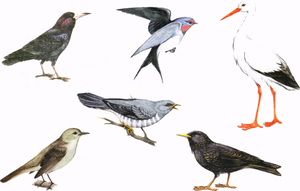
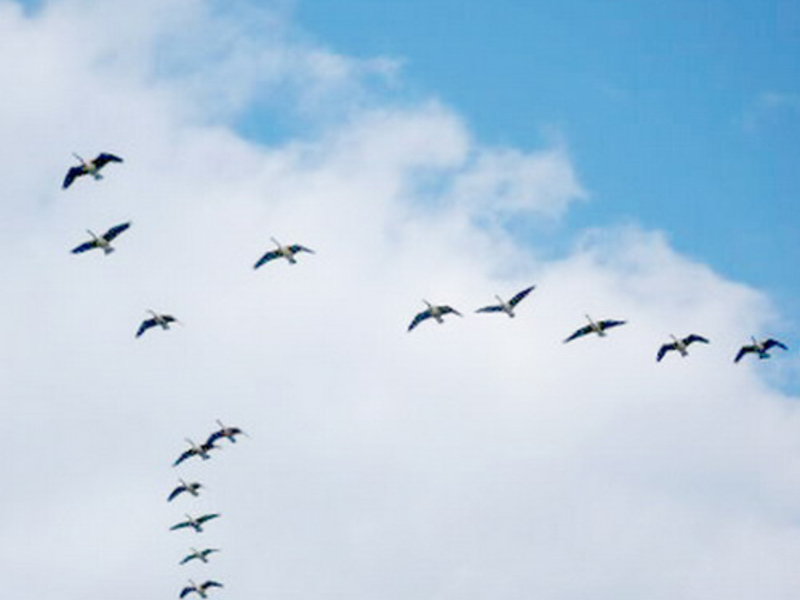
 Not all regions offer favorable living conditions for birds year-round. Sometimes food becomes scarce or the environment deteriorates, forcing them to migrate to warmer climates. Some bird species make such migrations due to breeding habits.
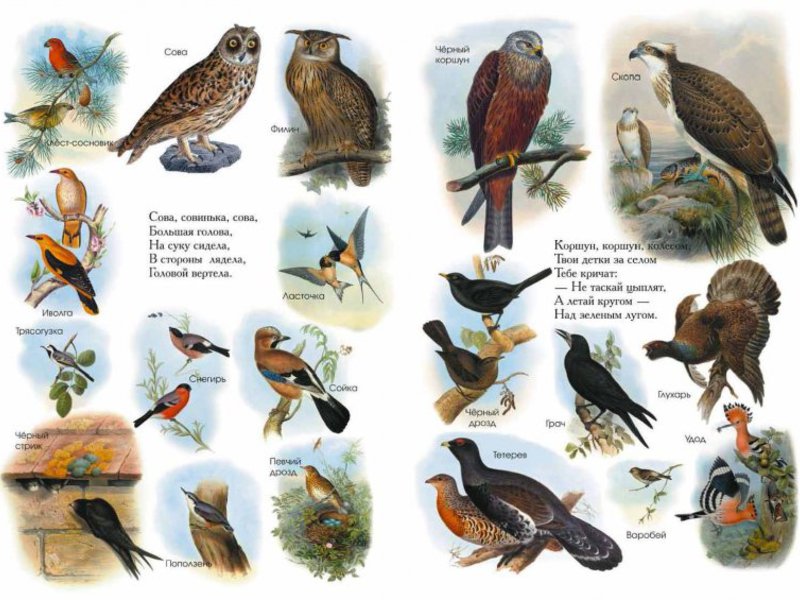
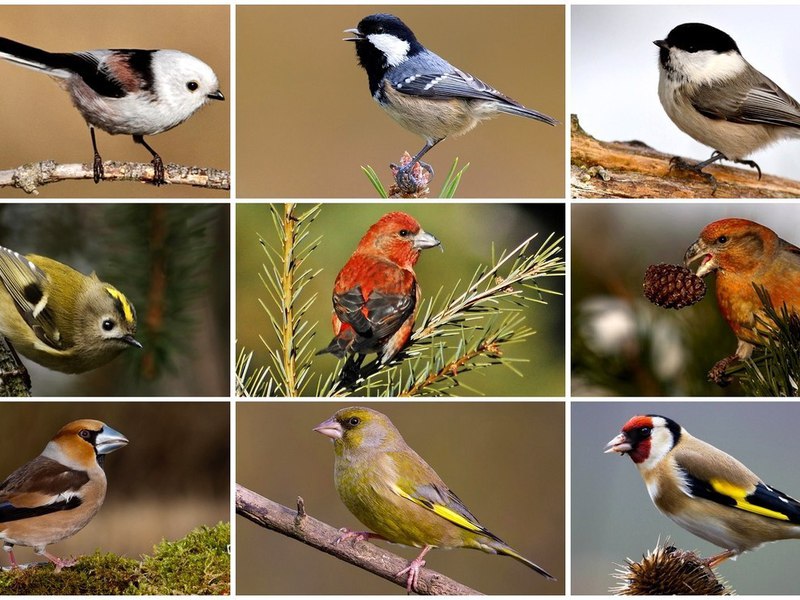
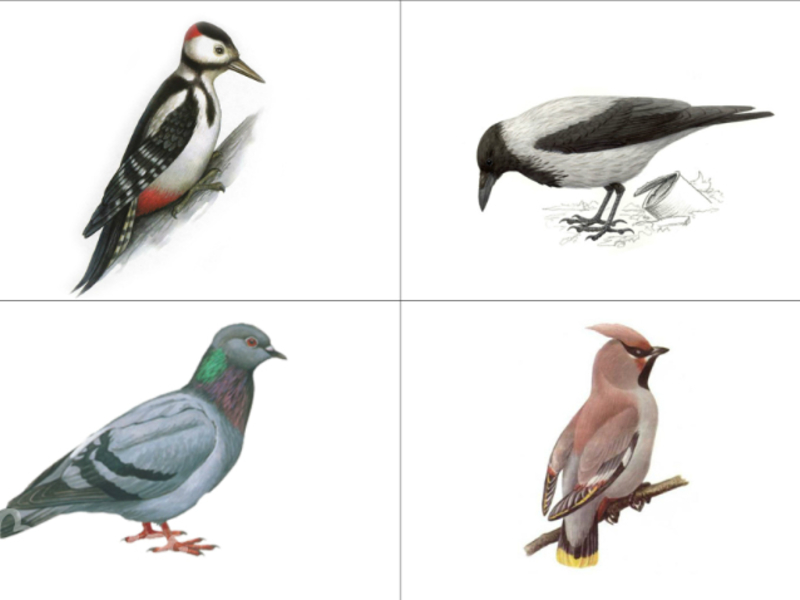
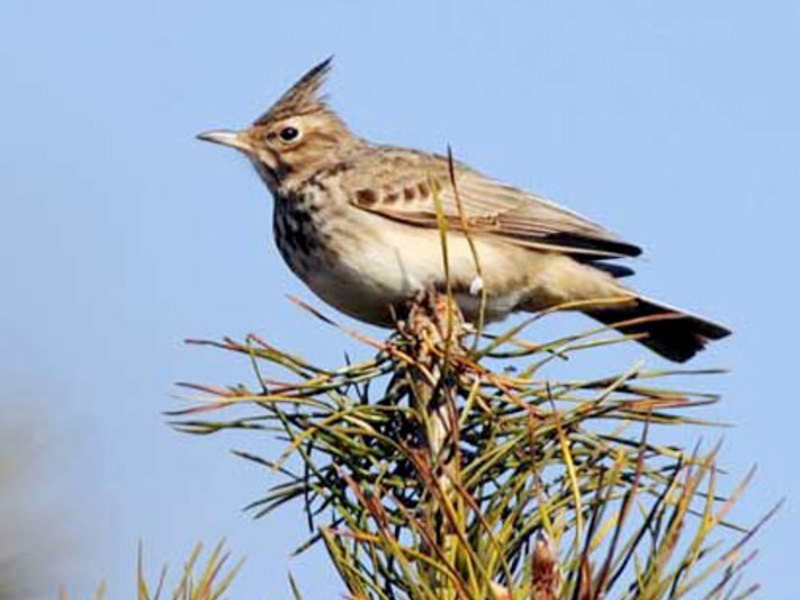
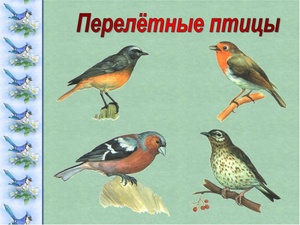
Their natural tendency is to constantly migrate, which makes them unique. There are many types of birds, and to help children remember them, pictures of these creatures are provided below. These pictures will help children remember migratory birds and identify which ones are accustomed to migrating to warmer climates for the winter, and which can withstand harsh conditions in their homeland.
Famous migratory birds and their names
The main characteristic of migratory birds is that with the onset of winter they are going to warmer climesThey do this not of their own free will, but because of their nature. They are warm-blooded creatures that can survive even in winter. However, due to changing weather conditions, not all of them can obtain sufficient food during the winter. During this time of year, the earth's surface is covered with a crust of ice, and the birds require much more food than during the warmer months, as they require more energy to maintain the necessary body temperature. Therefore, to survive, they are forced to migrate to warmer climates for the winter.
The following birds adhere to this lifestyle:
- oriole;
- song thrush;
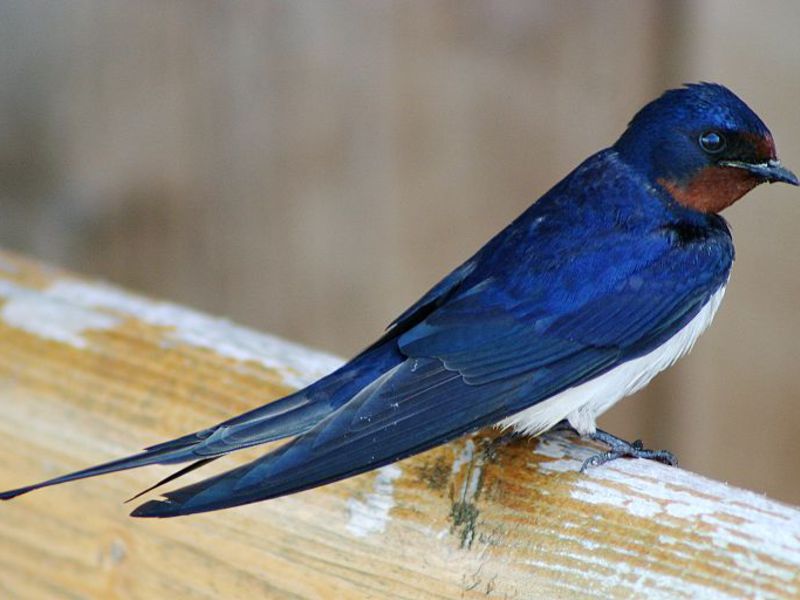
- martin;
- robin;
- black-headed warbler, etc.
However, in Ukraine you can meet not only migratory birds, but also sedentary and nomadic birdsWhile the former are accustomed to spending the winter in their homeland, the latter may leave it if the approaching season is expected to be too harsh for them.
Description of some migratory birds
To make it easier for children to navigate migratory birds, we will list the most famous of them, supplementing them with pictures for children.
Rook
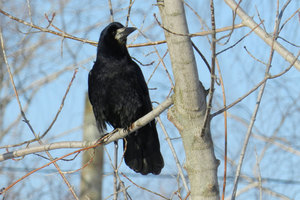 There are a great many migratory birds, but among them, the rook deserves special attention not because of any physiological characteristics, but because of the arrival of these birds. means the imminent arrival of springThese sky dwellers typically appear as early as mid-March. They begin to flock to warmer climates in late autumn – late October to early November.
Most people have a poor idea of what kind of bird a rook is. In fact, the rook is more than worthy of attention. It can imitate human speech, so many people treat him with great respect.
- Adults typically reach 45 cm in length and weigh around 310-490 g.
- In appearance, this bird can easily be mistaken for a crow, but it still has a difference - it is more slender, and the color of its plumage contains not only black paint, but also a purple tint.
- The rook has a rather thin, straight beak. Nature has given it this characteristic for a reason, as it makes it much easier to obtain food from hard-to-reach places.
- It should be noted that rooks can feed on a wide variety of foods, including earthworms, rodents, etc.
Martin
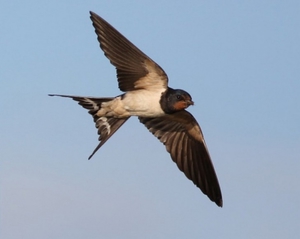 Seeing this small and fragile bird for the first time, either in person or in a picture, most children might doubt that it can cover long distances. However, it copes with this task successfully. Moreover, it easily flies twice a yearHowever, this does not mean that this process is happening without incident for her.
Not all of the sky's inhabitants can reach their destination. Sometimes, the weakest individuals perish, and in some cases, such a tragic outcome can befall the entire flock if difficulties arise. adverse weather conditions.
- Studying this bird, one can notice its perfect appearance. Its elongated wings and distinct tail are proof of this.
- Unlike other birds, the swallow is used to spending all its time in the sky, so it is almost impossible to meet it on the ground.
- Considering that the sky is her main habitat, she carries out all the necessary processes here - sleeps, and sometimes mates.
Swallows are a fairly numerous species of migratory birds. Zoologists know about the existence of approximately 120 speciesAmong their characteristics, it's worth noting their ability to quickly adapt to new conditions. Because of this, swallows inhabit a wide variety of locations on the planet, with the exception of Australia and Antarctica. These avian inhabitants feed exclusively on insects, which they gather from underground or in tree bark.
Nightingale
After examining these two inhabitants of the sky, it becomes clear that each migratory bird has its own unique characteristics. Although the list of migratory birds is quite extensive, it cannot ignore the nightingale, known to all as an excellent singer.
Singing brings pleasure to the bird itself, as at such moments it forgets any dangers that threaten it. While performing this concert, it lowers its wings and emits a pleasant trill.
But the nightingale can delight with its songs only until autumnAs temperatures drop, the nightingale prepares to leave its homeland and head for North Africa. But in the spring, it returns again. The chances of seeing a nightingale are highest in mid-April, as this is when the first insects emerge.
The bird knows this and tries to return to its homeland by this time. The bird itself is quite small, weighing about 25 grams. However, it has a rather interesting appearance—its coloring is dark with a brownish-gray tint. All these features make it very petite and attractive. However, seeing such a small bird, it's hard to imagine it capable of long-distance migration.
Conclusion
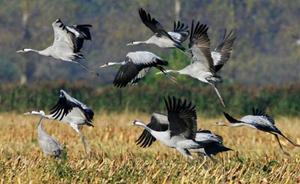 Birds inhabit a wide variety of continents and countries, but not all of them remain in their native habitats year-round. Among them are also migratory birds that can only feel comfortable during the warmer months, when they can get food for yourself without any problemsBut as autumn approaches, they begin to flock to warmer climes. This is nothing unusual, as they return with the arrival of spring.
Unfortunately, not all of them are capable of withstanding long flights. However, there are species among them, such as the swallow, which, despite its small size, can withstand such a significant load.
 Igor
Igor
1 comment