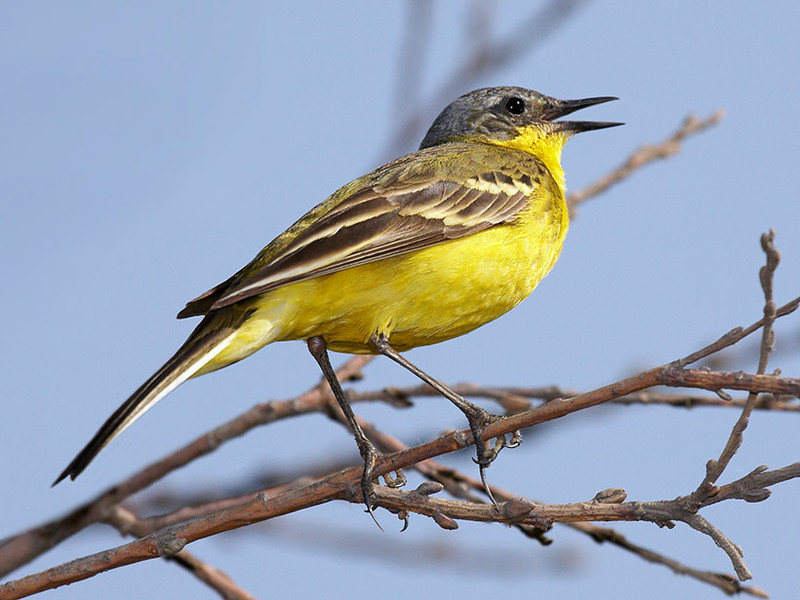
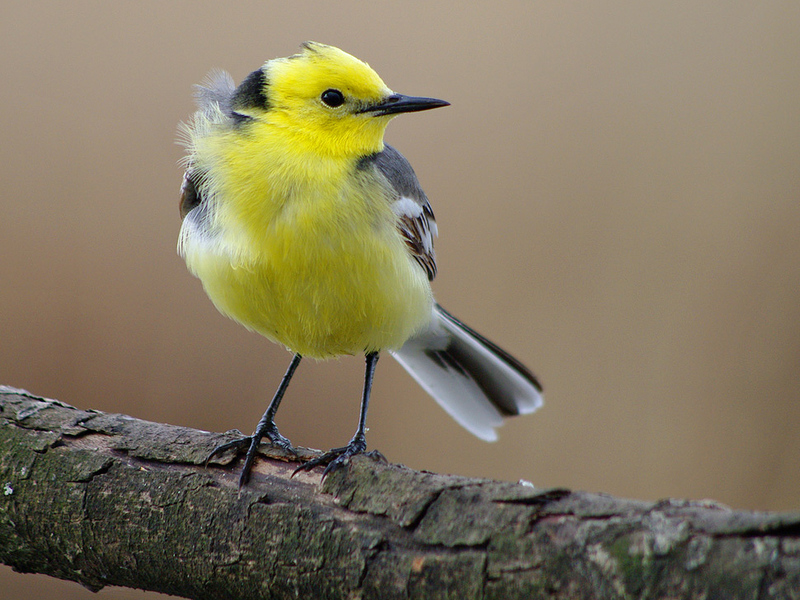
 In our daily lives, as we simply walk from home to work, the store, or school, we are surrounded by a wide variety of birds and animals. They come in a wide variety of shapes, sizes, colors, and personalities, and they dazzle the depths of park alleys. The wagtail is no exception. This inconspicuous gray migratory bird is often seen on city streets and in parks. Wagtails are a genus of songbirds that includes four species native to Russia. However, the most common is the white wagtail.
Description
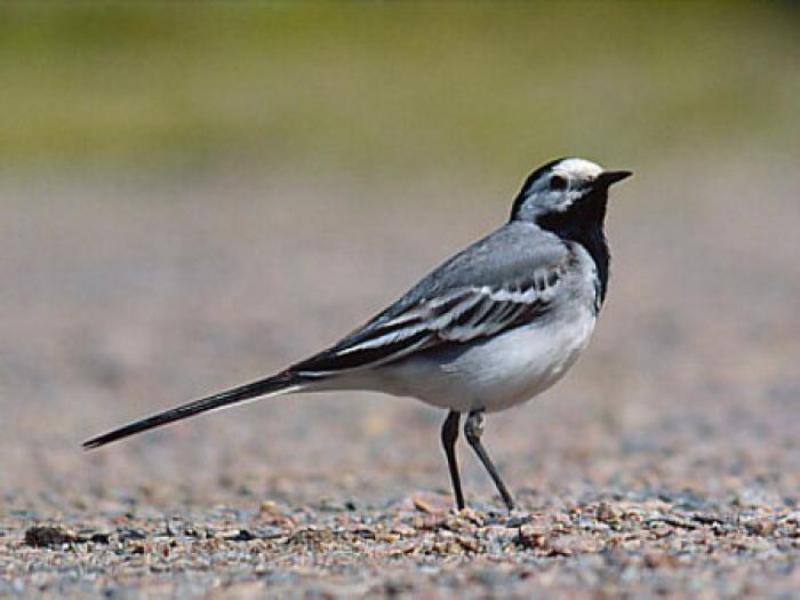
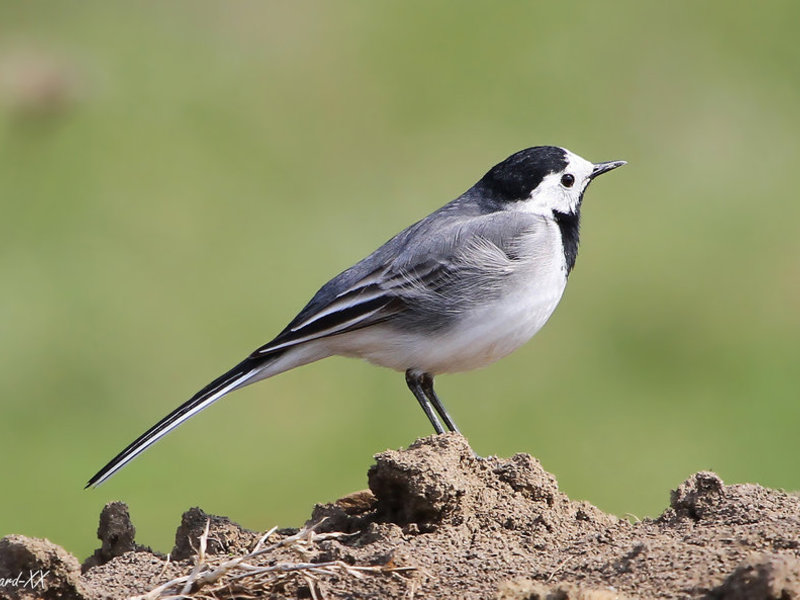
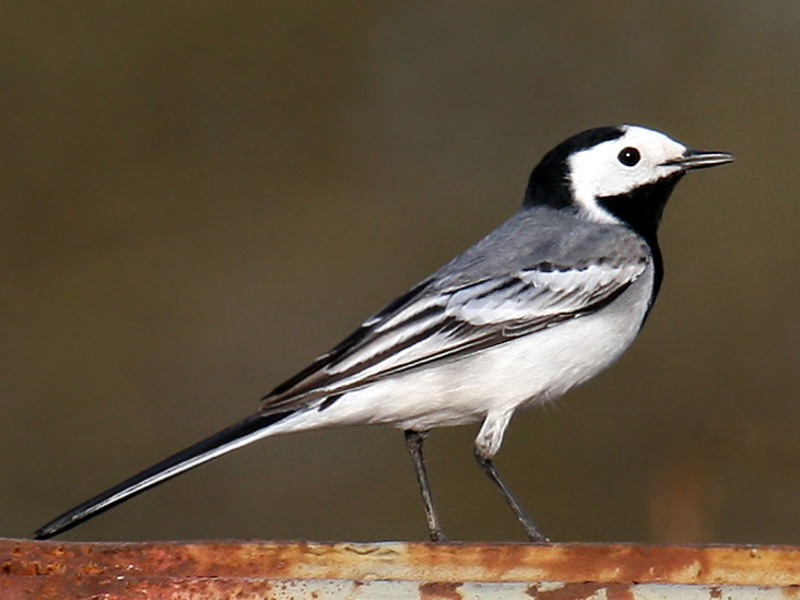
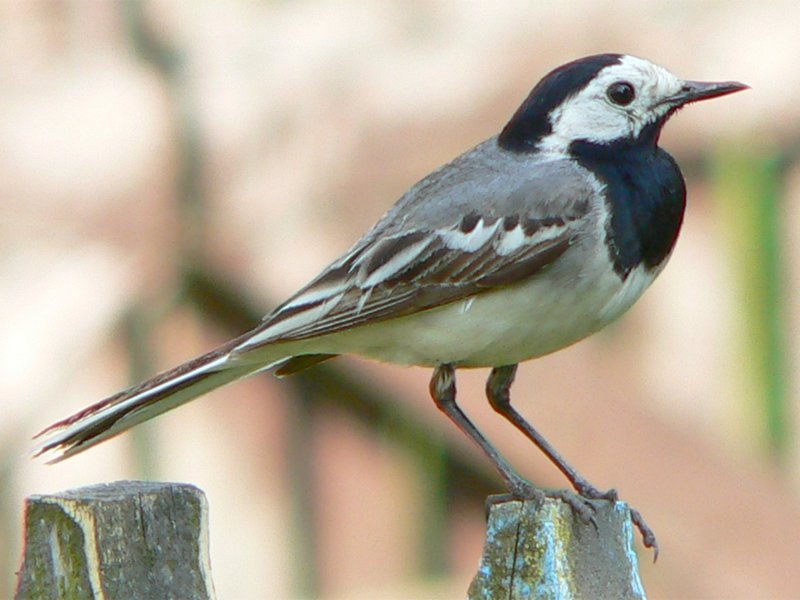
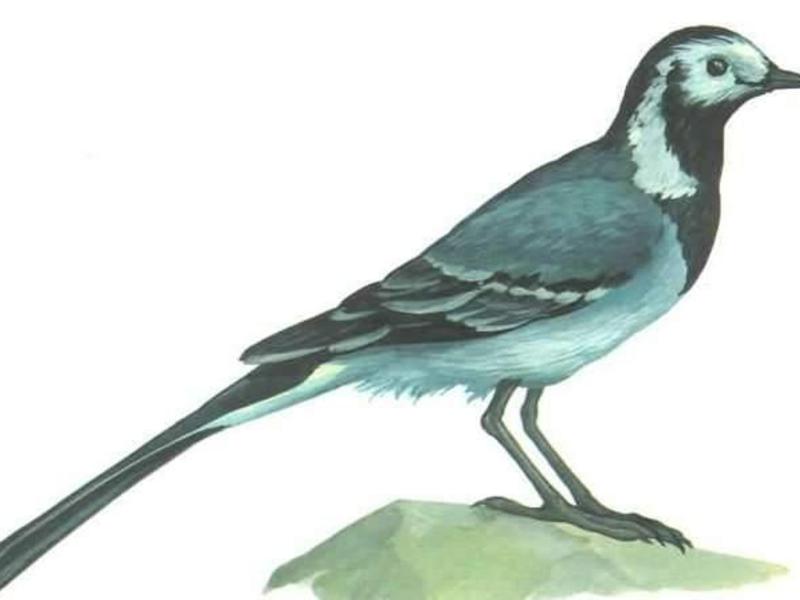
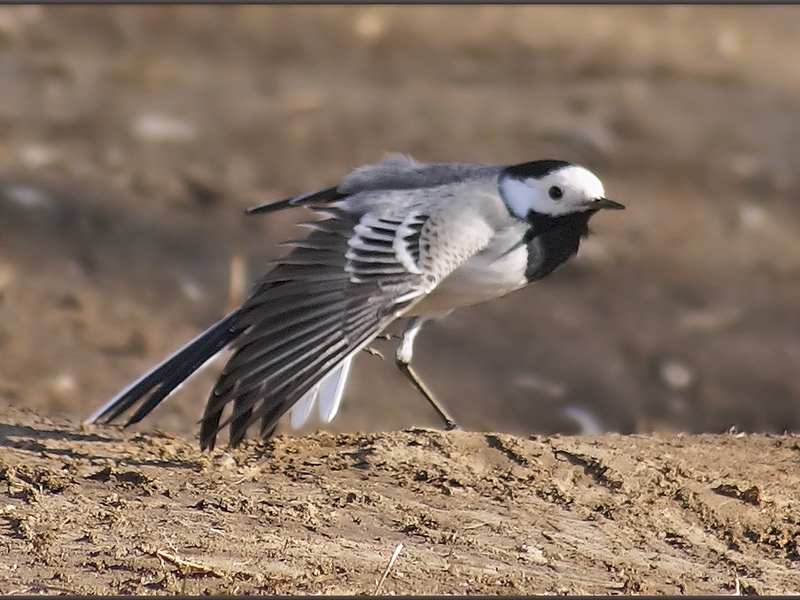
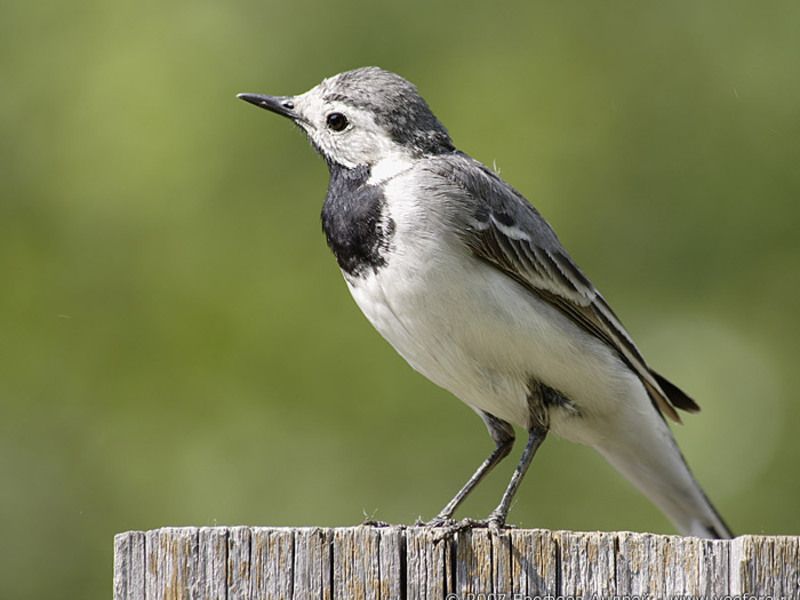
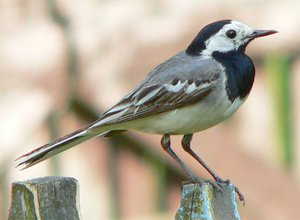
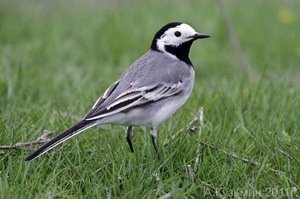
The wagtail is easy to spot. It's a small bird. with a narrow, long black beak, a black breast, and a black cap on its head. The bird's dark, alert eyes appear to be masked with a white mask. The wagtail's underparts are white, the upperparts are gray, and the wings are covered with alternating dark gray or brown and white stripes. The pointed wingtips rest on the base of a long black tail, which sways rhythmically as it walks, balancing the bird's length. Wagtails have very long and thin legs, which helps the bird spot potential prey in the grass.
Movements
Wagtails move along the ground, rapidly moving their feet, almost running. From the side, it appears as if the bird is on wheels. These birds are good flyers, especially at low altitudes: they glide along the grass, occasionally flapping their wings and performing sharp turns using their long, wide tail, whose two middle feathers are slightly longer than the side feathers, enhancing its steering qualities.
What does a wagtail eat?
Every bird has its own territory and hunts only within its boundariesIf it doesn't have a territory, it flies in search of a suitable hunting spot. Having found such a territory, the migratory bird announces its presence with a loud cry. If the owner of the territory doesn't respond, the bird begins hunting. Wagtails' diet most often includes insects:
 weevils;
- leaf beetles;
- caterpillars;
- grasshoppers;
- flies;
- butterflies;
- spiders;
- dragonflies;
 weevils;
Less frequently, wagtails feed on seeds or plant parts. These birds often catch flying insects right out of the air, often performing difficult tricksHowever, they don't eat the wings. After killing the insect with a blow to the ground, the bird deftly rips off the wings first on one side, then on the other, with its beak, and only then swallows the prey.
Habitat and lifestyle
Wagtails are very widespread. They live throughout Eurasia, and some species are found in Alaska and northern Africa. They are rarely found in dense forests with shrubs or plains with tall grass, but often live near humans: in villages, hamlets, suburbs, and small towns. They prefer hunting areas near water: sparse forests with short grass along the shore of a body of water, clearings with sparse tall grass or plants near wells, and gardens and summer cottages with artificial ponds.
Due to the abrupt changes in seasons and winters with sub-zero temperatures, insects are forced to hide in the ground or in the bark of trees during the cold season and fall into suspended animationWagtails have nothing to eat in winter, so from early autumn until the end, these birds gather in pairs, families, small flocks, and large groups and embark on a journey south. They fly to Africa or southern Asia, flying exclusively at night. During the day, these large flocks can be observed along the banks of bodies of water and in trees overlooking the water, where the birds rest and forage for food. At sunset, they set off again. Wagtails return to their usual habitat only in mid- or late March, and some species not until April.
Reproduction
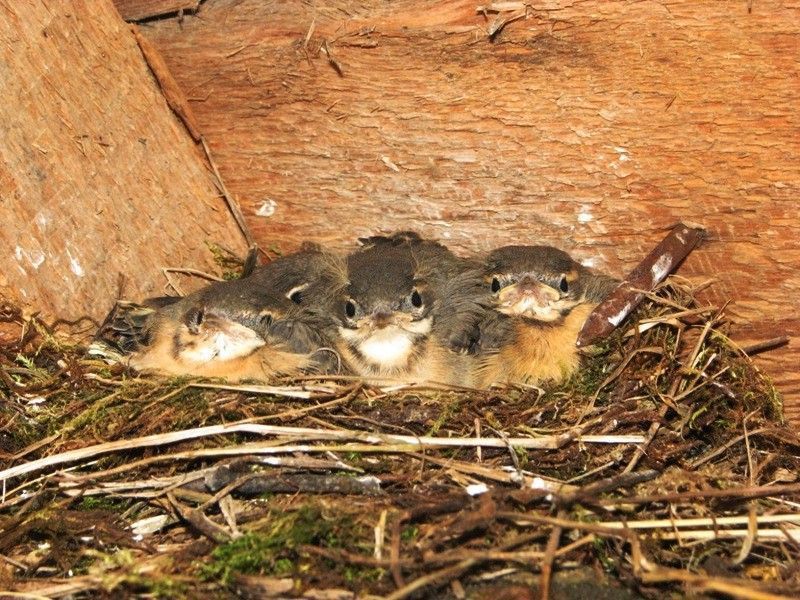
 Wagtails don't begin nesting until May, and before that, they spend a long time choosing a nest site and building it. They tend to locate their nests close to the ground, human structures, and water, so nests can be found in abandoned houses, hollows between logs, hedges, overhanging ravine banks, rotten stumps at the edge of forests, low tree hollows, and so on.
The female weaves the nest itself from thin dry branches, lining the bottom with roots, wood fibers, and hair or wool. After this, the wagtail incubates her 5–7 eggs for about two to three weeks. After the chicks hatch, the female takes the eggshells in her beak and carries them 20–40 meters from the nest, dropping them on the ground. She then returns and begins feeding the next generation.
Habits
Wagtails have many interesting and unusual habits of birds:
- Each wagtail has its own territory and hunts only within it. If a wagtail doesn't have a territory, it flies around in search of a suitable hunting spot. Having found such a territory, the bird announces its presence with a loud call. If the owner of the territory doesn't respond, the bird begins hunting.
- These birds roost in families or small flocks, and upon spotting a predator, all individuals boldly pounce on it with a loud crackling sound. This confuses the predator and prevents it from focusing on a single bird, so the predator quickly leaves the area and goes in search of the solitary bird. Although there are often cases where, in the heat of defense, a wagtail is caught in its talons, and then the predator flies away with its prey.
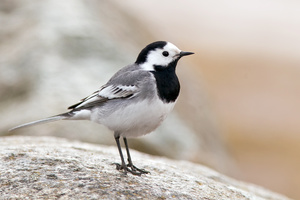 Each wagtail has its own territory and hunts only within it. If a wagtail doesn't have a territory, it flies around in search of a suitable hunting spot. Having found such a territory, the bird announces its presence with a loud call. If the owner of the territory doesn't respond, the bird begins hunting.