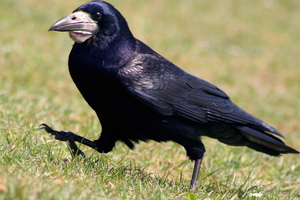
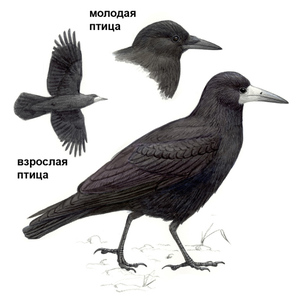
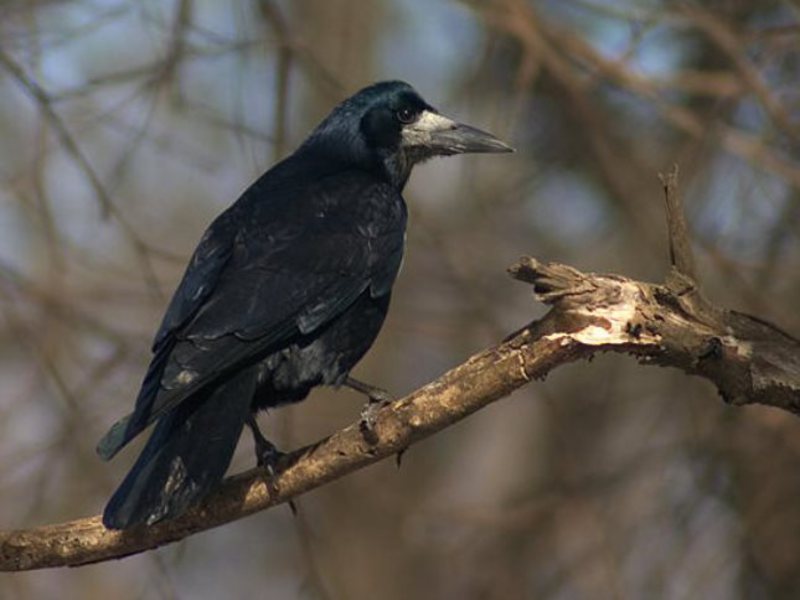
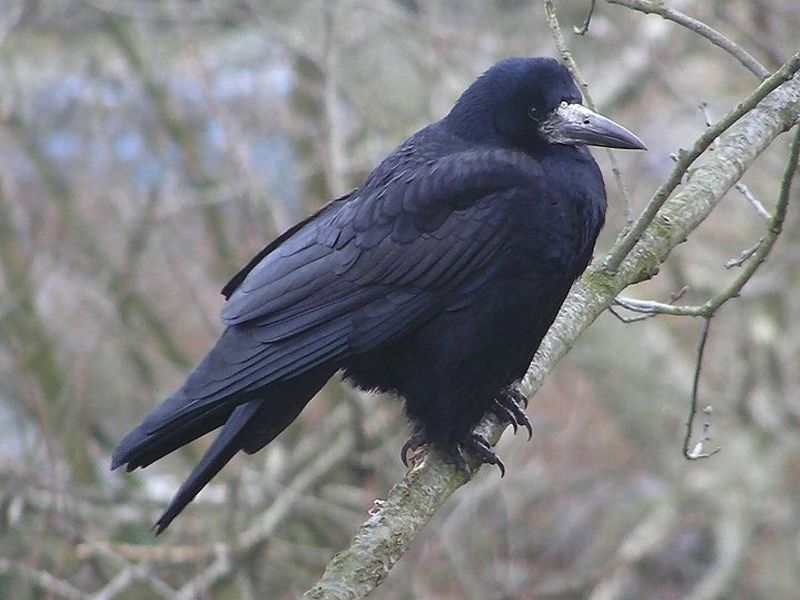
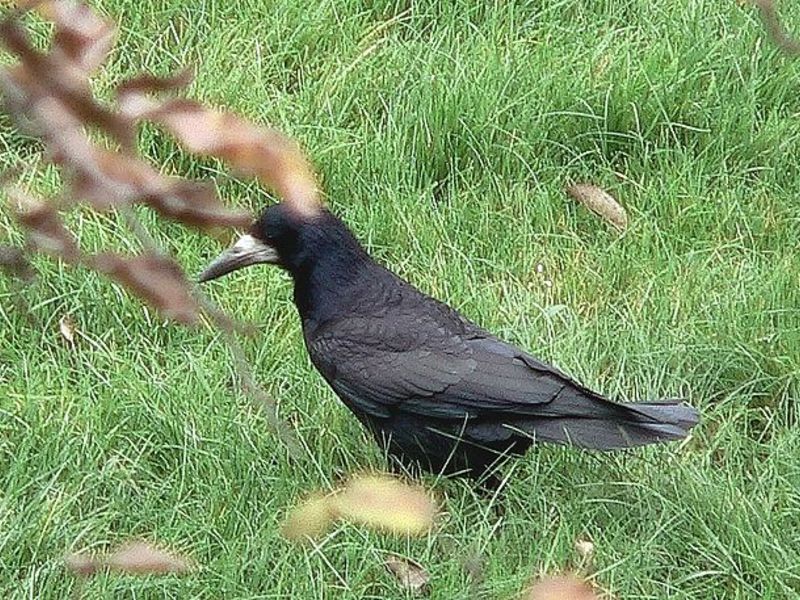
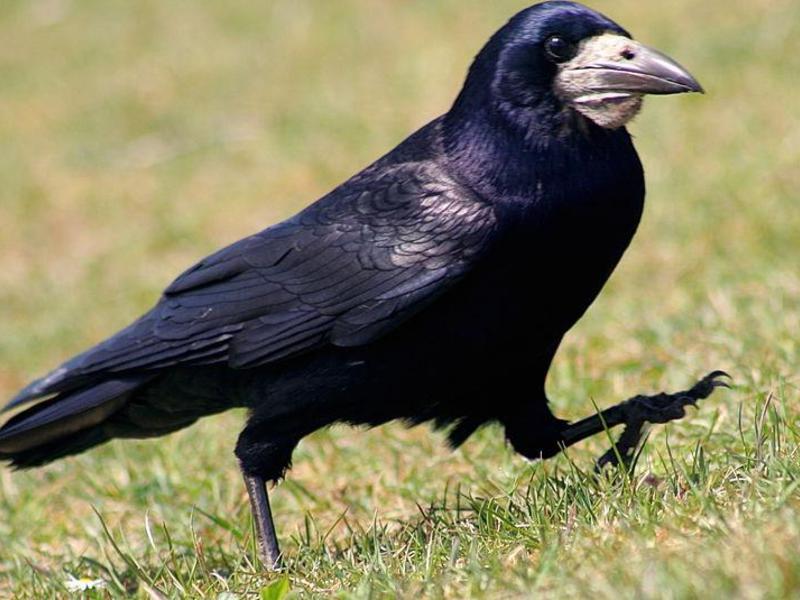
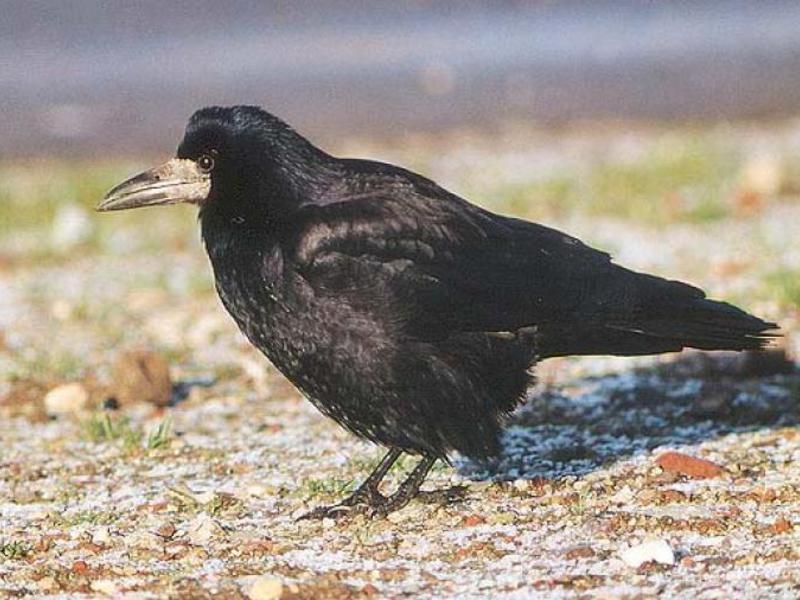
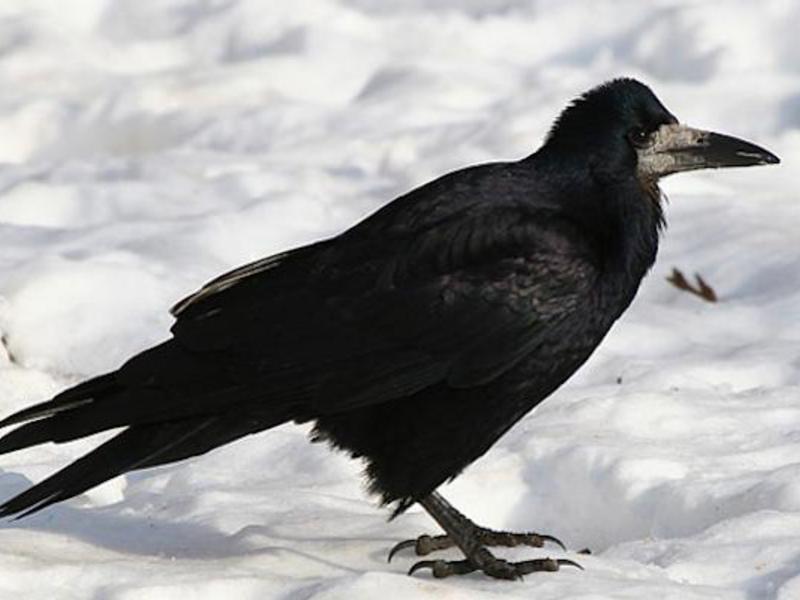
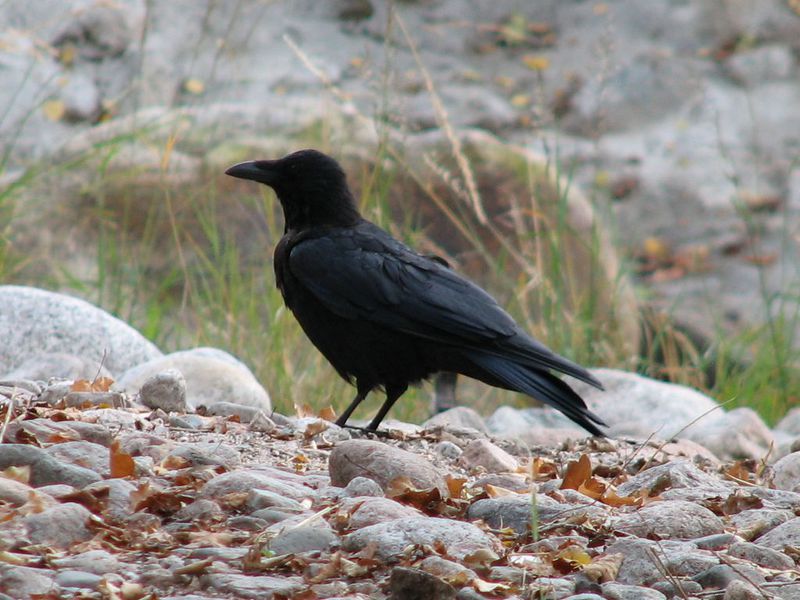
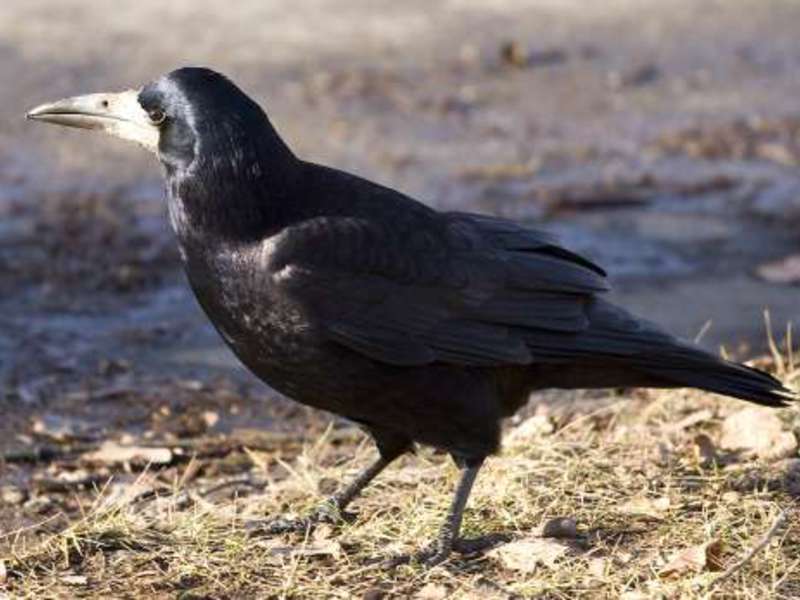
 The rook is a member of the crow family. Its appearance and size resemble those of a crow, leading some people to confuse the two. However, the rook has some distinctive features: firstly, it is significantly slimmer, and secondly, an adult bird has a ring of bare, featherless skin around its beak. Juveniles lack this ring.
These birds are native to Europe and Asia. In the northern regions, they inhabit Ireland, Great Britain, and eastern Scandinavia. This species is also common in western China, Japan, the Far East, Asia Minor and Central Asia, and the European part of Russia.
Rooks were introduced to New Zealand as early as the 19th century. However, due to food shortages, there are very few rooks there today. In the southern regions, representatives of these birds lead a sedentary lifestyleNortherners are considered migratory birds, as they migrate south during the winter.
Description and appearance
Basic data:
- weight 400-700 g;
- tail length 19 cm;
- body length 49 cm;
- wingspan 97 cm.
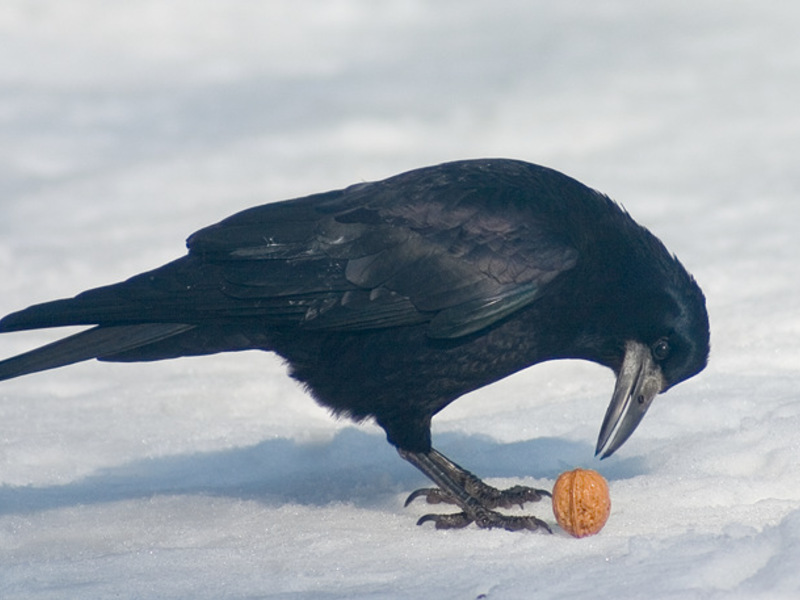
The rook has black plumage with a metallic sheen. Males are identical in color to females.
Reproduction and lifespan
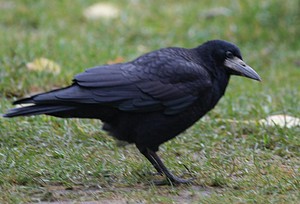 The birds appear in their nesting areas in the spring (April). The male and female build nests together in the treetops. entire colonies of birds are formed, whose nests are located nearby. The building material is anything found on the ground (leaves, twigs, various debris, branches, etc.).
Rooks are conservative in their nesting habits and build nests in the same location for many years. The same applies to mating: these birds mate for life.
Rooks most often build nests from branches, following all the rules of construction: the bottom layer consists of thick branches firmly joined together, the top layer of thinner twigs. The nest tray is lined with clumps of wool, rags, bast, and soft grass.
A rook's nest, unlike a crow's, is much deeper and more spacious. A rook colony can range in size from a few nesting sites to dozens, or even hundreds, of nests in each colony.
Most often, birds they set up a colony on old birch trees, willow trees near or within populated areas, birch groves, linden parks and gardens, and sometimes at forest edges near fields. Nests are built at a height of 16-20 meters near the main trunk or in the forks of thick branches.
A clutch typically contains three to six green-gray eggs with brown speckles. The incubation period lasts 16-20 days. While the female sits in the nest, the male provides her with food. The chicks are born naked, completely helpless, and need protection, food, and warmth. During the first few days, the female stays with the chicks, keeping them warm. The male takes full responsibility for feeding the family. As soon as the chicks develop down, the mother also leaves the nest and forages for food with her partner. The young fledge about a month after birth, around mid-June.
Social behavior of rooks
Rooks exhibit quite interesting behavior in the wild. Forming large colonies, they often hold gatherings and they really like to chatAnother of their pastimes is tag, in which the birds chase each other to steal an object. They also love swinging from tree branches and passing various objects to each other. In the spring, males put on a show, performing aerobatics to impress the female.
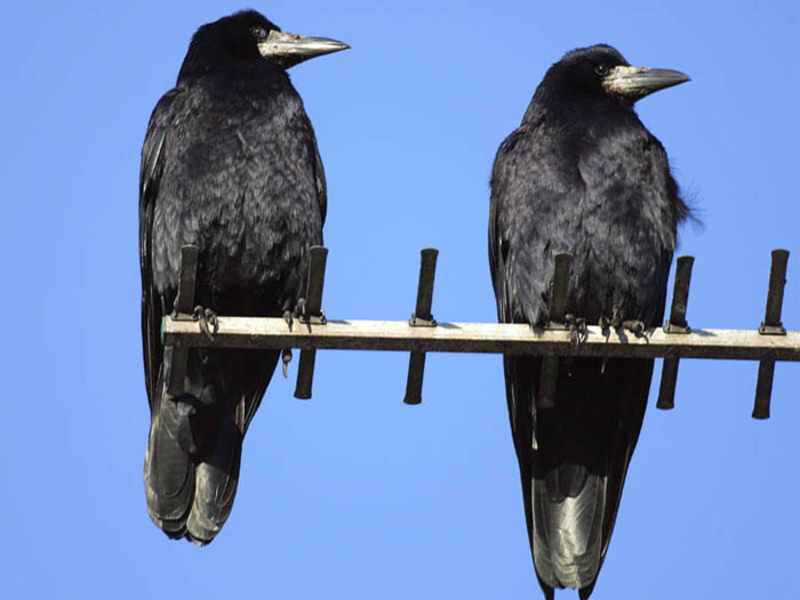
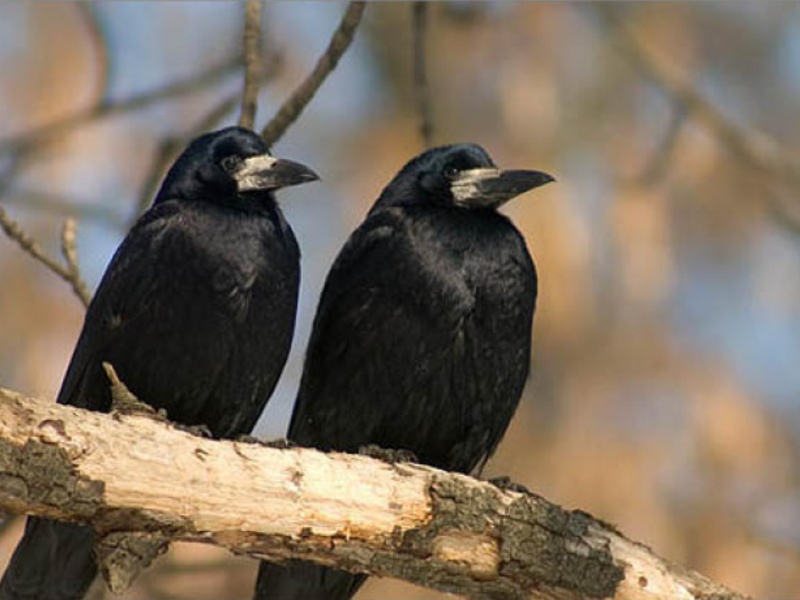
Pairs can often be seen sitting side by side, cooing softly with their tails fluffed. This behavior is characteristic of all birds of this species, regardless of gender.
Nutrition
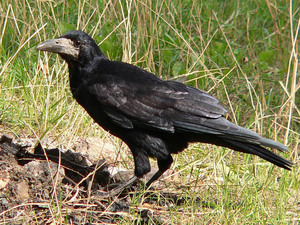 Since rooks are omnivorous, they have no particular dietary requirements. In early spring, when they arrive at their permanent home, the birds feed on grain remnants, last year's plant seeds, and various other things they find in thawed patches. beetles and insectsAs sowing season begins, rooks gather in the fields in search of earthworms. The roar of agricultural machinery doesn't frighten the birds at all, and they gather their prey by walking right behind the tractor or plow.
During the flight season of May beetles, rooks collect these pests from the leaves of aspen and birch trees. During the summer, the majority of their food consists of sunflower seeds, peas, and corn, with only a small percentage of amphibians, worms, mollusks, and insects.
Rooks are extremely beneficial by eating small rodents and also by destroying insects such as beetles, wireworms, beet weevils, tortoise bugs, cockchafers and their larvae, etc.). But, in addition to being beneficial, Rooks can also cause harmFor example, they peck sown agricultural seeds out of the ground and damage melons and watermelons during their ripening period. It's also unfortunate that the birds destroy earthworms, break tree branches, and soil the foliage in gardens and parks with their droppings.
Intelligence
This species of birds is considered to be comparable to monkeys in its mental abilities and is rightfully so. is considered very intelligentRooks make extensive use of available means to achieve their goals. For example, if a bird can't reach food with its beak, it can bend a wire and use it to scoop up the tidbit. Sticks are also used for the same purpose. Similar experiments have been conducted in laboratory settings, and in virtually all simulated situations, the birds demonstrated intelligence and resourcefulness.
Interesting facts
 Rooks, which nest in Eastern Europe in spring, winter in Central Europe;
- If the rooks have not arrived at their permanent nesting site, this is considered a bad sign;
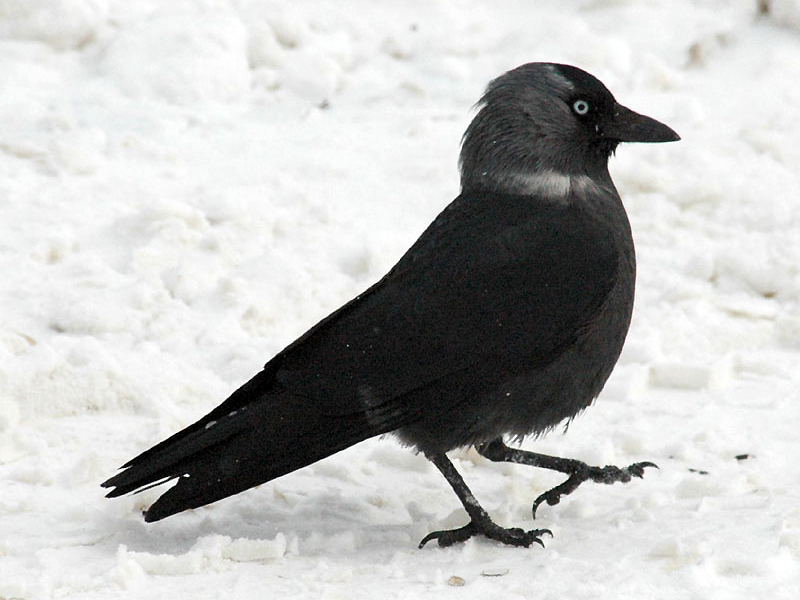
- at the end of the mating season, rooks unite in large flocks, sometimes together with jackdaws and crows;
- In rook colonies there is a certain hierarchy, that is, the birds settle in a certain order: young birds build nests on the edges, and old and experienced ones - in the center;
- In the 15th century, the King of Scotland ordered all farmers to stretch nets over their fields and kill any birds that got caught in them.
 Rooks, which nest in Eastern Europe in spring, winter in Central Europe;
Of course, rooks bring many benefits to people, but it is still necessary to regulate their numbers, otherwise our crops will be left not only without pests, but also without a harvest.
 Lika Lika
1 comment