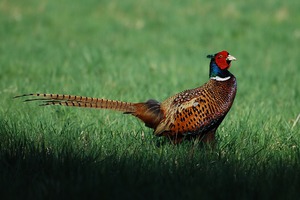
 The pheasant is divided into two species (the common pheasant and the green pheasant) and belongs to the Phasianidae family. Some representatives are native to Taiwan, while others are found throughout Asia as far north as the Caucasus. Several subspecies of the common pheasant live in North America and Europe, where they were previously introduced and have successfully adapted to local conditions.
In our article, you will learn what these birds are and see photos of representatives.
Pheasants: photos and descriptions
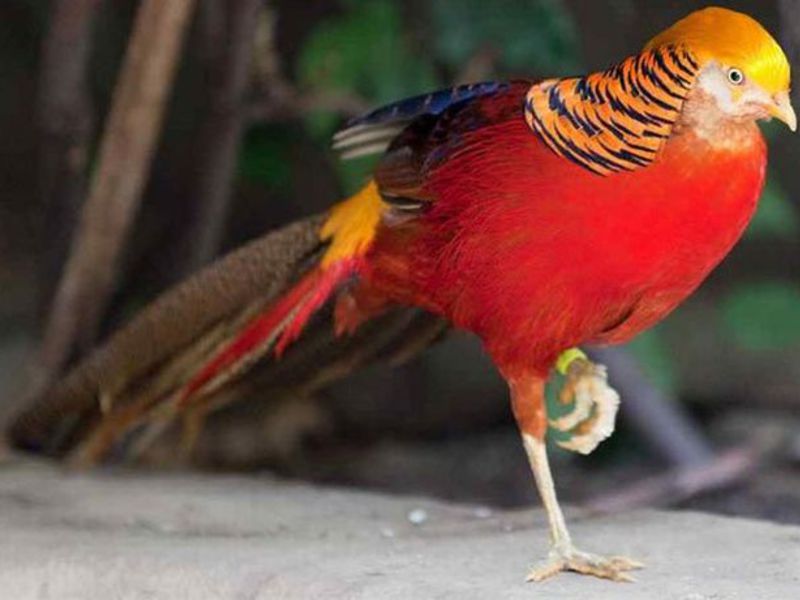
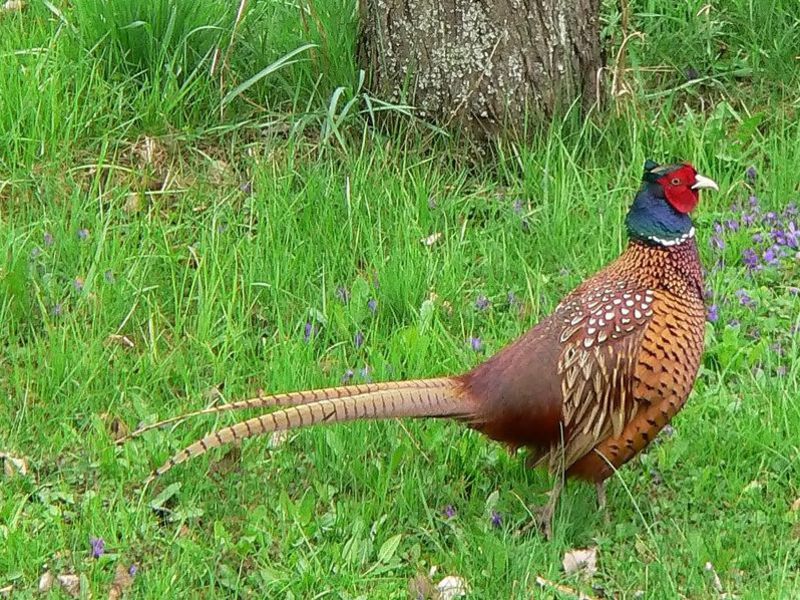
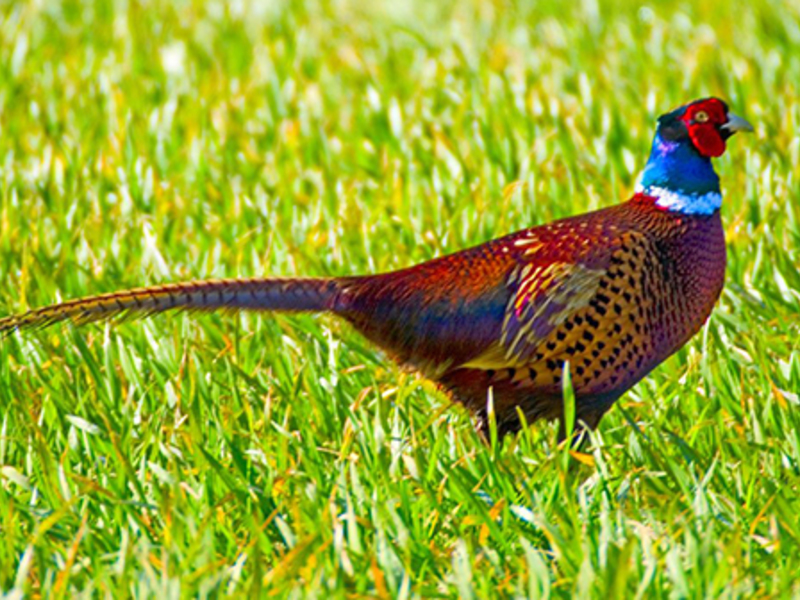
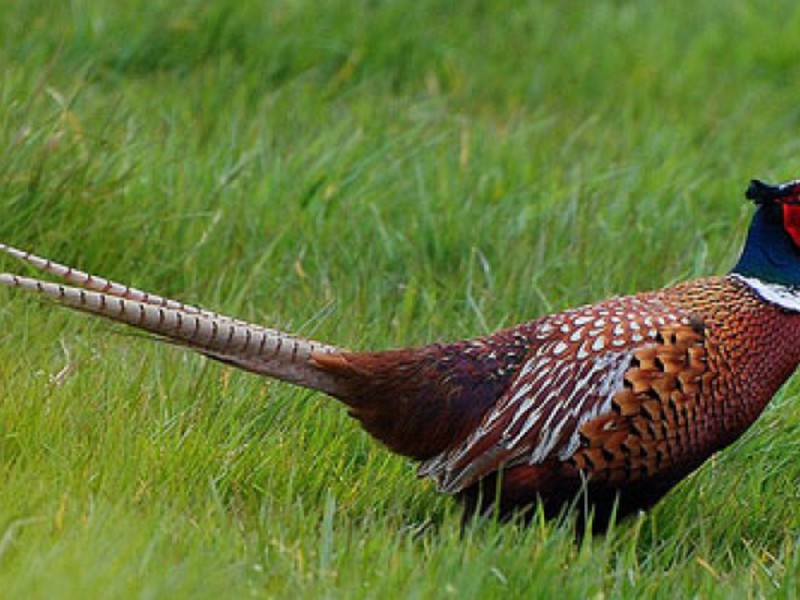
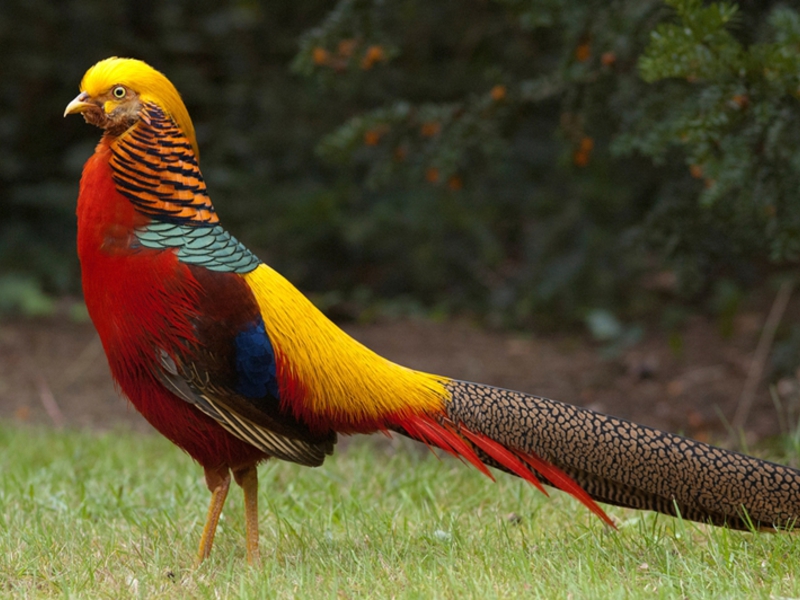
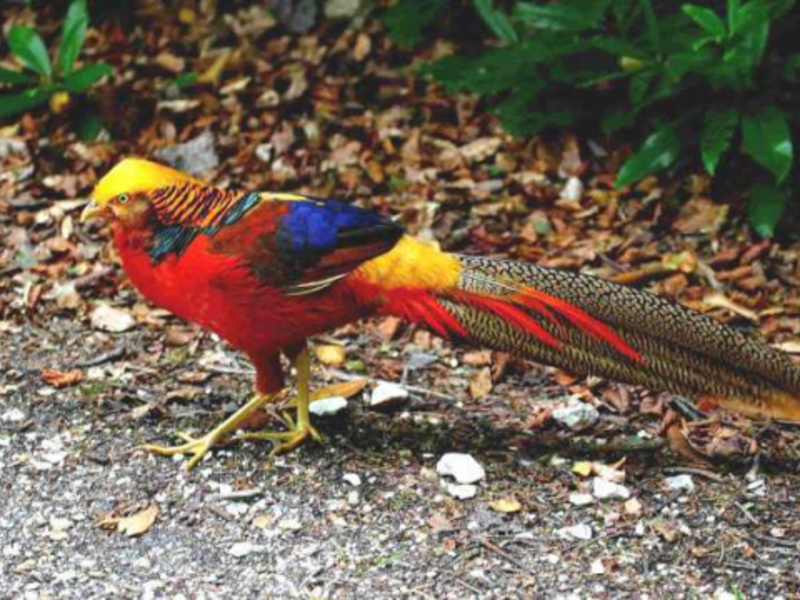
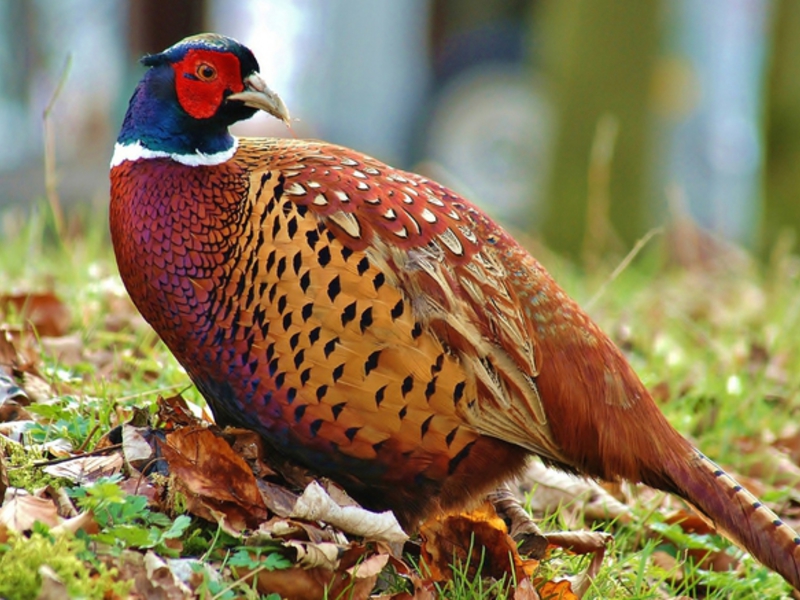
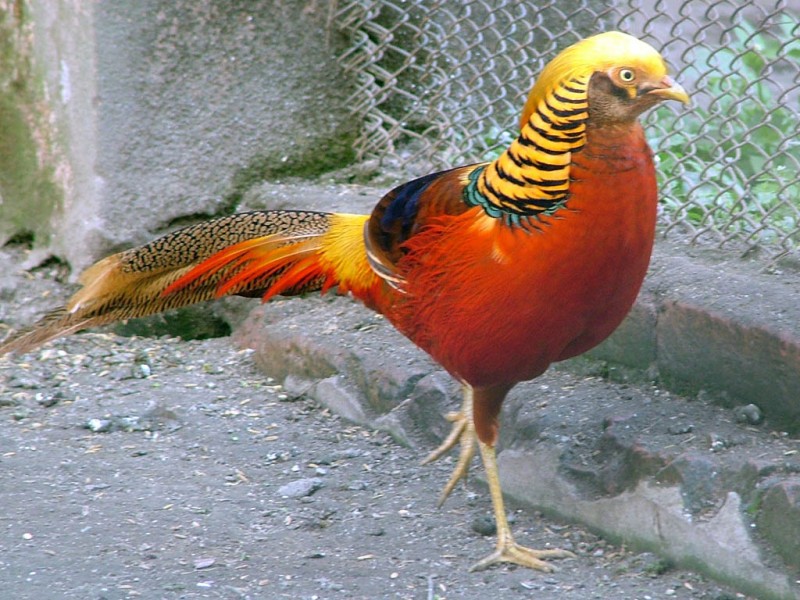
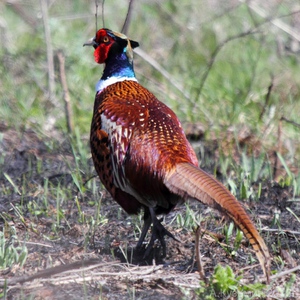
The photo shows what these birds look like and their distinctive features. Males are slightly larger than females, weighing up to 3 kg. Females weigh less than a kilogram. Males measure approximately 70 cm in length, while females average 55 cm.
The description of the male is as follows:
- long wedge-shaped tail;
- spurs on the feet;
- shiny and colorful feathers;
- Some subspecies have a white ring on the neck;
- a small comb on the head;
- pale purple wings at the edges;
- light brown tail.
Females are colorful and less showy; juveniles are similar in coloration to females, but their tails are not as long. As they mature, bright feathers appear on their heads, backs, and chests.
If we talk about reproduction, then they are monogamousFemales build nests directly on the ground. Breeding occurs from April to June, with each nest containing 10-16 eggs. The female incubates them for about 25 days. The chicks live with their mother for about 15 weeks, during which time they reach the size of adult birds. Their lifespan is approximately 15 years.
Pheasant nutrition and habitat
Birds live in areas such as:
- forests;
- fields;
- marshy areas.
What these birds like most is groves near bodies of waterPheasants are flock birds; outside the breeding season they live in large groups.
Pheasants feed on the following:
 berries;
- fruits;
- young shoots;
- leaves;
- worms;
- lizards;
- small birds;
- snakes;
- insects.
 berries;
In winter, pheasants lose a lot of weight due to a lack of food.
Pheasants are common on the Great Plains, as well as in regions such as:
- Chile;
- Hawaii;
- New Zealand;
- Tasmania;
- United Kingdom;
- USA;
- Mexico;
- Canada.
It's worth noting that pheasants are heavily hunted in all countries where they live. Around a million birds are shot annually.
Care Features
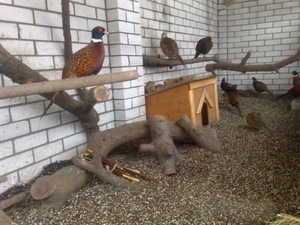
Pheasants, regardless of breed, are kept in the same conditions at home. It is crucial to provide the birds with a large, covered enclosure to ensure maximum comfort. Pheasants are frost-resistant birds, but they don't like drafts. The floor of the enclosure should be lined with plenty of straw or sawdust bedding.
Pheasants also have a weak immune system, so sometimes they need to be given antibiotics to protect them from diseases.
Description of different species and breeds of pheasants
Below we offer descriptions of different types of pheasants, and you can also see their photos.
Common pheasant
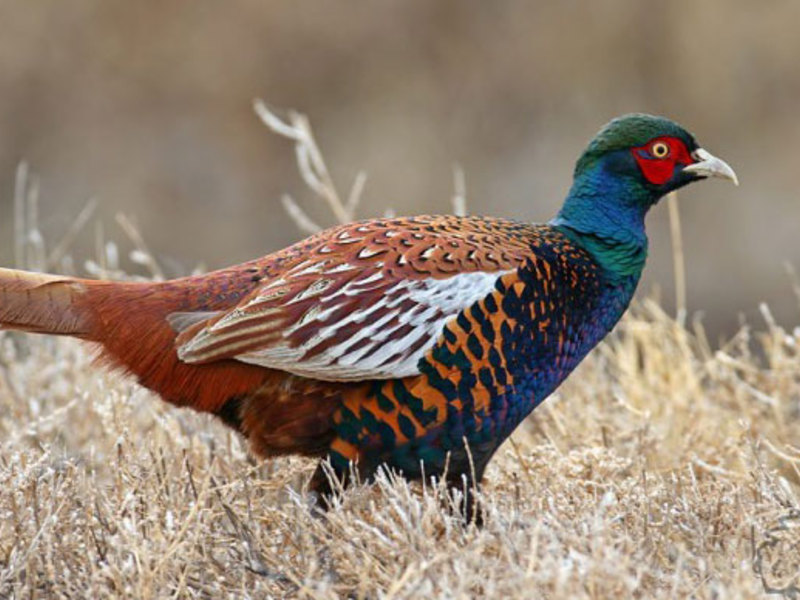
These birds most closely resemble chickens. The only difference is their long tail feathers. The average weight of a common pheasant is about 1.7 kg.
Feathers can have the following shades:
- brick;
- green;
- yellow-gold;
- purple and others.
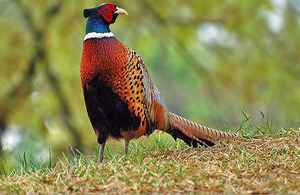 The tail of a pheasant of either sex is light brown, with a violet or copper sheen. The male has a brighter coloration than the female.
In the wild, pheasants live in areas of lush vegetation and water supplies. These birds often appear near cotton, rice, or corn fields.
Royal view The largest of these, the king pheasant lives in the mountains of northern China. It is yellowish-brown in color, distinguished by a black neck band and light crown feathers. The female has dark markings. The tail is luxurious and long.
A Romanian bird species
This bird is often called the Green or Emerald; its feathers have a green sheen, sometimes with a blue or yellow tint. This species is bred specifically for meat. They gain up to 2.5 kg in weight, are bred en masse, and are fed for up to 1.5 months. During the spring and summer, they lay up to 60 eggs.
Silver breed of bird – One of the most common, it is semi-wild, but is often bred as an ornamental animal and for meat production.
The male weighs an average of about 4 kg, while the female weighs half as much. The bird's coloration is distinctive: the head and neck are covered with black feathers, while the body is light gray or white, covered with dark stripes on top. A red mask adorns the head.
The female differs greatly in appearance from the male; her plumage is light brown with a greenish or olive tint. This species of bird has a strong immune system, though it is rarer. Its dense plumage provides it with good protection from strong winds and frost. It is fed a special feed similar to that given to layers or geese. This bird is difficult to breed at home.
Diamond pheasant species
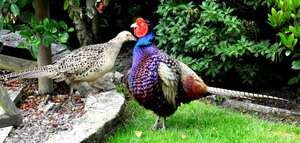 These individuals are very bright and ornate. Their feathers are dark green on the back, wings, and neck, white on the belly, and black on the tail. On the head has a red crest.
The female diamond pheasant has a less variegated coat and a shorter tail. She is similar in appearance to other species, distinguishable only by the color of the eye rims.
In the wild, the Diamond Pheasant's natural habitat is similar to that of some other pheasants. The Diamond Pheasant is bred more often than other breeds, with the exception of the Common Pheasant. Females can incubate clutches of up to 20 eggs, and they care for the chicks themselves. Another unique feature of this breed is that both parents raise the chicks, which takes a considerable amount of time.
Long-eared species
This species of bird is one of the largest. It has three subcategories:
- white;
- blue (light blue);
- brown.
Eared birds have the following distinctive features:
- short legs;
- white feathers that look like ears;
- powerful weight.
Most often they live in the mountain ranges of East Asia.
The blue-eared pheasant is a bluish-blue color and lives in large flocks. Even during the breeding season, the birds stay together in a flock. They forage for food using their claws and a key. They feed on succulent greenery and insects.
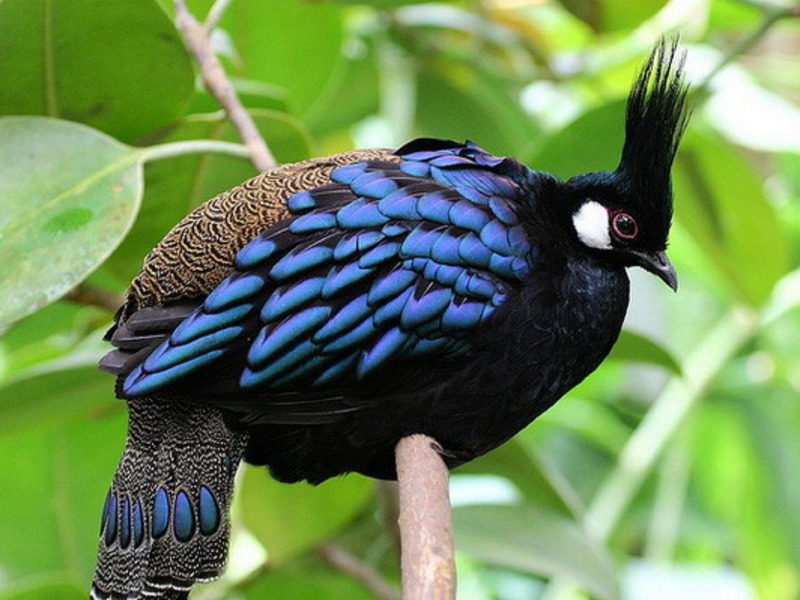
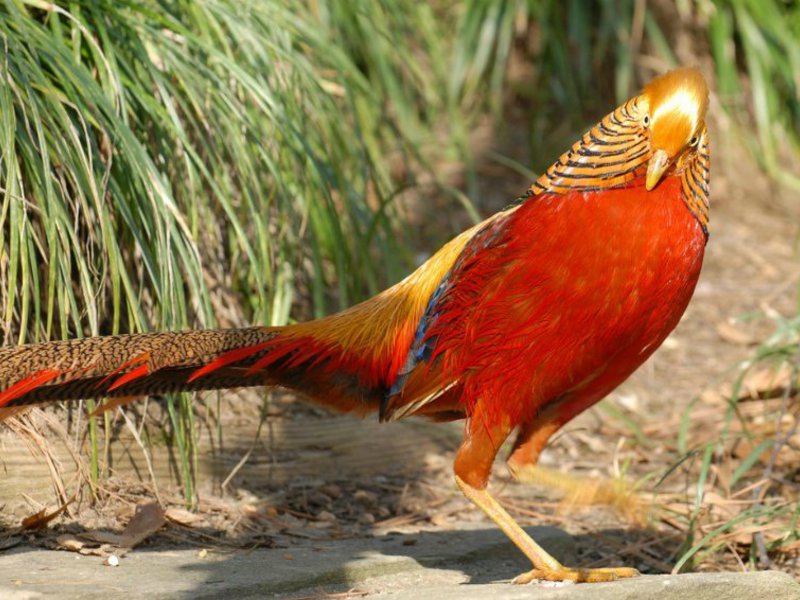
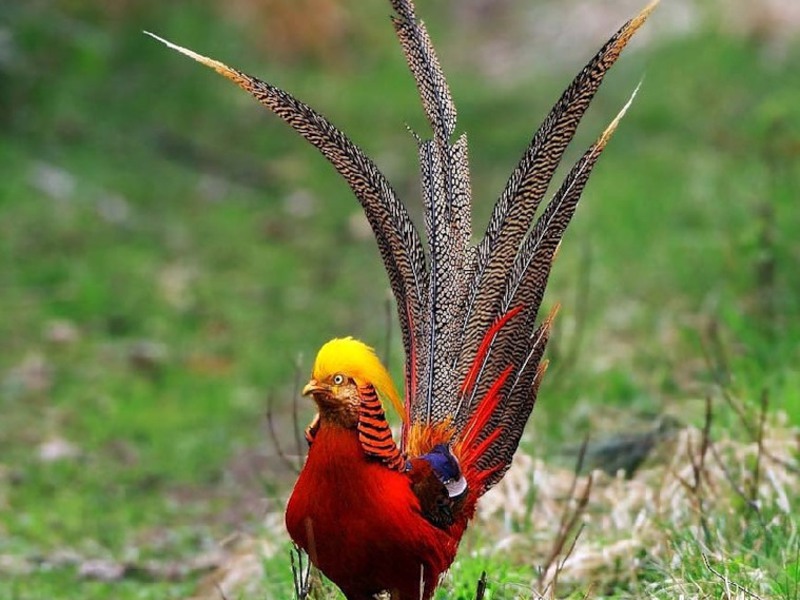
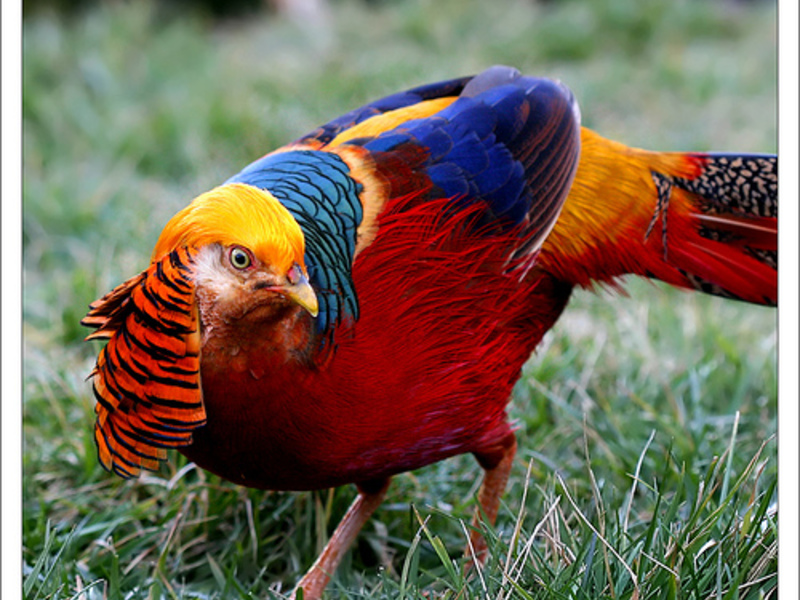
Pheasants are incredibly beautiful and striking birds. They can thrive both in captivity and in the wild. The photos show their diverse coloring.