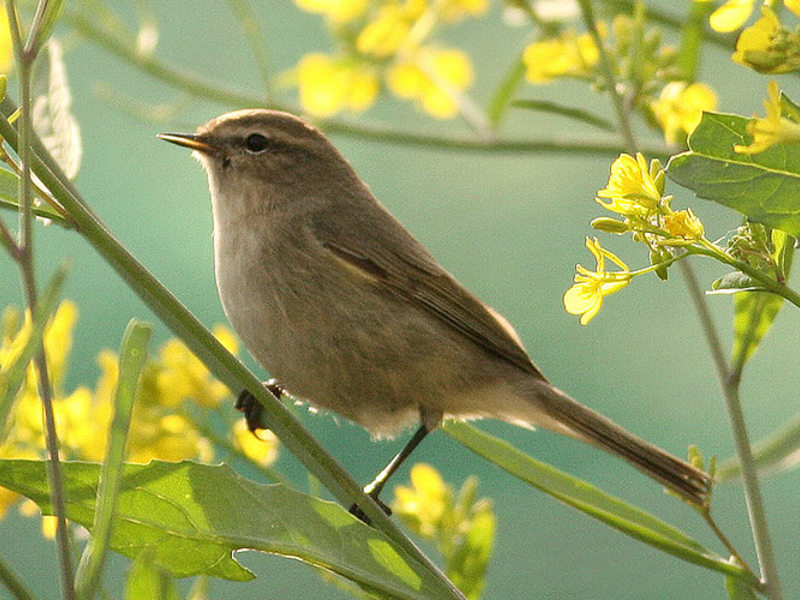
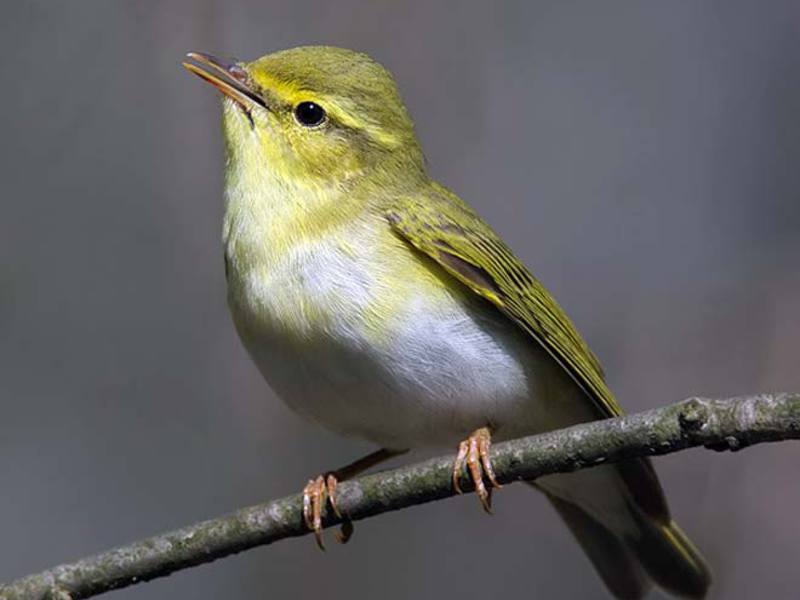
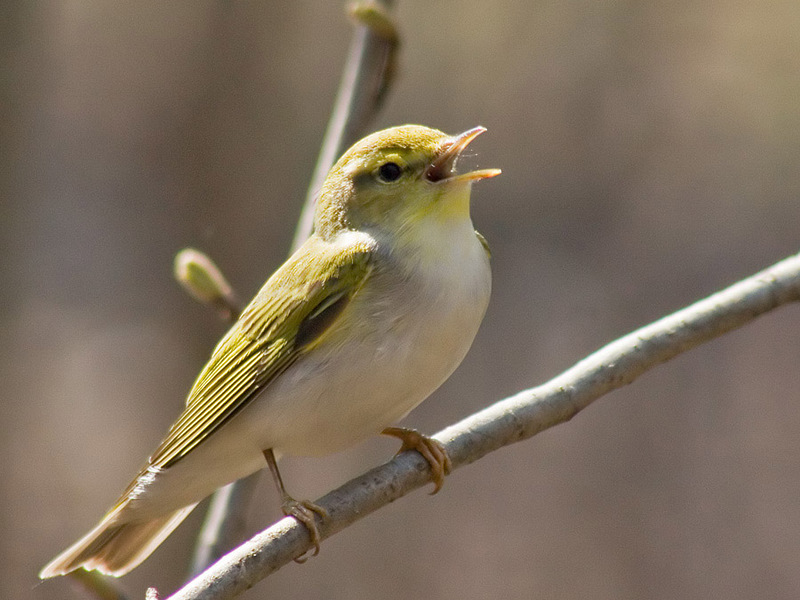
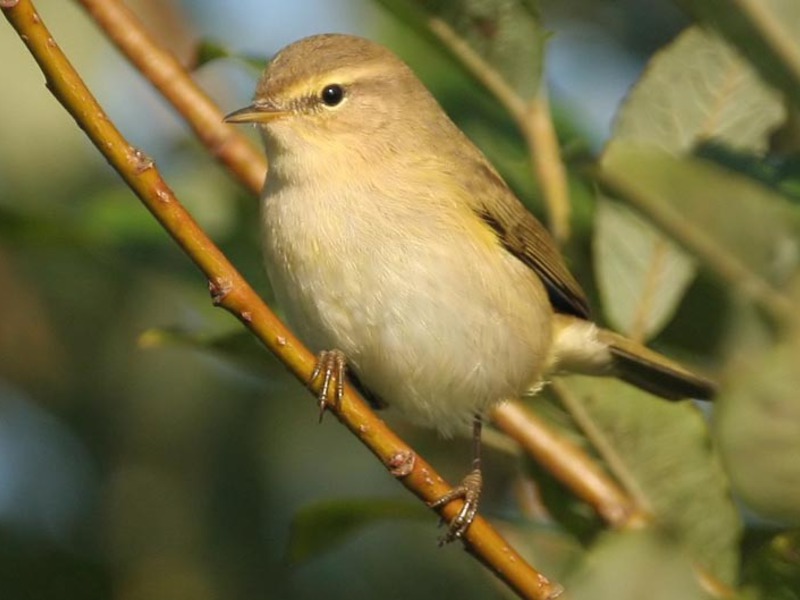
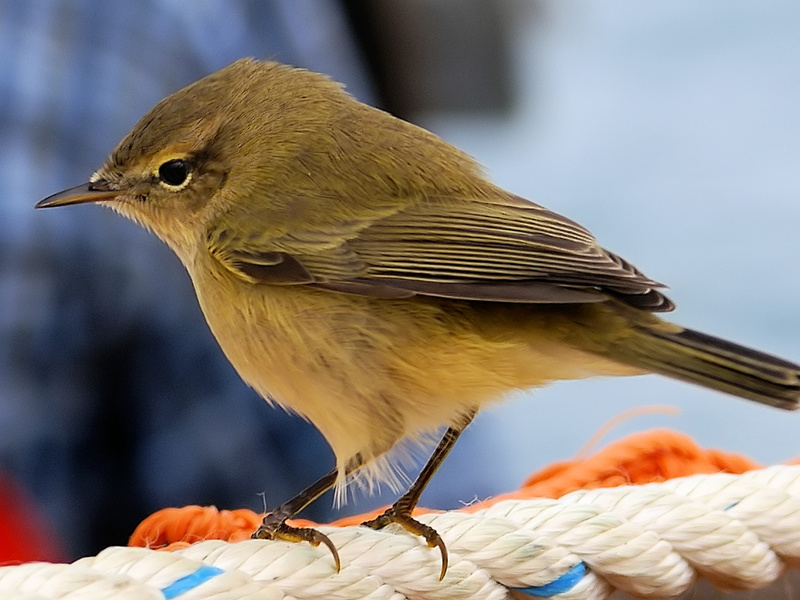
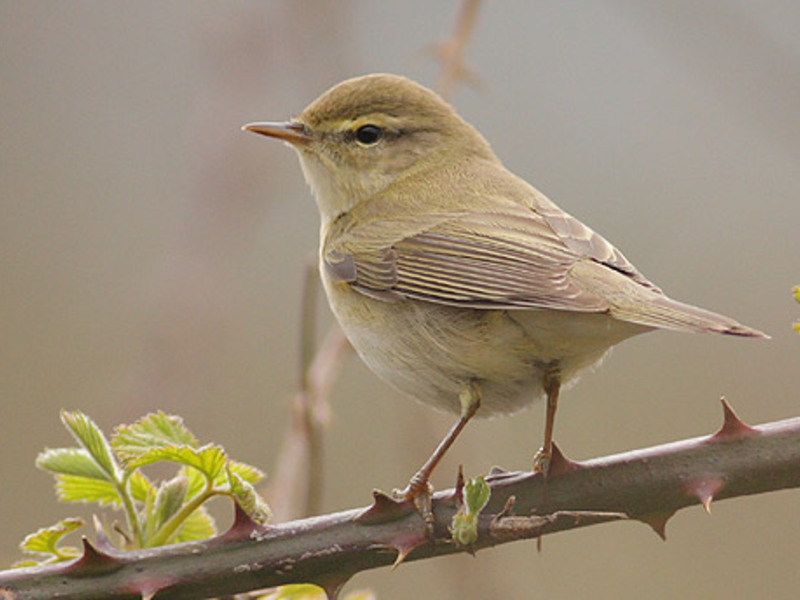
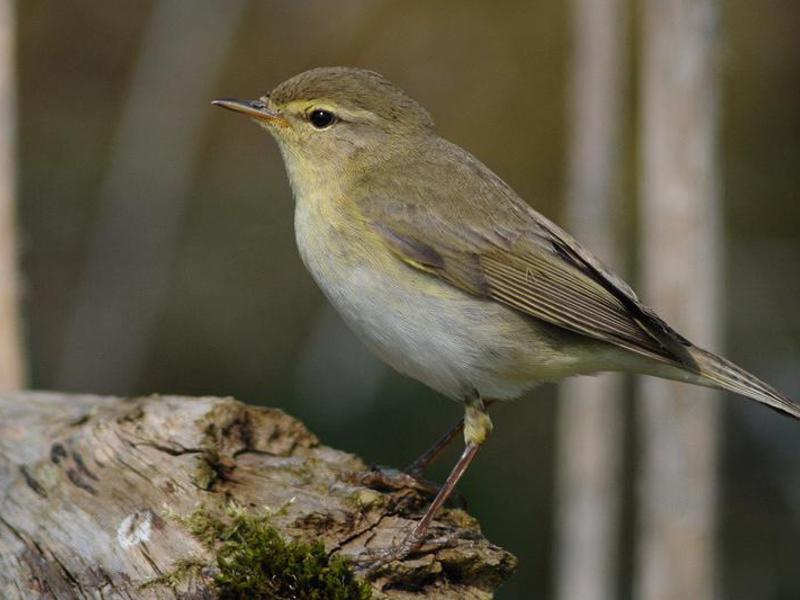
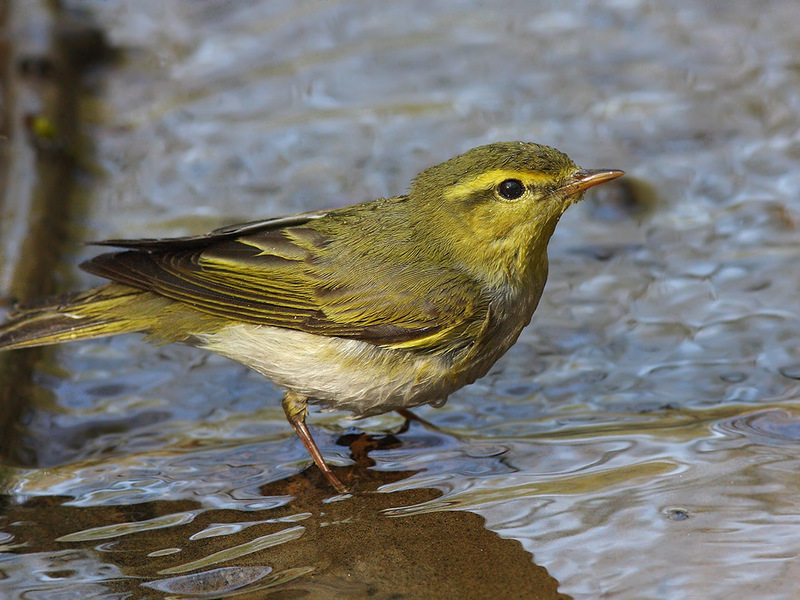
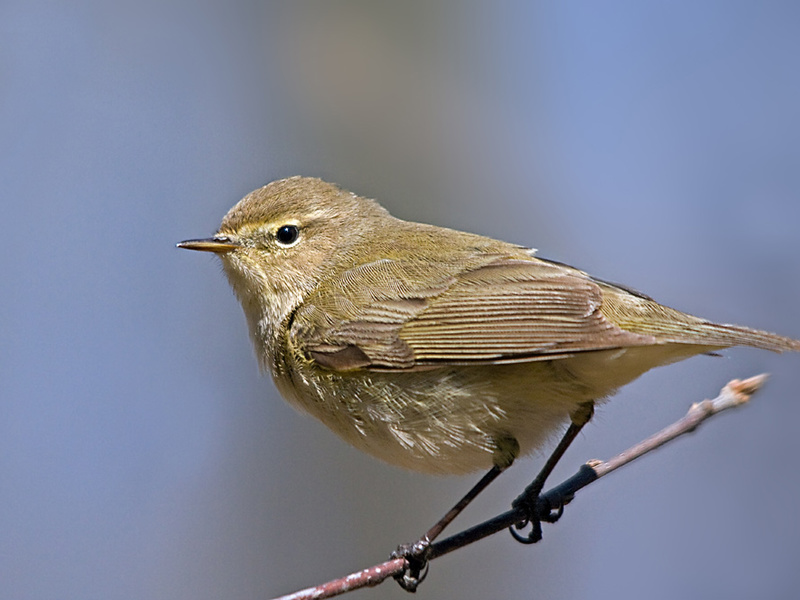
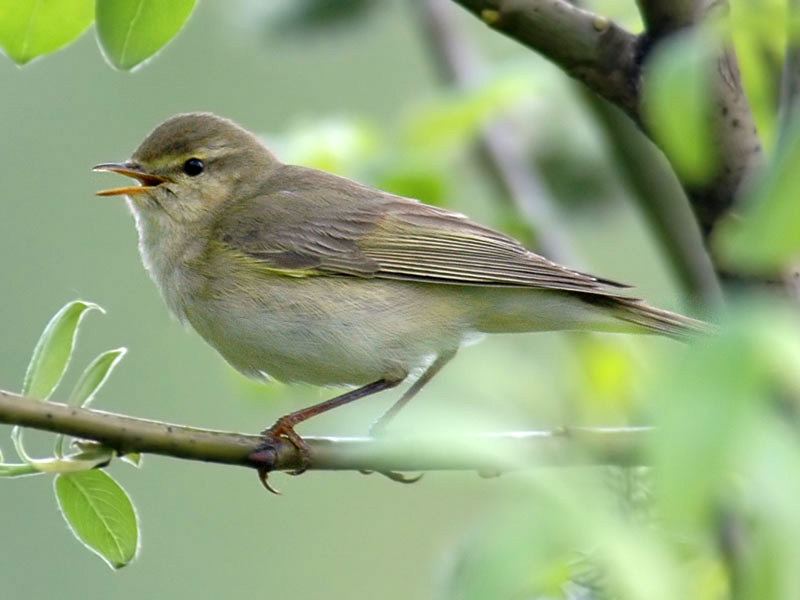
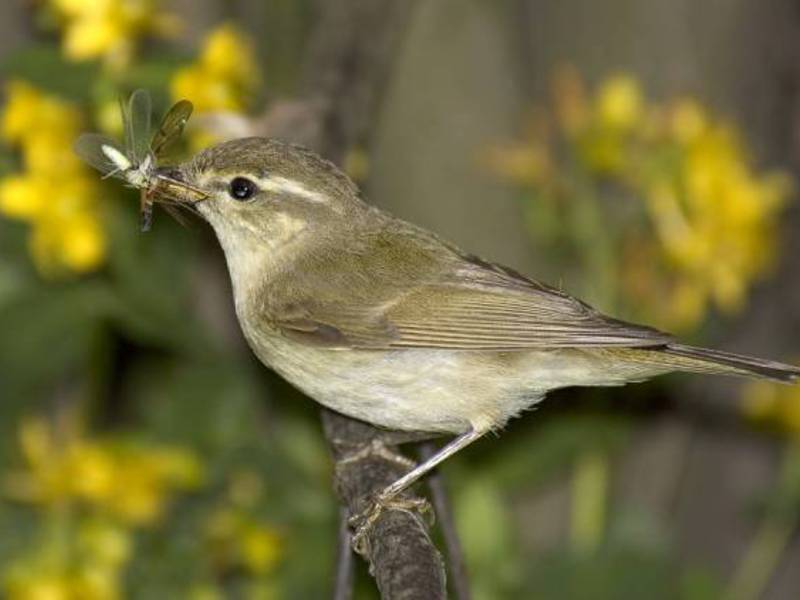
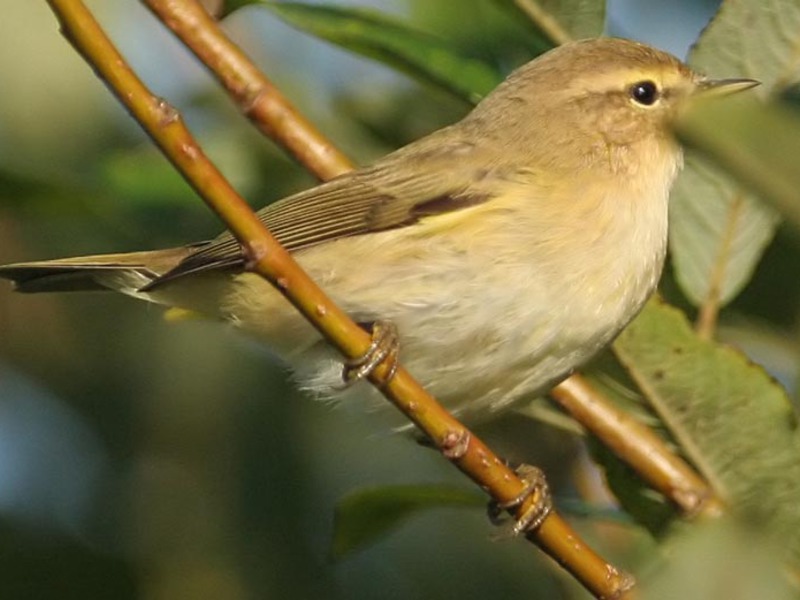
 Warblers are small migratory birds that hop joyfully along the streets, completely oblivious to humans. Yet, even people looking at this tiny, olive-colored bird don't even realize it's a warbler. This bird's appearance doesn't attract human attention, allowing it to forage for food undetected.
Description of the warbler
Warbler is modest songbird, belonging to the insectivorous genus of the warbler family. This tiny migratory bird inhabits northern Asia, as well as some countries in Europe and Africa. Its song is somewhat reminiscent of the sounds made by the chaffinch, but its trills are purer, clearer, and more resonant.
Until 2006, this bird was considered a member of the genus Warblers, but then it was decided to separate them into a separate family—the painted warblers. In the modern avian world, there are numerous species of this bird: approximately 55 varieties. However, due to changes in their genus, the classification of these birds may also change over time.
Warblers have slender buildThe following features can be identified in the external appearance:
- A short and straight tail that has 12 large wings.
- Long paws.
- Thin beak.
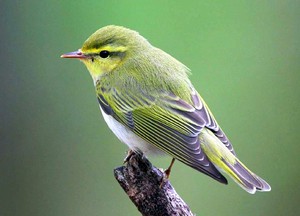
- The plumage colours are inconspicuous and non-contrasting: brown, green and yellow.
Feeding and reproduction of warblers
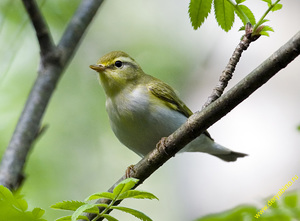 Warblers feed on berries and various small insects:
- Beetles.
- Butterfly pupae.
- Aphids.
- Cicadas.
- Small spiders.
The appearance of the bird's nest is also interesting: it looks like an earthen hutTo build it, the female uses grass stems, pieces of moss, and leaves. The nest typically contains 5 to 7 eggs, and the male and female take turns sitting on them. The eggs are white, but some have reddish spots. The chicks hatch in 14 days, and they grow quickly. It takes just two weeks for them to grow enough to leave their original nest. Some species lay eggs twice a year.
People try to capture warblers because they are easy to care for in captivity. Capture usually begins in early spring. These birds can be kept in a cage with other birds, but two males should not be kept together, as they will constantly fight. No matter where a warbler is kept, it will always sing. In captivity, they should be fed worms, insects, and berry pieces. At one year of age, the birds can already produce offspring, so it is necessary to add grass stems, dry leaves, and moss to the cage. The birds will build their own nest.
But it is definitely worth knowing, What should be in the cage:
- Bathing.
- Drinking bowl.
- Feeder.
- Several perches.
You can even build a small house for your pet bird in its cage. It's worth noting that the warbler adapts very quickly to captivity and doesn't require any special housing conditions.
Types of warblers
There are currently 55 species of warblers in the world. In Russia, there are about 15 varieties:
 Willow warbler.
- Chiffchaff.
- Green.
- Ratchet.
- Talovka.
- Zarnichka.
- Kinglet.
- Brown.
- Thick-billed.
- Green mockingbird.
- Mockingbird - chatterbox.
- Other.
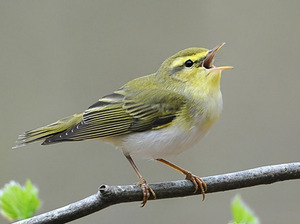 Willow warbler.
The willow warbler can be found in Asia and the Far East. It prefers to nest at forest edges where there is plenty of sunlight. Its appearance is striking. Its body length is 11 centimeters, and weight – 13 gramsThe plumage is greenish-olive. A distinctive feature is the presence of yellow stripes. This bird's legs are long and slender. The song of this species is pleasant, reminiscent of a melodic whistle.
The Chiffchaff is widespread not only in Russia but also in Europe. This bird is also known as the grasshopper. Its plumage is brownish, but its legs are black. This bird reaches a body length of 14 centimeters and weighs 10 grams. The Chiffchaff is very agile and agile.
The greenish warbler differs little from birds of other subspecies. Its plumage is green above and yellow below. Its main distinguishing feature is a light stripe on the wing. Its eggs are pure white. It moves easily, preferring to perch on the tips of branches.
The rattlesnake prefers to live in dense forests and stays away from areas populated by people. This bird is popularly known as was named yellow-browedThe rattlesnake's plumage is green on top, while its underparts, wings, and tail are blackish-brown, but it always has green stripes.
The Arctic fox reaches 12 centimeters in length and weighs 10 centimeters. Its greenish plumage on top fades to a dirty white underneath. Distinguishing features include white legs and a melodic whistle.
The warbler is slightly larger than a common warbler, weighing only 6 grams. Its plumage is brownish-green above, with a light supercilium visible above the eyes. Some individuals of this subspecies also have a similar supercilium on their head and wings. The warbler is a true forest bird, preferring to nest only in dense forests.
The gold-throated warbler stands out among other subspecies with its vibrant plumage: greenish-olive and white, with a dark back and tail. Light yellow stripes run across its body, wings, and head.
Brown Warbler settles in forest areas, which grow in the mountains. The tail, body, and wings of this bird are brown and reddish. The eggs of the brown warbler are white.
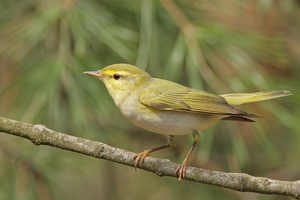 The thick-billed warbler is considered a secretive bird. It tends to nest at the base of trees and shrubs, choosing impassable spots. This bird's large size distinguishes it from other subspecies. Its multicolored plumage allows it to remain undetected by other forest dwellers.
The pale-headed warbler prefers sunny spots in the taiga. It usually lives in pairs or alone. Its eggs are clear and white. The green warbler is a large subspecies of warbler. Individuals of this species are agile and can not only fly, but also hover in the air, flapping their wings.
The warbler's song resembles a kind of murmur. Its plumage is white and light. Prefers to settle in fields, bushes and reeds.
Warblers usually nest in pairs. There are currently over 40 million pairs of this bird in the wild.