 Raising domestic chickens is profitable. You regularly receive fresh, nutritious meat, and eggs will be on your table every day. What's more, you can be 100% sure of their quality and nutritional value. In this article, we'll discuss how to raise laying hens at home for beginners.
Content
Breeding chickens at home for beginners
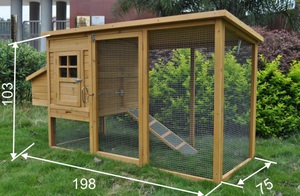
If you're a beginner farmer and want to get into poultry farming, you'll certainly need to know the basics of raising layers. Raising chickens— the process is not complicatedYou just need to take care of all the details in advance. And your first concern will be building a chicken coop.
What should a poultry house be like?
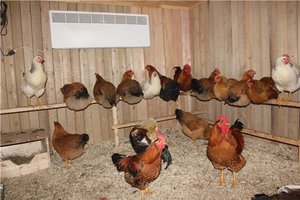
Firstly, the most important rule of poultry farming is order and cleanliness. Therefore, before building a coop, it's important to consider all the details, not only regarding its location but also ease of cleaning. Based on this, the first step is to select the appropriate material. Slate, brick, cinder block, or wood are all options. It's a good idea to insulate the coop, as this will allow the hens to maintain egg production despite the cold winter.
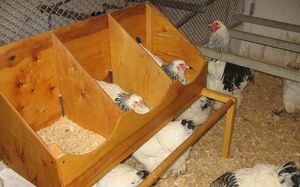
Please note that chickens natural bedding is requiredStraw, wood shavings, or sand are best. Consider your equipment in advance: chickens will need waterers, nest boxes, ladders, feeders, perches, and you'll need cleaning tools. You might need hatching cages in the future.
When every square meter counts, raising chickens in cages can be a good idea. To do this, choose specific breeds that can cope with such cramped conditions. Some breeds remain highly productive and adapt well to such a home. Don't forget to provide good ventilation in the coop. This is crucial for your comfort and the health of your chickens.
Selecting laying hens
So, the house is built, now it's time to go get the chickens. There are currently four directions of poultry farming:
- meat,
- egg,
- universal,
- decorative.
You'll likely choose a versatile option, as these hens lay eggs well and their meat is tasty and healthy. Which hens should you buy, adults or young? This also depends on your preference. You can raise layers from chicks, or you can buy ready-made ones. In the latter case, it's better. choose 5-6 month old chickens, which are not yet laying eggs. Adults are selected based on certain external characteristics. Young hens have a red comb on their heads, beautiful bright earlobes, and a large, soft belly.
Breeding chickens
 If you've decided to breed laying hens, you should think about their offspring well in advance. Naturally, a broody hen is best, but not all hens are equally adept at this task, and egg-laying breeds are particularly weak in maternal instinct. There are two possible solutions:
- choose a brood hen from a meat breed and keep her separately,
- Buy an incubator.
Today, they produce for home poultry farming many small incubatorsThey vary in size, shape, and capacity. The choice is yours, as long as it performs its intended duties well. A flock of hens must include a rooster, as this is the only way the eggs will be fertilized. Choose eggs for incubation that are properly shaped, clean, and no more than 10 days old.
Saving money
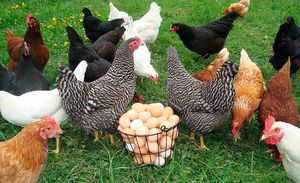
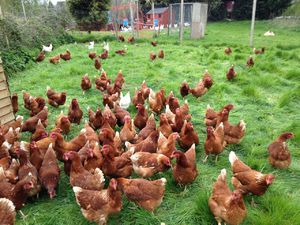
Today, compound feed and grain are quite expensive, which is why many breeders complain. However, you can save on feed during the warmer months. In the spring, summer, and fall, you can leave the raising of chickens to nature. To do this, you should let the birds feed themselves in an enclosure. They are excellent foragers, using a variety of worms and insects.
You can also feed chickens table scraps: vegetable scraps, leftover grains. This allows you to conserve grain a little. However, there's no substitute for mineral supplements, so they should always be included in the diet.
Winter maintenance
It's important to remember that keeping chickens in winter is different from keeping them in summer. The birds need to be comfortable at any time of year, so pay special attention to their living conditions and ensure they're receiving a different diet. By late fall, the coop needs to be insulated. To do this, lay an additional layer of straw or sawdust on the floor. To retain heat, It is necessary to pour at least 20 cmCorn cobs, sphagnum peat, dry sand, and sunflower husks are typically used. If winters in your region are very cold, add lamps that produce light and heat.
Birds' food should be warm during winter. To make a moist mash, add hot water. The water bowl should be filled with warm water. To prevent the water from cooling, don't leave it there for too long. Warm the water before each feeding.
In winter, just like in warm weather, birds need to be outside. To ensure good egg production, build an enclosure with a canopy near the coop and cover the walls with plastic. This will act as a greenhouse. Cover the ground with straw and grain, and let the birds out. This warm enclosure will allow them to dig around and roam on the bedding all day long.
At the end of winter, laying hens need to be given prepared nettle leaves or birch broomsThese plants strengthen the birds' bodies and provide them with vitamins. Nettle is especially beneficial, having a positive effect on productivity and strengthening feathers.
Summer maintenance
 In summer, the main task of poultry farming is keeping the coop clean, as well as the hens themselves, as warm weather is ideal for the reproduction and spread of pathogens, mites, and other parasites. Immediately after the cold weather subsides, we construct an open-air run where we release the hens and conduct a thorough cleaning of the premises. The litter should be completely removed, and the walls, perches, equipment, and floor should be thoroughly washed with hot water to which caustic soda has been added. The walls and floor can be additionally treated with slaked lime.
After such a thorough cleaning, it is best to keep birds out of the room for about 1.5 months. To ensure the birds have a place to sleep, a roosting area is created outside. special summer houseBefore the onset of warm weather, the hens are also treated with antiparasitic drugs.
Feeding during the summer remains the same, with the addition of greens to the grain and mash. Avoid overfeeding the hens during the summer to maintain high productivity, as they spend a lot of time wandering and foraging for food themselves.
Life expectancy of chickens
With proper care, laying hens can live for 5 to 10 years. However, experience shows that laying hens rarely reach such an advanced age. Typically, when egg production declines, laying hens are slaughtered for meat. This age is typically around three years old. Experienced farmers advise that this is the optimal age for a domestic chicken. If it's older than four years, it becomes almost inedible, as the meat is no longer tasty and tough.
Diseases
Chickens, like other domestic birds susceptible to various diseasesTherefore, it's important to carefully monitor their health and take measures to eliminate it at the first sign of illness. Below is a list of common diseases and their treatment methods:
 Pseudoplague. This disease is incurable, so infected birds are slaughtered immediately. If a chicken is sick, it will have difficulty breathing, loose stools, and poor coordination. The bird will often lie on its side and stretch its neck.
- Salmonellosis. Treatment is with streptomycin, 100 mg per hen. Furazolidone is also used, diluted in water (one tablet per three liters). The hen is depressed, with inflammation of the eyes and cloaca. She drinks constantly but does not eat.
- Streptococcosis. Treatment is with antibiotics; your veterinarian will advise you on the dosage. Symptoms include fever, joint inflammation, decreased egg production, and sometimes seizures.
- Tuberculosis. This disease has no cure, so the hens are simply slaughtered. During the illness, a laying hen rapidly loses weight, her comb fades and wrinkles, and her wings droop.
- Smallpox. The disease can resolve if treatment is started promptly. The bird's skin becomes spotted, and the hen has difficulty swallowing feed. The inflamed areas are treated with 3% furacilin, and the hen is given antibiotics (0.5 mg of ampicillin per bird, 0.3 ml of pharmacin 50).
 Pseudoplague. This disease is incurable, so infected birds are slaughtered immediately. If a chicken is sick, it will have difficulty breathing, loose stools, and poor coordination. The bird will often lie on its side and stretch its neck.
Content Tips
All recommendations for raising hens can be found here. boil down to three basic rules:
- Comfortable conditions of detention,
- Cleanliness and hygiene,
- Balanced and proper nutrition.
These points indicate that it is important for laying hens:
- Have a warm and dry chicken coop with the necessary equipment,
- The correct lighting mode,
- Balanced menu,
- Additional additives,
- Prevention and timely treatment of diseases,
- Free time spent in the fresh air.
 Have a warm and dry chicken coop with the necessary equipment,
Remember that the health and well-being of your poultry farm depends solely on the owner. Pay enough attention to your hens and they will will thank you with good productivity regardless of the time of year.