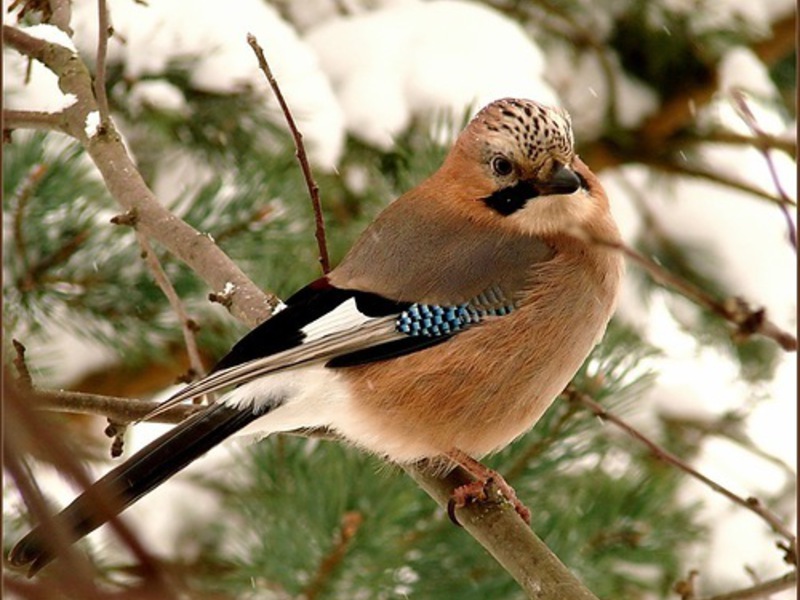
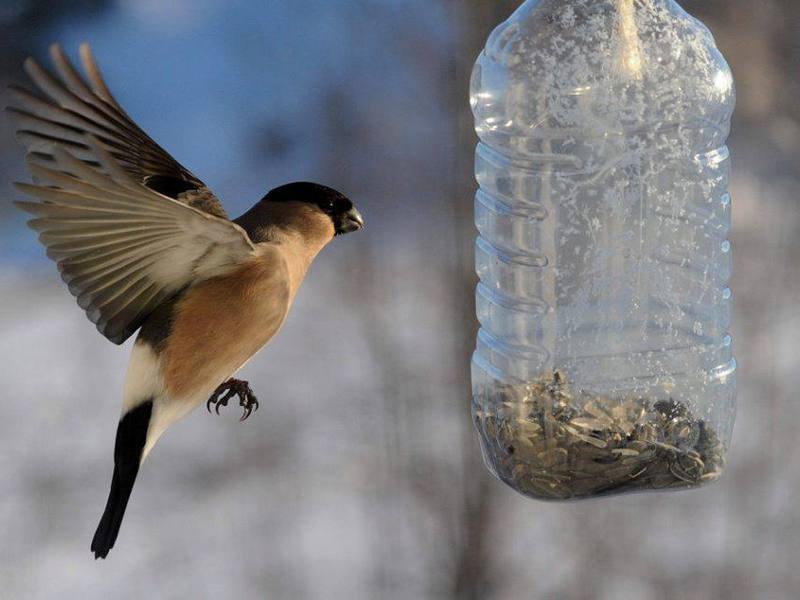
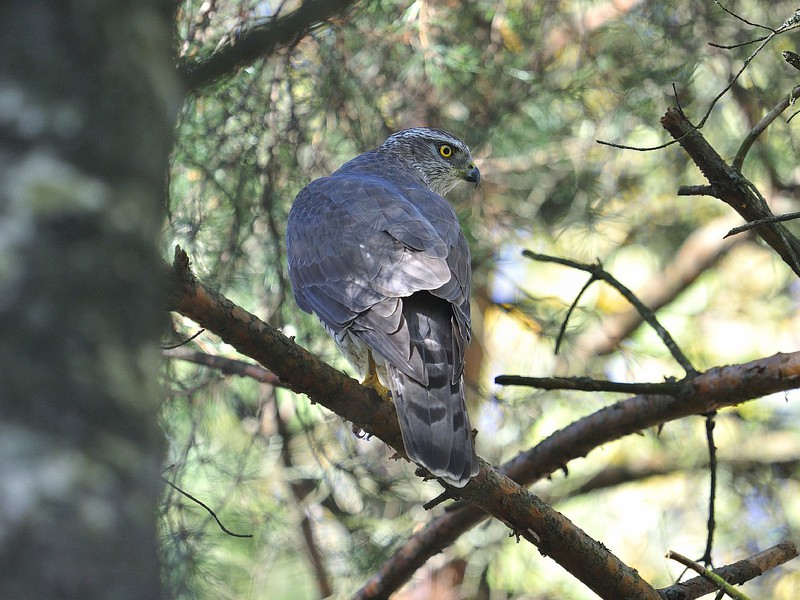
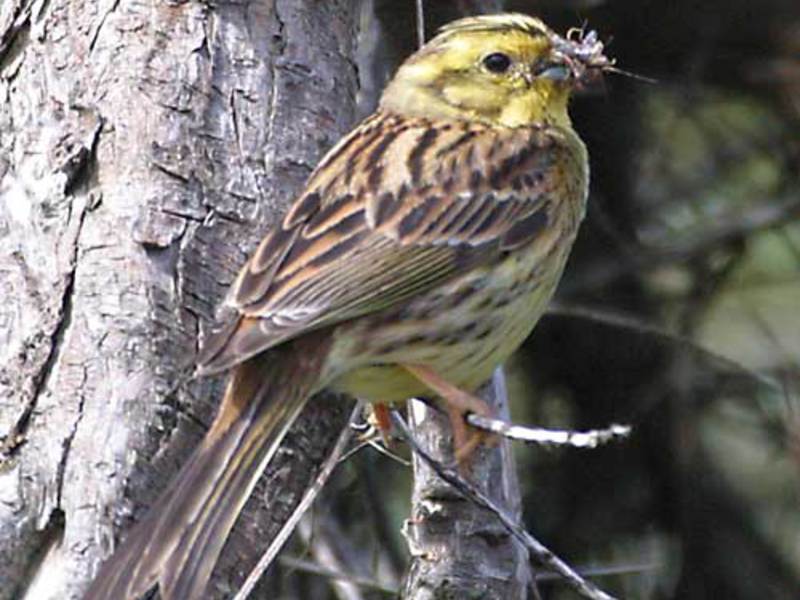
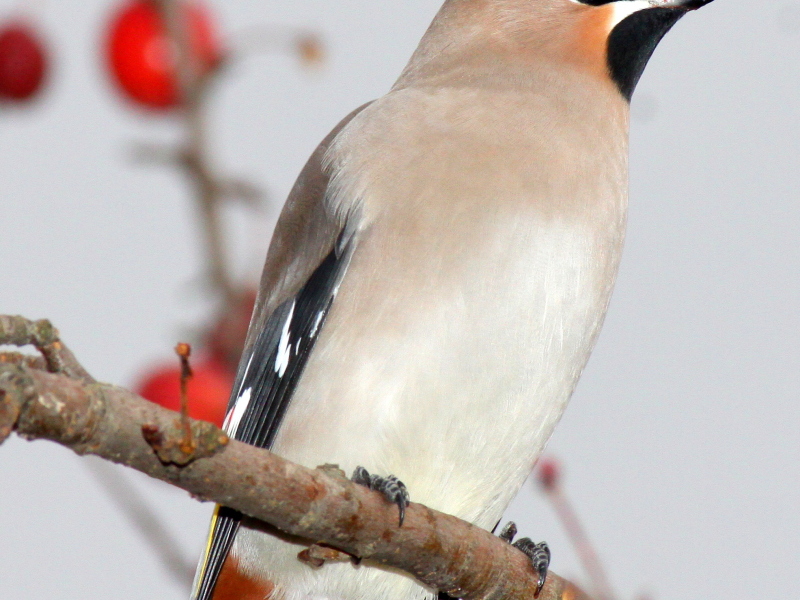
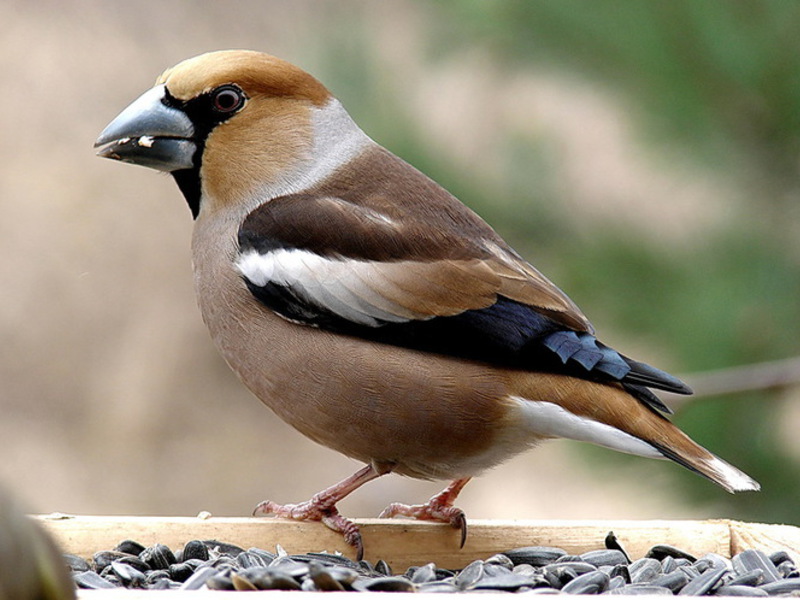
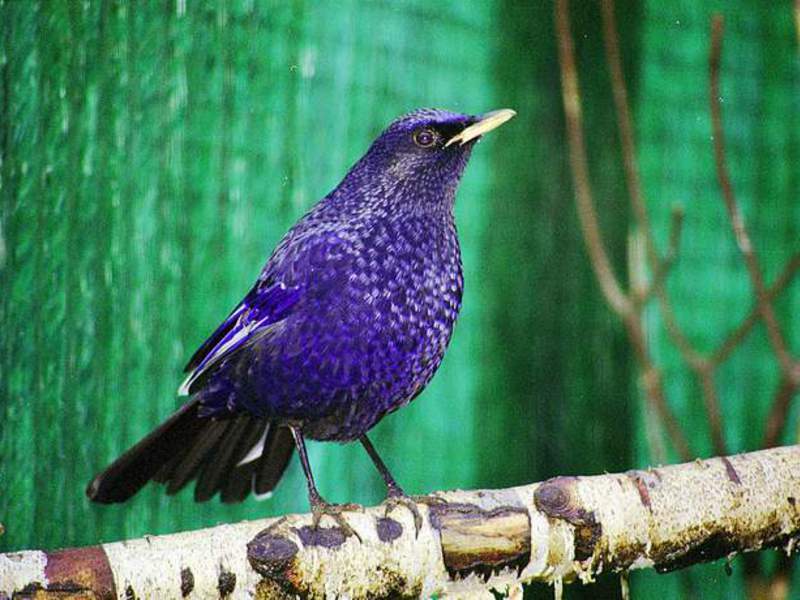
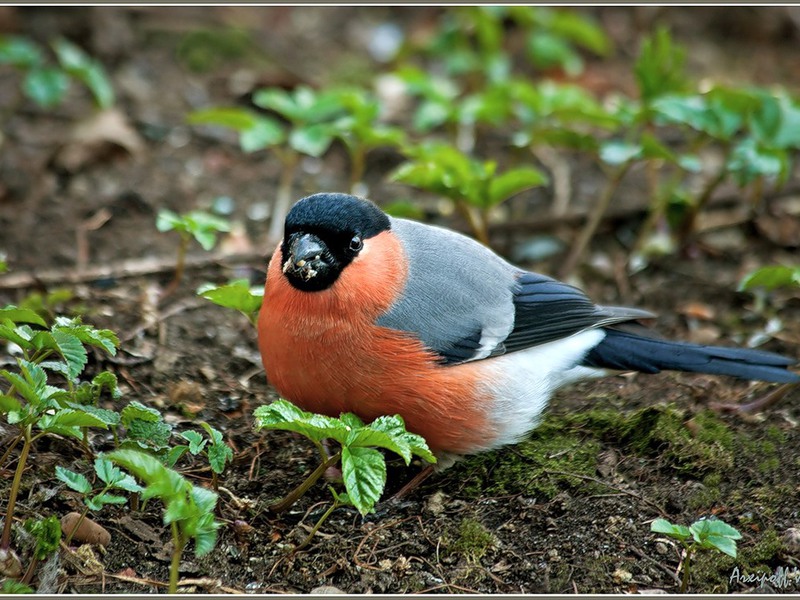
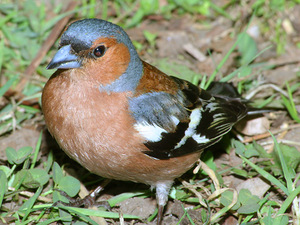
 Like other regions of our country, the Leningrad Region is home to a wide variety of birds. Quite common are members of the finch family, which stand out from their relatives not only with their colorful colors but also with their ringing calls. Let's take a closer look at these birds of the Leningrad Region.
Popular birds
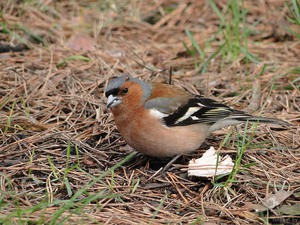
Finch
From early spring until midsummer, the ears of local residents and others are delighted by the beautiful song of the chaffinch. In this region, it appears already in MarchBut sometimes they may arrive later than usual. If this happens, it's usually due to the late arrival of spring. Finches usually lay clutches in mid-May, preparing for the breeding season. For their nests, finches choose trees common in this region, such as:
- spruce;
- pine;
- birch;
- alder.
At the same time, they can be found in other trees as well. But sometimes the nest has to be rebuilt because someone has already visited it and destroyed it. To raise their chicks, finches forage for insects, and they can also feed the brood with seeds and small grain. Beginning in the second half of August and continuing into September, most birds leave this region, including finches, which migrate to wintering areas with ample food and warmth.
Greenfinch
When you first see this bird, you might think it's a bullfinch, a titmouse, or a sparrow. And that's not surprising, since it trills likes to add voices, which are also produced by other birds. Along with other birds of the Leningrad Region, the greenfinch is also a frequent visitor.
 Her favorite habitat is the southern and western parts of the region. However, the likelihood of encountering her in the north and east is very low.
- These birds most often choose nesting sites near people. So don't be surprised to see this bird in old parks.
- But at the same time, it can delight you with its trill at forest edges near fields. This bird often inhabits areas with spruce undergrowth.
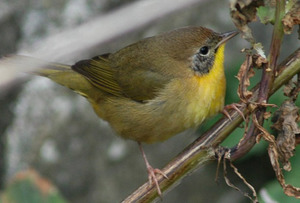 Her favorite habitat is the southern and western parts of the region. However, the likelihood of encountering her in the north and east is very low.
Since the basis of its food consists of seeds of various weeds, the greenfinch has to migrate from one area to anotherto find fresh food. From late April to early May, people rejoice at the first songs of male greenfinches—they perform long concerts in the treetops.
Other species
Siskin
If you spend an extended period in the Leningrad Region, you might encounter this bird. It's worth noting that the siskin is a truly unique bird. They can often be seen even in winter, provided they have ample food. If food is scarce, they have no reason to spend the winter here. Therefore, with the onset of autumn, they migrate to warmer climes, returning only in the spring. Marked birds have repeatedly proven their endurance, which allows them to fly rapidly, covering up to 160 kilometers a day.
Surprisingly, ringed siskins can be found in almost every country on the European continent. Siskins feed primarily on tree seeds:
- birch trees;
- alder;
- ate.
These birds are not accustomed to living alone. Therefore, they can only be seen in flocks. This is where they search for food and build nests, which resemble dormitories. Siskins begin delighting people with their trills as early as February. With the arrival of May, females begin raising their chicks, collecting seeds as food for them.
Goldfinch
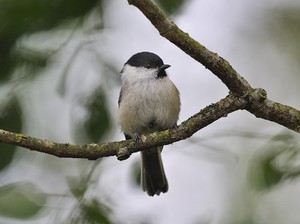 The goldfinch is one of those birds that can be seen almost anywhere in the Leningrad Region, no matter what time of year you visit. However, these little birds traditionally choose more favorable wintering sites with ample food.
Goldfinches' favorite nesting sites are open areas with abundant burdock and other weeds. Males begin producing their first trills as early as April, and they continue until August. If the autumn is warm, you can hear these birds' clear calls as late as October, but most do not stay for the winter.
Unlike other birds, goldfinches can raise two broods per season, feeding their young primarily on burdock seeds, flower and grass buds, and elm and linden buds. The younger generation also enjoys other foods: small larvae of flower flies, caterpillarsIf you're lucky enough to find yourself in the Leningrad region, you simply can't miss the goldfinches—these little birds attract everyone's attention with their bright colors.
Conclusion
Some might think that the Leningrad Region's fauna is no different from other parts of our country, but this region can still surprise you. A wide variety of birds are indeed abundant here. And sometimes you encounter species you shouldn't even expect. However, there's a simple explanation for this: if there's enough food, some birds can thrive in the Leningrad Region, too. can live all year roundAfter all, severe frosts are rare in this region, so this could be an additional reason for birds to stay here for the winter rather than waste time and energy searching for more favorable wintering spots.