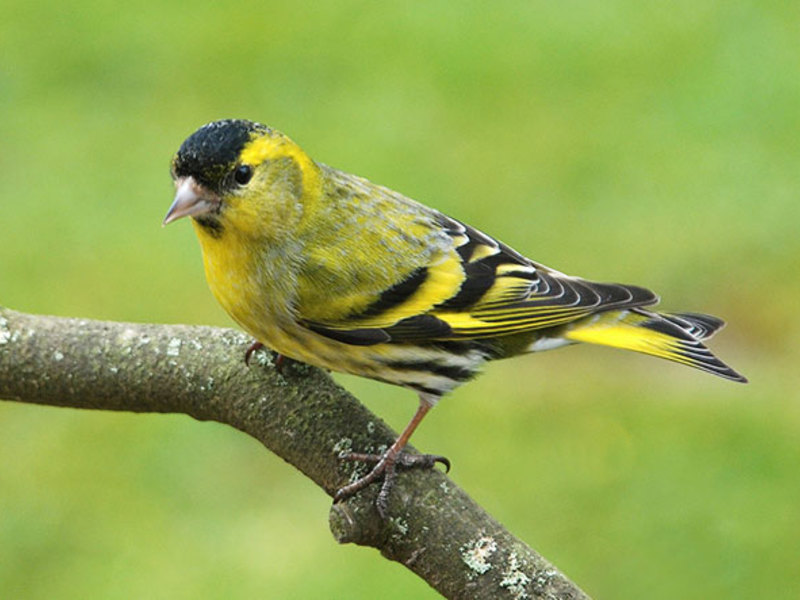
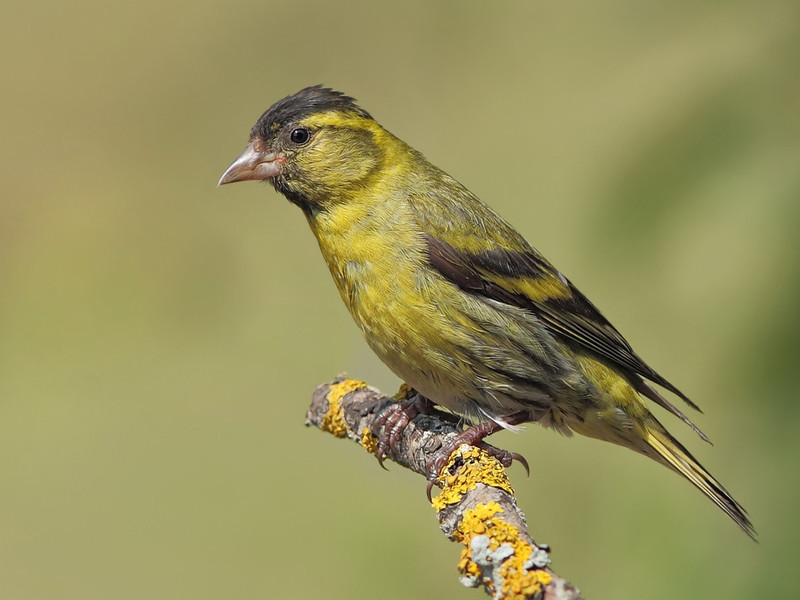
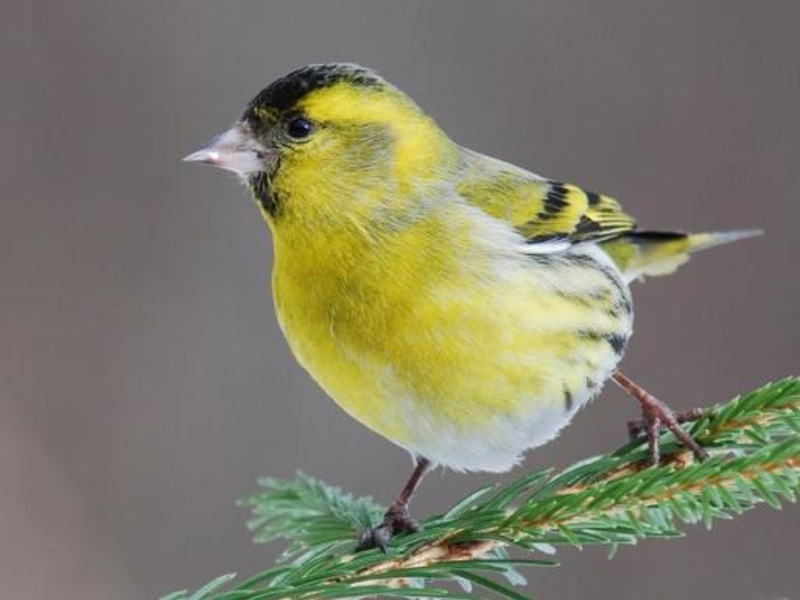
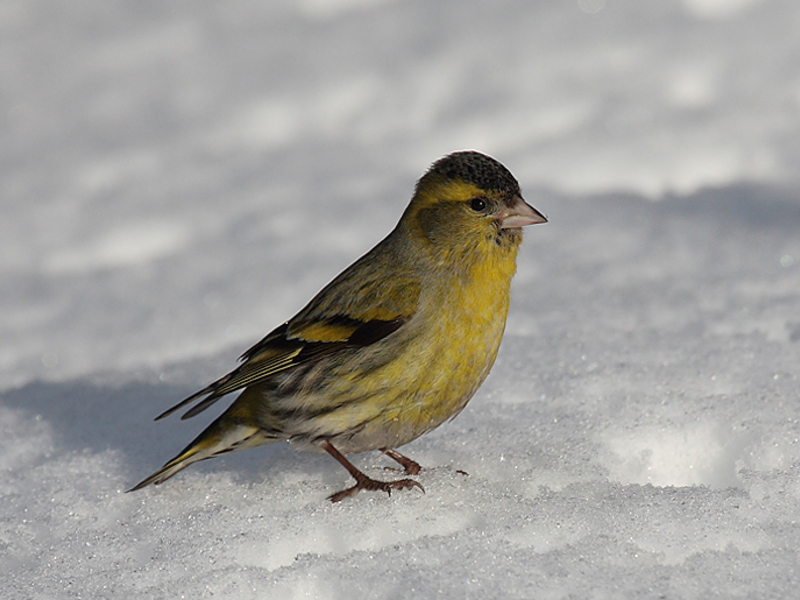
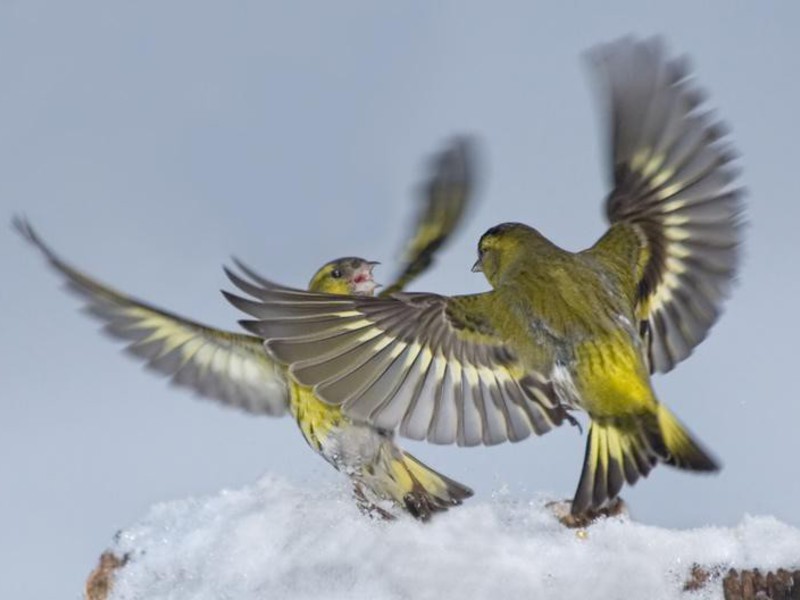
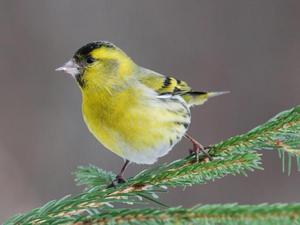
 The siskin is a songbird belonging to the order Passeriformes, the finch family. Siskins have a fairly wide range and are numerous. They are migratory, so it is difficult to spot them in one place. They inhabit the coniferous forests of Eurasia. They are numerous in the forests of Russia. They arrive in Crimea only in winter, and in the Caucasus, during the cooler months, they migrate from the mountains to the valleys.
Before the winter cold they fly away to warm places:
- Africa.
- Southern China.
The length of the birds' migration depends on the availability of food. They live permanently only in forests consisting of coniferous trees with a small admixture of deciduous trees. They love reed bedsThere, siskins find their favorite delicacy: birch and alder seeds. However, such shelter is considered temporary for the birds; they do not prefer to nest in such places. They begin gathering for the spring migration from warmer climates as early as early February.
Description of appearance
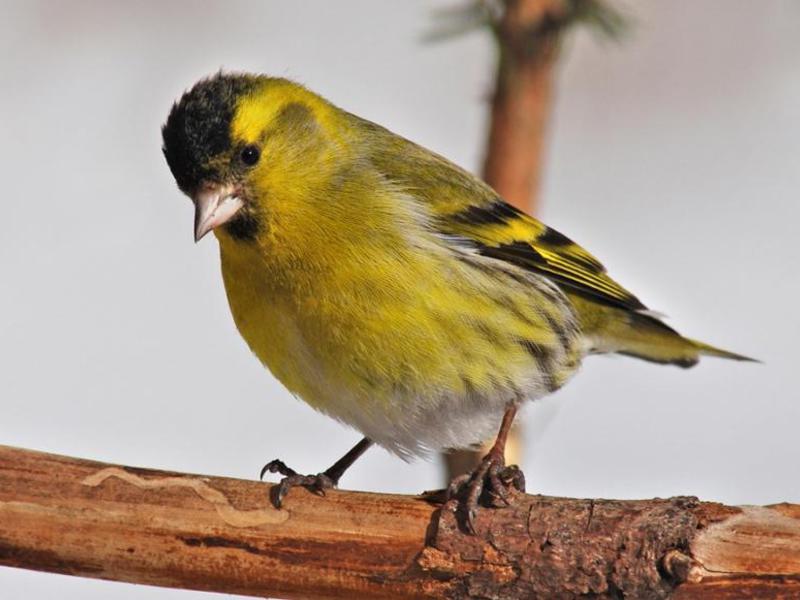
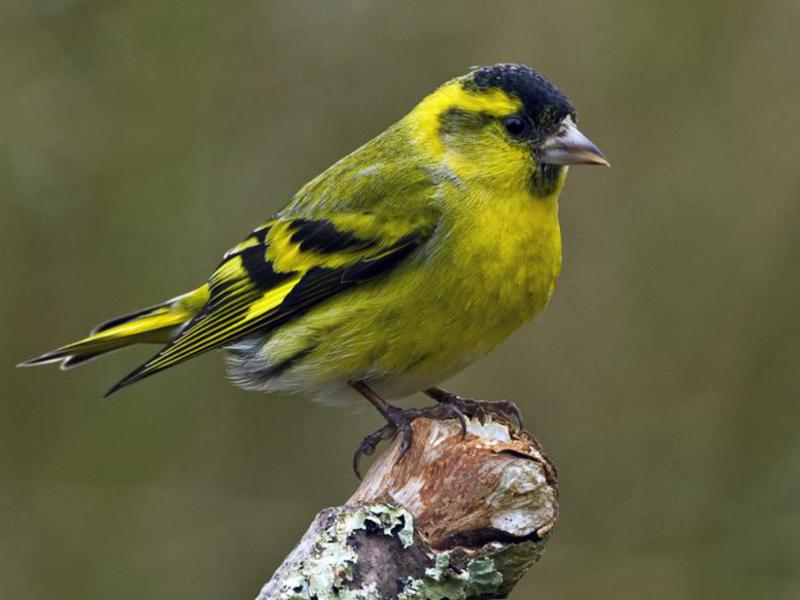
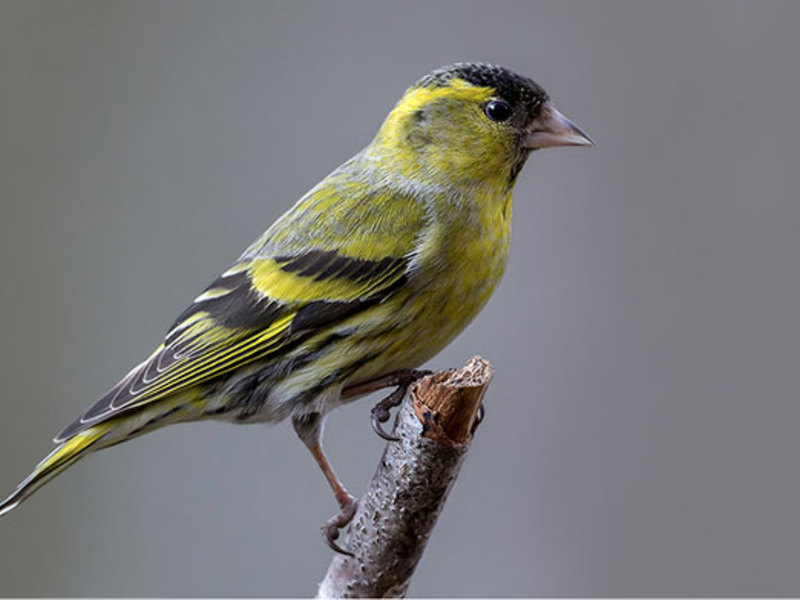
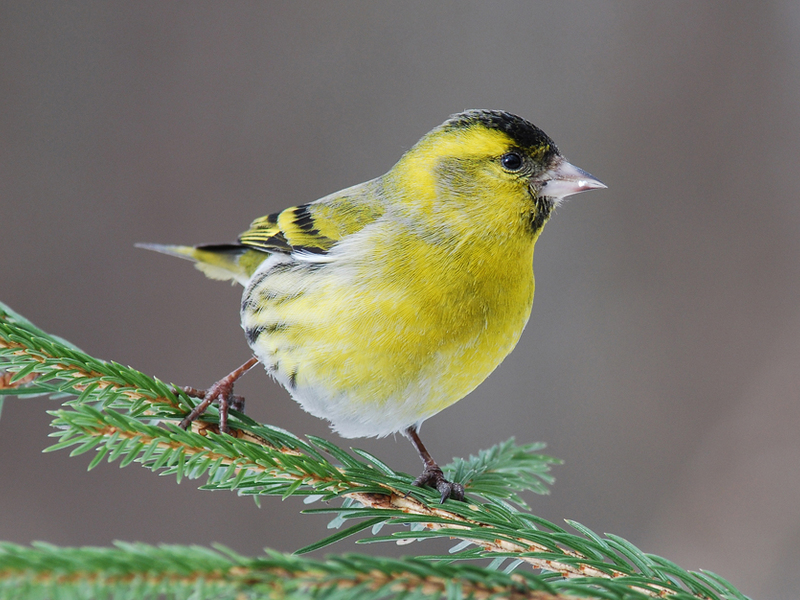
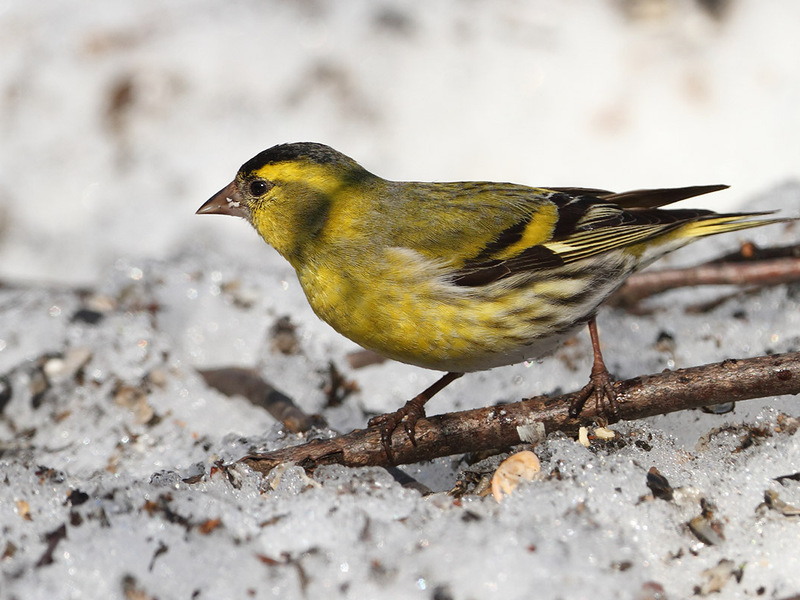
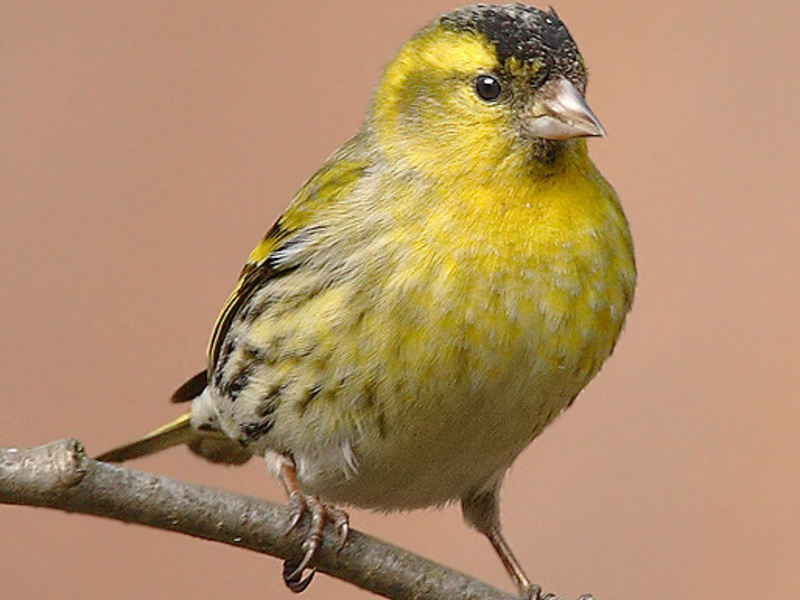
The birds' coloring is quite colorful and vibrant, with yellow-greenish tones. You can see dark spots on the upper part of the siskin's body and light yellow spots on the lower part. Their wings are striped, and their bodies are quite stocky. These birds are small, weighing no more than 15 grams and reaching a body length of only 13 cm.
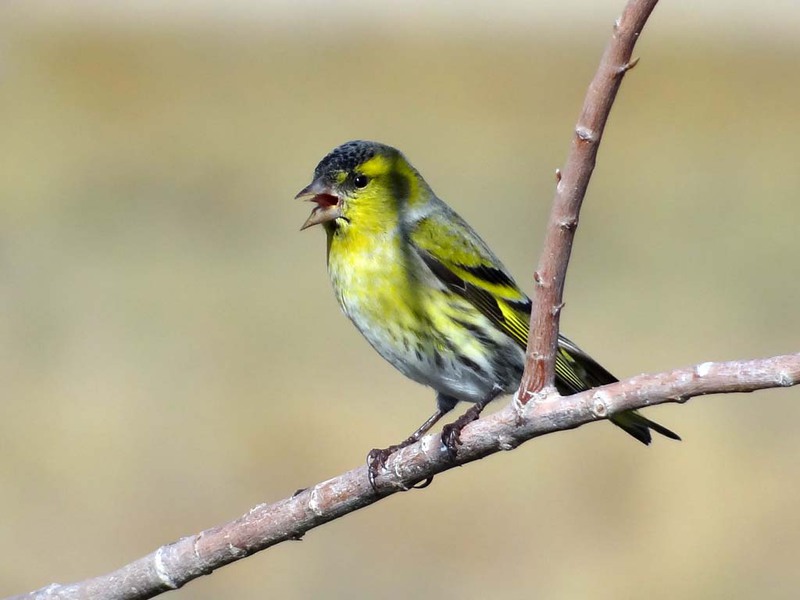
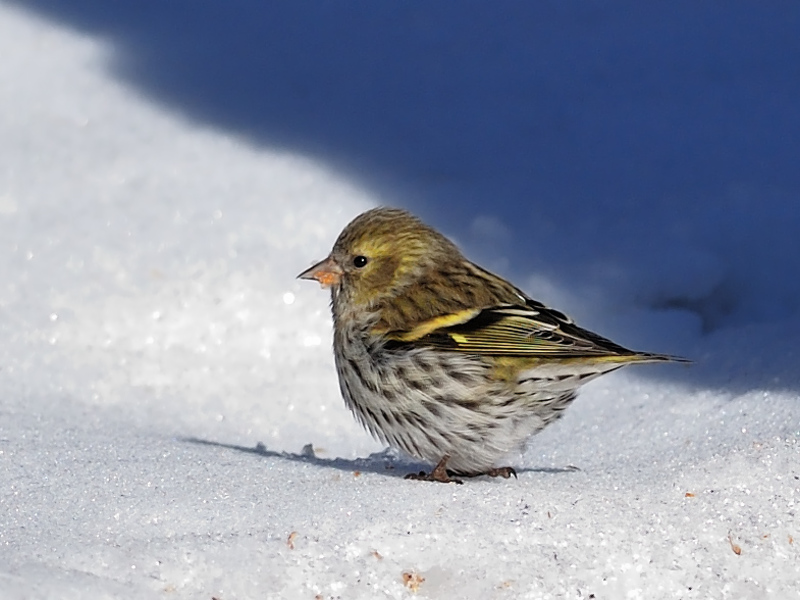
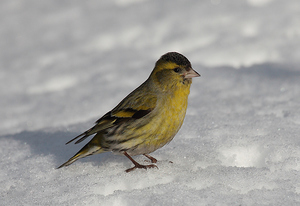
Female and male individuals have different colorsMales have a dark cap on their heads, a black tail, and black wings. Yellow spots are visible on the chest and cheeks. The siskin has a sharp, conical bill that is very short and thin. Males are typically bright lemon-colored, while females are gray. Females have slightly greenish feathers on their backs and no spots on their heads. Dark spots are visible only on the abdomen. Females resemble young siskins in coloration.
Lifestyle and behavior
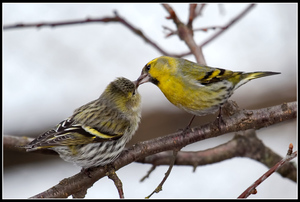 Siskins flock together only before migration; the rest of the time they live in permanent pairs. Sometimes before departure they they don't fly straight to their permanent wintering grounds, but are nomadic, gradually moving through coniferous and mixed forests. It happens that the siskin spends the winter near an ice-free lake or river.
But during this period of the year, they live only high in the trees. They prefer not to even descend to the ground. They also build their nests there. Upon returning from winter, they immediately begin building nests in the tops of coniferous trees. The building materials are lichen and moss. Both individuals usually participate in the construction. The male siskin searches for and brings the materials, while the female builds the nest. They line the interior of the nest with soft grasses.
Reproduction and nutrition
Birds live up to 2 years., but some individuals can live up to 10 years. The mating season begins during the nesting season in early spring. Males begin singing loudly, and females respond softly. When courting a female, the siskin begins to fly around her, spreading its wings and tail. The fertilized female sits on the pear-shaped eggs. The eggs rarely exceed 15 mm in diameter. A clutch contains no more than six eggs. The incubation period is 15 days.
The male brings food to the female, occasionally replacing her, and then lets her fly out of the nest. The hatched chicks are fed by their parents for two weeks. A brood typically only lasts two weeks per season. By August, the young chicks are already able to gather in flocks. The siskin is a herbivorous bird, feeding on tree and grass seeds. They are particularly fond of dandelion seeds. They rarely eat insects, although this happens rarely and only during the breeding season. The parents may feed the chicks caterpillars and aphids. Sometimes they bring soft leaves, grass, and buds to the young.
Home care
 Siskins are popular pets. They can be lured from the wild with food or by catching another siskin. This is often successful. before the autumn migrationBirdsong won't be particularly pleasing to apartment dwellers, but their melodious trills are very pleasant to hear. The male will begin making sounds as early as two weeks in captivity. He only becomes silent during the molting period. The bird quickly becomes accustomed to people. It can fly around the apartment and then return to its nest.
Siskins can coexist with other bird species in the same cage. They can even breed successfully at home. To do this, place a small nest in the pair's cage and camouflage it with spruce branches. Siskins love to bathe in a bowl of water placed in the cage. clean birdsA siskin will rest when wet. It won't be able to fly wet. At home, feed the birds seeds with added millet and oats. Pine, alder, or birch seeds are more common. They enjoy eating seeds:
- plantain;
- clover;
- dandelion.
They won't turn down grated apple, carrots, or fresh grass. In captivity, siskins quickly become accustomed to their favorite seeds. It's important to monitor this bird's preference and treat your pet with treats as often as possible. the diet should be variedWith good care, these birds can live happily in captivity for up to 10 years, remaining active.