 Autumn is a time when you can observe flocks of migratory birds heading for warmer climates. Where do birds fly for the winter, and which birds are considered migratory? Birds that prefer to remain in their home region for the winter are called sedentary. These include pigeons, sparrows, and tits, while crossbills can breed in the most severe frosts.
Migratory birds
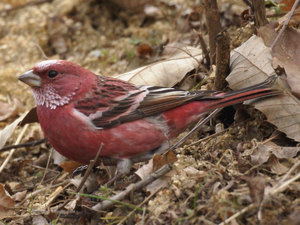
There are migratory birds - they fly away only in very severe cold weather, and in a relatively warm winter they can remain in their region. goldfinches, pine grosbeaks, siskins, waxwings, bullfinchesHooded crows and rooks migrate in northern regions, but remain sedentary in southern ones. Some birds migrate only in years when food supplies are unfavorable, for example, if there is a poor conifer seed harvest—among these species:
- waxwings,
- crossbills,
- nutlets,
- tits,
- tap dances and others.
Migratory birds
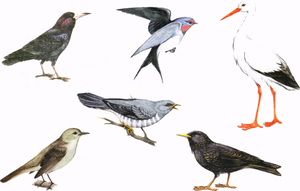
Migratory birds that migrate for the winter include:
 wagtail,
- redstart,
- swallows,
- robins,
- cuckoos,
- starlings,
- oriole,
- swifts,
- lapwings,
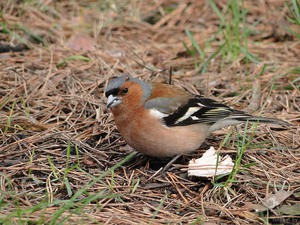
- finches,
- larks,
- song thrushes,
- tree pipits,
- chiffchaffs and others.
 wagtail,
The reason for their migration is the lack of food, disappearance of caterpillars and larvae in winter and other insects that form the basis of the birds' diet. About half of the forest birds will migrate for the winter, while almost all bird species from the tundra, taiga, and marshy areas will head for warm wintering grounds.
When choosing where to migrate for the winter, most species will prefer familiar conditions. Forest dwellers will choose forest edges for wintering, meadow dwellers will choose meadows or fields, and steppe dwellers will find a new home in the steppes. Here, they will find familiar food and an environment similar to those in their native land.
When choosing where to fly, birds will focus both on their final destination—their future wintering grounds—and on the opportunity to feed during the long journey. Therefore, migratory birds' routes do not follow a straight line to their wintering grounds, but include various twists, turns, and stops where they rest and feed. Their flight paths will also stick to familiar terrain—forests, fields, and steppes. If the route leads through deserts— Karakum, Sahara, Libyan Desert - Migratory species tend to fly through these places as quickly as possible.
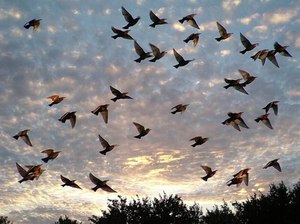
Birds are guided by an unerring instinct—sometimes young birds, unfamiliar with the route, fly off earlier than more experienced individuals. During flight, birds exchange echo-like signals. Some species fly during the day, while others prefer to travel at night and rest during the day. Males and females usually travel together, with the exception of finches (their females leave for the winter earlier) and storks (their males arrive at their permanent habitats before the females).
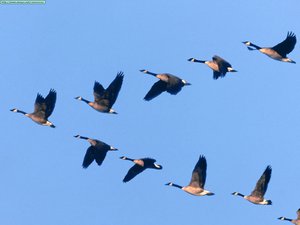
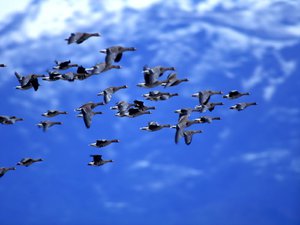
It is precisely those species of birds that feed on insects that are the first to leave their nests before spring. Swallows and swifts They set out on their journey as autumn approaches, in August, with the first chilly nights. Swans, ducks, and geese are the last to fly to their wintering grounds: this occurs when temperatures drop below freezing, the rivers freeze over, and foraging becomes impossible.
Migration routes of migratory birds
 Ducks head to the Balkans, swans fly to Greece and Great Britain. Starlings head to the Mediterranean coast. Wagtails fly to Africa or Asia, and they also often choose India for wintering. Thrushes like to winter in France, Spain, Portugal, and Italy. Cranes move on to Egypt, to the Nile River. The yellowhammer flies from the Moscow and Oka Rivers through Siberia to southern China.
To determine where birds migrate for the winter, ornithologists use banding. Some waterfowl are known to winter in Russia. A snowy owl from the tundra flies to the central Russian forest-steppeSeagulls will migrate to the Sea of Azov or the southern Caspian Sea. Many migratory birds choose Turkmenistan, Kyrgyzstan, and Azerbaijan for wintering—large concentrations of finches, ducks, and geese are observed here during the wintering season, and nature reserves are established specifically in these regions.
In a unique case, Arctic harriers migrate to Antarctica for the winter thanks to the availability of food that is specific to the cold Antarctic waters.
Flight speed
The flight speed of birds during migration is relatively slow. One of the slowest is the quail – it flies at a speed of approximately 40 km/h, among the fastest include black swift (160 km/h). However, birds can spend considerable time during migration stopping, and overall their long journeys—for example, to Africa—can extend over 2–4 months. The speed of spring migration during the return of migratory species is higher—birds return home faster in spring than they do in winter.