Self-fertilization isn't something out of the ordinary, as there are over 70 living organisms on our planet capable of becoming pregnant without the help of a male. This method of reproduction is called parthenogenesis. In this article, we'll look at several animal species with this amazing ability.
Marbled crayfish
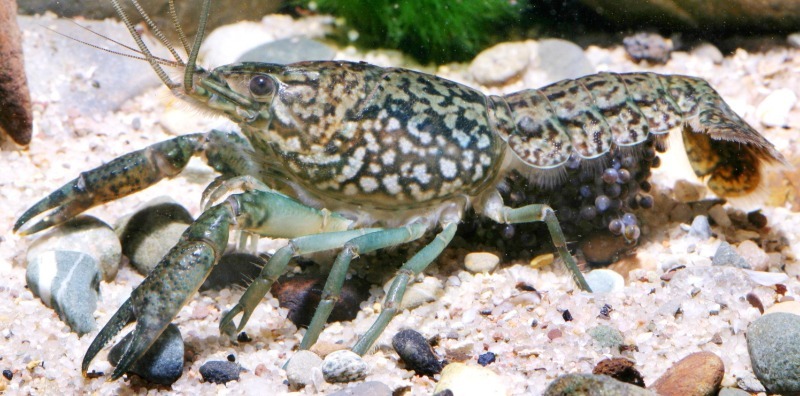
These unique creatures can reproduce on their own, as their species does not allow for the existence of males. Self-fertilization in marbled crayfish occurs during the cold season, when they lay several dozen eggs. The eggs remain on the pleopods of this arthropod for 4-6 weeks. During this time, the female deprives herself of food and remains in a shelter, where she awaits the birth of her offspring.
Mexican whip-tailed lizard
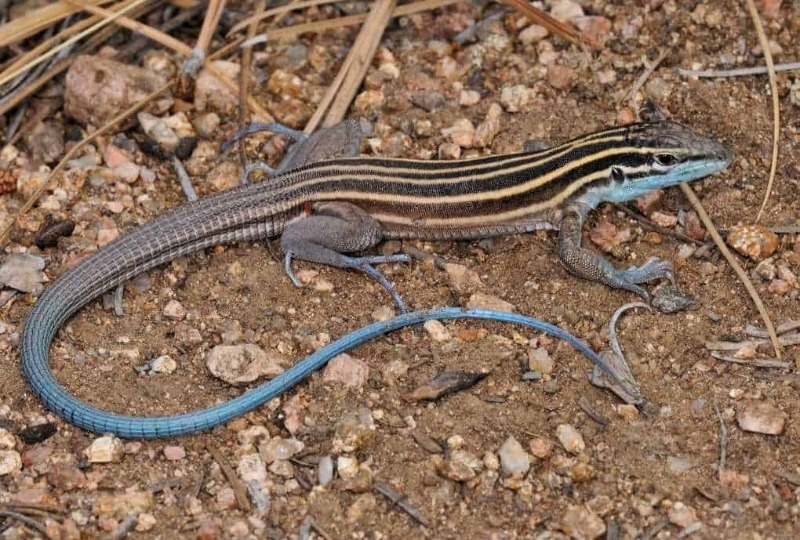
These animals are not programmed to produce males, so Mexican whip-tailed lizards reproduce through self-fertilization. To initiate this process, females require stimulation from female hormones. Copulation must be simulated, so one of the amphibians temporarily assumes the role of the male. Interestingly, it is not always the same lizard that performs the male role. Females can switch places, periodically taking on different tasks.
Komodo Dragons
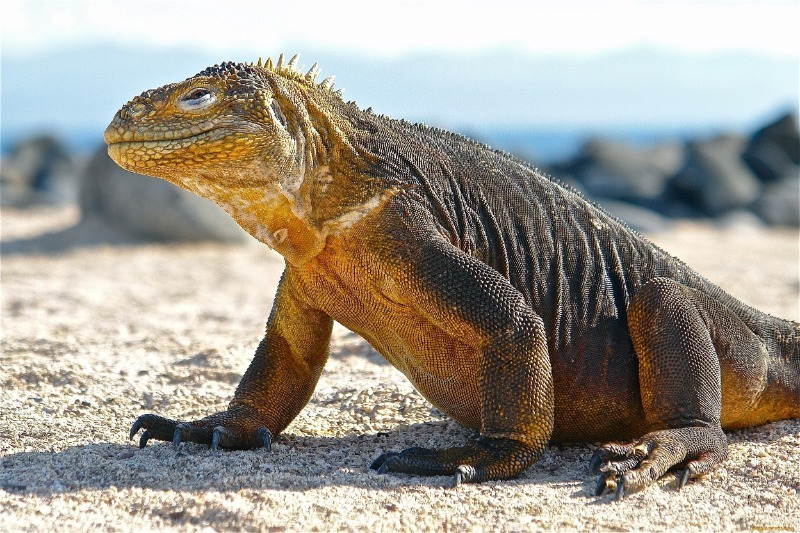
These enormous lizards are incapable of pair bonding or socializing. Female Komodo dragons typically reproduce with the assistance of males, but can resort to parthenogenesis if necessary. Reptiles that lay unfertilized eggs produce only males. This allows new colonies to form in areas where male Komodo dragons are absent. These reptiles nest in bushes, sand, or caves to provide maximum protection from predators.
Turkeys
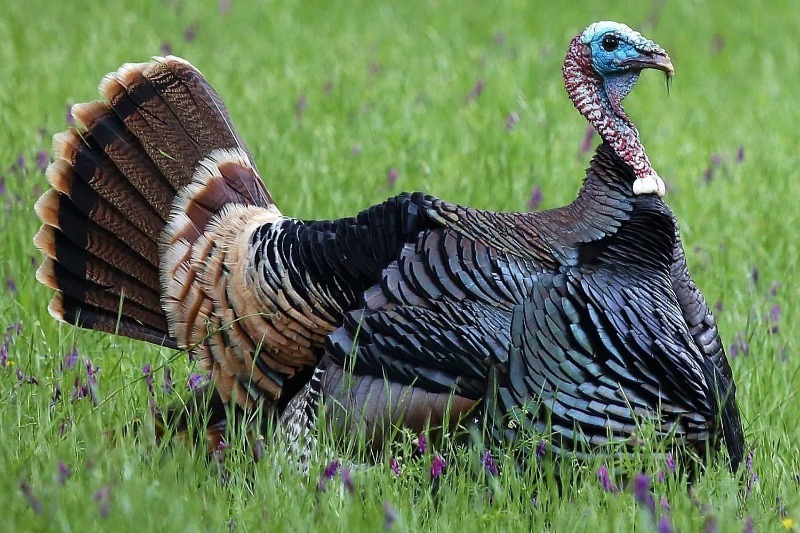
The breeding process in these birds is quite traumatic. Males are large and have sharp claws, so they can injure the female during mating. A male turkey typically fertilizes several females at once to increase the chances of producing offspring. While most turkeys reproduce sexually, 17% of females are prone to parthenogenesis. The young, born through self-fertilization, are genetic clones of the mother but are exclusively male.
Striped sharks
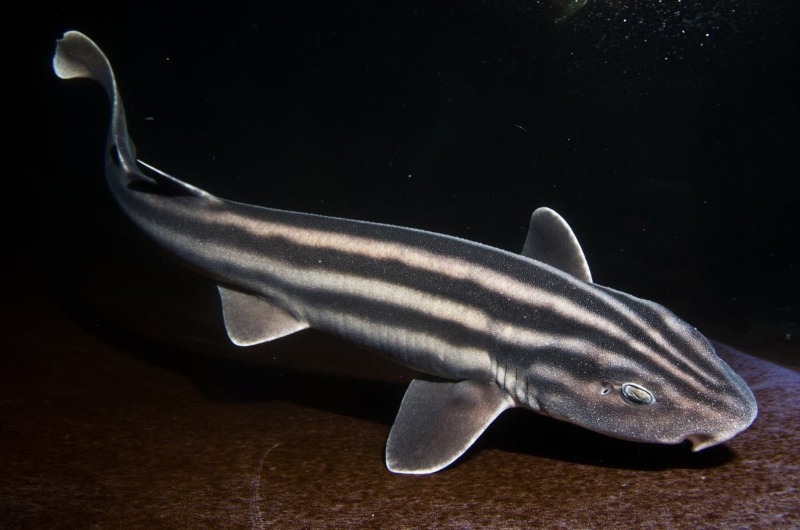
The ability of these cartilaginous fish to perform parthenogenesis was discovered only recently. Self-fertilization is generally believed to be confined to simpler organisms, which sharks do not belong to. However, scientists have proven that some females of this species can lay eggs without natural fertilization. These eggs produce viable individuals, 99% of which are female. Immaculate conception in striped sharks does not occur constantly, but only when, for some reason, they are unable to mate with males.
Reticulated pythons
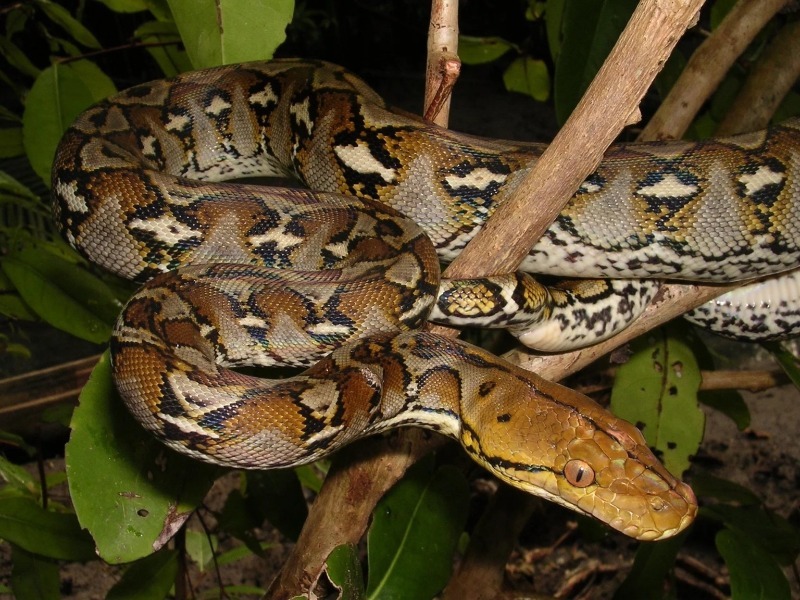
The ability of reticulated pythons to reproduce without male involvement was recently discovered. In 2012, a snake named Thelma laid several dozen eggs at a US zoo, of which only six hatched. Remarkably, the female reticulated python had not mated for several years, and genetic analysis confirmed that the young possessed all of their mother's DNA.