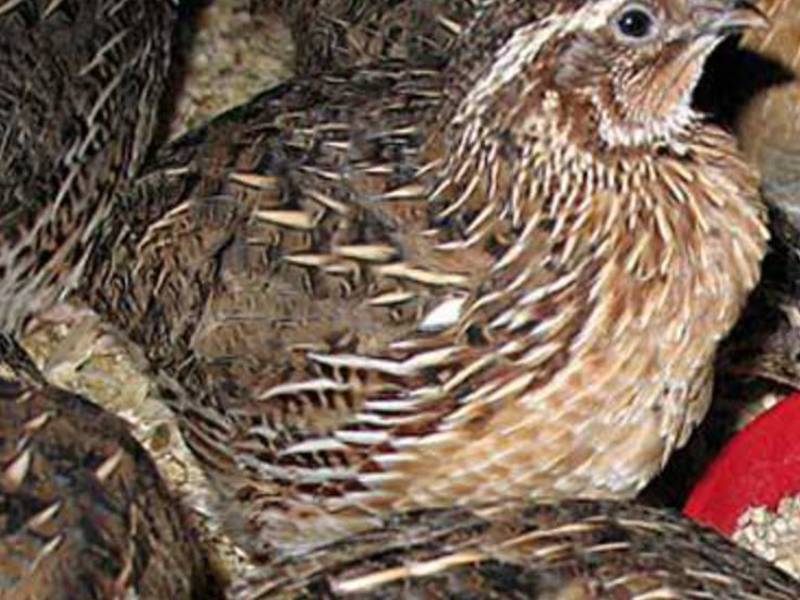
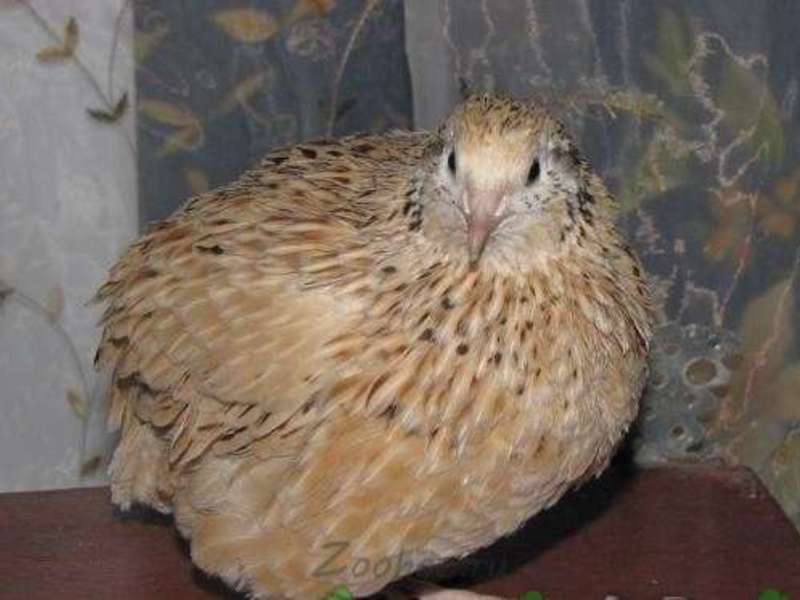
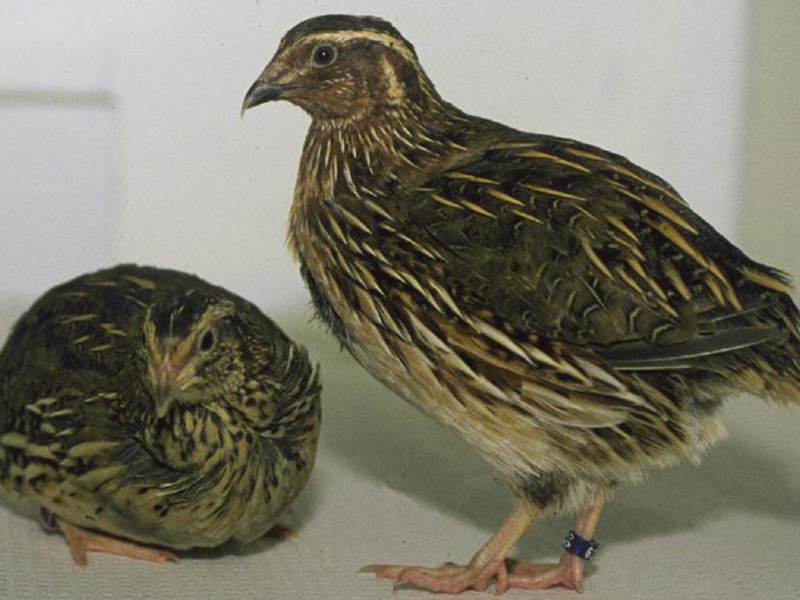
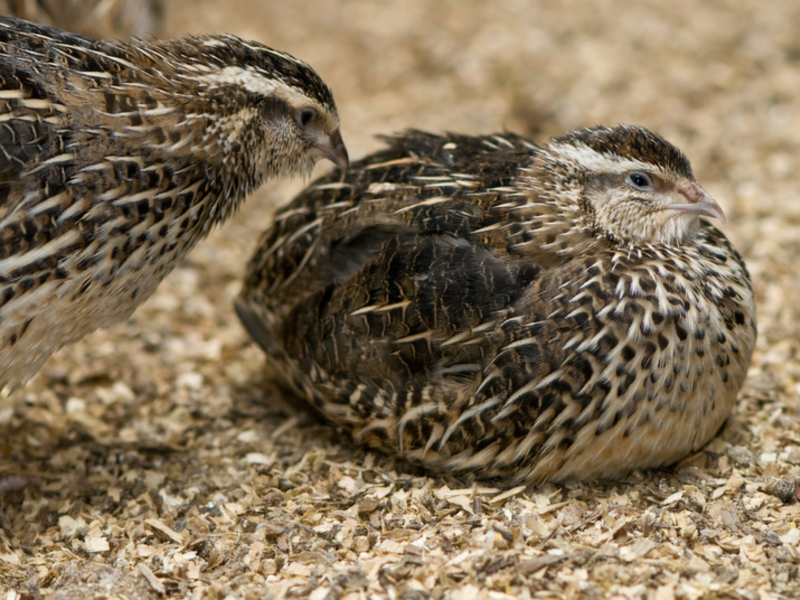
 Many poultry farmers raise quail on their farms for meat, eggs, or ornamental purposes. The breed of quail is selected based on the breeding purpose. This can be challenging for beginning quail breeders, as the selection is quite diverse. We invite you to explore the description, key characteristics of quail, and the differences between males and females in our article.
Estonian quails
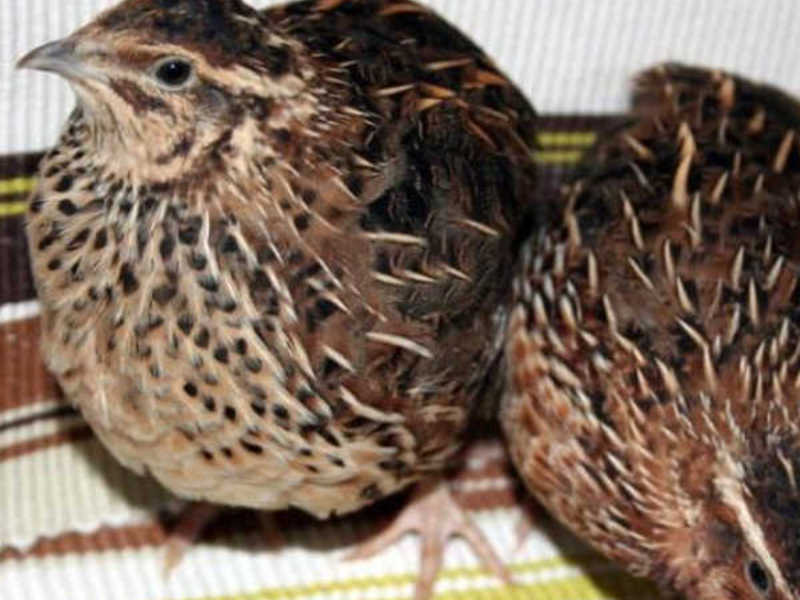
This meat and egg breed was developed through extensive selection and crossbreeding of Japanese, English White, and Pharaoh quail. The resulting birds average 150-180 grams for males and 190-210 grams for females. Estonian quails are distinguished by their appearance:
- oval body;
- small head;
- short neck, legs and tail;
- gray skin around the cloaca;
- a peculiar small hump on the back;
- ochre-brown in color with black-brown stripes.
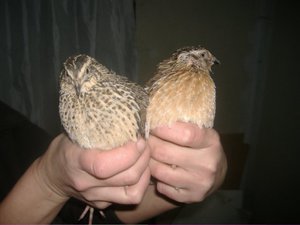
Males differ from females by the presence of three yellow-and-white stripes on their heads and a dark bill with a white tip. Juveniles have a uniform coloration.
Birds reach sexual maturity at about one month of age. Females are highly fertile and can produce eggs per year. from 275 to 290 eggs weighing 11-12 grams eachWith proper housing and feeding, conception rates are 92-95%. The young are very viable, and with good care, they can gain up to 170 grams by the age of one month.
Estonian quail can be bred in an incubator, where chicks hatch after just 17 days. This is crucial for both private farms and commercial production. The meat of this breed is distinguished by its excellent taste.
Pharaoh
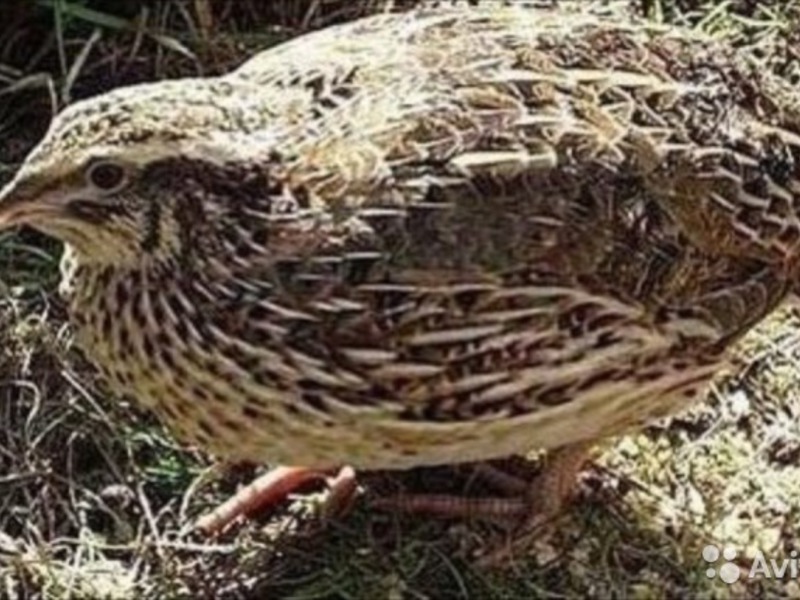
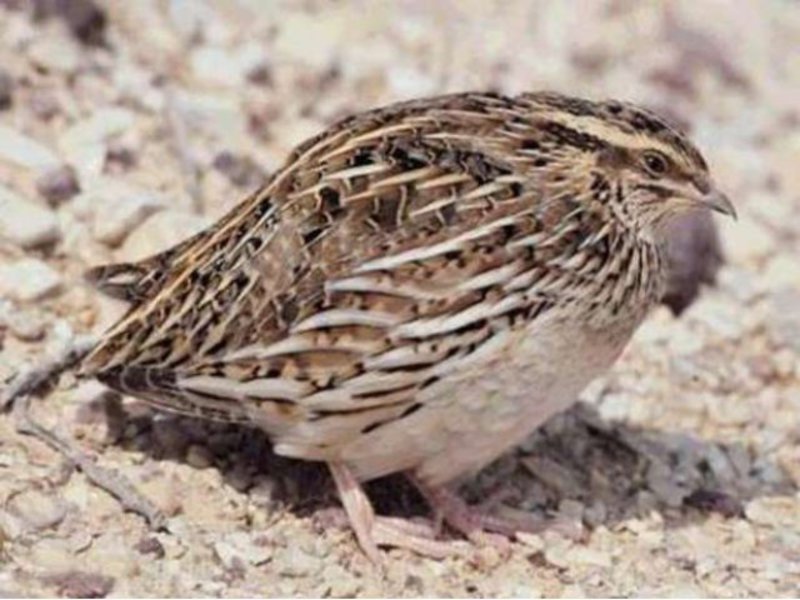
Meat quails are native to the United States. Their main characteristic is a good-quality carcass, and their appearance is little different from their wild relatives. The Pharaoh has grayish-brown plumage, richly patterned with black and white blotches and stripes.
The main advantages The Pharaoh quail breed is:
 male weight is 200-270 grams;
- female weight up to 300 grams;
- quails can lay eggs as early as six weeks of age;
- Pharaoh cockerels begin to mate at the age of one and a half months;
- The low egg production of up to 200 eggs per year is compensated by the egg weight, which on average can reach 15 grams.
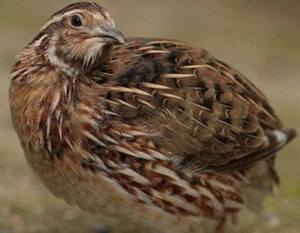 male weight is 200-270 grams;
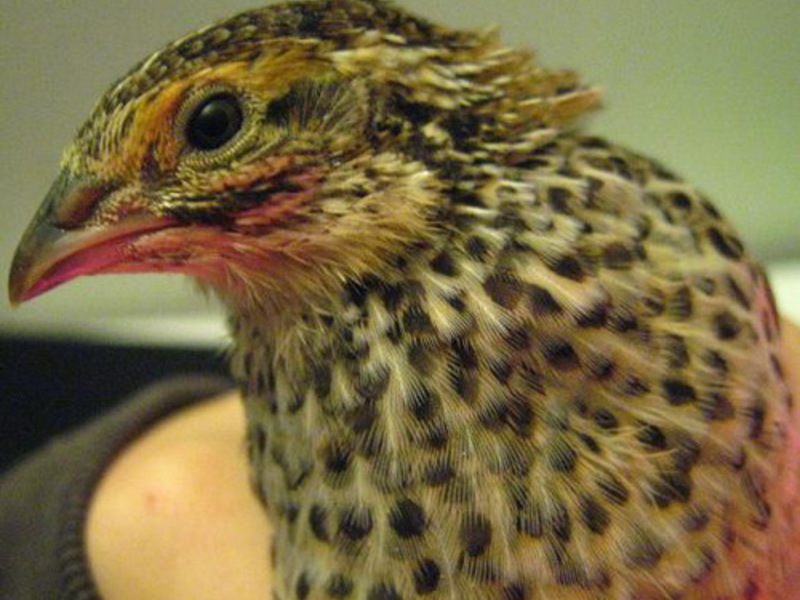
Females differ from males in having lighter feathers with black spots on their chests. Male Pharaohs have brown chest feathers without any spots.
What does quail meat taste like? very juicy and tenderTheir large eggs contain a wealth of nutrients. However, to successfully breed Pharaohs, a balanced diet and specific living conditions are essential. Imbalances between fresh air, proper humidity, and a temperature of 20°C (68°F) can result in illness or even death.
English Whites
Japanese quail were used to develop this meat-oriented breed. The result is a bird with a remarkable carcass appearance and excellent meat quality. English White Quail have:
- rather fleshy body;
- strong bones;
- dense body;
- small head size;
- short neck;
- light-colored legs and beak;
- almost black, medium-sized eyes;
- well developed wings;
- medium length tail.
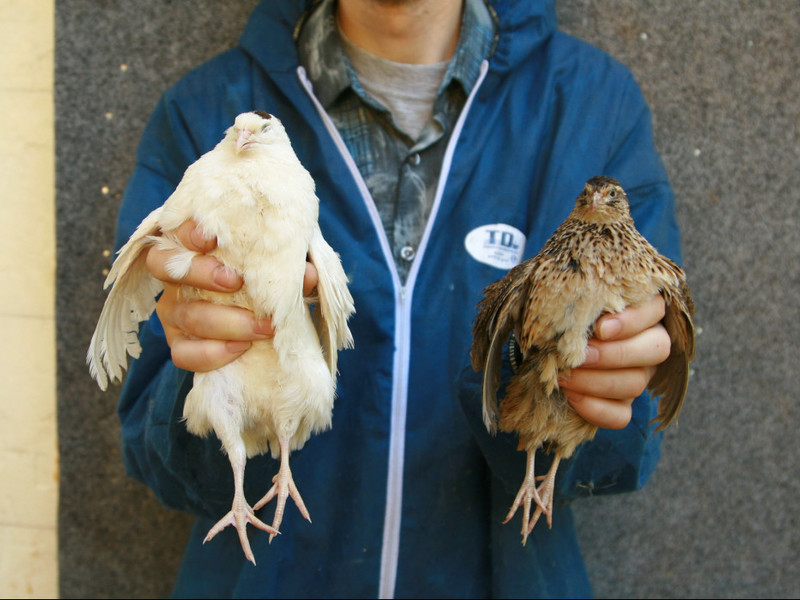
The plumage of this quail breed, as the name suggests, is white. However, on the back or head black inclusions may occurFemales differ from males in that they have blue skin around their eyes, while males have pink skin around their eyes.
English quail reach sexual maturity at six weeks. A female produces up to 280-290 eggs per year, each weighing 10-11 grams. This is one of the most promising breeds, as with intensive feeding, the bird can weigh up to 300 grams.
Texas White Pharaoh
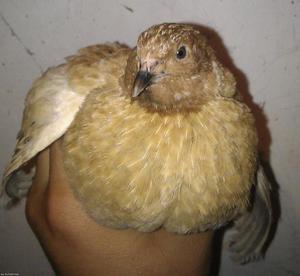 This meat-oriented breed was developed in the state of Texas, where it got its name. A distinctive feature of Texas quail is fluffy and loose plumageIn addition, they differ:
- wide back;
- rounded chest;
- short legs, tail and neck;
- large and dark eyes;
- flesh-colored beak, the tip of which is black.
The live weight of males ranges from 300-350 grams, while females weigh between 350 and 400 grams. Texas Pharaohs can gain considerable weight in a short period of time. When well-fed, they can reach up to 500 grams. They are prized for their delicious meat, with the breast being particularly delicious.
The quail is carrying fairly large eggs, with a population of 100-150 per year. They begin laying eggs as early as two months. This breed requires a low-light, draft-free environment.
Golden Phoenix
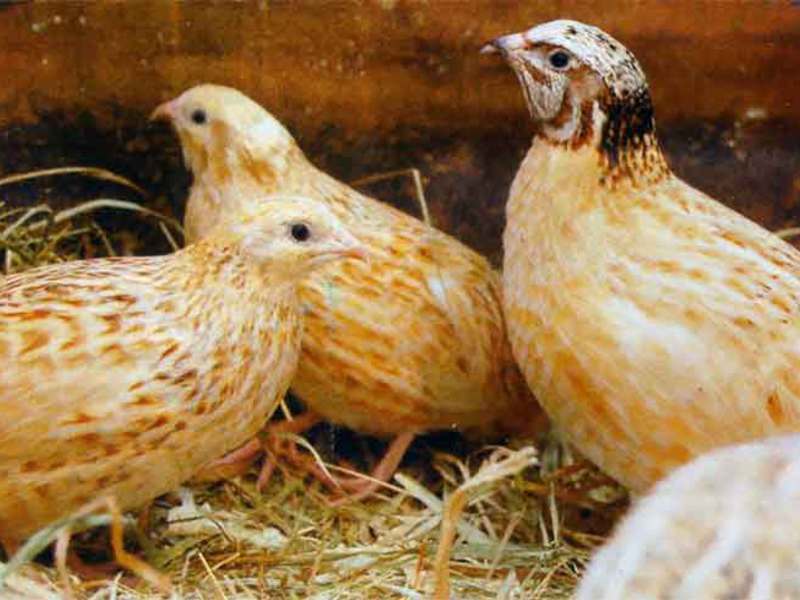
This well-known and widespread breed is a meat breed and is highly prized for its productivity. The Golden Phoenix, or Manchurian, is beloved by farmers in Germany and France for its excellent egg production, ease of breeding, and rapid weight gain of the young. The bird is distinguished by its golden color with hazel or brown markings. Females, unlike males, have more of these markings.
The live weight of a male can reach 320-340 grams, while the female is 60-80 grams heavier. Egg production is 200-220 eggs per year, with each egg weighing up to 15 grams. When breeding Phoenix, three females are kept for every male. To ensure fresh eggs, females are kept separate from malesIf the eggs are to be kept in an incubator, the birds should live in small flocks.
The Manchurian golden quail has light plumage, giving it a pleasant, light color that is highly prized by consumers. These quails can be smoked, grilled, and used to make delicious broth.
Chinese painted
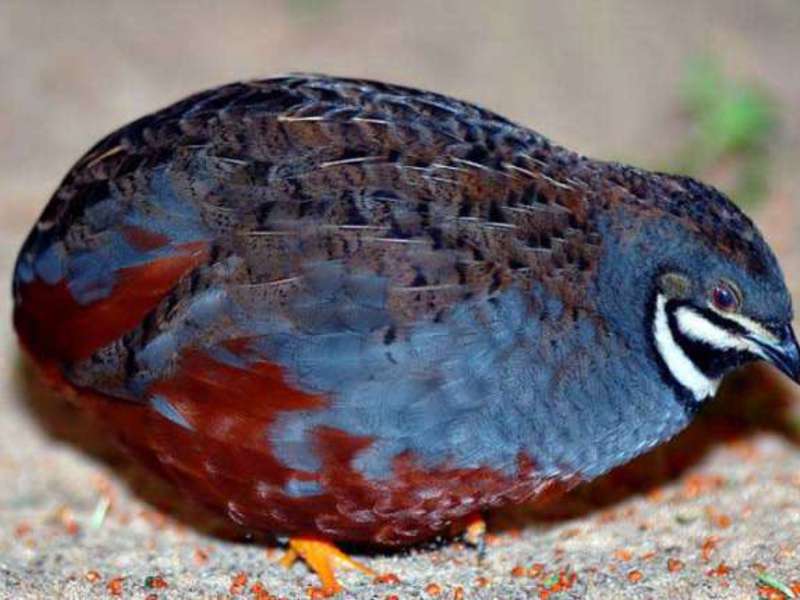
This very beautiful bird is kept exclusively for ornamental purposes. In the wild, it is found in Australia and Southeast Asia. The breed's appearance is different:
- dark brown color on the upper part of the body;
- beautiful black and white pattern on the chin and throat;
- orange-yellow legs;
- black beak;
- tail 3.5-4 cm long.
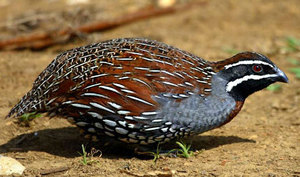 dark brown color on the upper part of the body;
The birds themselves are very small, measuring only 11-14 cm in length. Males and females differ in coloration. The quail's underparts are light brown and its upperparts are gray. All feathers have brown tips.
In the wild, Chinese painted quails live in pairs in open grassy areas. They build nests directly on the ground and share in raising their chicks.
At home, the smallest representatives of the chicken family must be kept in small groupsThere should be two to four females per male. A spacious enclosure with bushes and thick grass is built for them.
Each clutch of this breed of bird can contain 7 to 10 olive-brown eggs. The incubation period lasts two weeks. The chicks hatch no larger than a cockchafer. They grow very quickly and begin to fly after just 14 days. The young become sexually mature at two months of age.
Tuxedo quail
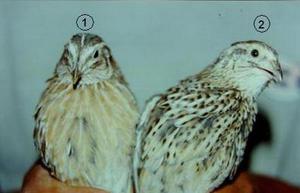 This very interesting breed got its name from its plumage, which resembles a tuxedo, with the exception of the head, neck, and chest. the bird's entire body is brownFemales and males do not differ from each other in appearance.
Females weigh 140-160 grams live, while males weigh slightly less. A quail can lay 260 to 280 eggs per year, each weighing 10-11 grams.
Tuxedo quail chicks are very small, weighing only 6-8 grams at birth. However, within six weeks, they can increase their live weight twentyfold. They also reach sexual maturity at this age.
The breed is not very common among farmers and lovers of ornamental birds, since it is very demanding in terms of keeping conditions and requires special feeding.
Many are accustomed to the idea of quail as small, inconspicuous birds. But, as this article shows, quail come in many varieties, each with a striking coloring. Furthermore, when properly cared for, many breeds can provide a family with eggs and excellent-tasting meat.