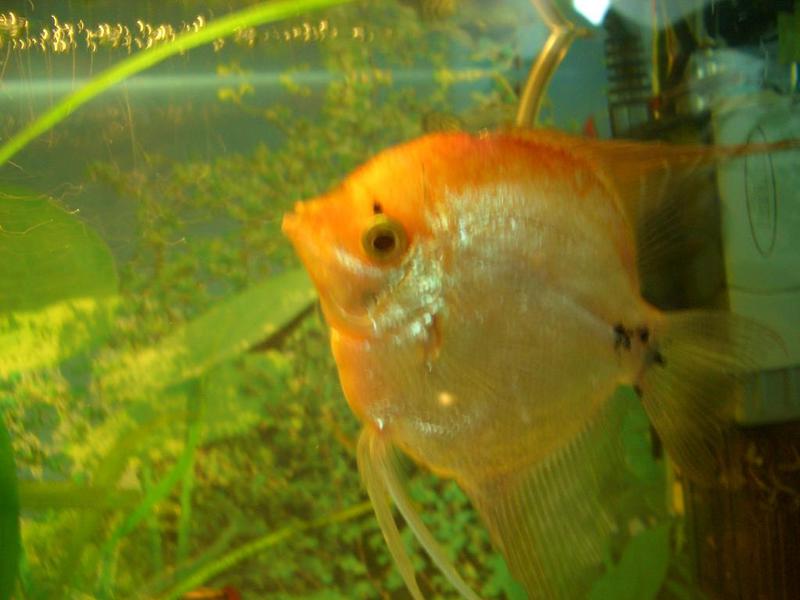
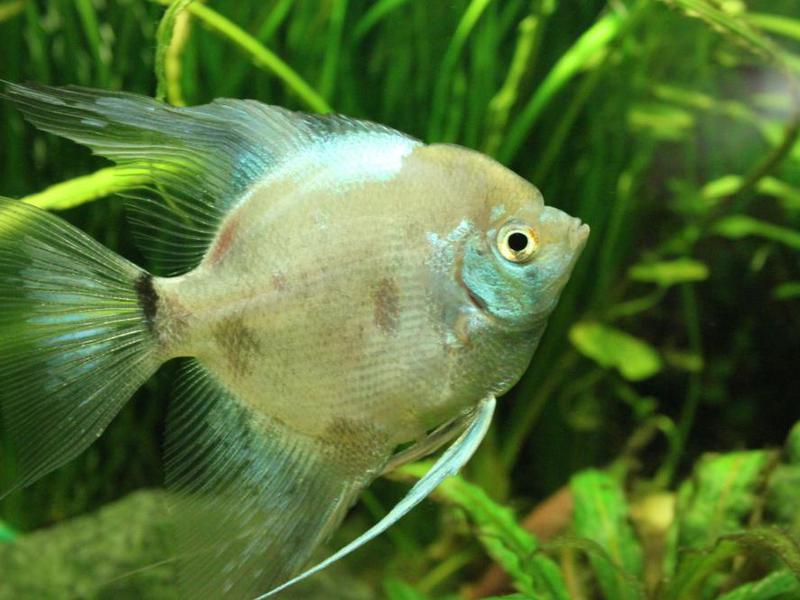
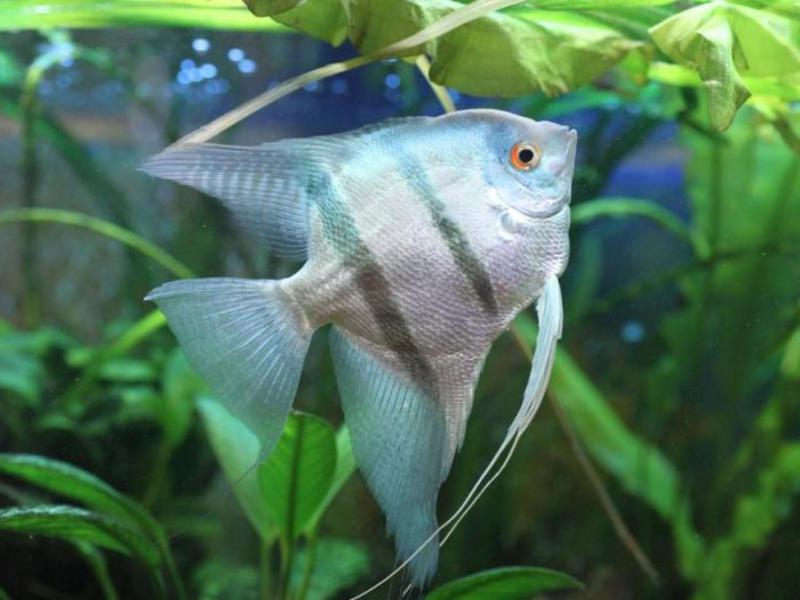
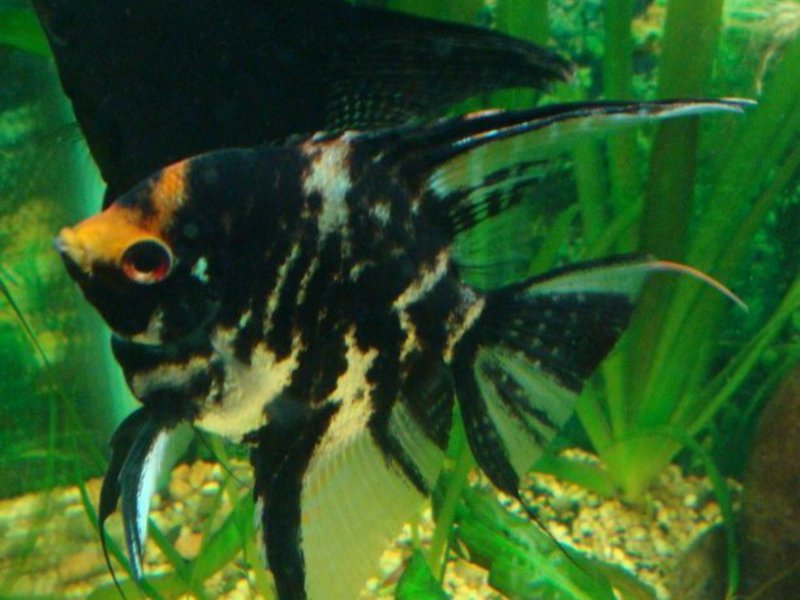
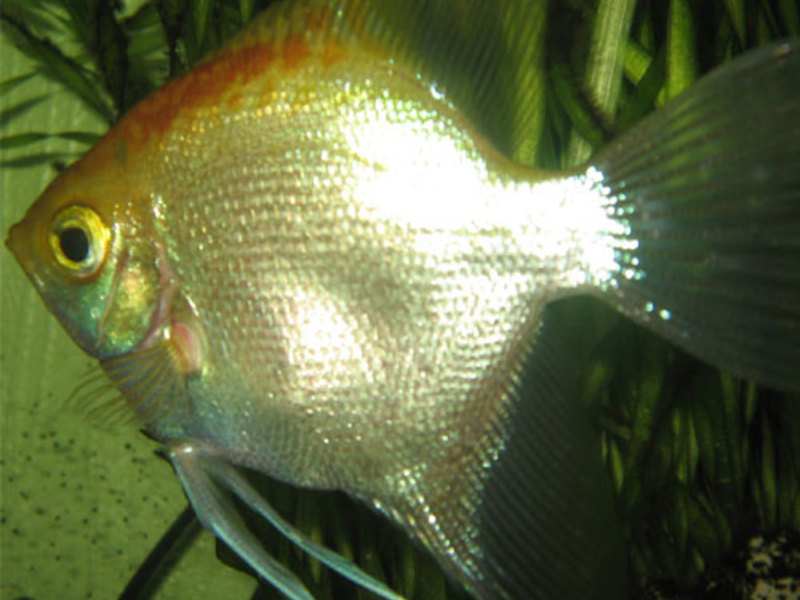
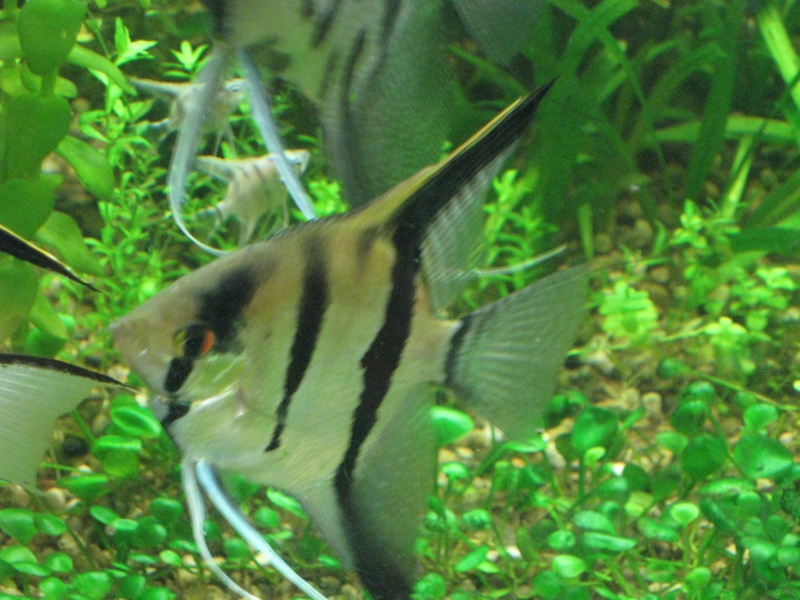
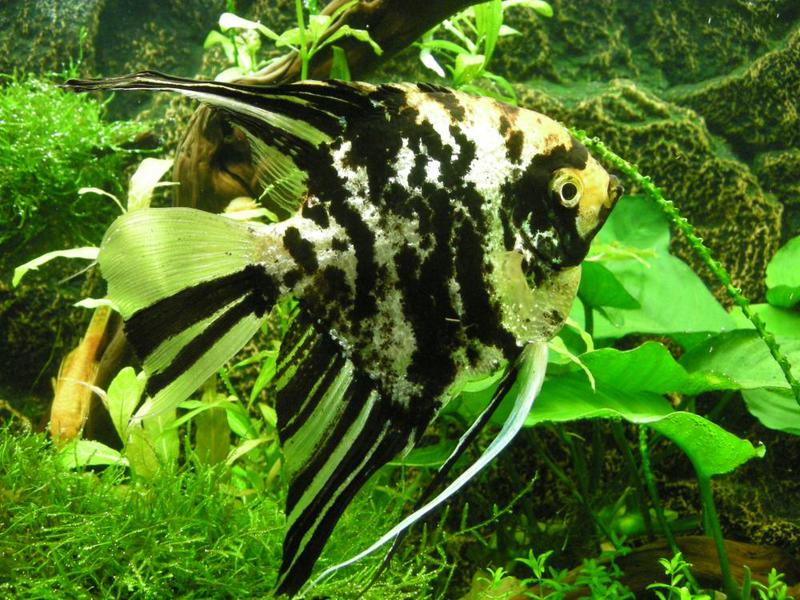
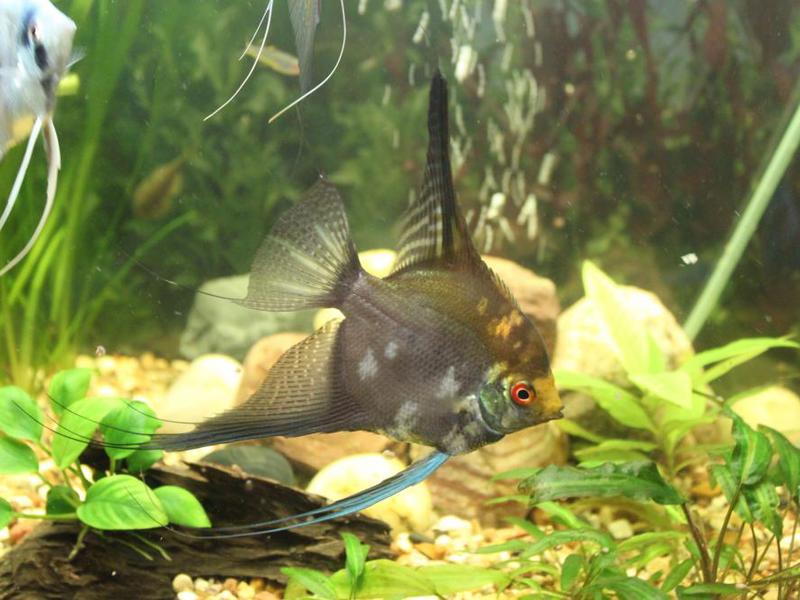
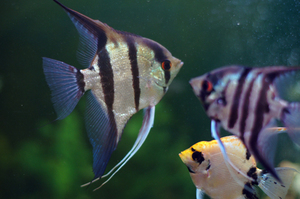
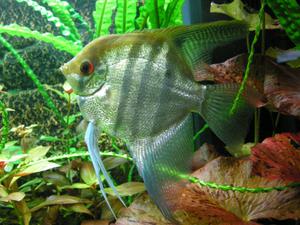
 Angelfish are the most popular aquarium cichlids. What they lack in vibrant natural coloration, they compensate with the beauty of their long fins and unusual body shape. Swimming in the water, angelfish appear to float weightlessly, supported by their long wing-like fins. With their refined appearance, these "angelfish," as they are nicknamed abroad, make a stunning impression.
Angelfish have a peaceful nature, making them compatible with many other non-aggressive fish species. It's no wonder they've become popular with many aquarium enthusiasts.
What do angelfish look like and where do they live?
In the natural environment, angelfish live in South America, in the Amazon and Orinoco basinsThey prefer calm bodies of water with dense vegetation and slow-flowing water.
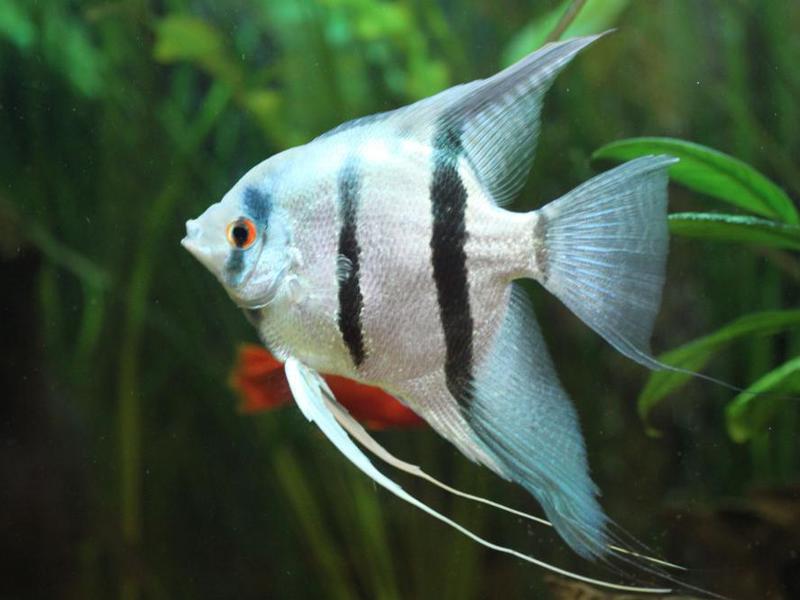
Members of the angelfish genus share a similar body structure. They have a rounded, disc-like body shape, compressed laterally. This shape allows them to maneuver easily through dense vegetation. These fish are quite large: their body length is approximately 15 cm and their height is approximately 25 cm.
The dorsal and anal fins are elongated, and the pelvic fins resemble threads. The angelfish's body is taller than it is long, and thanks to its long fins, its outline resembles a crescent.
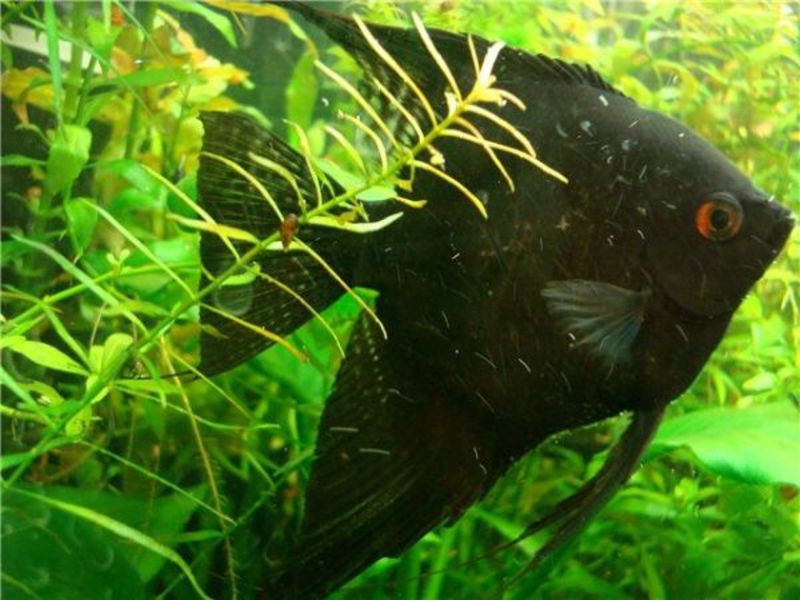
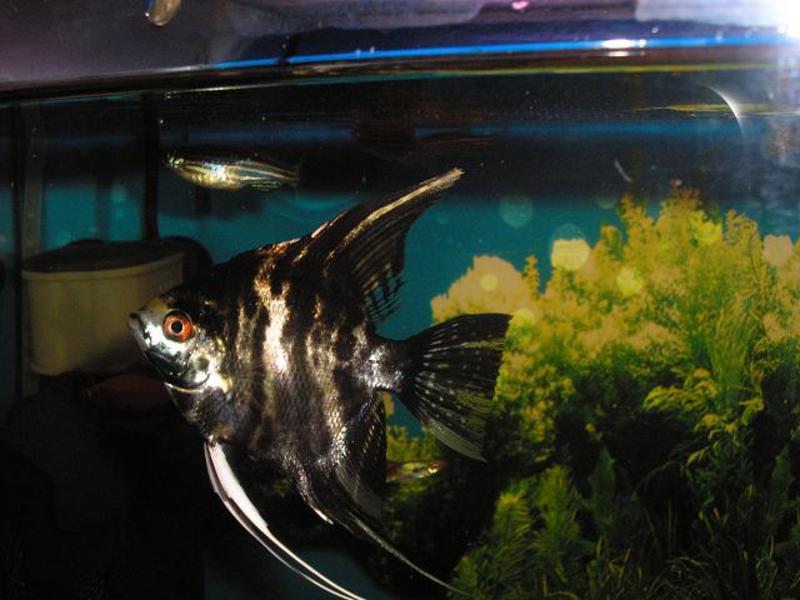
The natural coloration of angelfish is not particularly vibrant: it is primarily silvery and olive-colored, with black transverse stripes. However, through selective breeding, many angelfish have been developed. a wide variety of colorsThese include marbled, black, zebra, pearl, leopard, and others. A fish with even longer fins, the veil angelfish, was also developed.
Breeding angelfish
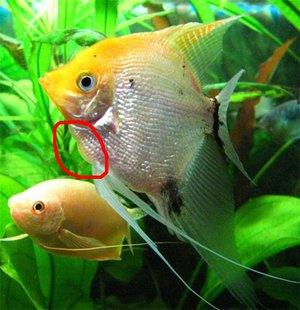 Raising angelfish at home requires certain knowledge and preparation. These fish are not known for their high levels of care for their young, and they are sometimes prone to eating their own eggs.
Before reproduction of sexually mature fish they are fed live foodFor spawning, appropriate conditions must be created:
- the temperature in the aquarium is higher than usual – about 28 °C;
- live food;
- fresh water in the aquarium;
- presence of males and females
During spawning, the female can lay 300-700 eggs. Angelfish lay the eggs on plant leaves or other objects in the aquarium. The fry hatch within 3 days. After about a week, the young angelfish will learn to swim.
How to distinguish a male from a female
Those who plan to breed these wonderful fish in a home aquarium sooner or later face the question: how to determine which is a male and which is a female?
Distinguishing male and female angelfish can sometimes be difficult even for experienced aquarists. This is because these fish gender differences are not clearly expressed, while in young fish they are almost absent. If you still need to determine the sex of angelfish when purchasing them, you should base your purchase on their size: the largest fry are more likely to be males, and the smallest, females.
Sexing angelfish requires experience and practice, so beginners may encounter difficulties. Only by carefully observing your pets, comparing them, and noting their appearance and behavior can you learn to distinguish between males and females.
External sexual differences
Angelfish are long-lived aquarium fish, living up to 10 years, sometimes longer. They reach sexual maturity at 7-12 months of age. Before this age, it's virtually impossible to distinguish between males and females.
When determining the sex of adult angelfish, it is necessary draw attention to the main differences in the appearance of the male and female:
 Males are usually larger in size than females of the same age.
- Pay attention to the frontal part of the head: in males, the forehead has a pronounced fatty tubercle and is distinguished by its convexity, while in females it is sunken.
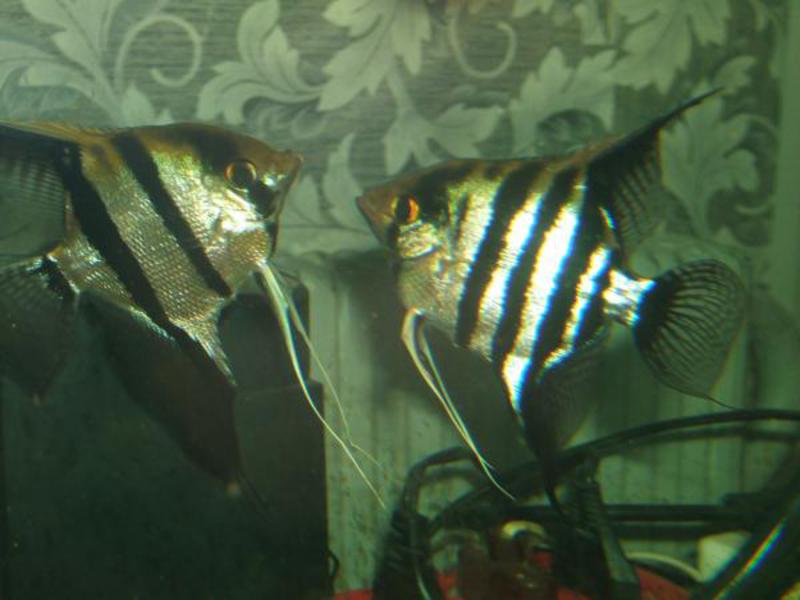
- The male's dorsal fin is longer, and its posterior portion features 7-8 light and dark stripes. Females have fewer stripes—only 5-6.
- In males, the front fin has forked ends, while in females it is smooth.
- In males the pectoral keel is more clearly defined.
- If you observe angelfish during spawning, you'll notice another difference. Males have a narrow, pointed vas deferens, while females have a wide, short ovipositor. Before spawning, these differences are virtually impossible to observe.
- The abdomen of a female preparing for reproduction appears more rounded due to the eggs maturing in it.
- In males, the back and dorsal fin form an angle, while the abdomen and anal fin form a nearly straight line. In females, the opposite is true: the back and dorsal fin form a nearly straight line, while the abdomen and anal fin form a nearly right angle.
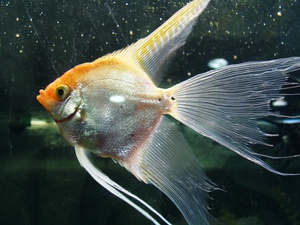 Males are usually larger in size than females of the same age.
Many experienced aquarists tend to consider the last difference to be perhaps the most reliable.
For beginners another way might helpAmong the fish, you need to select an individual in which the signs of sexual dimorphism are most clearly expressed, and use it as a guide when determining the sex of other angelfish.
If you're looking to breed these fish yourself but have difficulty determining their sex, the best option is to purchase an established pair. Ideally, this pair will have already produced offspring.
Differences in behavior between the sexes
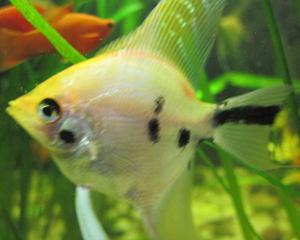 Some aquarists prefer to determine the sex of angelfish based on the behavior of the fish.
During the breeding season, angelfish, which usually lead a schooling lifestyle, choose a partner and form pairs. Even a novice can easily identify a pair: they stay apart from the school and search for a suitable partner. place for laying eggs.
In this case, the males behave like boys, and the females like girls. This is especially noticeable when observing their behavior within a pair. The males chase the females and drive them into corners of the aquarium.
However, there are cases where two females form a pair. In these cases, one of them, and sometimes both, take turns acting as the "male." This can only be determined when both fish have laid eggs—in which case, the eggs will remain unfertilized.
By nature angelfish are monogamousThe loss of a partner, whether through death or separation, is a significant stress for the fish, which they may not survive. Angelfish can injure themselves on the aquarium walls and other objects and die. Therefore, while it's possible to try to find a mate for your pets, it's highly undesirable to break up an established pairing.