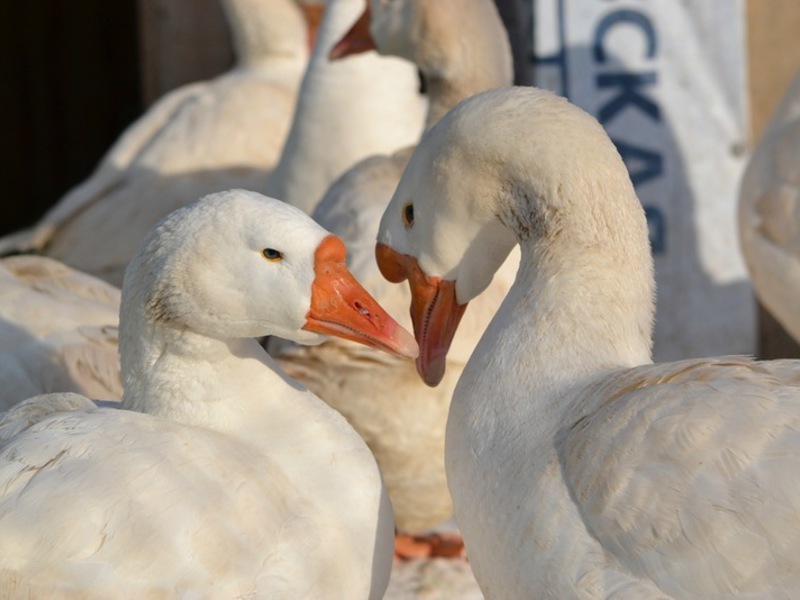
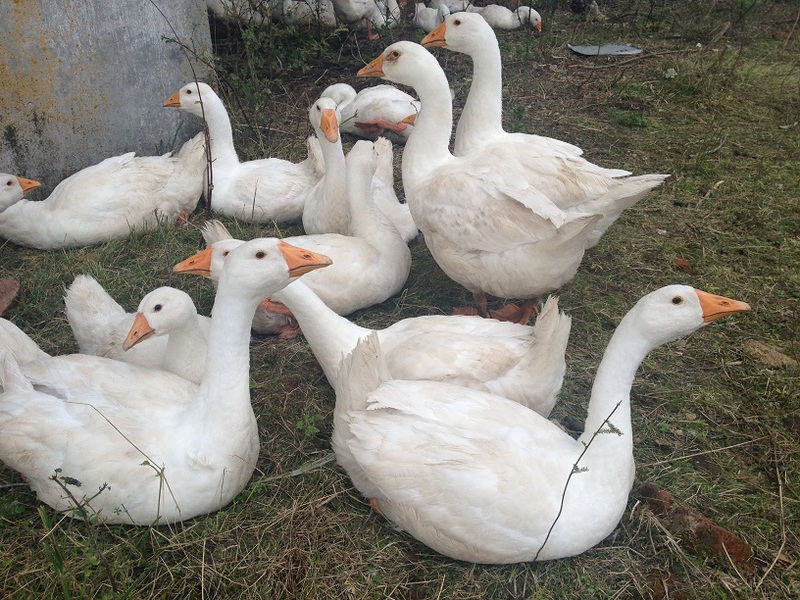
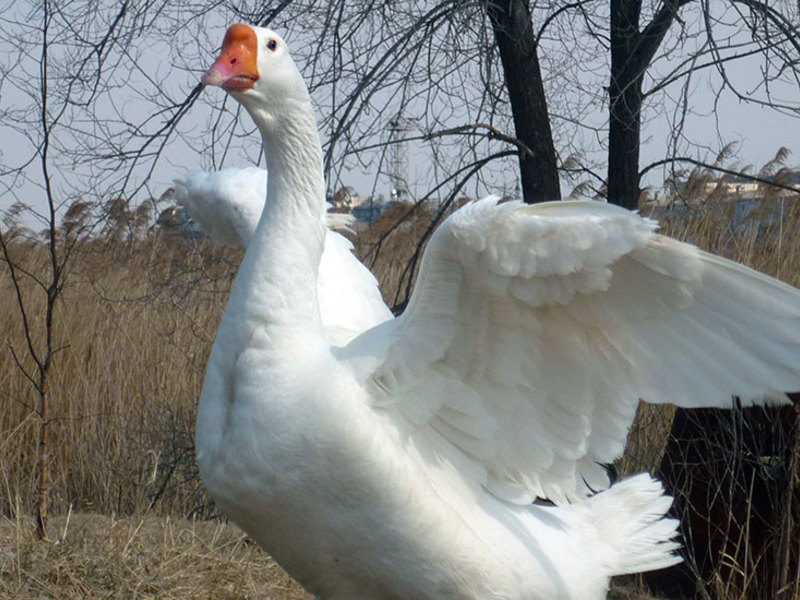
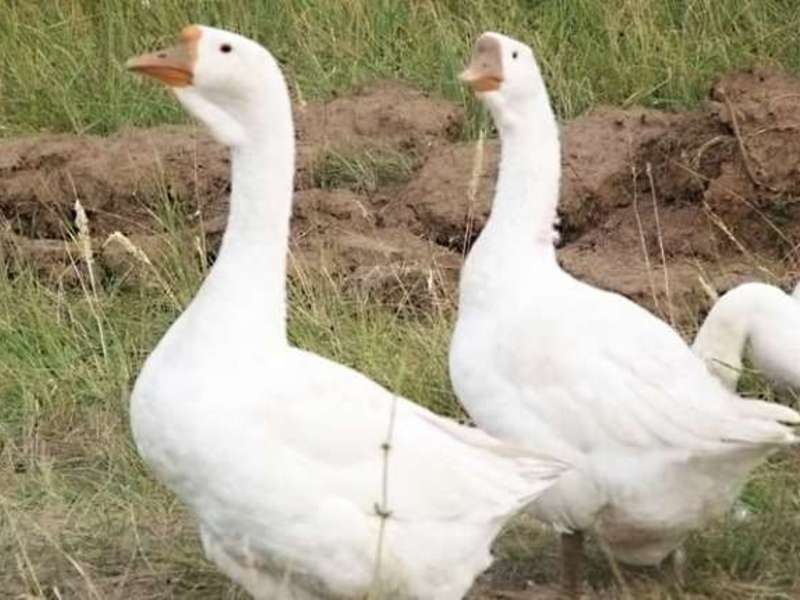
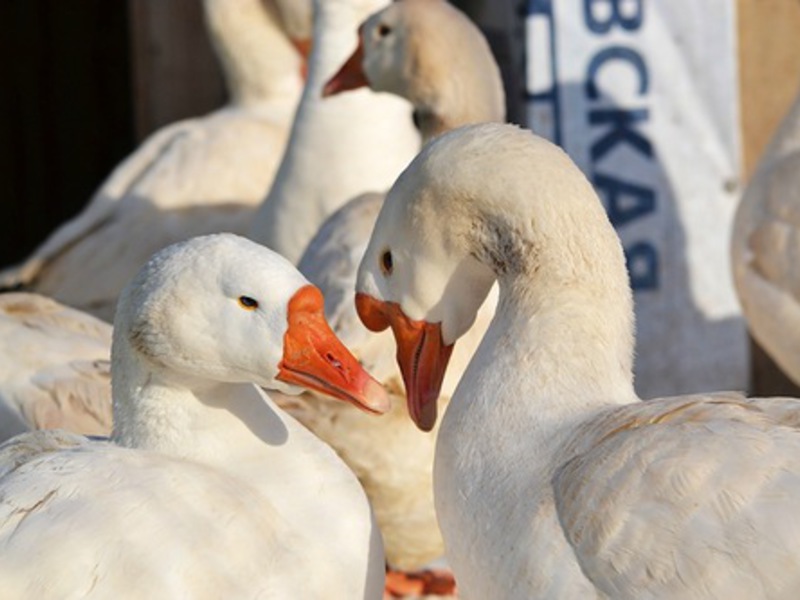
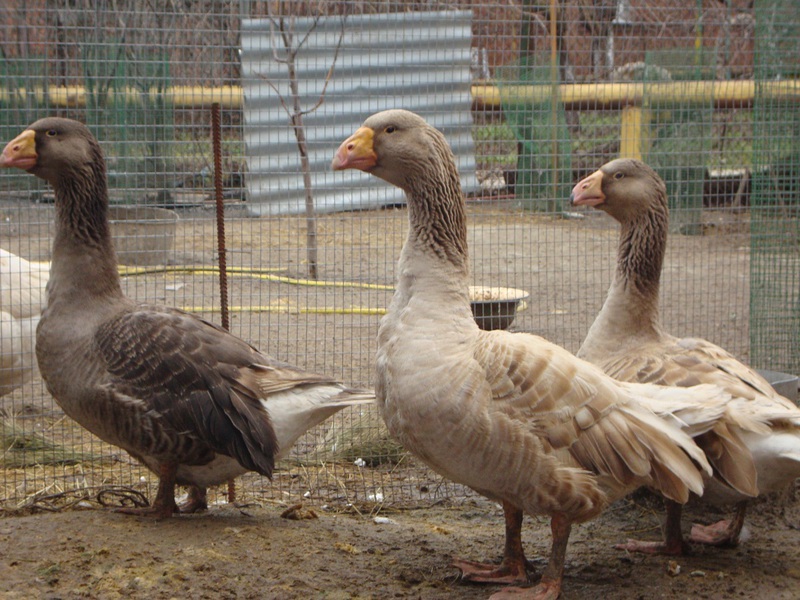
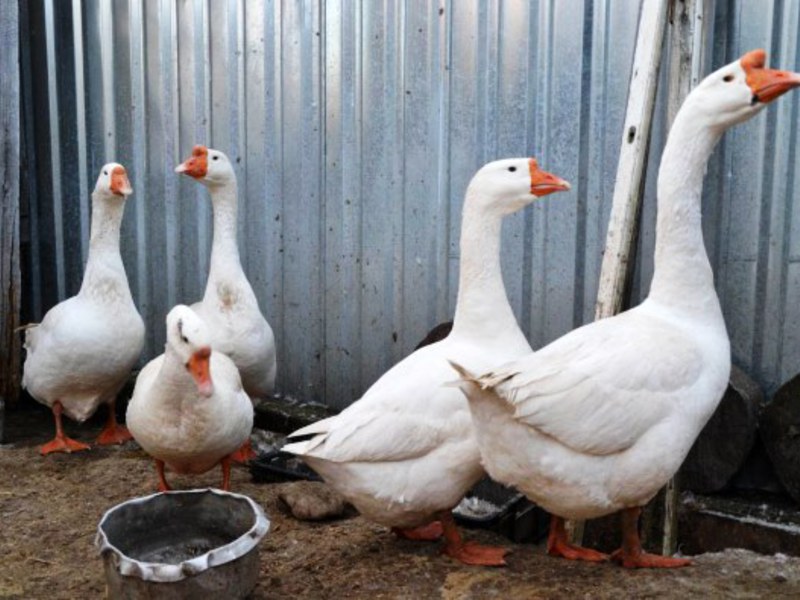
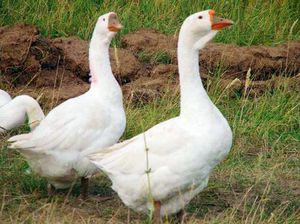
 The Linda breed has gained immense popularity not only in Russia, where it was developed, but also in neighboring countries. This is primarily due to the bird's high productivity, meaning it produces not only down but also a large amount of meat. Furthermore, goslings of this breed grow and gain weight quite quickly, which means reduced feed costs, which is important for raising any poultry or livestock flock in general.
Content
Overview and characteristics of the breed
This variety of goose tribe arose as a result crossing Chinese geese with Russian speciesBreeding work began in the 1950s. The resulting specimens were later crossed with Adler, Solnechnogorsk, and then Arzamas geese. The breed, which exists to this day, was finally formed by the 1970s, based on Gorky and Langer geese.
Description of the breed and its characteristics
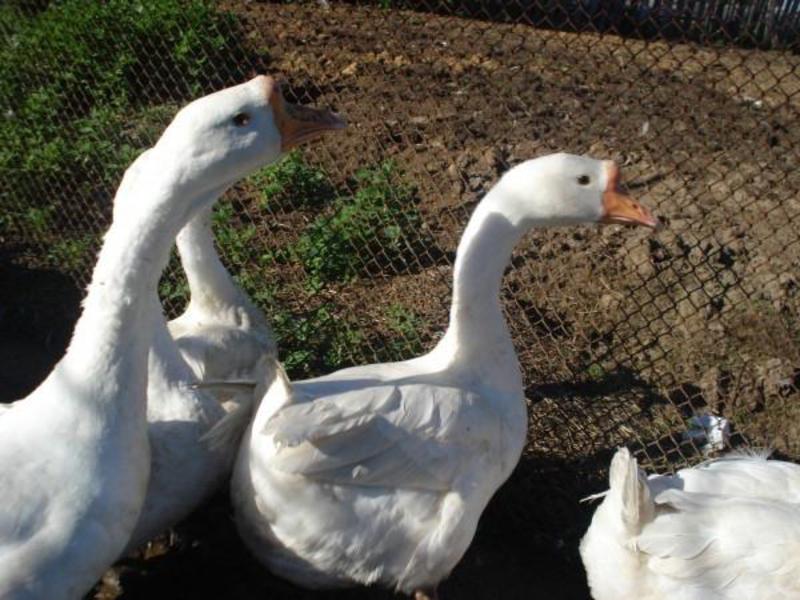
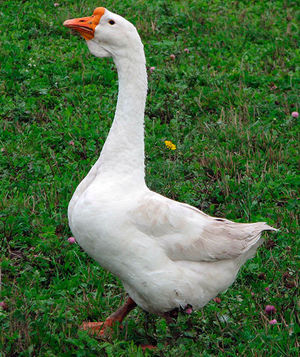 A distinctive feature of the Linda breed is its large build, which significantly increases the meat yield. The average adult weighs 8-12 kg, which is quite large compared to other breeds. Linda geese also boast high egg production rates. about 50 eggs per year, each of which weighs 140-170 grams.
The bird is quite calm, doesn't conflict with other "residents" in the yard, and doesn't make a fuss at night. The only thing that doesn't quite fit in is its love of "talking," especially if several dozen individuals gather at the watering hole. But it's precisely this kind of active "communication" that indicates the health of Lind's geese.
Lindov geese are quite unpretentious to changes in weather conditions and can withstand temperatures down to -30°C without any harm to health. Therefore, insulating the coop is not necessary for them; the only requirement is that there should be no drafts in the room.
As is well known, a goose is a waterfowl and feeds mainly on what it can get in the water. For profitable keeping, it is advisable to have a body of water with running water nearby, where the bird can provide itself with the necessary food (duckweed, fish, algae, etc.).
Linda geese don't require any special care or diet. If necessary, they can grow and develop independently, eating the same diet as other poultry, and their developmental milestones will only be slightly below the recommended standard. This is why many hobby poultry breeders and farmers have come to appreciate this breed.
Characteristics of the Lindov breed
It's no coincidence that Linda has become the leading meat breed in Russia, Moldova, Poland, Ukraine, and many other European countries. It has virtually no drawbacks, and boasts a number of advantages.
Advantages
- Excellent tasteThis poultry meat quickly conquered the consumer market and became one of the most recognizable and popular. Consumers highly appreciated the tenderness of the meat, its aroma, and delicate flavor, so the product hardly stays on shelves for long and quickly sells out.
- Early maturityIf a typical goose of any other breed gains 2-3.8 kg in 2-3 months, this is already considered a record achievement. And only at 5 months can such a bird be expected to weigh 4-4.5 kg. Lindov geese grow and gain weight twice as fast. A properly formulated diet will allow them to reach 3.5-4 kg in just 2-3 months. And at five months, they can already reach 7 kg! In just a year, the bird can grow to 9-12 kg. For the farmer, this undoubtedly means quite a profit.
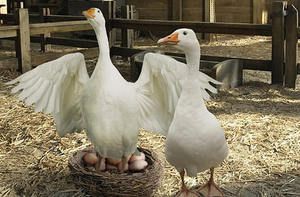
- High egg production rateWhile the goose is certainly not a "layer," Linda geese have an advantage in terms of egg production compared to other meat breeds. A farmer can expect to lay an average of 55-60 eggs per year, and even more with good nutrition. If Linda geese are fed plenty of greens and adequate calcium, they can easily lay one egg daily, weighing up to 200 grams, with the excellent taste prized by gourmets.
 Increased resistance to adverse climatic conditionsSome European breeds are extremely intolerant of cold weather, catching colds quickly (especially in spring), and have a high mortality rate. Linda geese, bred from local breeds already adapted to the harsh Russian climate, are distinguished by a fairly strong immune system and resistance to both heat and cold. These birds can even survive in northern conditions, where temperatures as low as -40°C are not uncommon. The key is to make the room as airtight as possible and avoid drafts. Then your geese will easily survive the winter without even losing weight.
- High survival rate of young animalsIf you're serious about breeding geese and want to produce high-quality offspring, the Linda breed is for you. Not only do these geese lay a large number of eggs, 95% of which are fertile and ready for incubation, but they also have a high hatch rate (up to 90%). And almost all goslings (85-90%) survive to adulthood. Newborns rarely get sick and are quite resistant to many avian diseases. From just the second week of life, the chicks can be fed a complete diet, the same as adult birds. For example, this can include root vegetables, grains, greens, and other ingredients.
- Calm dispositionWhen raising geese of this breed in your backyard, you might even forget they exist, as the bird is quite calm and non-combatant, only "talking" when in large groups of other geese. Linda moves rather slowly, preferring a cozy spot near a watering hole or basking in the sun.
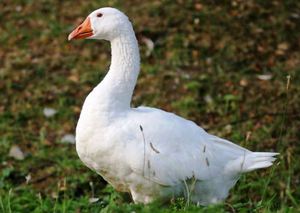 Increased resistance to adverse climatic conditionsSome European breeds are extremely intolerant of cold weather, catching colds quickly (especially in spring), and have a high mortality rate. Linda geese, bred from local breeds already adapted to the harsh Russian climate, are distinguished by a fairly strong immune system and resistance to both heat and cold. These birds can even survive in northern conditions, where temperatures as low as -40°C are not uncommon. The key is to make the room as airtight as possible and avoid drafts. Then your geese will easily survive the winter without even losing weight.
When raising Lindov geese, profitability can reach 200% per season, depending on how well they're cared for and how they're kept. You can even save on feed, as geese aren't picky eaters and will eat almost anything.
Disadvantages of the breed
There are significantly fewer of them than in representatives of other “goose” breeds.
- Tendency to vitamin deficiencyWith the arrival of spring, birds become less active and show signs of severe vitamin deficiency. This typically occurs in March, after the geese have been fed a monotonous diet throughout the winter and have had no access to grazing for several months. However, the problem of vitamin deficiency is easily resolved by providing the flock with sufficient greens or liquid vitamin supplements. If possible, it's important to include vegetables and root vegetables, prepared in advance, in the birds' diet. This will help reduce the stress experienced by the geese during the winter.
- Low resistance to hymenolepiasis The disease can be caused by eating fish, algae, and shellfish, which can cause intestinal upset, lethargy, and seizures. Hymenolepiasis most often affects individuals who spend a lot of time near bodies of water. Massive infections most often occur in the first few days, when the goose's body does not yet have sufficient defenses to digest unfamiliar food. Therefore, young geese should be gradually introduced to water by adding algae to their food, then introducing fish in small quantities over the course of several days. The amount of river “products” should not exceed 10% of the total diet.
- The geese demand mandatory access to water and a good walking areaTherefore, if you're serious about breeding and raising Linda geese, you should ensure that a natural body of water is nearby or that an artificial one is constructed. Otherwise, the bird's immunity will decline sharply, and its uncared-for down will lose its value.
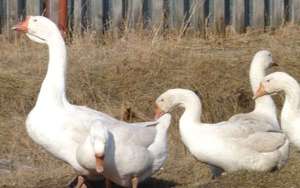 Tendency to vitamin deficiencyWith the arrival of spring, birds become less active and show signs of severe vitamin deficiency. This typically occurs in March, after the geese have been fed a monotonous diet throughout the winter and have had no access to grazing for several months. However, the problem of vitamin deficiency is easily resolved by providing the flock with sufficient greens or liquid vitamin supplements. If possible, it's important to include vegetables and root vegetables, prepared in advance, in the birds' diet. This will help reduce the stress experienced by the geese during the winter.
All these shortcomings are insignificant and when certain conditions are created they are practically unnoticeable.
Nutritional Features
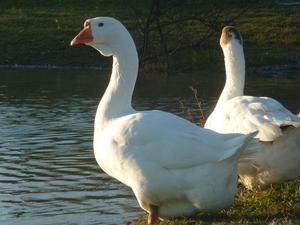 As mentioned earlier, the Lindow goose is an omnivore. Representatives of this breed will happily eat dry food, succulent greens, and root vegetables. However, complete feeds are the most valuable part of the birds' diet.
For example, the body of young animals up to two weeks of age is still very weak, therefore, during this period combined feed for broilers These are ideal. They contain essential micronutrients for growing birds, particularly phosphorus. Using this diet, birds can gain over four kilograms in just three months. This is because the combined feed is easily digested by young birds, thereby promoting active growth. However, greens and fats, which require sufficient enzymes to digest, are best fed to older geese.
Gradually, you should transition to a complete "medium" broiler feed, which will ensure the birds reach a weight of 6 (!) kg by the fifth month of life. Feeding geese on this feed after this point is no longer cost-effective. It's necessary to transition the birds to more practical, less expensive options. Cost savings and profitability are possible once the young birds reach a weight of 5 kg, as further maintenance will require increased feed intake.
When raising young animals The following rules should be observed:
- Ensure silence, do not allow loud sounds or sudden noise in the room where the chicks are kept.
- For the first 10 days after birth, the young should be kept under 24-hour light. Later (from days 10 to 20), daylight hours can be reduced to 16 hours, and after another 20 days, to 14 hours.
- For the first 1.5 months, goslings should be kept in closed poultry houses, and after this period they need to be provided with a range, preferably near a clean body of water.
It is recommended to vaccinate geese against viruses before laying eggs.
Breeding rules
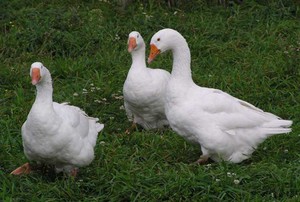 Geese begin laying eggs in February and continue throughout the spring.
The first few eggs laid are often infertile, but they should never be removed from the goose, otherwise she may abandon the nest entirely. All subsequent eggs should be collected daily and stored in a room with an air temperature of 5–12°C.
If there is not one but several geese on the farm, then on each egg you should do a note about the female's number and the date of layingThe bird may occasionally leave the nest for 15-20 minutes, during which time the owner should monitor the temperature of the eggs and prevent them from cooling. Chicks typically hatch on the 30th day, and after the umbilical cord is cauterized, they are placed in a warm box (26-28°C).
The Linda goose breed is versatile, combining excellent egg production with superior meat quality. Provided the birds are provided with a comfortable coop, sufficient water, a balanced diet, and veterinary supervision, the farm owner will earn income significantly exceeding their maintenance costs.