 These days, almost everyone keeps chickens for eggs or tasty, high-quality meat. But few poultry farmers can boast of a breed called the Jersey Giant. While still little known in Russia, it's quickly gaining popularity. This isn't surprising, as the giant's characteristics include hardiness and resistance to various diseases. These strong, calm-tempered chickens will easily coexist in the same coop with almost any other poultry.
Content
Origin of the breed
Officially the Jersey Giant breed was registered in the USA in 1992, although the first giant chickens were bred as early as 1915. They were black and first brought to England in 1921, where local breeders continued developing this breed in other colors. Due to the rapid spread of the Jersey Giant throughout Europe, breeding work was carried out in many countries. As a result, white chickens of this breed appeared in Germany, and blue lace chickens appeared in Britain.
Description and photo of the breed
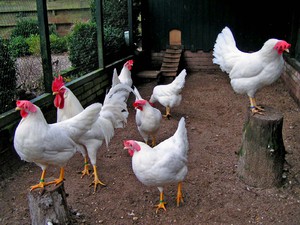
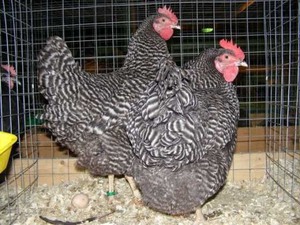
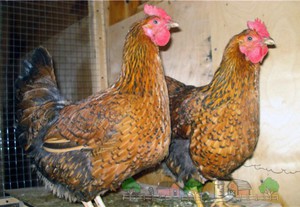
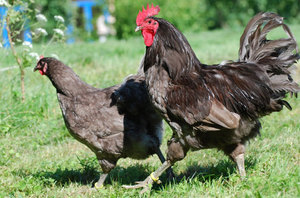
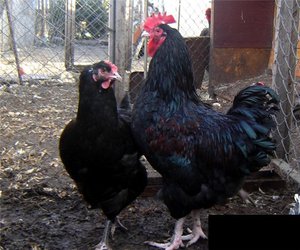
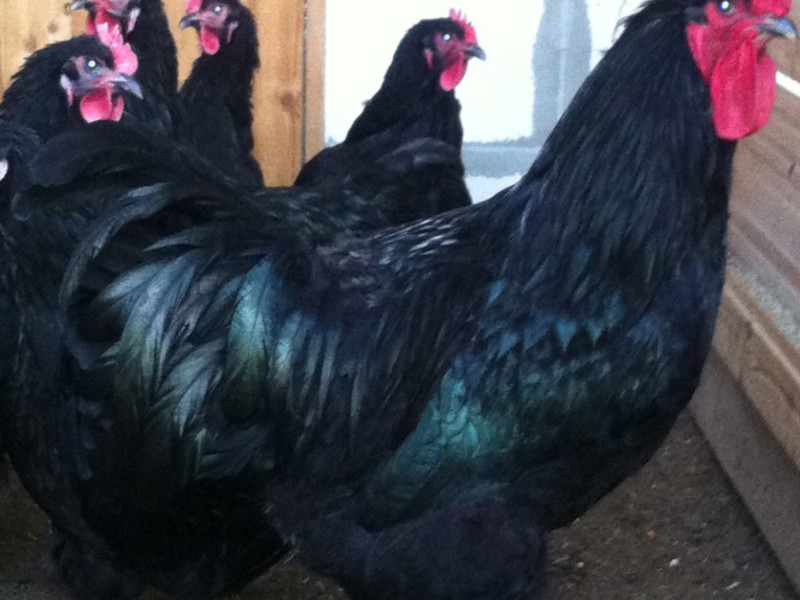
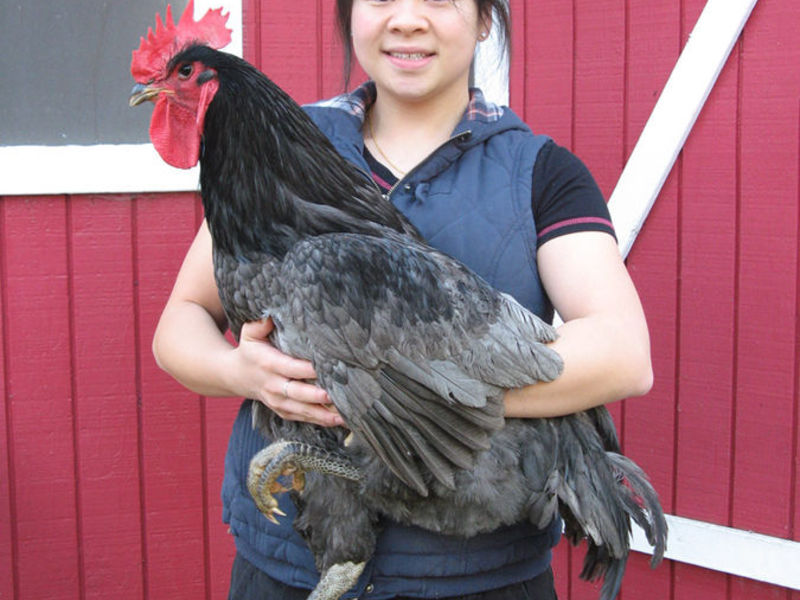
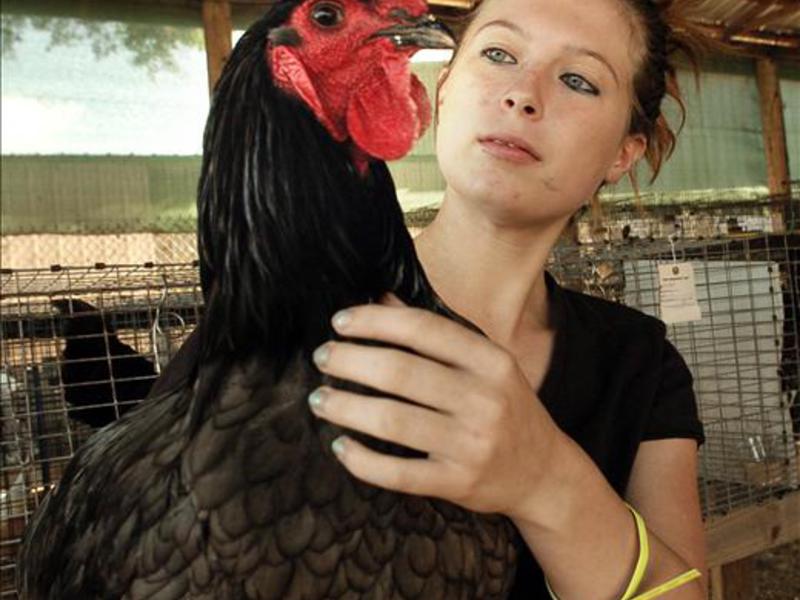
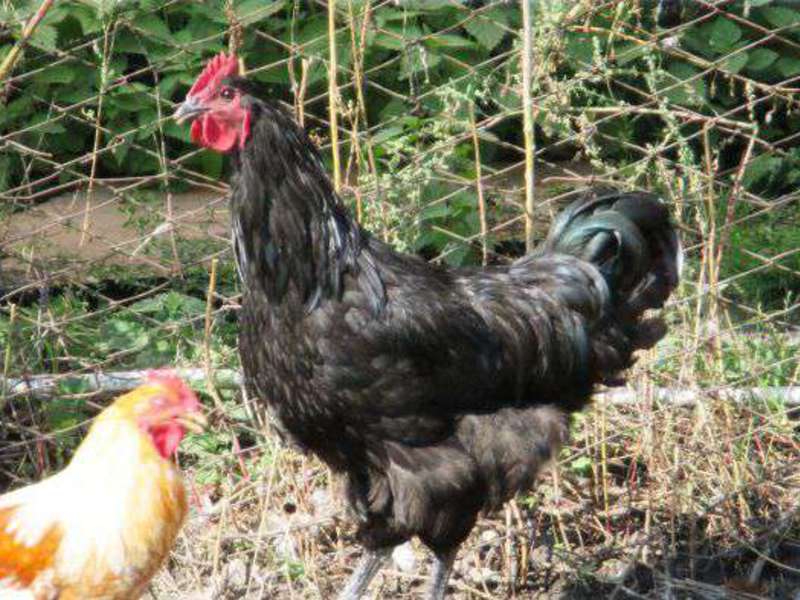
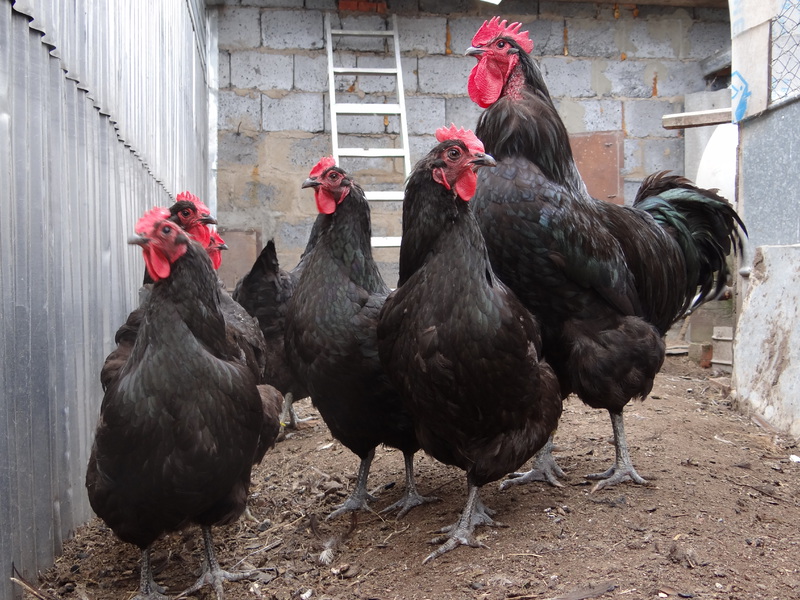
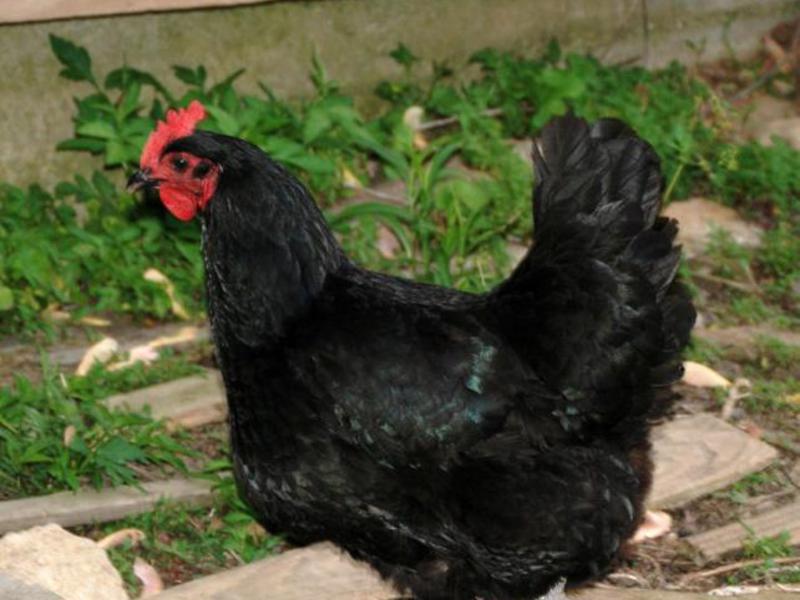
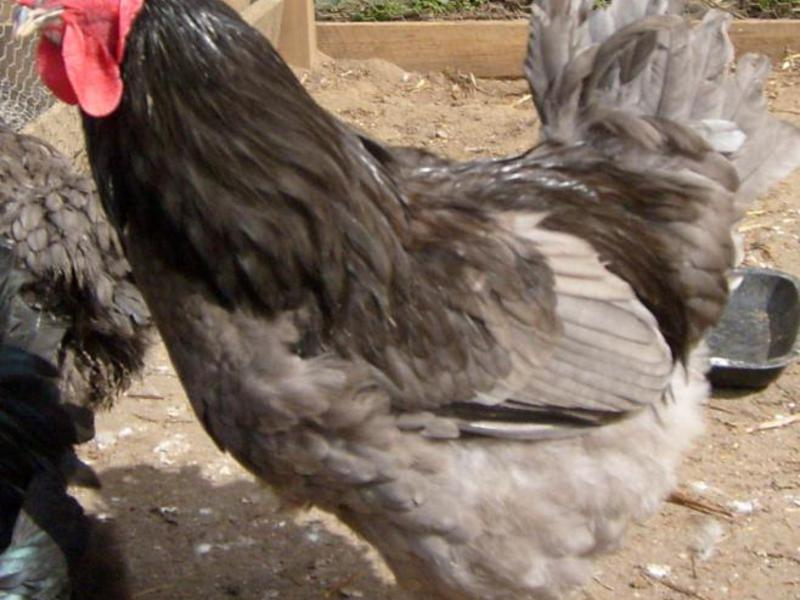
As you can tell from the name and from the photo, the Jersey Giant is
This is a chicken with a fairly large, long, and heavy body. Its main distinguishing features include:
 horizontally positioned back;
- well-developed chest;
- powerful neck;
- large head;
- dark brown eyes;
- small, strongly curved beak;
- medium-sized wings pressed close to the body;
- dense, smooth plumage;
- a fluffy tail set at an angle to the back;
- bright red earrings without folds or wrinkles;
- well-developed, muscular paws with bright yellow toes and lush plumage.
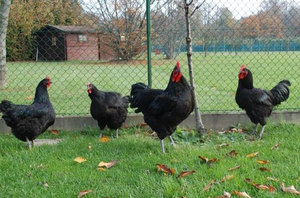 horizontally positioned back;
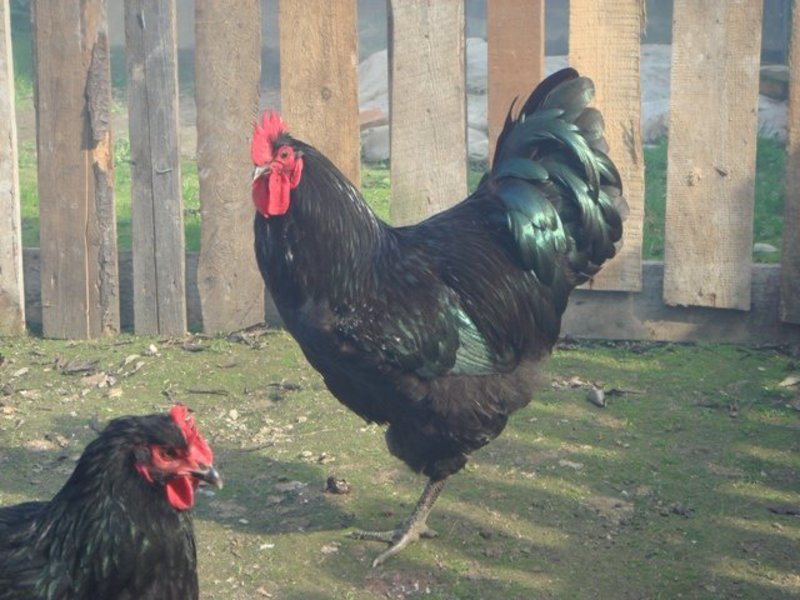
Compared to hens, roosters are taller and have a vertically positioned straight comb with clearly defined six teeth.
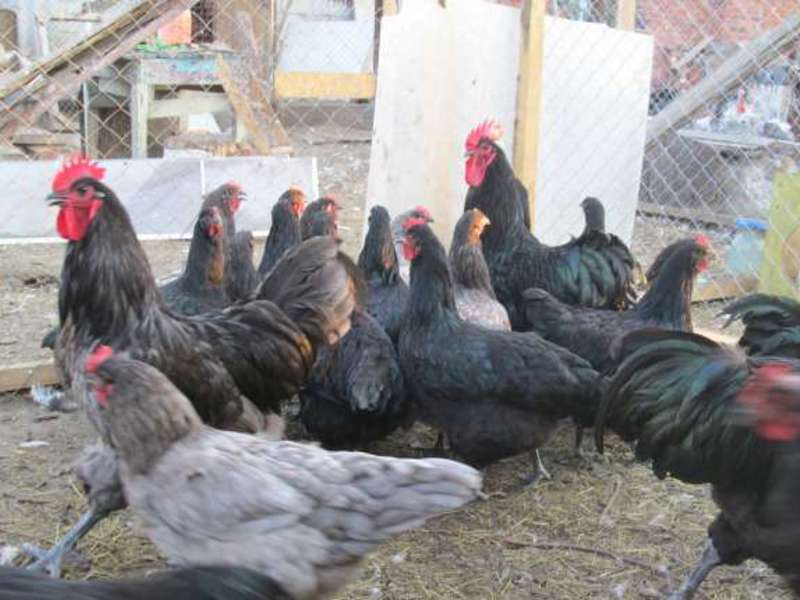
Thanks to selective breeding, the Jersey Giant has three types of plumage color and, accordingly, three subspecies of the breed:
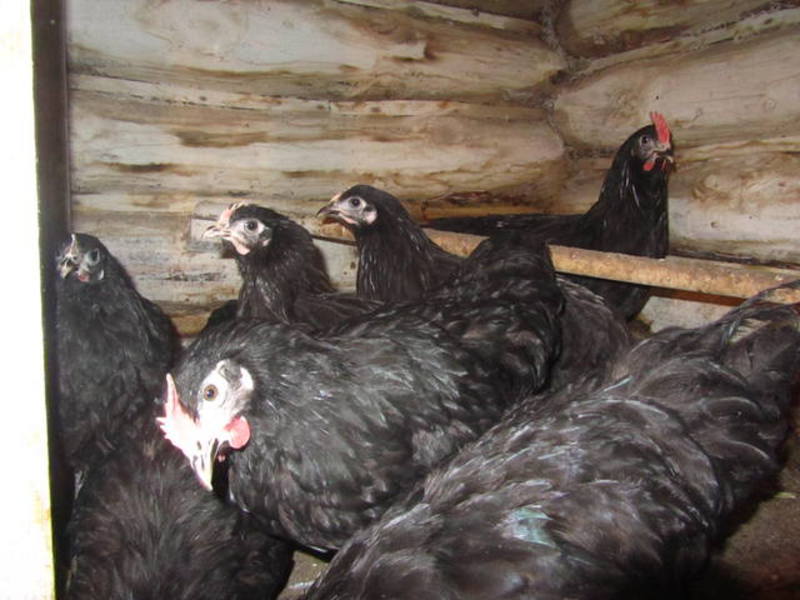
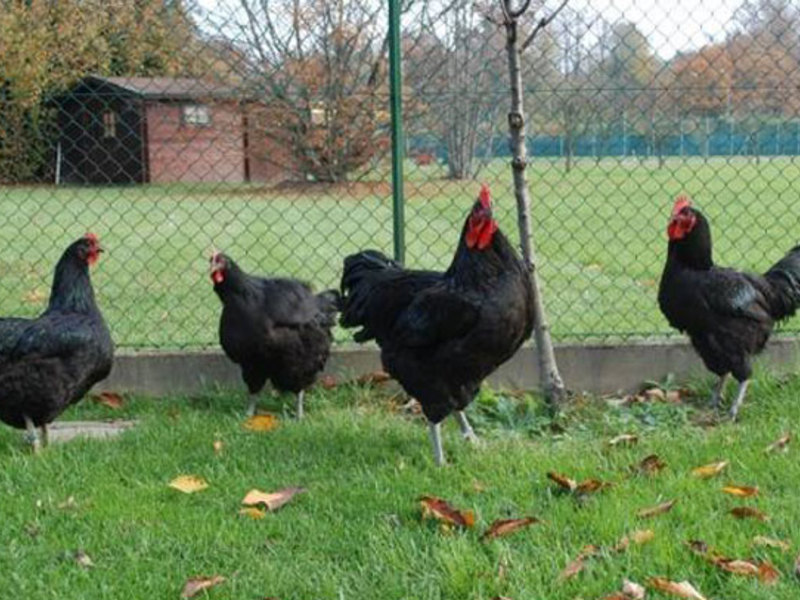
- Black chickens are distinguished by their black plumage with an emerald sheen. Their black beak and tarsus are tinged with yellowish tan.
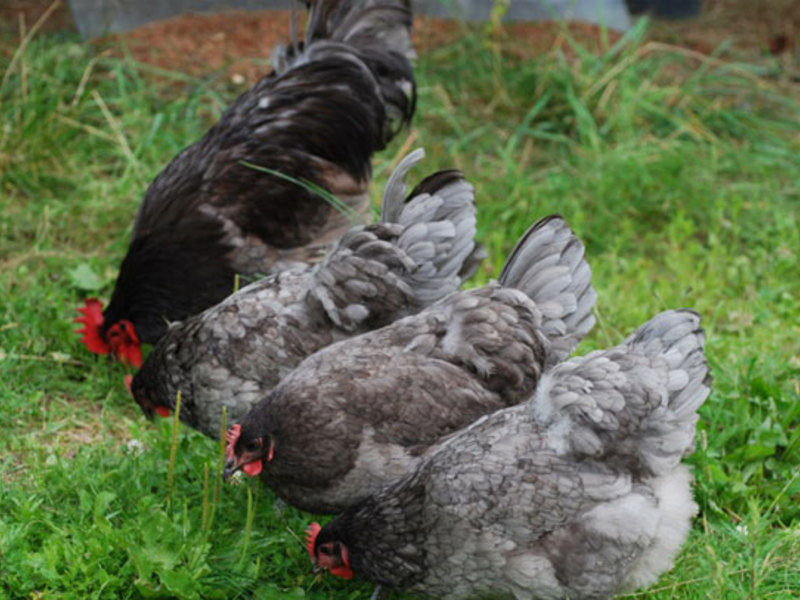
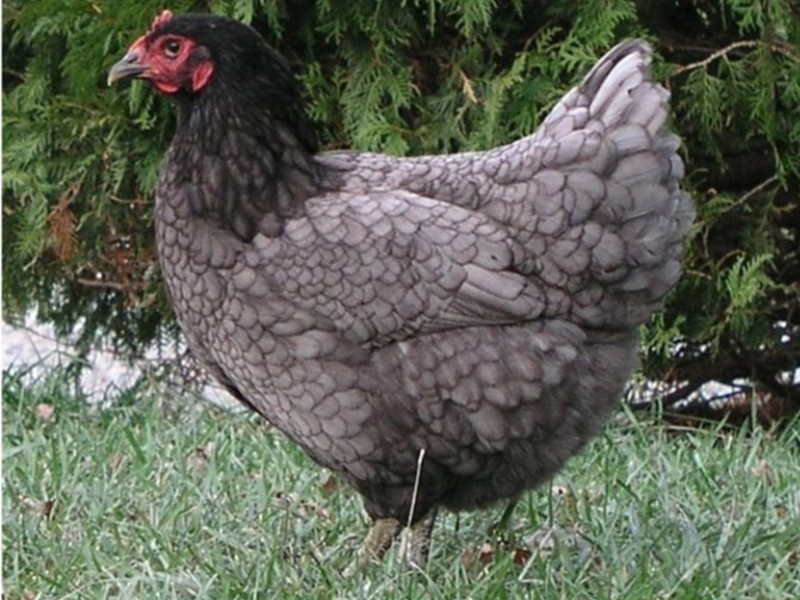
- The blue giant has a magnificent iridescent gray-blue color. It has black tarsi, with a yellowish tint underneath. Its black bill is also yellow at the tip.
- The White Jersey Giant breed has white feathers and a yellowish tint on the tarsus and beak.
Productivity and advantages of the breed
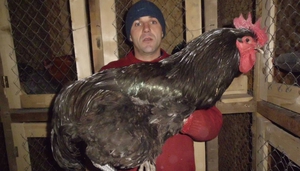
The average bird weighs around 6 kg, making the Jersey Giant truly living up to its name. Chickens begin to gain weight rapidly as early as five months of age. By the age of one year, laying hens weigh about 3.5 kg, and roosters – 5 kgAt this time, their growth rate slows down, so further keeping of the birds becomes not particularly profitable.
The first egg laying occurs at seven months of age, which is quite early for giant breeds. The eggs have a dense brown shell and weigh 55 grams at the beginning of laying, and up to 62 grams later. A single hen can produce up to 180 eggs per year.
To the dignity of the breed The Jersey Giant can be classified as:
- compliance and gentleness of character;
- excellent taste of meat and eggs;
- high productivity;
- rapid growth of poultry;
- excellent maternal instinct;
- unpretentiousness to maintenance.
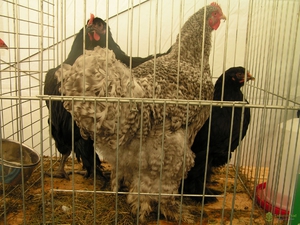 compliance and gentleness of character;
The breed also has its disadvantages:
- the need for a spacious room for keeping chickens;
- the possibility of developing obesity;
- decrease in the taste quality of meat in chickens older than one year.
Content Features
Chicks hatched in an incubator are placed in a warm room. Most often, this is the owner's home, where the young certain conditions are necessary:
- lighting for 14 hours a day;
- 60x60 cm area for 20–30 heads;
- unlimited amount of warm water.
As soon as the chicks grow up and get stronger, they are transferred to a specially built chicken coop.
Jersey Giant Poultry House
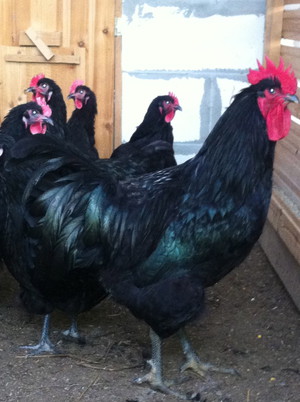 For the full development of one chicken of this breed, at least 0.5 square meters of space is required. The coop must be well-lit, so when building it, it's best to install windows facing south. Fine-mesh grilles are installed in these windows for ventilation. For artificial lighting, one light bulb is installed every 10 square meters.
Giants almost never fly., and rarely fly even to a small height. Therefore, nests and perches are installed no more than 50 cm above the floor.
Bedding is also provided based on the breed's size. To prevent injury to the birds during falls, bedding should be 15 to 20 cm thick. Its level should be constantly monitored, with additional bedding added as needed.
Jersey Giant hens and roosters require ample run space. Crowded living conditions negatively impact the birds' health and productivity. High fences are not necessary for this breed.
Laying hens deserve special attention. Because they are heavy, they often throw eggs out of the nest or crush them. To retrieve undamaged eggs, egg slides are installed under the nests.
The Jersey Giant is resistant to low temperatures. The breed tolerates frosts down to -5°C. The birds do have one drawback: vulnerable comb, which can be damaged even at sub-zero temperatures. If it's not possible to provide cockerels and hens with above-zero temperatures year-round, the comb must be oiled.
Growing and feeding
 During the first day, the chicks' crops still contain nutrients, so they can go without feeding during this time. Subsequently, for the first three days, one hard-boiled egg is fed per 20 chicks. Each day, the feed amount is increased, and the diet is adjusted.
The diet of young animals should include proteins in the form of fish or meat meal, whey or cottage cheese, dried or fresh greens, juicy root vegetables (boiled potatoes, fresh and grated beets and carrots), coarse greens in the form of chopped plant stems, chalk.
If on the first day for each chicken 20 grams of feed, then at sixty months – 200 grams. At three months of age, Jersey Giant chickens transition to an adult diet.
Feeding young animals
At three months, cockerels begin a growth spurt, requiring enhanced nutrition. This isn't a problem during the warmer months, as they get their protein from worms and bugs, and vitamins and greens from the plants they sow in the garden. Therefore, it's beneficial to set the eggs for incubation so that the chicks hatch two months before the onset of warm weather and the need to move them to an aviary.
During the year, when walking is not possible, the bird is fed two to three times a day. The diet is based on must include compound feed, from which wet mashes are made. Their composition must necessarily consist of the following ingredients:
- steamed compound feed;
- soaked cereals;
- fresh herbs;
- bread;
- vegetables.
It's recommended to feed coarse grain feed at night. Birds that sleep with a full crop gain weight and lay eggs well.
Laying hens also need fresh air, especially at seven months of age, when they are ready to lay eggs. They should have access to natural foodTo ensure strong eggs and skeletal development, females need shell rock, chalk, and lime. At this age, young cockerels and hens should be kept separately.
A separate container of sand or crushed limestone, which is a source of minerals, should be provided in the chicken coop. Chalk should be included in the birds' diet. After feeding steamed grain, small stones are very beneficial for digestion. Don't forget about shell rock, which prevents lumps from forming in the digestive system. Its absence can lead to bird mortality.
Disease prevention
 A characteristic of the Jersey Giant breed is its tendency to become obese. This is due to rapid weight gain when kept indoors. These birds are prone to oviduct prolapse, which can lead to the death of the hen. Therefore, their diet should be balanced, and the coop should be adequate. quite large dimensionsDuring the warm season, the breed should be outside for extended periods of time.
At an early age, chickens are given antibiotics to combat many infectious diseases. Despite the breed's good health, its greatest threat is mycoplasmosis. It manifests as sinusitis and bronchitis, is spread by airborne droplets, and leads to a high mortality rate.
Many recovered birds may show no signs of mycoplasmosis but still be carriers. As a result, birds with weakened immune systems will become infected with this insidious disease. Protecting domestic birds can be achieved by placing a transparent canopy over their aviary. This will prevent contact with wild birds, which carry the infection.
The chicken coop must be kept clean, and the walking area re-seed the grass regularlyAnother preventative measure is ash baths, which help birds cope with mites that infest them. Young birds should be dewormed.
Poultry farmers' reviews
Jersey Giants are very calm and beautiful birds. I bought medium-sized, cream-colored eggs from a farmer. The mortality rate was no more than 2%, and by six months of age, they were already laying.
This even-tempered and calm breed can spend the entire summer foraging. So, those who write in their reviews that these giants eat an incredible amount are wrong. They lay eggs and grow well. I really like Jersey Giants.
The Jersey is a rare breed, and in my opinion, there's nothing special about it. Compared to them, Brahmas weigh a little less, and Whitesoul hens are much larger. Jersey Giants grow slowly, and they have a high mortality rate before they reach six months of age. They don't start laying eggs until they're eight months old, and a fairly high percentage of infertile eggs are produced. Therefore, I believe the breed is simply being hyped for publicity.
The only thing I don't like about these birds is that they're no good layers. Their weight crushes the eggs. So if you want chicks, you'll have to raise them in an incubator or with hens of other breeds.
Although many describe Jerseys as calm-tempered birds, they are actually quite skittish. They don't do well in the same coop with smaller birds. A separate room will be needed for them. Furthermore, the breed requires a lot of space for running. Moreover, their weight and egg production are not particularly high. Overall, I don't consider this breed as ideal as many people praise it.
I've been keeping beautiful blue-gray and black Jersey hens in my yard for a while now. They don't grow very quickly. I don't remember when they started laying eggs. The hens have beautiful, lush plumage and run around the yard comically. It would have been a shame to kill such beautiful roosters. As a result, they started fighting and pecked three to death. One of the roosters weighed a whopping seven kilograms. Unfortunately, I don't have the time to spend seriously on poultry care. But I bought some chicks this year anyway. I'll be raising them for their beauty.