 Breeding chickens on private farms is not uncommon, especially since the results achieved typically help save significant money on food. The only requirement is choosing the right breed of chicken for breeding and keeping. If you're considering keeping poultry for meat and eggs, be sure to consider the Kuchinskaya Yubileynaya breed, which has demonstrated excellent results in this area.
Content
Kuchinskaya Yubileinaya Breed Overview: Description and Photos
The breed was developed in the first half of the 20th century by breeders at the Kuchinsky State Farm, located in the Moscow region. The basis for this type of breed was the most valuable breeds of chickens meat, egg and mixed types, brought to the USSR after the end of World War II, as well as the Livny breed, which was quite common earlier and is now practically extinct.
Origin
 The creation of a completely new breed for meat and egg production involved combining the valuable qualities of breeds such as Australorps, Plymouth Rocks and similar breeds with the best qualities of Livny chickens (in particular, their good ability to adapt to local conditions).
The above-mentioned foreign chicken breeds originate from a single base of numerous selections, therefore possessing high potential and opportunities for further breeding work. It is thanks to their ancestors that Kuchin chickens are distinguished by high productivity rates, resistance to degeneration, excellent viability, and also possess strong build and good weight.
The Kuchinsky chicken breed was officially approved in 1990, and by then the population already numbered over a million individuals. The "Jubilee" prefix was introduced in the year of the Kuchinsky farm's twenty-fifth anniversary.
Description of the breed
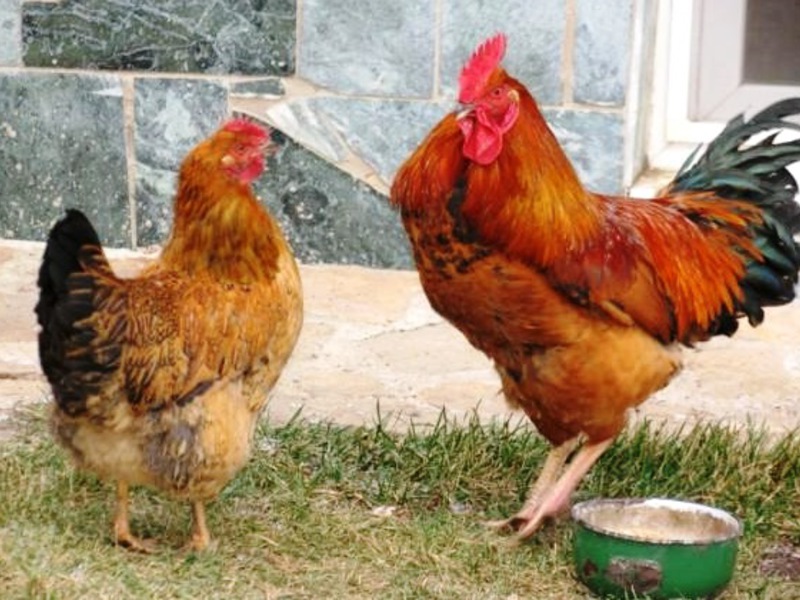
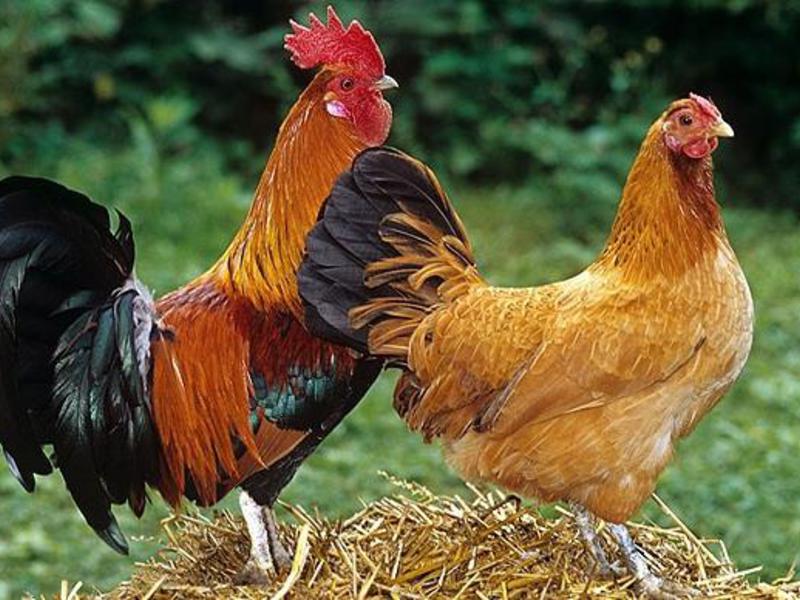
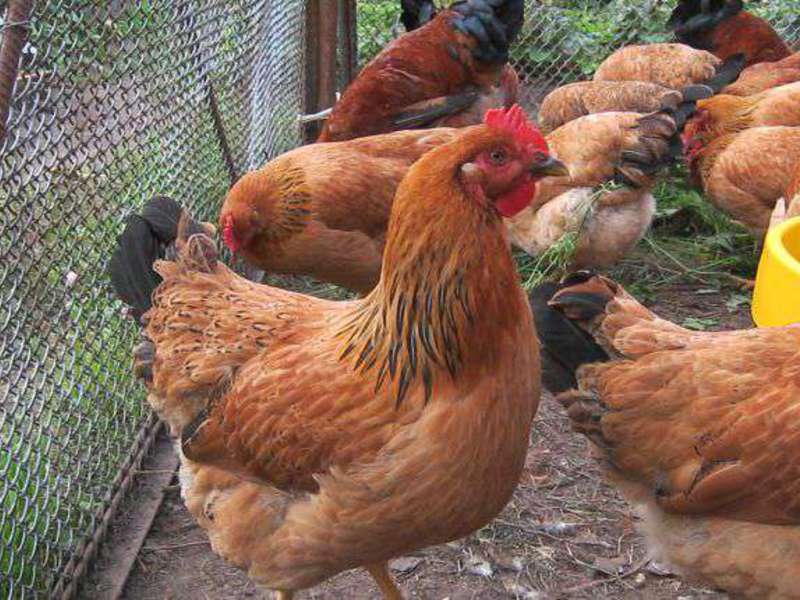
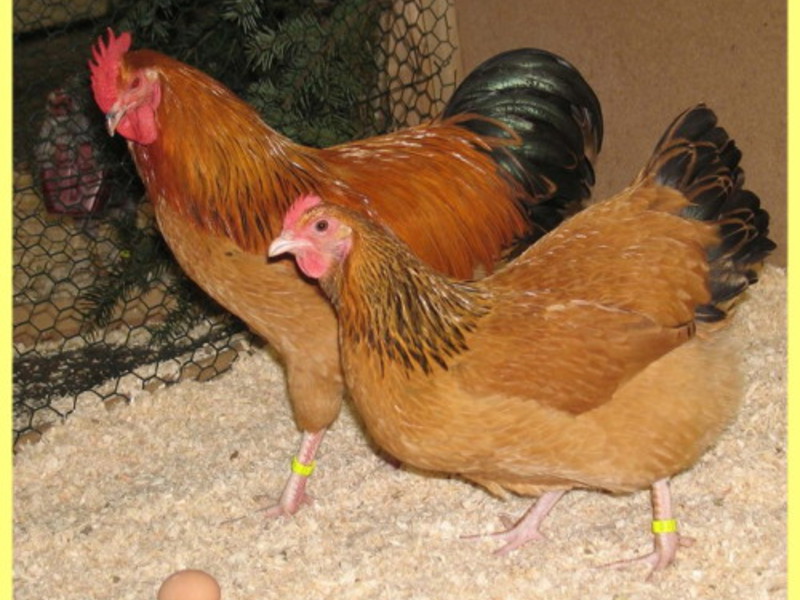
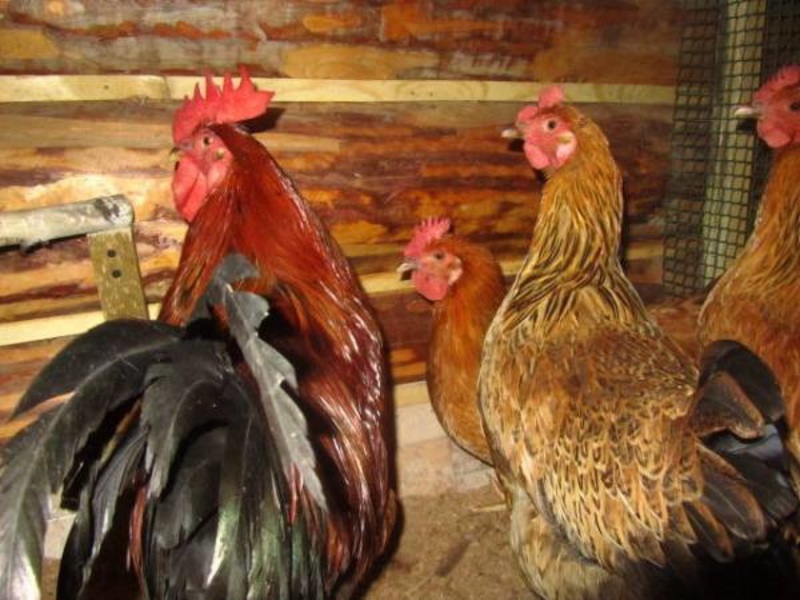
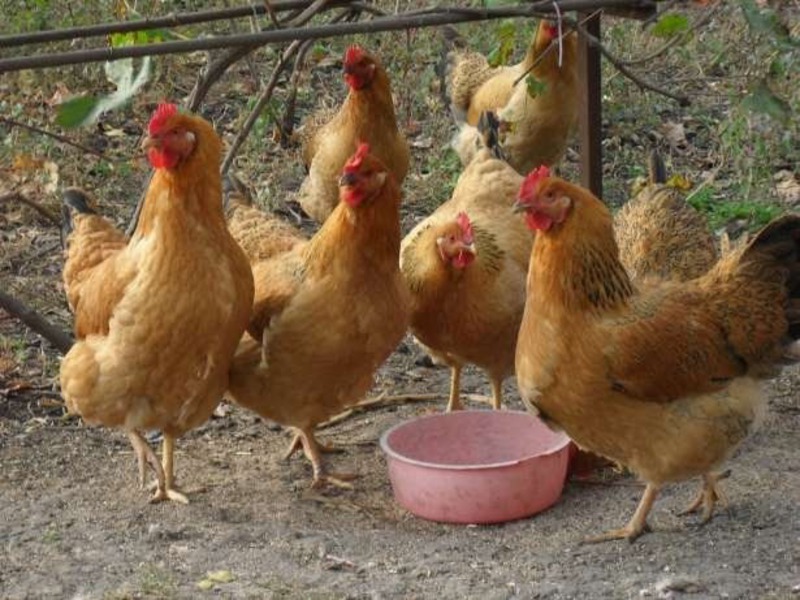
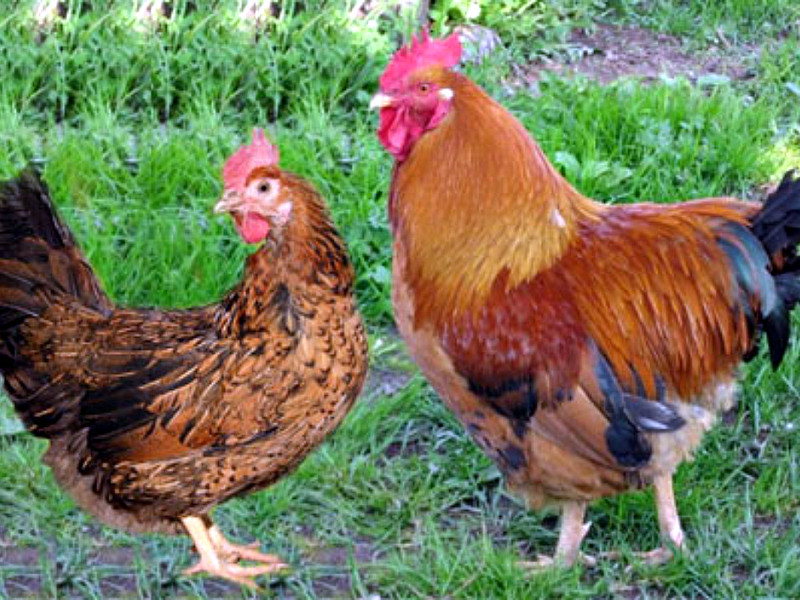
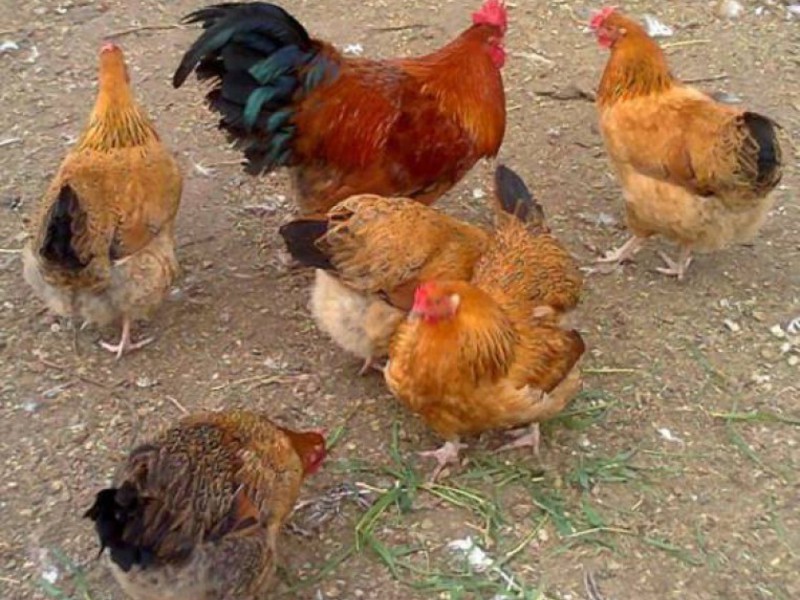
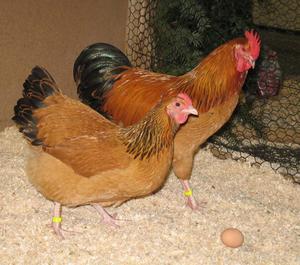
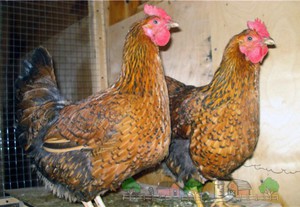
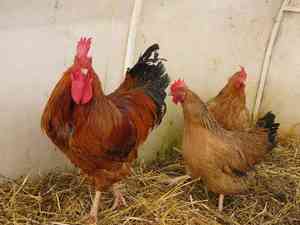
Based on plumage color, chickens are classified into golden and brown varieties. However, the most common are birds with a golden-calico coloring and gray undercoat, but the feather shaft remains light. Therefore, the skin color also varies. light shade without black stumpsThe plumage of cockerels is usually reddish. As they mature, the male's tail and chest plumage becomes black, while the head plumage becomes golden with a sheen.
The Kuchin Jubilee Rooster has a thick, strong, and powerful beak with a brown tint. The male always has a black stripe with a greenish tint on his wings. His claws are yellow, his earlobes are red, and his comb is leaf-shaped.
Appearance and characteristics of the breed
Kuchinskaya Yubileinaya is distinguished by her large body mass, strong bones and large build.
The main characteristics of the breed are the following:
 the chest is convex, wide;
- roosters have brighter plumage on their backs and shoulders;
- the head is small, the comb is leaf-shaped, the beak is long;
- eyes are large, red-yellow in color;
- limbs of medium length, strong;
- the back is straight, elongated;
- wings are tightly pressed to the body, well developed;
- small tail;
- The ends of the feathers may have an arched pattern.
 the chest is convex, wide;
Productivity
The Kuchinskaya Yubileinaya chicken breed is quite productive in both meat and egg production. Kuchinskaya Yubileinaya chickens have their own certain weight standardsAt 4.5 to 5 months of age, females should weigh 2 kg, and males 2.4 kg. The average weight of an adult female is 2.5 to 3 kg, while a rooster weighs about 3.5 to 4 kg. By all accounts, these birds are ideal for breeding and raising both in private backyards and on large poultry farms. With proper fattening, young birds can be slaughtered for meat as early as 2.5 to 3 months. At this age, females weigh up to 1.5 kg, and males around 1.7 kg.
Kuchin chicken meat is significantly superior to broiler chicken meat in terms of taste and nutritional value. However, this breed can also be raised for eggs. Hens begin laying eggs at six months of age. Compared to other meat and egg breeds, Kuchin chickens produce a relatively high egg production of 160-200 eggs per year, weighing approximately 58-63 grams. The eggshell color is light brown with a pinkish tint.
Maintenance and care
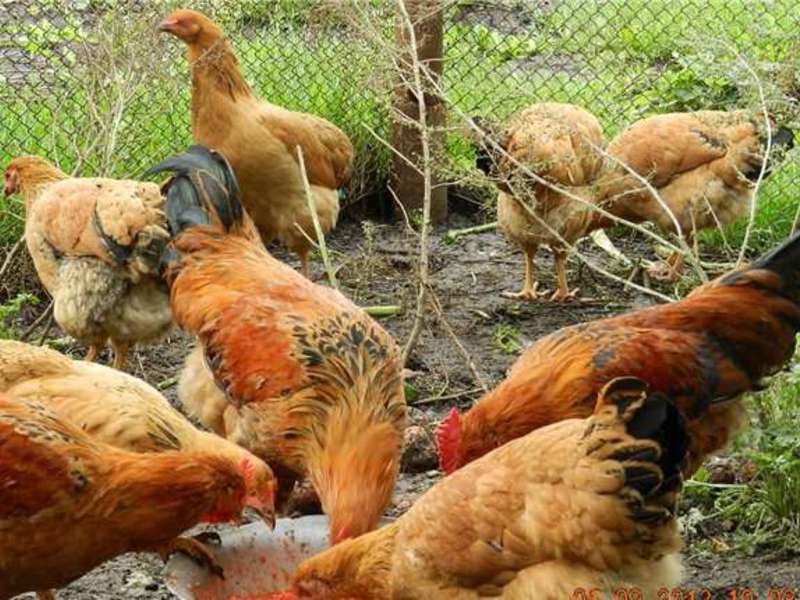
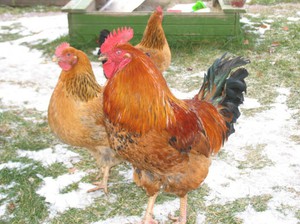 Keeping and caring for Kuchinsky chickens is not that difficult. The birds are well adapted to the harsh Russian winters and easily tolerate temperature changesThey are good-natured and quickly become accustomed to their owners. Kuchin chickens of different ages get along well with each other, but when threatened, they fiercely defend their territory. Therefore, before acquiring Yubileyny chickens, you should ensure they have separate quarters and never house them with other birds you already own.
Also, avoid introducing any livestock into a coop where Kuchin Jubilee chickens live, as this could lead to loss of flocks. There have been cases of Kuchin roosters pecking to death rodents that were found in their territory.
Farmers and villagers especially value the Kuchin people for their unprecedented egg productionThey lay eggs almost year-round, taking a break only during the molting period, which occurs every 12 months and lasts 2-3 weeks. Hens can lay up to 30 eggs at a time. Intensive laying begins at six months of age and continues for 2-3 years, after which the number of eggs decreases, and if you don't plan to keep the bird for breeding, it's time to slaughter it.
Unpretentious Kuchin chickens don't require any special conditions for laying eggs. They can lay eggs even at temperatures as low as 3°C (3°F). They should be kept in a wooden, reasonably warm, well-ventilated room with straw bedding on the floor. Feeders and drinking bowls should also be provided in the coop.
Birds thrive in both cage and floor conditions. However, if you have a choice, it's best to choose cellular contentFirstly, there are fewer conditions for the development of various diseases; secondly, being kept in a cage, the hens have no opportunity to interact with other inhabitants of the poultry yard. Furthermore, such housing allows for monitoring feed intake and, accordingly, preventing overeating.
It's important to pay attention to the ratio of hens to roosters in a flock. It's recommended to keep the ratio at 1:13, meaning there are 1 male to 13 females. Excessive roosters can negatively impact clutch production.
Maintenance and raising of young Kuchinskaya cattle
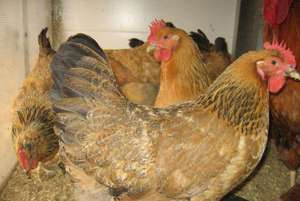 As mentioned earlier, under favorable conditions, one hen is capable of hatching and raise up to 30 chickensConsidering that 50% of the hens in a flock incubate eggs, and that they do so several times a year, with a hatchability rate of 75-87% (a fairly high figure), the benefit is obvious. A significant feature of the breed is the high chick survival rate: almost all young (up to 98%) survive.
The same can be said about the adult flock—95%. This can be explained by the well-developed maternal instinct of Kuchin chickens: mothers are very protective of their young, sometimes even to their own detriment. A laying hen may not be able to drink or eat herself, but she will provide her chicks with food and water.
It is very important to create certain conditions for newborns in the first week of life: the room should be dry and light, and the temperature in it is no higher than +30CWhen the first feathers appear, the temperature should be lowered by 3-5 degrees, on average every 10 days. After about a month, the temperature in the chicken coop should be +20C.
A properly formulated diet, including vitamins and protein-mineral supplements, promotes rapid growth in young Kuchinsky birds. Initially, the chicks should be fed every two hours with a mixture of millet and boiled egg. The nighttime feeding interval should not exceed six hours. After a week, cottage cheese and carrots mixed with greens are added to the chicks' diet. At the end of the first month, the diet can be supplemented with pieces of bread and boiled fish. Over time, feeding intervals can be increased to three hours, but it is important to remember: for rapid and healthy growth, a constant supply of food is essential.
It must be said that when introducing new foods into the chicks’ diet, they may experience stomach upset, and as a result, the emergence of diseasesTo avoid such problems, chicks should be given a solution of potassium permanganate to drink. After 4 months, chickens stop growing.
Characteristics of young chickens of the Kuchin breed
A distinctive feature of this breed is that the sex of a chick can be determined with a high degree of accuracy (up to 90%) almost immediately after birth. This is called autosexing. It's quite simple to determine: cockerels have light-colored wings, while hens have dark ones. All chicks at this age have distinctive dark stripes running along their backs from head to tail, and a light belly and chest. Their bodies are generally covered in dark fawn down.
Nutrition
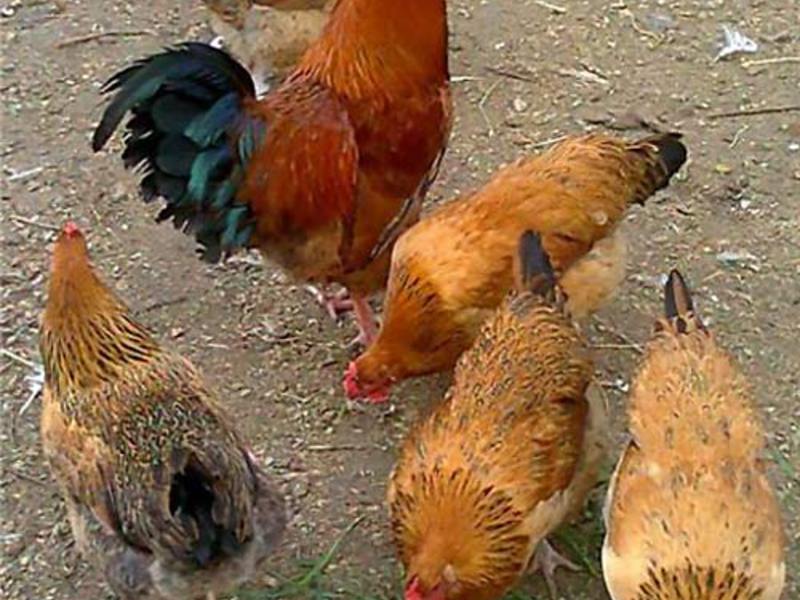
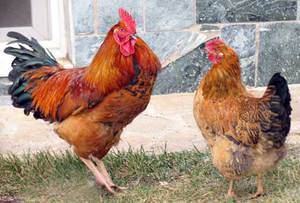 Kuchinskaya Yubileinaya chickens don't have any special dietary requirements. The diet must include grass must be presentChickens can travel long distances to find greenery at any time of year. Therefore, it's important to let them out for a walk, even if only briefly, even in winter. Firstly, this allows the hens to participate in the search for their favorite treat (grass), and secondly, winter walks have a beneficial effect on their egg production in cold weather.
In addition, Kuchin chickens' diet should include mineral and vitamin supplements, as well as whole grains. Protein-enriched dry feed can be added. However, avoid overfeeding the bird; it should always be slightly hungry. This is because Kuchin chickens tend to gain weight quickly, resulting in obesity. This is especially noticeable after one year. Excess weight leads to decreased egg production and the development of diseases.
Advantages and disadvantages of the breed
The main advantages The following can be considered chickens of the Kuchinskaya Yubileinaya breed:
- quick adaptation to new conditions of detention;
- high hatchability rate;
- the ability to determine the sex of a chick from birth;
- rapid weight gain and excellent meat yield;
- relatively large eggs, compared to other meat and egg breeds;
- unpretentiousness in maintenance, care and nutrition.
The bird feels great both in a huge poultry farm and in a small village farmstead.
Flaws:
- decrease in egg production already in the second year of life;
- tendency to obesity.
Reviews
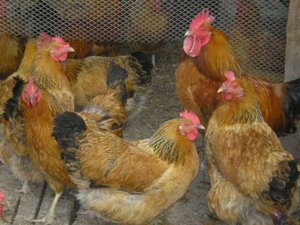 We've been raising poultry for about 20 years now. This breed of chicken is the mainstay of our farm, and we've never regretted it. I feed them 2-3 times a day. It's very important for them. long walks In the fresh air. We built them a small enclosure where they thrive and happily eat grass. If they run out of grass, I throw some in for them myself. Of course, you can't overfeed them, but I think that only applies to high-calorie foods, while grass can be given as much as you want.
I remember a few years ago, Kuchin chickens were a very popular breed… They were primarily used for egg production. Many poultry farmers even offered this breed as a replacement for regular layers. They advertised and praised Kuchin chickens, touting their unrivaled productivity… Today, breeders of this breed are very rare. It's unclear why…
I've been keeping this breed of chickens for three years now. In my experience, Kuchintsy are excellent layers and decent foragers, but the eggs they lay are smallThe roosters are large and have a beautiful body color. Of the three hens, only one will likely remain in the near future. The other two are lazy, laying only a couple of eggs a week. The third is a fine fellow, laying every day and, if she doesn't slow down, will only die of old age. I watched her for a month and only caught her on three weekend days. The rest of the time, she laid eggs nonstop.
Judging by reviews, the Kuchinskaya Yubileinaya chicken breed, despite all its advantages, has virtually no drawbacks. Its low maintenance, easy care, and high productivity guarantee a budding farmer a healthy and prosperous life.