 Broiler chicken breeds are popular in households and farms, prized for their high meat production. Broilers, or crossbreds, are the result of crossing different chicken breeds, from which they inherit the best qualities. Under good conditions, a chicken can grow and gain weight up to one kilogram in just one and a half to two months.
The meat will be tasty, tender, and juicy. The disadvantages of broiler chickens include their inability to pass on their acquired positive traits to their offspring.
Content
Main characteristics of broiler chicken breeds
Breeding crossbreeds includes two important components – They must be distinguished by good meat maturity and egg production. Meat is obtained from young birds. Until adulthood, they are raised only for egg production.
General characteristics of broilers include:
 They are quite heavy. An adult male can weigh up to 5.5 kg, while a female can weigh around 4.5 kg.
- Large body size.
- Short wings and legs.
- Rapid muscle mass gain.
- Low egg production.
- Well developed brooding instinct.
- Phlegmatic temperament.
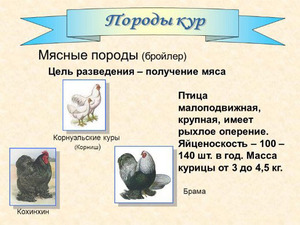 They are quite heavy. An adult male can weigh up to 5.5 kg, while a female can weigh around 4.5 kg.
Feeding broiler chickens
Because broiler chickens are growing rapidly, their maintenance has its own peculiarities. The young must be fed well, so that by two months of age each individual can gain at least one and a half kilograms of live weight.
The first ten days chickens are fed about eight times a day, that is, approximately every two hours. The nighttime feeding break should not exceed six hours. The chicks' diet should include easily digestible protein in the form of boiled eggs, milk, and cottage cheese. Crushed eggshells can be introduced from the fifth day of life. Gradually, the diet is expanded, and the chicks are fed crushed wheat and corn grits.
On the tenth day of life, young animals should already be given a vitamin-grain mixture consisting of the following ingredients:
- 5% oat flakes;
- 10% barley flour;
- 10% crushed scalded nettle;
- 25% crushed wheat;
- 50% corn flour.
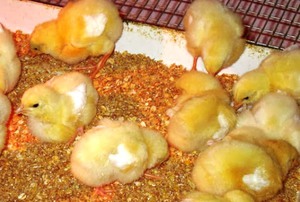 5% oat flakes;
At two weeks of age well-cooked meat is introduced into the diet, grated carrots, and chopped greens. Additionally, it's necessary to provide an additional feeder, which should always be stocked with crushed shells, gravel, chalk, bone meal, or other mineral feed.
From the twentieth day of life chicks are transferred to adult bird feedUntil then, they should be given special attention. During this period, young birds drink a lot, so each bird should be provided with 40 grams of fluid per day. Otherwise, dehydration can develop quite quickly.
Broilers of the Smena breed
There was a cross bred by specialists from the Smena plant, after which it received its name. This rather popular breed was created by crossing the "Gibro-6" and "Broiler-6" broiler breeds.
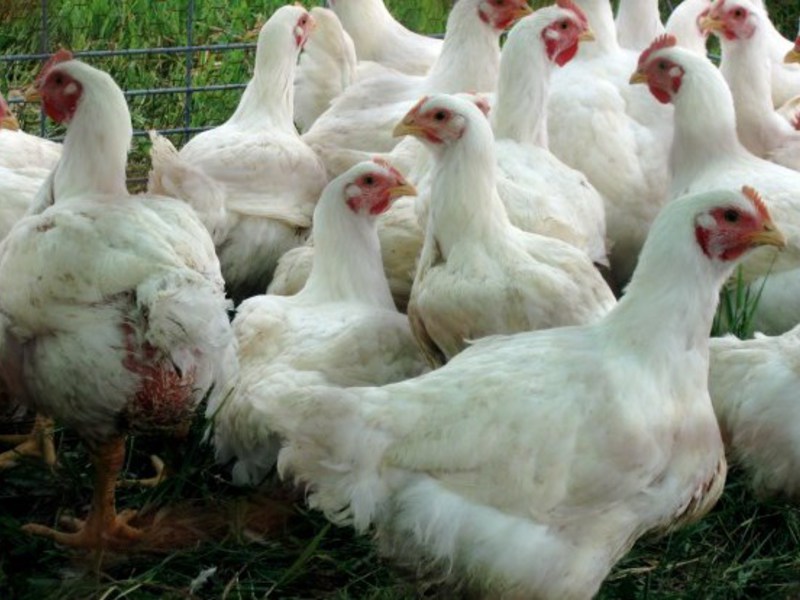
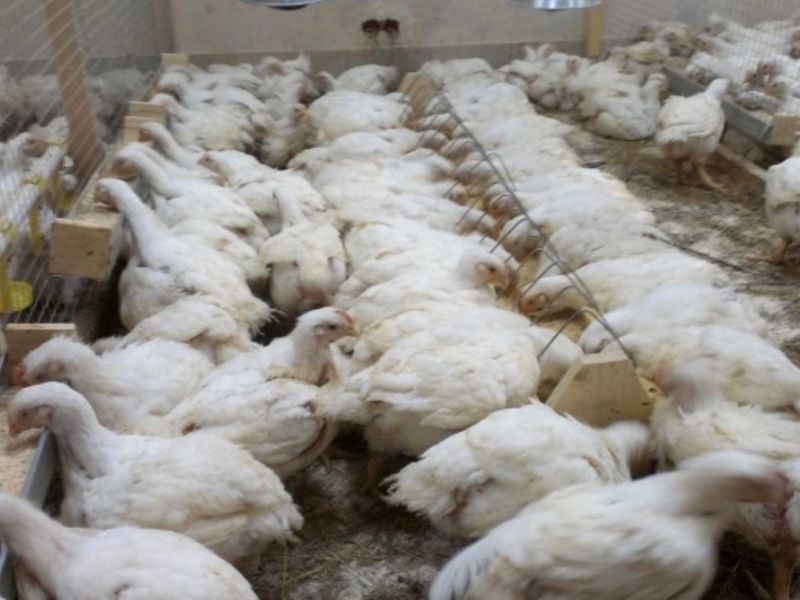
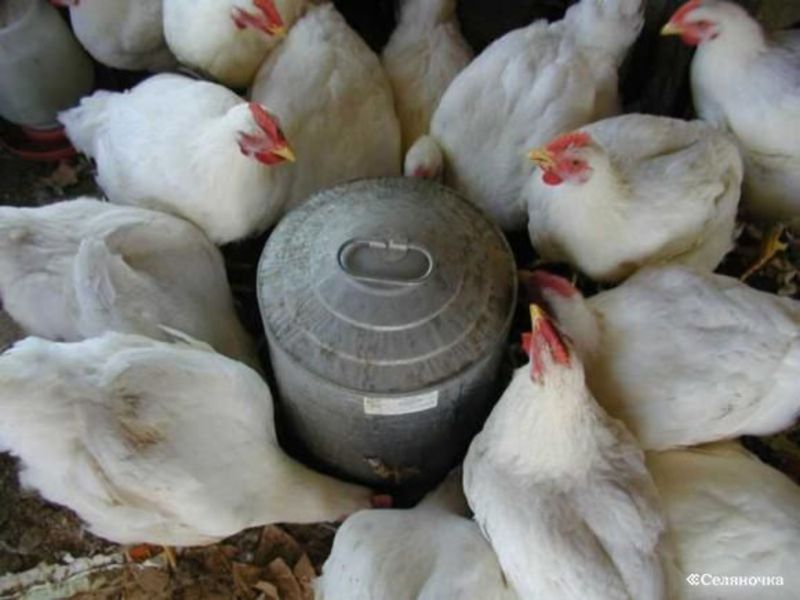
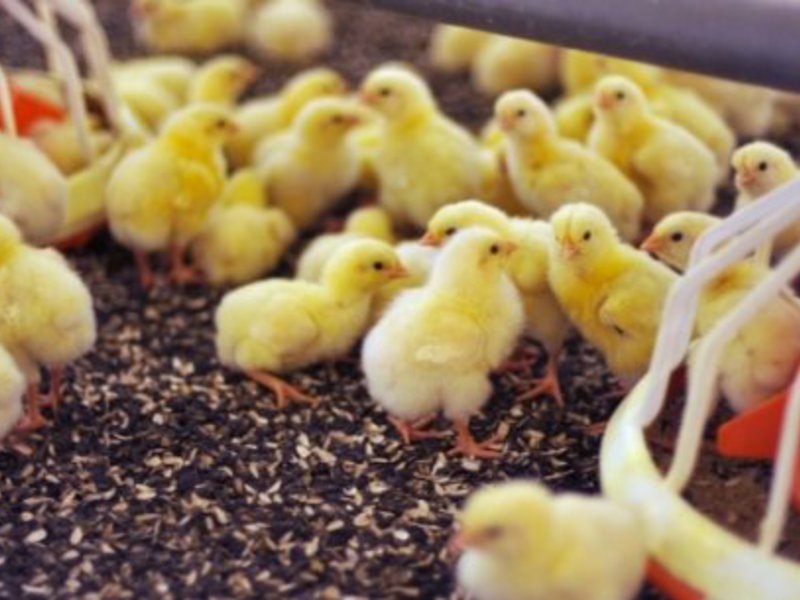
Chickens have a high growth rate, gaining up to 50 grams daily. The viability of young chickens is at least 97%. Smena chickens have many advantages:
- high meat quality;
- good egg production up to 140 eggs in 450 days;
- high viability;
- excellent taste.
 high meat quality;
When keeping chickens of this cross, it should be taken into account that in the first days of life they should be provided with an air temperature two to three degrees higher than is customary for keeping all broiler chickens.
Cross "Hybro-6"
This is a four-line breed, for the creation of which on the paternal line two types of chickens were taken The Cornish breed is a white Plymouth Rock, and the mother's breed is a white Plymouth Rock. A six-month-old male weighs 1.5–1.6 kg, while hens weigh around 1.3 kg. The viability of chicks up to seven weeks of age is approximately 98%.
Chickens of this breed are distinguished by yellow skin and subcutaneous fat, good feathering, and a leaf-shaped comb. Their advantages include:
- good growth, in which the chicken gains at least 30 grams per day;
- egg production of 160 eggs in 400 days;
- excellent quality of meat and eggs;
- moderate and calm character.
 good growth, in which the chicken gains at least 30 grams per day;
When growing chickens of the "Gibro-6" cross You should begin restricting their food intake once they reach six weeks of age. The amount of food they receive should be reduced, and the calorie content should also be lower.
Chickens "Broiler-61"
Common in the central part of Russia and the Volga region four-line meat breed The breed was developed by crossing White Plymouth Rock and Cornish chickens. A distinctive characteristic of this cross is its rapid weight gain. Furthermore, the chickens require very little feed. Only 2.2 kg of feed are needed to produce a 1 kg bird.
The advantages of the Broiler-61 breed are:
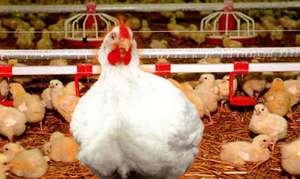
- good survival rate of chicks up to four months of age (98%);
- at one and a half months the young animals can already weigh 1.8 kg;
- good quality meat;
- peaceful and calm character.
 good survival rate of chicks up to four months of age (98%);
This breed's egg production is average. A hen can lay about 160 eggs per year.
When raising Broiler-61 chickens, you should know that due to the high growth rate Chicks develop rather slowly, so their development needs to be monitored. At five weeks of age, the chicks' food intake begins to be restricted.
Cross "Broiler-M"
Meat and egg compact breed The breed was developed by crossing synthetic and miniature chickens. A versatile laying bird weighs approximately 3 kg. The hens are capable of producing 150 to 160 eggs per year, each weighing 65 grams. The chicks reach sexual maturity at five months of age.
The advantages of the cross include:
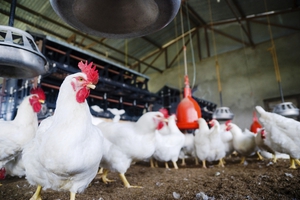
- undemanding to maintenance conditions;
- small build, which increases the density of birds per square meter of the chicken coop;
- high productivity of not only meat, but also eggs;
- calm behavior;
- low feed costs;
- excellent taste of meat.
 undemanding to maintenance conditions;
The Broiler-M breed can be kept in cages or on the floor. It is most common in central Russia.
Chickens "KOBB-500"
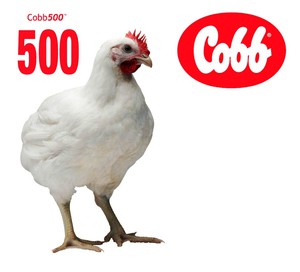
Quite a large bird very popular among farmers and poultry farmers. This is explained by the proportional accumulation of live weight with a virtually ideal growth rate ratio. The carcass contains a balanced distribution of white and red meat. The crossbreed's skin has a yellowish color, which is very appealing to consumers.
The positive characteristics of the KOBB-500 broiler include:
- high live weight gain (in 40 days the bird gains about 2.5 kg);
- strong, large legs;
- excellent survival rates;
- large snow-white breast;
- low cost of meat;
- omnivorousness of birds.
 high live weight gain (in 40 days the bird gains about 2.5 kg);
To achieve the best performance from the breed, it is necessary to monitor the conditions of keeping and the quality of feed.
Broiler "ROSS-308"
The chicken breed is highly valued for its unique ability to gain weight in a day per 55 grams. However, this is only possible with good feeding and bird care.
The ROSS-308 broiler chicken begins to develop muscle mass from the very beginning of its growth. It is recommended to slaughter the chicks at a weight of two and a half kilograms, which they reach between six and nine weeks of age.
The advantages of the cross are:
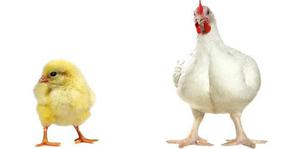
- rapid growth of poultry, making early slaughter possible;
- high performance;
- good muscle mass;
- high egg production rates (185 eggs per year);
- low growth of the bird;
- light skin of the carcass.
 rapid growth of poultry, making early slaughter possible;
Despite the fact that Many broilers are unable to hatch chicks.ROSS-308 chickens produce viable offspring. This cross is popular among farmers and homesteaders. Broilers are also found on poultry farms.
Cross "ROSS-708"
This new breed is different in various respects significantly superior to ROSS-308 broilers and the "KOBB-500." It is distinguished by its precocity, with a chick capable of gaining up to 2.9 kg in the first month of life. For poultry farmers, this rapid weight gain is the bird's main advantage. The breed also boasts other positive qualities:
- white, heavy breast;
- large, powerful legs;
- quite a large amount of meat;
- low cost price;
- excellent survival rate;
- easy adaptability to various conditions of maintenance.
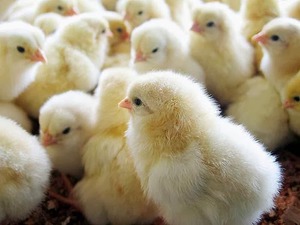 white, heavy breast;
In its basic characteristics, this cross resembles the KOBB-500 broiler chicken. They can easily be confused when kept in the same poultry yard.
Growing broilers at home on a farm or in a household, it's important to remember that choosing the best breed is paramount. But simply knowing its characteristics and advantages isn't enough. It's also recommended to thoroughly research all the conditions and feeding requirements for broiler chickens, their illnesses, and treatment options.