Parrots
Kakariki - Keeping New Zealand parrots at home 
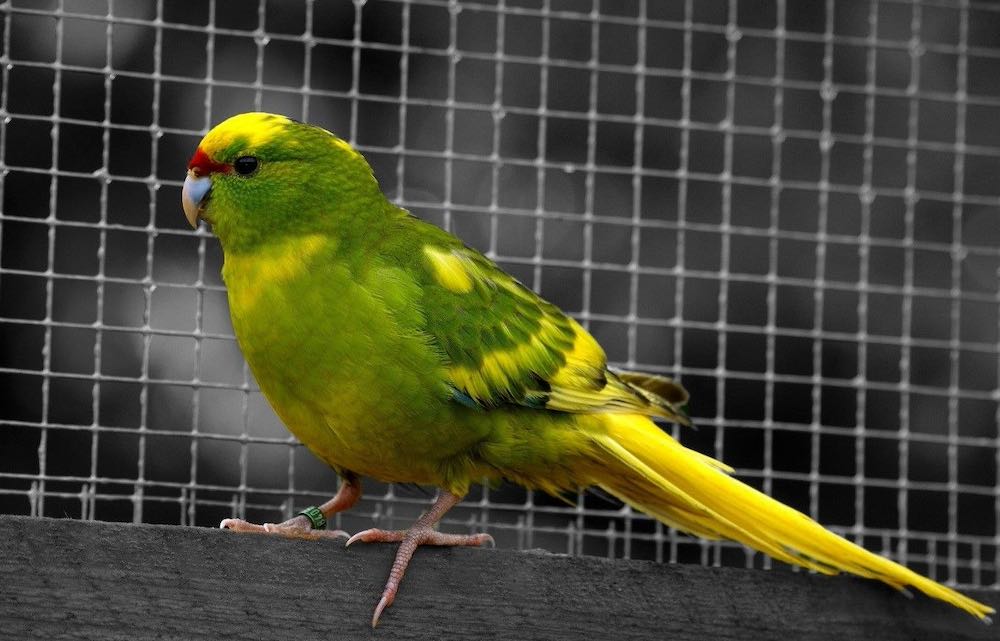
Kakarikis (also known as New Zealand parrots or jumping parrots) are small, brightly colored birds known for their lively personality. Their plumage is vibrant and colorful, featuring green, blue, yellow, orange, and red. They also often have a brightly colored cap on their head. These birds can be very sociable and enjoy the attention of their owners. Despite their small size, they are intelligent and easily trained. Kakarikis can make excellent pets for those willing to devote time, attention, and care to them. Let's look at how to care for them at home. Characteristics of the Kakariki breed Read more
How to feed a woodpecker in winter
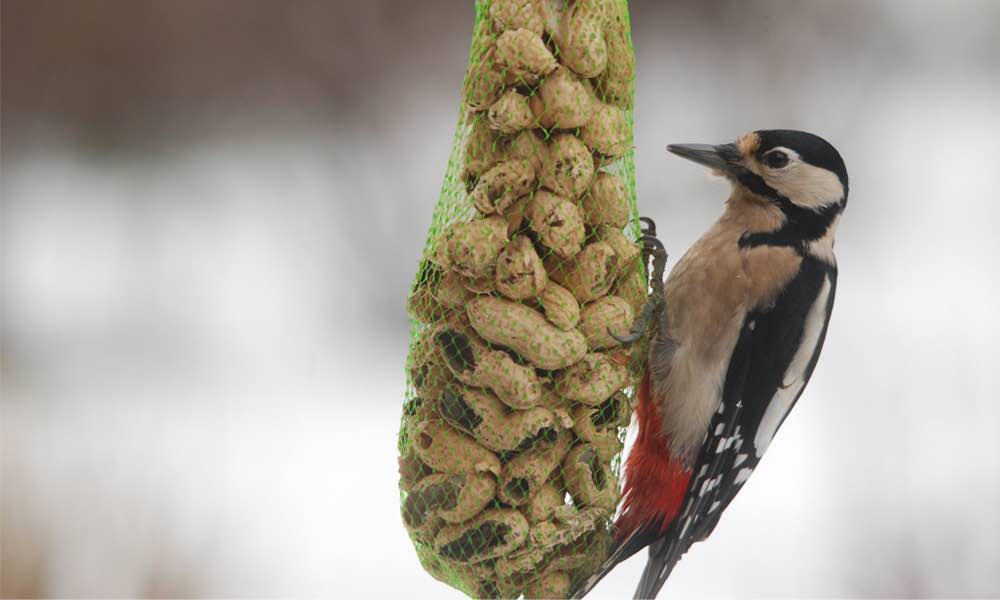
Woodpeckers are small birds of the order Peckidae, which drum their bills on trees. They use their bills to probe and extract insects from trees. Woodpeckers are also known for their ability to glide down tree trunks, making them unique among birds.Read more
The right cage for a budgie
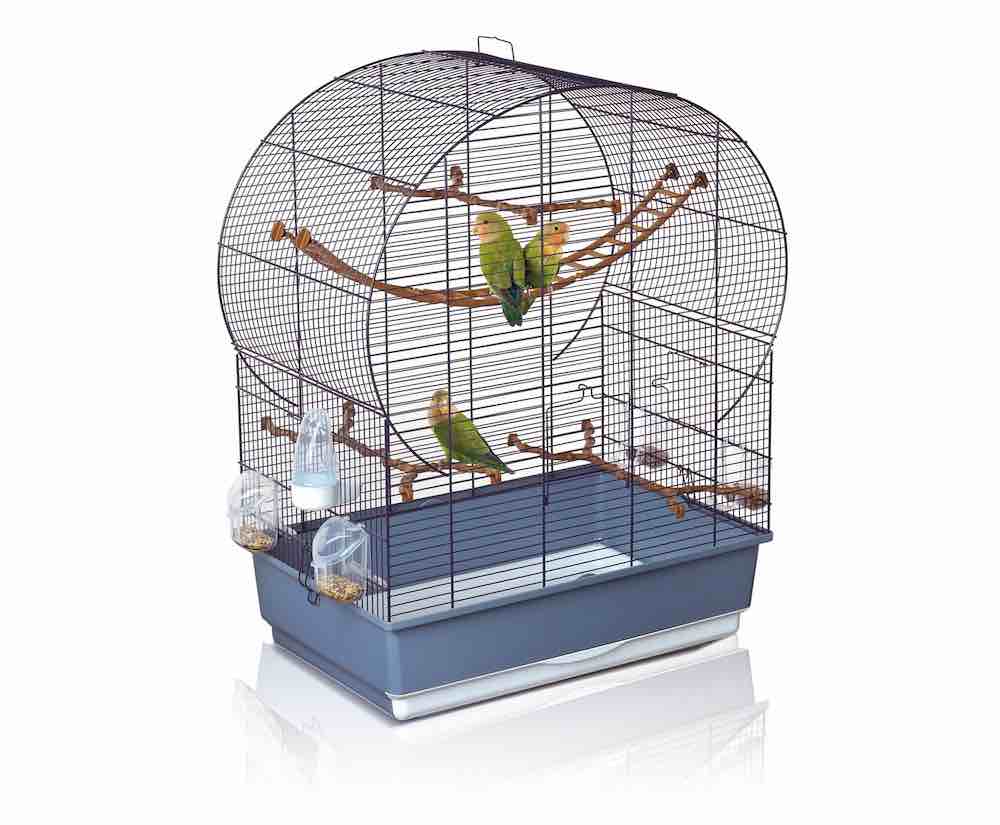
A budgerigar's cage is its permanent home, as few owners let their birds fly around the room, and if they do, it's rarely and only for a short time. Therefore, choosing the right cage (shape, size, material, and interior design) ensures comfort for the pet, maintaining activity and health, and, consequently, providing peace for its owner. Sometimes a budgerigar is kept alone, but, like most birds, it prefers to be in a pair, or better yet, in a flock. Naturally, when kept in a group, cage requirements change, primarily regarding its size. While half a century ago, you had to build your bird's home yourself, today a variety of cages are available in stores, and for the right choice and arrangement, you only need to consider a few obvious rules. Types of cages for budgerigars: A budgerigar's cage is located in the living room, so when choosing one, you need to consider not only the bird's comfort but also the aesthetics of the apartment. There are exclusive cages with unusual shapes, reminiscent of all sorts of geometric shapes and even monumental buildings (I've seen one in the style of Stalin's skyscrapers). However, ornate shapes are more likely a sign of bad taste, and regular round and rectangular dwellings with flat or convex roofs are easier to clean.Read more
What to feed a chick that has fallen out of the nest
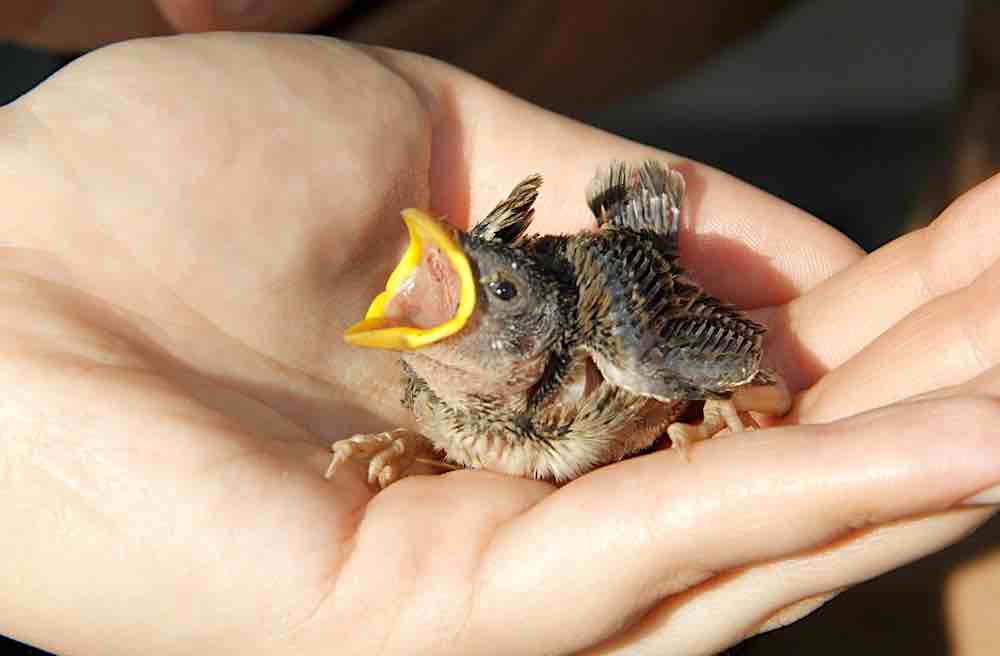
Feeding a nestling that has fallen from its nest and been picked up by compassionate passersby is difficult. This is primarily due to the fact that young birds are almost constantly hungry up to a certain point. It's well known that the parents—both male and female—fly tirelessly, often taking turns, chasing bugs, and upon arrival at the nest, several wide-open, screaming mouths await them. Therefore, the best course of action in the event of such a discovery is to find the nest and return the unfortunate wanderer to it. If you decide to take it with you, you'll have to forget about work and everything else. Furthermore, you shouldn't feed the chicks just any food: they won't eat anything considered edible by humans. The specifics of caring for fallen chicks at home: Raising a fallen chick to adulthood in an apartment is usually impossible; this only happens to certain bird species. But if there are no other options, you can try to bring it to a state where, if released into the wild, it can survive independently without dying on the first day. Still, the first step upon discovering a chick on the ground is to try to find its nest. It's often in a nearby tree: the young bird won't "crawl" far. However, nests are always well camouflaged, so you need to look carefully.Read more
How to feed birds in winter
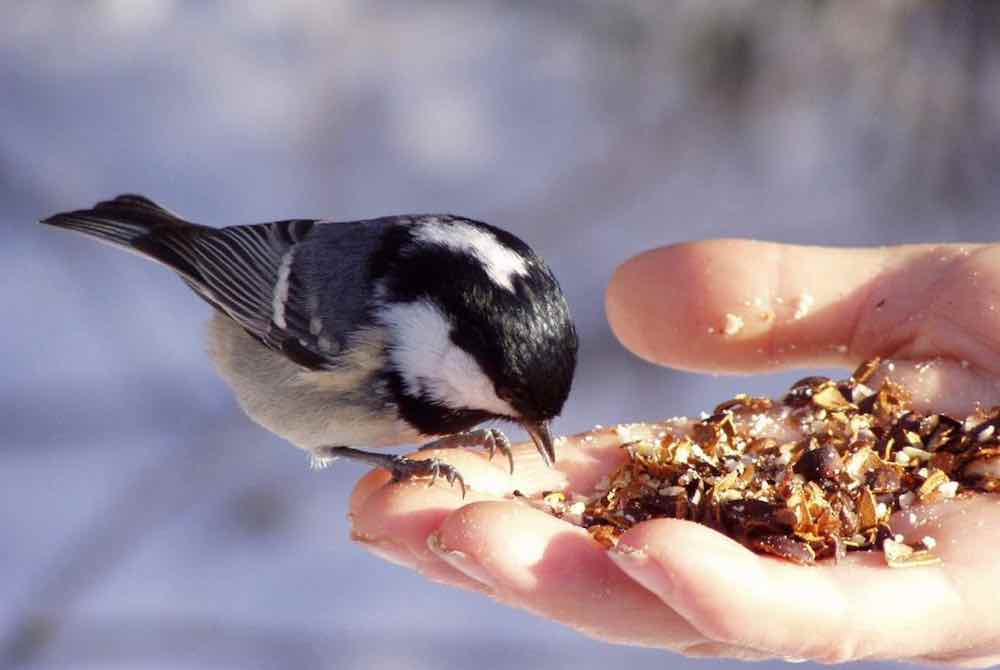
In winter, many birds suffer from food shortages, and caring people often feed them by scattering food on balconies or in specially installed feeders. Birds find it especially difficult to find food during icy conditions and snowdrifts—food availability in the wild decreases, making it more difficult to obtain, and their need for food increases in such extreme conditions. Furthermore, daylight hours are shorter in winter, giving birds much less time to search for food than in summer. Birds rarely suffer from the cold itself (their plumage helps), and food is essential for maintaining body temperature. However, simply feeding birds whatever you have around the house is a bad idea. They are indiscriminate and will eat almost anything you put in front of them—but not every food is good for them. How to feed birds without harming them is discussed in this article. How and where to hang a bird feeder in winter: If you have an open (not glazed) balcony, you don't need to build a bird feeder; you can simply scatter food on any horizontal surface. Soon the birds will notice it and peck it, and then they will start flying back for more.Read more