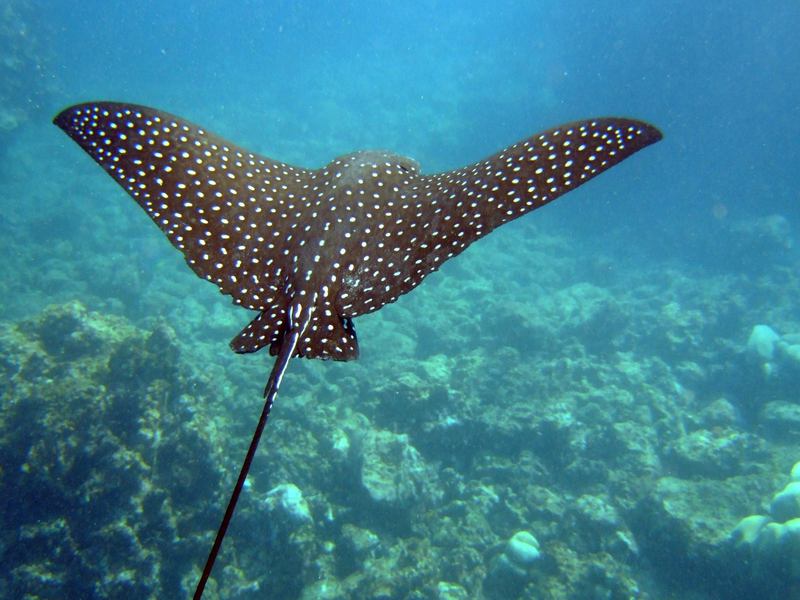
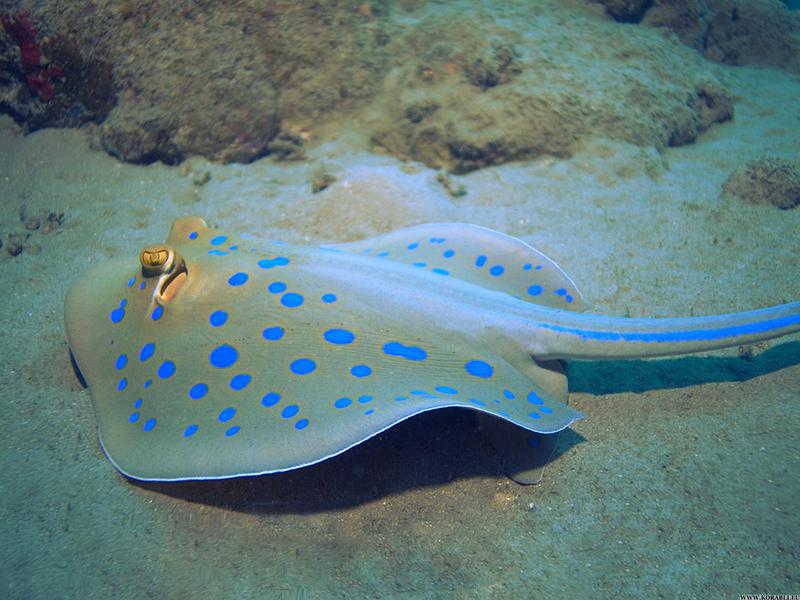
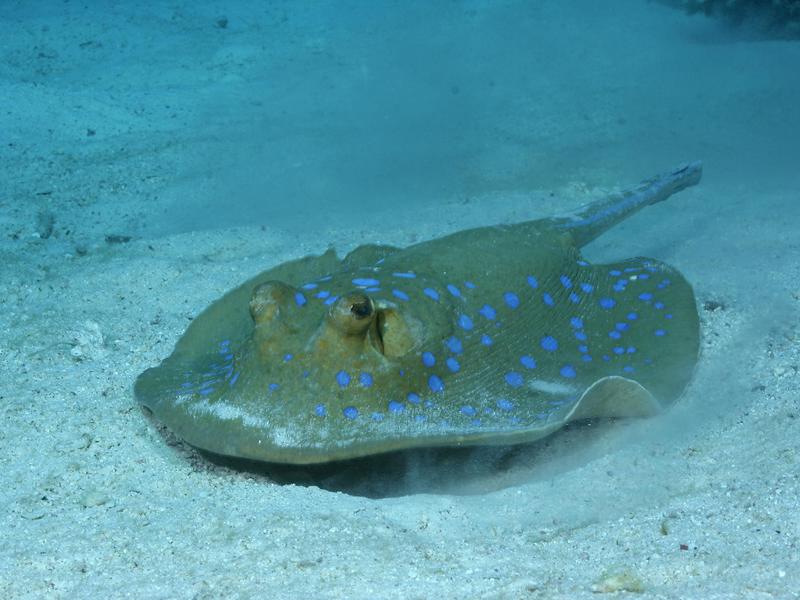
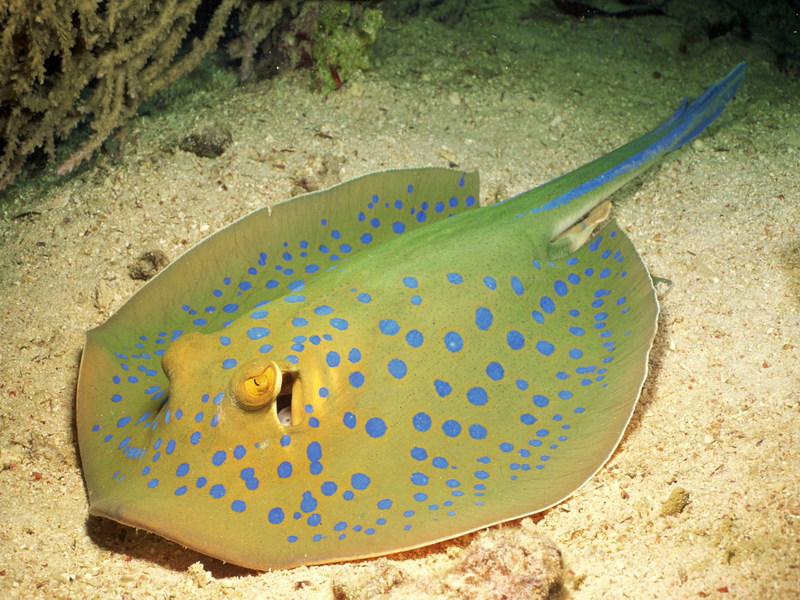
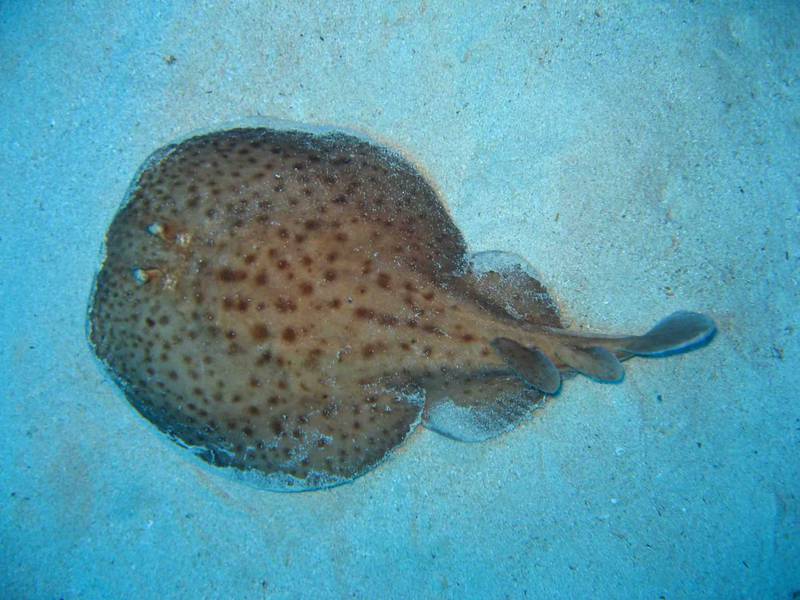
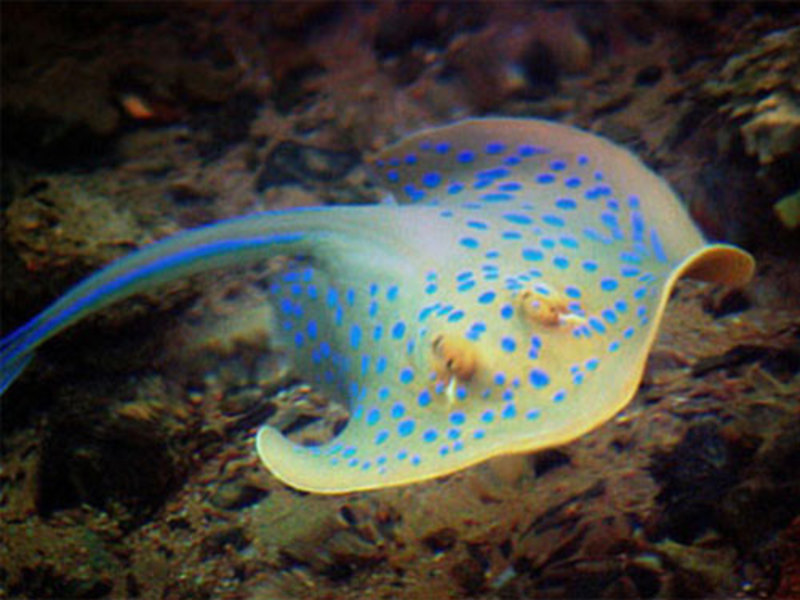
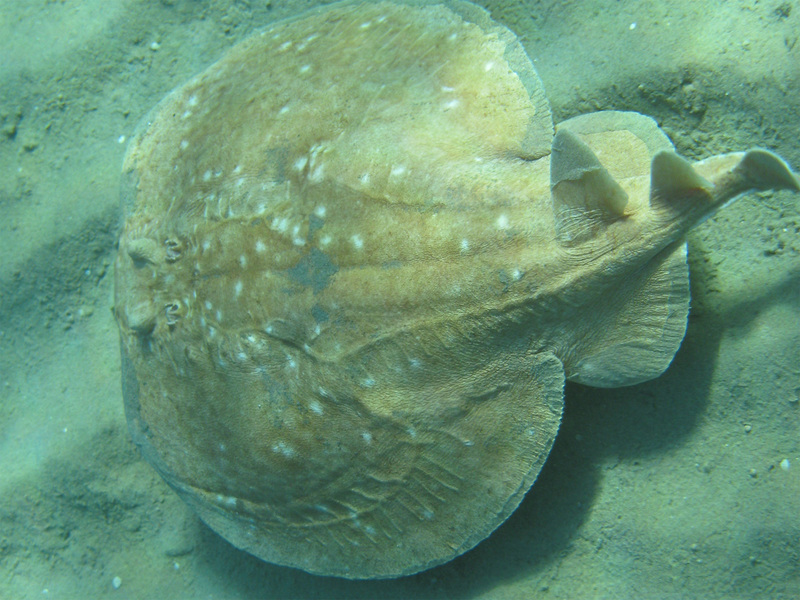
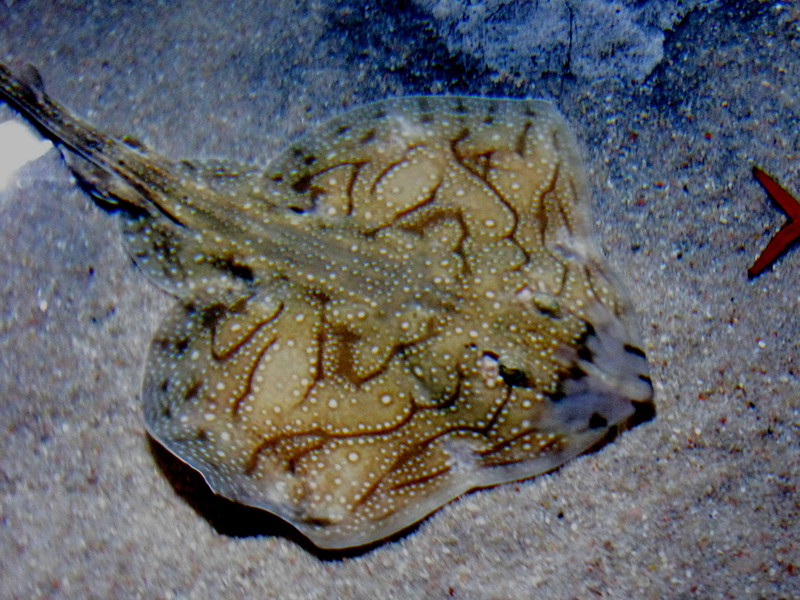
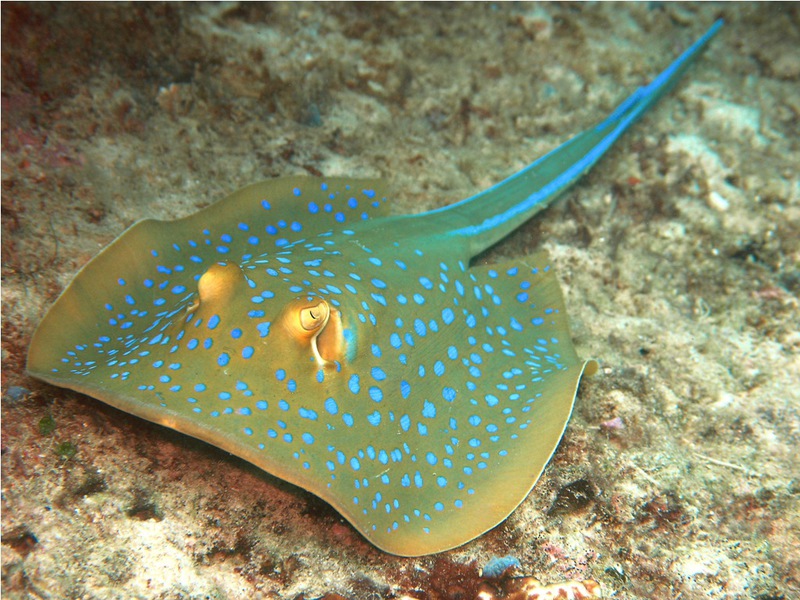
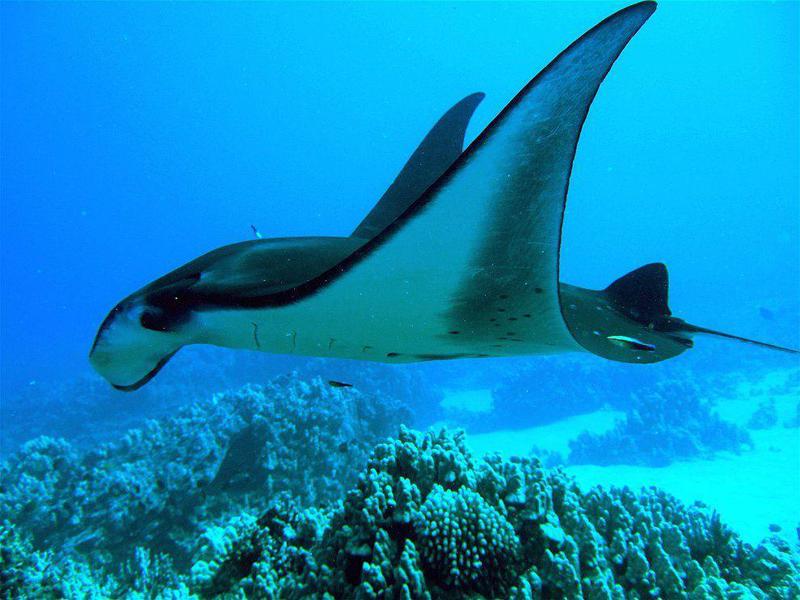
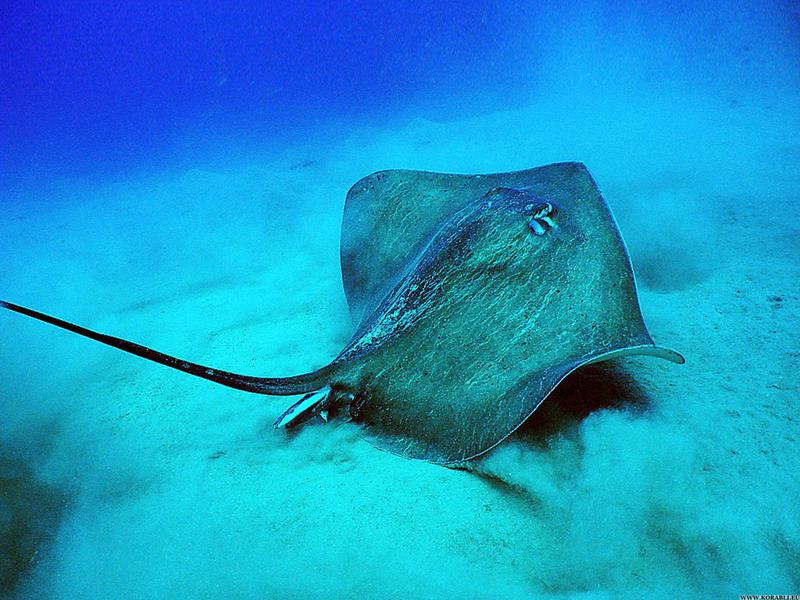
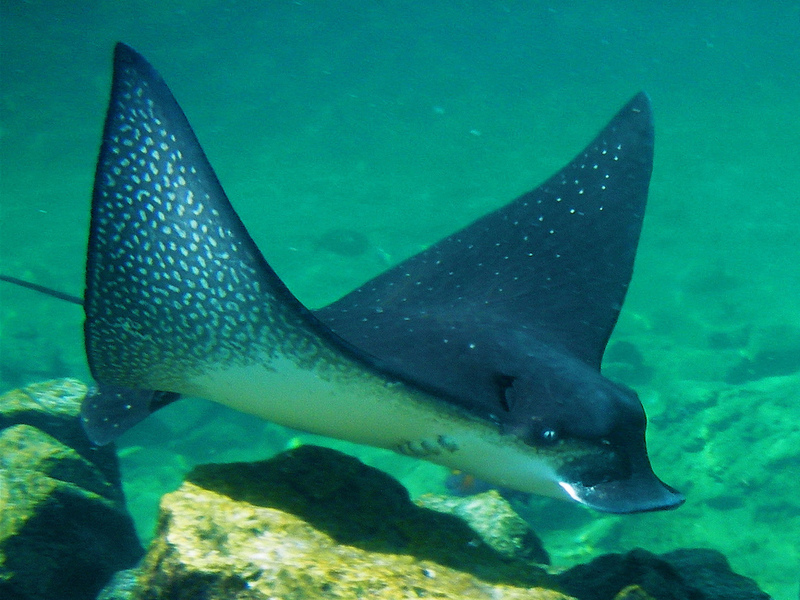
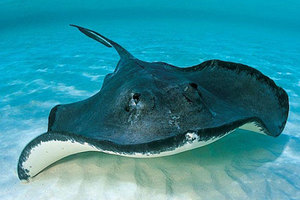
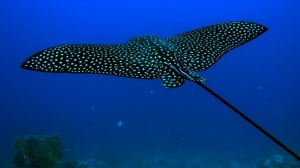
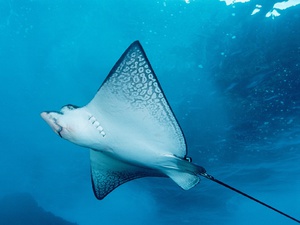
 The stingray (thresher ray) is a marine inhabitant. Its body is diamond-shaped with a thin tail at the end. Almost all species of this fish typically have spines and fins on their backs.
Since ancient times, various terrifying legends and myths have circulated about the thresher stingray, described in various fairy tales. After all, their appearance is quite frightening, intimidating, and menacing. Moreover, almost all species of rays living in the deep sea are venomous and dangerous to humans.
Common features
Sea foxes are very different from other inhabitants of the seas and oceans. They have their own habits and characteristics:
- Stingrays have a flat body and a sharp tip on their tail.
- The head is connected to the body by a straight, smooth transition.
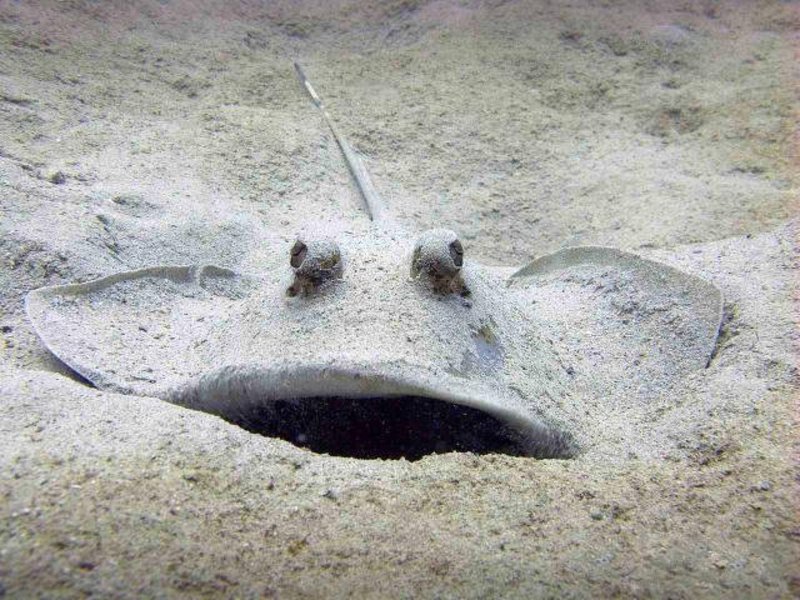
- The eyes are slightly bulging.
- The fish has a dorsal and pectoral fin.
- Thresher sharks are distantly related to sharks, as their spines are made of cartilage rather than bone. It's no wonder these fish are so feared; they look quite menacing.
- There are no razor-sharp teeth in the oral cavity; on the contrary, the stingray's teeth are plate-like and not sharp.
- The mouth cavity itself is located below, so thresher fish are unable to see what they are feeding on. These fish only smell their prey through their nostrils.
- The color of stingrays can be brownish-gray, yellowish-brown with small spots of yellow and black.
- The length of an adult male can reach about 90 cm, and that of a female – 125 cm. Oddly enough, females are larger and longer in size.
Of course, like other fish, rays have so-called electrical receptors, thanks to which they are able to track the location of prey and try to catch it at the speed of a rocket.
Besides swimming and foraging, stingrays are known to prefer the bottom, at depths of approximately 90-100 meters. Their main activity is to bury themselves in the sand and remain motionless and calm. This allows them to easily catch seafloor dwellers, such as mollusks.
Thresher threshers are typically found close to the coast, and swim closer during the warmer months (spring, summer, and warm autumn). They dislike cold and fresh water.
How does the thresher fish reproduce?
 These underwater foxes, like all cartilaginous fish, reproduce by internal fertilizationWinter and spring are the main mating seasons for stingrays. The male immediately finds a mate, positions himself behind the female, and follows her. He then mounts the female, and mating occurs by inserting his pterygopodium into her.
Some species of these fish can lay eggs, while others cannot. This depends on the order of thresher fish.
After a long period of time, the females lay eggs. There may be a clutch of them. from ten to a hundred, or even more. The egg itself is a dense, horny capsule up to 10 cm long and up to 7 cm wide. It has threads that cling to the bottom.
Newborn fish remain in their mother's womb until they acquire the body of a small ray. After some time, the fry grow and begin feeding on worms, shrimp, and crayfish on the bottom.
Fish habitat
Stingrays inhabit Arctic and Antarctic waters. They can also be found in Russian marine bodies. Stingrays thrive in both cold and warm water temperatures. They thrive in all environments and successfully forage for food, protect themselves from other inhabitants with their spines, reproduce, and thrive. Regarding water salinity, the fish prefers deep-sea habitats but can also inhabit freshwater. Stingrays have also been recorded in the Sea of Azov.
Types
As is known, These fish are diverse and may differ in:
- color;
- any external signs;
- hunting manner;
- behavior;
- habitat.
There are the following orders of these fish:
- Gnos-like.
- Bracken.
- Sawfishes.
- Stingray-like.
These units are diverse and can vary from 300 to 350 speciesAll orders have minor but distinct external differences, typically in color, nose shape, tail, and size. All species are undoubtedly predatory fish, dangerous to both other fish and humans.
Nutrition
 As is well known, stingrays feed on other deep-sea creatures. These include small fish, shrimp, crayfish, and worms. Stingrays enjoy the tender flesh of marine fish and other animals, although they themselves often fall prey to a dangerous predator—sharks.
Despite the presence of rays sharp growths in the form of thornsSharks aren't afraid of these fish. They easily taste their flesh. Once caught in a shark's mouth, a ray is unable to escape. In this case, it is doomed to die.
Extraction
Industrial stingray production has declined dramatically. Despite their delicious and tender meatThey are unsuitable for other purposes and are used only in food. However, while you can find plenty of stingrays in Western European fish markets, you won't find them at all in the Black Sea. The spines and skin of the stingray are useless. However, many forget about the small liver of the fish, which is famous for its miraculous properties.