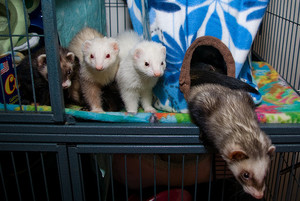
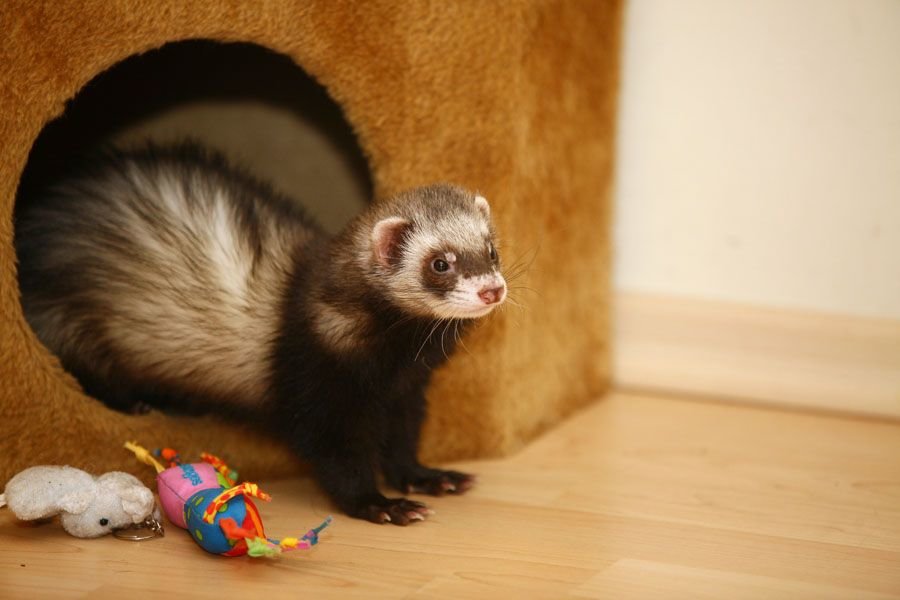
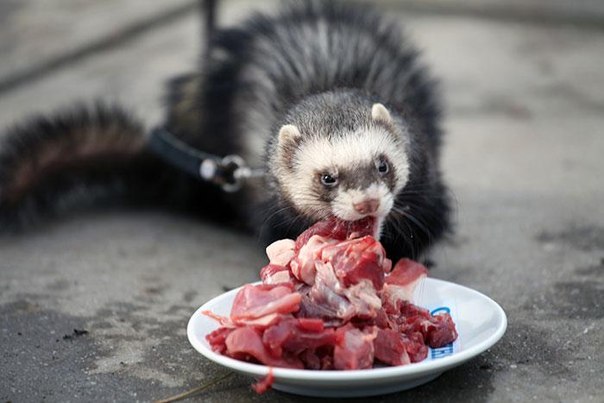
Ferrets are very active mammals. You'll never get bored with them. Despite being nocturnal, ferrets easily adapt to their owner's rhythm. Proper care is the determining factor in how long ferrets live as pets.
Basic conditions for a ferret's long life
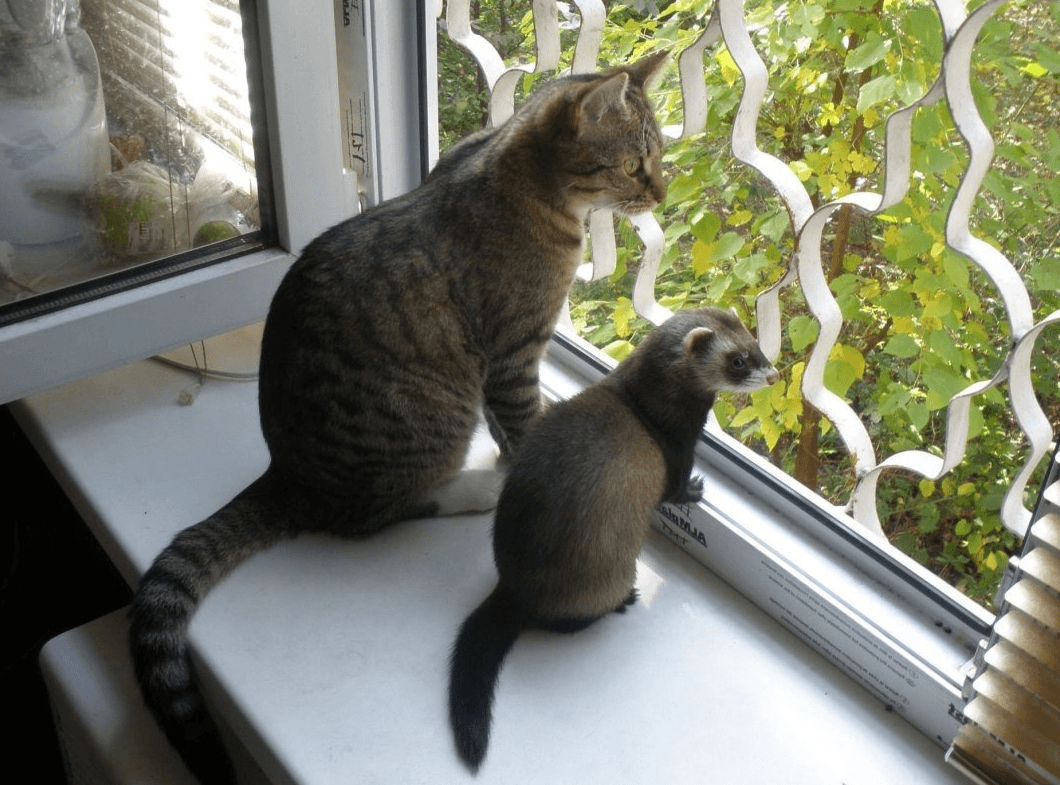
If you can give your ferret enough attention, it will keep you company for many years.
Experts identify several key factors that determine the long life of animals:
- Genetics. Determined by heredity and how healthy the parents were.
- Food. The animal's diet should be dominated by meat.
- Care. Ferrets require regular monitoring to ensure a healthy life. They should be regularly examined for various illnesses. This will help you respond promptly and take appropriate measures.
Taking these aspects into account, the owner of the animal can extend its life up to 15 years.
Rules for caring for an animal
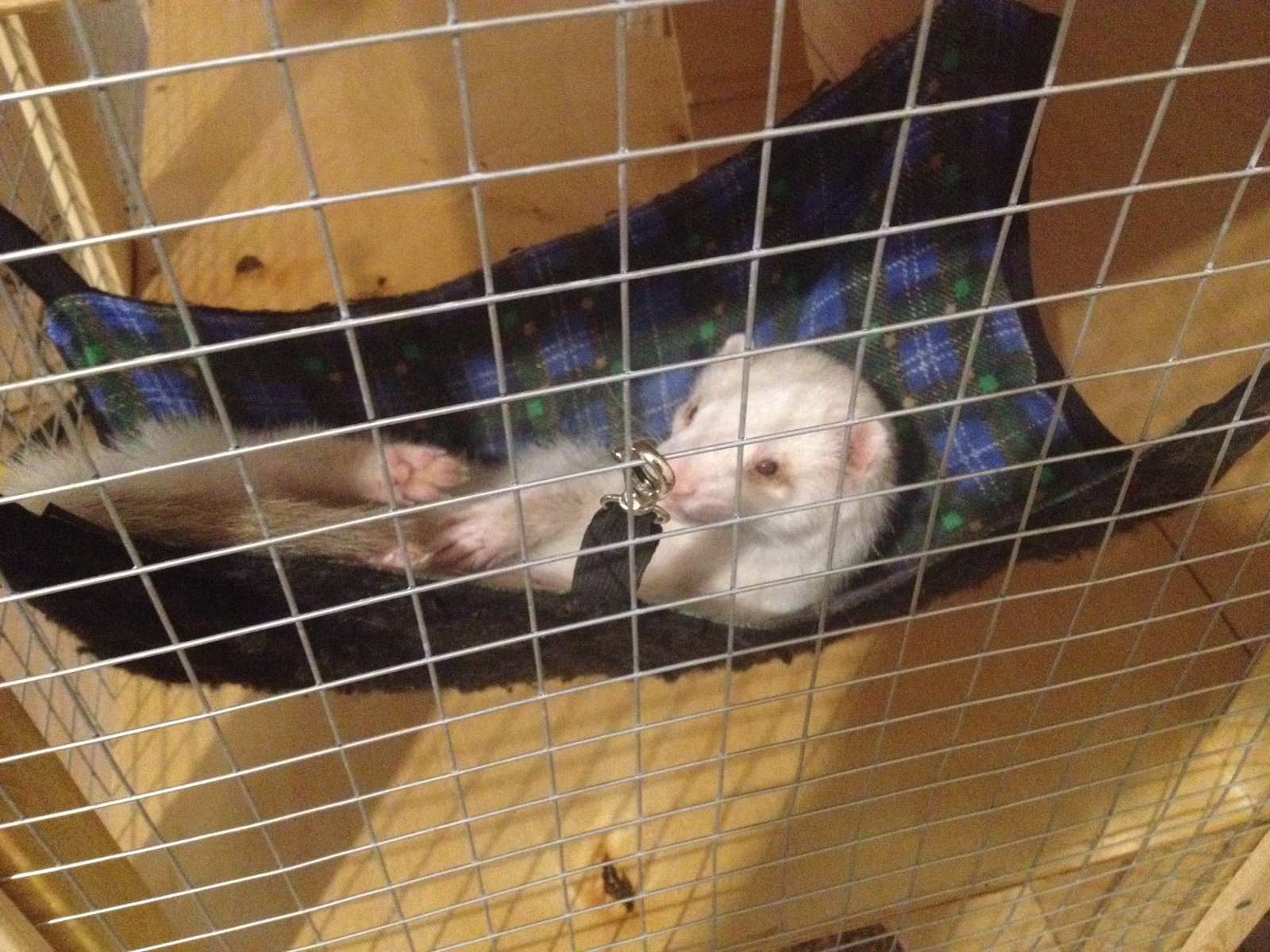
The ferret will spend most of its time in the cage, so the living conditions must be comfortable.
The first thing the ferret owner must do is take care of the place where he will be kept. The size of the cage for keeping an animal should be no less than 80 cm, and the distance between the bars should be no more than 3–5 cm.
It's best to choose a two-level cage with walkways. Your ferret will be able to spend time playing in it. A ferret's house shouldn't be made of plastic or glass, as these materials don't provide good ventilation.
It's essential to provide food and water trays in the cage. They should be heavy enough to prevent the ferret from tipping them over. For added safety, you can attach the tray to the bottom of the cage.
You can begin releasing your pet only after it has adapted to the new environment. This should be done 2-3 hours a day. The owner should remove all belongings beforehand, otherwise the nimble friend will hide everything, making it difficult to find.
When it's warm outside, you can take your ferret for a walk.This is permitted only for adult and vaccinated animals. Walks are also possible in winter, as long as there's little snow and it's not too cold. A special leash is required for these purposes.
Pay special attention to the ferret's sleeping area. A quiet, shaded spot is ideal. A terry towel or flannel is recommended for bedding.
How to create a menu
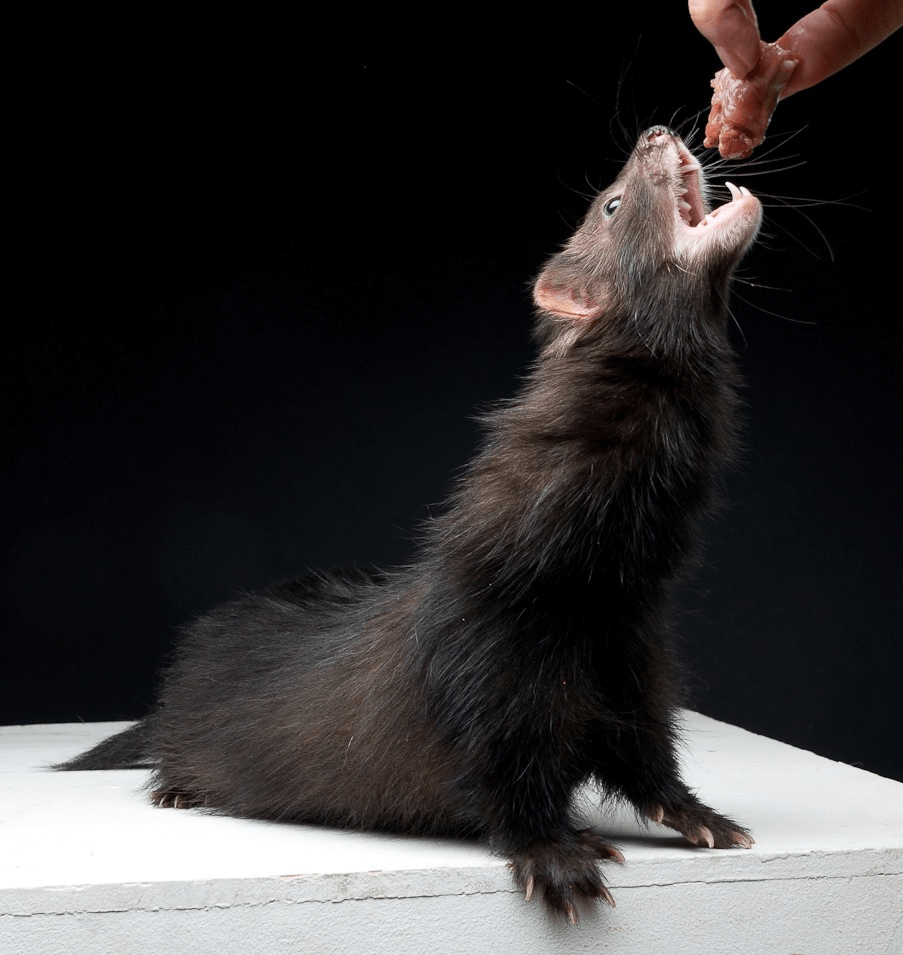
Since the ferret is a carnivore, the basis of its menu should be meat.
Many have discovered from experience that the lifespan of these adorable animals is largely determined by their diet. Therefore, it should be balanced. In this regard, it's important to remember that ferrets are carnivores.
The animals' diet should be dominated by beef, horse meat, and boneless fish.You can feed organ meats (lungs or stomach). If you decide to include cereals, they should be cooked exclusively in meat broths. A ferret owner should not allow a prolonged absence of meat from the diet. Otherwise, they will face problems related to gastrointestinal problems, a weakened immune system, and hair loss.
The owner of this adorable pet should avoid feeding them citrus fruits or sweets. Ferrets should not be given milk, as they cannot digest lactose. Salty, fried, or fatty foods can upset their digestion.
In addition to the basic diet, your pet should receive vitamin supplements. These can be purchased at specialized pet stores. When purchasing, consult a veterinarian about the ingredients and dosage. Clinics can also prescribe a course of injections to significantly boost your pet's immune system.
Health and disease
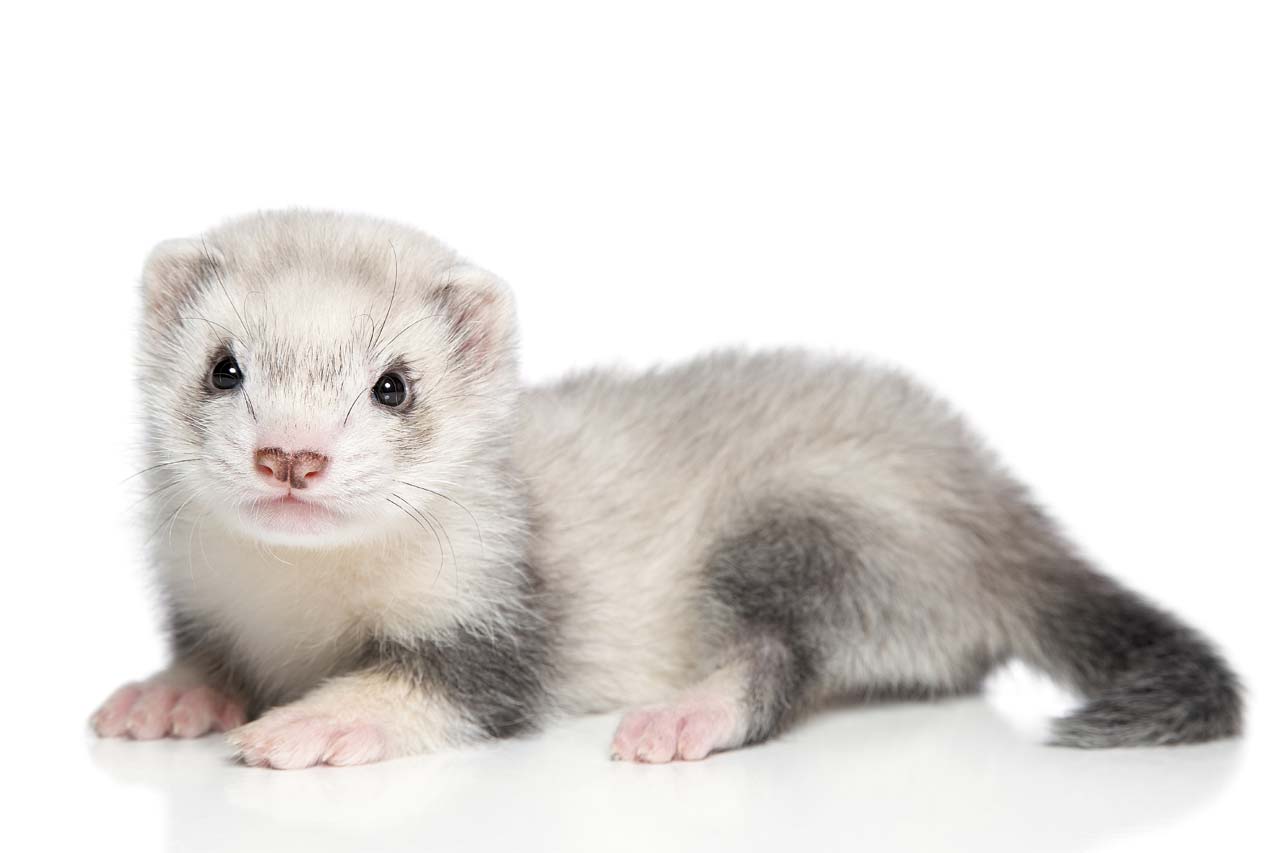
Ferrets are generally healthy, but they still need to be vaccinated against certain diseases.
According to veterinarians, ferrets don't get sick often. They can catch the flu from their owners. Ferrets usually recover on their own within 3 to 14 days. In more severe cases, antibiotics and antihistamines are prescribed.
Ferrets need to be vaccinated against rabies annually, as there is no cure.
Canine distemper is considered an equally dangerous infection, resulting in a 100% fatal outcome. It is transmitted by infected animals. It can be transmitted by insects, rodents, birds, and even humans (via clothing and shoes). The disease is characterized by fever, vomiting, nausea, and conjunctivitis with purulent discharge. Annual vaccination is also recommended for canine distemper.
Aleutian mink disease is an insidious disease. It occurs in fur farms. The incubation period can last from 6 to 150 days. There is no vaccine for this disease, as the infection is caused by autoimmune processes in the body.
Rickets is the only non-contagious disease. It results in abnormal growth and formation of bone tissue. This occurs when the diet is deficient in vitamin D, calcium, and phosphorus. Obvious symptoms include loss of luster and loss of appetite. These diseases include adrenal endocrinopathy, aplastic anemia, skin tumors, and lymphosarcoma.
Ferret sterilization
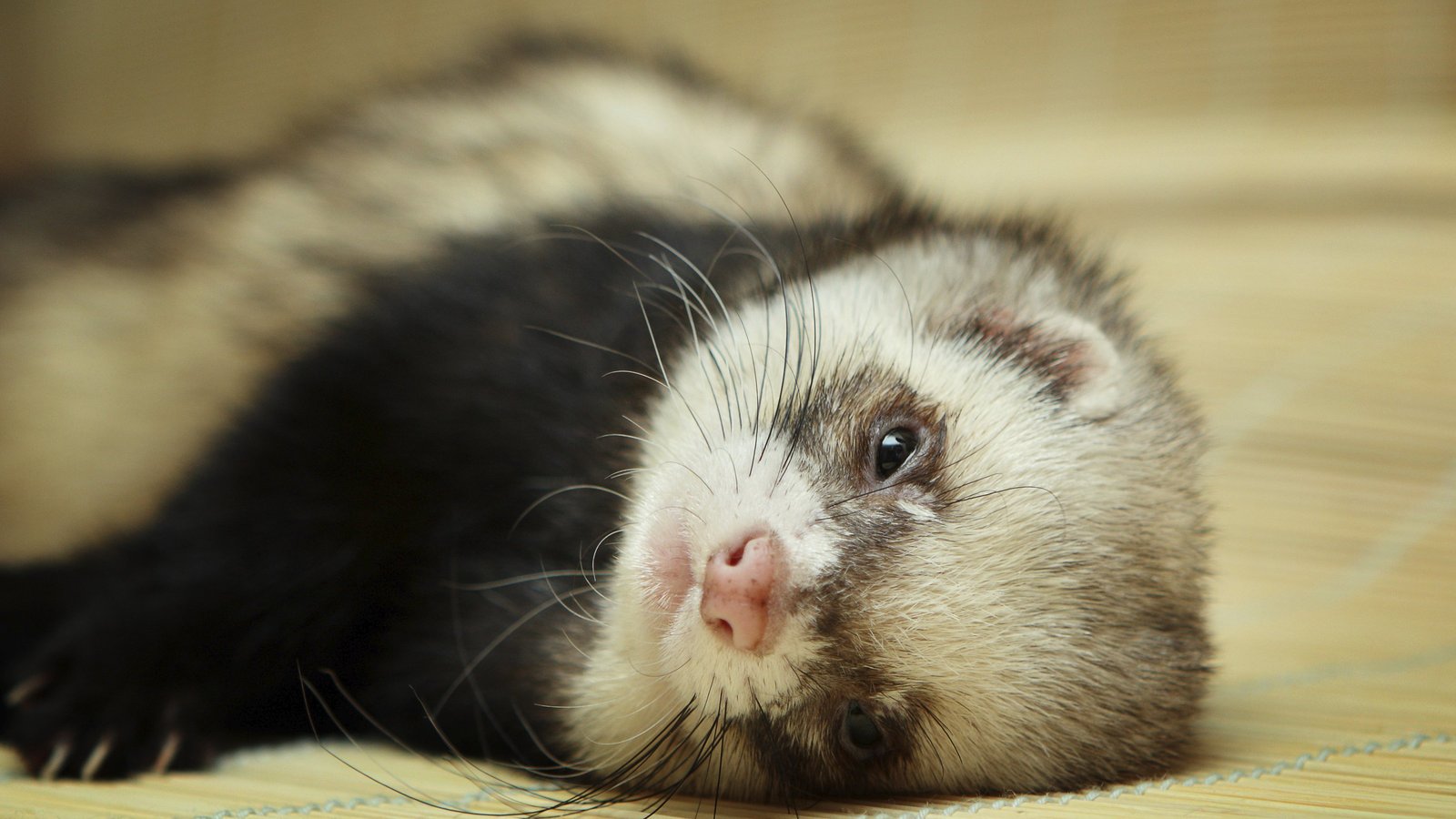
For domestic ferrets, sterilization is mandatory.
Proper care of a ferret requires its mandatory sterilization.This measure significantly changes the pet's behavior. They become calm and docile. Males lose the habit of marking their territory, they no longer emit a foul odor, and they also stop biting and become less aggressive.
Female ferrets should be spayed at six months of age. Studies examining the lifespan of ferrets after spaying have found that if the procedure is performed before giving birth, the animals live much longer.
Ferret lifestyle in the wild
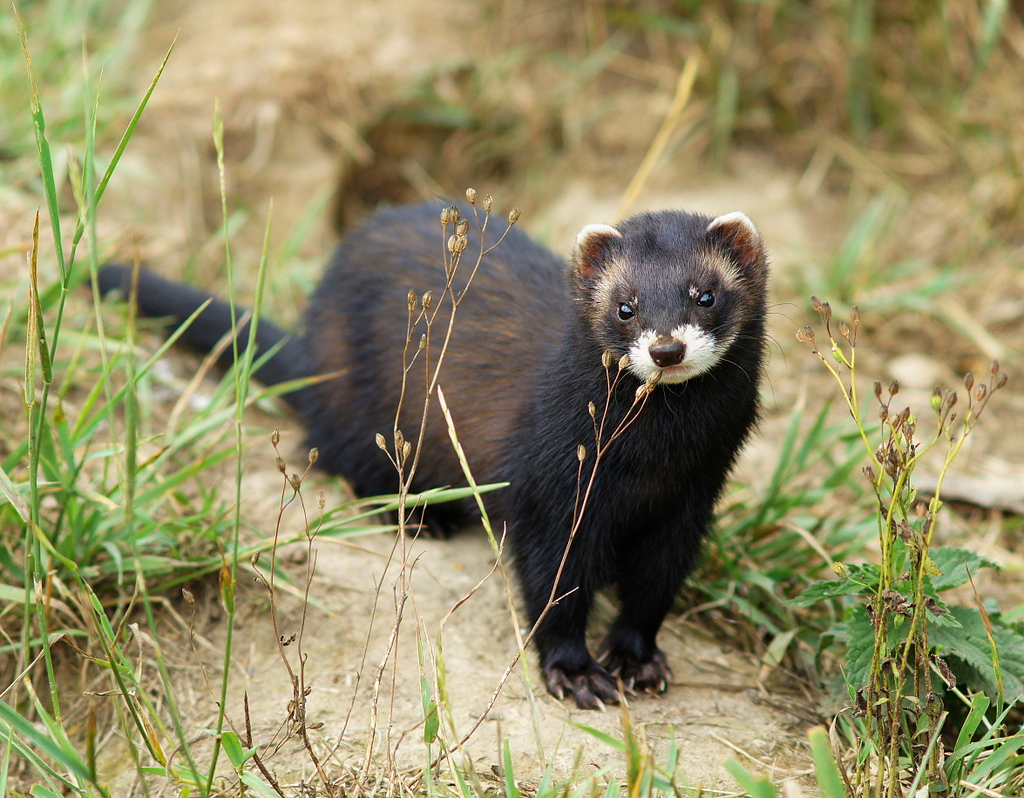
Feral ferrets pose a significant threat to farms because they are fond of eating chicken.
Ferrets are the most predatory members of the mustelid family. In the wild, they are found at forest edges or near bodies of water, rivers, or lakes. These animals are especially active at night. Their diet consists primarily of animals, including moles, voles, and shrews.
Ferrets live in burrows, which they dig themselves. They like to do this under old tree stumps or bushes.
During the winter, ferrets tend to live closer to humans, taking up residence in cellars or barns. In these conditions, ferrets have plenty of food. Their main diet consists of chicken, rats, and rabbits.
The animal's means of protection is through anal glands, which emit a strong stench when in danger.
Ferrets have long been popular pets, as they are intelligent, observant, and easy to train. This fluffy little fidget has the ability to win hearts. However, when purchasing a pet, it's important to consider your ability to create a comfortable environment for it.