Exotic pet lovers considering getting this small predator often wonder what to feed a ferret. It's well known that in the wild, ferrets have a varied diet. Replicating it at home is virtually impossible. So, what kind of food can you offer your pet without harming its health?
Content
What do ferrets eat in the wild?
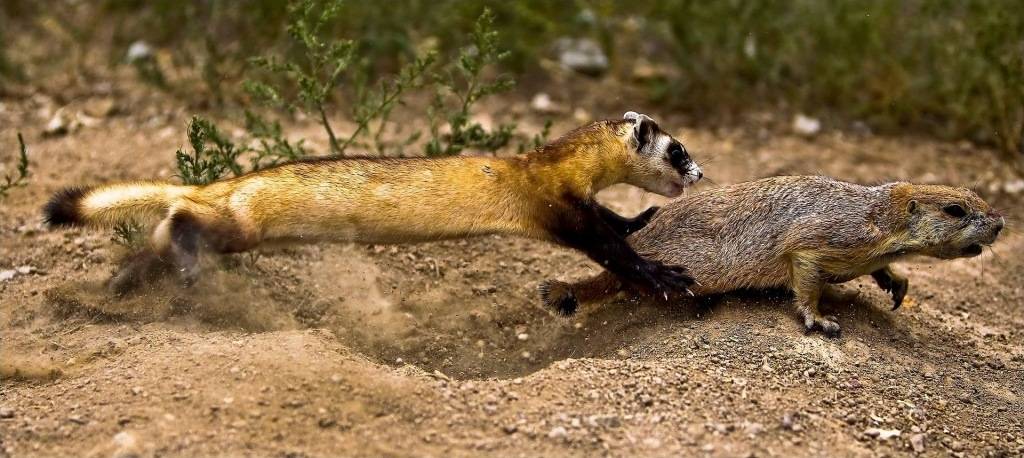
Live food is the healthiest option for any predator.
Ferrets are predators, so they get their food by hunting other animals, birds and catching fish.Hunting mostly occurs at night, as the animal sleeps during the day. However, if the ferret is very hungry, it may go out in search of food during daylight hours.
The most common prey are:
- Small rodents (voles, gophers, moles);
- Reptiles and amphibians (frogs, lizards);
- Little birds and eggs;
- Insects and worms;
- Fruits and fish make up a negligible portion of the wild ferret's diet. Their digestive system is not adapted to digesting plant matter, so ferrets rely on the remaining plant fiber in the stomachs of the herbivores they feed on to obtain all the necessary nutrients.
Ferrets have been known to scavenge in the wild. This occurs when a predator is unable to hunt for some reason or remains hungry for an extended period.
What to feed a ferret at home
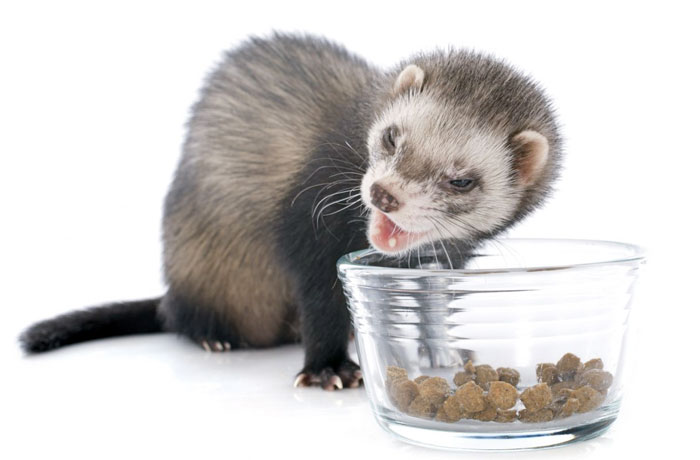
The main rule when preparing a ferret's diet is not to give it anything from your table.
Nutrition is a fundamental issue, as it affects the animal's life and health. Improper nutrition causes significant harm to a ferret's body, causes serious illnesses, and can even lead to premature death. Unlike other pets, such as cats or dogs, ferrets are not adapted to human food at all..
These animals are predators by nature, so their metabolism is fast. Within four hours, the stomach contents are completely digested, even though they consume their prey whole, including bones, entrails, and fur.
List of the healthiest foods
It's crucial that your ferret receives all the necessary vitamins, amino acids, and minerals throughout the day. The most beneficial foods suitable for a carnivore's diet are:
- Meat;
Meat should be given daily with every meal. Poultry contains taurine, essential for animal health, which cannot be obtained from other sources.
- Cereals;
The cereal is added to the ferret's diet in the form of a well-cooked porridge. The fiber in the porridge has a beneficial effect on intestinal peristalsis.
The proportion of plant foods should not exceed 15–30% of the total weight.
- "Live food".
Some ferret owners consider this type of feeding unacceptable. However, all veterinarians and experienced breeders agree that it's beneficial for a predator's body to occasionally "hunt" for live food such as small rodents or insects.
Ready-made feeds
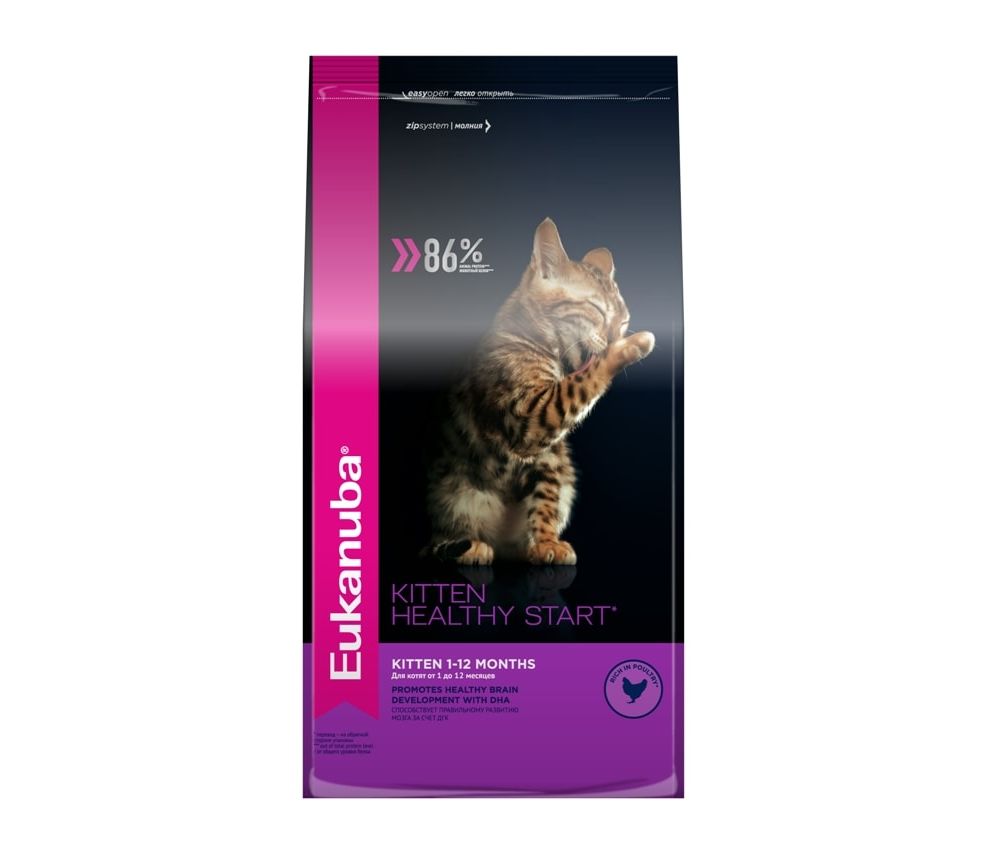
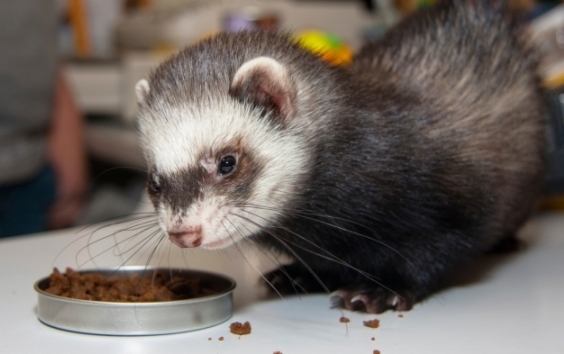
Owners prefer to feed ferrets kitten food
Special foods come in the form of canned or dry products. Although it is easy to find ready-made food specifically for ferrets on the shelves of pet stores today, experienced breeders recommend feeding these predators premium or super-premium kitten food..
The fact is, ready-made ferret food can hardly be considered economy class. In terms of nutritional value, it's significantly inferior to premium kitten food.
If you prefer to feed your ferret dry food, the animal should always have free access to fresh, cool water.
If you have made a choice in their favor, you should completely abandon supplementary feeding in any form. For example, you can’t feed your animal dry food in the morning and offer it minced meat in the evening.It's not for nothing that a ready-to-eat food product is called "balanced"—by mixing it with other foods, you're negating the entire balance of nutrients.
The most popular types of food among ferret owners are:
- Eukanuba Kitten;
- Nutro Choice Kitten;
- Eagle Pack Kitten;
- Acana Kitten;
- Iams Kitten.
Cooking natural food
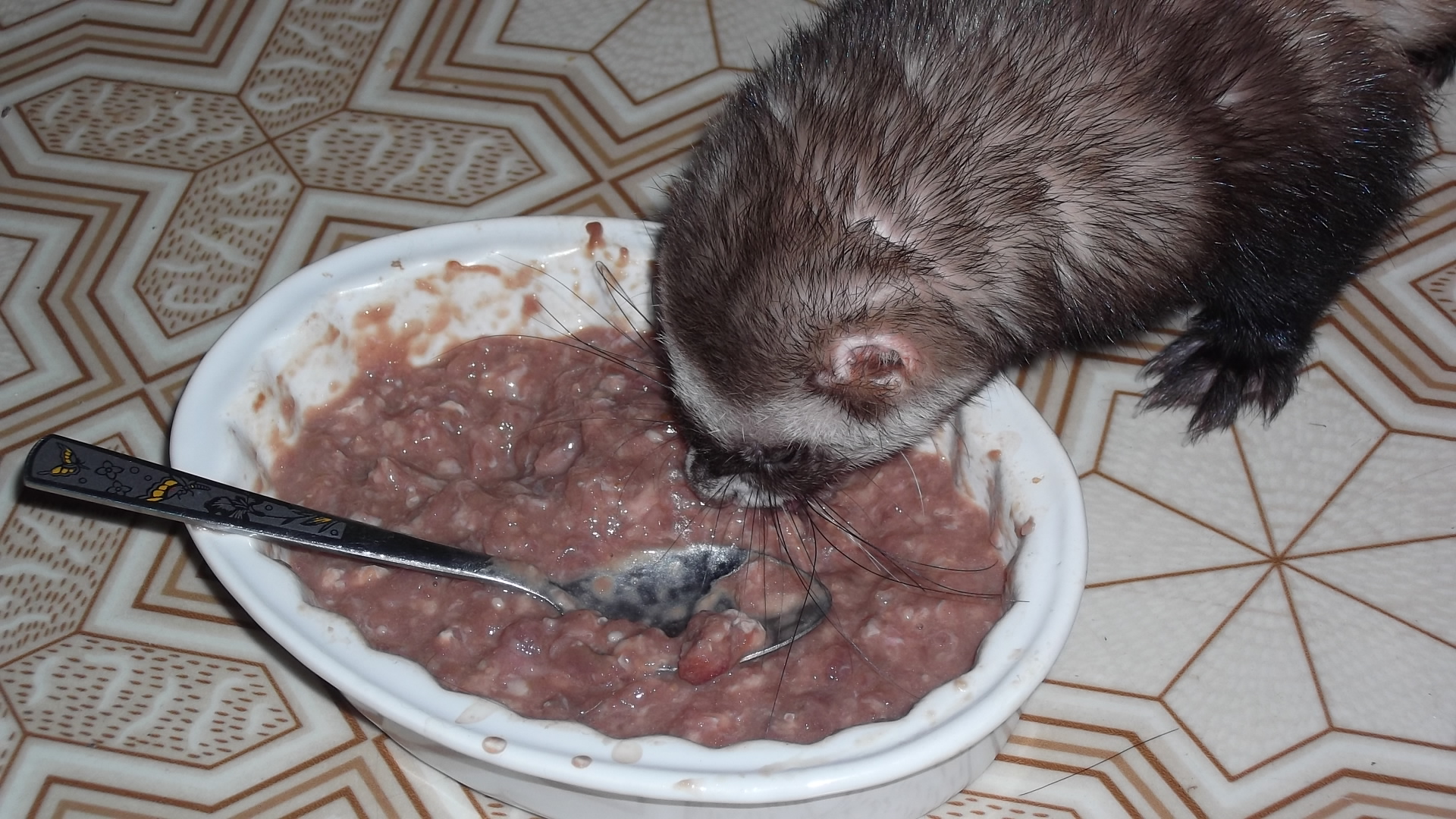
Minced meat is a must-have dish in a ferret's diet.
Natural food is homemade food that should contain 70% meat products and 30% cereals. The most popular dish for everyday natural feeding of ferrets among the owners of these predators has become "minced porridge".
The recipe for this dish is very simple:
Porridge is made from 4-5 types of grains, cooked in water without adding salt, spices, etc. The grains should be thoroughly cooked, with a dough-like consistency. The finished porridge is mixed with ground meat. In addition to the meat itself, skin, offal, and giblets are always added to the ground meat.
"Farshekasha" is easy to prepare in large quantities, divide into portions, and store frozen. Defrost the porridge in the refrigerator as needed. Before feeding the ferret, warm the "farshekasha" to room temperature.
Treats
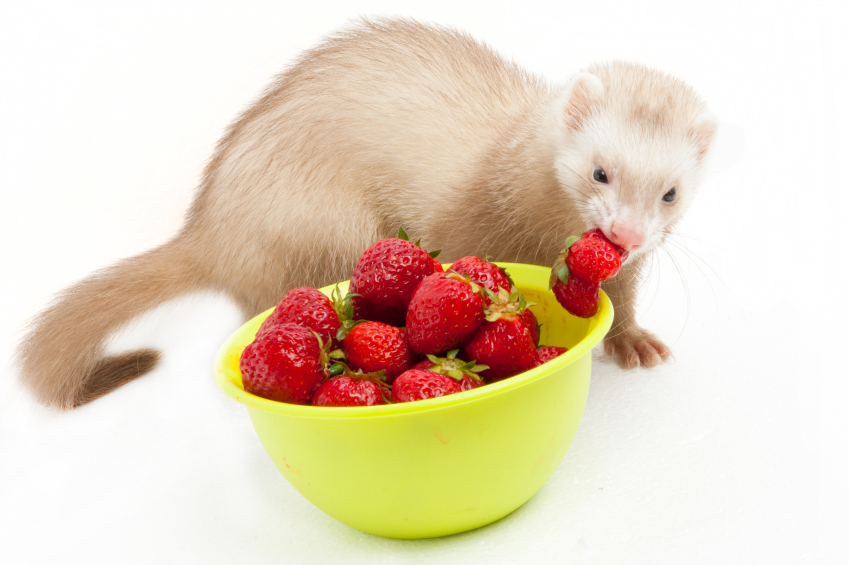
You can also give 1-2 strawberries as a treat.
Every owner probably wants to treat their pet with a treat from time to time. Treats help establish a bond between humans and animals and are also a key training tool.
When choosing treats for your ferret, it's important to be safe. Dried and cured meat products are ideal options for this carnivore.
As a treat, it is also allowed to offer the animal:
- Boiled chicken or raw quail egg;
- A piece of fruit;
- Cornflakes;
- Store-bought treats for ferrets or cats.
Store-bought products should not contain sugar, sweeteners, preservatives, legumes or nuts.
You can combine business with pleasure by using special vitamin pastes as a treat. However, remember that vitamins can only be added to your ferret's diet if they are on a homemade diet, as commercially prepared foods already contain a balance of essential nutrients.
Vitamins and supplements
As already mentioned, vitamins and supplements should only be included in the ferret's diet if the animal is fed a home-cooked diet. An overdose of any vitamin or microelement can be harmful to your pet's health..
The selection of supplements and vitamin complexes for domesticated predators is quite extensive today. Here are the most popular:
- «Vita-Sol»;
This comprehensive vitamin supplement contains 7 vitamins and 4 types of fatty amino acids. The manufacturer recommends using it during growth, pregnancy, lactation, and shedding periods. Directions for use and dosage are indicated on the packaging. The recommended course of treatment is one month.
- FerretVite;
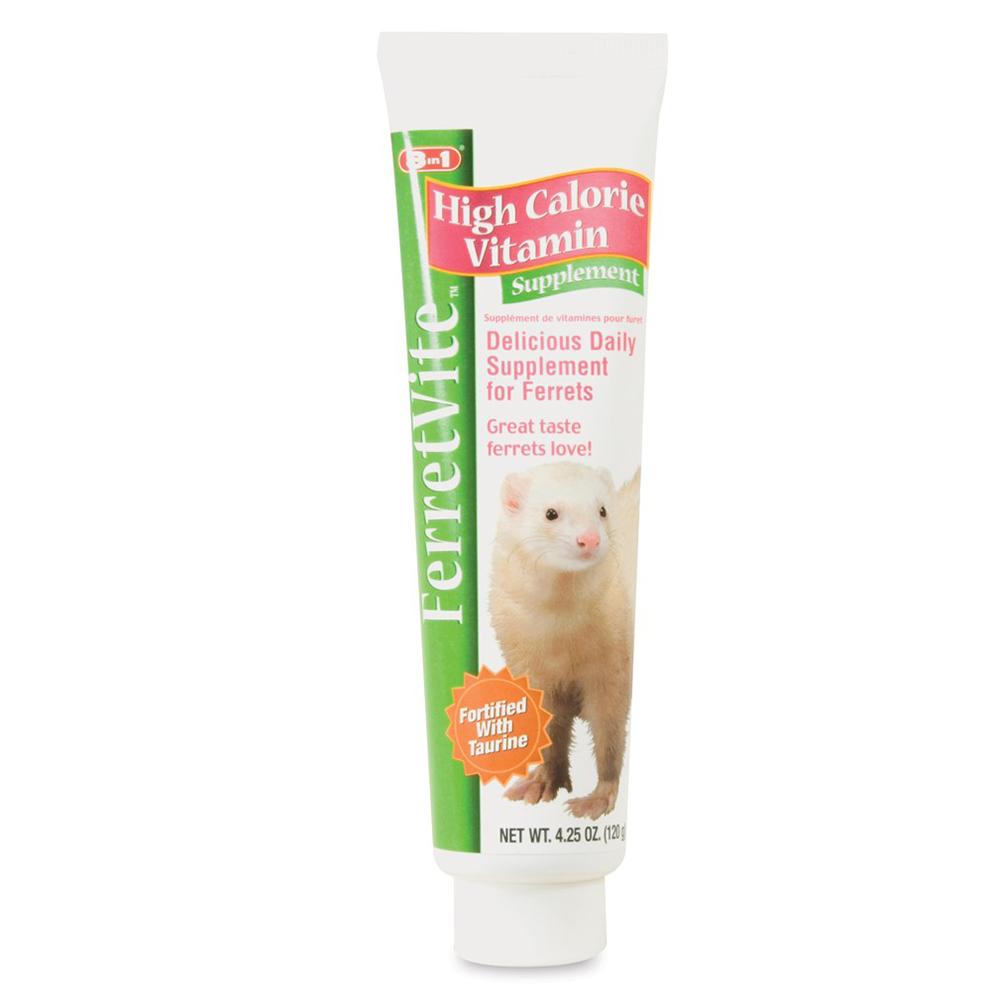
FerretVite paste will help your pet gain weight and improve appetite.
This specially formulated, balanced paste contains minerals, vitamins, and easily digestible fats. This product is designed to support ferrets during post-operative periods and also aids the recovery of sick and malnourished animals. Consuming the paste increases appetite and weight gain, so it is not recommended for overweight pets. A feeding schedule is provided on the packaging.
- Vitamins of groups A, D and E.
Vitamins of these groups are primarily given to females during estrus, pregnancy, and lactation, as well as to month-old ferrets to prevent bone diseases. Dosage should be strictly adhered to, following the manufacturer's instructions or your veterinarian's recommendations.
Ferrets are strictly prohibited from receiving vitamins intended for humans. These medications can cause illness and even death in pets.
Features of feeding during certain periods
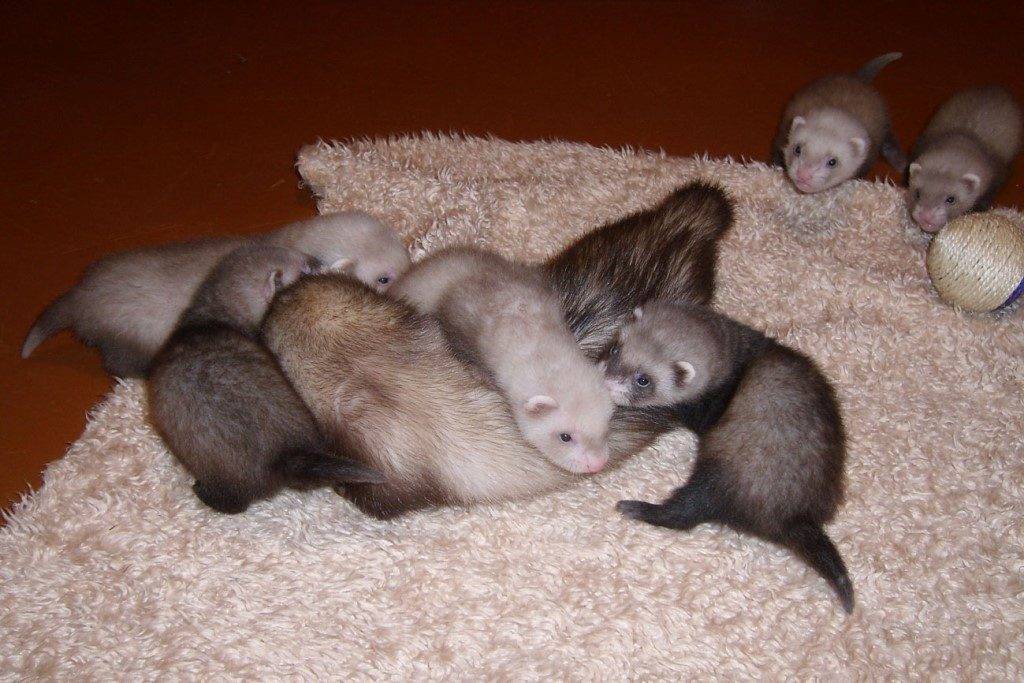
If you feed your ferret properly during its growth period, it will grow into a healthy and strong animal.
Ferrets undergo several periods in their life cycle when their bodies require special support. Special nutritional supplements and vitamin supplements can help ensure the animal's biological processes, such as maturation, molting, estrus, and pregnancy, proceed smoothly.
Growth period
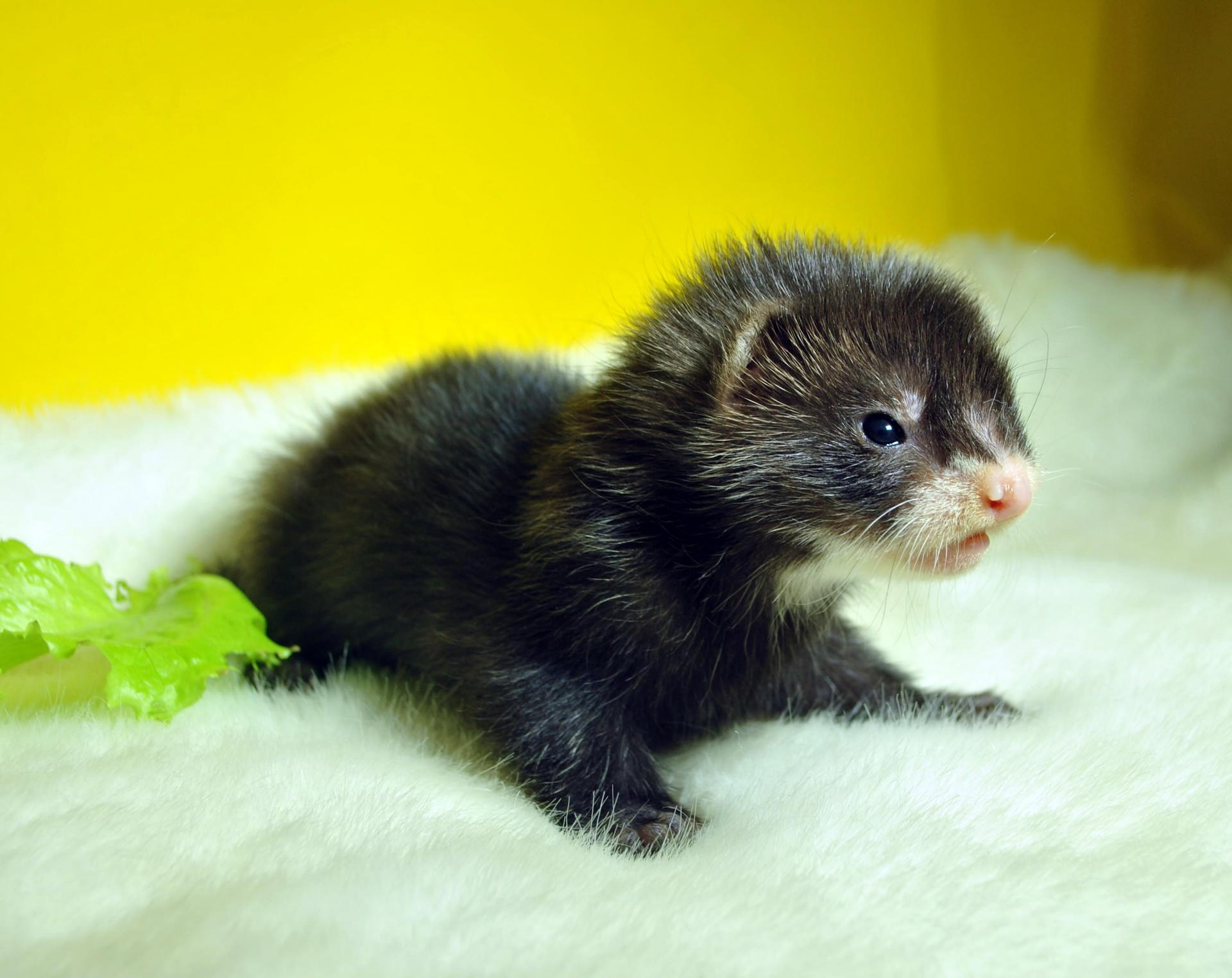
During the growth stage, high-quality nutrition is especially important for ferrets.
During the growth period of the cubs, which are no longer "suckling" and are ready to move on to independent feeding, it is extremely important to accustom them to proper nutrition. Already at the stage of the first feedings, the owner should decide on a feeding strategy: will the ferrets' diet consist of high-quality store-bought food or homemade "minced porridge" and other permitted "dishes".
It's also important to provide them with high-quality meat products daily. Rabbit meat is the most suitable product for this purpose. Ground rabbit should be fed to babies mixed with grains and, of course, with the addition of cartilage.
Moulting period
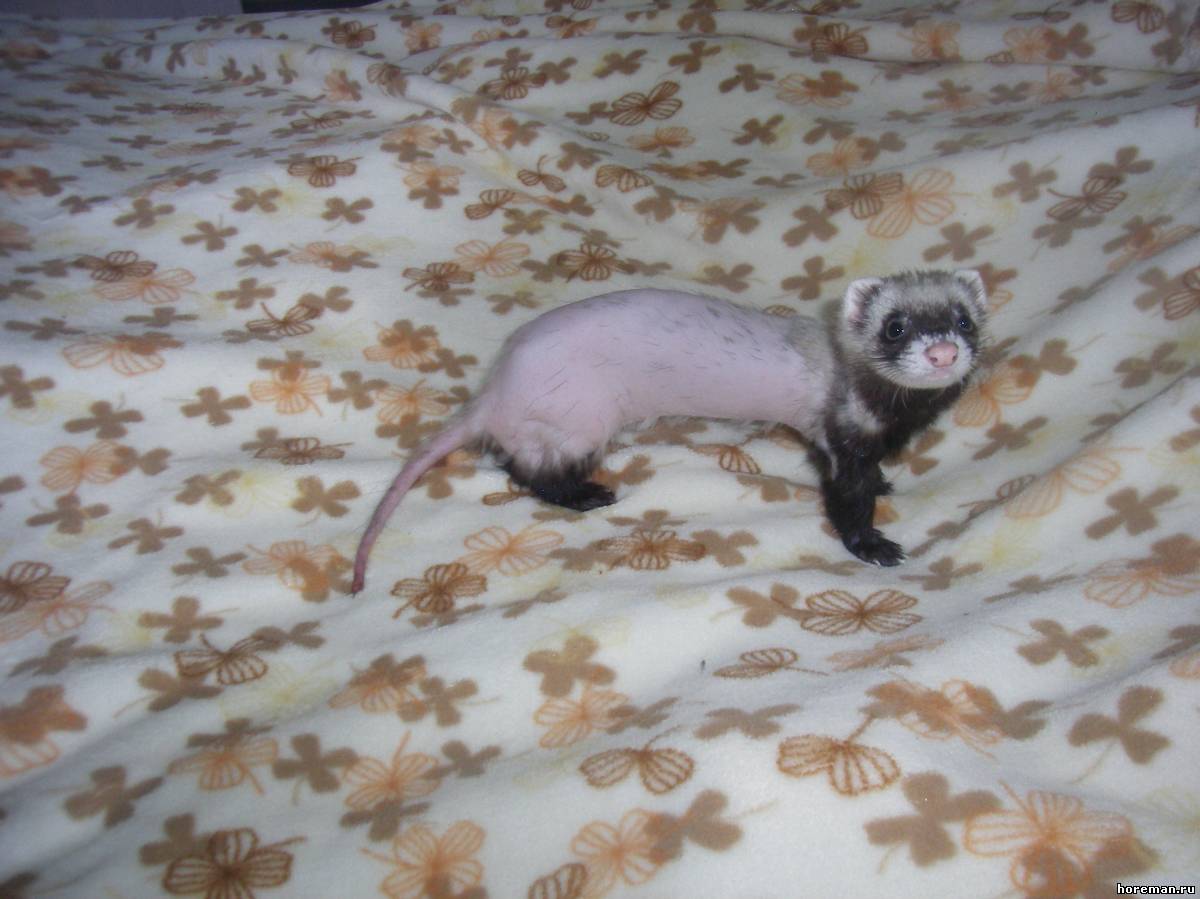
When your ferret is shedding, be sure to include fish oil in its diet.
During shedding season, animals especially need vitamins and fatty acids. It's recommended to supplement their regular diet with fish oil. Feeding capsules to your pet is quite difficult, so it's recommended to choose liquid fish oil. Adults are given 35 drops on the tongue daily.
Pregnancy period
During pregnancy, a female ferret is vulnerable, so her diet during this period should not include any prohibited foods. The traditional two-meal schedule should be replaced with three to five meals a day. Don't forget to provide her with a daily dose of multivitamin supplements.
What you shouldn't feed a ferret
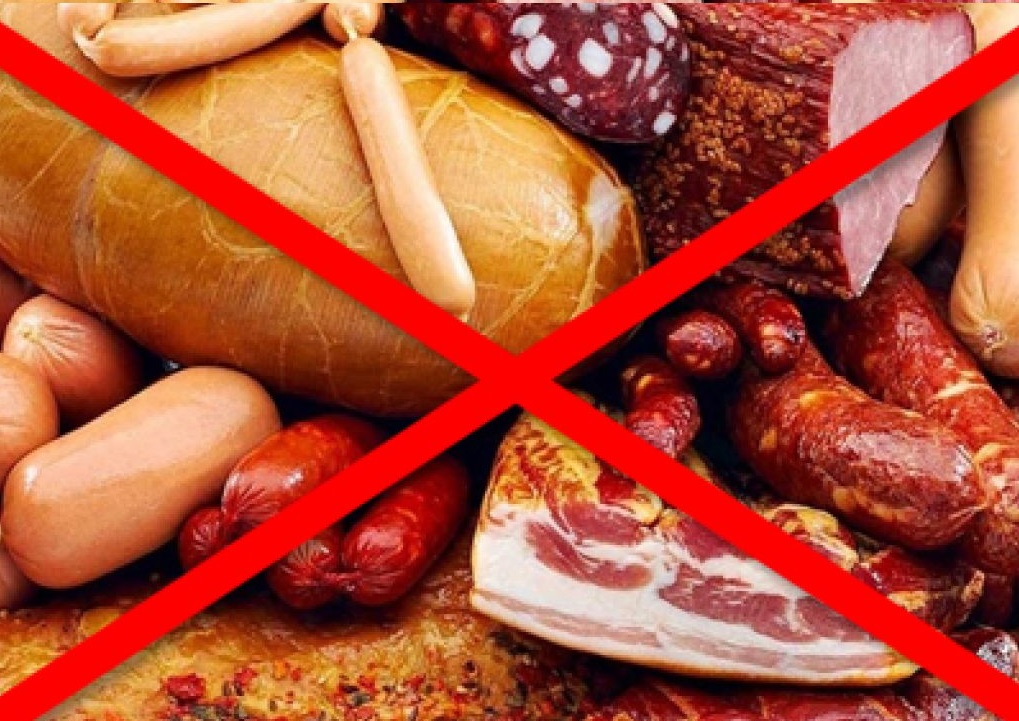
Sausages and processed foods are harmful to both ferrets and other animals.
It is important to pay attention to products that are strictly prohibited, as they cause serious harm to the health of pets.
List of prohibited products:
- Fatty meat (lamb, pork);
- Fried and smoked meat;
- Sausages and semi-finished meat products;
- Most types of fish, except those permitted (various types of red fish, mackerel, herring, cod and horse mackerel are allowed);
- Milk and sour cream;
- Potato;
- Citrus;
- Mushrooms;
- Nuts;
- Onion and garlic;
- Spices, herbs and seasonings;
- Spicy;
- Salty;
- Sweet.
It is necessary to separately highlight the categorical prohibition on food from the common table and food for other animals (except food for kittens).
Consequences of improper feeding
The insidiousness of improper feeding of ferrets is that the symptoms of disorders in the body caused by an improper diet may not be noticed immediately, but only after some time, when the animal is already sick..
The first signs of poisoning, diseases and conditions caused by poor nutrition are:
- Indigestion;
- Changes in stool and urine;
- Baldness;
- Animal lethargy;
- Decreased vision (the animal becomes clumsy and may bump into objects).
If you notice any of these symptoms, you should contact your veterinarian immediately. Dietary issues can lead to gastrointestinal diseases, diabetes, enterocolitis, and many others.
Unfortunately, many animals whose owners are irresponsible in their nutrition meet premature deaths. You can preserve your pet's health, beauty, and life by following healthy eating guidelines for domesticated predators.
"We are responsible for what we have tamed"—so goes the famous quote from the Little Prince. If you decide to bring a ferret, a carnivorous animal by nature, into your home, you must provide it with proper care and nutrition.