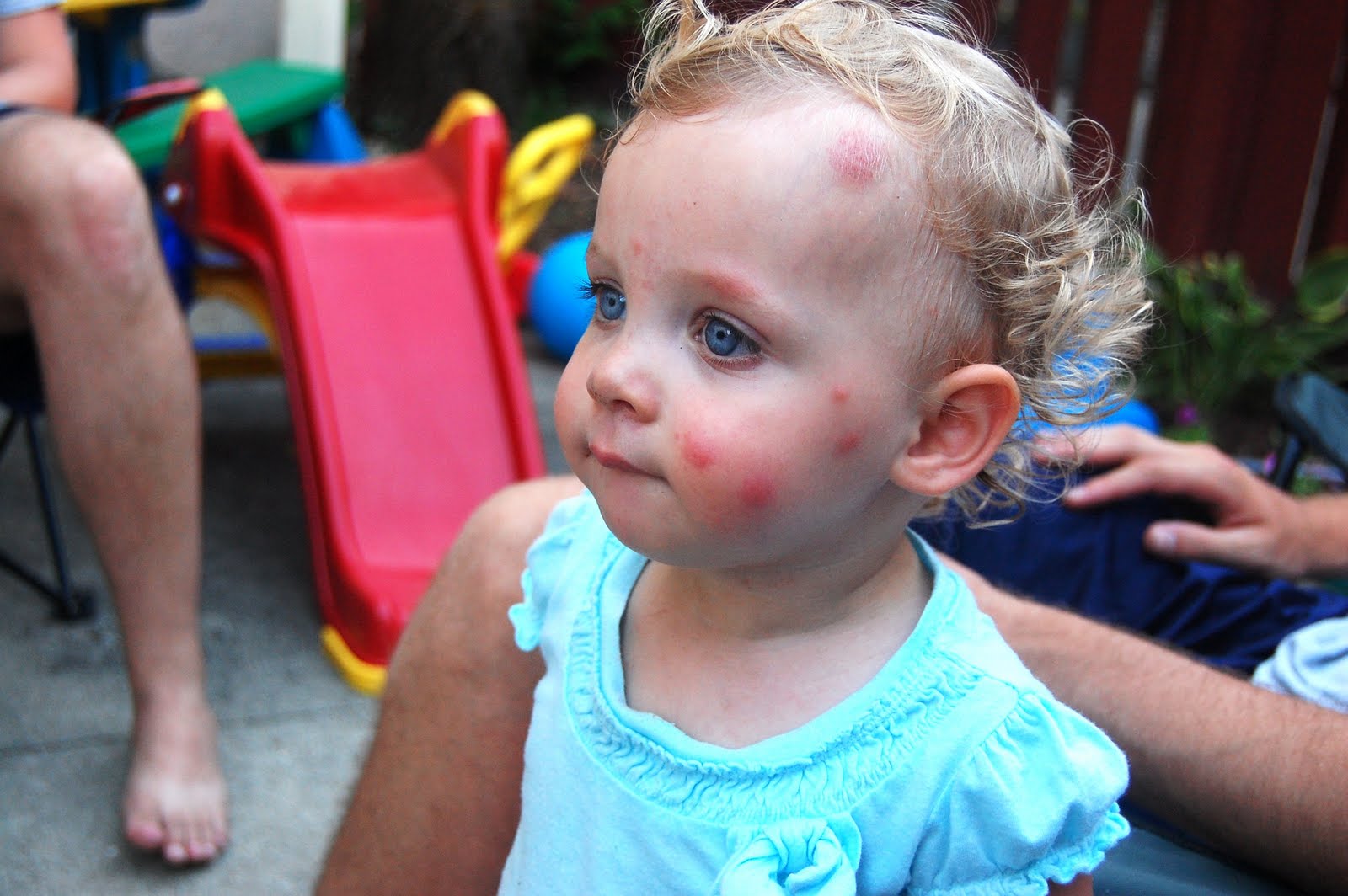
Nature amazes us not only with its astonishing beauty. It also harbors numerous dangers. Even small and seemingly harmless insects can harm human health and even kill. They live in various parts of the world. The list of the world's most dangerous insects includes 10 species of living creatures.
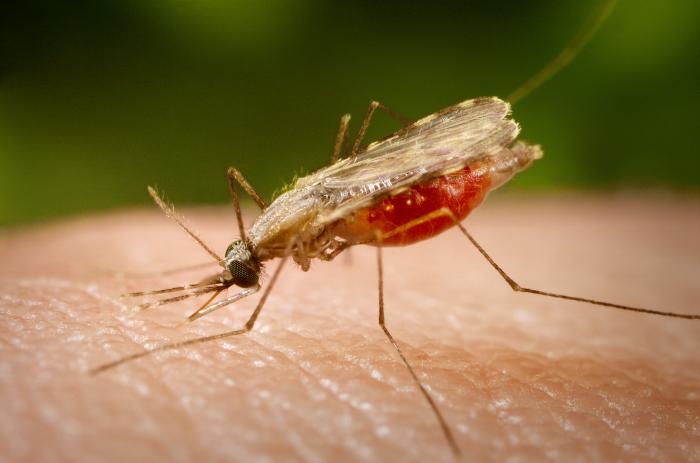
Anopheles is the most dangerous insect in the world.
This is the scientific name for malaria-carrying mosquitoes. While we're accustomed to bites from common mosquitoes, an encounter with an Anopheles mosquito can cause a serious illness, leading to disability or death.
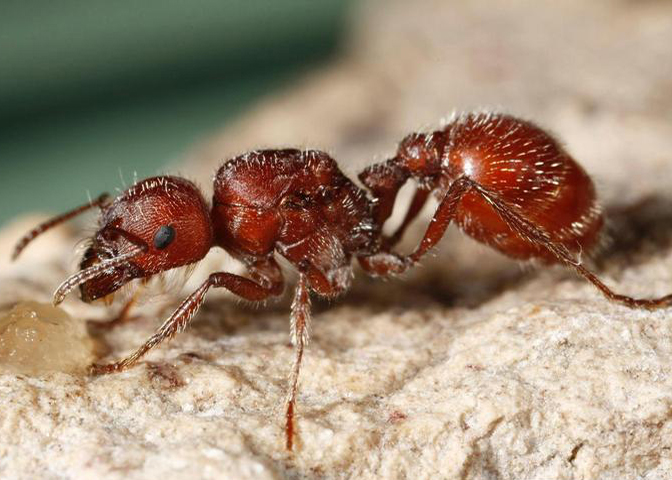
Red fire ant
This dangerous insect was once found only in South America. Now it can be found on multiple continents. After being bitten by such an ant, a strong burning sensation is felt, similar to the effect of an open flame. Such bites are especially dangerous for people prone to allergies.
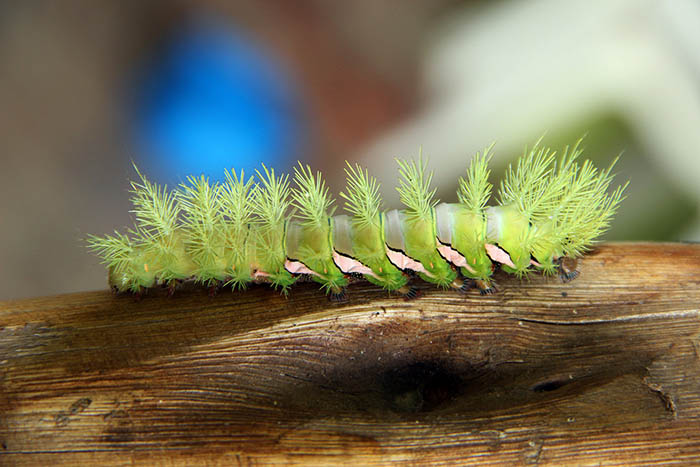
Lonomia
Lonomia is the caterpillar of the Lonomia butterfly, native to South America. It is brightly colored and attractive. Its body is covered with green hairs on all sides, which help it camouflage itself among the foliage. These villi contain a dangerous toxin that instantly disrupts blood clotting. Touching a caterpillar can cause a cerebral hemorrhage and kidney damage. Handling several caterpillars at once can result in death.
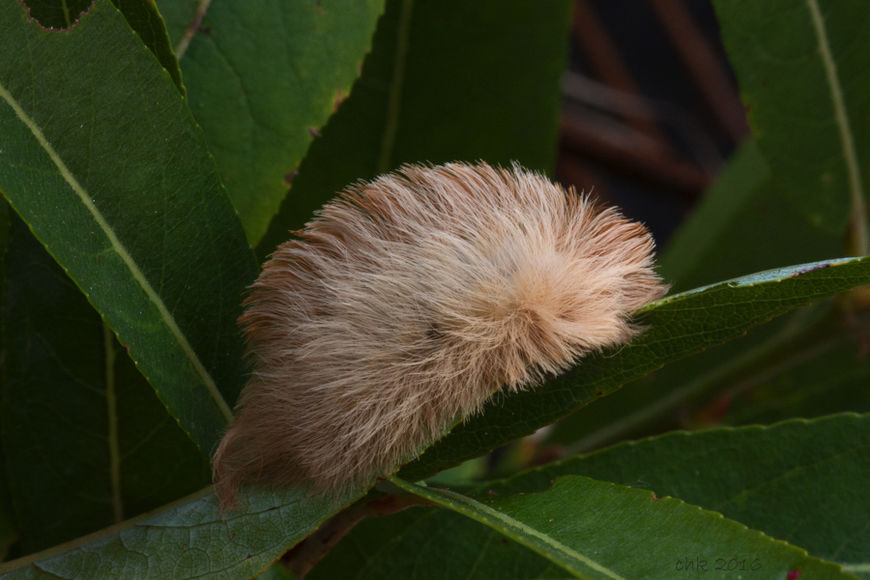
Megalopys opercularis
This is the name given to the caterpillars of the butterfly with the beautiful name Molly the Coquette. They look cute and fluffy, but don't be fooled. This insect is far from as harmless as it might seem. Hidden among the fluffy hairs are fragile spines. When touched, they break off and remain in the body, causing severe pain and a burning sensation. After some time, symptoms such as dizziness, vomiting, sharp abdominal pain, and sometimes respiratory arrest develop.
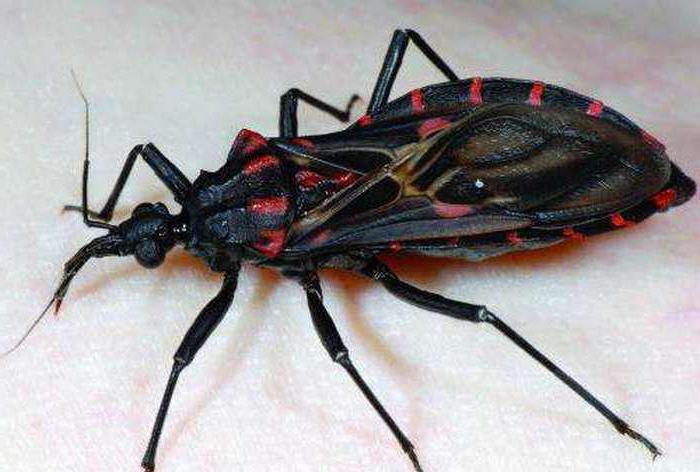
Triatomine bug
This insect is also called the "kissing bug". However, his kiss can be fatal. The triatomine bug is a carrier of the dangerous Chagas disease, which is characterized by disruption of the heart, nervous system, and gastrointestinal tract.
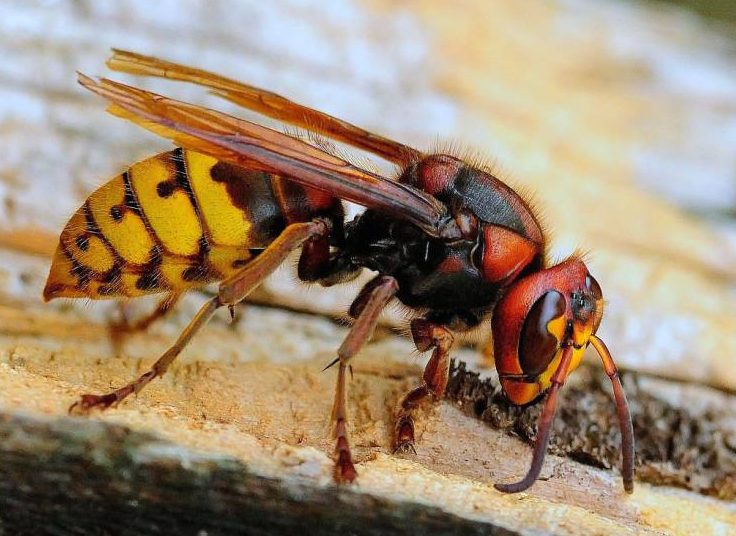
Japanese hornet
This is one of the largest insects, reaching two inches in length. It lives in Japan. Every year, about 30 residents of the country die from a hornet sting, whose venom causes a severe allergic reaction.
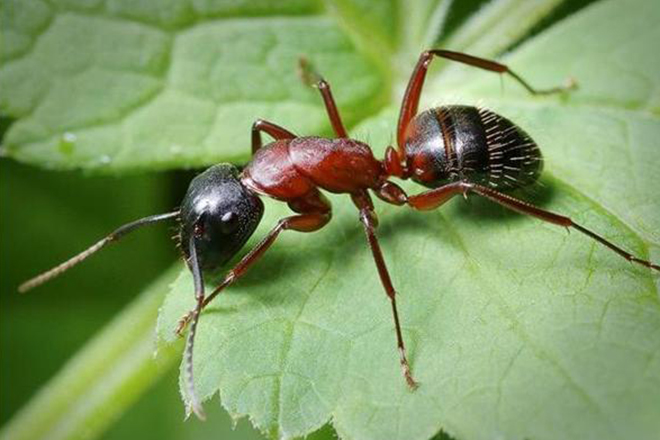
Army ants
One of the most dangerous varieties of this insect species. They don't build nests, but rather migrate in entire colonies in search of prey. Army ants are blind and attack when they sense blood. They can completely eat a person in less than a day.
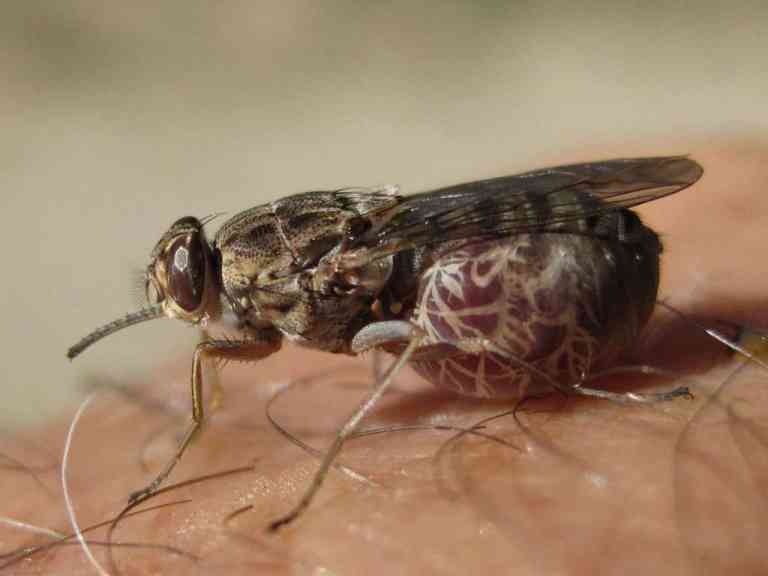
Tsetse fly
The insect lives in African countries and is a carrier of sleeping sickness. After a bite from an infected fly, the functioning of the endocrine and cardiac systems is disrupted. In Uganda, over 200,000 people have died after being infected by this fly in the past six years.
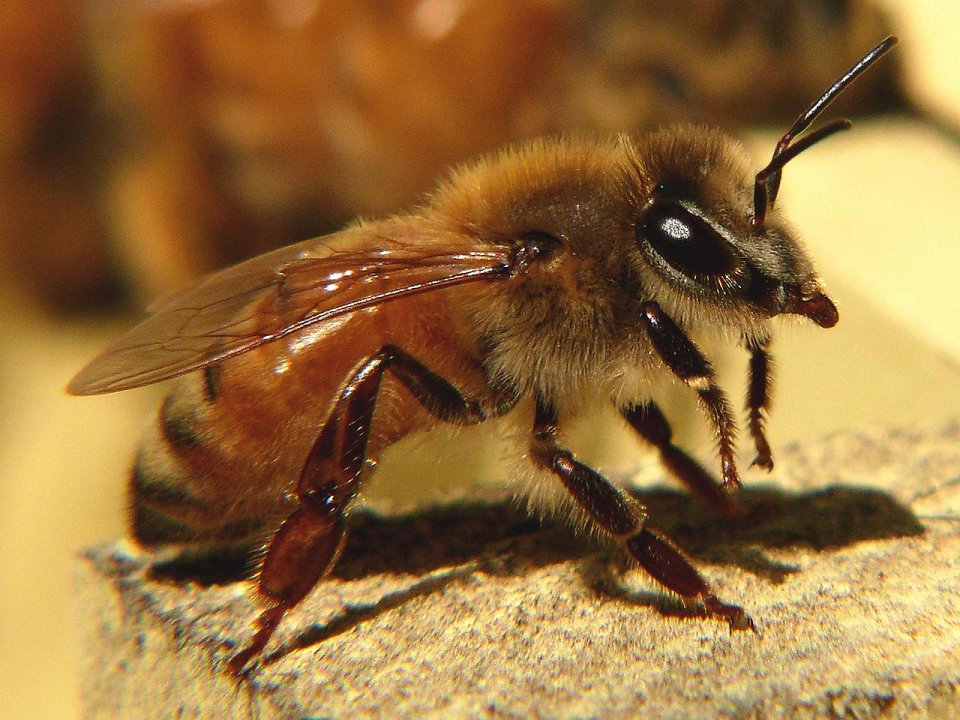
African bee
Outwardly, killer bees are practically no different from ordinary honey bees, which attack only when necessary to protect the hive. African honeybees attack anything that moves. A bite from one of them is not fatal. However, an attack from several individuals at once will cause a severe allergic reaction and can be fatal.
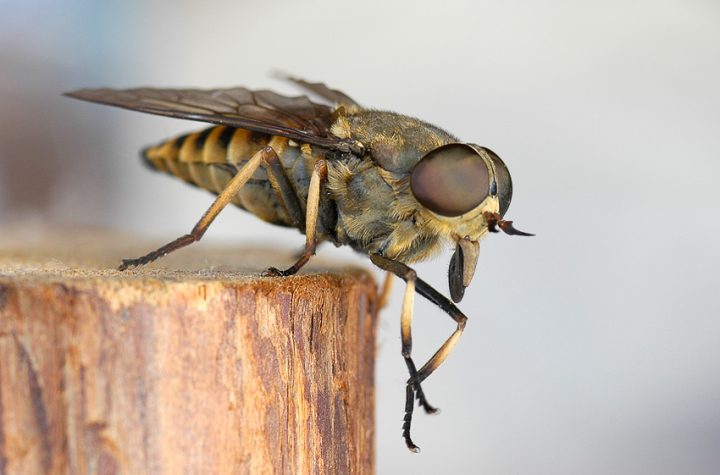
Gadfly
Many believe that a horsefly sting is no more dangerous than a sting from a common bee or wasp. However, some species of insects, when they touch a person, deposit eggs on the body, which mature and migrate under the skin, causing inflammation.
Assassin insects are rare in Europe. Those who travel to exotic countries should be especially wary of encountering these insects.