With the arrival of warmer weather, the air fills not only with the scent of flowers and a wonderful mood, but also with the annoying squeak of tiny bloodsuckers—mosquitoes. In search of food, these nasty insects attack adults and children, as well as animals. It's worth noting that mosquitoes are most easily bitten by children's thin skin. It's important to remember that not all protective equipment and methods for relieving unpleasant consequences of a bite are suitable for children. The younger the child, the more caution and attention they require.
Content
How to identify a mosquito bite
It's good if you see that your child was bitten by a mosquito. In this case, you can immediately follow the recommendations for wound treatment and other measures specific to this insect. However, what if you see a skin reaction, but you haven't noticed the culprit? First, you should make sure that your child was indeed bitten by a small bloodsucker. Let's look at the most common bites and possible reactions to them:
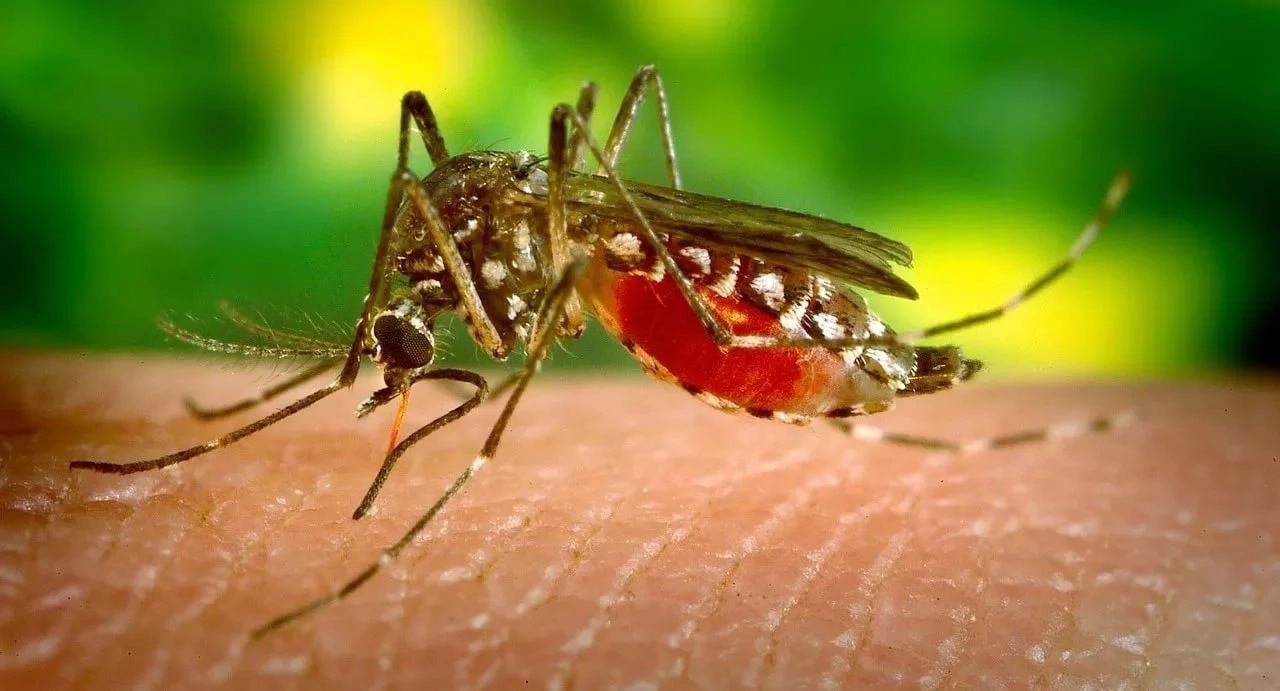
- a mosquito bite is usually single, accompanied by itching at the site of sting penetration, small-diameter redness, and often a small swelling;
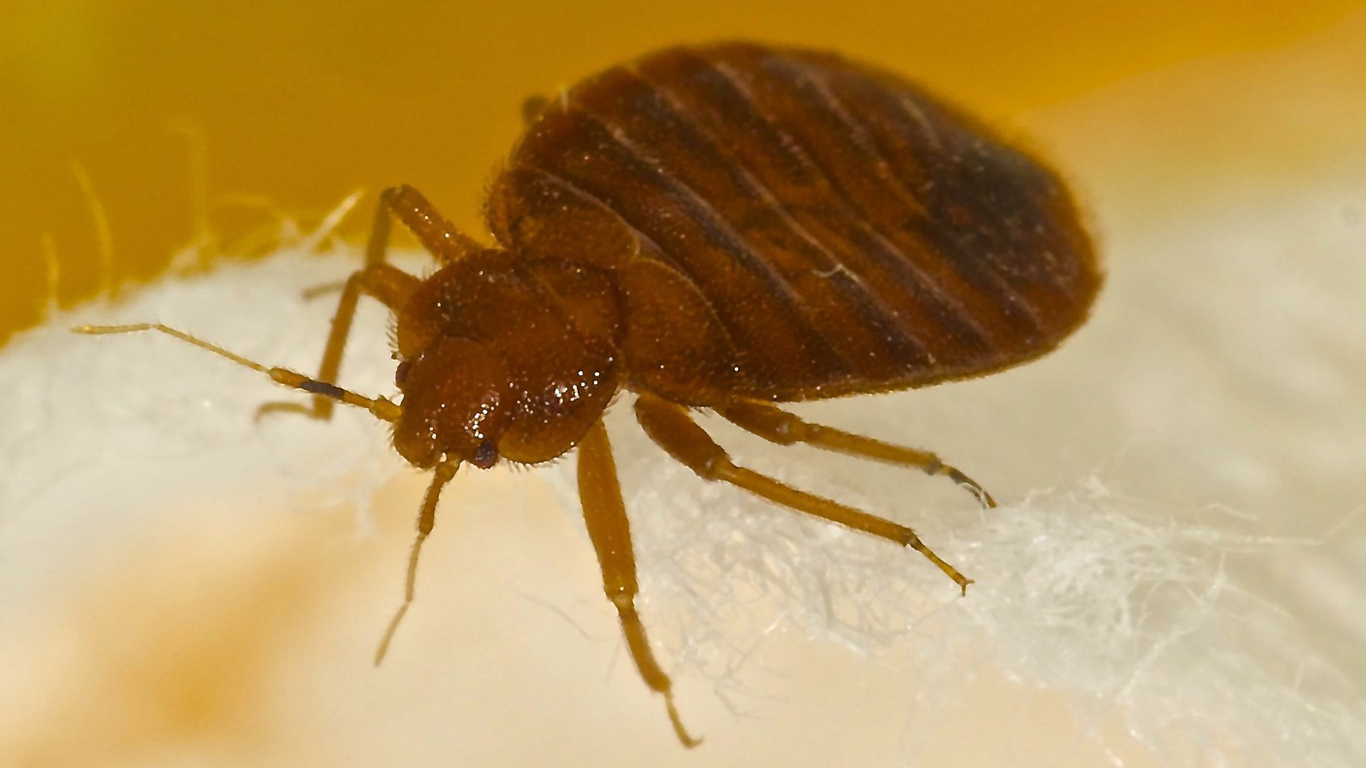
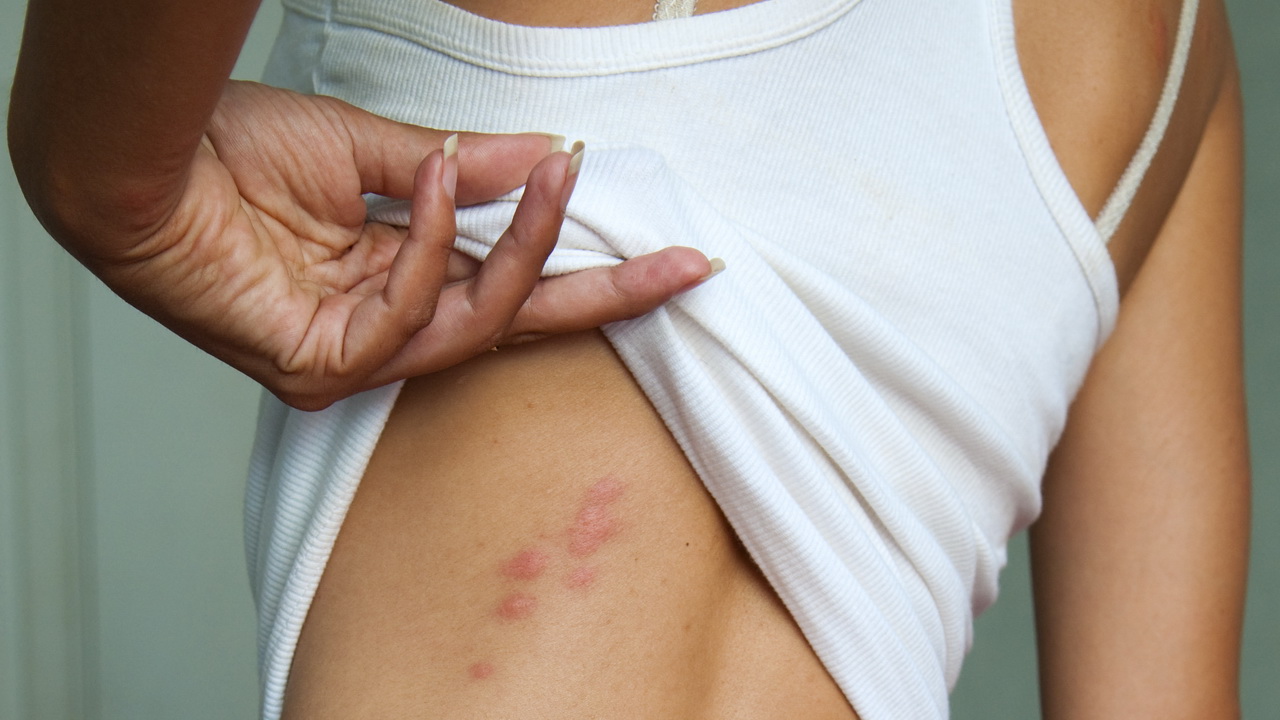
- Bedbug bites appear as red, itchy spots, sometimes blisters. They are arranged in rows, in small groups of 2-3 bites. A skin reaction may not appear immediately, but may occur within 24 hours after the bites.
- Flea bites can be identified by small, itchy, red spots collected in groups;
- Lice don't leave noticeable bites. They parasitize hairy areas, laying eggs. Severe itching indicates the presence of these insects;
- Ticks often go unnoticed for a long time because their bite is painless. If the parasite has fed on blood and fallen off the skin, the bite can be identified by a small, isolated red spot with a dark dot in the center.
- ants bite painfully, leaving many small dots on the skin;
- Bee and wasp stings are accompanied by sharp, intense pain and swelling. After a bee sting, the insect's stinger remains in the wound and must be removed as quickly as possible;
- Bites from non-venomous spiders are often painless or accompanied by minor pain. The bite site becomes red but causes no significant discomfort. Bites from venomous spiders of this species are usually accompanied by pain, inflammation at the bite site, and general malaise (headache, fever, dizziness, convulsions, nausea, weakness, vomiting, and others).
Photo gallery: mosquito and other insect bites on human skin
-
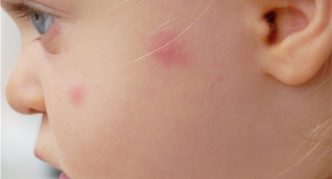
- Without scratching and without the development of an allergy, the mosquito bite site appears as a small red spot with a lump in the center
-
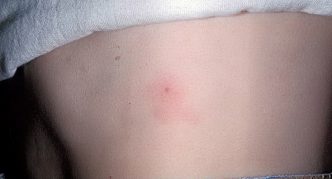
- Tick bites can be detected by the presence of the insect itself on the skin or by a small red spot with a dark dot in the center.
-
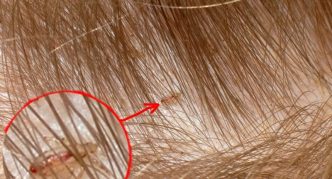
- Lice bites are not noticeable, but are accompanied by severe itching in the scalp.
-
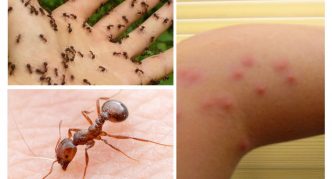
- Ant bites leave numerous small red dots on the skin.
-
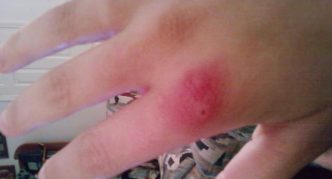
- The bite of a common spider is expressed as localized redness, which does not cause much discomfort and disappears within 1-2 days.
-
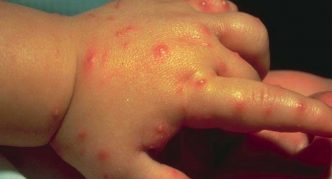
- Bed bug bites cause red, itchy spots and blisters.
-
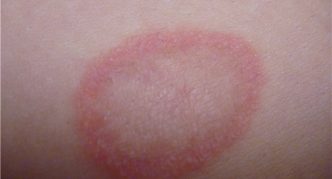
- Wasp and bee stings are painful and often cause swelling of the skin.
-
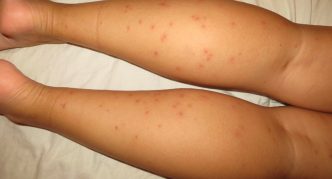
- Fleas leave bite marks on the skin in the form of small red spots with dark spots in the middle.
Caution! If a child or adult is bitten by a spider, or if you discover bites you cannot identify, seek qualified medical attention immediately at the nearest medical facility. Self-medication and a careless attitude toward such cases can be life-threatening!
Mosquito bite
A normal skin reaction to a mosquito bite is a single wound on one area of the body, accompanied by a small, circular redness. Sometimes a small hole can be seen in the center—the mark left by the mosquito's sting. A blister, reminiscent of a nettle sting, often appears in the center of the redness. Itching is felt only at the bite site. If the wound is not scratched, all these symptoms will resolve spontaneously within one to two days.
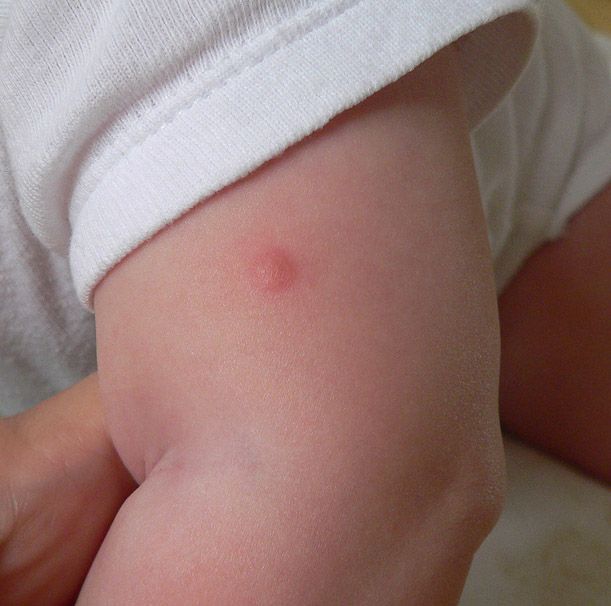
If you don't have an allergy, a mosquito bite is nothing to worry about.
Culicidosis
A pathological (allergic) reaction to mosquito bites in children and adults is called culicidosis. A protein contained in the bloodsucker's saliva causes sensitization—increased sensitivity to irritants. This condition is characterized by various manifestations, ranging from skin rashes to swelling of the upper respiratory tract. A papular rash appears at the bite site, accompanied by intense itching and pain. The rash elements may merge, covering large areas of skin. Fever, rhinitis, sneezing, and lacrimation may occur. A choking cough or shortness of breath immediately after the bite indicates more serious reactions, such as anaphylactic shock and angioedema. If you experience any allergic reaction to a mosquito bite, you should consult a doctor as soon as possible!
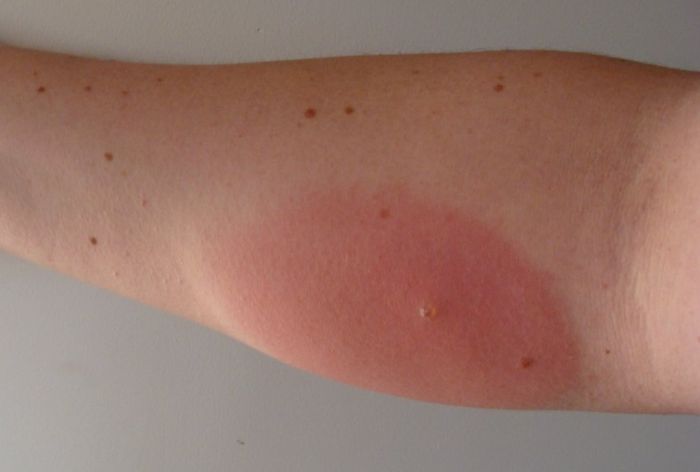
Culicidosis is an allergy to a mosquito bite in humans.
Baby skin reaction
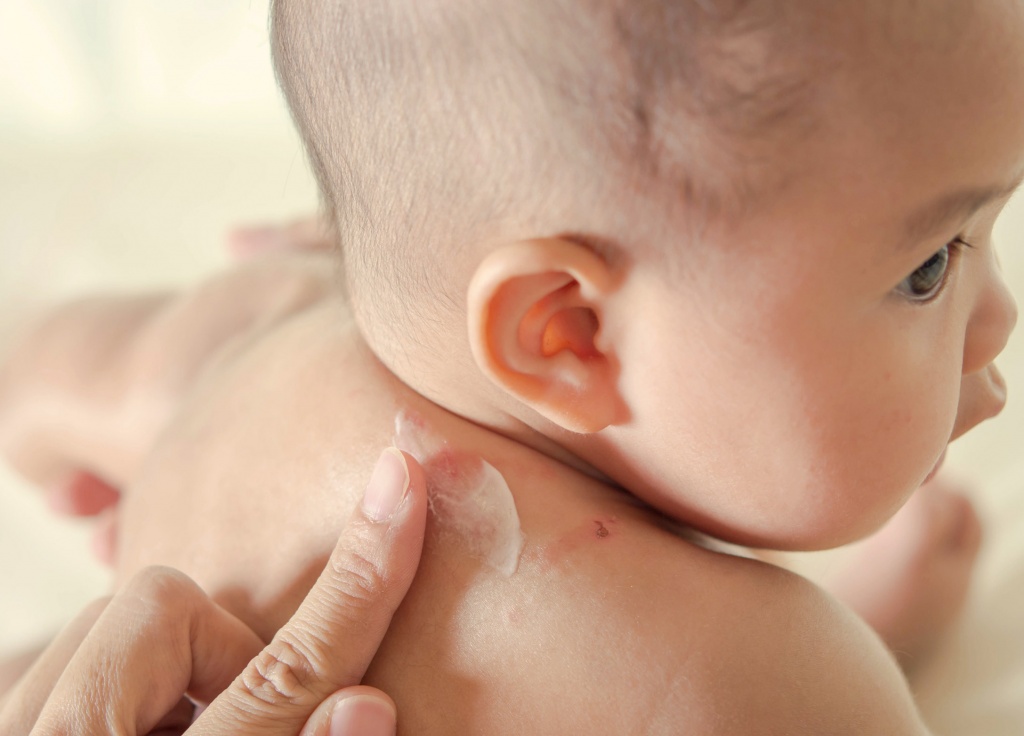
Reactions to insect bites on a child's delicate skin are more severe than in adults. Most children experience intense itching after a mosquito bite, causing an irresistible urge to scratch. A large bump develops at the site of contact, and inflammation develops. The child's general well-being may also worsen. If an allergic reaction develops and the symptoms described above appear, the child must be taken to a medical facility immediately!

Children's skin reacts more strongly to mosquito bites than adults' skin.
Treating the skin after a mosquito bite
Even without an allergic reaction, a mosquito bite can be very distressing for a child. Let's look at the main ways to ease a child's discomfort.
Pharmaceutical products
The modern pharmaceutical market offers a wide variety of products for treating wounds from mosquito and other insect bites. The most popular are:
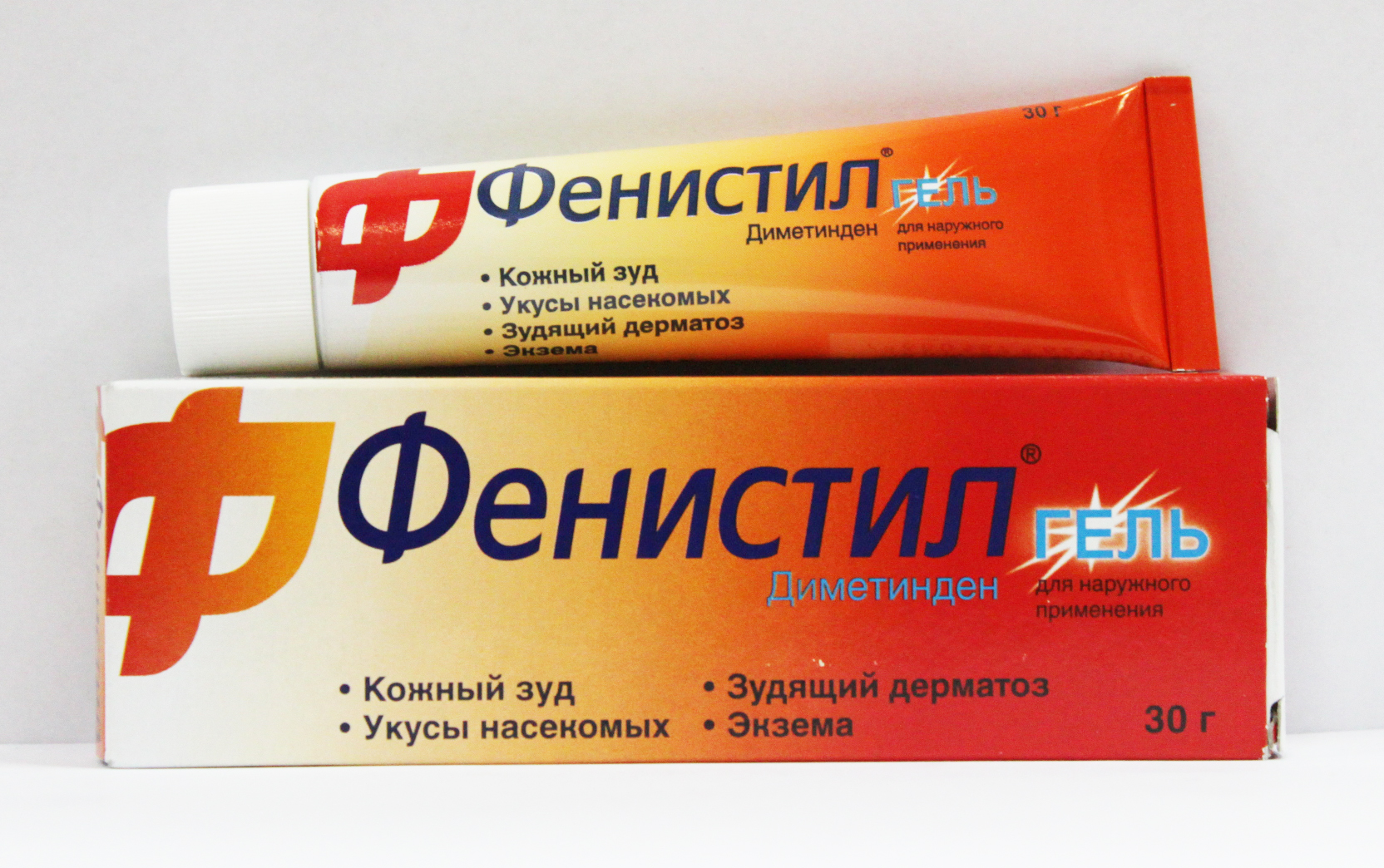
- Fenistil gel. The active ingredient is dimethindene maleate. It has a cooling effect, relieves itching, reduces the symptoms of an allergic reaction, and prevents its further development. Small amounts can be used for children aged 1 month and older.

Fenistil is one of the most popular pharmaceutical products used for allergic reactions to insect bites.
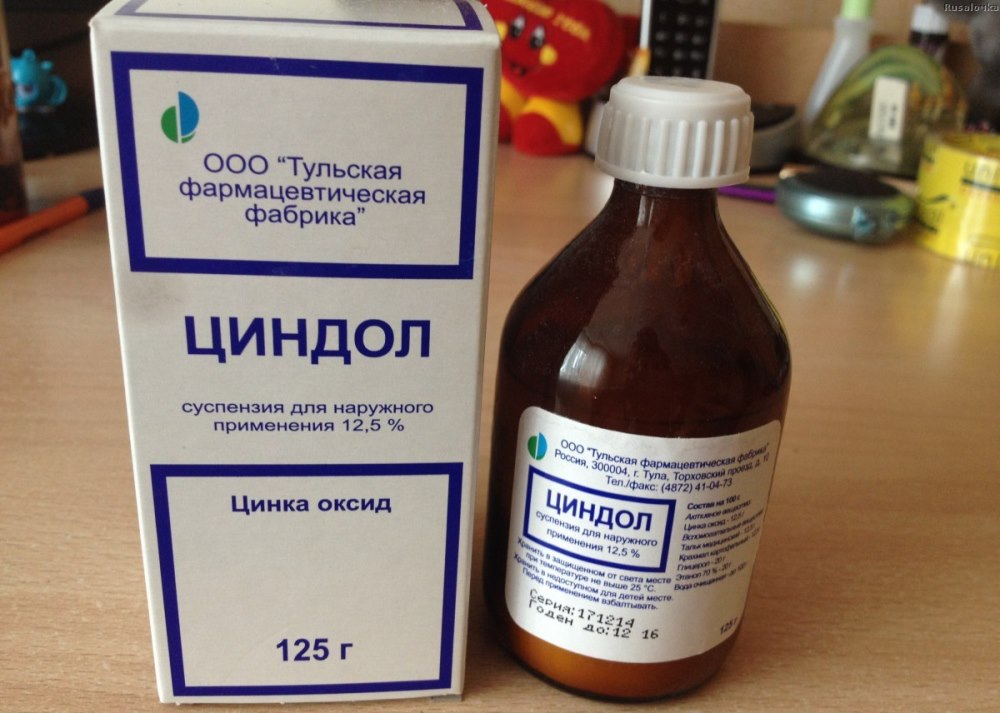
- Tsindol. The active ingredient is zinc oxide. It is available as a suspension with anti-inflammatory and drying effects. There is no age limit for this medication.
Zinc oxide-based Tsindol suspension dries bite wounds well.
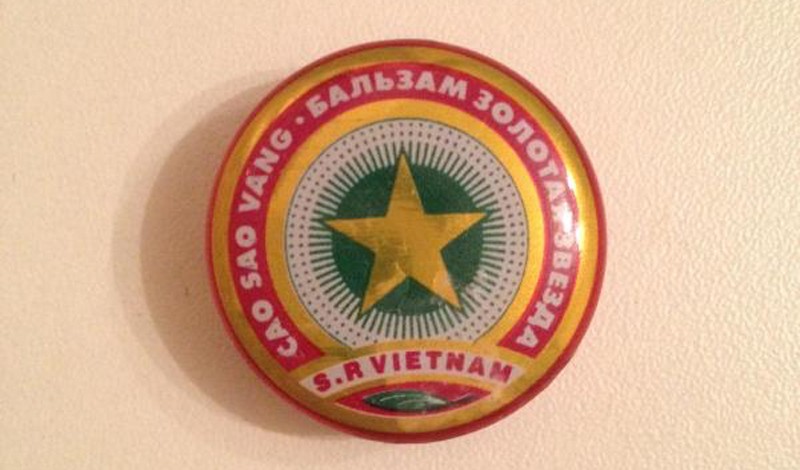
- Golden Star Balm. Contains crystalline menthol, camphor, eucalyptus, peppermint, clove, and cinnamon oils, and petroleum jelly. Used to treat insect bites. Not recommended for children under two years of age.
The well-known Zvezdochka balm is suitable for treating mosquito bites.
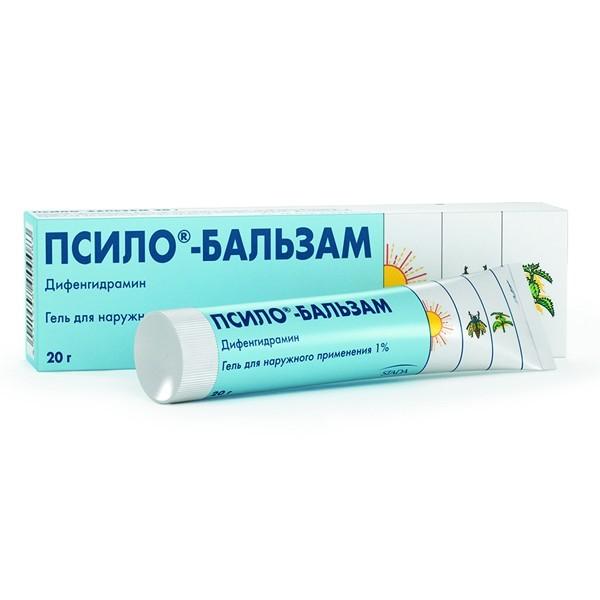
- Psilo-Balm. Active ingredient: diphenhydramine hydrochloride. Quickly relieves skin itching. Due to its pharmacokinetics, it is contraindicated for children under two years of age.
Psilo-balm easily copes with the elimination of skin itching
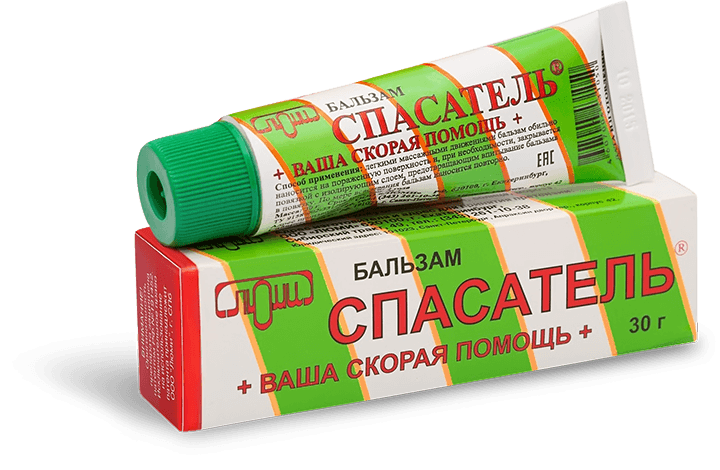
- Rescuer Balm. Ingredients: purified milk lipids, beeswax, lavender and sea buckthorn oils, echinacea extract, tea tree oil, turpentine oil, tocopherol acetate. Reduces pain, relieves itching, and can be used even after scratching. No age restrictions.
Rescuer Balm is suitable for treating scratched wounds.
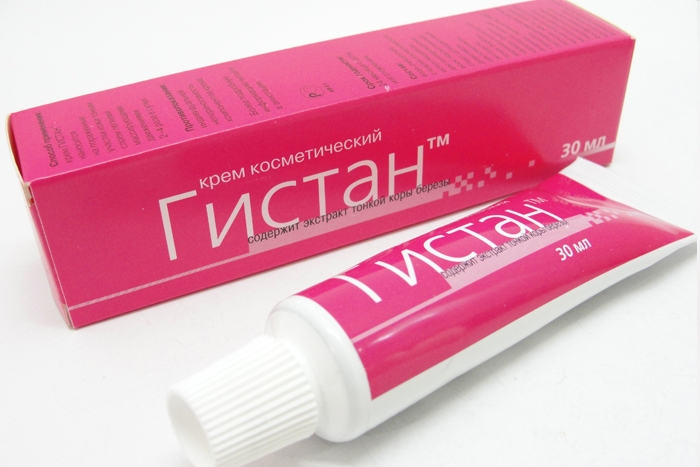
- Gistan Cream. This product contains lily-of-the-valley oil, plant extracts (lupine, birch buds, milkweed, three-part Bidens, wild pansies, watercress, calendula flowers, and spicate speedwell), dimethicone, and betulin. This cream is based on natural ingredients. It relieves allergic reactions and itching. Suitable for children ages two and up.
The natural ingredients of Gistan cream eliminate the manifestations of an allergic reaction.
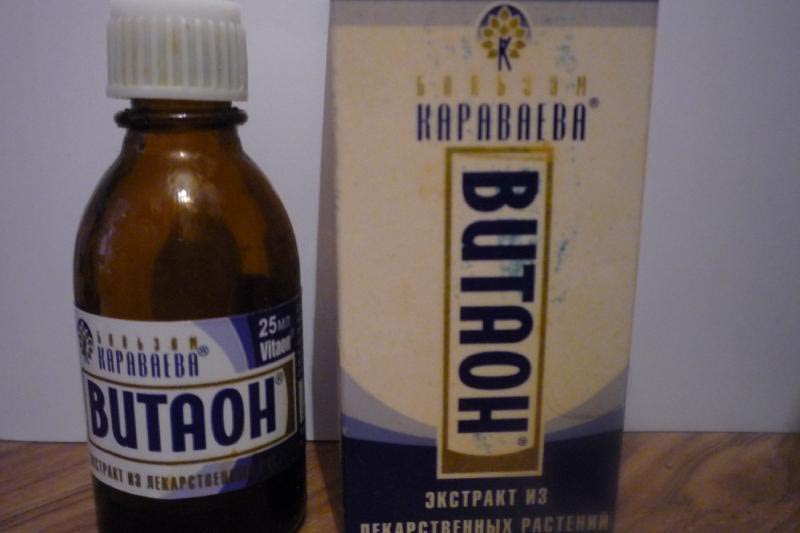
- Vitaon Balm. Contains camphor, peppermint oil extracts, pine buds, rose hips, wormwood, yarrow, St. John's wort, celandine, marigold flowers, chamomile, fennel seeds, caraway seeds, and thyme. This balm is excellent for reducing inflammation after mosquito bites. It is suitable for children from birth.
Vitaon balm can be recommended even for infants
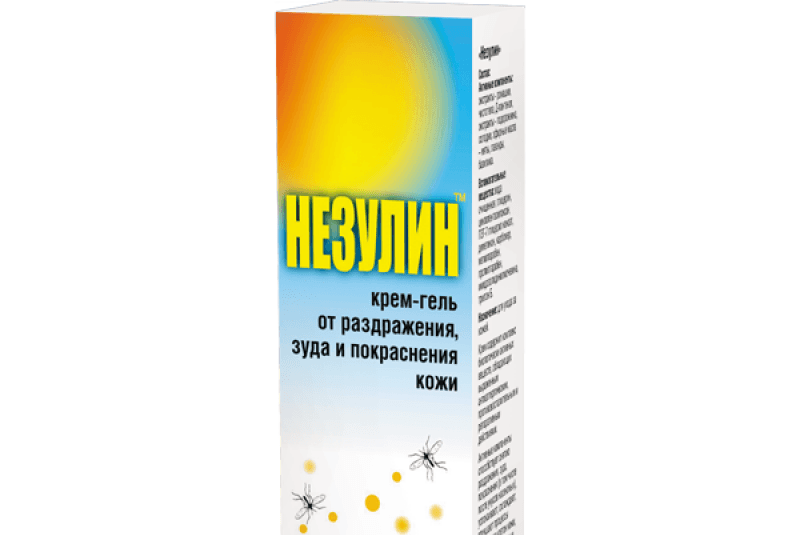
- Nezulin Cream-Gel. Ingredients: D-panthenol, basil, lavender, and mint essential oils, celandine, plantain, chamomile, and licorice extracts. This versatile ointment is suitable for treating infants' skin and quickly relieves the main signs of a skin reaction to insect bites.
Nezulin cream-gel relieves redness and eliminates itching
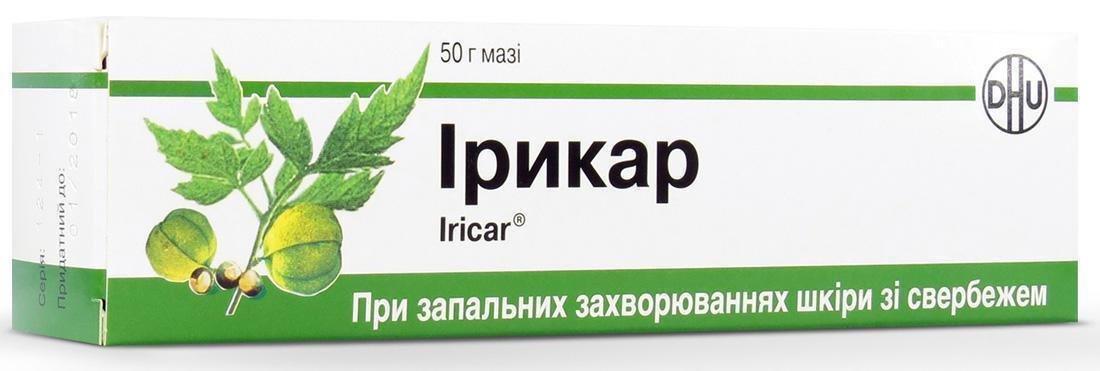
- Iricar Ointment. A product containing a natural active ingredient from the tropical vine Cardiospermum halicacabum (cardiospermum). It is an anti-inflammatory and antipruritic agent that can be used to relieve the unpleasant consequences of bites in children aged 1 year and older.
Irikar ointment is an anti-inflammatory drug for adults and children over 1 year of age.
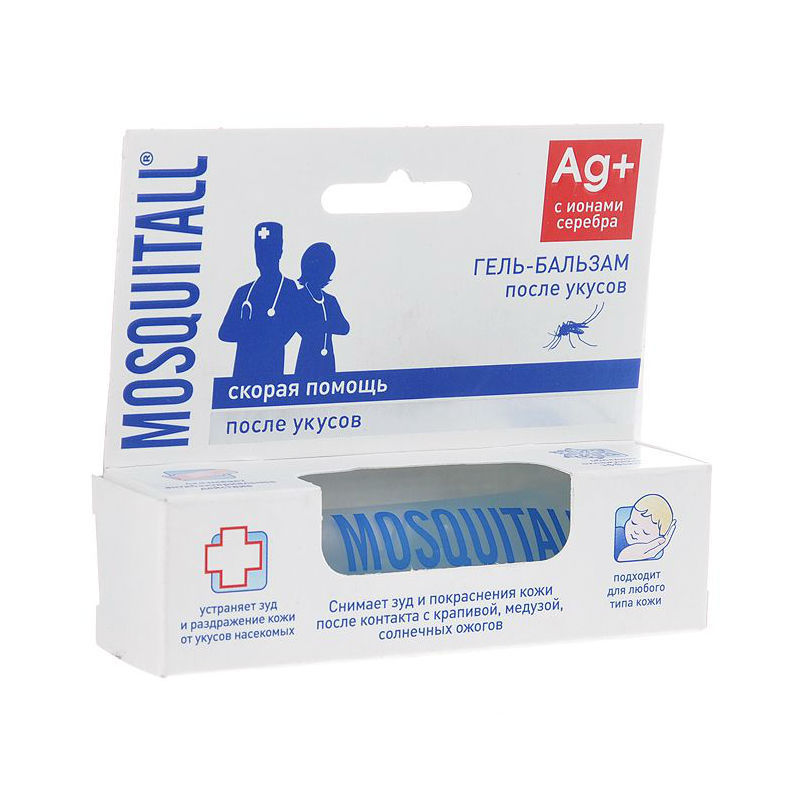
- Moskitol Gel relieves redness, itching, and other consequences of insect bites. It contains an antibacterial complex with silver ions. Active ingredients: allantoin, D-panthenol, pro-menthol, castor oil, and chamomile extract. Not recommended for use on children under 1 year of age.
Mosquitol gel relieves skin conditions after a bite and protects against further attacks by bloodsuckers.
Folk remedies
The most common skin reactions to mosquito bites are itching, redness, and swelling. Therefore, most folk remedies are aimed at eliminating these symptoms. The first thing to do after a mosquito bite is to wash and disinfect the wound. For infants, use plain boiled water at room temperature; for older children, use water with a small amount of soap. If you have multiple bites, you can soak the area locally with 1-2 pinches of sea salt, 1-2 teaspoons of peppermint tincture, or the same amount of apple cider vinegar.
To ease the pain and reduce itching, folk healers recommend the following remedies:
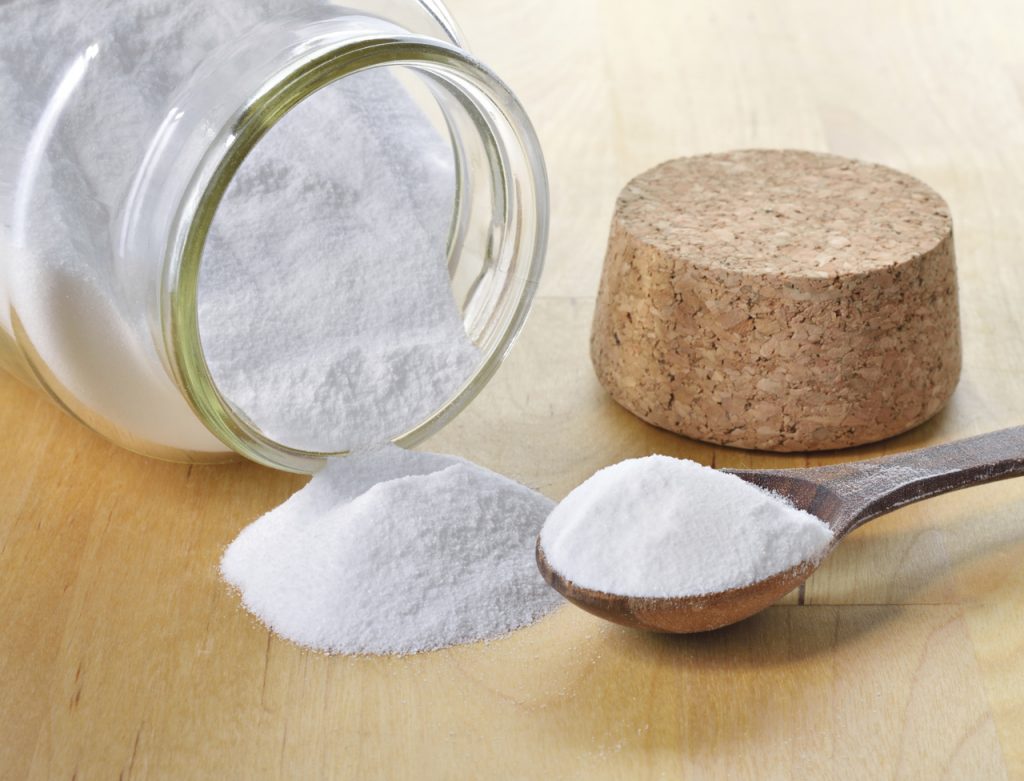
- Baking soda in solution or paste form. For the solution, take 1 teaspoon of baking soda per half glass of cold water. For the paste, mix the same amount of powder with a few drops of water to form a paste. The solution is used to make compresses or to wipe the bite sites. The paste is applied to the wounds in a thin layer and, once dry, is wiped off with a damp gauze or simply rinsed with water. Since topical application of baking soda is safe, this method is suitable for children of all ages.
Baking soda reduces redness and itching from mosquito bites.
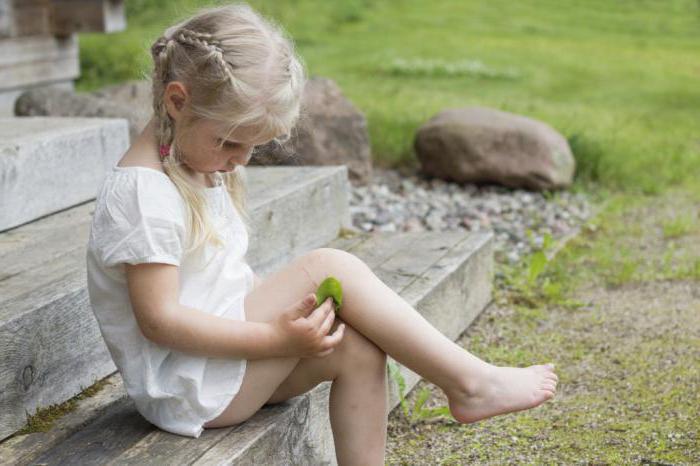
- Plants: plantain, mint, aloe vera, parsley. Crush the leaves with your hands, then apply the juice to mosquito bites.
A crushed plantain leaf or a few drops of parsley juice will relieve pain and inflammation.
- Apple cider vinegar. The product should only be used in cases where the wounds have not been scratched! A small cotton ball is soaked in a drop of vinegar and then applied to the bite site. If necessary, secure it with a piece of adhesive tape. The procedure can be repeated after 15–20 minutes.
Apple cider vinegar can only be used to treat unscratched bites.
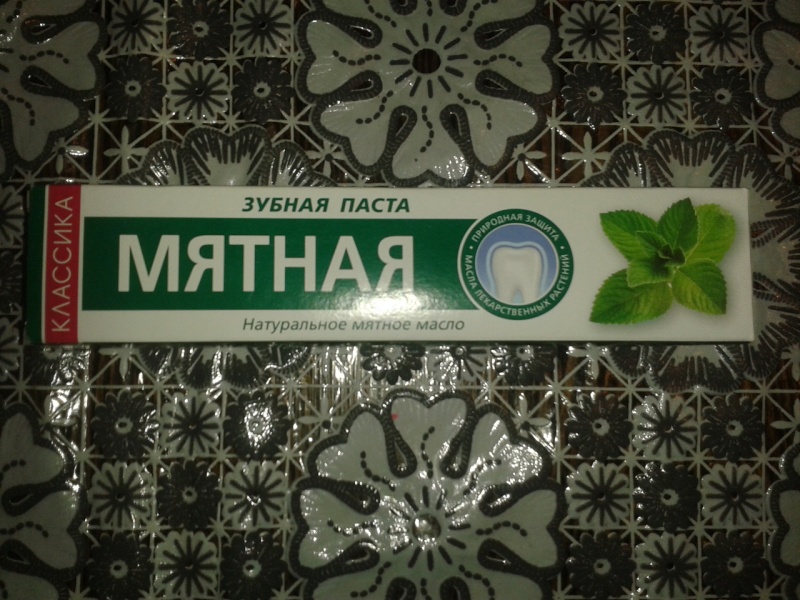
- Toothpaste. Apply a small amount of mint, menthol, or eucalyptus toothpaste to the bite site using a cotton swab. Once the paste dries, remove it with a cotton ball soaked in room-temperature water, and then repeat the process.
Toothpaste with mint or menthol cools irritated skin.
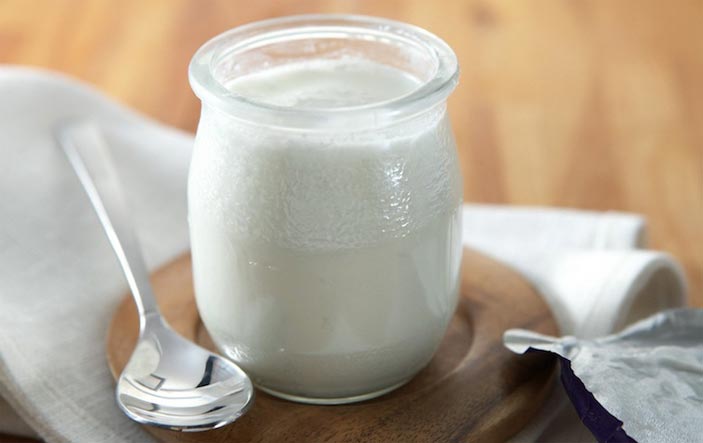
- Kefir or sour milk. Treating the wound with these products will reduce itching significantly. Applying the dairy product to the bite site can be repeated repeatedly until the itching and redness are relieved or completely gone.
Homemade sour milk or store-bought kefir will help combat pain, redness, and the urge to scratch the wound.
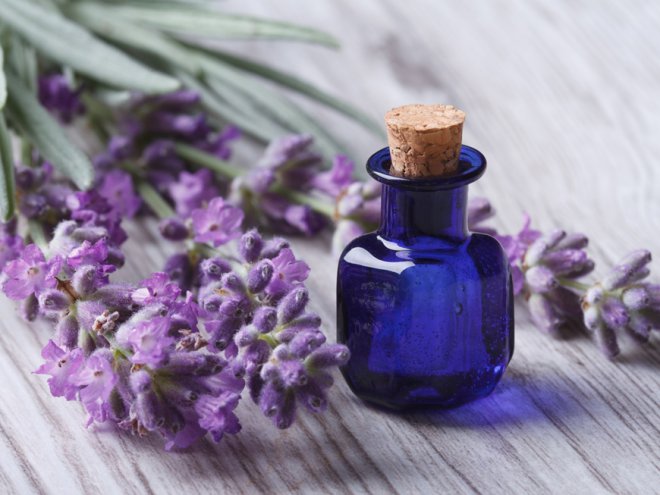
- Essential oils (lavender, tea tree, eucalyptus, chamomile, basil and others). As a first aid, only tea tree oil can be applied undiluted to the bite site, in the amount of 1-2 drops. Other oils must be diluted according to the instructions before applying to the skin! Repeat the application every hour or as needed. For severe inflammation, a paste consisting of 1 teaspoon of baking soda and 1 drop of lavender oil is recommended. Mix these ingredients in a small container and dilute with a small amount of distilled water to form a paste. Apply the resulting mixture to the bite site with a cotton pad until the discomfort subsides.
Essential oils can be used on children from birth, but before applying them to the wound, make sure your child isn't allergic to the product. Using a cotton swab, apply a microdose of the oil to an uninjured area of skin and observe your child's reaction for 10-15 minutes. If there's no change in the child's skin or overall well-being, you can safely apply the oil to the bite site.Important! A common cause of allergic reactions to essential oils is not an individual intolerance, but the use of low-quality products and undiluted oils. To avoid counterfeit products, purchase essential oils from pharmacies and specialty stores and always check the instructions for use, which specify dilution ratios.
Fragrant lavender oil will speed up the healing of existing bites and protect against new attacks from little bloodsucking monsters.
- Ice. A piece of ice wrapped in several layers of clean, dry cloth reduces swelling and relieves pain. The minimum time to apply ice to the affected area is 10 minutes, and the maximum is 1 hour. In cases of extensive skin lesions, apply ice for 10 minutes at a time, with intervals of 10–15 minutes between applications. This will prevent the inflamed area from becoming too cold.
An ice cube wrapped in a clean cloth or sheet will help prevent swelling and reduce pain.
- Vegetables and fruits. Pieces of raw potato, tomato, onion, and lemon can be applied to the affected skin. Given that these foods can cause allergies, it's important to ensure the safety of this method before treating the bite. Apply a small piece of fruit or vegetable to healthy skin, wait 15 minutes, and, if no adverse reactions occur, proceed to treating the wound.
Some fruits and vegetables, such as tomatoes, may reduce the severity of allergic reactions to insect bites.
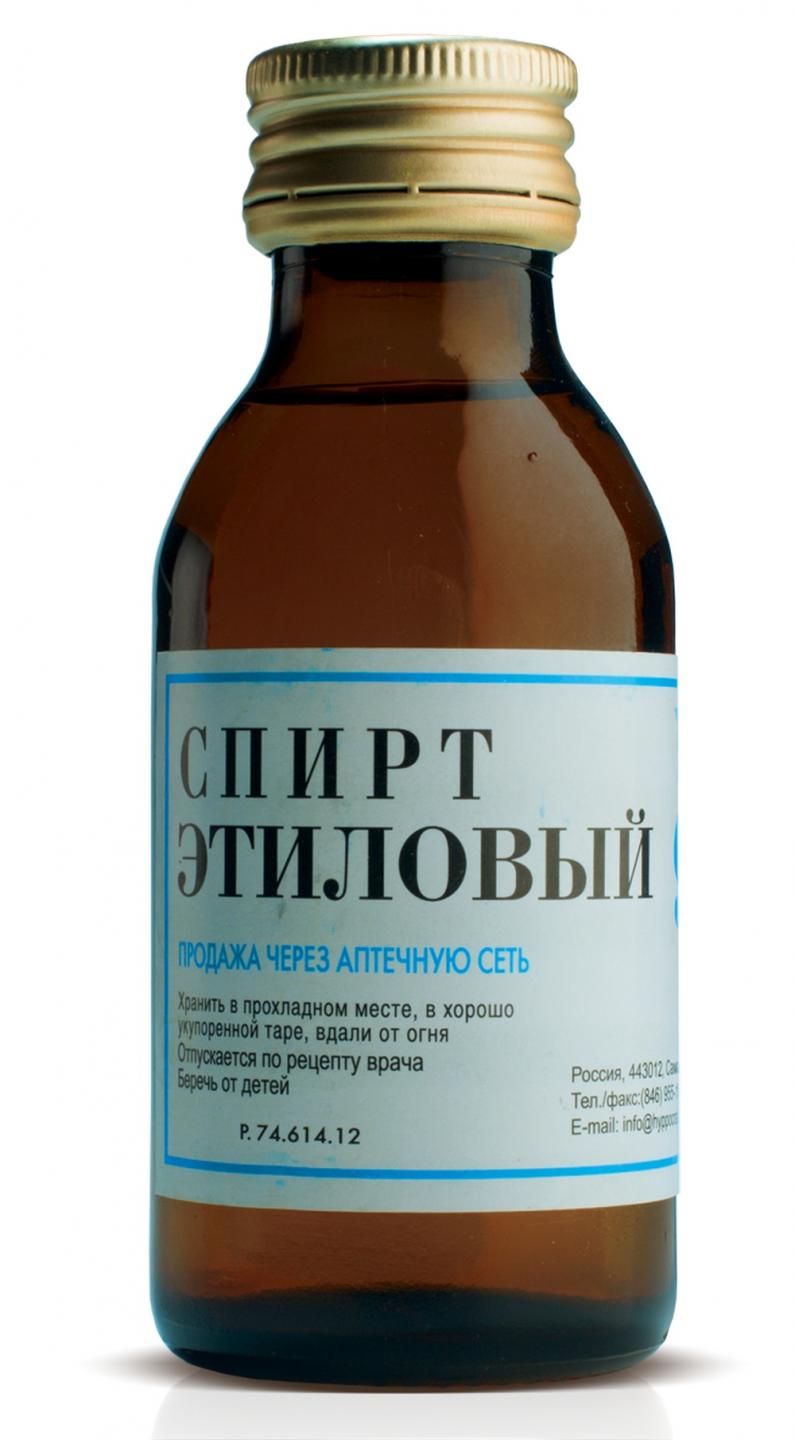
- Alcohol and alcohol-containing liquids should be used with caution, as they can cause burns and severe irritation. Furthermore, alcohol can be absorbed through the skin and enter the bloodstream, which can lead to poisoning in children. The use of pure rubbing alcohol is strictly prohibited! Before treating a bite with an alcohol-containing liquid, dilute it with clean boiled or distilled water in a ratio of 1:2 or 1:3 (the higher the alcohol content of the liquid, the more water should be added).
Before treating the bite site, pure alcohol should be diluted with water in a ratio of 1:3 or more.



How to choose the right product
When choosing a method to reduce the unpleasant consequences of a mosquito bite for a child, you should be careful and cautious. The ideal option is to use medications and folk remedies as prescribed by a doctor. If you can't consult a doctor, or don't think it's necessary, carefully read the instructions from the manufacturers of pharmaceutical products. Be sure to pay attention to recommendations and warnings regarding the child's age and possible side effects. As for folk remedies, most of them should be used when the wounds haven't been scratched.
Mosquito bite allergy
Severe allergic reactions to mosquito bites are rare. Although the main symptoms of culicidosis have already been described above, it's worth revisiting them, as prompt identification of the allergy and its management can help avoid many unpleasant and often life-threatening conditions.
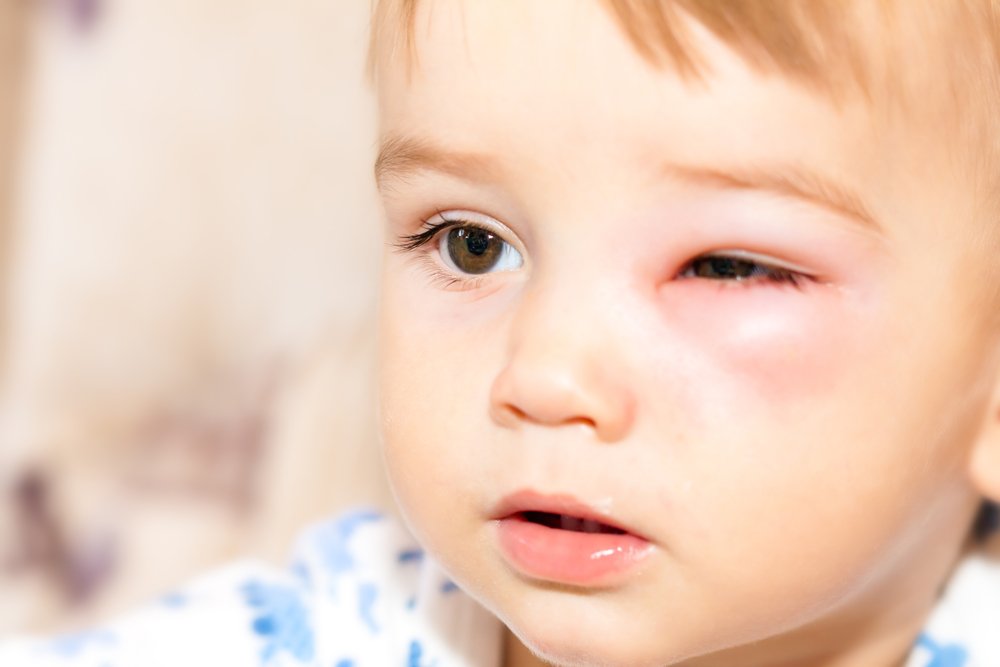
Mosquito bites in children can cause large bumps, blisters, and severe swelling.
Signs of culicidosis:
- severe redness at the bite site;
- the appearance of a reddish papular rash affecting larger areas of the body compared to the site of the bite;
- severe itching and burning;
- swelling of the affected areas of the skin;
- increase in body temperature;
- lacrimation;
- sneezing;
- cough;
- feeling of shortness of breath;
- Quincke's edema.
Important! Quincke's edema is characterized by noticeable swelling of the lips, eyelids, cheeks, mucous membranes of the mouth, or genitals (where subcutaneous tissue is present). In some cases, swelling can develop in the larynx, which is very life-threatening. The person falls into a hypercapnic coma and can die. Therefore, at the slightest suspicion of this condition, you should immediately call an ambulance or take the victim to a medical center.
The first thing to do at the slightest sign of an allergic reaction to a mosquito bite, accompanied by a rash, swelling, cough and other serious symptoms, is to give the child an age-appropriate antihistamine.
- Tavegil. These tablets can be prescribed to children aged 6 years and older. For children aged 1 year and older, it is used as a solution for intravenous and intramuscular administration. It contains lactose and is therefore not recommended for people with conditions associated with impaired galactose tolerance, severe lactase deficiency, or glucose-galactose malabsorption.
- Suprastin. Contraindicated for newborns. May be used with a doctor's prescription from one month of age.
- Diazolin. According to the official instructions, this medication is prescribed to children aged 7 years and older. Possible side effects in children include the paradoxical development of insomnia, irritability, and euphoria.
- Claritin. Contraindicated for children under 2 years of age.
- Diphenhydramine. An older drug with numerous side effects. However, it can still be prescribed to children aged 7 to 12 months in the form of a special powder prepared in pharmacies. Children over 1 year old are prescribed the drug in tablet form. Taking Diphenhydramine may cause agitation, tremors, and sleep disturbances in children..
- Desloratadine. Approved for children aged 3 years and older.
- Zyrtec. Used to treat children aged 6 months and older.
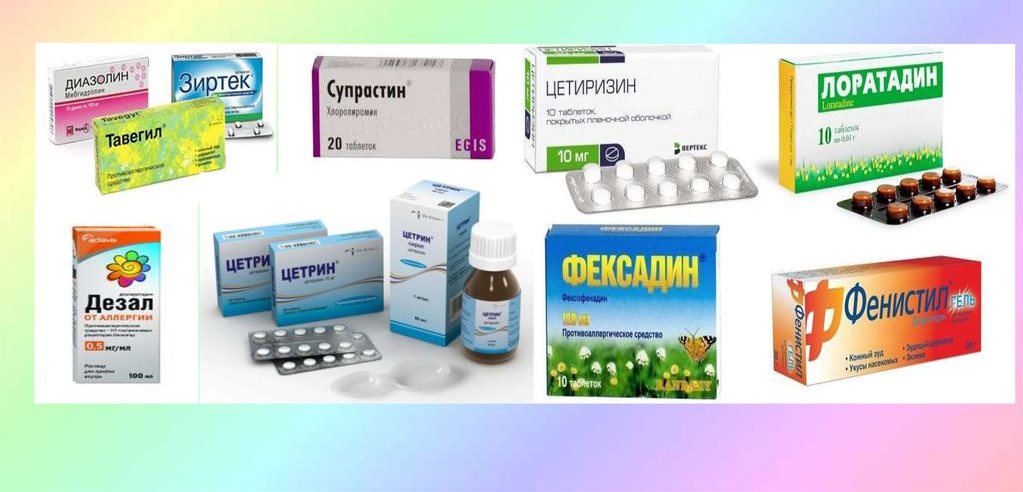
Antihistamines for children and adults can be purchased at any pharmacy.
Caution! Antihistamines are far from harmless, so they should be used strictly as prescribed by a doctor. Keep these medications out of the reach of children at home.
If a child is bitten by a mosquito and develops an allergic reaction, you should:
- Treat the wound and rash with an anti-inflammatory and anti-itch agent.
First of all, you need to ease the baby's condition by applying an anti-itching and anti-inflammatory product to the bite site.
- To reduce swelling, apply a cold compress, soda poultices, or cut fresh vegetables (potatoes, tomatoes) to the affected area of skin.
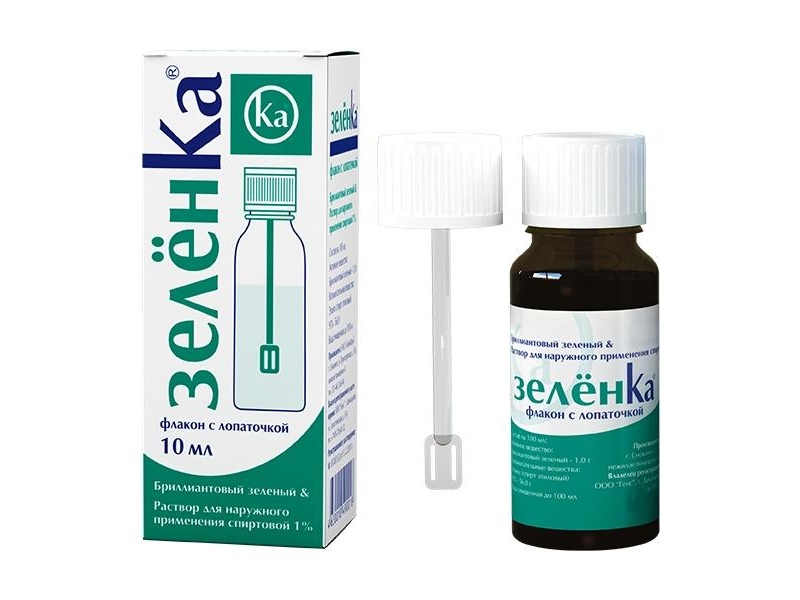
- To disinfect the bite site, lubricate the skin at the bite site with a solution of brilliant green.
Treating the bite with a brilliant green solution will protect the affected area of skin from germs.
- Minimize touching the wound and rash, prevent scratching the skin.
- If signs of Quincke's edema or anaphylactic shock appear (difficulty breathing, cough, abdominal pain, vomiting), it is necessary to give the child an age-appropriate antihistamine as soon as possible and take him to the hospital.
If the allergic reaction intensifies and the baby's general condition worsens, you should show the baby to a doctor as soon as possible.

Video: Dr. Komarovsky on insect bites in children
Reviews of mosquito bite remedies
Calendula tincture (it costs pennies) helps right after a bite, but only right after. I carry it with me when I go outside. And today I bought Fenistil gel just in case. And it came in handy right away. Both my son and I have severe bites on our legs, just like you described. Senya started scratching them until they bleed. We're hoping for relief. Mosquitoes are nasty little pests; I've never had a reaction like that myself.
It was absolutely horrific! We went to the countryside for a week—mosquitoes nearly ate our child! I didn't bring any special mosquito repellent creams, and baby cream mixed with clove oil didn't help at all. I ended up running after him all day with Fenistil Gel, smearing it all over him, but he still got itchy, so nervous and cranky. And if I didn't apply it, his skin would swell up like a bee sting.
Baking soda helps. Sasha was also badly bitten by it and was saved. You just have to apply it often. Don't be lazy. Everything cleared up on the third day. Well, there are still some bite marks, tiny little dots, but there's no redness, swelling, or itching anymore.
Fenistil gel saves us after bites - the swelling goes down immediately, and the baby doesn't itch anymore.
We just had an appointment with the EOC yesterday about this. A mosquito (or midge) bit her upper eyelid. Her eye was so swollen she couldn't open it. I don't know if I have the right to advise, but the doctor prescribed us Advanton cream (specifically, cream, not ointment or emulsion) (apply a thin layer twice a day) and an antiallergic medication…
If you've already been bitten, the cheapest and most effective solution is baking soda. But I do it this way (my grandmother's old trick): wet your finger, dip the tip in baking soda, and gently rub it into the bite until it dries—just brush off any excess. It relieves the itching and redness perfectly!
...Apply synthomycin ointment to mosquito bites and midge bites (scratched areas). It relieves inflammation (redness) and itching. So cheap and cheerful. And you're like, "Gardex, Gardex..."
My son is also very fond of mosquitoes. His reaction to the bites is simply terrible - huge, bluish bumps. Fenistil gel helps us very well. It relieves swelling and itching perfectly.
Children often have an allergic reaction to mosquito bites themselves. First, take antihistamines orally. Apply a paste of baking soda and water topically. This will help relieve the itching.
Our baby was seriously bitten by mosquitoes at night when he was 5 months old. Now that he's 3, the problem is getting worse, with bumps and pustules at the bite site. We're using Traumeel S ointment! Anything else is just baby talk! He should also be given some kind of antihistamine! The bumps go away much faster; try applying it before they swell!
We use "Red Elephant" balm to treat allergic rashes and various bites. It's a Vietnamese balm, similar to "Zvezdochka" (Star), but this one is liquid and alcohol-based. It relieves redness and inflammation very well, and can also be applied to bruises and scratches.
My son had an allergy, the bite site swelled a lot, on the doctor’s advice we made soda compresses and applied Fenestil, it helped.
Children's bodies often react to mosquito bites more aggressively than adults. Therefore, it's advisable to protect children from contact with these insects by using appropriate repellents and physical protection. However, if an accident does occur, don't panic! Properly treating the affected area, taking antihistamines, and monitoring your child's overall health will help ensure the encounter with the flying parasite is forgotten within a few days.
 Sofia
Sofia
1 comment