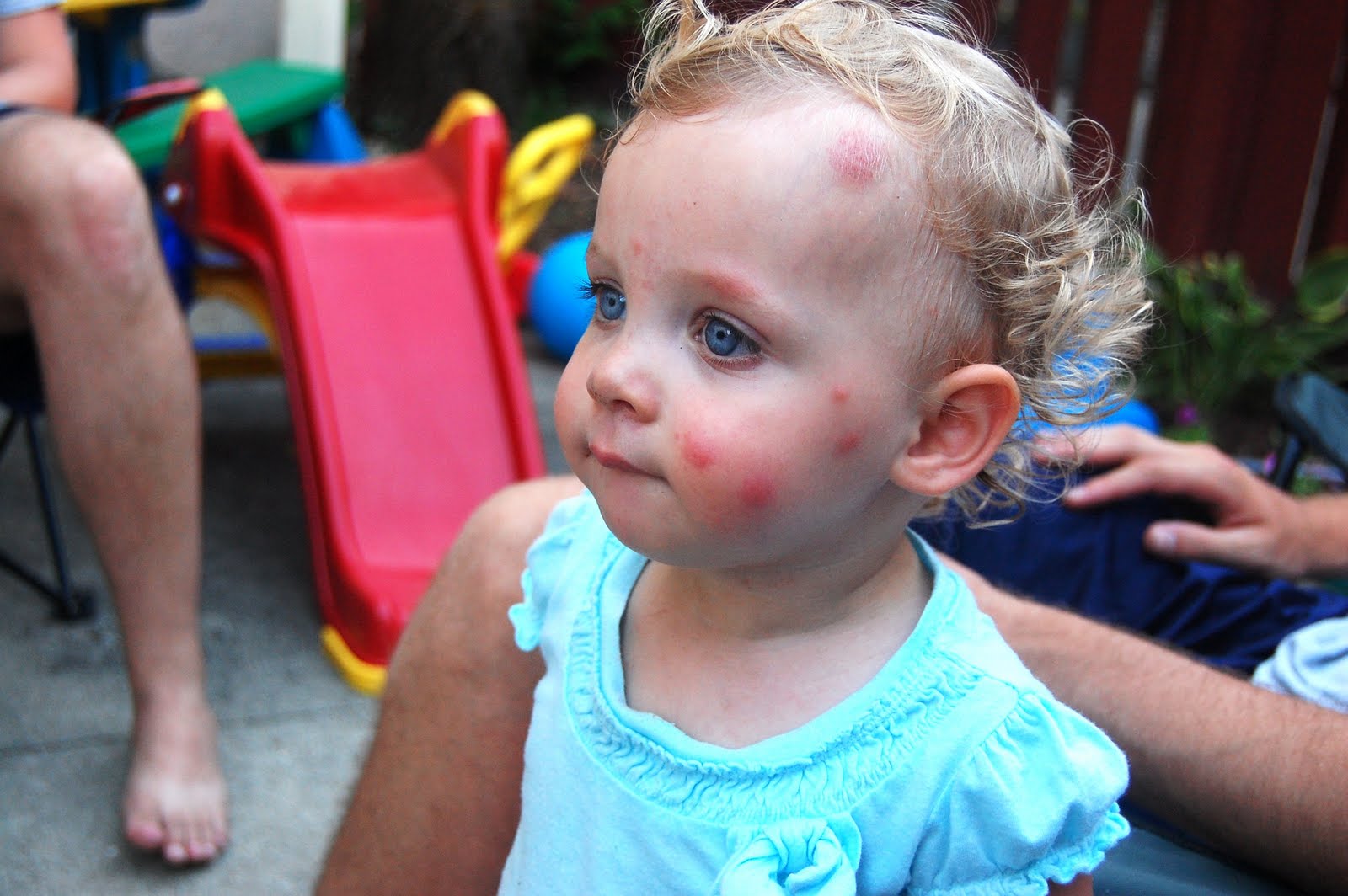
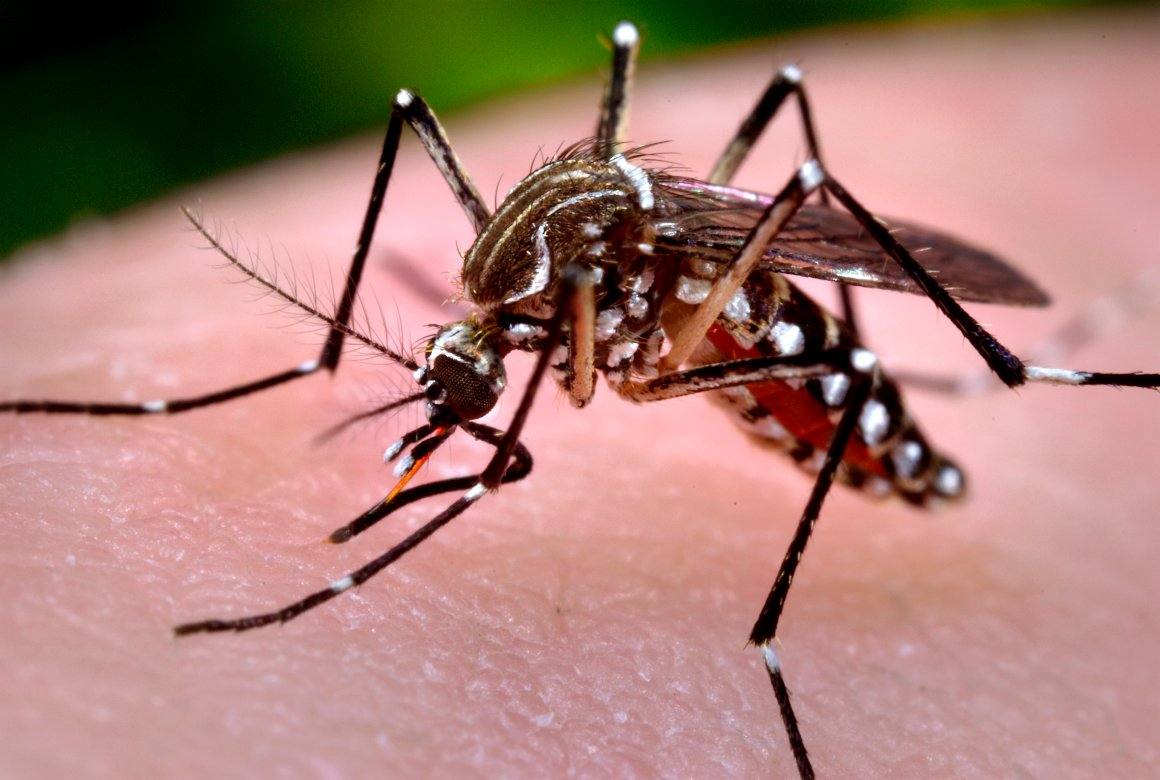
Summer vacations, in addition to hot weather and positive emotions, inevitably bring the appearance of blood-sucking insects. Mosquitoes are parasites common in almost all regions of Russia. They cause a lot of discomfort—an annoying buzzing sound, followed by itching, burning, and even allergic reactions after a bite. Are mosquito bites really that harmless, and how can you get rid of their consequences?
Content
Distinctive features of mosquito bites
The mosquito is a member of the dipteran family of insects, possessing a developed piercing-sucking mouthpart. Mosquitoes range from harmless to blood-sucking and dangerous:
- bloodsuckers (culex) - the most common representatives, feed on blood;
- The kusaki is a species of mosquito found in tropical countries. Its main distinguishing feature is the white stripes on its body. It can carry infectious diseases dangerous to humans.
- Crane flies, or caramoras, are distinguished by their elongated legs. This species is often confused with malaria mosquitoes, but in fact, they are harmless to humans, feeding exclusively on plant matter;
- Malaria mosquitoes, or anopheles mosquitoes. Their main differences from the common mosquito are the dark spots on their wings and their elongated hind legs, which raises their body at the rear. They are found everywhere except in the coldest places on the planet. They are dangerous to humans because they carry parasites that cause malaria.
Photo Gallery: Types of Mosquitoes
-
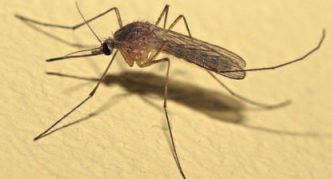
- Culex mosquitoes are the most common type of mosquito we are familiar with.
-
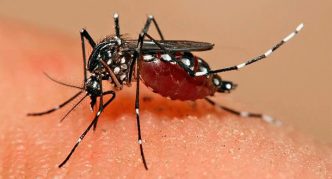
- Biters can be encountered on vacation in hot tropical countries.
-
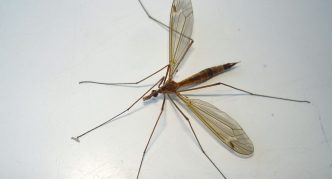
- Crane flies have been unfairly given the title of "malaria flies"
-
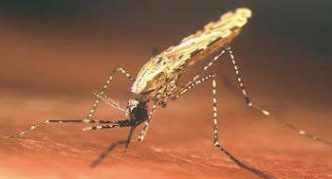
- The malaria mosquito is the most dangerous in our region.
An insect bite is a small cut on the skin moistened with saliva, which has an anesthetic and anti-clotting effect.
Using its proboscis, the mosquito reaches the blood vessels and sucks out blood.
The distinctive features of mosquito attacks are as follows:
- Only females feed on blood, as they need it for reproduction. Once they have chosen a victim, they fly around it with an unpleasant, annoying squeak;
- Mosquitoes are most active in humid climates and temperatures of +16oC;
- Bites are usually single (since females bite only once), except in cases where a large number of hungry individuals gather around the victim;
- Most often, a bite causes itching and a reddish bump on the skin; allergic reactions and serious illnesses are less common.
For most people bitten, the effects are easily tolerated and disappear completely after a couple of days.
The first symptoms, in the form of a puffy bump with a red dot, itching and burning, appear within a few minutes after the bite.
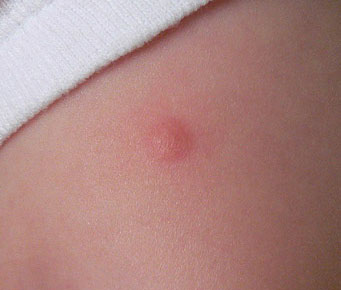
It's best not to scratch mosquito bites—you could cause an infection.
Swelling around the bite and a lump may appear within a day. More sensitive individuals, including children, or those with multiple bites may experience symptoms such as fever, blisters, bruise-like lesions, pain when pressing on the bite site, skin rash, fever, and headache. In such cases, consult a doctor.
What dangers do mosquito bites pose?
The body's natural reaction to mosquito bites is itching, burning, and the appearance of red spots and small blisters. Typically, the discomfort passes quickly, and we don't pay much attention to it.
But there are a number of points that can pose a threat to human health:
- Scratching the bite site can lead to the formation of a festering wound. And this isn't caused by the mosquito's actions, but by our inability to resist the itch (especially in children) and, as a result, the introduction of bacteria.
- a different habitat - in tropical or taiga areas, the parasite is significantly different from the usual one, and therefore the consequences of an attack are more severe and can be accompanied by more pronounced blisters, debilitating itching, and even an allergic reaction and infection with infectious diseases;
- allergic reaction - although any mosquito bite can be described as an allergic reaction of the body to foreign saliva, in people prone to allergies, as well as in small children, the symptoms can be more intense, accompanied by high temperature, fever, anaphylactic shock, which can lead to death;
- Infection with infectious diseases (malaria, yellow fever, tropical fever, encephalitis, borreliosis, hepatitis C), the first symptoms of which may include fever, muscle aches, and headaches. Carriers of such diseases often live in warmer climates.
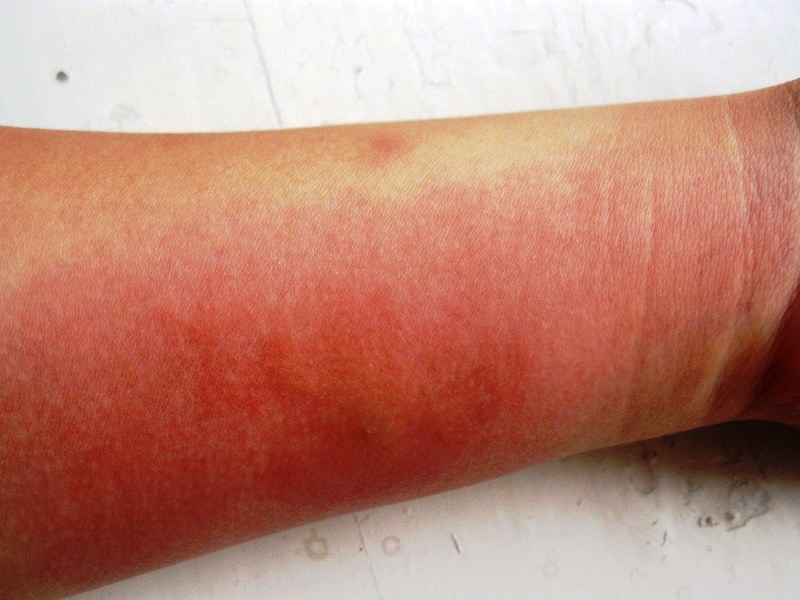
An allergic reaction can be very dangerous, so it is necessary to have antihistamines on hand.
It's important to note that mosquitoes do not transmit infected blood, as their proboscis is designed only for sucking blood, not for transfusing it. Therefore, infections can only be transmitted through mosquito saliva. It is worth knowing that the human immunodeficiency virus (AIDS), as well as other diseases associated with infection through blood, are not transmitted through the bites of any type of mosquito.
Thus, in most cases, mosquito bites are quite harmless, but if a person experiences a high temperature, dizziness, severe itching after a mosquito bite, If you experience asthma, nausea, cramps, or other symptoms, you should immediately take an antihistamine and consult a doctor.
Treating bite sites to reduce consequences
Most mosquito bites go unnoticed and don't take any special measures, waiting for the effects to subside on their own. But sometimes the itching can be unbearable, leading to intense scratching, and the affected area can be very extensive. For such cases, it's essential to keep a first aid kit on hand or try some folk remedies.
Pharmaceutical products
An anti-mosquito first aid kit may include the following ointments, creams, and gels:
To relieve itching and promote rapid healing, therapeutic and prophylactic cosmetics (cosmeceuticals) that do not contain ingredients prohibited for children and pregnant women (Rescuer, Boroplus, Bepanten), as well as anti-allergy creams and gels (Fenistil gel, Elokom, Nezulin, Elidel) are suitable. However, the latter have contraindications and must be used according to the instructions.
Homeopathic creams have soothing and antimicrobial properties, but they have many contraindications, and therefore it is better to buy them after consulting a doctor (Arnica ointment);
- Topical hormonal treatments are suitable for reducing swelling and redness. There's no need to be afraid to use them; there are now treatments approved for use by children and pregnant women. However, you should consult a doctor before choosing one (Hydrocortisone, Advantan, Akriderm).
antibacterial agents with silver ions, as well as those based on plant substances from the non-medicinal group (Mosquitall, Taiga, Gardex).
Photo Gallery: Mosquito Repellent Kit
-

- Rescuer Balm quickly and effectively relieves itching after a mosquito bite.
-
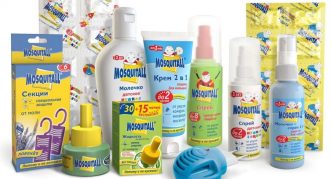
- The Mosquitall series products are made from plant-based ingredients, making them suitable for use even on small children.
-
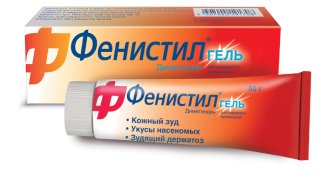
- Fenistil is an anti-allergy gel that quickly relieves itching and inflammation.
-

- The Gardex line of products is used to prevent mosquito bites.
-
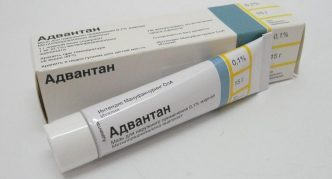
- Advantan is excellent for treating inflammation and itching of the skin.
People's Councils
If you don't have the appropriate medications on hand, or prefer to use folk remedies, the following recipes are suitable for relieving swelling and itching:
- soda - dissolve one or two teaspoons in a glass of warm water, soak a cotton pad, bandage or gauze in the resulting solution and apply or lubricate the bite site;
- toothpaste with mint - apply to the bite area, rinse with water after drying;
- alcohol (ammonia, cologne, alcohol wipes, etc.) - wipe the bite site, however, this method is more suitable for adults;
- Vinegar - mix vinegar and water in a ratio of one part to three for a weak solution and apply to the bite. You can make a paste out of apple cider vinegar by mixing it with flour until it becomes thick, apply it to the bite, and rinse with water after it dries.
- tea tree, lavender, and eucalyptus oils have antimicrobial and anti-inflammatory properties;
- Ice - acts as an anesthetic on the affected area, reducing swelling;
- mint, plantain, aloe or calendula juice are also good all-purpose remedies;
- A tea bag soaked in water has astringent properties and is good for reducing swelling.
Photo Gallery: Folk Remedies for Mosquito Bites
-
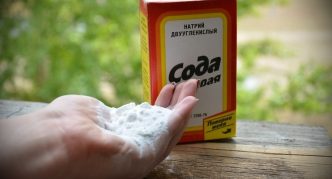
- Baking soda quickly relieves skin inflammation.
-
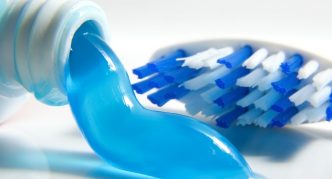
- Toothpaste can help relieve itching fairly quickly.
-

- Apple cider vinegar has anti-inflammatory properties.
-

- A tea bag will quickly deal with skin swelling.
-
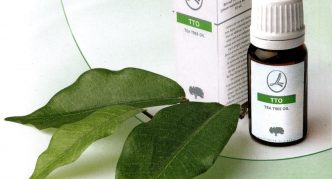
- Tea tree oil helps relieve inflammation
First aid for allergies
If signs of an allergic reaction appear after an insect bite (hives, asthma symptoms, unbearable itching, blisters, rhinitis), it is recommended to take an antihistamine. There are many available, and they come in different generations (first, second, and third).
The main difference is in side effects. First-generation medications have more side effects, such as sedative effects, a rapid but short-term effect, and a decrease in the potency of the drug's components with prolonged use. Second-generation medications eliminate the side effects of first-generation medications but also have cardiotoxicity, so cardiac monitoring is necessary during use. Third-generation medications help eliminate these side effects and can be used for long-term treatment.
Representatives of different generations are:
- Suprastin, Diazolin, Tavegil.
- Zirtec, Cetrin, Zodak, Parlazin.
- Erius, Telfast, Fexadin.
All medications should be taken only after appropriate prescription from a doctor. Do not self-medicate!
If the allergic reaction is severe—signs of anaphylactic shock or Quincke's edema—it is necessary to call an ambulance immediately.
Signs of incipient anaphylactic shock include sharp pain at the site of the bite, severe swelling, acute itching that quickly spreads throughout the skin, and a drop in blood pressure. This is followed by swelling of the larynx and bronchospasm, which causes difficulty breathing. The person turns pale, their lips and fingers turn blue, and loss of consciousness may occur. Symptoms progress rapidly, potentially leading to death within minutes or hours.
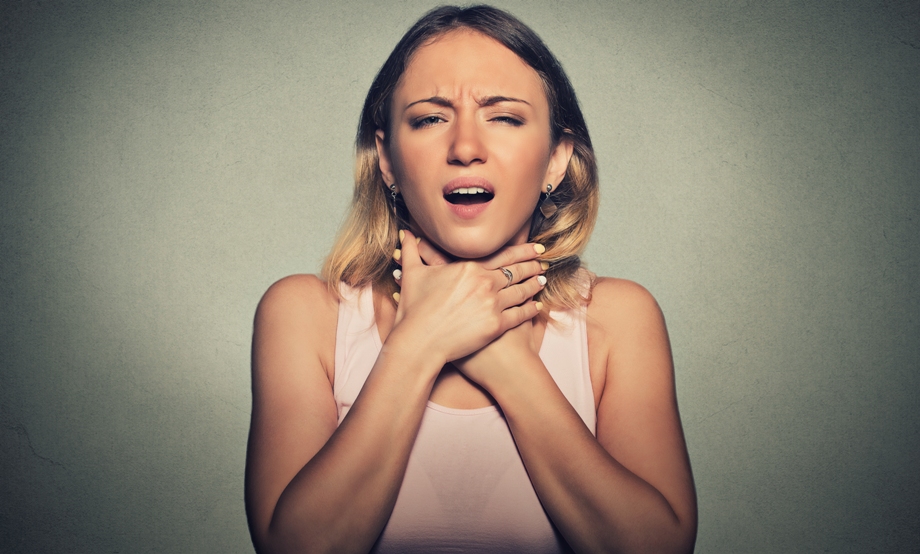
In case of anaphylactic shock, you must not hesitate for a second.
First aid for anaphylactic shock involves taking a horizontal position, with the head not raised, preferably turned to the side, applying a tourniquet above the bite site, and taking antihistamines that do not lower blood pressure (Suprastin, Tavegil).
In most cases, the symptom of Quincke's edema is swelling of the soft tissues of the face, neck, and head to the point that the eyes cannot be opened or only slightly. This form of edema is characterized by no itching or rash, and no skin color changes. Low blood pressure, increased sweating, confusion, and impaired coordination may occur. Swelling of the respiratory organs is particularly dangerous, accompanied by coughing, difficulty breathing, slurred speech, and reddened or bluish skin. Quincke's edema develops over a period of minutes to hours or days.
Quincke's edema itself is not dangerous, but if it affects the respiratory system, you must immediately consult a doctor.
Before the ambulance arrives, sit up, apply a tourniquet above the bite site, apply ice, ensure adequate airflow, and take an antihistamine. As with anaphylactic shock, first-generation medications such as Suprastin, Tavegil, and Diphenhydramine are recommended, as they act quickly and do not affect blood pressure.
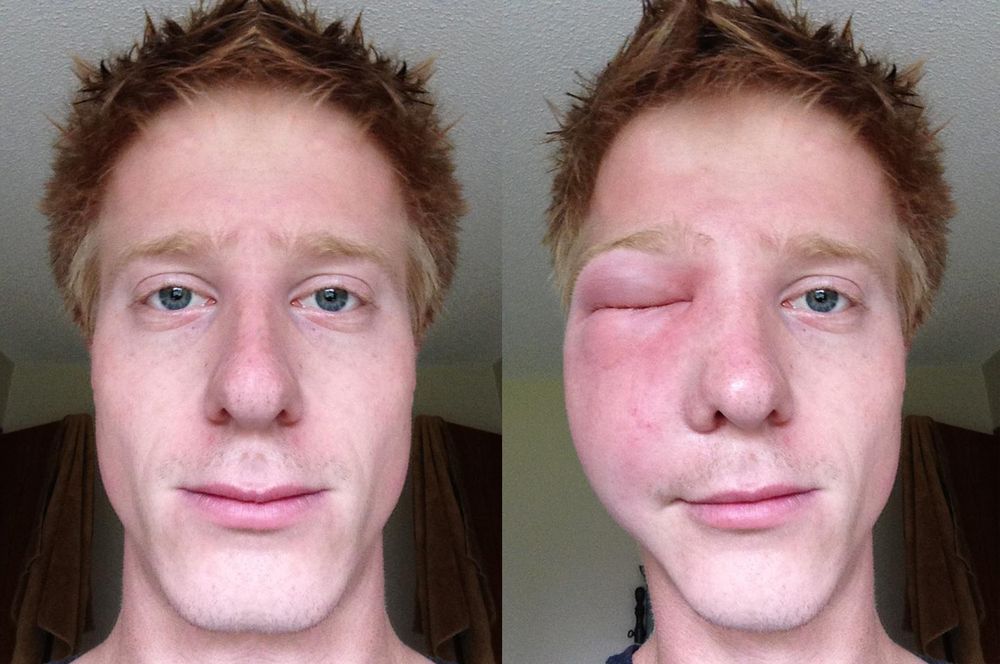
Quincke's edema is characterized by facial puffiness and multiple swelling, a condition that requires urgent medical attention.
Even if taking antihistamines was effective, it's still necessary to wait for medical attention. Failure to promptly seek medical attention for severe bite injuries can be life-threatening.
Means of protection against insect attacks
There are many insect protection options available to minimize the likelihood of an attack and subsequent treatment for bites, as prevention is better than dealing with the consequences:
- Mosquito nets are a great option for preventing mosquitoes and gnats from entering your home. There are many different types available. They can be attached to windows, doors, gazebos, strollers, and more.
- Ultrasonic repellents are modern devices that emit a special sound that is inaudible to the human ear, but clearly audible to mosquitoes;
- Fumigators are special devices that contain a mosquito poison in sheets, liquids, or tablets. When heated, it is released into the air and kills the insects. They can be electric or coil-shaped, which are ignited and then smolder, releasing smoke (Raid, Raptor, Mosquitall);
- aerosols, balms (repellents) - products are applied to clothing or exposed areas of the body, the smell repels insects, indispensable in nature (Off, Mosquitall, Gardex-Famili, Komaroff, OZZ);
- mosquito bracelet - a new product in the field of mosquito control, it is a silicone bracelet that is worn on the arm or leg (BugSTOP);
- A mosquito trap is an ultraviolet lamp with a special container that attracts insects. When they approach it, they are either electrocuted or sucked in;
- Electric fly swatters - just touch the pest with the device, and a small discharge kills the mosquitoes outright.
Not all sprays or fumigators are suitable for use, it is necessary to carefully read the instructions for use.
Video: Mosquito Bite Relief – Elena Malysheva's Advice
Reviews
There's no recipe—I just mix baking soda with boiled water in a small cup until it forms a paste, and then apply it to the bites. I feel immediate relief, and sometimes I repeat the process a couple of hours later.
I bought myself a cool mosquito repellent bracelet...it works great! BUT it's unlikely to be of much use when fishing—you'd need to buy special sprays from the pharmacy, otherwise the mosquitoes there are so thick that folk remedies simply won't work, and fishing will turn into hell 🙁
1% hydrocortisone ointment. It costs pennies and relieves itching and redness.
A mosquito bite, despite its seemingly harmless appearance, can have very serious consequences. It's important to closely monitor your body's reaction (especially in young children) and be sure to consult a doctor if any alarming symptoms appear.