Mosquitoes are harmful and annoying bloodsuckers, capable of ruining an outdoor getaway and turning a stay at your beloved dacha into a nightmare. A classic writer wrote about this scourge so prevalent in our latitudes: "Oh, beautiful summer, I would love you if it weren't for the dust and dirt and mosquitoes..." But Alexander Sergeyevich lived long before the advent of all kinds of insect control. So let's look at how we can protect our dacha from the invasion of these flying midges these days.
Content
Why fight mosquitoes in your garden?
You can talk as much as you like about the role of mosquitoes in the ecological system and their indispensability in natural processes, but if you or your child is allergic to mosquito bites, you want these bloodsuckers to perform their irreplaceable role far away from your dacha or country house.
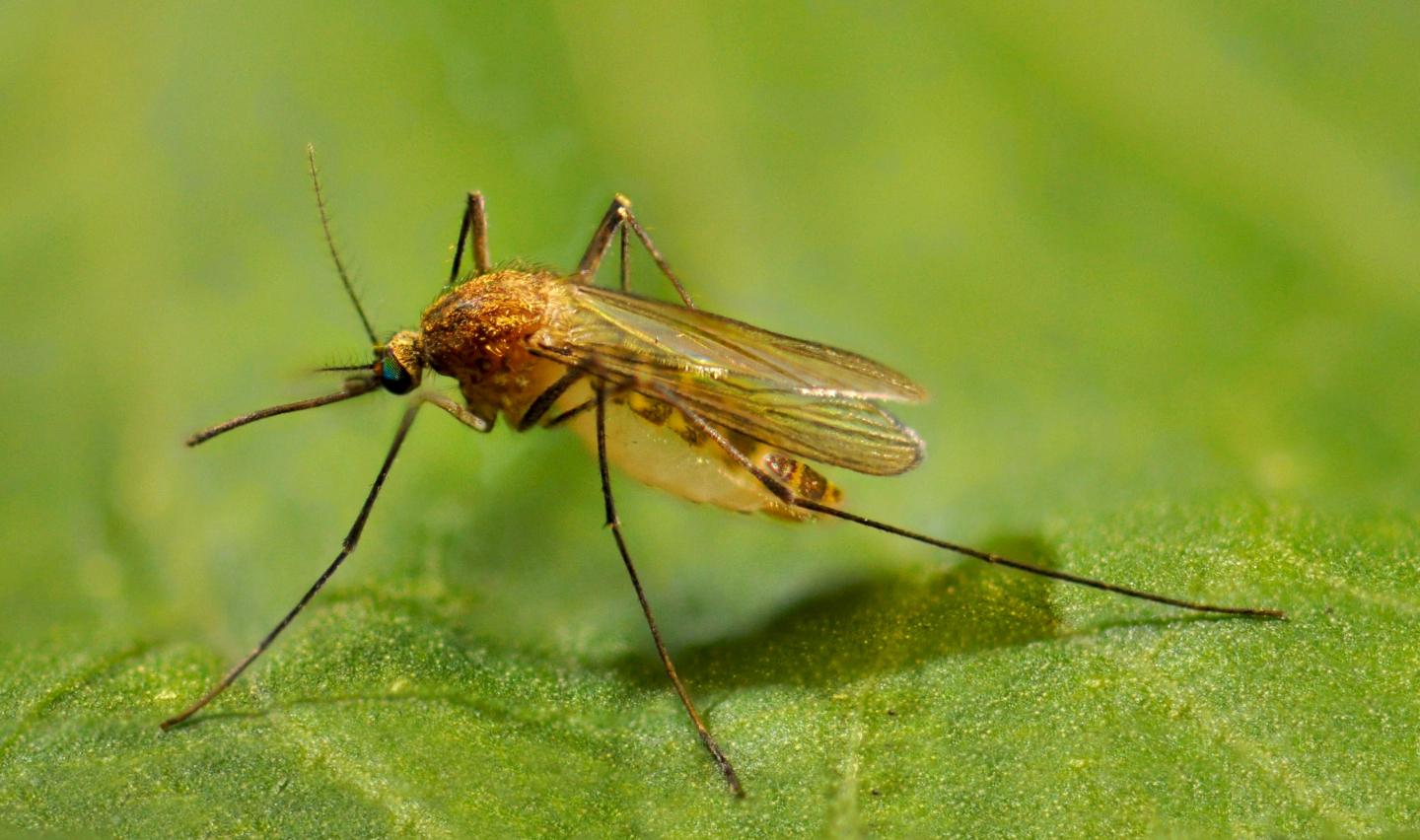
Mosquito saliva causes itching, swelling and redness at the bite site, and in some cases, an allergic reaction.
It is known that mosquitoes can carry dangerous diseases such as malaria or encephalitis. These cases are quite rare, but they do occur. This is enough to warrant eradicating these insects from your property.
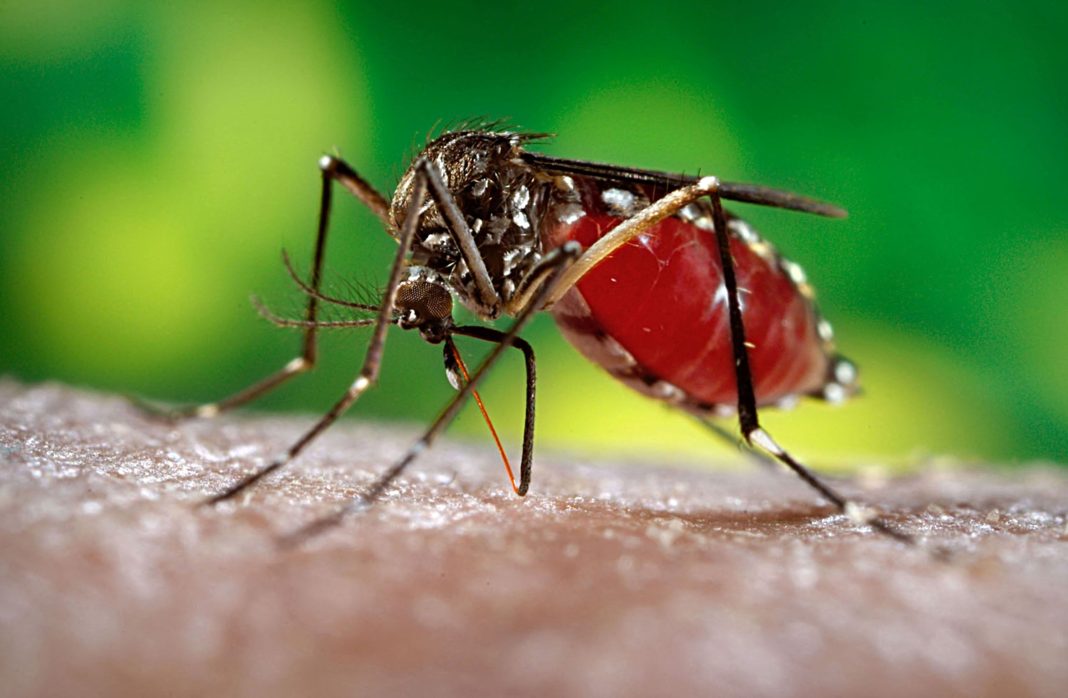
Infections carried by mosquitoes are transmitted through saliva during a bite.
Methods for controlling flying bloodsuckers can be divided into chemical and folk remedies. When choosing a method, keep in mind that chemicals have all the pros and cons of modern insecticides. Folk remedies, while environmentally friendly, are less effective.
To better make your choice, it's worth taking a closer look at what the modern mosquito repellent market offers us and how folk wisdom has evolved over time.
Chemical treatment
There are two ways to completely eliminate mosquitoes from your property: call a special team or do it yourself using an insecticide.
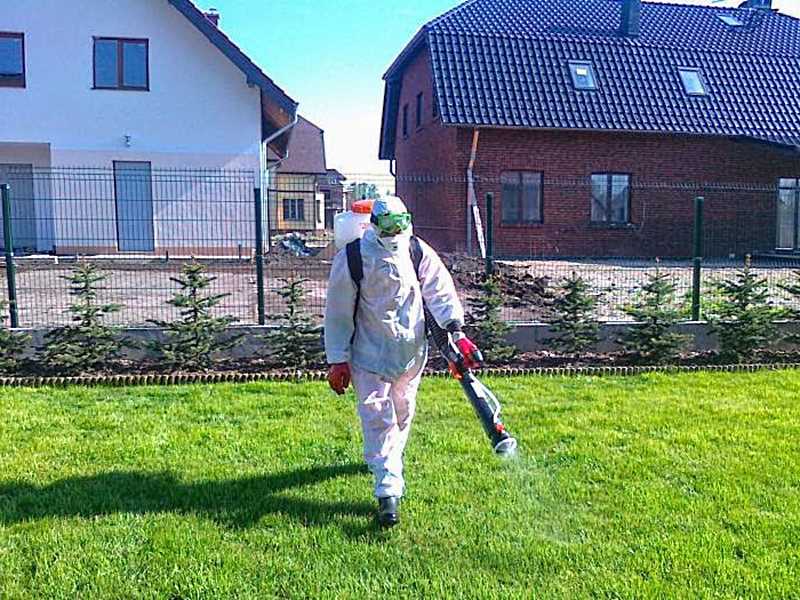
Disinfection of the area requires the mandatory use of a protective suit.
Note: A complete insecticide treatment will rid your area of all insects, not just mosquitoes. Depending on the duration and range of action of the product, you may be deprived of horseflies, midges, ticks, flies, and ants for a long time.
Calling a team will cost around 2,000 rubles for every 600 square meters of land. If you decide to do it yourself, professionals recommend avoiding untested methods. Using proven medications will minimize unwanted side effects.
Popular mosquito repellents
A substance capable of permanently clearing an area of flying bloodsuckers is called cypermethrin. This insecticide is present in varying amounts in most chemical mosquito repellents.
Today, experienced gardeners most often use the following to control these insects:
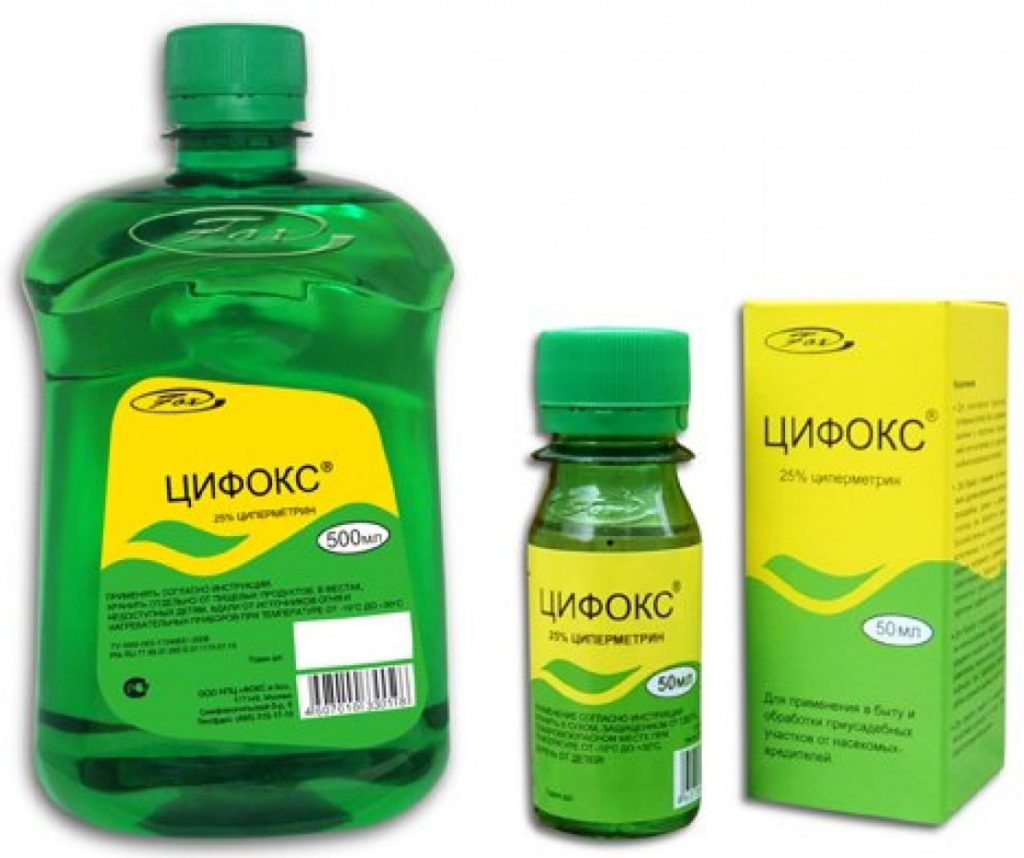
- Cyfox is available as an emulsion (0.05 or 0.5 liters). The average cost is approximately 900 rubles per 0.5 liter.

To treat 100 square meters, you will need to dilute 4 ml of Cyfox in 1 liter of water (depending on the topography of the area)
- Medilis Ziper. A yellowish liquid (available in 0.5 or 5 liter bottles). The average cost of the medication is approximately 1,500 rubles per 0.5 liter.
To treat an area with Medilis Ziper, you will need 2 to 5 ml of the product per 1 liter of water (depending on the density of the vegetation)
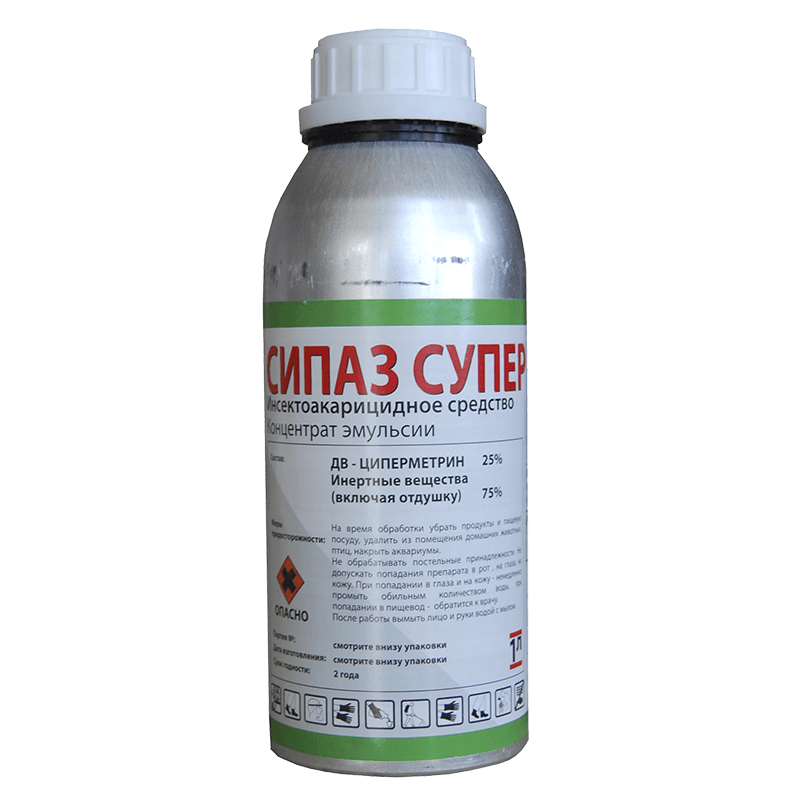
- Sipaz Super. Concentrate, 1 liter. The average price per bottle is approximately 2,250 rubles.
To treat 100 square meters of land with Sipaz Super, you will need 3 to 8 ml of the product per 1 liter of water.
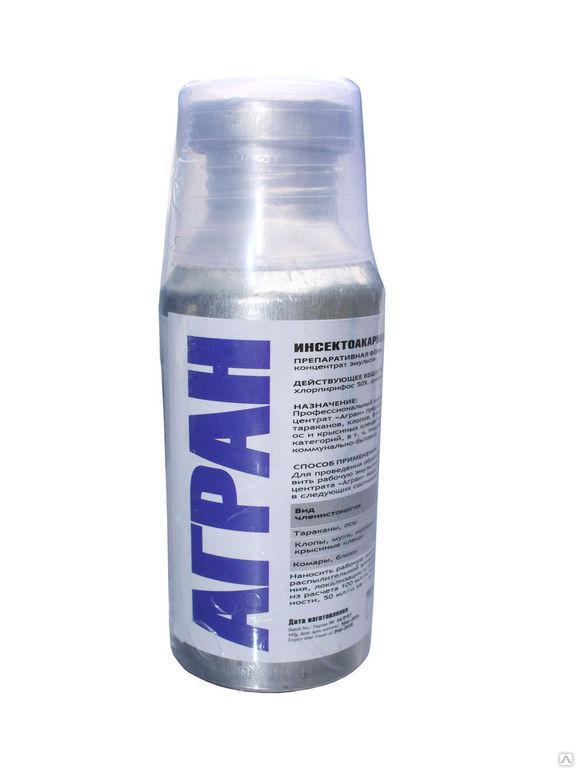
- Agran. A brownish concentrated emulsion (available in 0.05 or 1 liter). The average cost of the product is approximately 1,600 rubles per liter.
The Agran product is recommended for treating areas with nearby water bodies or groundwater at the surface.
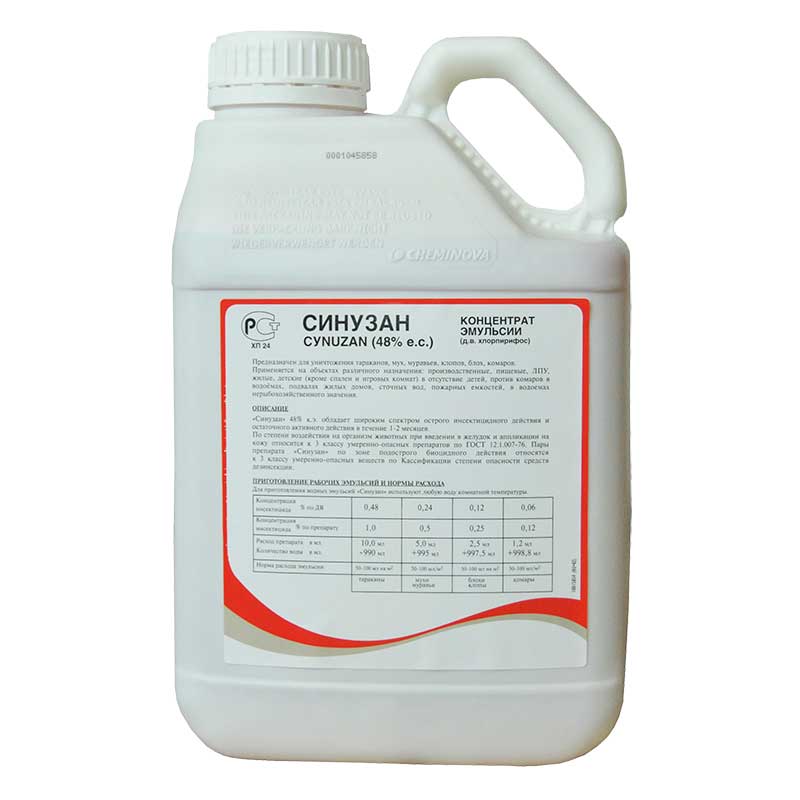
- Sinuzan. Yellow or brown emulsion (packaged in 1 or 20 liters). The average cost of this product is approximately 2,500 rubles per liter.
The active ingredient in the Sinuzan preparation is not cypermethrin, but chlorpyrifos (48%)
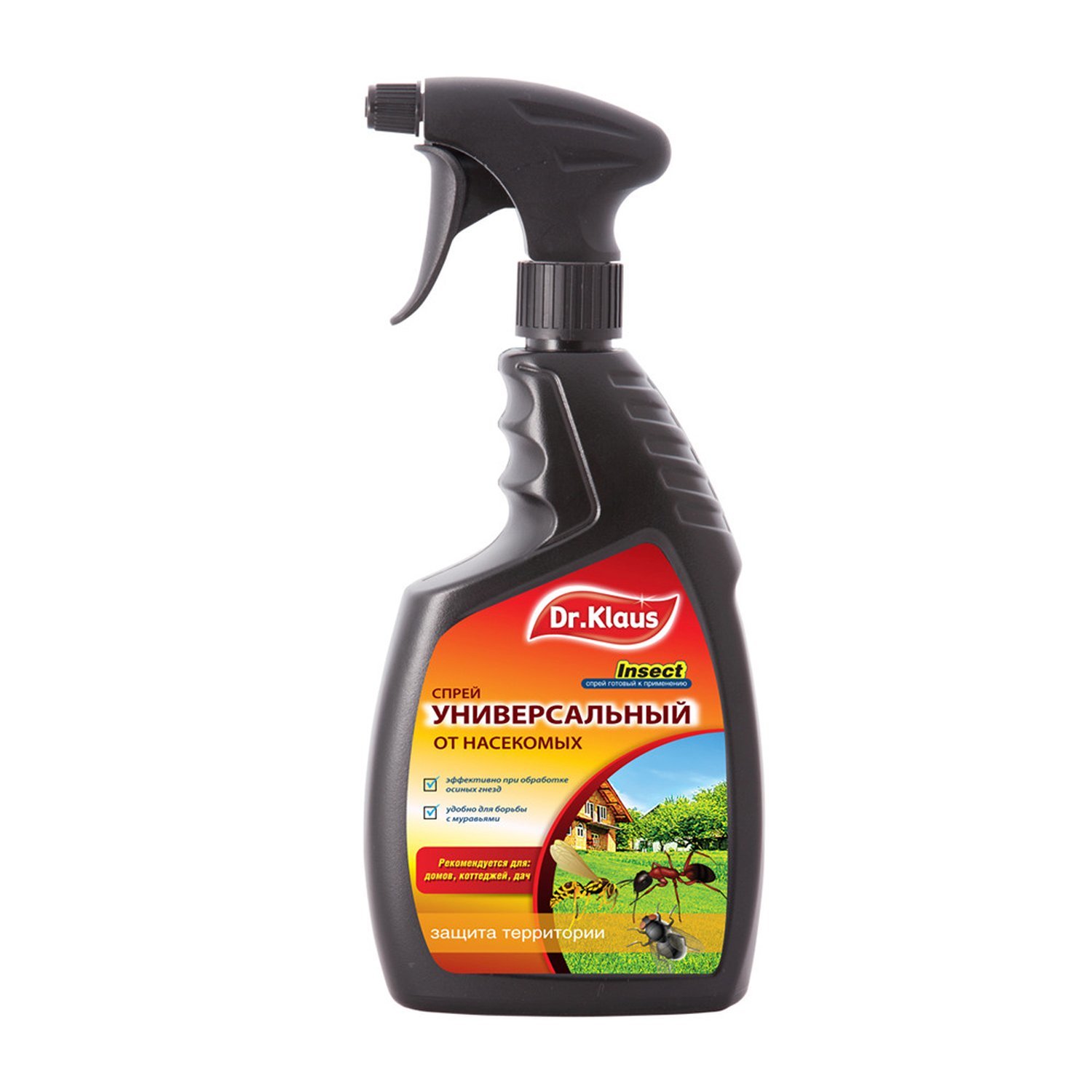
- Dr. Klaus. Ready-to-use spray, available in 0.75 or 1 liter bottles. The average price of the product is approximately 300 rubles per 0.75 liter bottle.
Dr. Klaus spray kills not only mosquitoes but also flies.
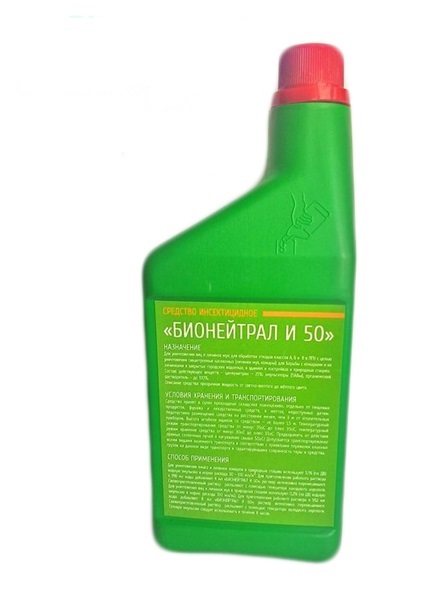
- Bioneutral I-50. Emulsion, 0.1 or 1 liter. The average cost of this product is approximately 1,700 rubles per liter.
It is better to prepare a solution of Bioneutral I 50 immediately before treatment or use it within 8 hours.

How to choose the right drug
When choosing a chemical mosquito control product for your garden, experts recommend paying attention to the following parameters:
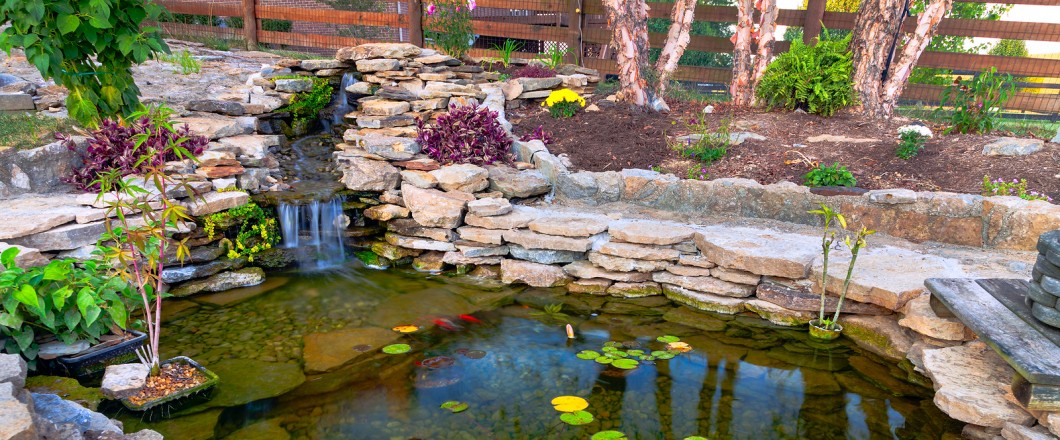
- Water availability. If there's a body of water on your property or in the immediate vicinity, consider using products designed to kill larvae in areas with high humidity.
It is necessary to approach the choice of the product with particular caution if there are ornamental fish in the pond (it can also harm them)
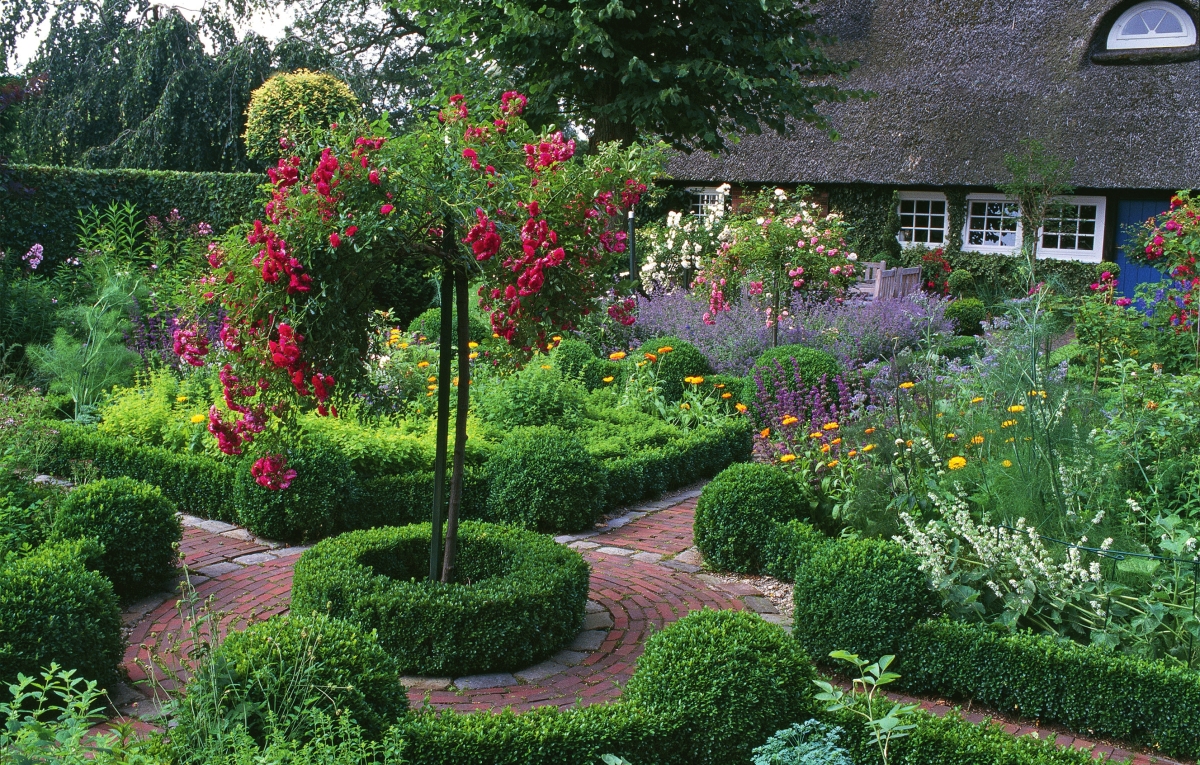
- The site's topography. The presence of numerous shaded areas also requires a tailored approach.
The more shady and damp areas there are on the site, the more likely it is that mosquitoes will lay their larvae there.
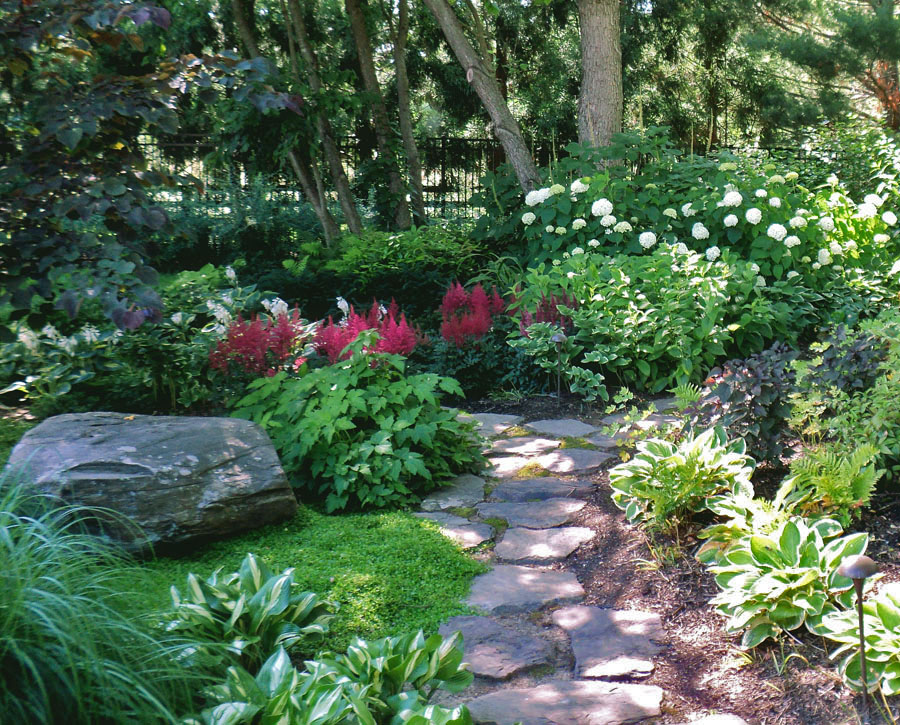
- Vegetation density. In open garden plots, the concentration of the product may be lower than in areas with trees and shrubs.
Lush vegetation on the site requires a higher consumption of the product or higher toxicity of the product.
It's important to remember: the selected medication must be certified and within its expiration date.
Precautionary measures and general rules for processing the site
If you decide to protect your summer cottage or country property from mosquitoes yourself, it's important to remember that an insecticide that is completely safe for people and pets has not yet been invented.
To avoid negative consequences of chemical treatment of an area, you need to ensure not only the effectiveness of the chosen method, but also your own safety. You should prepare for the procedure of ridding your summer cottage of mosquitoes in advance. For this purpose you will need:
- Monitor the weather forecast. The best results are achieved by spraying in dry, windless weather (ideally, no precipitation for three days after application).
Steady clear and windless weather is the best time to treat the area from mosquitoes
- Ensure that no people or pets are present on the property. They should not be allowed back in for at least 4-5 days after the area has been disinfected.
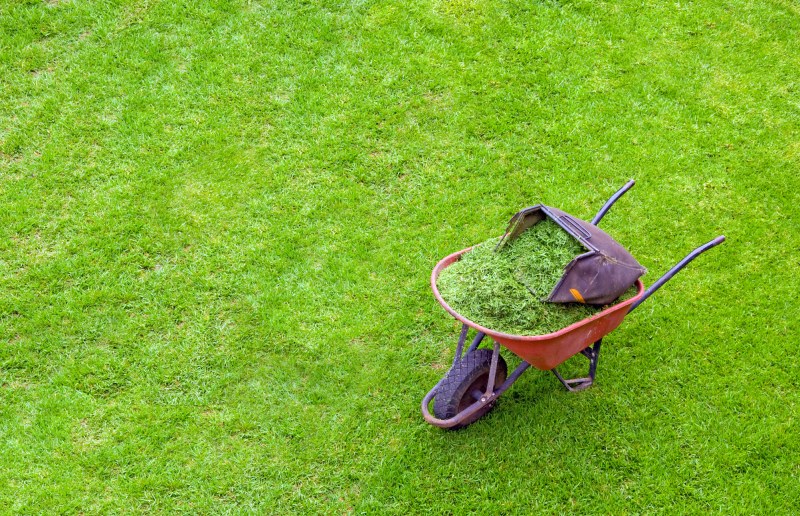
- Clear the area in advance: mow the grass in open areas and remove the remains of last year's leaves and hay.
To achieve the best effect, the garden plot must be prepared for treatment in advance.
- If possible, seal open containers of water.
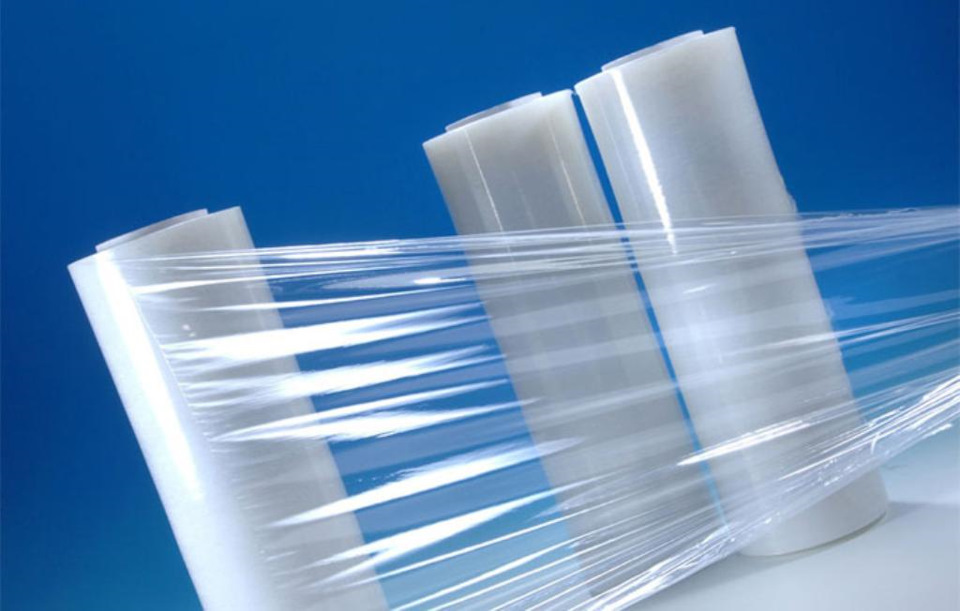
Small containers of water can be covered with regular plastic film.
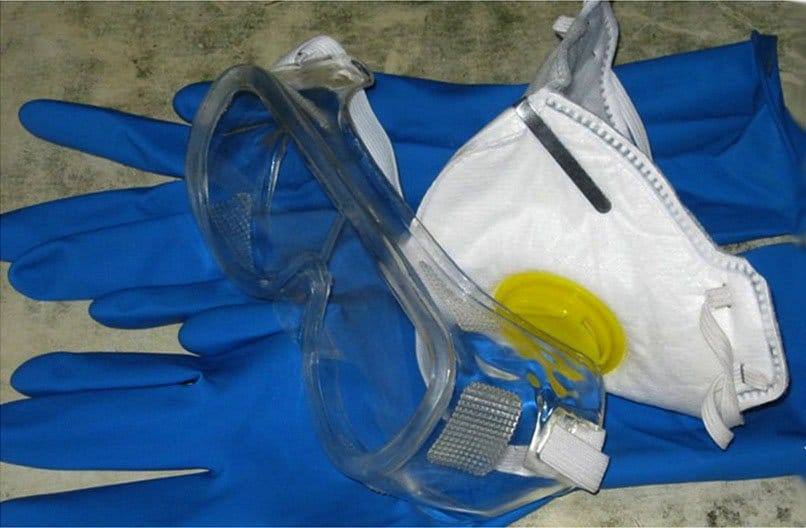
- Make sure you have protective equipment (respirator, gloves, rubber boots, hat, gown, or raincoat). A regular raincoat with a hood can be used.
When spraying insecticides, it is important that the entire body area is protected from contact with toxic substances.
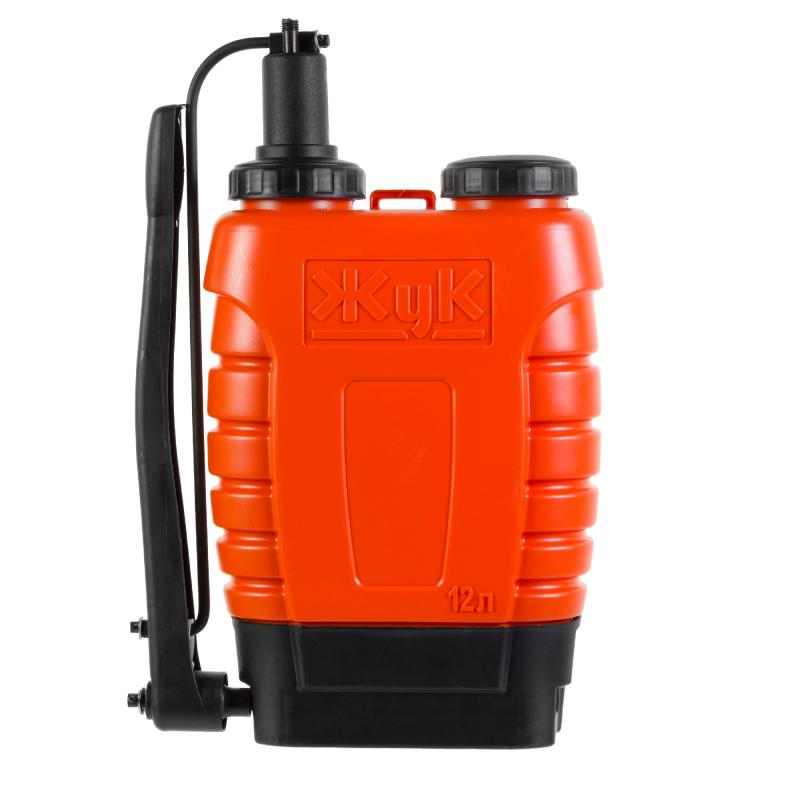
- Bring a sprayer. This could be a garden variety, gas-powered, or battery-powered (depending on the size of the plot).
It is better to select the sprayer capacity based on individual physical characteristics and the area of the site.
- Make sure you have enough room-temperature water to dilute the solution. If you're using water from a nearby body of water, it's best to filter it or let it settle.
Please note: It's important to remember that picking berries or mushrooms from the treated area will be prohibited for 20 to 40 days (depending on the product used).
It's best to prepare the mosquito repellent solution immediately before use, as its shelf life typically doesn't exceed 12 hours. When preparing the solution, carefully follow the instructions and adhere to the dosage.
Please note that some preparations are designed to treat an area in two stages: destroying the larvae and then the adult insects.
It is better to start the procedure with the buildings located on the territory.
Doors, windows, and vents in living spaces should be tightly closed. It's best to spray around the perimeter of the garden, avoiding shoots and buds to avoid damaging future fruits and flowers.
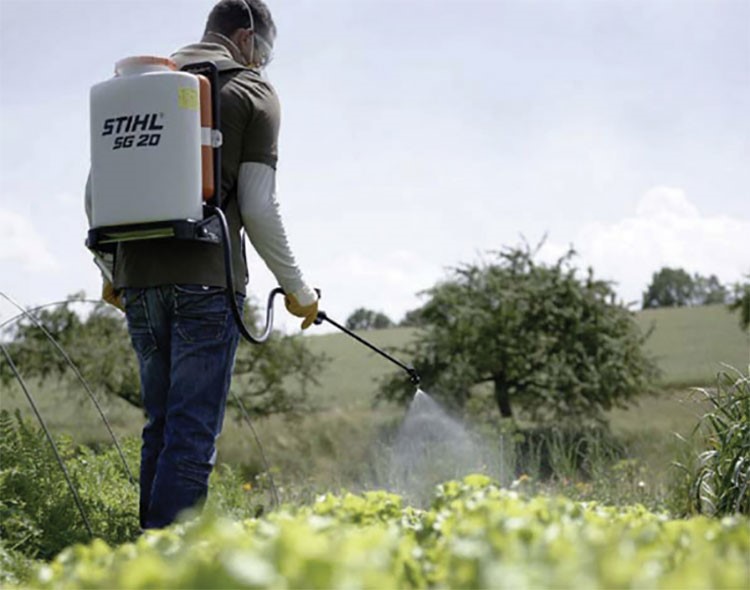
An insecticide against mosquitoes and their larvae can disrupt the normal development of young plant shoots.
Female mosquitoes usually lay eggs in damp and shaded places, so products against clutches and larvae should be sprayed near sources of moisture (drains, taps, sewers), in basements and all kinds of cracks and crevices.
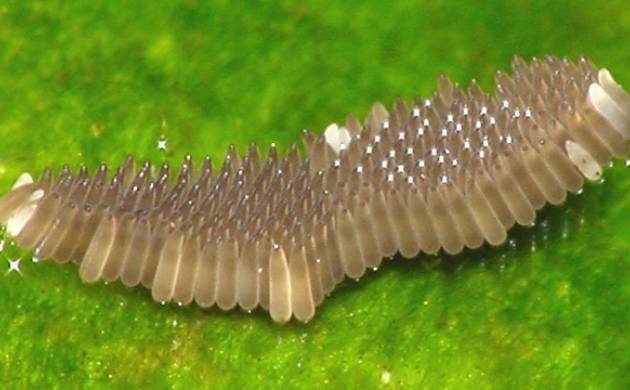
Mosquito eggs can be found in any damp and dark place.
Treatment will also require targeting areas where adult bloodsuckers congregate. This is the simplest step of the entire procedure.
It's important to remember that most mosquito repellents are also toxic to bees. If there's an apiary nearby, restrict the flight of these beneficial insects for the time period specified in the instructions.
After finishing treating the area for mosquitoes, remember to change the water in open containers to prevent insecticide residue from poisoning animals.
Folk remedies for mosquito control
Traditional mosquito control methods don't involve completely eradicating the insects from your entire garden. These are gentle measures aimed primarily at repelling the bloodsuckers. At the same time, folk methods are safe for humans and their four-legged friends.
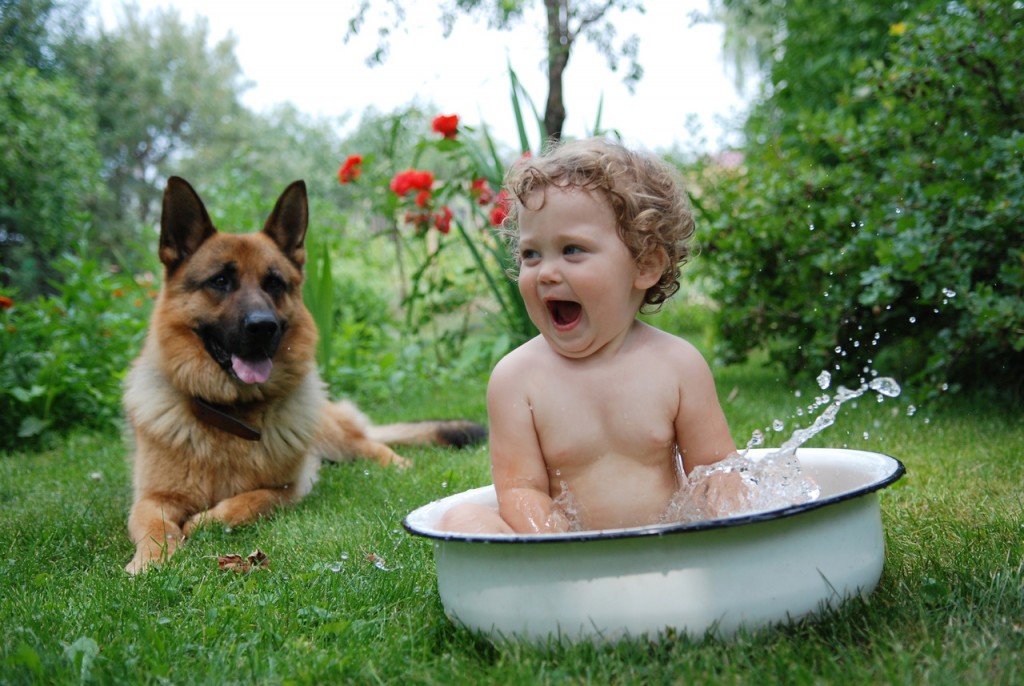
The issue of holiday safety becomes especially relevant if children and pets come to the dacha
Most folk remedies rely on mosquitoes' intolerance to strong odors. Therefore, our goal is to diffuse strong aromas throughout the area using available means.
Treatment with essential oils
Flying bloodsuckers cannot stand the smells:
- lavender;
In addition to being a repellent, lavender scent also has a calming effect.
- thyme;
The thyme plant has another popular and no less well-known name - thyme
- eucalyptus;
Despite their distinct pine scent, eucalyptus trees belong to the myrtle family.
- tea tree;
Tea tree essential oils are widely known for their medicinal properties.
- carnations;
Due to the high content of eugenol, the essential oil has an antiseptic and analgesic effect.
- basil;
Basil essential oil can not only repel mosquitoes, but also lift your mood.
- anise.
Anise essential oil can stimulate intellectual activity.

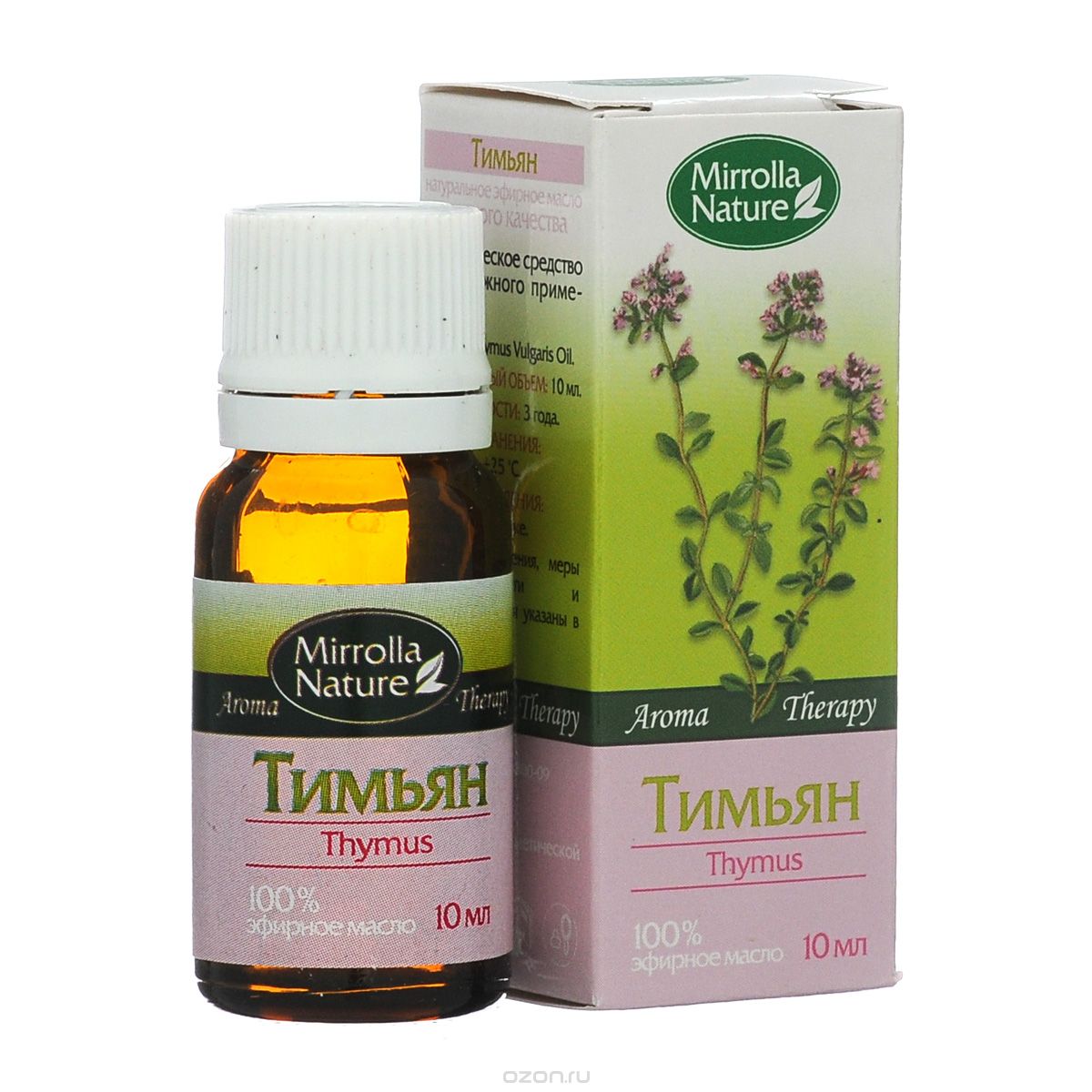
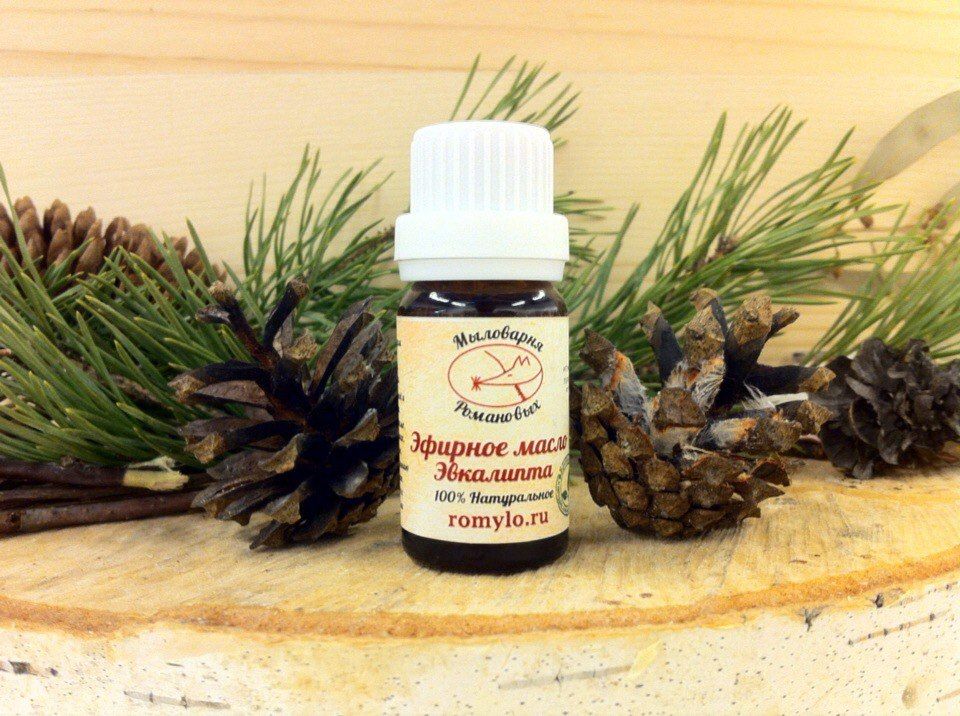
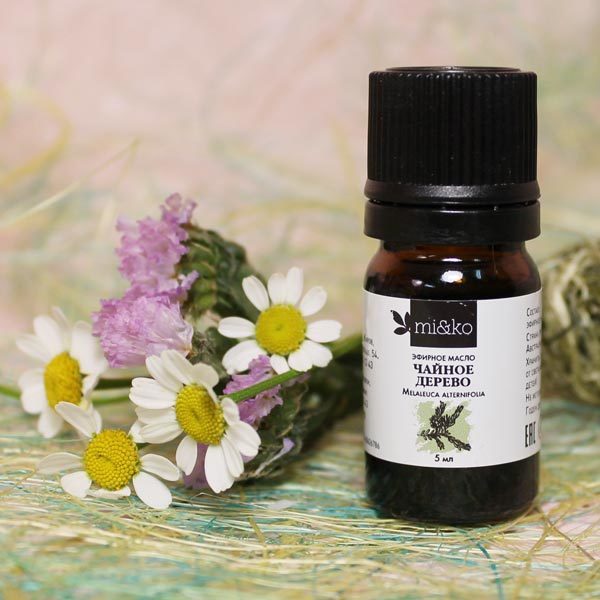


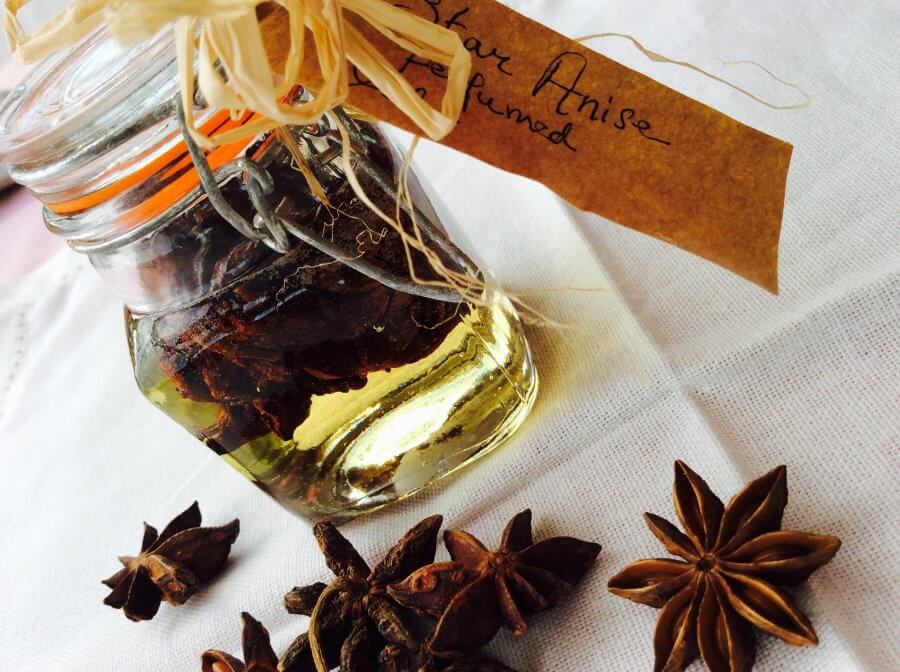
To get rid of mosquitoes using essential oils, simply place aroma lamps (homemade ones are fine) around your property at a distance of approximately 3-5 meters from each other and select the scent that suits you best.

An aroma lamp can be a wonderful decorative element.
You are guaranteed to be free of bloodsuckers while the aroma lamp is operating.
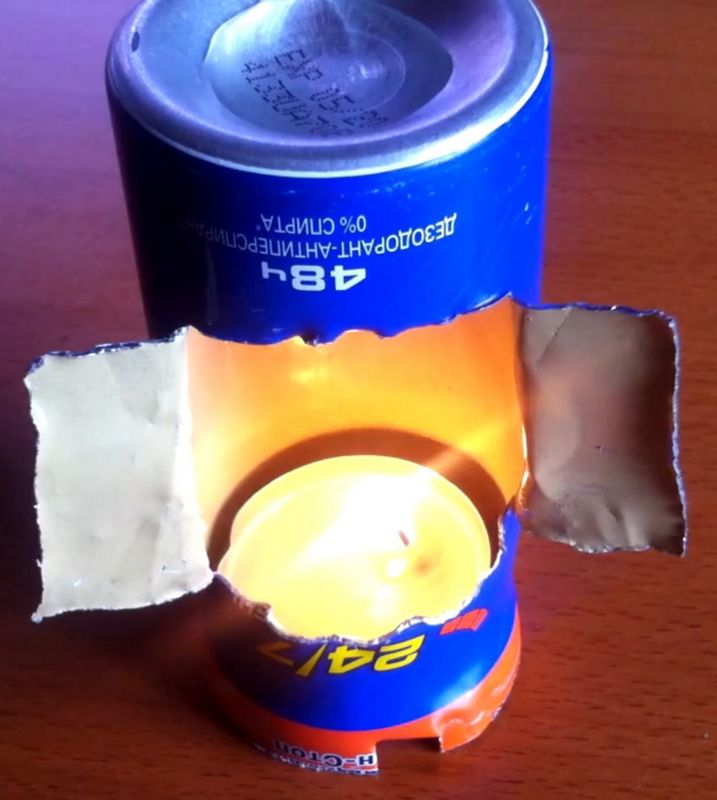
You can make your own aroma lamps for your plot using materials at hand.
The second method of mosquito control using essential oils involves treating the surfaces of a veranda or gazebo where you enjoy relaxing outdoors. Wipe patio furniture, house walls, or structural posts with a cloth soaked in these concentrates. As long as the scent lingers, mosquitoes will be repellent.
Plants and herbs on the site
The following have a pungent odor that repels flying bloodsuckers:
- rosemary;
It is better to plant rosemary on the south or east side of the plot.
- mint;
When planting mint in your garden, keep in mind that it grows quite quickly.
- calendula;
Many gardeners like calendula for its ease of cultivation and ability to withstand frost.
- marigold;
Another good thing about marigolds is that even a novice gardener can grow them.
- sage;
Experienced gardeners recommend planting sage on the sunny side of the plot.
- tomatoes;
Experienced gardeners know that mosquitoes don't fly over tomato beds (and many other insects avoid the leaves of this plant, which have a pungent odor).
- sagebrush;
Some varieties of wormwood are used for landscaping, while others are considered weeds and are ruthlessly weeded out.
- tansy;
Any type of soil, even with low fertility, is suitable for growing tansy.
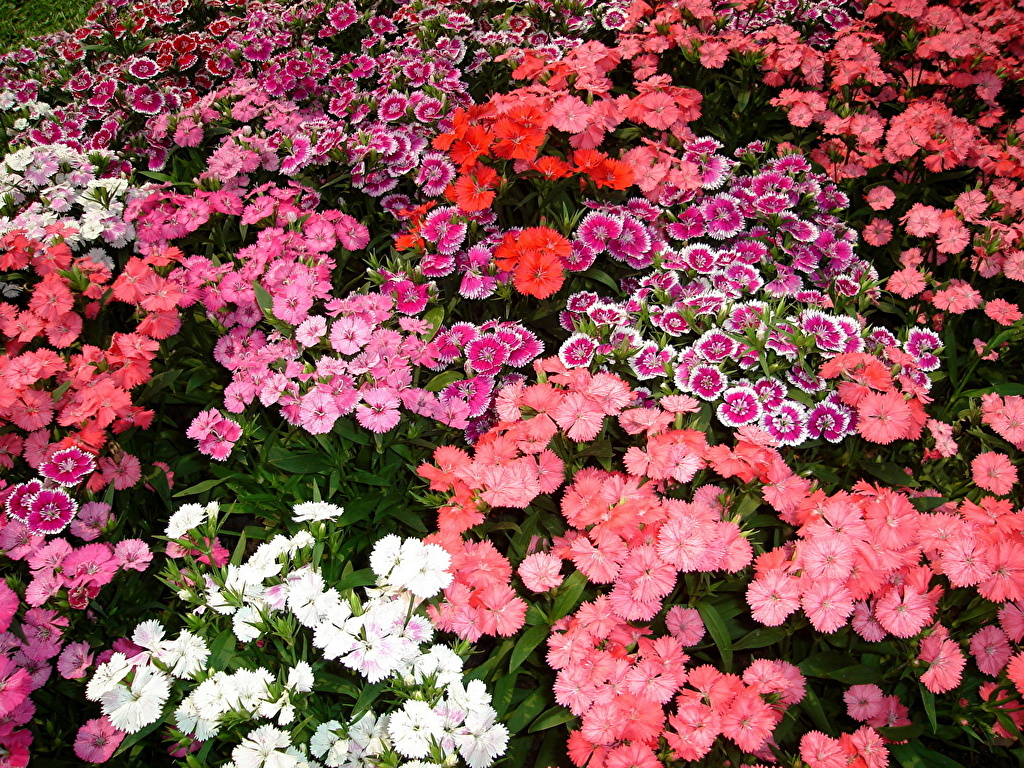
- carnation;
The beauty and variety of flowers have long made carnations a welcome guest in any garden.
- geranium;
Many people are more accustomed to seeing geraniums in a flower pot on a windowsill, but these flowers also grow well in open ground.
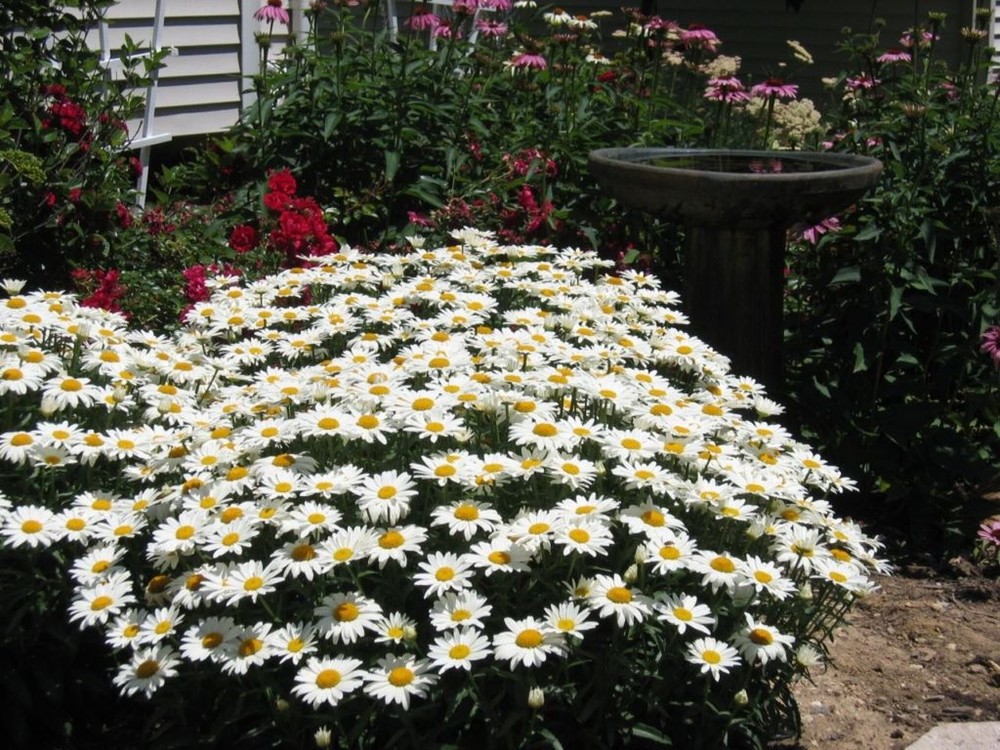
- chamomile;
When growing chamomile in your garden, keep in mind that this flower does not tolerate proximity to groundwater.
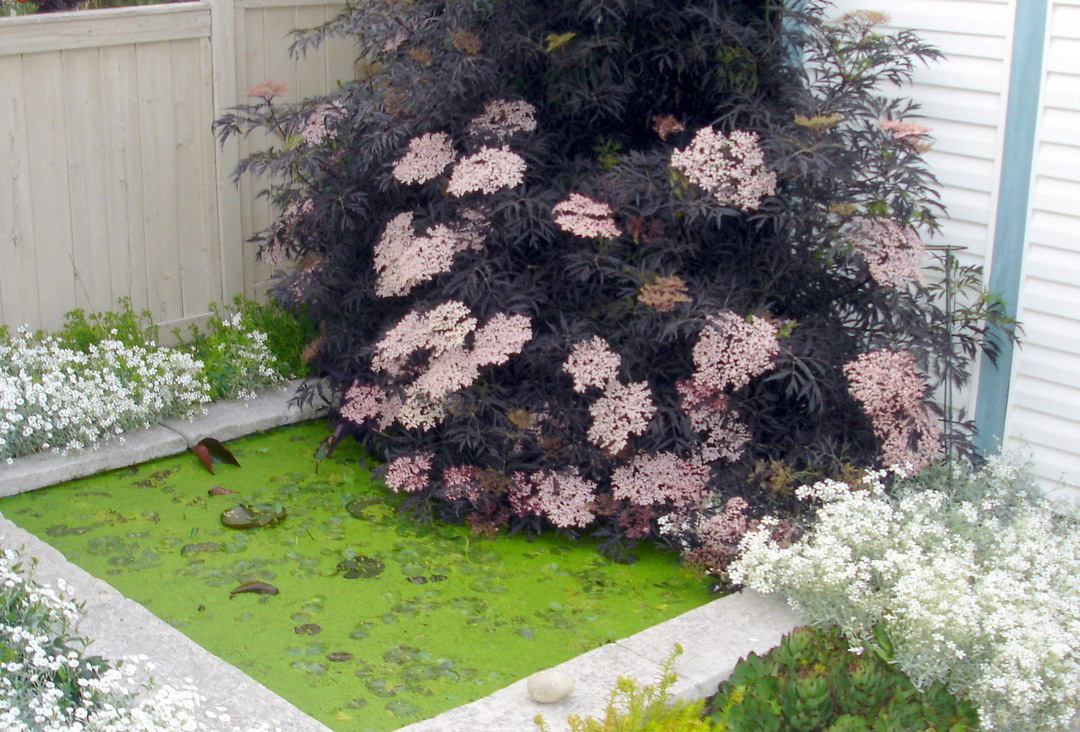
- elder.
Elderberry grows best in loamy soil with low acidity.
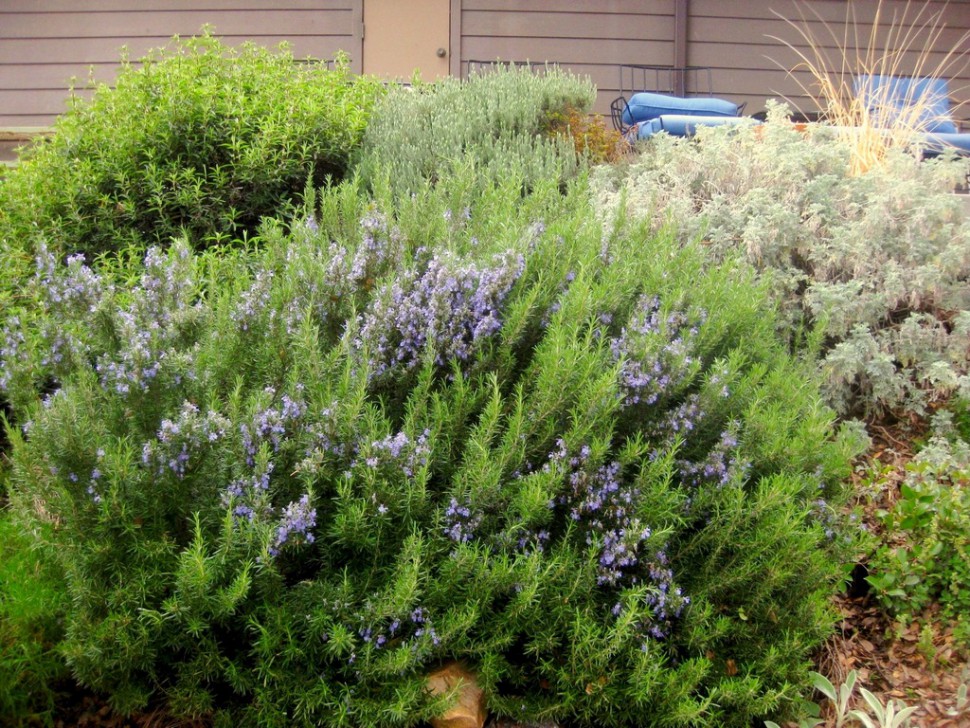


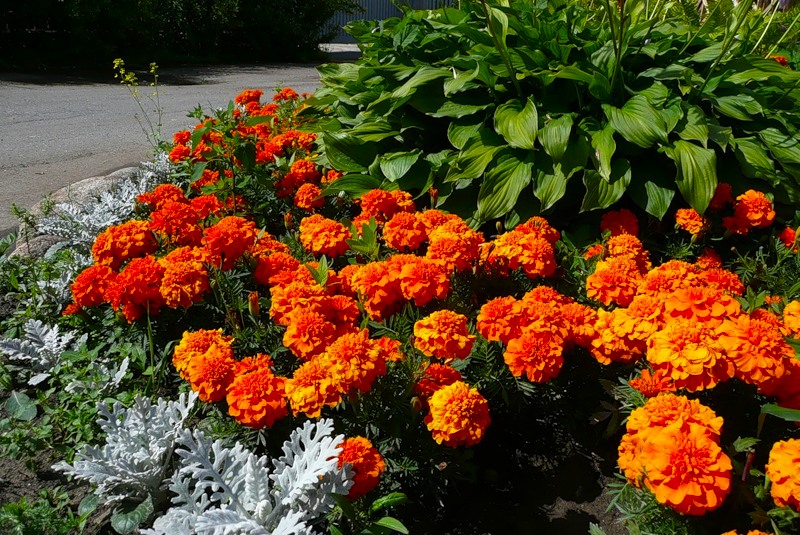
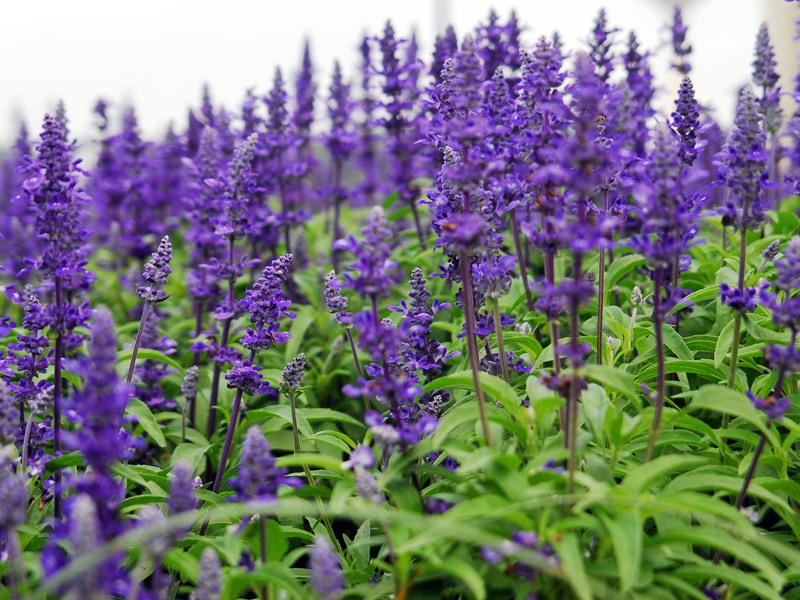

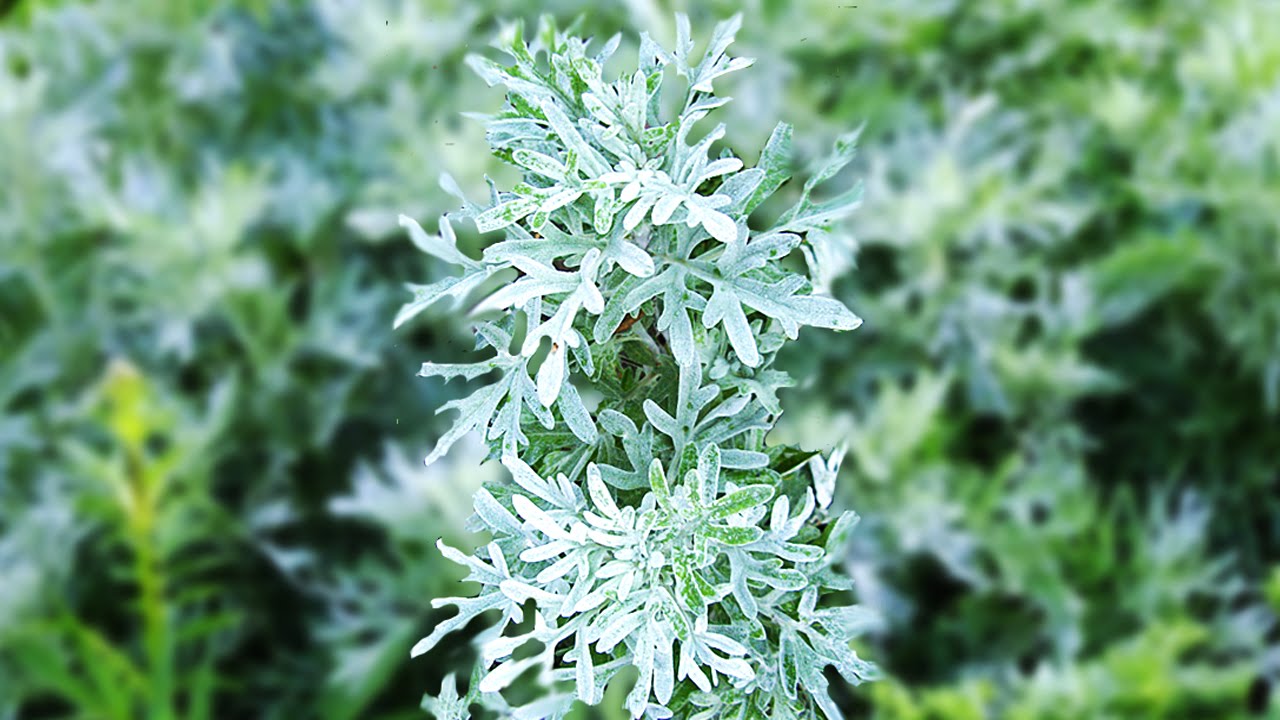
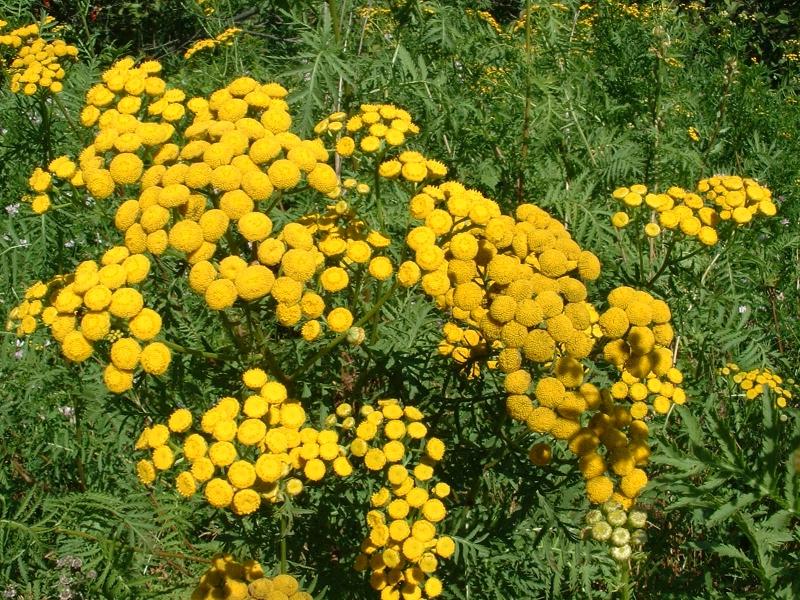

By planting these plants around your garden, you'll create a living shield against mosquitoes in the form of a lingering aroma. To enhance the effect, experienced gardeners recommend occasionally crushing or squeezing the leaves to intensify the scent.
The effectiveness of smoke from a fire
It's believed that smoke from a campfire is one of the most reliable and effective means of repelling mosquitoes. Experience shows that this belief is not entirely accurate: some modern bloodsuckers have developed resistance to this method of protection. Smoke, however, doesn't repel other insects for long.
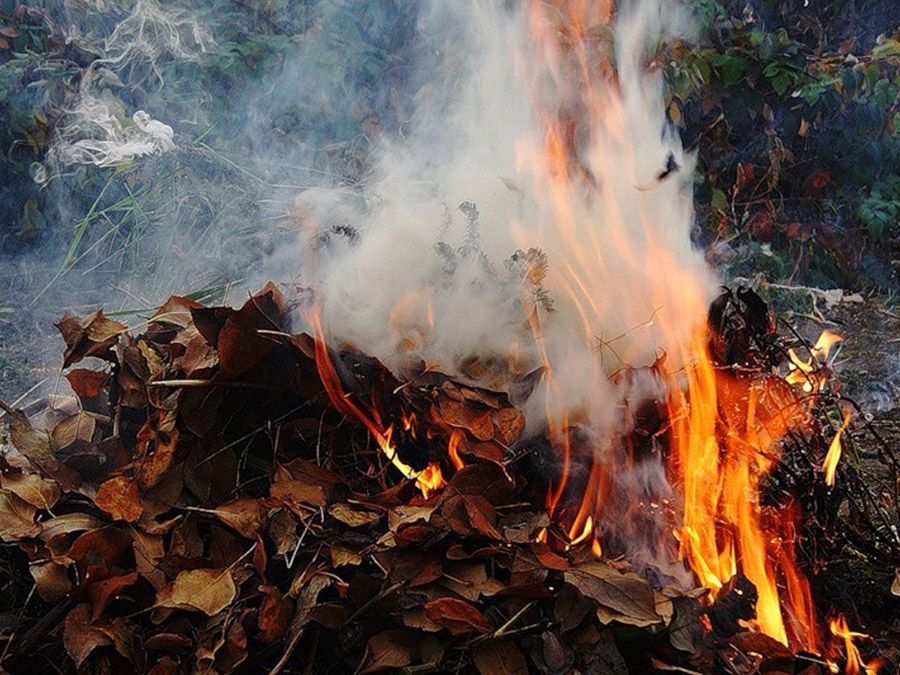
It is important to remember that repelling mosquitoes with smoke from an open fire is unsafe.
If your goal is to cook some shashlik and leave quickly, the smoke from the fire may be enough to allow you to retreat from the campsite with minimal damage to your skin.

Some mosquito-repellent plants can add a pleasant twist to the taste of shish kebab.
There are safe ways to enhance the smoke screen effect:
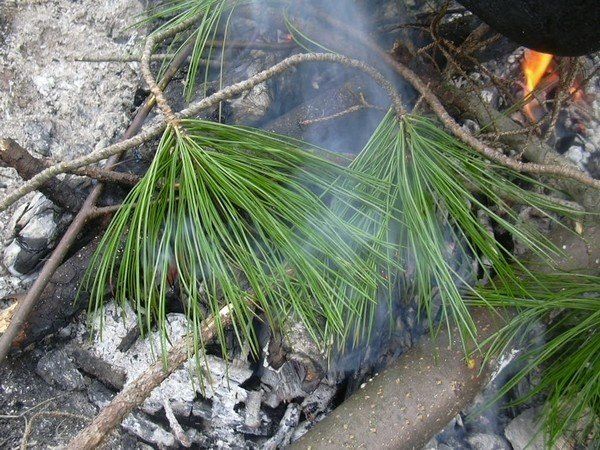
- Spruce or pine branches.
Throwing a few pine branches into the fire will enhance the mosquito-repellent aroma.
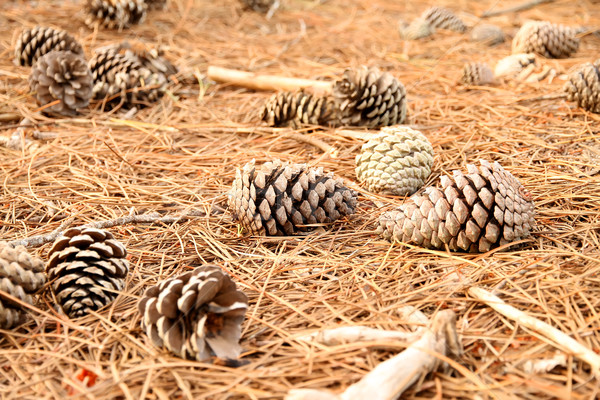
- Cones. It doesn't matter if they're spruce or pine—they contain substances that mosquitoes can't stand.
If there are coniferous trees nearby, there will be no shortage of mosquito repellents.
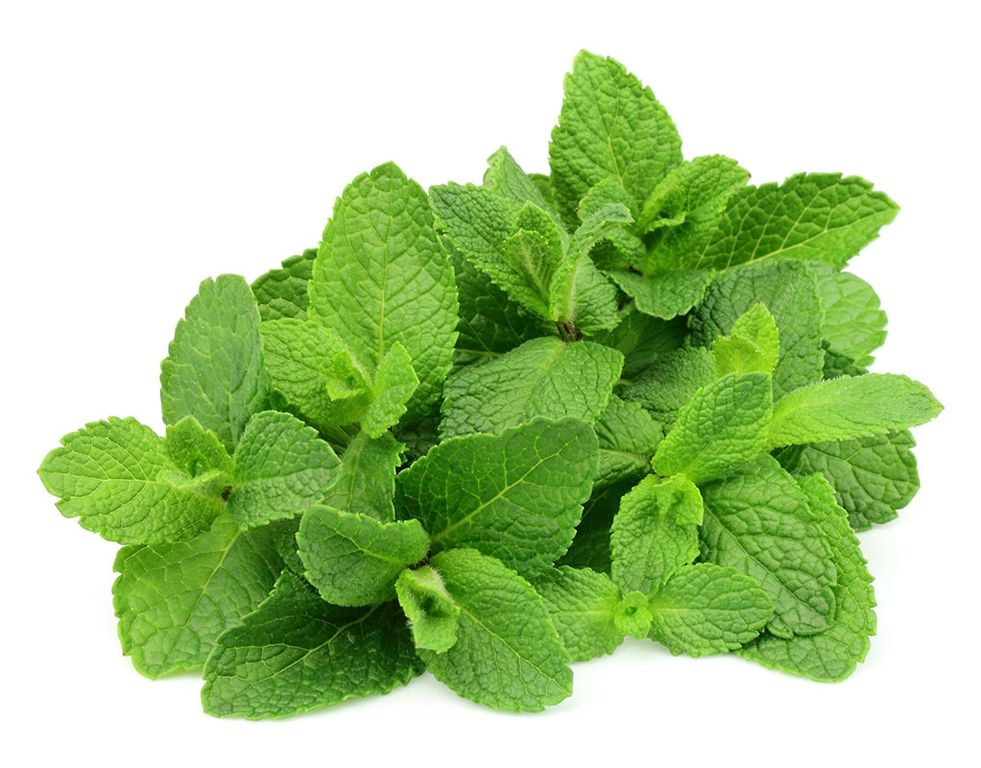
- Herbs with a pungent aroma. Wormwood, thyme, mint, bird cherry or elderberry leaves—anything that grows near the resting place can be added to the fire to make the smoke unbearable for mosquitoes.
To enhance the aroma, you can add both fresh and dried herbs to the fire - one or two handfuls are enough
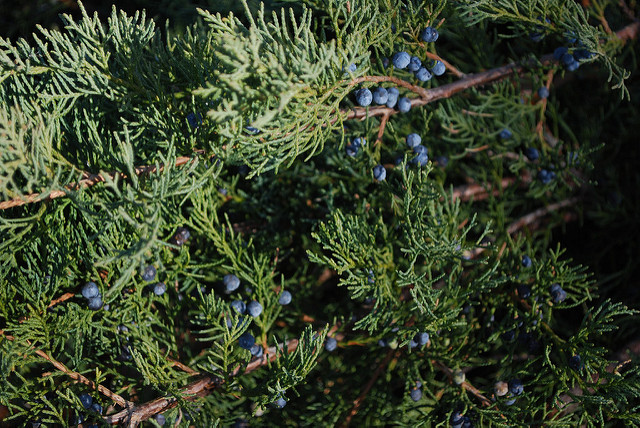
- Juniper. Experts recommend using dried twigs for a thicker, richer smoke.
In ancient times, juniper smoke was believed to have healing properties, and sick people were fumigated with it.
When building a fire on your property, it's important to remember safety rules. Whenever possible, use barbecues and other means to contain open flames.
Mosquito traps
In an effort to save money, experienced gardeners make their own mosquito traps. These devices work by attracting insects with pleasant odors. At home, you can make a trap from an ordinary plastic bottle or craft an analogue of store-bought sticky tape.
To create the first type of design, you will need a plastic bottle with a capacity of 1.5–2.0 liters, scissors or a knife, and bait (to prepare it, you need to mix 1 gram of dry yeast with 2–3 tablespoons of sugar and a glass of warm water).
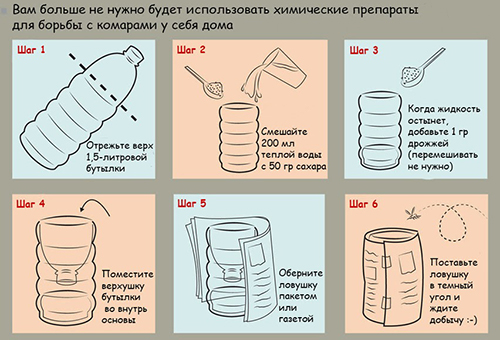
This homemade bottle trap is completely safe for people and pets.
Next, you should cut off the top of the plastic container about three-quarters from the bottom, then fill it with water with sugar dissolved in it and add yeast.
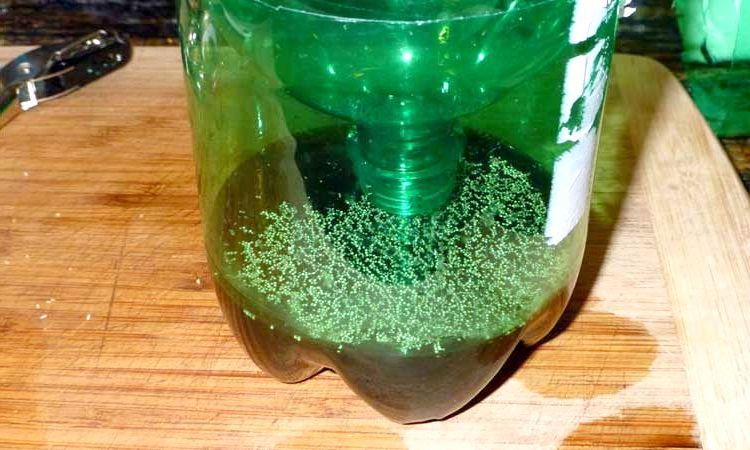
Making a homemade mosquito trap will not require any money or serious effort.
After adding the yeast, there is no need to stir the bait. Insert the top part with the neck down and place it in a dark place. For additional darkness, you can wrap the bottle in paper.
Note: Judging by some reviews, this type of trap is not attractive to all mosquito populations, so if you're making one for the first time, it's a good idea to try this method first in the absence of family members allergic to insect bites.
To make the masking tape, you'll need a strip of paper and some sticky bait. If you have some window covering paper lying around, that works great. If not, you can cut your own.
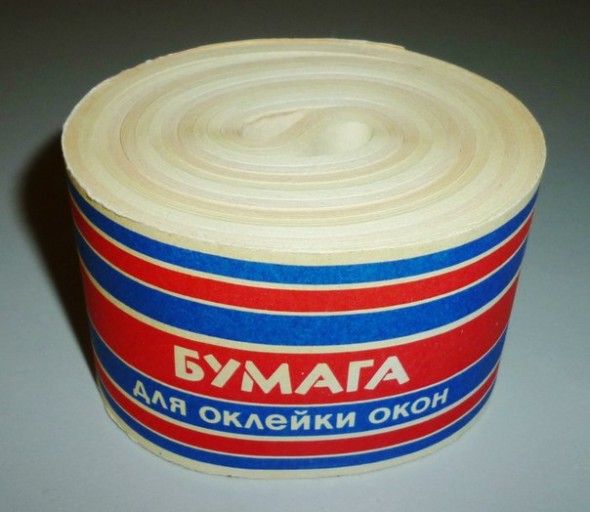
The paper must be thick enough to withstand the warm glue bait treatment.
Depending on the materials at hand, the bait can be made using the following recipes:
- Combine four parts rosin, two parts castor oil and one part each of turpentine and sugar syrup.
- Mix pine resin with linseed oil in a 2:1 ratio and add honey and beeswax in a 5:1 ratio. A tablespoon of the honey mixture is enough for a glass of resin and oil.
- Combine two tablespoons of glycerin, half a glass of honey, a glass of petroleum jelly and 0.4 kg of rosin.
All ingredients are melted in a water bath, mixed thoroughly and applied to the tape.
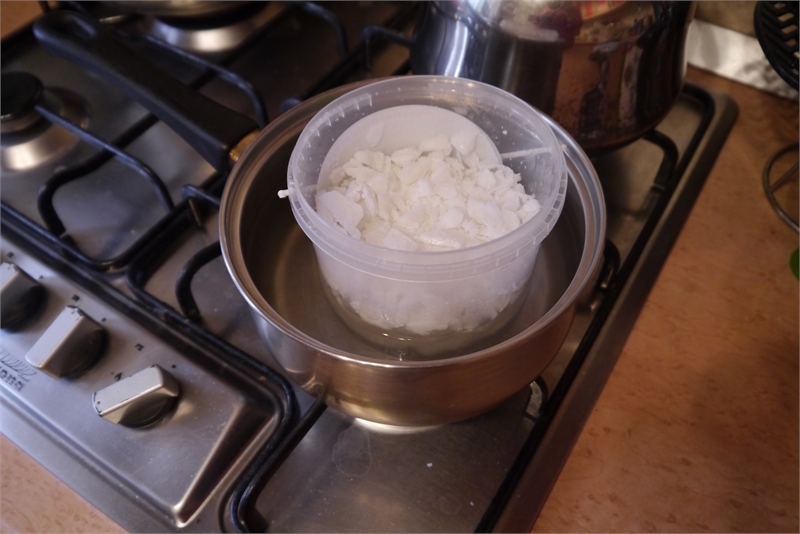
A water bath at home can easily be made from two containers of different diameters.
Sticky tape traps can be hung on the veranda or attached to trees in recreation areas.
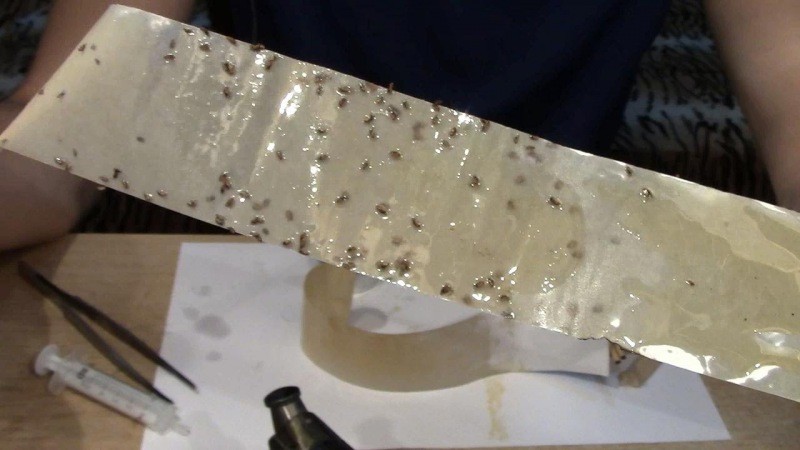
You can secure homemade sticky tape with scotch tape, or you can make a sleeve out of cardboard or a piece of wood and attach the sticky paper with a thread.
Note: It's worth keeping in mind that homemade traps don't provide a lasting effect or a complete guarantee against bites, but they can reduce mosquito populations.
Video: Folk remedies for insect repellents
Photo gallery: measures to prevent mosquitoes in your garden
-
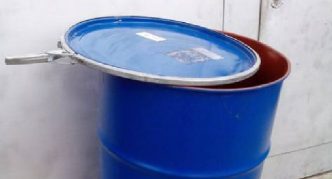
- Water containers on the site must be tightly closed (it must be changed at least once a week)
-
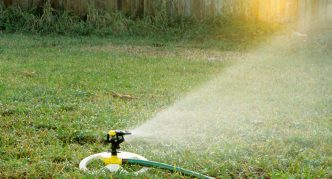
- When watering, do not over-water the soil and allow puddles to form.
-

- Avoid allowing excessively lush vegetation and weeds to grow on the site.
Reviews
Fox & Co. insecticide "Cifox" is a good product, but it doesn't work for long.
Benefits: Kills mosquitoes and larvae; helps control other insects; relatively harmless when used correctly.
Disadvantages: Some may find the price high.
This year, we were plagued by a plague of blood-sucking insects, which attack in swarms, trying to bite through even thick denim. What caused this misfortune remains anyone's guess: early spring, heavy rainfall, late winter... It doesn't really matter. Since we had no desire to put up with more bites, we decided to buy Cyfox, which contains cypermethrin. We diluted it according to the instructions, namely 1 ml of liquid per 2.5 liters of water. We treated the area around the house and the entire garden. The mosquito population decreased slightly, which was great news. This happiness was short-lived, as rain fell and the bloodsuckers began to appear again. As an experiment, we increased the concentration and applied it again. This time, the effect was better!!! We bought Cyfox, a mosquito and other insect repellent, at a reasonable price, so we'll be using it periodically throughout the summer, as other remedies are significantly more expensive. Of course, it doesn’t completely eliminate all mosquitoes from the area, but at least there are fewer of them!
Insecticidal product Fox and Co. "Tsifoks" - The product is worthless
Pros: No pros
Disadvantages: does not work on mosquitoes and other flying creatures, it seems like there are even more of them!
I bought a mosquito repellent called Cifox for my garden plot. It had zero effect. I sprayed it twice, two weeks apart, with an increased dosage. It's not worth the money I paid. Overall, it's a rubbish product.
Fox & Co. insecticide "Cifox" - Mosquito Death
Advantages: gets rid of mosquitoes
Disadvantages: none
With the arrival of summer, blood-sucking insects appear, preventing people from going outside. Cyfox helps combat them. We use it to treat our yard, sheds, and other household items. The numbers have definitely decreased. In enclosed spaces (garages, sheds), mosquitoes are a thing of the past. They won't even visit our open verandas. The only thing to keep in mind is that if it rains after spraying, the product's effectiveness will be negated. Wear gloves when applying the product. It's toxic, even though it's for insects. We only buy Cyfox for mosquito control, so I can't comment on its effectiveness on other insects. It costs 220 rubles. The bottle is small, but it lasts a long time.
Medilis-Ziper Insect Repellent – Mosquito-Free Vacations
Advantages: Protection from mosquitoes even in open areas
Disadvantages: Odor during processing.
This summer has been unusually mosquito-infested. It's impossible to walk around the dacha; mosquitoes attack instantly. Mosquitoes haven't bothered me much my whole life, but they've taken a liking to my eldest son. There's not a single spot left on my child; the area around the bites is swollen. He looks terrible, and he feels terrible, too. The bites are bothering him, and he's sleeping very poorly.
We decided to treat the entire area for mosquitoes. Word of mouth reached us about a miracle product sold at the Saratov Sanitary and Epidemiological Station. It's on the other side of town. Luckily, I'm pretty good at finding my way around. I found the building without any trouble and walked through the first door I came to, where, as it turned out, they sell insect repellents. They gave me a small jar called Medilis Ziper. It looks like it contains 10-15 ml. The product was made and packaged in February of this year. When I first bought it, they gave me two different bottles, one from last year. They exchanged them without any problem.
There are no instructions on the packaging; they come separately. But the seller's advice was more helpful: dilute the contents of the entire bottle in 10 liters of water (one bucket). Spray with a spray bottle. Safety precautions: I applied the product in full protective gear: jeans, a long-sleeved shirt, closed-toe shoes, and gloves. As advised, I also put on a mask. There is a smell, but I expected more.
I found the smell to be less pungent than that of Lacra PF enamel (well, maybe it will help someone else). The mask did come in handy. As the seller claimed, one bottle is enough for 400 square meters. I have 1000 square meters, and one bucket was too much. I sprayed the most common areas several times, as I didn't plan on leaving the liquid in the bucket. For 1000 square meters, 4-5 liters is enough. Keep in mind: this product should not be sprayed on berries or vegetables. If the product gets on anything edible, it will be safe to eat 45 days after treatment. The result: no mosquitoes on the property! Hooray! The children are playing peacefully outside and enjoying life. The result met expectations. By the way, this product is also used against ticks and other insects. I can confidently say that it is not effective against wasps. The price of one bottle is 171 rubles. The effectiveness is estimated at 1-1.5 months. I consider it inexpensive. I definitely recommend Medilis Zipper. Have a nice rest.
Medilis-Ziper Insect Killer - It's good that such a product has appeared
Pros: The product is expensive, but your health is more valuable.
Disadvantages: none Good afternoon everyone.
Last year, my sister bought a garden plot. Where do garden plots in the Urals live? Almost all of them are located in the woods. Their plot, in particular, is located so that beyond the fence there's a forest—not a forest plantation, but a dense, beautiful forest. And in the forest, there are ticks and mosquitoes. I'm terrified of ticks myself, and I don't go into the forest without treating my clothes with tick repellent, so I convinced her to treat the plot. After all, the kids come to their garden. The salesperson at the gardening store recommended this product. It's a bit pricey, of course, but the area we're treating is quite large. When the neighbors found out we were treating it, they immediately contributed money, and we treated several plots at once.
It was more reliable that way. After treating the areas, we had no tick encounters, and there weren't as many mosquitoes as last summer. We did the math and decided that even if we didn't split the cost among the neighbors, but just for ourselves, 600 rubles wasn't that much money to be much more secure in knowing you wouldn't get bitten. After reading the instructions, I saw that it also gets rid of cockroaches and bedbugs, as well as house ants. So, it's a fairly broad-spectrum product.
Medilis-Ziper insecticide – 500 rubles for a bug-free vacation?
Advantages: Effect
Disadvantages: It is still poison.
The long-awaited summer has arrived, bringing with it those pesky mosquitoes and midges. Quite by chance, I learned from relatives who live in a private house outside the city about a product that helps fight the insects. It's called "Medilis-Zipper." After finding out where they bought it, we went there, but the store told us they were sold out before they even reached the counter. My husband, however, drove around town looking for it and finally found it in a dacha store. We went to the countryside for two weeks, and there were plenty of mosquitoes there, and midges swarming in the evenings, so we used the Medilis-Zipper we'd bought.
The box contains instructions, which we studied. It includes a table for application, detailing the amount of product and water needed for specific insect species. After diluting the solution according to the instructions, my husband sprayed the area around the yard, especially where the children play (although it's not recommended for playgrounds, I think it's just as good if we spray them with mosquito repellent and it gets on their clothes and skin). We used the same sprayer we use for apple trees. I also sprayed the grass and the walls of buildings. It's best to apply the spray in the evening and in calm weather.
It's best if there's no precipitation for the next three days, but don't forget about protective measures. It's not recommended to spray areas under agricultural crops. So, what was the result? Was there any? First things first... The next day, we woke up and went outside (in the summer, in the countryside, you can practically live outside). The mosquitoes were flying around, and there were just as many of them, but they were flying around like they were drunk and didn't pay any attention to us. A day after spraying, the "drunk" mosquitoes were gone. They just flew by a few times or circled around but didn't try to bite. Only in the evening did they appear in greater numbers, then one or two could bite. However, as soon as you leave the fence, there were swarms of mosquitoes that immediately swarmed you.
The Medilis-Cyper product was effective for about 14 days, but we were unlucky enough to have had a lot of rain, which likely contributed to this. There was still a result after the 14th day, though not as good as expected. The manufacturer generally states that the product lasts on grass for 1–1.5 months. Incidentally, relatives said that repeated applications will yield better and longer-lasting results, and we'll be heading back to the countryside soon to test it out. I'll give Medilis-Cyper a 5 star rating, as we had a wonderful vacation, even though the product isn't safe for humans. It costs 495 rubles for 100 ml. I definitely recommend Medilis-Cyper, especially for those who live in their own house or spend a lot of time at their dacha.
I tried yeast bottles this weekend. They didn't work. Within 24 hours, each of the two 1.5-liter bottles contained about a dozen gnats and a couple of mosquitoes. I could fill that amount by hand in five minutes.
We live near a river. Mosquitoes were a real nuisance until I started regularly mowing the entire property with a lawn mower and keeping the grass looking like a lawn. We always empty the water from the watering cans a few times a month and wash them with potassium permanganate. We wash the cans to prevent blooms and, at the same time, to keep mosquitoes away. Of course, mosquitoes do come, but in very small numbers. We've had a significant break from them and have become more relaxed, but we only get a few bites a season.
We have a dacha in the Shatursky district. Anyone who knows what mosquitoes and midges are like there will understand. The best way to get rid of them is to mow the lawn when it grows too fast, and ask your neighbors to do the same. Another very helpful remedy is ordinary vanilla (the kind used in baking) dissolved in water; we apply it to our grandchildren. I'm deliberately not mentioning the various advertised insecticides, although they are also effective.
If you throw a handful of wormwood on the coals of the grill after cooking shashlik, the mosquitoes will go away. We tested this ourselves yesterday. Smoke was drifting across our property and the neighbors'. The mosquitoes buzzed angrily at the edge of the smoke; a few tried to fly up, but they had no appetite. Tansy had no such effect.
I'd like to share my experience. Our dacha is located near a pond, a very convenient location, but it also comes with the risk of mosquitoes constantly being present. However, my wife planted tansy, elderberry, lavender, and thyme throughout the property. I wouldn't say the mosquitoes have completely disappeared, but we have significantly fewer of them on our property than our neighbors, and the scent is very pleasant when the sun is shining.
On one side of our property is a river (3-4 m wide), on the other is a ditch (the same width). Where they meet, beavers have created a swamp, and about 30 meters away is a lake. 🙂 A few years ago, there were tons of mosquitoes during the season. 🙂 And lots of other critters: horseflies, gadflies, biting flies, marsh midges, ticks... They would literally land on you in several layers. People! Don't waste your money and energy on candles, creams, etc., they're used for hiking. 🙂 And it's unsafe. Nothing helps better than professional products (this is not an advertisement, because I don't write what, where, and how). Those used by companies that treat summer camps, sanatoriums, kindergarten grounds, recreation areas, etc., etc.
Calling out pest control is, frankly, expensive. Five years ago, it cost about 3,000 rubles for a one-time treatment in our area. You have to do it several times a season (at least five), or the mosquitoes will still be there. So, I bought this chemical (and have been buying it for about five years now). I spray it with a garden sprayer about every two weeks since the beginning of May. I also go around the perimeter of these ditches myself, and I also treat the opposite bank. Basically, the problem went away. This year, my child hasn't been bitten by any mosquitoes yet. Knock on wood.
As the warm season approaches, the question of how to combat these flying bloodsuckers becomes increasingly important. After familiarizing yourself with the basic methods for ridding your garden of mosquitoes, you can choose the right one (taking into account the specific characteristics of your specific area). All you have to do is use it and relax, knowing that those annoying squeaks and itchy bites will no longer bother you.