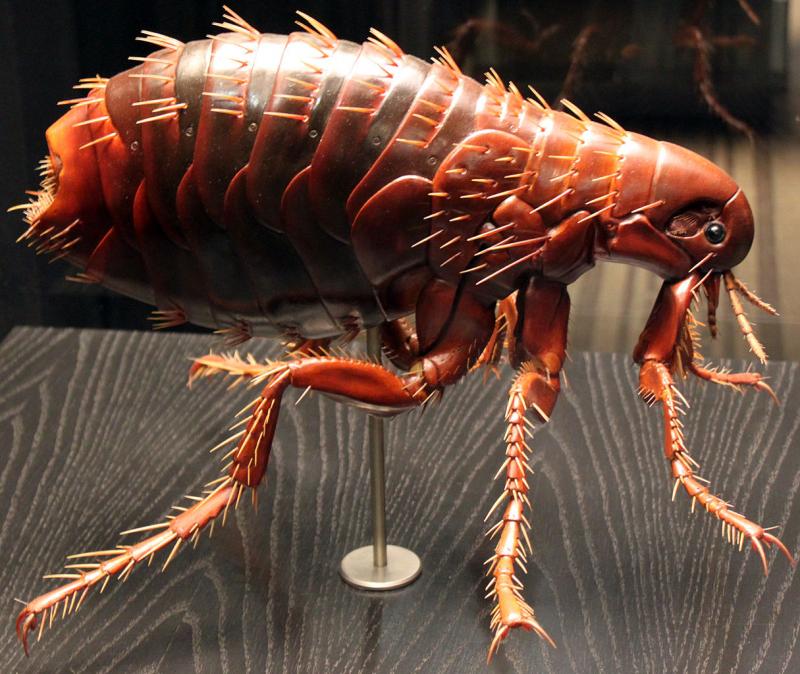
In addition to mosquitoes, ticks, and bedbugs, fleas are a frequent nuisance. Despite their small size, their bites not only cause pain and allergic reactions, but can also be very dangerous, as they carry various infectious diseases and even some types of helminths. How can you protect yourself and your loved ones from this scourge? What measures are available to protect yourself from parasites?
Content
Fleas and their types
Although science knows more than 2,000 species of fleas, only about 500 of them pose a potential bite hazard. The most well-known and commonly encountered include:
- human flea;
- flea beetle;
- dog flea;
- cat flea;
- rat flea;
- rabbit flea.
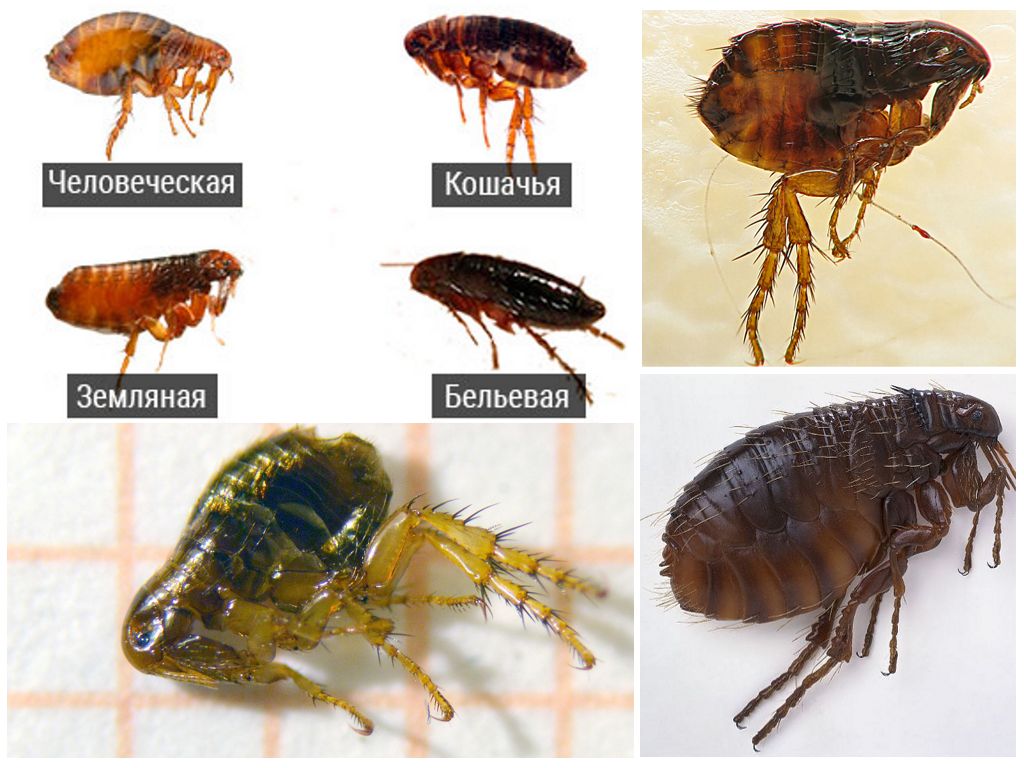
The exact species of flea can only be determined under a microscope.
One of the most dangerous parasites is the sand flea. The female burrows into human skin, and after a while, a large number of eggs begin to form within her body. The insect grows in size, and a severe abscess develops at the site of the infection. Delayed medical attention or the hope that the abscess will resolve without medical intervention can lead to amputation.
It is very difficult to determine what type of insect has bitten you, as they are all very small in size. However, the symptoms of bites from all parasites of this family are very similar.
The main symptoms of a bite
A flea bite is accompanied by severe pain. This is because this insect, unlike bedbugs and ticks, does not contain an anesthetic component in its saliva. Almost immediately after the parasite comes into contact with the skin, redness and swelling appear at the site of the bite, accompanied by pain. Severe itching and a desire to scratch the affected area appear. The legs, from the ankles to the knees, are most often attacked by the insects, but sometimes these little vampires reach other parts of the body. Fleas can bite single or multiple times in a row, leaving a series of wounds spaced 1–2 centimeters apart.
The human body can react to flea bites in different ways. For some, the itching and redness subside within a few hours of exposure, while for others, skin reactions can persist for two or more days, accompanied by prolonged redness and significant hardening.
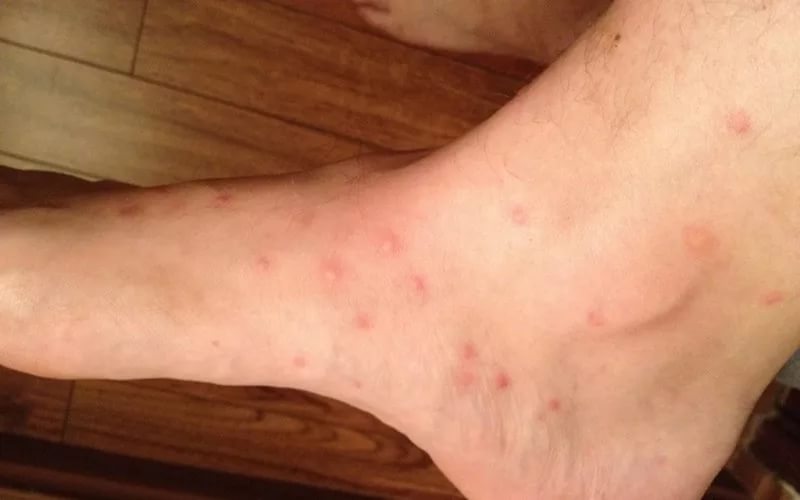
The areas of skin most often affected by flea bites are on the ankles.
It's commonly believed that fleas only attack those with delicate skin. This isn't true. Their jaws are quite powerful and can penetrate any skin. People with less sensitivity and no allergies may simply not feel the insect's bite.
Children react more strongly to bites from blood-sucking parasites, as their skin is very delicate and their immune system is not yet fully developed.
Readers' reviews
It's very simple... They bite people of blue blood, i.e., those whose blood vessels and veins are located close to the skin. They usually bite the palms of the hands, arms, neck, and behind the ears, because the skin there is thinner. They won't penetrate thick skin. Fleas ate me and my son to death, but they don't bite my brother.
Oh, the horror!!!! We have fleas in our apartment, and it's not clear where they came from!!! We've never had and don't have pets!!! Where did this scourge come from?! A few days ago, I discovered strange bites on my legs and stomach! Large, red spots that are incredibly itchy! Naturally, I thought they were mosquitoes, but my mosquito bites are markedly different and usually go away in a day, whereas these spots have been there for three days now!!! And yesterday, I caught this nasty thing on my bed with my own hands!!! I shook out the whole bed, changed it, and today I found another flea on it!!! What should I do?!!! How can I get rid of this nasty thing??? We've lived in this apartment for so long, we've never had anything like this!!! The situation is made worse by the fact that we have a baby, and we can't really use any cleaning products here!
I also thought that fleas only bite animals, but it turns out they don't! It's such a small bite, but it itches like crazy! I already called the animal control center and told them everything I thought about them. They promised to come in a few days. I'm thinking about buying some flea shampoo and washing everything in the apartment with it. Oh my God, what a nightmare! I had a dog for 15 years and I've never had anything like this before! I'm just in shock!!!
Oh, fleas are a real thing. My mom has an infestation of them now. They've bitten everyone. And the antenatal clinic doesn't really want to treat them, because they disappear for a month at most, and it takes a ton of money and effort. They don't really like to eat animals, though. And a well-fed flea won't attack a person after eating a cat. So, I don't think there's any need to panic. At least, we don't even think about it.
Why are flea bites dangerous?
Besides temporary discomfort, flea bites can cause more serious harm to human health.
Microbes and bacteria
Even if there is unbearable itching, it is strictly forbidden to scratch flea bites. Scratching damaged areas introduces pathogenic bacteria into the body, causing the wounds to become inflamed and fester, and become even more painful.
Allergy
It's crucial to know and remember that flea bites can cause severe allergic reactions. Although children under 12 are most at risk, in some cases adults are also affected. The main symptoms of a flea bite allergy include:
- a noticeable increase in body temperature (up to 40 degrees);
- fever;
- difficulty breathing;
- the appearance of rashes on damaged areas of the skin;
- anxiety;
- intestinal disorder;
- vomit.
Caution! A flea bite can trigger anaphylactic shock! If you notice any of the signs of a severe allergic reaction after contact with a flea, call an ambulance as soon as possible.
Dermatitis and pulicosis
Flea bites can trigger the development of dermatitis, an inflammatory skin lesion. In this case:
- redness at the site of insect bites increases, thickens and swells;
- an increase in temperature and a feeling of heat in the damaged areas of the skin are observed;
- itching and burning do not subside;
- blisters and rash appear;
- the skin begins to peel.
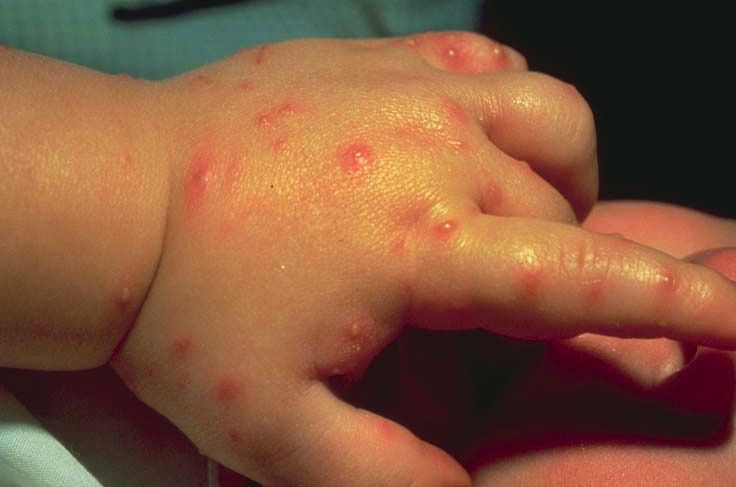
The development of dermatitis is accompanied by the appearance of blisters and peeling of the skin.
Another very serious and unpleasant consequence of flea bites can be pulicosis, a disease in which:
- the skin is affected in places where the parasites' jaws puncture;
- ulcers form on the mucous membranes of the mouth and throat;
- disturbances in the functioning of the central nervous system are observed.
The first sign of this disease may be an itchy rash accompanied by severe redness.
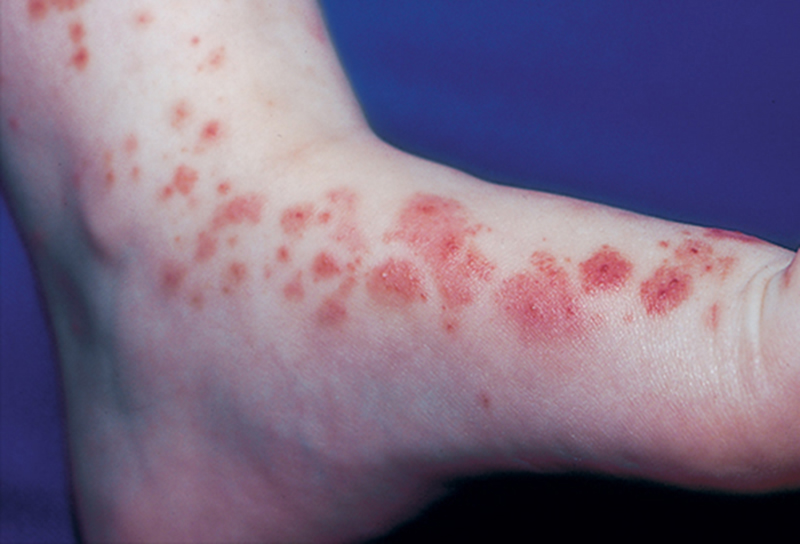
Severe redness at the site of flea bites may indicate the development of pulmonary disease.
Other diseases
In addition to allergic reactions, dermatitis and pulmonary disease, fleas can carry about 25 diseases. Some of these require lengthy hospital treatment and, in severe cases, can be fatal. Flea-borne diseases include the following:
- fungal infections;
- encephalitis;
- typhus;
- plague;
- anthrax;
- salmonellosis;
- tularemia;
- listeriosis;
- tapeworms.
If a person is bitten by fleas that infest pets, the risk of contracting any of the above is low. However, if the person is bitten by rat fleas, the chances of contracting the disease increase significantly, as these rodents are frequent visitors to potential sources of infection, such as garbage containers, sewer systems, and the like.
Treatment
First aid for flea bites involves disinfecting the damaged areas of skin and treating the wounds with antipruritic agents. Treatment options for flea bites depend on the victim's age, their body type, and the extent of the skin damage. If there is no fever or severe allergic reaction within a few hours of the bite, treatment can be done at home. The following can be used to treat flea bites:
- Antibacterial soap. Rinse the wound with cold water (or water at room temperature) and soap. When treating bites on children, choose a product that does not contain synthetic ingredients, which can cause irritation and worsen the situation.
- Hydrogen peroxide. Destroys pathogens and cleanses wounds of blood clots and pus. Suitable for children from the first days of life;
- Brilliant green solution. Disinfects and disinfects wounds. It's recommended to treat bites on small children with an aqueous solution of brilliant green, which can be ordered at a pharmacy.
- Iodine solution. Protects wounds from infection. For children's skin, use a solution with a concentration of no more than 5%, as higher concentrations can cause irritation and burns. For children under 1 year of age, use of this product is recommended only if no other solution is available. Apply the weak iodine solution to the skin with extreme caution using a cotton swab.
- Chlorophyllipt alcohol and oil solutions—an antimicrobial and anti-inflammatory agent based on eucalyptus leaf extract. For children under 12 months, the oil solution is recommended;
- Furacilin is an antiseptic with antimicrobial action. One tablet is dissolved in 100 ml of warm water, mixed thoroughly, and applied to the bites with a cotton pad. Suitable for all ages;
- Miramistin is a spray (solution) and ointment with antimicrobial and anti-inflammatory properties. The drug's components are not absorbed through the skin or mucous membranes, so it can be used topically even in children under one year old.
- Potassium permanganate solution. Disinfects wounds and fights infections. Dissolve 1–2 crystals in 1 liter of warm water. The solution must be filtered through several layers of gauze, as even the smallest particles of undissolved substance can cause severe skin burns.
- Boro-Plus cream. An inexpensive and safe product for children and adults with antibacterial and anti-inflammatory properties.
- Fenistil gel. Provides effective itching relief and local anesthetic effect. Can be used for children aged 1 month and older.
- Levomekol. Has antibacterial and anti-inflammatory properties and promotes tissue repair. Not for use in children under one year of age.
- Hydrocortisone ointment. Provides antipruritic, decongestant, and anti-inflammatory effects. Children under 12 years of age should only use this product under a doctor's supervision.
Please remember that any of the listed medications should be used with caution, especially when it comes to children. Avoid contact of soap and medicinal products with eyes and mouth.
Photo Gallery: Flea Bite Treatments
-

- Hydrogen peroxide will not harm the child's body and will destroy bacteria.
-
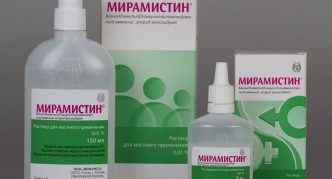
- Miramistin is a modern antiseptic for children and adults.
-
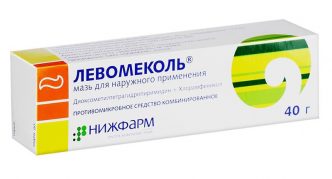
- Treatment of flea bites with Levomekol is best done under the supervision of a doctor.
-
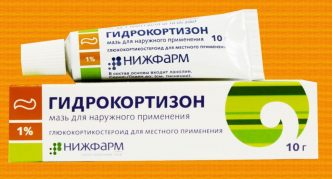
- Hydrocortisone is used only as prescribed by a doctor.
-
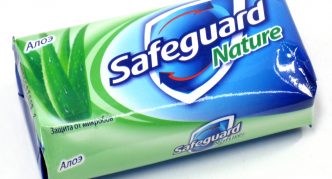
- Antibacterial soap is a great helper for initial treatment after a flea bite.
-
- To treat children's skin, use a weak iodine solution.
-
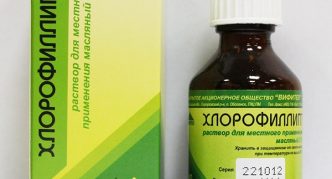
- The antibacterial effect of Chlorophyllipt helps combat the unpleasant consequences of insect bites.
-
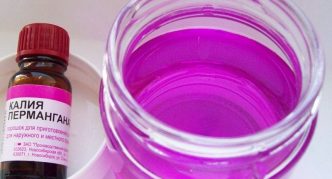
- When preparing a solution of potassium permanganate, you should be very careful
-
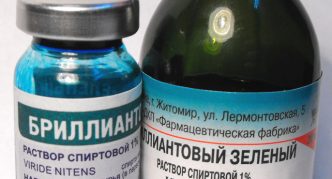
- Brilliant green is an ideal remedy for killing germs and subsequently protecting against them.
-

- Furacilin solution is easy to prepare at home
Folk remedies
Folk remedies can also help cope with the unpleasant symptoms of flea bites:
- Baking soda. To prepare a solution, dissolve 1 teaspoon of baking soda in 200 ml of warm boiled water. Apply compresses to the affected areas for 15–20 minutes. Safe for children;
- Table vinegar. 6% vinegar is diluted with water in a 1:1 or 1:2 ratio if you need to treat wounds on an infant's skin. If precautions are taken, it poses no danger to babies;
- Green tea. A used, cooled tea bag can be applied to bites on the skin of children or adults;
- Aloe juice. Cut leaves of the plant into pieces and apply to the skin to relieve itching and irritation;
- Calendula. Adults can use an alcohol-based tincture, while small children can use an aqueous infusion of the flowers.
Any plant or herbal preparations may cause allergies. Therefore, before using the product, it is recommended to test the reaction of a child or adult by applying it to a small area of undamaged skin on the inside of the arm.
When is medical attention needed?
If the victim's condition worsens within the first hours after the bite, this may indicate the development of anaphylactic shock or Quincke's edema. Signs that require medical attention include:
- feeling of heat;
- redness of the skin;
- pain in the head and chest;
- nausea;
- vomit;
- dizziness;
- fear of death;
- agitation or inhibition;
- the appearance of a dry cough;
- suffocation;
- swelling of the eyelids;
- enlargement (swelling) of the nose, lips, or the entire face;
- laryngeal edema;
- runny nose;
- drop in blood pressure;
- threadlike pulse.
Attention! If any of the above symptoms appear, the patient requires hospitalization. Do not leave a severe allergic reaction from an insect bite untreated, as anaphylactic shock and angioedema can mean the difference in minutes!
Prevention
Encounters with fleas are a common occurrence in everyday life, and it's impossible to completely protect yourself and your loved ones from this scourge. However, certain preventative measures can help minimize the likelihood of encountering these dangerous insects:
- Conduct a thorough cleaning of your home regularly. Ventilate rooms and clothes that have been hanging unused for long periods, beat carpets, and keep soft toys and pet accessories clean;
- Regularly inspect your four-legged and feathered pets for parasites, purchase flea collars or special sprays for them to prevent the appearance of parasites;
- promptly block possible ways for insects to access your home: cracks in door frames, window frames, and floors;
- periodically treat the premises with modern means for fighting insects in the home or use an electronic repeller;
- When planning a trip to a place where the likelihood of encountering small vampires is high, apply repellents containing DEET (diethyltoluamide) to your skin. The most popular options are:
- OFF Extreme;
- Moskitol Super Active protection;
- Medilis comfort;
- Ultratone.
Natural repellents include:
- sagebrush;
- mint;
- tansy;
- chamomile;
- lavender;
- eucalyptus.
Bunches of plants are hung around the rooms, positioned as close to the floor as possible. Additionally, any herb can be used to make a fragrant spray and applied to clothing or skin (if you don't have an allergy). To do this, steep 50–100 grams of any herb in 1 liter of boiling water, let it cool, then pour it into a spray bottle and use as directed.
Photo gallery: modern means of preventing and controlling fleas at home
-
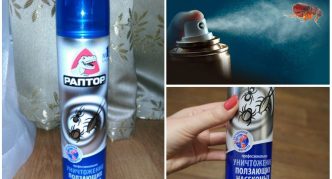
- Raptor spray destroys adult fleas and insect larvae
-
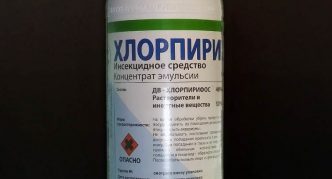
- Chlorpyrimark's activity can last up to one and a half months.
-
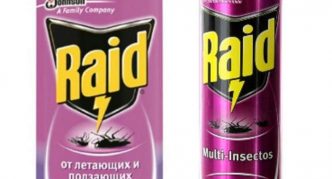
- Aerosol Raid allows for quick treatment of a home
-
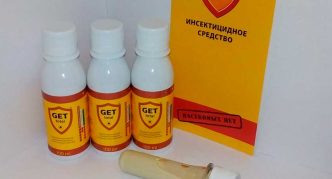
- The microencapsulated product Get is considered one of the best for fighting parasites in the home.
-

- Pyrethrum is made from crushed chamomile flowers and is used to treat rooms in hard-to-reach places.
-
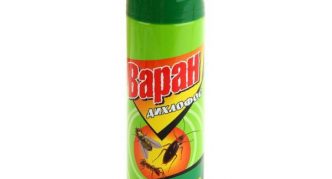
- Dichlorvos Varan is safe for humans and animals.
-
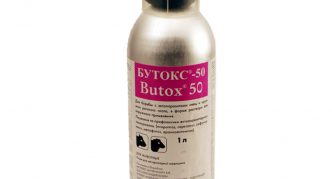
- A harmless drug sold in veterinary pharmacies is Butox.
-

- Biorin is an effective but highly toxic product used by professional pest control professionals.
Video: What happens when a flea bites a person
Flea bites are a fairly common occurrence. However, with the right information and prompt attention, serious consequences can easily be avoided.