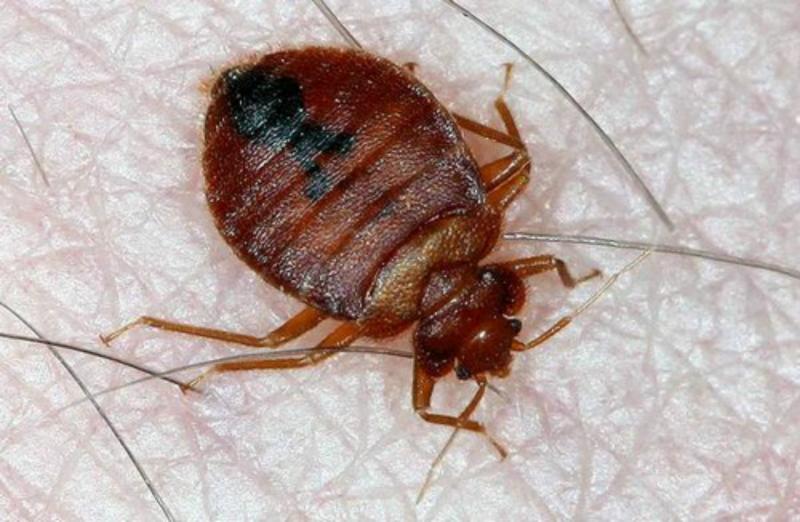
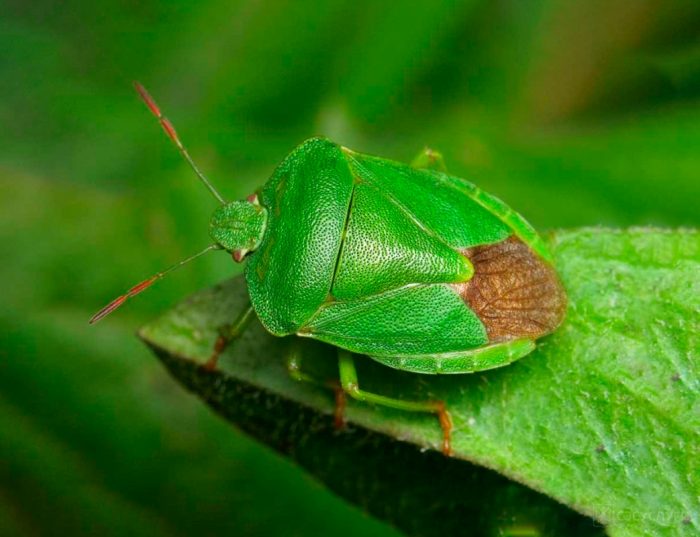
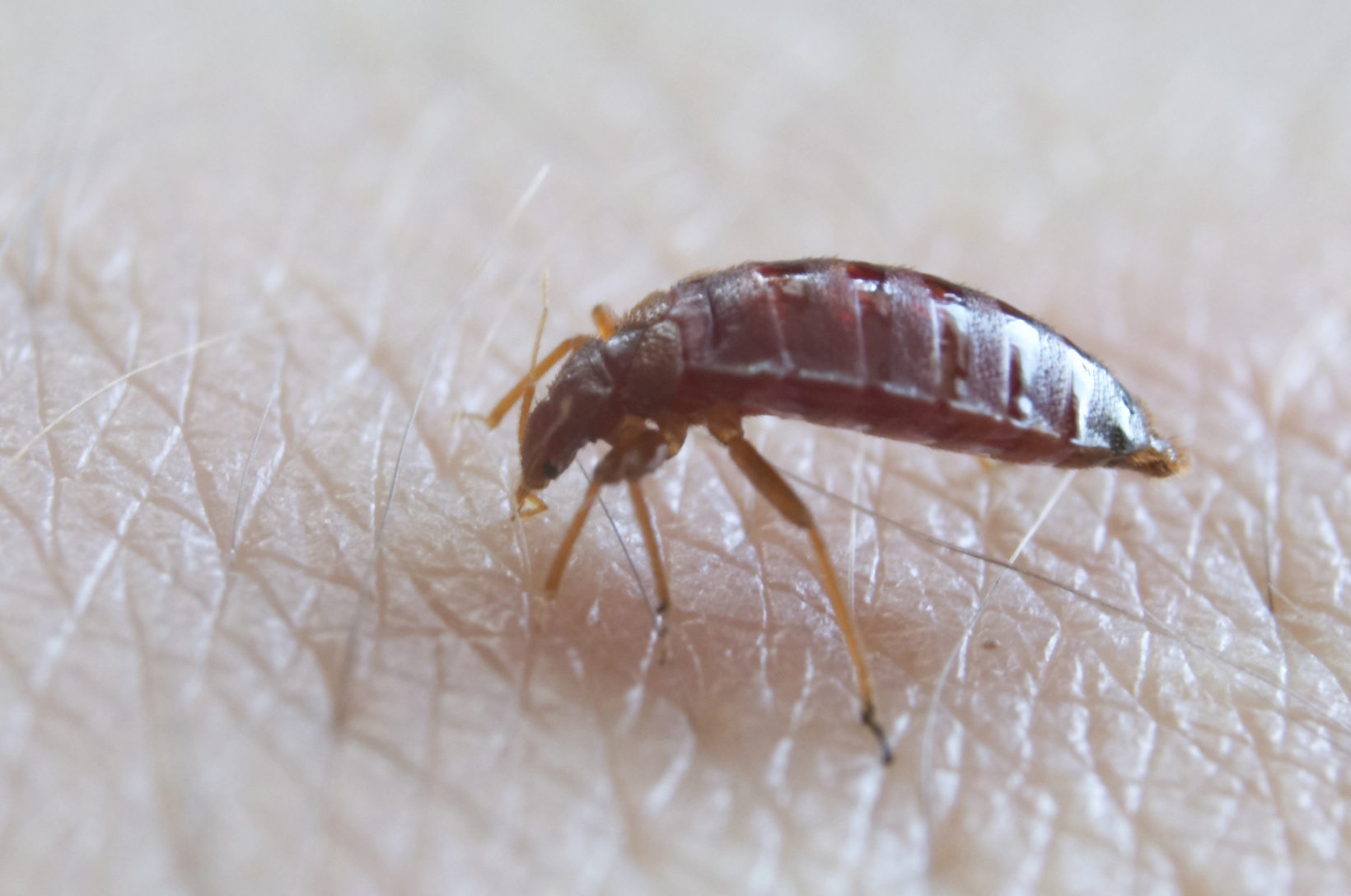
Bedbugs are very unpleasant insects that interfere with sleep and pose a health risk. But it's not always easy to distinguish their infestation from the bites of other pests.
Content
Who do bedbugs bite?
No one is completely immune from bedbug bites. These insects do not care about a person's blood type or scent, but if they have a choice, they prefer to attack people with thin and delicate skin, since it is easier to pierce with their proboscis. Therefore, children, women, or men with increased skin sensitivity are more likely to suffer from bites.
Another important factor is the presence of allergies. While a bug may bite, it won't cause itching or pain, so it will seem as if the bugs are ignoring you. However, people with severe allergies will notice every bite.
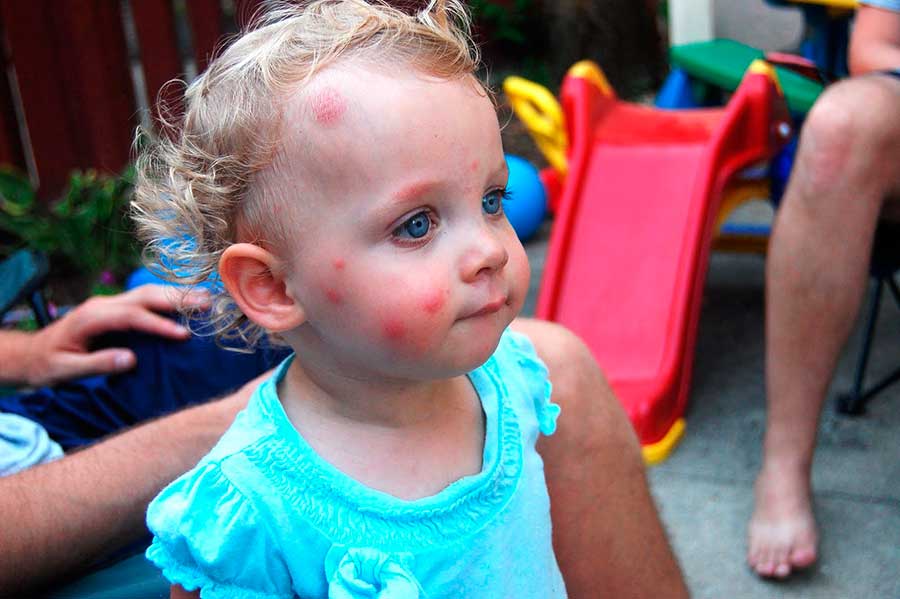
Children often become victims of bedbug attacks.
How to tell if you've been bitten by a bedbug
If you wake up one morning and discover itchy, red spots on your body, you might wonder: who bit you? Are you really infested with bedbugs? Or maybe it's just a pimple? Knowing the signs of various insect bites can help you determine whether you should be wary of bedbugs in the future.
Signs of a bite
A bedbug bite can manifest itself in different ways, depending on the individual's skin reaction. However, the most common symptoms are:
- the site of the bedbug bite becomes red, itchy and swollen;
- usually the bites are located in groups or in a “path” at a distance of up to 4 centimeters from each other;
- The bite has a distinct outline. A bloody spot—a puncture mark—is often visible in the center of the bedbug bite;
- Pain is sometimes felt during a bite. This depends on the age of the bug that attacked—young bugs are not yet capable of producing saliva, which contains substances with an anesthetic effect. Incidentally, it is the bug's saliva that causes red spots, a reaction to the foreign substance.

Bedbug bites are found in groups as the insect moves from one place to another, inflicting repeated bites.
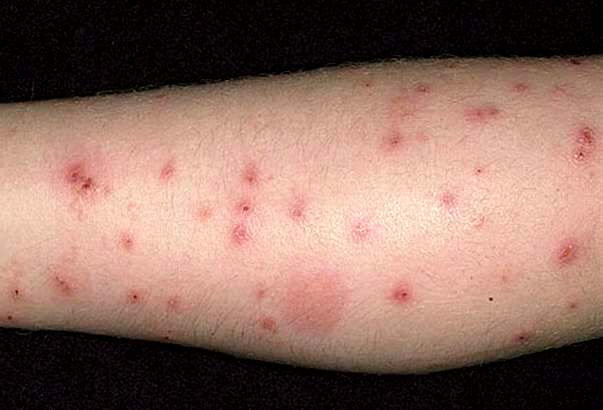
Difference from a mosquito bite
Bedbug bites look very similar to mosquito bites—red, swollen, and itchy areas. However, there are significant differences:
- mosquitoes bite only during the warm season - late spring, summer, early autumn;
- the presence of mosquitoes, accompanied by a continuous ringing squeak, is hard to miss;
- Mosquito bites are not as grouped as bedbug bites.
Since mosquitoes attack exposed areas of the body, the face, hands, and other exposed areas of skin are the first to be bitten. After feeding on blood, they fly away, rarely making a second bite close to the first. Bedbugs, on the other hand, can bite the back, stomach—anywhere on the body. It's much easier for them to inflict several bites close together.
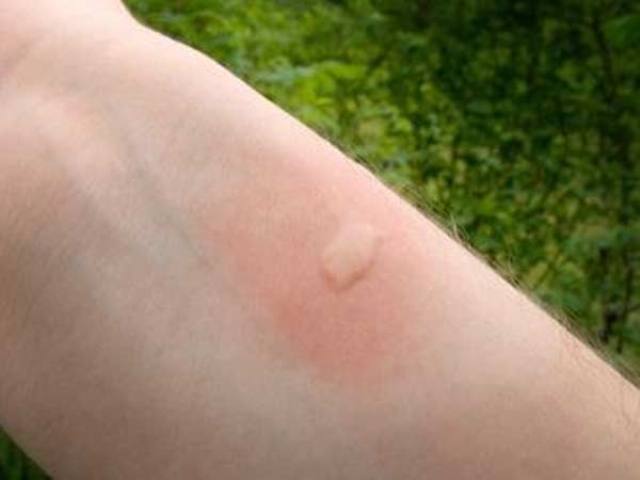
The mosquito sting is thin and leaves no noticeable mark.
Difference from a flea bite
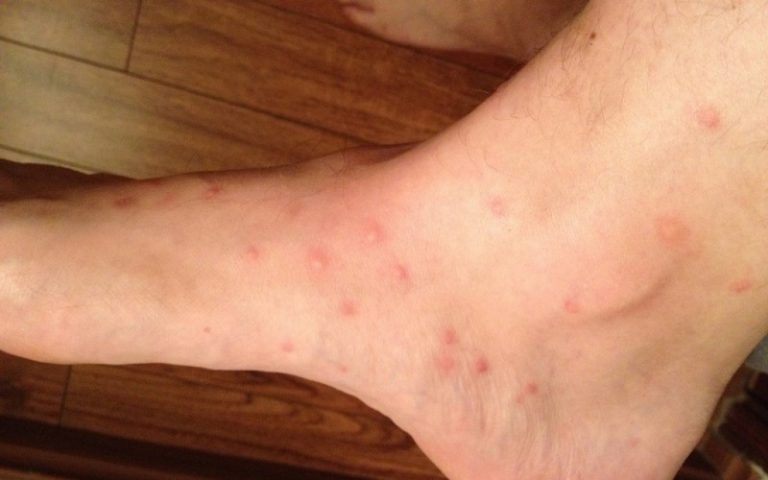
Flea bites are also similar to bedbug bites. They prefer areas with thin skin, inflicting several bites close together. If they are bedbugs, not those brought in from the street by animals, they bite at night. However, there are a number of differences:
- there are no red, bloody spots in the center of the bite;
- The bites look more like spots, as they often do not have any noticeable swelling;
- the itching is not so severe.
There are no red blood spots in the center of the flea bite.
Difference from a midge bite
Since biting midges do not live in apartments, their bites can only be received during the warm season, while outside.
Their attacks are hard to miss, as midges don't pierce the skin with their proboscis, but rather cling to it, causing sharp pain. A trace of dried blood remains in the wound. The discomfort—itching and burning—is also much more severe than with other bites. Several midge bites are almost never seen together. All this makes it easy to distinguish between a midge attack and a bedbug.
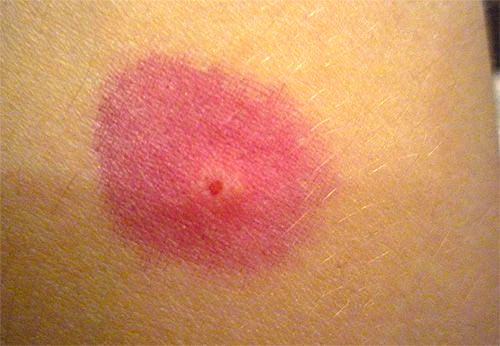
The pain from a midge bite is much more severe than that from a bedbug bite.
Difference from acne and skin allergies
Pimples can also be easily distinguished from bedbug bites. If the pimple is purulent, caused by inflammation, a pustule—a white dot in the center—will appear. Pimples are more limited in size than bedbug bites and tend to be more raised above the skin.
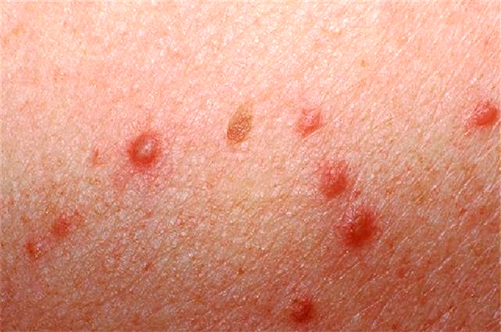
Pimples may not have a purulent head, but will always have a limited, clear outline.
If the inflammation is caused by skin contact with an allergen (a plant, cosmetics, household product, etc.), there won't be any signs of a pustule, but there won't be a red spot like a bedbug bite. With allergies, the redness will also be less pronounced.
Health effects
Bedbug bites can be damaging not only to a person's appearance but also to their health. What are the possible consequences for the body?
Inflammation
Scratching the bite site can cause inflammation due to infection. Symptoms of infection include:
- severe, persistent redness at the site of the bite;
- the appearance of a painful lump;
- mucus or pus in the wound;
- the bite site becomes hot to the touch.
If the site of a bedbug bite becomes inflamed, you should consult a doctor to prevent complications, such as a purulent abscess, from developing.
Allergy
An allergic reaction may occur, not to the bites themselves, but to the bedbug's saliva. Its manifestations vary. Most common are extensive redness, blisters, and a rash accompanied by intense itching. These may progress to erythema and dermatitis.
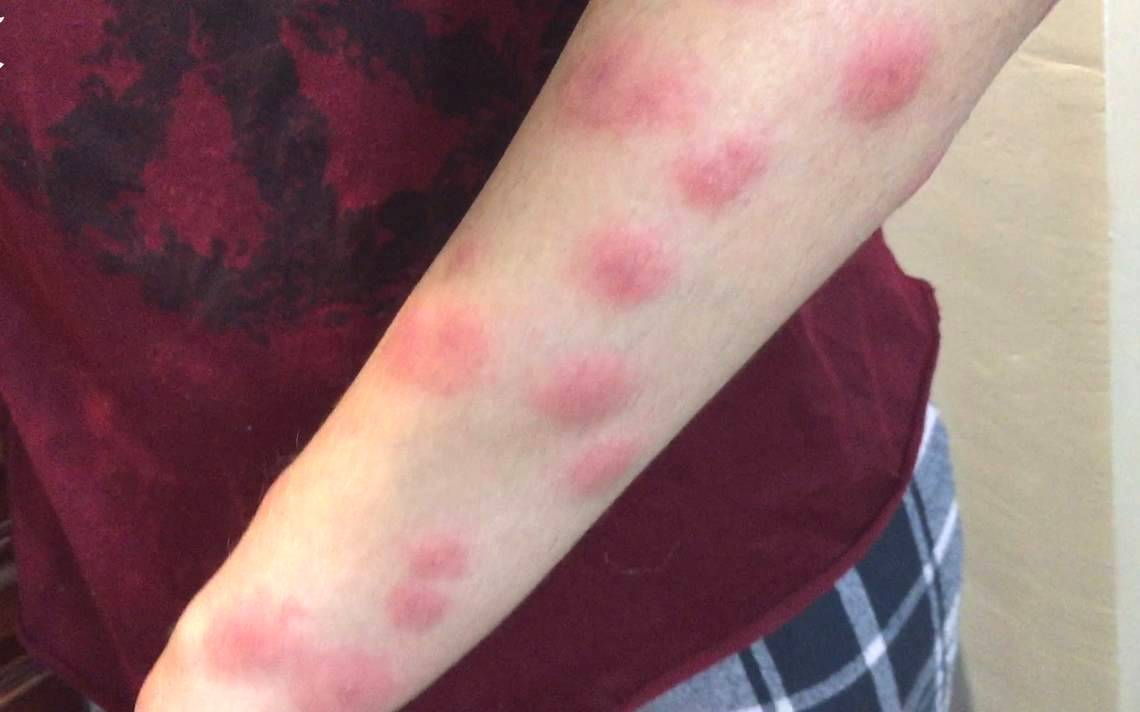
An allergy to substances contained in bedbug saliva is a fairly common reaction.
In some cases, reactions develop not only in the skin, but also in the entire body, such as:
- Quincke's edema (acute swelling of the skin and mucous membranes of the face and neck; may lead to suffocation);
- anaphylactic shock (edema, bronchospasm, loss of consciousness, even leading to coma);
- asthma - shortness of breath, cough, suffocation.
Allergies are dangerous conditions that, in severe cases, can be fatal. Therefore, if you experience symptoms, it's essential to consult a doctor and take anti-allergy medications until the bedbugs are eliminated.
Anemia
In rare cases, with very large numbers of bedbugs, iron deficiency anemia can occur as a result of blood loss from bites. This condition is more common in weakened individuals and small children. It is accompanied by fatigue, weakness, pallor, dizziness, and nausea.
Nerve problems
Constant bedbug bites and incessant itching lead to insomnia, anxiety, and depression. Children become lethargic, unable to concentrate, and their academic performance declines.
Table: Common consequences of bedbug bites
| Type of consequence | How often does it occur, % |
|---|---|
| Redness | 56 |
| Itching | 37 |
| No response | 30 |
| Blisters | 20 |
| Skin infections | 12 |
| Depression | 6 |
| Insomnia | 5 |
| Bullous dermatitis | 4 |
| Asthma | 3 |
| Anemia | 3 |
| Angioedema | 3 |
| Anaphylaxis | 3 |
Diseases carried by bedbugs
During research, pathogens of the following infections were found in the body of bedbugs:
- anthrax;
- leprosy, or leprosy;
- plague;
- tularemia;
- tuberculosis;
- typhoid fever;
- hepatitis B;
- smallpox;
- Q fever;
- yellow fever;
- brucellosis;
- leishmaniasis.
Staphylococcus aureus and pneumococcus were also detected.
Despite such an impressive list of pathogens carried by bedbugs, there have been no known cases of human infection. The fact is that bacteria and viruses are contained in bedbug excrement, so they cannot enter the human body through a bite. To eliminate even the slightest chance of infection, avoid scratching the bite site.
The HIV virus (AIDS) has never been detected in bedbugs.
Reviews
How can you recognize bedbug bites? Unlike mosquitoes, their bites are often located close together. Mosquito bites can be treated simply by applying rubbing alcohol, cologne, perfume, eau de toilette, etc. Bedbug bites only heal with time, and often develop into nasty sores as they heal.
Bedbugs in your apartment! What would be the reaction of someone who discovered these insects in their home? Imagine waking up in the morning and seeing small, slightly swollen, red spots on your body, which itch incessantly. You might not notice anything on the first day, but as night falls, it happens again. You'll "feel" the spots' appearance right at night, when your whole body starts itching. And the next morning, you'll find even more bites and small orange (blood-stained) spots on your bed.
My whole apartment was covered in them, my whole body was covered in bites, I developed an allergic reaction, we called a doctor, they said something needed to be done about it urgently
Bedbugs are harmful insects that can cause serious health problems, so their bites should be treated with special products and avoid scratching. Once bedbugs are discovered in your apartment, they should be eliminated as quickly as possible.