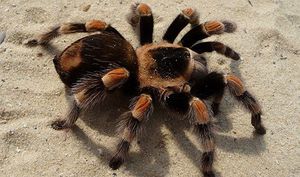
 Spiders and scorpions are among the most mysterious and least studied members of the arachnid world. Almost all spider species are venomous, even house spiders. Only those that can penetrate skin cause harm to humans and warm-blooded animals. These spiders account for less than 1% of the world's population.
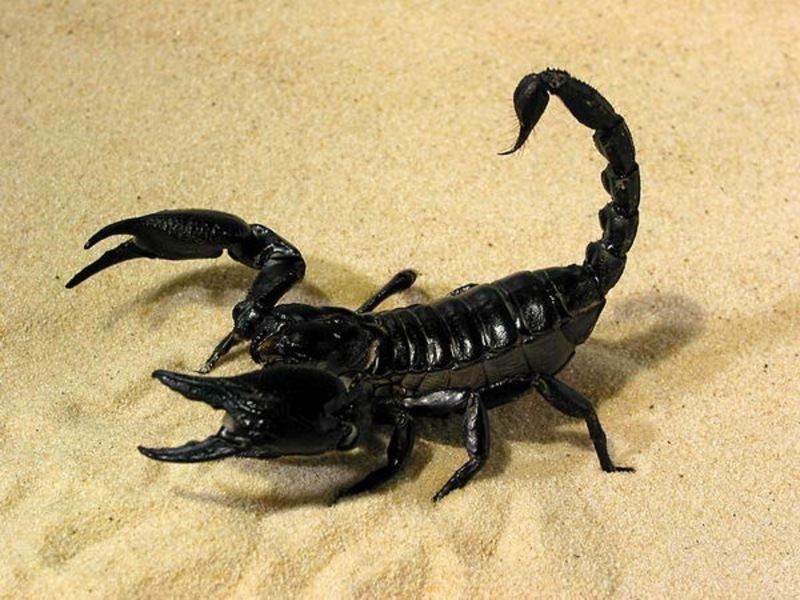
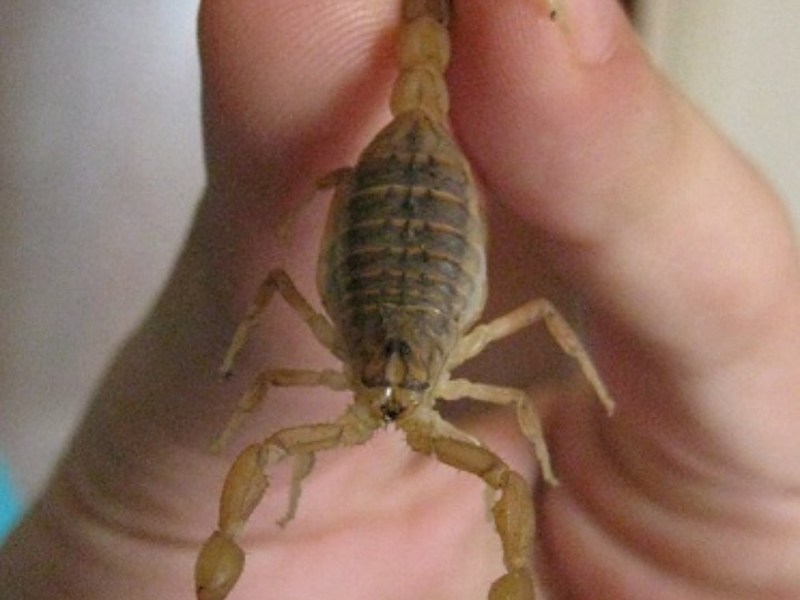
Scorpions have a pear-shaped segment called the telson on the last abdominal segment, curved dorsally. The telson ends in a sharp stinger, which contains the venom glands' duct.
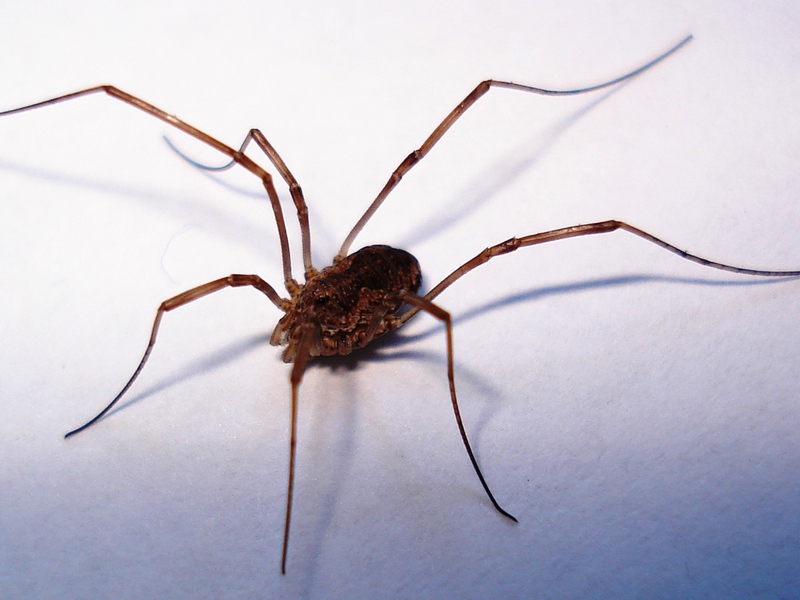
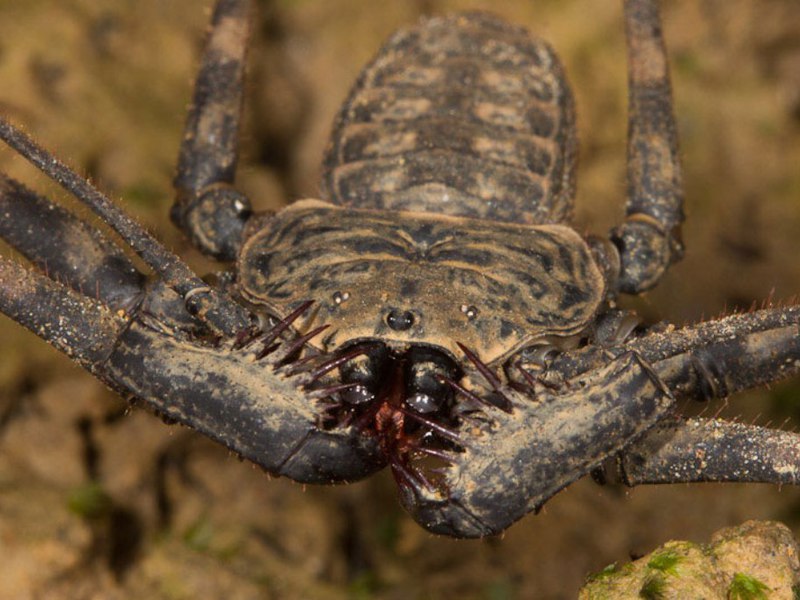
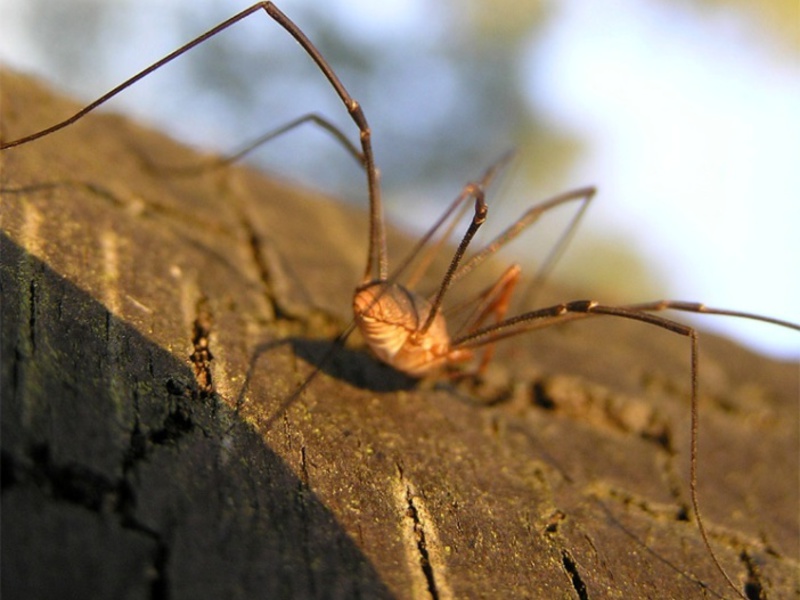
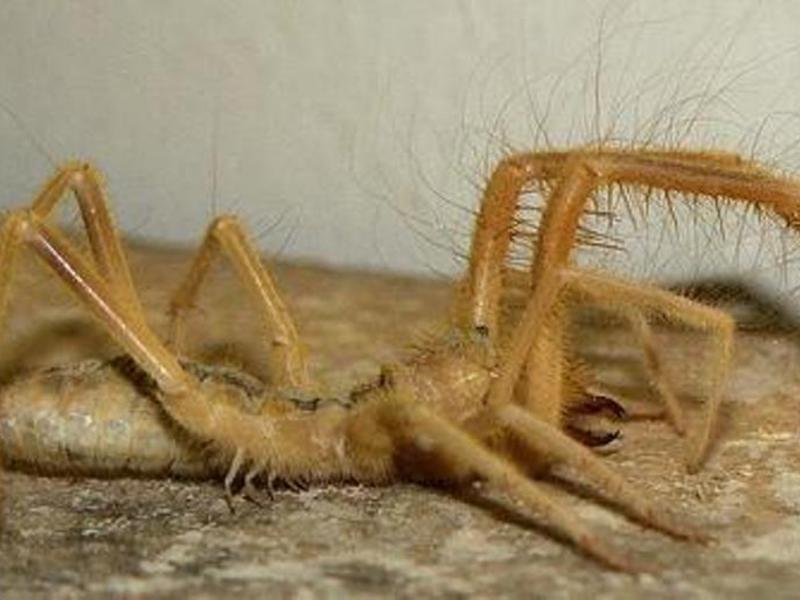
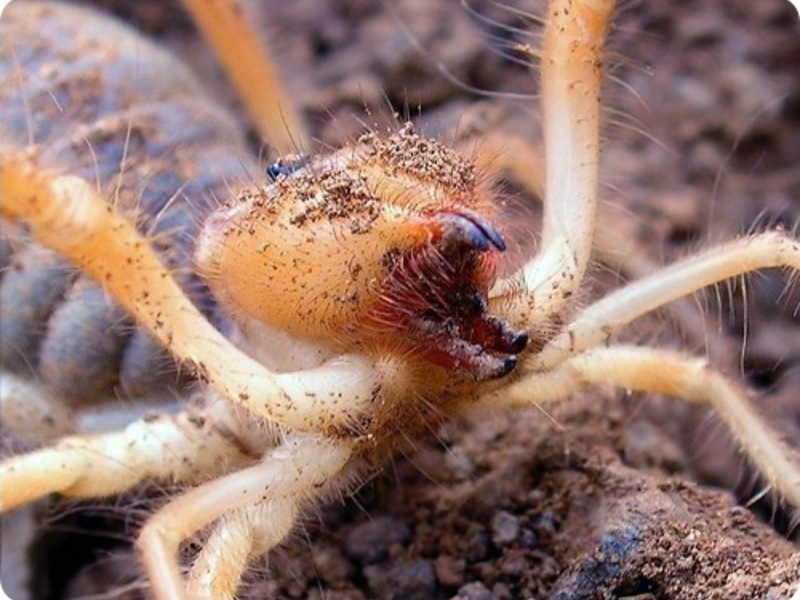
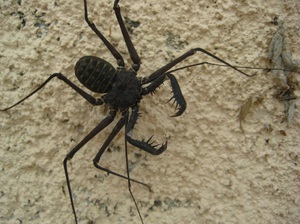
Arachnids called phalanges live in hot, arid environments. They lack venom glands. However, phalanges can deliver a painful bite and cause infection.
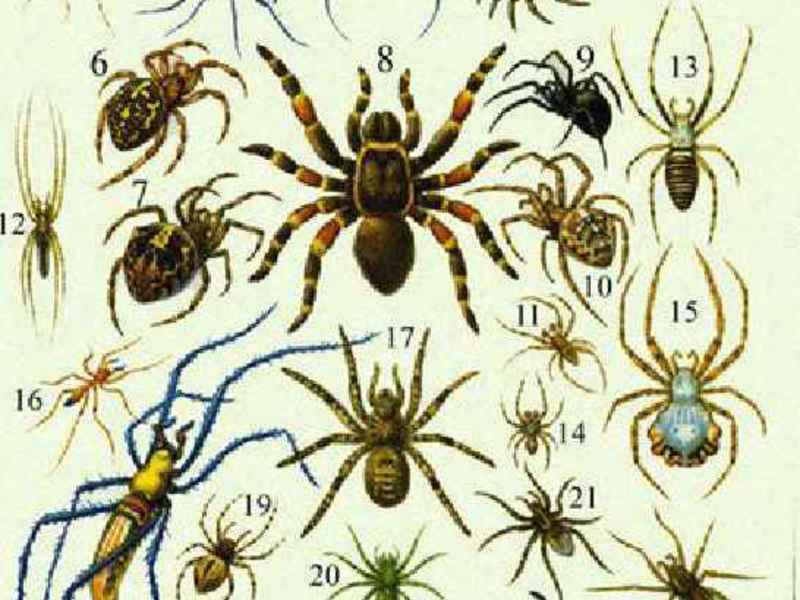
The order of spiders is the most significant of all arachnids - it unites, according to various sources, from 20 to 50 thousand species.
Content
Poisonous spiders
Spiders have a mixed digestive system, both external and internal. They pierce the insect's chitinous covering with their powerful chelicerae and inject venom, along with digestive juices, into the prey's body. The spider then sucks in the partially digested food.
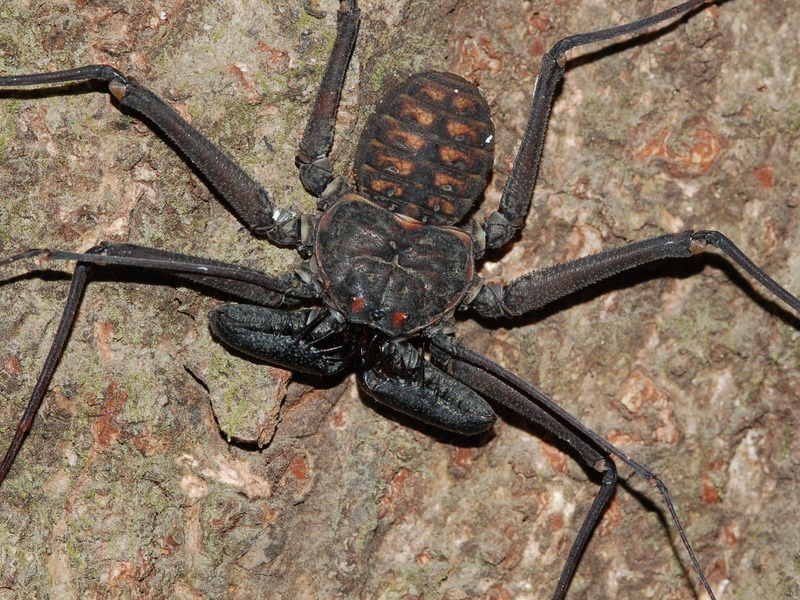
A large horde of spiders is divided into three suborders:
- arthropod spiders;
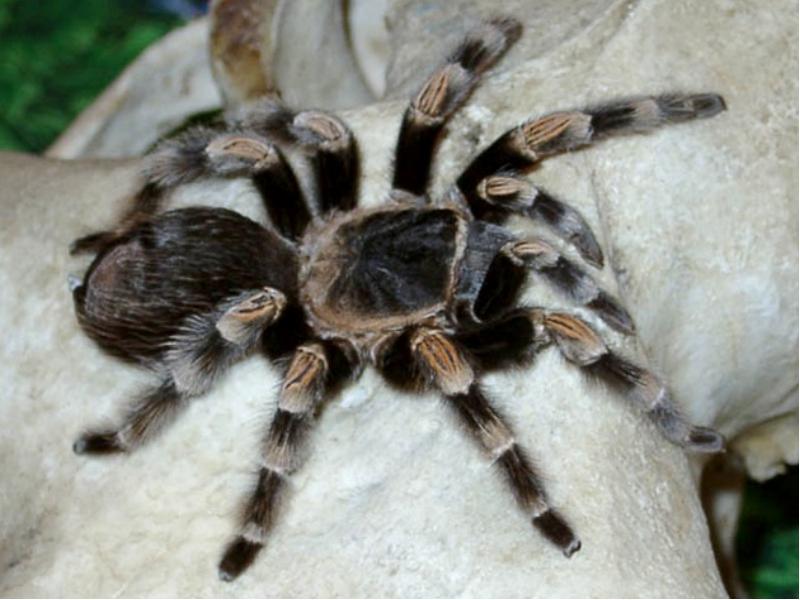
- tarantulas or mygalomorph spiders;
- Araneomorph spiders (orb-weaving spiders, web-weaving spiders, wolf spiders, jumping spiders).
The most dangerous for humans and animals are representatives of the second and third suborders.
Types of spiders
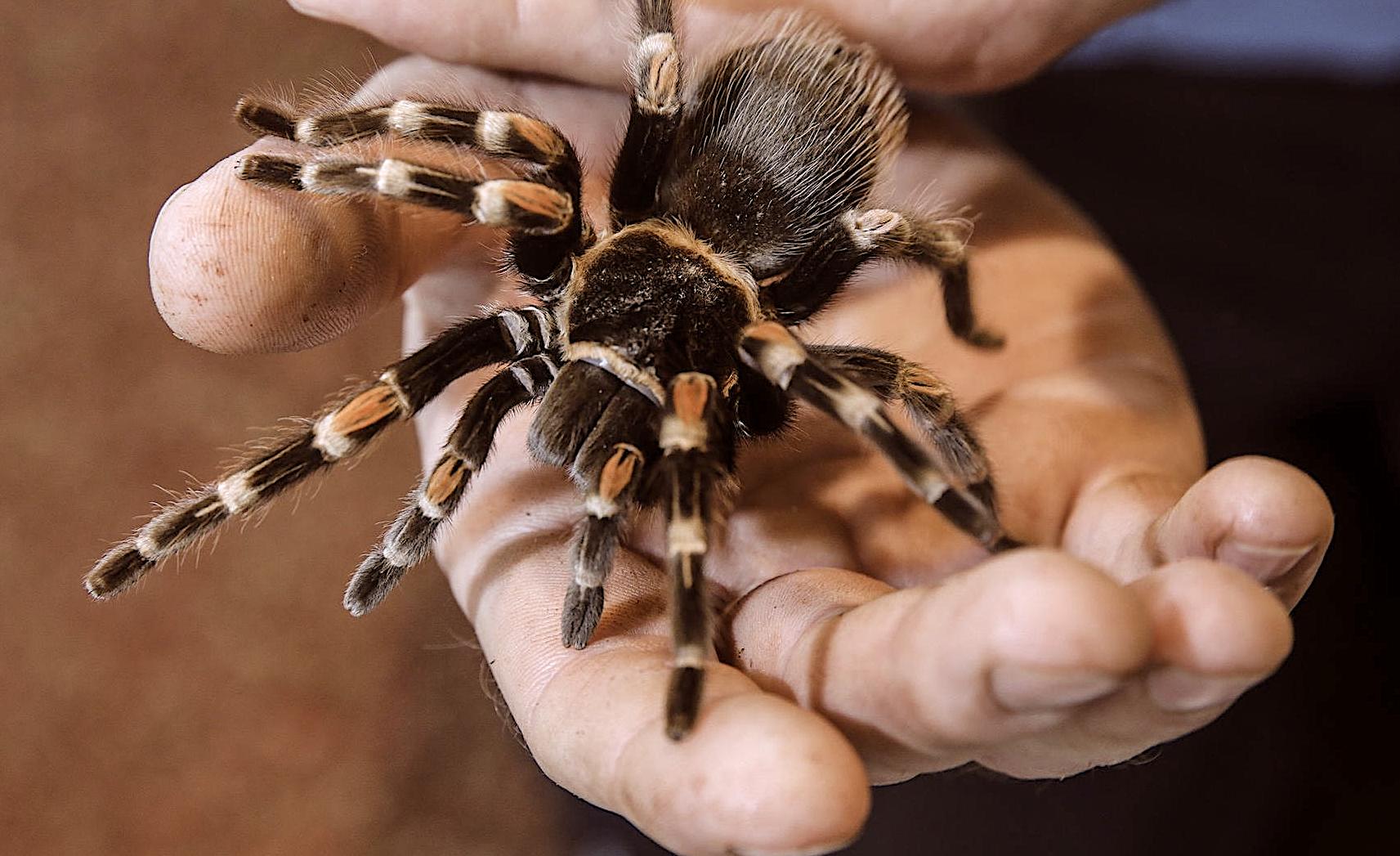
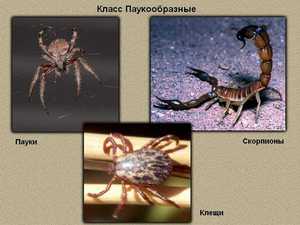 Spiders—tarantulasThis suborder includes approximately 2,000 species—the largest and most dangerous. They live in Africa, Australia, and South America. They are rare in southern Europe. They are characterized by their large size—sometimes with a leg span exceeding 20 cm. They inhabit rock crevices, tree hollows, and soil fissures. They feed on insects, small rodents, reptiles, and birds, hence the name of the suborder—tarantulas. Their venom is neurotoxic.
Brown recluse spiderAn araneomorph. A distinctive feature is the violin-shaped markings on the dorsal side of the cephalothorax. It lives near humans—in garages, sheds, basements, and attics. It does not attack people, but strikes defensively. It is found in the eastern United States.
Funnel spiderFound throughout Australia, it is considered the most dangerous spider in the world. It feeds on large insects. When ingested, its venom causes tachycardia and increased blood pressure.
Black-bellied PhoneutriaThe South American spider is also considered one of the most dangerous spiders in the world. Its venom is neurotoxic, causing suffocation, paralysis, and cardiac arrest. An effective antidote can reduce the number of fatalities.
KarakurtBelongs to the family of black widow spiders. It is found in Central Asia, southern Europe, and Crimea. Only females have venom glands. The bite is accompanied by severe pain that spreads throughout the body. Increased heart rate, shortness of breath, and headache are observed. The abdominal muscles become very tense. Treatment includes novocaine, calcium chloride, and serum obtained from black widow spider venom.
South Russian tarantulaBelongs to the wolf spider family. Covered in hairs that can be reddish or almost black. Large—up to 3.5 cm. Habitats include forest-steppes, steppes, and deserts. The bite causes localized pain, drowsiness, chills, or increased sweating.
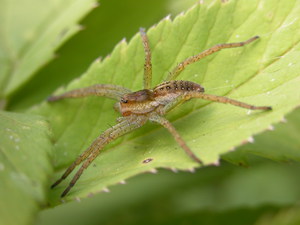 Common cross spiderA member of the orb-weaving spider family. It is common throughout Europe and in certain regions of the United States, and even in the Far North. It prefers coniferous forests, upper swamps, and forest edges. It often invades houses and barns. The species gets its name from its distinctive feature—a cross-shaped pattern of white spots on the dorsal side of its abdomen. A burning pain occurs at the site of the bite. The person experiences general weakness, headache, and joint aches.
EresusHabitat: Central Asia, southern Eastern Europe. Males have an orange abdomen with four black spots. Females have a black abdomen. When biting, the spider inserts its chelicerae deeply and releases large droplets of venom. People experience sharp pain at the bite site, numbness, and difficulty moving. The components of the venom are not well understood.
Cellar spiderThe abdomen is gray with a brown or purple tint. It is found in the Caucasus, Crimea, and the Azov region. It hides under rocks and in trees.
How to protect yourself from spiders
 Arachnids are not enemies of humans. We are of no interest to them as long as we don't intrude on their lives. They bite for one purpose—defense. In hot weather, their activity increases, increasing the risk of being bitten. Spiders are adept at sizing up their intended prey.
Large, larger insects and animals frighten them. It takes a lot of energy to produce a dose of venom. Therefore, spiders use it sparingly. An attacking spider releases just enough venom to kill its prey. When defending itself, after assessing the threat, it can make a dry bite, without releasing poison.
Sometimes these dangerous arachnids enter people's homes, hiding in shoes or underwear. It has been observed that people are most often bitten while getting into bed, getting dressed, sitting on the floor or in a chair, or rubbing themselves with a towel after a shower. At the time of the bite, the spider is between the person's body and the fabric.
In some species, only females bite; males do not cause significant harm.
Spider bites cause varying degrees of pain, anaphylactic shock, secondary wound infection, and even death.
Poison is divided into two categories:
- Neurotoxicity affects the nervous system, both central and peripheral. Pain is mild. Chills, drowsiness, difficulty breathing, and hallucinations are common. Severe pain throughout the body is felt after some time.
- Necrotic – affects tissues, organs, and body systems at the site of the bite, causing severe pain. Large areas of skin are affected, and anemia, intravascular coagulation, and renal failure are observed.
The number of bites is influenced by factors such as high population density in areas where spiders are common and the ability to enter homes.
As an emergency measure necessary:
- administer the antidote serum;
- provide the victim with complete rest and plenty of hot drinks;
- apply ice to the bite site;
- treat the wound with an antiseptic;
- seek medical attention.
To prevent bites, you should check your clothes and shoes before putting them on, treat the premises with insecticides, wear gloves and long sleeves, and remove cobwebs.
Scorpios
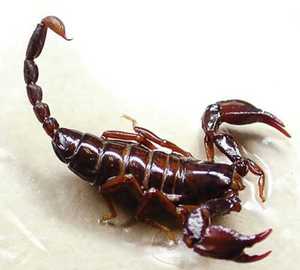
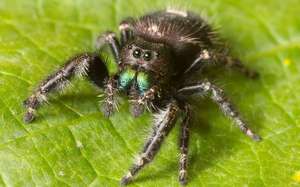 One of the most ancient orders of terrestrial arthropods. They inhabit hot and temperate zones of the Earth. They thrive in humid climates, sandy deserts, and treeless rocky plateaus. They hunt mainly at night.Activity increases in hot and windy weather. Their food source is arachnids, insects, and their larvae. Scorpions use their venom to immobilize large prey.
There are over 1,500 species worldwide. About 15 species are found in the former USSR. These include:
- Italian scorpion (body length up to 5 cm) - lives on the Black Sea coast;
- Mingrelian scorpion - from the shores of the Black Sea it spreads along the banks of rivers into the interior of the continent;
- Crimean - found on the southern coast of the Crimean Peninsula;
- The fat-tailed scorpion is the largest, up to 10 cm in length;
- The variegated scorpion lives in the Volga region, Transcaucasia, and Kazakhstan.
Scorpion venom is neurotropic. The toxic proteins it contains disrupt the functioning of various systems and organs.
Bite accompanied by severe burning pain, which sometimes fades, sometimes intensifies. Over time, the pain develops into a burning sensation. After 40 minutes, swelling develops at the sting site, with a clearly visible dark spot in the center of the bite. Blisters filled with serous fluid may form.
Symptoms can develop within 5 minutes to 24 hours. Headaches intensify. Dizziness, muscle spasms, tremors, tachycardia, and elevated blood pressure occur. The victim becomes agitated and may experience fear. Death from respiratory paralysis is likely within 20–30 hours.
In some cases, relapse may occur after clinical signs of poisoning have disappeared. The victim should remain under medical observation for at least 12 hours after symptoms subside.
First aid, treatment and prevention
 In the first two hours from the moment of stinging, the victim inject the antidoteA special serum—half the dose intravenously and half subcutaneously. To avoid an allergic reaction, the serum should be administered in divided doses. Prednisolone is prescribed to prevent side effects. A serum made from the venom of the black widow spider can also be administered. Other medications used include pipolfen, calcium gluconate, glucose, prednisolone, and hydrocortisone.
If qualified assistance is unavailable, the venom is suctioned from the wound, a cooling bandage is applied, and the bite site is treated with antiseptics. The victim requires complete rest.
Scorpios can hide in the grass, burrowing shallowly into the sand. Therefore, it's essential to always wear shoes with sturdy soles. In areas where scorpions live, inspect clothing, shoes, and living spaces. Protective screens on windows and doors, and sealed cracks in walls and ceilings will protect your home from the penetration of these venomous arthropods.