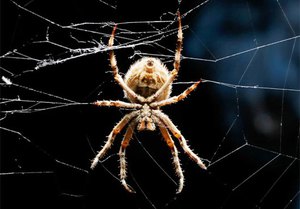
 Tarantula is a genus of araneomorph spiders belonging to the wolf spider family. They inhabit primarily arid regions, such as steppes and deserts. They hide in burrows during the day and emerge at night to hunt. They prowl the ground in search of insects. Unlike many other species, tarantulas do not spin webs, but use their webs only to reinforce their nests.
There are over two hundred species of tarantulas worldwide, inhabiting temperate and tropical climates. Some of them are also found in Russia.
Etymology of the name
This name comes from a species of spider found near the city of Taranto. According to local residents of the fifteenth century, spiders were the cause of the disease, known as "Tarantism." Legend has it that the bite of this spider infected the victim with a strange disease that led to inevitable death, and the only possible cure was a special, highly energetic dance—the tarantella (still known today). It was believed that the dance would drain all the strength from the "patient," along with the illness.
Description of appearance
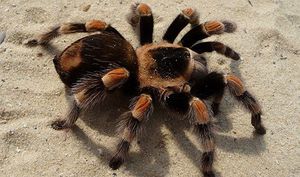
Tarantulas have a double, hairy body and two pairs of legs with four pieces eachIt consists of two parts: the cephalothorax and the abdomen. The spider's head has eight eyes, allowing it to see 360 degrees. Almost all subspecies are black or brown in color (there are some brightly colored exceptions).
American tarantulas are significantly larger than other species, reaching ten centimeters in length and a leg span of up to thirty centimeters. Tarantulas found in Europe are much smaller, rarely reaching five centimeters. Males are smaller than females.
 American tarantulas are significantly larger than other species, reaching ten centimeters in length and a leg span of up to thirty centimeters. Tarantulas found in Europe are much smaller, rarely reaching five centimeters. Males are smaller than females.
Many confuse the tarantula species with other large spiders, for example, tarantulas (most people consider them to be tarantulas). This belief is fundamentally incorrect, as tarantulas belong to the mygalomorph family. Over time, this error has become ingrained in society and culture.
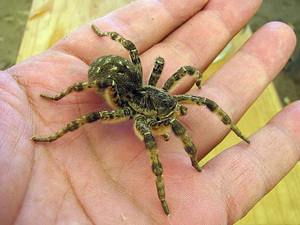
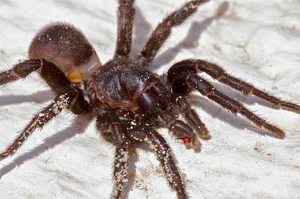
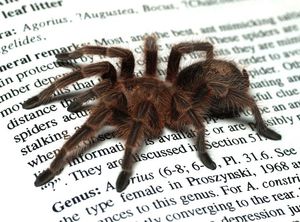
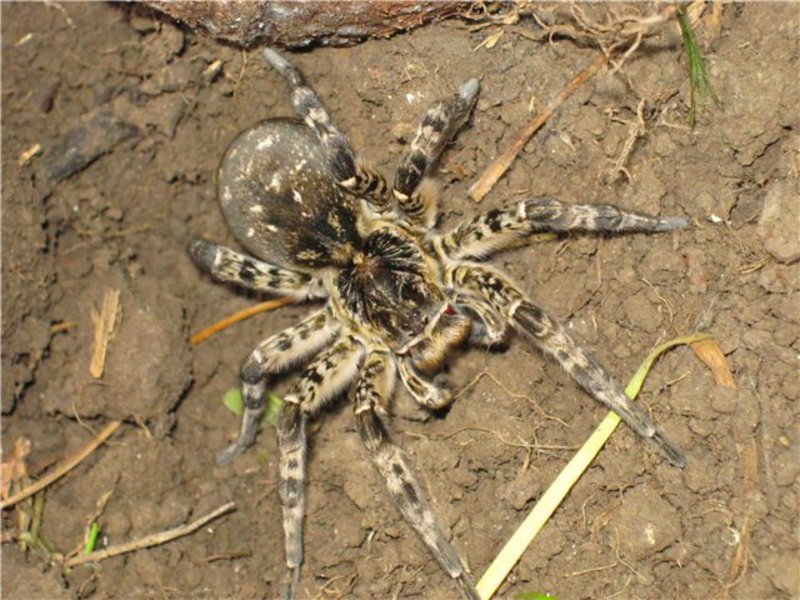
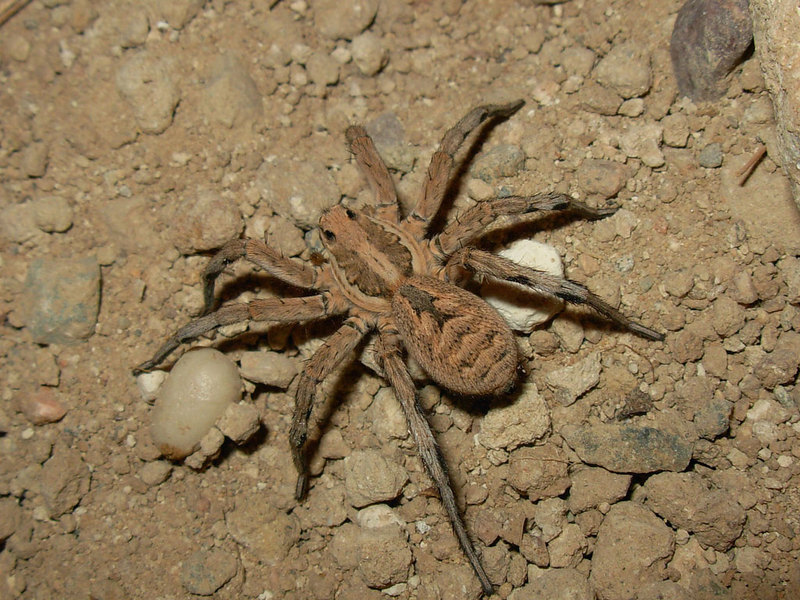
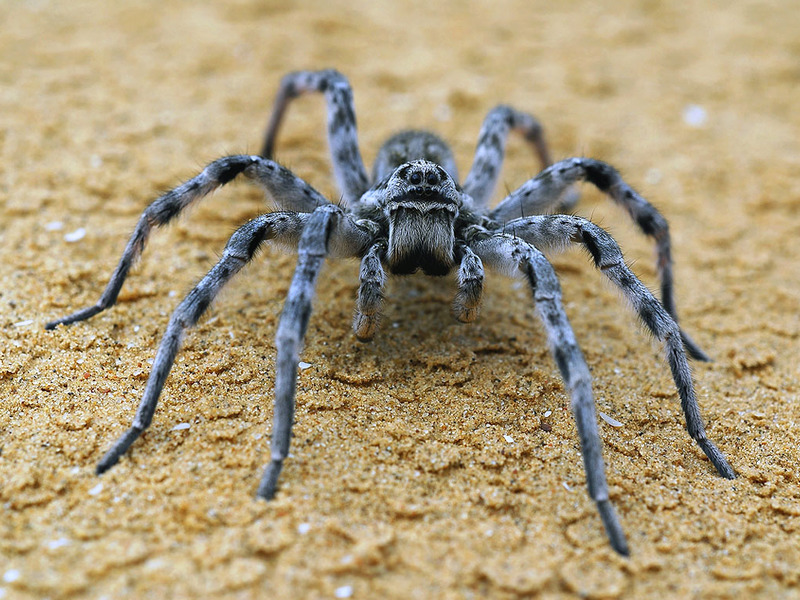
The appearance of these beauties can be appreciated in the photo.
Lifestyle
The spider spends most of its time in a hole it has dug itself. Tarantula burrows can reach up to 25 centimeters deep.Inside each burrow, a wall of leaves and webbing is constructed. To protect it from rain or before winter sets in, the spider goes even deeper and seals its "hut" with webbing and earth.
Tarantulas are predators, and therefore often search for prey. They hunt mainly at night, sometimes during the day, waiting for prey near their nest. Tarantulas' cunning pincers prey on almost any unwary insect, including caterpillars, mole crickets, beetles, and others.
 Tarantulas prefer to be located as close to “home” as possible, they painstakingly guard their territory, defending themselves against strangers. When a spider needs to move away from its burrow, it ties itself to it with a web to make it easier to find its way home. The only way to force a creature to leave its home territory is during mating season, when spiders forget everything and lose their minds. As a result, they can travel great distances in search of a suitable mate.
Reproduction
If the male manages to find a worthy candidate, he decides to court her. After a brief courtship, the spiders begin mating. Unfortunately, this relationship is not destined to end happily ever after. During mating, the male must be extremely cautious and tense, because after the process is complete, the female will try to bite her "suitor" and have dinner with them. The male's fate depends on how quickly he reacts (many manage to escape). The female, having already been fertilized, continues to live alone.
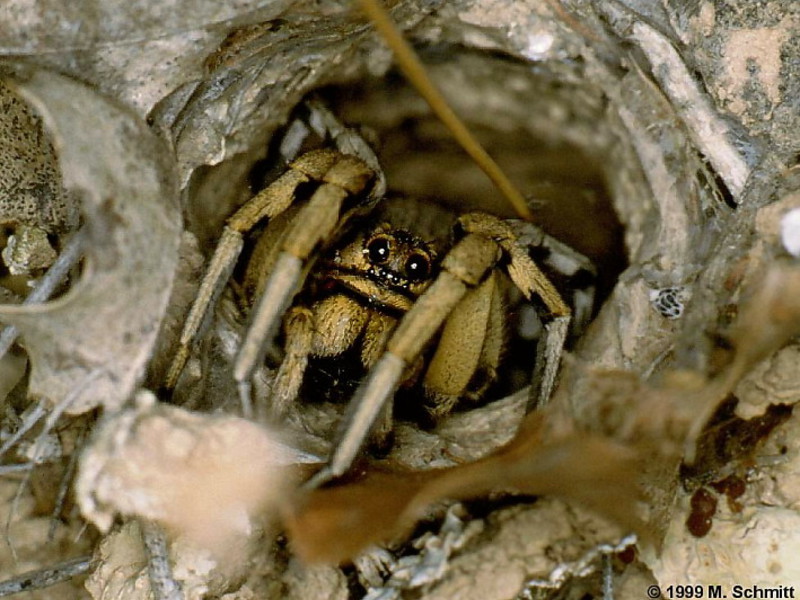
Next, the female begins to raise eggs; to do this, she emerges from the burrow and turns her abdomen towards the sun (sunlight promotes the development of eggs).
Eggs the spider lays eggs in her burrowDuring the early stages, they are stored in a cocoon, which the mother carries with her throughout the entire gestation period. Even after birth, the baby tarantulas remain on their mother's back until they become more independent (learn to hunt and crawl).
Known species
- The Apulian tarantula is perhaps the most well-known subspecies. These tiny creatures rarely reach seventy millimeters in length, yet they have a rich history. This is the very species that inhabits the area around Taranto. It was this spider that was considered venomous and dangerous, causing a "terrible" disease.
- The South Russian tarantula is another well-known species found in Russia. It can reach up to four centimeters in size. It inhabits a wide range of habitats, but is primarily found in steppes and forest-steppes. Its appearance has one distinctive feature: a small "cap" on its cephalothorax.
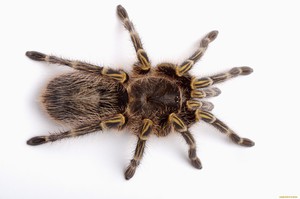 The Apulian tarantula is perhaps the most well-known subspecies. These tiny creatures rarely reach seventy millimeters in length, yet they have a rich history. This is the very species that inhabits the area around Taranto. It was this spider that was considered venomous and dangerous, causing a "terrible" disease.
Poisonous or not?
One of the most important questions related to tarantulas is whether they are poisonous or not, and whether they are dangerous to humans? Despite the mass of legendsDue to a lot of misinformation and confusion with other spider species, tarantulas are considered dangerous. Yes, the spider is poisonous, and its venom can kill, but only animals. Tarantulas cannot harm humans, and their bite is similar to that of a bee or hornet. Furthermore, despite being a predator, tarantulas will not seek you out or attack. The only way to provoke them to attack is by invading their territory or destroying their home (simple self-defense).
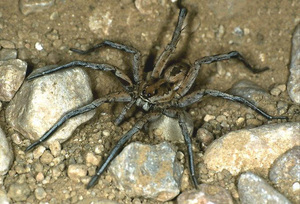 It is important to understand that You shouldn't intentionally invite a spider to attack you., which you don't know. At certain times of the year, such as spring, spider venom is more potent (more toxic), and some spiders can cause unpleasant consequences with their bites. An infected person may experience nausea, dizziness, and other symptoms (not fatal, but eerie and unpleasant).
The degree of danger of the poison varies depending on the time of year:
- Spring - at this time spiders wake up, they have rather weak poison;
- Summer - they are finally awake, the poison increases several times;
- Autumn - the power of poison is once again on the wane due to the approaching hibernation.
Tarantula as a pet
Tarantula is a wonderful petThe spider doesn't require much food, is fairly undemanding about its habitat, is relatively safe (it's venomous, but calm and docile), and is interesting. They are also very beautiful, for example, the black Brazilian variety. In general, these creatures are very popular; many people buy American spiders, while others make do with southern Russian ones.
When choosing a spider, It is worth giving preference to a female individual, since they can live much longer.