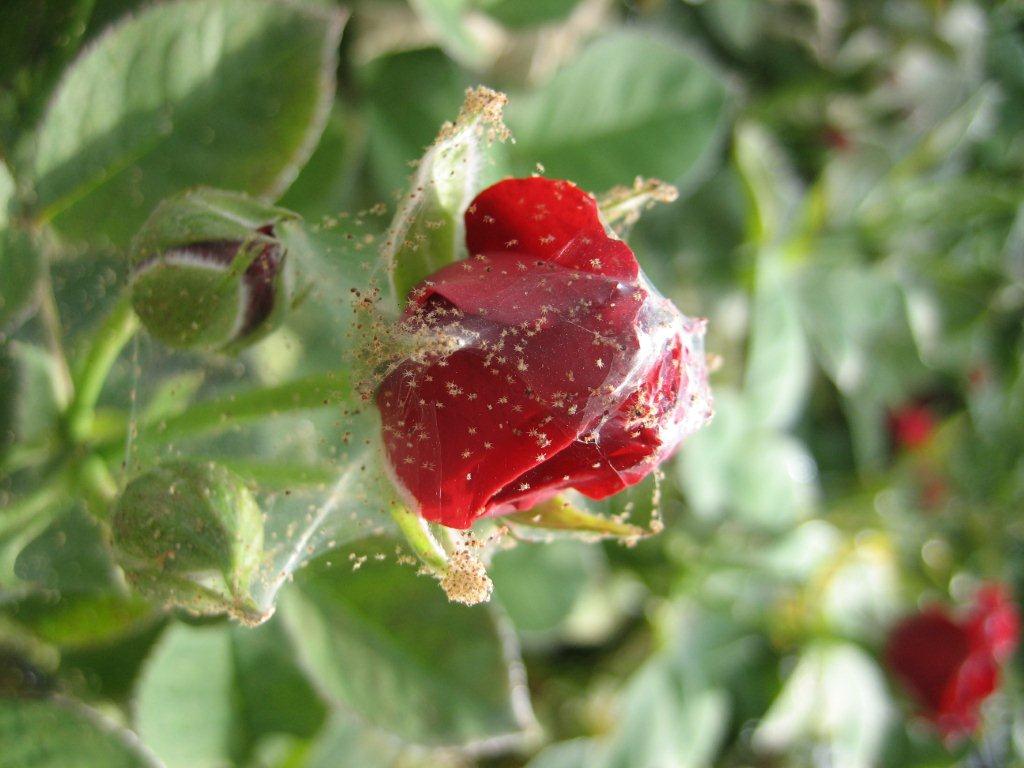
The strawberry mite is a dangerous pest of garden berries, particularly strawberries. This arachnid arthropod causes visible damage not only to plant leaves but also to the sweet fruit. If the mite is not removed from berry beds promptly, the plants may die. Therefore, it is important to watch for obvious signs of pest infestation on strawberries and take the necessary measures to protect them.
Content
Strawberry mite is a threat to strawberry and wild strawberry crops.
The strawberry mite parasitizes garden strawberries. This small pest is invisible to the naked eye: its body is less than a millimeter long. Under high magnification, its oval shape is visible, and its color varies over time from white to yellowish-brown.
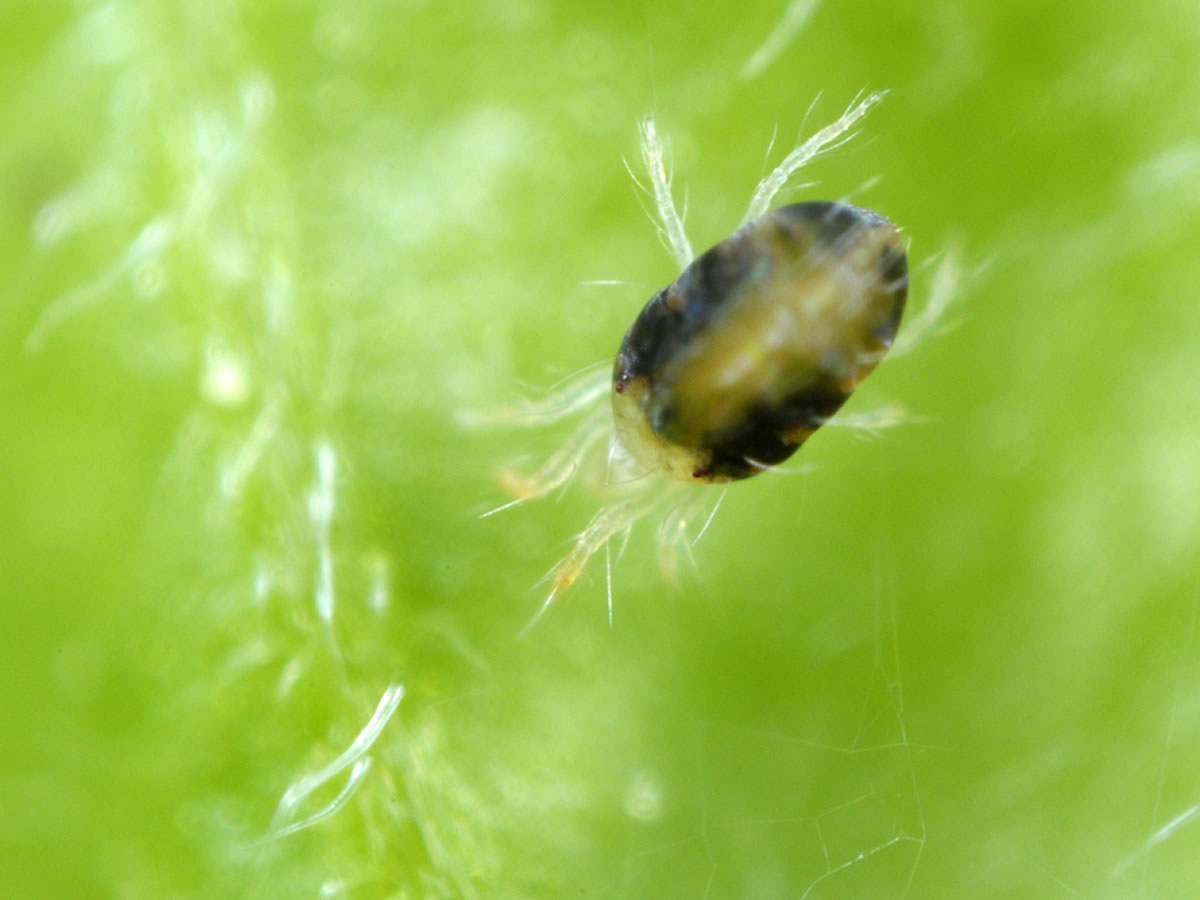
Due to the whitish color of some parts of the body, the pest is called a "transparent tick"
The pest can only be identified by its “traces” on the plantings. The strawberry mite primarily damages the foliage. These arthropods overwinter there: the females settle at the base. In the spring, when the air temperature rises above 13 °Female strawberry mites lay egg masses in young, unblown strawberry leaves. They also actively consume the plant's cellular sap. As a result, the leaves take on an oily and wrinkled appearance, and the developing fruit lacks nutrients, resulting in small berries. If the infestation is severe, the strawberry plants die.
Mite numbers increase with the onset of summer and peak by mid-August. During this time, the pest can spread throughout the entire plantation.
Photo gallery: What strawberry bushes affected by mites look like
-
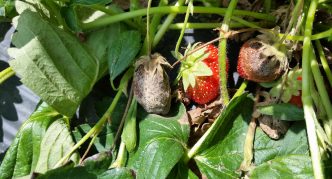
- At first, plants affected by mites may be in good condition, but then their development stops and the berries dry up on the flower stalks.
-
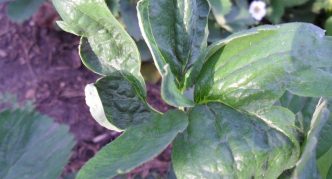
- A silvery coating may be observed on strawberry leaves after they are infested with mites.
-
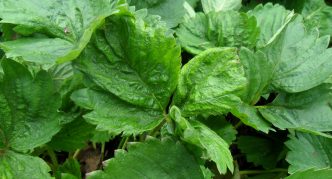
- In case of slight damage by mites, the leaves become dwarfed, deformed, and acquire characteristic wrinkles and curls.
Plants infested with this pest often lose their resistance to cold weather conditions, often freezing to death. If you suddenly discover this has happened to an entire bed of strawberries in early spring, there's a good chance strawberry mites are to blame.
Rules for caring for strawberries and wild strawberries
When fighting pests, don't neglect the usual plant care rules:
- Cut off unnecessary tendrils and dry old leaves in a timely manner;
- if berry plantings are severely affected, dig them up entirely (along with tendrils and rosettes);
- When treating strawberries and wild strawberries, start with young plants and then move on to older ones (this will prevent the mites from spreading).
This pest cannot move independently through garden beds. Gardeners spread it throughout their gardens on their tools and clothing.
How to deal with pests
Strawberry mites often spread through planting material infested with the pest. Therefore, it's impossible to completely eradicate this arthropod. However, pest numbers must be controlled using chemical and biological agents. Only proactive measures will prevent strawberry mites from spreading throughout the entire plantation.
Correct fit
When planting, choose your materials carefully. Purchase only from reputable nurseries. To disinfect the seedlings, warm them in water (45°C). °C - 50 °C) for 10-15 minutes, then rinse with cool water to relieve heat shock. You can then proceed to planting.
An equally important aspect is the choice of location for the plantation. Avoid planting strawberry and wild strawberry beds in dark places or damp lowlands. It is better not to use the places of old plantings of such plants for new ones.
Don't forget the simple rule of crop rotation: strawberries and wild strawberries can be planted in the same place only after four years.
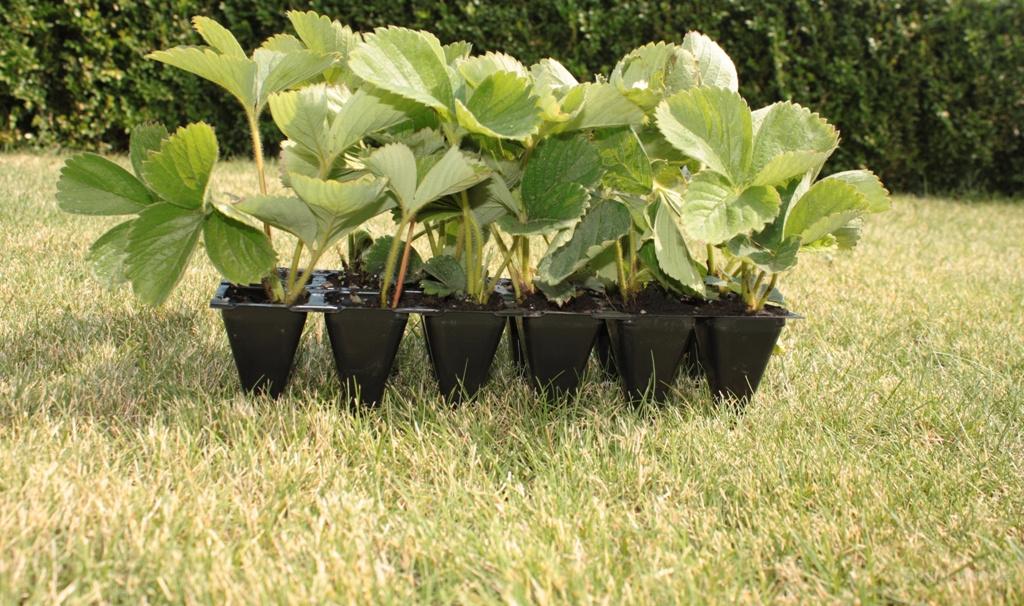
In most cases, strawberry mites are carried along with infected seedlings.
Some varieties of berries exhibit relative resistance to the mite, for example:
- Torpedo;
- Knight;
- Zenga-Zengana;
- Dawn;
- Omsk early.
Spring plant treatment and post-harvest activities
When the first green leaves appear, treatment with special preparations (for example, Neoron or Colloidal Sulfur) should be carried out. If significant damage to the plantation by strawberry mites is observed, the damaged parts of the plant must be removed immediately after harvesting. They should be burned, but never composted. Then, treat the plant with Karbofos, Aktellik, Kemifos, or Fufanon. During this period, it is recommended to fertilize the soil, for example, with potassium humate.
Gardeners seeking to reduce the toxic impact on plants use Fitoverm. It's a biological insecticide (its action is based on fungal metabolic products). This product reliably kills pests without accumulating in the soil.
Fitoverm does not have a detrimental effect on strawberry mite eggs, so it is best to carry out treatment before the onset of warm weather and the beginning of flowering of strawberries.
To increase plant resistance to pest infestations, they need proper nutrition. Use fertilizers to improve foliar growth for strawberries and wild strawberries (such as Biochelate or Azotofit).
Table: Chemicals for getting rid of strawberry mites
| Name of the product | Consumption of funds | When to process | Processing Features |
| Colloidal sulfur |
| the beginning of spring | It is carried out at an air temperature of at least 10 °C. |
| Neoron |
| the beginning of spring | It is carried out a week before flowering. |
| Karbofos | 60 g per 10 liters of water. | after harvest | It is carried out at an air temperature above 13 °C. |
| Fitoverm | 10 ml per 1 liter of water. | the beginning of spring | It is carried out 4 times with an interval of 5 days (in hot weather the intervals are reduced to 3 days). |
| Potassium humate | 1 teaspoon per 10 liters of water. | after harvest | It is used as soil fertilizer. |
Important! Do not treat continuously fruiting strawberries or wild strawberries with chemicals.
Photo gallery: agrochemicals against ticks
-

- Fitoverm is a low-toxicity insectoacaricide used to protect plants from pests.
-

- Colloidal sulfur is an inorganic fungicide designed to protect plants: grapes, strawberries, blueberries and many others.
-
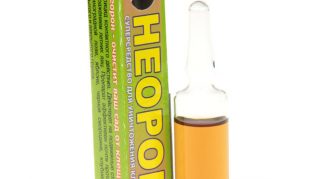
- The drug Neoron, like other chemical agents, requires several repeated treatments during the season.
-

- Karbofos is a reliable, inexpensive and still effective means of controlling pests and parasites.
-

- Potassium humate is used in agriculture as a universal natural stimulant.
Video: Saving strawberries from spider mites
Biological method
Even using highly effective chemical pesticides doesn't guarantee the removal of strawberry mites. This is because most female pests reside in areas difficult to reach with sprays. The spray solution may simply not reach the mites. Therefore, the effectiveness of biological control using Trichogramma should not be overlooked. Introducing this arthropod to the area will significantly reduce the population of not only strawberry mites, but also many other pests.
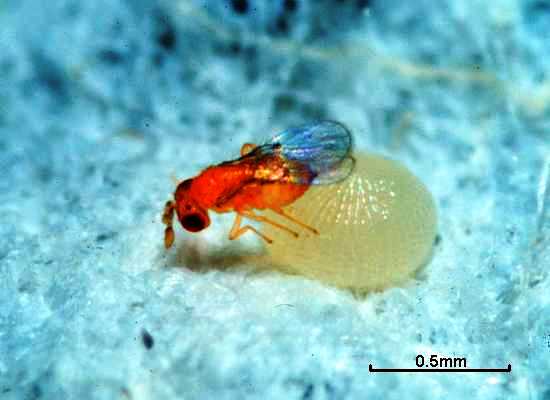
Trichogramma lays its egg in the pest's egg
Folk remedies for controlling strawberry mites
Many gardeners avoid using chemical pest control products on their plants. There are several proven natural remedies for strawberry mites:
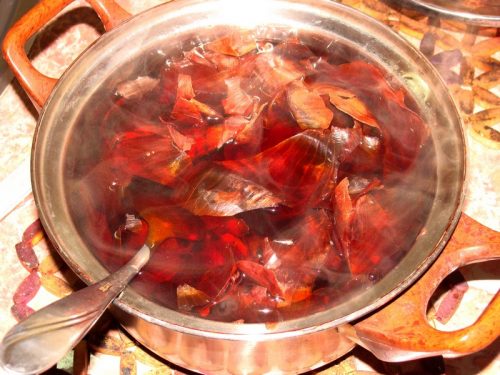
- Onion peel infusion. Use 200 g of onion peel per bucket of warm water. The infusion should be steeped for 5 days. Afterward, strain it through cheesecloth and use it to spray the beds at the beginning of the growing season. The next treatment should be carried out after harvesting (repeat the procedure twice, one week apart).

Onion peel is the most affordable and indispensable assistant in the fight against many pests.
- Fresh garlic infusion. To prepare it, crush 200 g of peeled garlic cloves and steep them in a bucket of water for 5 days. Use 0.5 liters of this solution per plant. For a more effective treatment, cover the plants with plastic wrap for 2 hours after spraying.
The first treatment with garlic infusion should be carried out at a time when strawberry and wild strawberry plantings are just beginning to grow.
- 50 g of washing soda and 50 g of laundry soap, diluted in 10 liters of water. Tomato and pepper stems can be added. Treat plants with this infusion in the spring or after berry picking.
At the initial stage of infestation of plants with strawberry mites, ordinary laundry soap helps quite well.

Using these methods is less effective than using chemicals. However, there's no need to worry about potential damage to the crop.
Reviews from gardeners
Here's how I do it. When the foliage grows and flower stalks are about to appear, I treat them with Switch and Actellic (I mix the solution in the same bucket and follow the instructions accordingly). I also add micronutrients or fertilizers (like Kristalon). The second time is when the strawberries start to bloom, but this time only to prevent spider mites (Actellic, Bi-58).
I sprayed Nurelle (it says insecticide-acaricide and something else). That is, as I understand it, for aphids, spider mites, and caterpillars. Then, a week later, I watered the bed with garlic infusion, and then an idea occurred to me. I used to always plant garlic after strawberries and never had any diseases, much less pests. Now I'll definitely plant small garlic in the spring and won't dig it up.
To combat this pest, you can use fairly simple yet effective methods. For example, marigolds and calendula suppress strawberry mites. Therefore, plant these crops between the rows.
After harvesting, mow down all strawberry leaves affected by mites and allow them to dry. Then, burn the soil between and within the rows (purchase a gas torch at hardware stores). In the spring, you can dig up the plants, including the root ball, and water all parts of the plant with warm water (40–45°C), followed by cold water (10–15°C) to relieve the effects of heat shock. If these measures don't help, spray the plants with Malathion or Metaphos when new leaves begin to grow.
To combat strawberry mites, use acaricides. For home use, the biological product Actofit is suitable. Actellic and Nurel D can also be used.
About three years ago, I brought in spider mites with some store-bought seedlings. It was a terrible shock! Here's what I did: First, I watered them and fertilized them with "Rost Concentrate" 5/10/15. You can also do this with a solution of rotted manure and mineral fertilizer for strawberries (Chisty List is good, or Ryazanochka). On the second day, I treated them with Topsin M and Actellic (they also had spotting). A couple of days later, I mowed down all the leaves (I was terrified), and when the new, beautiful ones grew back, I repeated the same regimen—watering, fertilizing, and fertilizing. And thank goodness I got rid of that nasty thing, but you always have to be on your guard!
Strawberry mite control requires a comprehensive approach. Proper planting and spring care of seedlings will help prevent the pest's spread. When mite infestation is evident, damaged plants should be removed and treated with chemicals or folk remedies.